2027 Best Online Bachelor's in Business Degree Programs Ranking in New Hampshire

Co-Founder and Chief Data Scientist
Choosing the right online business degree program can feel overwhelming, especially in New Hampshire. This article introduces the 2027 Best Online Bachelor's in Business Degree Programs Ranking in New Hampshire, developed by the Research.com team of data scientists.
Our ranking helps you navigate options, highlighting top-quality programs designed for busy students like you. Earning a business degree opens doors to new career paths, growth opportunities, and personal achievement.
Explore this guide to make an informed decision and take a confident step toward your future success.
Key benefits of getting online business degree in New Hampshire
- Salary potential: Graduates with a business degree in New Hampshire can expect competitive earnings, such as a Business Analyst earning a mean annual wage of $112,950 and a Business Development Executive making around $83,190 per year.
- Career opportunities: Business degree holders from well-known New Hampshire colleges often pursue diverse roles in management, analysis, and development, opening doors to dynamic and rewarding career paths in various industries.
- Flexibility of online learning: Earning a business degree online in New Hampshire offers the freedom to balance work and study, allowing you to gain valuable skills without sacrificing personal or professional commitments.
- 2027 Best Online Bachelor's in Business Degree Programs Ranking in New Hampshire
- What can I expect from online business degree in New Hampshire?
- Where can I work with online business degree in New Hampshire?
What can I expect from online business degree in New Hampshire?
The average cost of an online business degree in New Hampshire typically ranges from $10,000 to $15,000 per year at in-state public universities, making it a financially accessible option compared to many other states. Graduates from institutions like the University of New Hampshire often highlight the affordability combined with the program's quality, noting that studying online allowed them to avoid additional expenses such as commuting and housing.
For many students, this cost efficiency is a significant advantage, especially for working professionals balancing education with jobs and family obligations. The budget-friendly tuition enables learners to focus on gaining skills in accounting, management, and marketing without the heavy financial burden commonly associated with higher education.
Online business programs in New Hampshire also provide solid practical experiences, such as internships and group projects, which graduates describe as vital for confidently entering the regional job market. These programs are designed with a clear focus on real-world applications in sectors like manufacturing and technology, where the state's economy is growing steadily.
Where can I work with online business degree in New Hampshire?
Graduates with online business degrees from institutions like Southern New Hampshire University or Granite State College frequently secure positions in prominent New Hampshire industries such as finance, healthcare, and technology. Many find employment at firms like Fidelity Investments, Citizens Bank, or Dartmouth-Hitchcock, where skills in financial analysis, marketing, or project management are highly valued. A common trajectory includes roles as business analysts, marketing coordinators, or financial advisors, often supported by the state's strong economy and a low unemployment rate of 2.6% in early 2024.
Business students regularly share how remote or hybrid work options have expanded their job prospects, especially within the growing tech sector around Greater Manchester. Entrepreneurship also attracts many graduates who leverage local resources such as the New Hampshire Small Business Development Center to launch startups. Whether entering established companies or creating new ventures, graduates find their online business education equips them to adapt and thrive in New Hampshire's diverse job market.
Graduates from online business degree programs in New Hampshire can anticipate strong earning potential, particularly when pursuing roles with clear salary data. For example, business analysts in the state earn a mean annual wage of approximately $112,950, reflecting advanced skills gained during studies at institutions such as Southern New Hampshire University or the University of New Hampshire. This salary level aligns with the state's demand for analytical expertise in finance and marketing sectors.
Additionally, business development executives make an average of $83,190 annually in New Hampshire, demonstrating solid mid-level income immediately post-graduation. Many graduates begin their careers in roles like these, gaining experience that often results in upward salary adjustments.
Real-life experiences from graduates highlight the advantage of combining foundational business knowledge with practical applications from their programs, leading to roles that are both financially rewarding and fulfilling. Online studies offer the flexibility to balance work while building a career, making these salary outcomes accessible and encouraging for local students focused on adapting to the regional market demands.
- Online business degrees in New Hampshire typically take about four years to complete full-time, with flexible part-time options available.
- Average annual tuition costs around $6,500 at public universities for in-state residents and can exceed $25,000 at private institutions.
- Starting salaries for business graduates in the state average about $50,000 per year, increasing to $85,000 or more with experience.
- Key industries hiring business graduates include healthcare, manufacturing, professional services, and retail trade.
- New Hampshire's unemployment rate is near 2.8% as of early 2024, indicating strong job stability for business graduates.
- Digital literacy and remote work skills are increasingly important and emphasized in online business degree programs.
Completing an online business degree in New Hampshire typically takes about four years for full-time students, aligning with the standard timeline at institutions like the University of New Hampshire and Southern New Hampshire University. Graduates often recall balancing classes and personal commitments while finishing in this traditional timeframe. Part-time students, including those working full-time or managing families, generally take five to six years, a realistic pace noted by many who appreciate the flexibility this offers.
Accelerated programs at these universities enable highly motivated students to finish in less than four years by enrolling in summer courses or condensed terms. These alumni describe the experience as intense but rewarding, reflecting strong dedication and time management. Additionally, transfer credits from regional community colleges often reduce completion time, making these pathways appealing for career changers or those restarting their education.
Overall, New Hampshire's online business degree completion times mirror national averages, giving students a practical blend of structure and flexibility tailored to diverse life situations.
Online business degree programs in New Hampshire provide flexibility that suits working adults and those managing family responsibilities. For instance, graduates from Southern New Hampshire University appreciate being able to complete coursework at their own pace, accessing lectures and assignments digitally without the need to commute. This contrasts with on-campus programs at institutions like the University of New Hampshire, where students benefit from scheduled classes and face-to-face interactions that help build strong peer networks.
Both formats cover core subjects such as accounting, marketing, and management, maintaining accreditation from recognized agencies like AACSB. However, online students may experience adaptations in group projects and internships, relying more on virtual collaboration tools.
Cost differences are notable: New Hampshire public universities charge in-state tuition between $7,000 and $10,000 annually, while online programs, such as those at Southern New Hampshire University, typically price business courses around $320 per credit hour, sometimes reducing additional expenses like housing and transport.
Online students often highlight the importance of self-discipline, while on-campus learners enjoy immediate support and campus resources, making each option suited to different lifestyles and goals.
The average cost of an online business degree in New Hampshire typically centers around $48,000 for the entire program, reflecting a balance between public and private institution pricing. Students enrolling in well-regarded schools such as the University of New Hampshire or Southern New Hampshire University find that total tuition and fees for online business degrees align closely with this figure, though varying by credit load and specific course selections. Many graduates recall managing these expenses alongside part-time work or employer tuition assistance, which helps maintain financial stability during their studies.
Total tuition and fees for online business degree NH students generally fall within moderate ranges compared to national averages. Public online programs for business tend to average between $12,000 and $18,000 annually, while private options can range from $25,000 to $40,000 each year. These numbers include typical technology fees and digital materials, which may add $500 to $1,000 per academic year but often reduce costs related to textbooks and commuting. This financial structure allows students to focus more on curriculum and career growth without the added stress of rising on-campus costs.
New Hampshire graduates describe an encouraging experience of balancing tuition costs with available scholarships and financial aid. Many emphasize how online study was particularly appealing for those seeking flexibility and wanting to avoid additional living expenses on campus. For those researching good majors that pay well, business degrees remain a strong choice, combining cost-effectiveness and promising career prospects in the region's growing business sectors.good majors that pay well

Students pursuing online business degrees in New Hampshire benefit from a robust mix of financial aid designed to ease the cost burden. Federal Pell Grants, offering up to $7,395 annually for the 2023-2024 award year, provide crucial need-based funding that doesn't require repayment. Many also rely on federal student loans to cover remaining expenses, while some qualify for work-study positions, despite these being less common for fully online learners.
State-level support is significant. For instance, the New Hampshire Tuition Waiver Program helps eligible residents attending public institutions like the University of New Hampshire or Granite State College. Scholarships from NHHEAF supplement this aid pool, enhancing accessibility for both traditional and non-traditional students studying business online.
Institutional awards at these universities frequently reward academic merit, financial need, or professional experience, often reducing tuition costs substantially. Graduates commonly express relief and gratitude, noting these aids transformed their educational journey from daunting to achievable.
Private scholarships and employer tuition reimbursement further increase affordability. Students leveraging these combined resources often find managing tuition feasible, allowing them to focus on career advancement rather than financial strain.
Enrollment in online business degree programs in New Hampshire commonly requires a high school diploma or GED, ensuring students have completed secondary education. For instance, graduates from the University of New Hampshire emphasize how submitting official transcripts helped showcase their academic strengths and facilitated smooth credit transfers, especially for those with prior college credits.
Many institutions may ask for standardized test scores like the SAT or ACT, although a growing number of programs adopt test-optional policies to broaden access. This flexibility aligns with what alumni recall as a supportive admissions process that boosted their confidence to apply.
Minimum GPA requirements typically hover around 2.5 on a 4.0 scale, and some schools may request letters of recommendation or personal statements, helping admissions teams gauge motivation and perseverance-qualities graduates often credit for their success.
Technological readiness is also crucial; students in these programs share that having reliable internet and basic computer skills made remote learning effective and less stressful, a vital prerequisite for online business studies in New Hampshire.
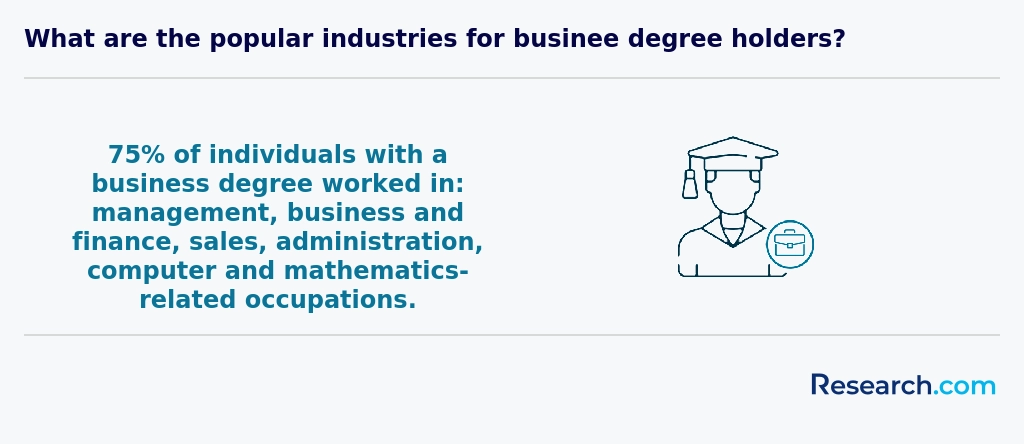
Online business degree programs in New Hampshire typically include a robust set of core courses designed to prepare students for diverse business roles. Graduates from popular institutions like Southern New Hampshire University often recall how Principles of Management helped them lead team projects effectively in real-world settings. Courses such as Financial Accounting give students the confidence to interpret company financials, a skill highlighted by alumni working in regional manufacturing firms.
Marketing Fundamentals and Business Law and Ethics are also central, helping students understand customer dynamics and the legal framework crucial for ethical business practice. Many students find Business Analytics particularly valuable, as it teaches data-driven decision-making, increasingly relevant in New Hampshire's tech sector.
Additional courses like Microeconomics and Macroeconomics, Organizational Behavior, and Strategic Management round out the curriculum, offering insights into economic trends, team dynamics, and long-term planning. This well-rounded approach is praised by recent graduates, who feel well-prepared to meet the demands of New Hampshire's diverse industries from healthcare to technology.
Online business degree specializations in New Hampshire typically include accounting, marketing, management, finance, entrepreneurship, and human resource management. Accounting programs equip students with skills in financial reporting and tax preparation, addressing the local demand for financial professionals. Marketing focuses on digital strategies and brand management, perfect for roles within New Hampshire's expanding e-commerce sectors. Management emphasizes leadership and project oversight, essential for growing startups and established companies. Finance courses offer expertise in investment and corporate finance, aligning with the state's banking industries. Entrepreneurship encourages innovation and small business growth, echoing New Hampshire's supportive environment for startups.
Graduates from institutions such as the University of New Hampshire and Southern New Hampshire University often highlight how these specializations helped them secure meaningful careers. Many students appreciate how emerging fields like supply chain management and business analytics meet contemporary business challenges in the state's manufacturing and technology sectors. Those exploring the best business majors in New Hampshire online find these fields both engaging and practical for local opportunities.
An informed choice about specialization also considers cost, as programs range from $7,000 to $15,000 annually, with online formats providing flexible, competitive pricing. This accessibility encourages diverse student enrollment. For those wondering about career returns, exploring highest paying master degrees is a prudent step when evaluating these programs.
Choosing the best online business degree programs New Hampshire offers requires evaluating several critical criteria. Accreditation from respected bodies like ACBSP or AACSB is non-negotiable; graduates from local institutions often emphasize how accreditation boosted their employer credibility. Tuition costs are significant too-public universities in New Hampshire average about $11,000 annually for in-state students, but private colleges demand more, so affordability weighs heavily on decision-making. Many students take advantage of flexible online scheduling to balance work and family, highlighting the importance of asynchronous classes and strong support services such as career advising and virtual libraries available at prominent business schools in the state.
Curriculum variety also shapes the student experience. Specializations in areas like entrepreneurship or digital marketing give graduates a competitive advantage in New Hampshire's evolving markets. Additionally, connection to local industries through internships or alumni networks can increase job placement success, especially in sectors like healthcare and technology. Prospective students are encouraged to compare programs comprehensively while also considering the cheapest associate degree online options as possible stepping stones, balancing cost with career readiness.

Graduates with an online business degree in New Hampshire can pursue diverse career paths across industries such as healthcare, technology, and finance. Popular colleges in the state provide students with practical skills enabling roles like Business Analyst, Financial Advisor, Marketing Manager, and Project Manager. These roles allow graduates to engage in real-world business challenges-such as improving operational efficiency at a local manufacturing firm or developing digital marketing strategies for startups near Manchester.
Many find the business degree job opportunities in New Hampshire appealing due to steady growth in management, sales, and financial sectors, as highlighted by the New Hampshire Department of Employment Security. Graduates often express satisfaction in applying classroom knowledge to boost regional companies' performance, supported by the state's proximity to Boston's expanded job market. Furthermore, the average salary of approximately $68,000 for business-related occupations underscores the economic benefits of earning this degree locally.
Entrepreneurially minded graduates leverage their education to launch small businesses, contributing to New Hampshire's economy. Prospective students should also consider the investment value of their education, comparing costs with their career goals. For instance, those exploring advanced studies may review the cheapest online doctoral programs to enhance their expertise and marketability further.
Graduates with an online business degree in New Hampshire find a job market supported by a diverse economy, including finance, healthcare, manufacturing, and technology sectors. Many local employers value flexible educational backgrounds, which suits graduates from institutions such as the University of New Hampshire and Southern New Hampshire University. These graduates often secure roles like business analysts, marketing managers, and financial advisors, with salaries frequently exceeding the state average income of around $55,000. For example, financial managers earn median annual wages near $115,000 according to recent data.
Students pursuing a New Hampshire business degree career opportunities appreciate how online programs allow them to balance work and study without relocating. Graduates often highlight the value of networking and internships promoted by their universities, which help connect them to local businesses and the Boston area's dynamic job market.
Investment costs vary, but many find scholarships or employer tuition reimbursement advantageous to manage expenses. Prospective students researching options might consider exploring the cheapest online masters as a cost-effective route to advance their careers.
2027 Best Online Bachelor's in Business Degree Programs Ranking in New Hampshire
Investing in your education is a significant decision that can shape your future, and the Research.com team understands the importance of making informed choices. To assist prospective students in New Hampshire, we have meticulously crafted the "2027 Best Online Bachelor's in Business Degree Programs Ranking in New Hampshire." Our commitment to quality, credibility, and accuracy is reflected in the extensive research and analysis conducted to compile this ranking.
We utilized the following reputable data sources to ensure a comprehensive evaluation of business degree programs:
By exploring this ranking, readers will gain valuable insights into the best online business degree programs offered in New Hampshire, empowering them to make confident and well-informed decisions about their educational pursuits. For more details on our methodology, please visit our Research.com methodology page.

# 2 position
Southern New Hampshire University
Bachelor of Business Administration (Human Resource Management concentration)


Frequently Asked Questions About business
Online business degree students in New Hampshire can maximize their learning by actively engaging with faculty and peers through virtual discussions and group projects. Utilizing the state's strong network of local businesses provides valuable internship and mentorship opportunities, enhancing practical skills. According to the New Hampshire Department of Business and Economic Affairs, industries like finance and technology are growing rapidly, making internships highly relevant. Students should also leverage digital resources such as library databases and business simulation tools offered by their institutions. Time management and setting a dedicated study schedule are crucial for balancing coursework with personal and professional commitments.
The business field is evolving rapidly, and several emerging niches are gaining importance in the US, including New Hampshire. Areas such as data analytics, digital marketing, and sustainable business management are on the rise. According to the New Hampshire Department of Business and Economic Affairs, firms increasingly seek professionals skilled in interpreting large data sets and applying sustainable practices. The demand for expertise in e-commerce and cybersecurity also grows, reflecting broader technology trends. Additionally, healthcare administration is becoming vital due to New Hampshire's aging population. These niches often require specific knowledge beyond traditional business skills, making online degrees that offer tailored concentrations attractive to learners.
Preparing for the job market after earning an online business degree in New Hampshire involves strategic steps. Networking plays a key role; leveraging local chambers of commerce and business organizations like the New Hampshire Business Review can connect graduates with employers. Gaining relevant experience through internships or part-time roles, even remotely, improves marketability. Understanding New Hampshire's strong sectors, such as healthcare and manufacturing, helps tailor job searches effectively.
Students should also develop skills in data analysis and digital marketing, highly sought in the current market. According to the New Hampshire Department of Employment Security, business and financial occupations are projected to grow by 5% through 2030. Continual learning and certifications can further assist graduates in staying competitive.
Employers in New Hampshire seek business degree graduates with strong analytical and communication skills. According to the New Hampshire Department of Employment Security, critical thinking and problem-solving abilities rank highly in local job postings. Many businesses also value proficiency in digital tools such as Excel and data analytics software, reflecting the increasing role of technology in business operations.
Leadership and teamwork are essential, as companies often emphasize collaboration in managing projects. Graduates who demonstrate adaptability and ethical decision-making are preferred, especially in finance and healthcare sectors, which are prominent in New Hampshire's economy.
Effective written and verbal communication skills remain foundational for success in the workplace. These skills help graduates clearly convey ideas and contribute to dynamic business environments across the state.
Finding internships in New Hampshire relevant to a business degree involves leveraging both local resources and online platforms. The state's growing sectors include healthcare, finance, and manufacturing, offering diverse internship opportunities for business students. According to the New Hampshire Department of Business and Economic Affairs, the state hosts over 300 companies in these industries.
Students should begin by exploring internship listings on New Hampshire's official job portal, NH Workforce Opportunity, which connects residents to local employers. Networking through local chambers of commerce, such as the Greater Manchester Chamber of Commerce, can also uncover hidden internship prospects.
Many universities in New Hampshire have career centers that partner with businesses statewide to offer internships. Students pursuing online business degrees should contact these centers to access established employer relationships. Additionally, national platforms like Handshake often list regional internships tailored for business students.
Obtaining an online business degree in New Hampshire can significantly enhance career mobility and advancement opportunities. According to the U.S. Bureau of Labor Statistics, business-related occupations in New Hampshire are projected to grow by 5% through 2031, reflecting steady demand.
Employers increasingly value candidates with formal business education for leadership and management roles. An online degree offers flexible access to skills in finance, marketing, and management, which are critical to progressing within local industries such as manufacturing, healthcare, and finance.
Moreover, New Hampshire's regional economy values accredited online degrees, particularly those recognized by the New England Commission of Higher Education (NECHE). Graduates often report higher salary potential and faster promotions compared to peers without degrees, as reported by the New Hampshire Department of Employment Security.
Studying for a business degree in New Hampshire equips students with skills that extend beyond traditional business knowledge, preparing them for interdisciplinary roles. Programs often combine courses in finance, marketing, management, and information technology, reflecting the diverse demands of the modern workplace.
New Hampshire's online business degrees frequently emphasize critical thinking and problem-solving, empowering graduates to adapt across industries such as healthcare, technology, and manufacturing. According to the New Hampshire Department of Labor, sectors like tech and healthcare are growing, underscoring the need for versatile business professionals.
Additionally, many institutions collaborate with local businesses, offering real-world projects that foster cross-functional teamwork. This hands-on experience supports ability development in communication and leadership, essential for interdisciplinary work environments.
Choosing between a thesis and a non-thesis business degree program in New Hampshire depends largely on your career goals and learning preferences. Thesis programs typically emphasize research skills and require original work, making them ideal for students considering graduate study or research roles. Non-thesis programs focus more on practical coursework and internships, which can benefit students aiming to enter the workforce quickly.
In New Hampshire, where business sectors like insurance and technology are growing, practical experience gained through non-thesis options may offer immediate advantages. According to the New Hampshire Department of Employment Security, business jobs are expected to grow by 6% through 2030, highlighting the need for applied skills.
Consider also the time commitment: thesis tracks may take longer due to research and writing demands. Investigate individual online programs for specific requirements and support services.
Students based in New Hampshire who wish to study business abroad often explore international partnership programs offered through their home institutions. Many New Hampshire colleges maintain exchange agreements with universities in Europe, Asia, and Latin America, allowing students to earn credits overseas while remaining enrolled locally.
Online business degree programs in New Hampshire frequently incorporate global case studies and virtual international collaborations, enhancing cross-cultural business skills without physical travel. According to the New Hampshire Department of Education, over 20% of business programs encourage or facilitate study abroad components through credit transfer or summer sessions.
Furthermore, students can access programs accredited by bodies like AACSB, which often include overseas study options. This combination of online learning and international exposure makes studying business abroad more flexible and attainable for New Hampshire residents.
Students pursuing an online business degree in New Hampshire can benefit from part-time jobs that offer practical experience in local industries. Roles such as administrative assistants, retail managers, and customer service representatives are common and provide valuable skills in communication, organization, and sales.
New Hampshire's strong small business environment creates opportunities in marketing and accounting support positions. According to the New Hampshire Department of Employment Security, the finance and insurance sector employs over 30,000 people statewide, making internships or part-time roles in these fields relevant.
Engaging in part-time bookkeeping or social media management for local startups also complements coursework, helping to build a professional network while applying business concepts.
Online business students in New Hampshire benefit from various networking opportunities designed to connect learners with local professionals and industry leaders. Many universities offer virtual career fairs and alumni networking events, which enable students to engage with experienced business figures across the state. The New Hampshire High Technology Council hosts events that often welcome business students, providing insight into regional market trends and innovation.
The state's chamber of commerce chapters also organize mixers and workshops accessible to online learners, allowing them to build relationships within New Hampshire's $250 billion economy. Furthermore, some programs encourage participation in student-run clubs and competitions, fostering valuable peer connections and practical experience.
Alumni networks play a crucial role for online business degree students in New Hampshire by connecting them to a wide range of professional resources. These networks often provide mentorship opportunities, career advice, and job leads tailored to the state's evolving business landscape.
Given New Hampshire's strong small business sector and growing tech industry, alumni connections can be especially valuable for internships and employment. According to the New Hampshire Department of Business and Economic Affairs, networking remains a top method for job placement in the state's competitive markets.
Additionally, alumni events and online platforms enable students to build lasting relationships, enhancing their professional visibility and support beyond graduation.
Students pursuing an online business degree in New Hampshire can tailor their education by selecting elective courses that align with their career goals. Many programs allow customization through concentrations such as finance, marketing, or entrepreneurship. Choosing the right focus helps develop specific skills demanded in New Hampshire's growing industries.
New Hampshire's economy emphasizes healthcare, manufacturing, and technology sectors, so aligning your studies with these fields can enhance job prospects. For example, integrating business analytics or supply chain management courses can be advantageous.
Additionally, some online programs offer internship opportunities or capstone projects with local businesses to gain practical experience. Accredited schools ensure that the curriculum meets regional workforce needs, delivering flexible pathways for students balancing work and study.
Online business students in New Hampshire often face challenges related to balancing coursework with work and family responsibilities. According to the New Hampshire Postsecondary Commission, many students report time management as a key difficulty when pursuing degrees remotely.
Technical issues can also affect their learning experience. Reliable internet access is crucial, especially in rural areas of New Hampshire where connectivity may be limited. The Federal Communications Commission data indicates that some parts of the state still lack high-speed broadband.
Additionally, students may struggle with limited networking and internship opportunities compared to traditional on-campus programs, which can affect practical business experience and job placement after graduation.
With an online business degree, students in New Hampshire can pursue several valuable professional certifications to enhance their careers. Popular options include the Certified Business Manager (CBM) and the Project Management Professional (PMP), both widely recognized in various industries.
The Certified Management Accountant (CMA) is another strong credential, focusing on financial management and strategy, which is especially beneficial given New Hampshire's growing finance sector. Additionally, the Certified Professional in Supply Management (CPSM) supports roles in procurement and logistics, key to the state's manufacturing growth.
These certifications typically require a combination of education, experience, and passing an exam, offering measurable ways to advance in the competitive business job market.
To write a winning application for an online business program in New Hampshire, start by thoroughly researching the program's requirements and values. Tailor your personal statement to highlight your career goals aligned with New Hampshire's growing business industries, such as healthcare management and technology services, which contribute to over 15% of the state's economy (NH Department of Business and Economic Affairs, 2023).
Showcase your academic background and work experience with clear examples of leadership or problem-solving skills. Be sure to include any relevant certification or training that strengthens your commitment to business studies.
Additionally, obtain strong letters of recommendation from supervisors or professors who can attest to your business aptitude and dedication.
Finally, proofread carefully to present a clear, professional application that reflects your motivation to succeed in New Hampshire's competitive business environment.
Globally, a career in business is viewed as versatile and essential to many industries. In the United States, including New Hampshire, business degrees offer skills in leadership, finance, marketing, and management that are valued worldwide. According to the U.S. Bureau of Labor Statistics, jobs in business and financial operations are projected to grow by 8% from 2022 to 2032, indicating steady demand.
New Hampshire's economy relies on sectors like manufacturing, healthcare, and technology, where business professionals play key roles. Earning an online business degree locally provides access to networks that connect with these industries.
Internationally, business skills foster global collaboration and understanding of diverse markets. This is crucial as companies increasingly operate across borders, making a business degree a gateway to global opportunities for New Hampshire students.
Gaining practical experience while pursuing an online business degree in New Hampshire is essential for career readiness. Many universities incorporate internships or cooperative education programs, even for online students, allowing them to work with local businesses across sectors like finance, healthcare, and manufacturing.
The New Hampshire Department of Business and Economic Affairs highlights small- to medium-sized enterprises as key players in the state's economy, making them prime internship destinations. Additionally, virtual internships have grown, offering remote work opportunities aligned with online coursework.
Students can also join business clubs, attend networking events, or seek mentorship through alumni networks to build real-world skills beyond academics.
Choosing the right concentration within an online business degree program in New Hampshire involves assessing your career goals and local industry demands. Key concentrations include finance, marketing, management, and entrepreneurship. New Hampshire's economy, driven by healthcare, manufacturing, and technology sectors, suggests focusing on areas like management or supply chain may offer strong job prospects, according to the New Hampshire Department of Business and Economic Affairs.
Consider programs accredited by recognized bodies such as AACSB or ACBSP to ensure quality education. Evaluating courses, faculty expertise, and career support services also helps identify the concentration best aligned with your ambitions.
- 2027 Best Online Bachelor's in Business Degree Programs Ranking in Vermont
- 2027 Best Online Bachelor's in Business Degree Programs Ranking in Massachusetts
- 2027 Best Online Bachelor's in Business Degree Programs Ranking in Maine
- 2027 Best Online Bachelor's in Business Degree Programs Ranking in New York
- 2027 Best Online Bachelor's in Business Degree Programs Ranking in Connecticut
- 2027 Best Online Bachelor's in Business Degree Programs Ranking in New Jersey
- 2027 Best Online Bachelor's in Business Degree Programs Ranking in Pennsylvania
- 2027 Best Online Bachelor's in Business Degree Programs Ranking in Maryland
- 2027 Best Online Bachelor's in Business Degree Programs Ranking in Virginia
- 2027 Best Online Bachelor's in Business Degree Programs Ranking in Ohio
See What Experts Have To Say About Studying Business
Read our interview with Business experts

David Souder
Business Expert
Senior Associate Dean for Faculty and Research
Michigan State University


David W. Stewart
Business Expert
Emeritus President's Professor of Marketing
Loyola Marymount University

- Business Studies, AS - Manchester Community College NH https://mccnh.edu/program/business-studies/
- Business Development Cover Letter Samples & Examples 2026 https://www.kickresume.com/en/help-center/business-development-cover-letter-samples/
- Business Administration, AA Online - New England College https://www.nec.edu/programs/associate-of-arts-in-business-administration
- Skills Employers Look for in Business Graduates – EU Business School https://www.euruni.edu/blog/skills-employers-look-for-in-business-graduates/
- Enterprise project challenge https://barclayslifeskills.com/help-others/lessons/enterprise-project-challenge/
- BUSINESS MANAGEMENT ENGLISH (THESIS / NON-THESIS) - Lisansüstü Eğitim Enstitüsü https://lee.nisantasi.edu.tr/en/business-management-english-thesis-non-thesis/
- Business degree: What to study and how to find a job https://brive.com/blog/studies/business-degree-guide-to-study-and-find-a-job/
- 5+1: Five challenges facing business schools and one solution https://charteredabs.org/insights/opinion/51-five-challenges-facing-business-schools-and-one-solution
- Online Degree vs. Traditional: Choosing the Right Path https://beal.edu/online-degree-vs-traditional/
- Is a thesis always mandatory in a master's degree program? - EFMU: The Euler-Franeker Memorial University and Institute https://euler.euclid.int/is-a-thesis-always-mandatory-in-masters-degree-program/