2027 Best Business Degree Programs Ranking in University

Co-Founder and Chief Data Scientist
Choosing the right business degree program is an important step toward a successful career. This article presents the 2027 Best Business Degree Programs Ranking in University, carefully developed by the Research.com team of data scientists. Their goal is to provide you with reliable information that helps you make an informed decision about which programs truly stand out.
Whether you're aiming for leadership roles or entrepreneurial ventures, discovering top programs can boost your confidence and guide your path. Exploring this ranking is a chance to find opportunities that align with your goals and passions.
Key benefits of getting business degree in University
- Salary potential: Graduates with a business degree can earn competitive wages, such as Business Development Executives with a mean annual salary of $83,190 and Business Analysts earning around $112,950 per year, reflecting strong financial rewards.
- Career paths: Business degree holders often explore diverse roles like marketing, consulting, and finance, offering flexibility and opportunities to find a career that matches their passion and skills.
- Online degree benefits: Earning a business degree online provides flexibility and accessibility, allowing students to balance work and study while gaining valuable skills, as demonstrated by successful graduates from respected online programs.
- 2027 Best Business Degree Programs Ranking in University
- What can I expect from business degree in University?
- Where can I work with business degree in University?
What can I expect from business degree in University?
Wondering about the average cost of earning a business degree in University? It usually lands somewhere between $30,000 to $50,000 per year, depending on whether you're attending a public or private school. For example, students at popular business schools like the University of Washington or Seattle University often find that tuition and fees add up quickly, but many still feel it's totally worth it when they land internships or jobs in the city's booming tech and finance sectors.
Most graduates mention they scored internships that helped offset some costs, gaining hands-on experience while building their resumes. Plus, schools in University often offer solid financial aid and scholarships, so don't let the sticker price scare you. Think about one graduate's story who juggled a part-time job with classes and still managed to graduate feeling confident about paying off their student loans because the career services teams were super helpful with job placements.
Where can I work with business degree in University?
Graduates from business programs at universities in the U.S. often find themselves diving into exciting careers right after college. Imagine walking out of your business class at a well-known University like the University of California or Ohio State and landing a job as a financial analyst, where you're analyzing real company data and helping make key investment choices. That's a common path, and it's pretty rewarding.
Other grads jump into marketing roles-maybe managing a cool new brand or running digital campaigns that reach thousands. If you loved the teamwork in your university projects, going into management could feel natural. You might start as a management trainee and eventually lead a team or run projects in industries as varied as tech, retail, or nonprofits.
Some business students use what they learned in class to launch startups or join consulting firms that work with big names like Deloitte. The skills from university-like problem-solving and financial know-how-make it easier to adapt, whether helping nonprofits or working in public administration. It really opens a lot of doors!
If you've earned a business degree from a university in the U.S., like one of the popular schools known for their business programs, you're probably curious about what kind of paycheck to expect. On average, graduates landing a role as a Business Development Executive see mean annual wages around $83,190. That's a solid start when compared to many other fields.
Now, if you're aiming for a role as a Business Analyst, which many grads from colleges with strong analytics programs pursue, you can expect even better pay-about $112,950 a year. That's pretty exciting for recent grads stepping into the job market, especially in cities with booming business hubs.
Many graduates I've talked to from universities in University share how their first jobs as Business Developers or Analysts really helped them gain confidence-not just in their skills, but also in the fact that their degree truly pays off. Imagine starting your career making upwards of $80K to $110K-it's definitely a boost that makes the long study hours worth it!
- In-state tuition for a business bachelor's degree at public universities typically ranges from $25,000 to $45,000, while private universities often charge over $50,000.
- The average starting salary for business graduates in the U.S. is between $55,000 and $65,000, with finance and accounting majors usually earning more.
- Employment in business and financial fields is expected to grow by about 8% from 2022 to 2032, driven by demand for skills in data analysis and financial management.
- Business programs often include areas such as finance, management, marketing, entrepreneurship, and international business with a focus on hands-on learning experiences.
- Accreditation like AACSB is a key quality indicator that may affect how employers view graduates.
Most business students at universities in the United States finish their bachelor's degree in about four years. That's the typical timeline at popular schools like the University of Michigan or the University of Texas McCombs School of Business, where students complete around 120 to 130 credit hours. Many grads remember juggling full course loads, but that four-year path keeps things predictable and manageable.
Some students speed things up by taking extra classes during summer sessions or a heavier semester load, cutting their finish time to three years. On the flip side, folks who work part-time or switch majors might stretch their studies out to five or six years - it's all about fitting school around life. For example, business students who want to snag real-world experience through internships or study abroad programs often take a bit longer, but they come away with incredible skills and networks.
So if you're aiming for a solid, on-time finish, four years is the sweet spot many students hit, feeling proud and ready to dive into the business world.
If you're thinking about studying business in University, one big difference between online and on-campus programs is how you experience the day-to-day learning. Online business degrees give you serious flexibility-you can watch lectures and do assignments from your dorm, a coffee shop, or even while traveling. Many graduates from top universities in University love this because they could keep working part-time or handle family life without missing a beat. But at the same time, it means you have to be pretty disciplined to keep up with everything on your own schedule.
On-campus programs, which are super popular at some of University's biggest business colleges, really shine when it comes to in-person networking. Imagine grabbing coffee with a professor between classes or joining a study group that sparks new ideas for your marketing project. Those personal connections often lead to internships or even job offers later on.
Cost-wise, some grads say online programs saved them money on campus fees and commuting, but campus-based degrees can open doors with their hands-on labs and career centers-things that don't translate quite as well online.
The average cost of a business degree in University typically hovers around $43,500 when you factor in tuition, fees, and other essentials. Plenty of business students from popular colleges in University find that budgeting carefully helps them manage this expense without too much stress. For example, several graduates from well-known local institutions share how they balanced part-time jobs and scholarships to keep costs manageable.
Living in University, many students notice that in-state tuition can be a great advantage, often costing much less compared to out-of-state rates. Those who stay in-state usually pay closer to $9,772 for the entire program, which feels much more doable when thinking about total expenses for business degree programs in the US. Meanwhile, out-of-state students might prepare for around $43,500 or more, but often say the investment is worth it thanks to the strong alumni network and career opportunities available.
Don't forget, the overall expense goes beyond just tuition. Things like textbooks, supplies, and daily living costs can add up, but with a little planning, many enjoy the experience of university life without breaking the bank. If you're curious about other programs, especially in different fields or related areas, check out some of the best online programs for hospitality management as a helpful comparison to get a sense of varied costs and options.

Evaluating the return on investment (ROI) of a business degree is essential for prospective students in University, MS, who want to balance educational costs with future earnings. By comparing tuition expenses, time to completion, and projected salaries, you can estimate how quickly your degree will pay for itself and begin yielding net financial benefits.
Key factors in ROI analysis:
- Upfront Costs: Average tuition for a bachelor’s program in University, MS is $40,926 for in-state students at public institutions, with private colleges averaging $516 per credit hour.
- Annual Earnings: Mean salaries for common roles-Project Manager ($80,220) and Business Analyst ($108,790)-translate to a payback period of roughly 3–4 years post-graduation, assuming full-time employment.
- Debt Load & Repayment: Graduates who finance their degrees through federal loans can compare various repayment plans; lower-cost online options often reduce total debt, shortening the break-even point.
- Program Length & Accelerated Paths: Four-year bachelor’s programs can be expedited through summer courses or credit transfers, while some students consider the easiest mba online routes to minimize time in school and maximize earnings sooner.
To further improve ROI:
- Secure Internships Early: Hands-on experience can increase starting salaries by 10–15%.
- Pursue Scholarships and Grants: Reducing reliance on loans lowers long-term financial burden.
- Leverage Career Services: Universities with strong employer networks help graduates land higher-paying roles faster.
By conducting a personalized ROI calculation-factoring in total cost, expected salary trajectory, and debt repayment-you can make a data-driven decision about which business program in University, MS, offers the strongest financial payoff over time.
When you're going for a business degree at a university in the U.S., financial aid can be a total game-changer. Many grads from big schools like the University of Michigan or the University of Texas started off with federal aid through FAFSA. This opens doors to grants like the Pell Grant, which is basically free money-up to $7,395 a year-that you don't have to pay back. Plus, federal loans with low interest rates make it easier to manage costs without going broke right after graduation.
Merit scholarships are another big help, especially at top business schools. Students who really shine in academics or leadership often snag awards between $1,000 and $10,000. Some grads from places like Indiana University remember how departmental scholarships made a huge dent in their tuition.
Work-study jobs and assistantships are a smart move too. Whether you're helping out as a research assistant or handling admin tasks in your business school, you can earn $10-$15 an hour while getting valuable experience. It's a win-win.
And if you're already working, employer tuition reimbursement can be a lifesaver. Over half of U.S. companies offer it, helping many to keep their education affordable while staying on the job.
Embarking on a business degree is both an exciting and challenging journey. To excel in your academic and professional pursuits, consider developing strong study habits, effective time management skills, and a proactive approach to networking. Begin by familiarizing yourself with essential business concepts and terminologies before classes start, and take advantage of academic resources such as tutoring centers and study groups. Engaging actively in internships and real-world projects can also provide valuable hands-on experience that makes theoretical concepts more practical. Additionally, attending career fairs and interacting with industry professionals will help build a strong network, setting a solid foundation for future job opportunities. For more insights on laying the groundwork for a successful business education, explore our guide on Business Administration Degree. By combining disciplined study routines with practical experiences and a commitment to lifelong learning, you’ll be well-equipped to navigate the evolving world of business and secure your position in a competitive job market.
If you're thinking about diving into a business degree at a university here in the US, the first thing you'll usually need is a high school diploma or something equivalent. Most business programs at popular schools expect you to have taken some solid college-prep classes-think math, English, and social studies-to make sure you're set up with the basics.
Along with your transcript showing a decent GPA (like a 3.0 or higher), you might also have to send in SAT or ACT scores. Some schools, especially the tougher ones, really appreciate high test scores, though lately a few have made those tests optional. A bunch of graduates from well-known business colleges say these scores helped their applications stand out when they applied.
For those aiming for an MBA or other graduate business programs, you'll want to have a bachelor's degree first. Plus, work experience-sometimes a couple of years or more-is often a must, showing you bring real-world skills to the table. Many grads shared that this experience made their classroom discussions way richer and helped them land better internships.
Oh, and don't forget recommendation letters or a personal essay-these let schools see your personality and drive, which can really tip the scales in your favor during admissions.
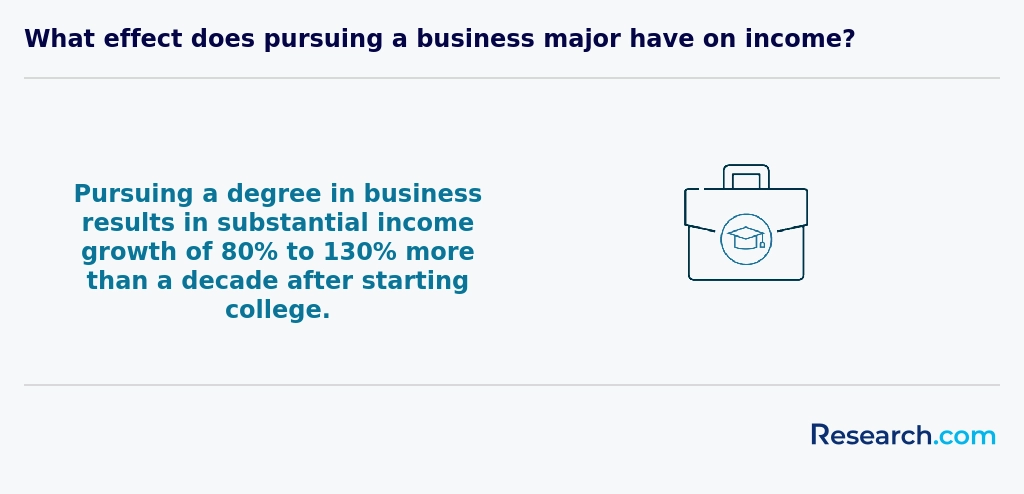
To make informed decisions about their education, prospective students need to consider the affordability of business degree programs in University, MS. One crucial aspect of this consideration is understanding the cost of attending these programs and how they can be made more affordable. For those looking to minimize their expenses, finding the cheapest business school in Mississippi can be a significant step in achieving their educational and career goals without incurring substantial debt. By exploring these options and considering factors such as tuition fees, scholarships, and financial aid, students can ensure that their pursuit of a business degree aligns with their financial situation and aspirations.
When you dive into a business degree at a university, you'll start with the basics like Principles of Management and Economics-stuff that sets the stage for everything else. Imagine sitting in a lecture at a popular college in University, where the professor breaks down how companies run and how the market shapes everyday life. Early on, you get a solid grasp of how businesses actually tick.
As you move forward, things get more interesting with courses like Financial Accounting and Marketing Fundamentals. Graduates often say these classes helped them understand money flow and how to attract customers, which is pretty motivating when you picture yourself launching a startup or climbing the corporate ladder.
Plus, there's a bunch of practical classes like Business Law and Operations Management that show you the real-world rules and how to keep things running smoothly. Many students also love the chance to explore cool electives like Entrepreneurship or International Business, tailoring their studies to what fires them up.
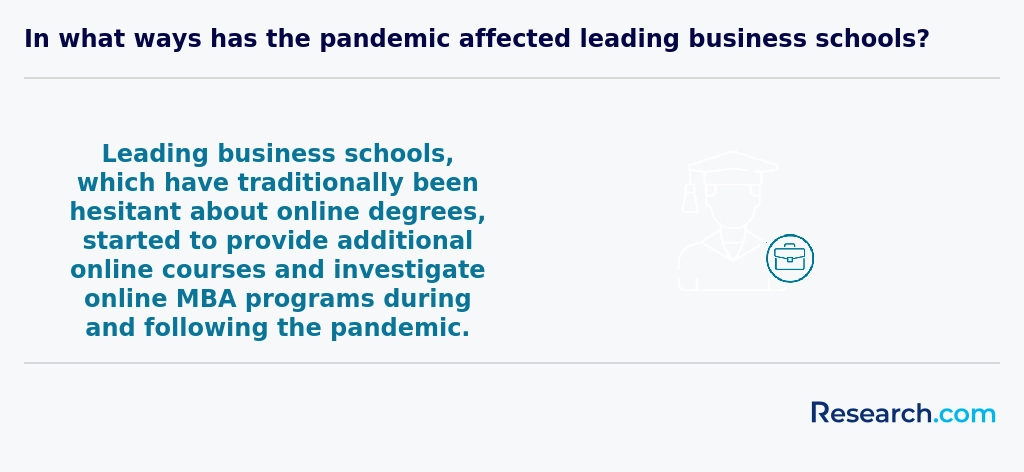
If you're diving into a business degree in University, you'll find tons of specializations to choose from, each with its own vibe and career path. Graduates from popular colleges in University often share how these focused tracks helped them find their passion-whether that's crunching numbers in finance or crafting awesome marketing campaigns.
Some of the top business program concentrations in University include Finance, where you learn all about investing and banking, and Marketing, which dives into advertising and brand building. Others go for Accounting, mastering tax prep and auditing, or Management, where leadership and organization skills take center stage. A lot of students also like International Business, exploring global trade, or Entrepreneurship to get their startup ideas off the ground.
If you're wondering whether to study remotely or in person, many grads compare the perks of an online vs on-campus accounting degree to see what fits their lifestyle and goals best-balancing course load with flexibility.
Picking the best business degree program in University can feel overwhelming, but focusing on a few key areas makes it easier. Graduates from popular colleges often say that checking for AACSB accreditation is a game changer-it's like a stamp of approval that the program really delivers quality education. Plus, consider the cost; public universities usually charge much less than private ones, but you'll want to factor in extra expenses like textbooks and tech fees.
Think about how flexible the program is too. Some universities offer specialized tracks or part-time options that fit around work or internships, which can add serious value. Many grads mention how practical experiences like capstone projects shaped their careers. Also, don't forget career support-schools with strong alumni networks can help you land internships and jobs faster.
Finally, while researching the best business degree programs 2027, keep an eye on the curriculum and how it fits your style. For a sneak peek at what industries you might enter, check out the best industries for MBA graduates.

If you're studying for a business degree at a university, the career paths available to you are pretty exciting and diverse. Many grads find themselves diving into roles like financial analyst or marketing manager, where they get to shape investment strategies or craft campaigns that really make a brand pop. Others jump into human resources or management consulting, helping companies solve problems and grow. Graduates from well-known colleges in University often share stories about landing these roles thanks to strong internships and hands-on projects, which show employers they're ready to hit the ground running.
For those curious about job prospects, business degree career opportunities in 2027 look bright, especially in fast-growing fields like operations management or data analytics. Plenty of grads also use their degrees to start their own ventures, applying what they learned about entrepreneurship. If finance sparks your interest, checking out the best online finance programs could be a great next step to boost your prospects and salary potential.
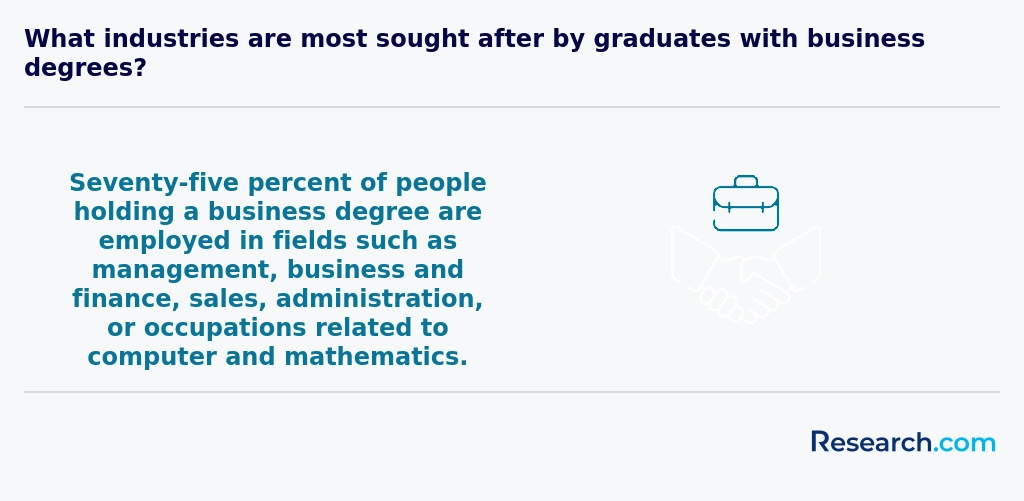
The job market for business degree in University remains really promising, especially if you're studying at well-known schools popular in University. Graduates from these places often land solid gigs in industries like finance, management, or marketing. Imagine a recent grad from a top business college landing a management analyst role with a starting salary close to $62,000 annually-pretty encouraging, right? The versatility of business degrees means you're not boxed into one career path, which is a huge plus when the economy shifts.
Many grads find their way into bustling urban hubs like New York or Chicago, where opportunities and salaries tend to be higher. The demand for strong communicators and problem-solvers means those soft skills you develop in your coursework really pay off. Plus, internships and real-world experience through co-op programs can be game changers when you're job hunting.
If you're curious about how business degrees stack up versus other fields, you might want to check out finance and accounting degrees online for a deeper dive.
For anyone considering the business degree employment opportunities in 2027, the outlook is bright-especially if you're proactive about gaining experience and leveraging your university's network.
2027 Best Business Degree Programs Ranking in University
Investing in your education is a significant decision that can influence your professional and personal future, and the Research.com team is deeply aware of the importance of making well-informed choices. To support prospective students, we have carefully developed the "2027 Best Business Degree Programs Ranking in University." Our dedication to quality, credibility, and accuracy is evident in the thorough research and analysis behind this ranking.
We utilized the following reputable data sources to ensure a comprehensive evaluation of business degree programs:
By exploring this ranking, readers will obtain valuable insights into top business degree programs, empowering them to make informed decisions about their education and career paths. For more information about how this ranking was created, please visit our Research.com methodology page.

Frequently Asked Questions About business
Business degree students in university can maximize their learning experience by engaging actively in both academic and practical activities. According to the National Center for Education Statistics, hands-on experiences like internships improve employment rates by up to 20%. Participating in case competitions and student organizations allows students to apply theoretical knowledge to real-world challenges.
Networking with professors and industry professionals through events and office hours also enhances understanding of business concepts. Additionally, leveraging campus resources such as career centers and study groups fosters collaboration and skill development. Staying informed on current business trends and using online databases can further deepen insights during the course of study.
Emerging niches within business degrees in U.S. universities reflect the evolving demands of the global economy. Areas such as sustainable business and environmental management are growing rapidly, driven by increased corporate focus on social responsibility. According to the National Center for Education Statistics, enrollment in sustainability-related business programs rose by over 20% between 2018 and 2022.
Another expanding field is data analytics, which integrates business decision-making with advanced quantitative methods. Universities increasingly offer specialized tracks in business analytics to meet industry demand. Additionally, entrepreneurship programs focusing on technology startups and innovation have gained popularity, with the Kauffman Foundation reporting a steady rise in university-based entrepreneurial activities.
Preparing for the job market after completing a business degree in University involves strategic planning and skill development. According to the National Association of Colleges and Employers (NACE), about 80% of business graduates secure employment within six months of graduation. Internships are crucial; they provide practical experience and professional networking opportunities, often leading to full-time positions.
Additionally, students should focus on developing soft skills such as communication, teamwork, and problem-solving. Many employers value these skills alongside technical knowledge in finance, marketing, or management. Utilizing university career services for resume building, interview practice, and job fairs greatly enhances job readiness.
Finally, staying updated on industry trends through professional organizations like the American Marketing Association or finance groups can provide valuable insights and connections.
Employers seeking business degree graduates in University prioritize a combination of technical and soft skills. According to the National Association of Colleges and Employers (NACE), communication skills top the list, with over 80% of employers rating them as essential. Analytical thinking and problem-solving abilities are also highly valued, as businesses require graduates who can handle data and make informed decisions.
Leadership and teamwork capabilities are crucial, reflecting the collaborative nature of modern workplaces. Digital literacy, including proficiency in tools like Excel and data analytics software, has increased in importance, driven by the growing role of technology in business processes.
Lastly, adaptability and a strong work ethic remain important traits, preparing students to navigate fast-changing industries successfully.
Finding internships during a business degree program in the US is a crucial step toward building practical experience and enhancing employability. Universities often offer dedicated career services that help connect students with internship opportunities in fields like finance, marketing, and management. According to the National Association of Colleges and Employers (NACE), 60% of business undergraduates secure internships during their studies, which improves their chances of full-time employment.
Students should actively use online platforms such as Handshake, which many universities partner with to list relevant internships. Networking events, faculty recommendations, and university-sponsored career fairs also provide valuable connections.
A business degree from a University significantly enhances career mobility and advancement opportunities. According to the National Center for Education Statistics, nearly 20% of bachelor's degrees awarded in the U.S. are in business-related fields. This wide recognition opens doors across industries such as finance, marketing, and management.
Graduates with business degrees often experience higher starting salaries; the U.S. Bureau of Labor Statistics reports median annual earnings for business majors are approximately 10-15% above the national average for bachelor's degree holders. Employers value the versatile skill set, including leadership, strategic thinking, and financial literacy, gained through business programs.
Additionally, business degree programs in University frequently offer internship placements and networking opportunities, which are crucial for career growth and job transitions. These practical experiences and professional connections contribute to quicker promotions and entry into competitive roles.
Studying for a business degree in University offers a broad foundation that prepares students for interdisciplinary roles by combining knowledge from various fields such as economics, finance, marketing, and management. According to the National Center for Education Statistics, business remains one of the most popular majors in US higher education, emphasizing skills that transcend single disciplines.
Business programs often include coursework in communication, data analysis, and organizational behavior, which are crucial for collaborating across departments. Students develop critical thinking and problem-solving abilities, enabling them to address complex challenges involving multiple perspectives.
Many universities also encourage internships and projects involving cross-functional teams, providing practical experience in working with diverse expertise. This interdisciplinary training enhances adaptability, a key trait for dynamic business environments.
Choosing between a thesis and a non-thesis business degree program in a University depends on your career goals and learning preferences. A thesis option involves conducting original research, which can enhance critical thinking and analytical skills. It's often preferred by students aiming for research roles or further graduate studies like a PhD. According to the National Center for Education Statistics, about 15% of business master's students in the US choose thesis tracks.
Non-thesis programs typically focus more on coursework and practical application. They may include internships or capstone projects and are suited for those targeting immediate professional roles in industries such as marketing, finance, or management. The U.S. Department of Education reports that non-thesis tracks have higher enrollment due to their flexibility and faster completion times.
Additionally, some Universities may require additional credits for thesis completion, often extending the program by a semester. Students should also consider faculty expertise and available resources for research when opting for a thesis.
Students enrolled in business programs at U.S. universities have several opportunities to study abroad, enhancing their global perspective. Many universities offer exchange programs with partner schools worldwide, allowing students to take business courses overseas for a semester or a year. For example, over 50% of top business schools in the U.S. provide formal exchange agreements with universities in Europe and Asia, according to NAFSA data from 2023.
Additionally, some colleges offer specialized summer study abroad programs focused on international business practices. These shorter programs typically last 4 to 8 weeks and include site visits to global companies.
Moreover, students can pursue dual-degree options, combining a U.S. business degree with a qualification from an international institution, expanding career possibilities in multinational firms.
Part-time jobs that complement business degree education in University often include roles in retail management, customer service, and administrative support. These positions help students develop key skills like communication, problem-solving, and teamwork-essential for business careers. According to the National Association of Colleges and Employers (NACE), 65% of employers value practical experience alongside academic achievements.
Internships or assistant positions within university business departments, such as research assistantships or student record clerks, also provide relevant exposure to business concepts and operations. Additionally, roles in campus entrepreneurship centers or marketing clubs offer networking opportunities and hands-on learning.
Business students in universities across the US benefit from extensive networking opportunities that enhance career prospects. According to the National Association of Colleges and Employers (NACE), over 80% of internships and job offers come through networking connections. Universities often host career fairs, inviting hundreds of companies specifically seeking business students, giving direct access to recruiters and alumni.
Many institutions have active business clubs, honor societies like Beta Gamma Sigma, and student-run consulting groups that foster peer networking. Faculty members also frequently connect students with industry professionals through guest lectures and mentorship programs. These varied opportunities provide valuable contacts and real-world insights to help business students succeed.
Alumni networks provide significant advantages to business degree students in University by offering access to a wide range of professional contacts. These connections can lead to internships, mentorship, and job opportunities following graduation.
According to the National Association of Colleges and Employers, 70% of jobs are filled through networking, highlighting the importance of alumni relations.
Strong alumni networks also offer students insights into various industries and career paths, helping them make informed decisions. Universities with active business alumni groups often host events, workshops, and panels that connect current students with experienced professionals.
Customizing a business degree program in a university allows students to align their education with specific career goals. Many US institutions offer concentrations such as finance, marketing, management, or entrepreneurship, enabling focused study in areas that match industry demands.
Students can often select electives and participate in internships or co-op programs to gain practical experience. According to the National Center for Education Statistics, about 75% of business students pursue at least one specialization to enhance job prospects.
Additionally, some universities provide certificate programs or dual-degree options, expanding professional skills and flexibility in the job market. Academic advising plays a key role in guiding course selections that support individual ambitions.
Business students in US universities often face several notable challenges during their studies. One primary difficulty is managing a heavy workload, as business programs typically require mastering diverse subjects like finance, marketing, and management. According to the National Center for Education Statistics, business majors average over 40 hours per week on coursework and projects.
Another common issue is the pressure to gain practical experience while maintaining academic performance. Internships and networking are crucial but can be competitive and time-consuming. Additionally, many students struggle with balancing theoretical knowledge and real-world applications, a gap highlighted in the 2023 Graduate Management Admission Council report.
Financial concerns also impact business students, with tuition costs often exceeding $30,000 annually at many universities, leading some to take on significant debt.
With a business degree from a university in the US, graduates can pursue various professional certifications to enhance their career prospects. Popular options include the Certified Public Accountant (CPA), ideal for those interested in accounting and finance. The CPA license is highly valued, with the Bureau of Labor Statistics projecting an 11% employment growth for accountants by 2032.
Another common certification is the Project Management Professional (PMP), recognized globally and beneficial for business graduates aiming to manage teams and projects efficiently.
Additionally, many graduates pursue the Chartered Financial Analyst (CFA) credential, especially those focused on investment management. The CFA Institute reports over 190,000 charterholders worldwide, emphasizing its prestige.
Other certifications include the Certified Management Accountant (CMA) and Six Sigma credentials, both valuable in operational and strategic roles.
Writing a winning application for a business program at a US university requires clear focus and preparation. Start by researching the specific program's values and strengths, as many top business schools, such as those ranked by U.S. News & World Report, prefer applicants demonstrating leadership potential and real-world experience.
Highlight your academic achievements, especially in quantitative subjects like math or economics, since business programs often value strong analytical skills. According to the Graduate Management Admission Council, over 70% of business schools recommend submitting GMAT or GRE scores to strengthen your application.
Craft a compelling personal statement that clearly explains your career goals and how the program fits those objectives. Use concrete examples to show your motivation and dedication. Additionally, letters of recommendation from employers or professors who can attest to your skills and work ethic can significantly boost your chances.
The global perspective on a business career is increasingly shaped by the demand for versatile skills and cultural awareness. According to the National Center for Education Statistics, over 350,000 students earned business degrees in the United States in 2022, reflecting strong interest in this field. Many American universities emphasize global business concepts, preparing students for careers that span multiple countries.
Graduates often pursue roles in multinational corporations, consulting, or international trade, sectors experiencing steady growth. The U.S. Bureau of Labor Statistics projects a 7% job growth for business-related occupations from 2021 to 2031.
Understanding global markets, ethics, and communication is crucial for success in today's interconnected economy.
Gaining practical experience while studying for a business degree in the US is vital for career readiness. Many universities offer internships that connect students with companies in finance, marketing, or management. According to the National Association of Colleges and Employers (NACE), over 60% of business students participate in internships before graduation.
Business programs often include cooperative education (co-op) options, allowing students to alternate between classroom study and full-time work. This method enhances hands-on skills and professional networking.
Additionally, students can join university-sponsored consulting projects or business clubs where they solve real-world business challenges. Participation in case competitions is another popular way to apply classroom knowledge.
Choosing the right concentration within a business degree program requires careful consideration of your interests, career goals, and the job market. Common concentrations include finance, marketing, management, and entrepreneurship, each offering distinct skills and career paths.
Review the curriculum and see if it aligns with your strengths and professional ambitions. According to the National Center for Education Statistics, concentrations like finance and marketing remain highly popular due to strong employment prospects and competitive salaries.
Additionally, consider internship opportunities and faculty expertise in your chosen field. Many universities provide career services reporting high placement rates for specific concentrations, assisting in job searches.
- 2027 Best Business Degree Programs Ranking in Little Rock
- 2027 Best Business Degree Programs Ranking in Birmingham
- 2027 Best Business Degree Programs Ranking in Conway
- 2027 Best Business Degree Programs Ranking in Montgomery
- 2027 Best Business Degree Programs Ranking in Mobile
- 2027 Best Business Degree Programs Ranking in Baton Rouge
- 2027 Best Business Degree Programs Ranking in New Orleans
- 2027 Best Business Degree Programs Ranking in Louisville
- 2027 Best Business Degree Programs Ranking in Macon
- 2027 Best Business Degree Programs Ranking in Indianapolis
See What Experts Have To Say About Studying Business
Read our interview with Business experts

David W. Stewart
Business Expert
Emeritus President's Professor of Marketing
Loyola Marymount University

David Souder
Business Expert
Senior Associate Dean for Faculty and Research
Michigan State University


- How to Write the Perfect Cover Letter – EU Business School https://www.euruni.edu/blog/write-perfect-cover-letter/
- Business Administration Degree Salary | UE Amsterdam https://www.ue-amsterdam.com/blog/business-administration-degree-salary-how-much-can-you-earn
- 2024 Best Business Schools | How Alumni Rate Their Undergraduate Business Degrees https://poetsandquantsforundergrads.com/news/best-business-schools-alumni-rate-undergraduate-business-degrees/5/
- How to Identify Profitable Business Niches: A Guide for ... https://www.invoiceonline.com/the-entrepreneur-s-handbook/entrepreneurship/business-strategy/how-to-identify-profitable-business-niches-97365
- Bachelor of Business Administration (BBA): how much does it cost? https://yourdreamschool.com/bachelor-of-business-administration-bba-how-much-does-it-cost/
- Online Degree vs. Traditional: Choosing the Right Path https://beal.edu/online-degree-vs-traditional/
- Bringing global perspectives to leadership in business https://www.eaie.org/resource/global-perspectives-leadership-business.html
- What is the future of bachelor’s degrees in business? https://www.amba-bga.com/insights/what-is-the-future-of-bachelors-degrees-in-business
- Networking Tips for Business Students and MBA Candidates - Cyprus West University https://www.cwu.edu.tr/networking-tips-for-business-students-and-mba-candidates/
- 5+1: Five challenges facing business schools and one solution https://charteredabs.org/insights/opinion/51-five-challenges-facing-business-schools-and-one-solution