2027 Most Affordable Online Bachelor's in Business Degree Programs Ranking in the USA

Co-Founder and Chief Data Scientist
Choosing the right online business degree can shape your future in exciting ways. This article introduces the 2027 Most Affordable Online Bachelor's in Business Degree Programs Ranking in the USA, created by the Research.com team of data scientists to help you navigate your options with confidence.
By exploring this ranking, you'll discover affordable programs that balance quality and value, making your educational journey accessible and rewarding. Earning a business degree opens doors to numerous career paths and personal growth, empowering you to achieve your goals.
Take the first step toward a brighter future with informed decisions tailored to your needs.
Key benefits of getting online business degree in America
- Business degree graduates in America can earn competitive salaries, with positions like Business Development Executive making around $83,190 annually and Business Analyst roles averaging $112,950 per year.
- Graduates often explore diverse career paths such as consulting, marketing, or finance, benefiting from the versatile skills taught at well-known universities across the country.
- Online business degrees offer flexibility and convenience, allowing students from various backgrounds to advance their education while managing work or family commitments, as seen in graduates from leading online programs.
- 2027 Most Affordable Online Bachelor's in Business Degree Programs Ranking in the USA
- What can I expect from online business degree in America?
- Where can I work with online business degree in America?
What can I expect from online business degree in America?
The average cost of an online business degree in America varies significantly, with tuition generally ranging from $10,000 to $30,000 depending on the institution. Public universities like Arizona State University and the University of Florida offer competitive pricing, especially for in-state students, making these programs financially accessible. Graduates often share how receiving employer tuition reimbursement or applying transfer credits helped reduce their total expenses, allowing them to complete degrees faster and with less debt.
Private institutions tend to charge higher rates, sometimes exceeding $40,000, but they usually provide extensive career services and networking opportunities, which many students find valuable. Financing options such as scholarships and federal aid commonly ease the financial burden, ensuring that motivation to pursue higher skills remains high. These optimistic experiences highlight how financial planning is key to investing in a business education that aligns with career and lifestyle goals.
Such programs offer flexibility to balance study with work, often making the cost feel worthwhile when paired with positive employment prospects in business fields growing 8% through 2032, per BLS data.
Where can I work with online business degree in America?
Graduates from online business programs at leading American institutions often secure roles in diverse industries such as technology, healthcare, retail, and banking. For instance, a graduate from a well-known college in the Midwest described transitioning to a career as a financial manager, a position with a median annual wage of $131,710 in 2023, according to U.S. Bureau of Labor Statistics data. This reflects the strong demand for business professionals nationwide, with employment in business and financial operations projected to grow 8% through 2032.
Many alumni report finding success as business analysts, marketing coordinators, and sales managers within large corporations. Others leverage their degrees and entrepreneurial skills to launch startups or manage small businesses, applying strategic planning and financial management learned online. Graduates from popular business schools on the coasts often mention taking on roles in government agencies, nonprofits, and educational institutions, adapting business skills to program management and fundraising.
The rise of e-commerce and digital marketing has also created new opportunities. Graduates frequently become digital marketing specialists or supply chain managers, using data analytics to drive online retail growth. This adaptability highlights the real-world value of an online business degree in America's evolving job market.
Graduates with an online business degree in America can expect varying earnings based on job roles and experience. For example, a Business Development Executive earns a mean annual wage of approximately $83,190, reflecting solid mid-career income potential. Meanwhile, Business Analysts tend to earn higher salaries, with an average annual wage near $112,950, highlighting opportunities in data-driven and strategic roles.
These figures align with reports from institutions like the University of Pennsylvania or the University of Michigan, where grads often secure positions in competitive markets such as finance or consulting. Many graduates recall starting with modest salaries around $60,000 at smaller firms before advancing to positions offering six-figure incomes in major cities like Chicago or Boston.
The data emphasizes that an online business degree can be a gateway to financially rewarding roles, especially as graduates gain experience and specialize. Strong analytical skills, often honed through programs at schools like Indiana University's Kelley School of Business, enhance employability in roles commanding salaries upwards of $110,000 annually.
- Tuition for online bachelor's business degrees ranges from $15,000 to $40,000, with public schools generally costing less than private ones.
- The average starting salary for business graduates in the U.S. is around $50,000 per year, rising to $70,000-$90,000 after several years of experience.
- Employment in business, finance, and management jobs is expected to grow 8% from 2020 to 2030, faster than average for all occupations.
- Accreditation by recognized agencies like AACSB is important for program quality and job prospects.
- Most online business programs take about four years, but some allow faster completion based on prior credits or experience.
- Many programs offer career services and networking opportunities similar to traditional on-campus options.
Completing an online business degree in America generally takes about four years for a full-time student, mirroring traditional on-campus timelines. For example, graduates from universities like Arizona State University or the University of Florida often report finishing their bachelor's in business after completing around 120 to 130 credit hours within this period. This duration can feel rewarding for those balancing studies with personal and professional commitments, as it allows steady progress.
Accelerated programs offered by institutions such as Drexel University enable motivated learners to complete their degree in as little as two and a half to three years by taking extra courses or attending summer sessions. Several graduates find this option energizing, appreciating the ability to enter the workforce sooner.
Conversely, part-time study options extend the timeline to five years or more, which many professionals appreciate for flexibility alongside work. Community colleges providing associate degrees online, which take about two years, often serve as a positive stepping stone toward a bachelor's.
According to NCES data, the average completion time nationwide is approximately 4.2 years, reflecting diverse student experiences and enrollment statuses across programs.
- Transfer eligible credits from community colleges or prior coursework to cut down on required credit hours.
- Use CLEP or DSST exams to earn credits at a fraction of regular tuition rates.
- Apply early for need- and merit-based scholarships specific to online learners.
- Enroll in competency-based programs that let you advance faster by demonstrating mastery.
- Schedule courses in summer or intersession terms, when per-credit tuition can be lower.
- Leverage employer tuition reimbursement-many companies cover part of your degree cost; for graduate savings, explore our online executive mba programs.
Online and on-campus business degrees in America differ mainly in delivery, cost, and student experience. Graduates from institutions like the University of Florida or Arizona State University highlight that on-campus programs demand face-to-face attendance, fostering immediate interaction with professors and peers. This traditional setting supports campus resources such as career services and networking events, which build confidence and practical skills.
Conversely, online business degrees provide flexibility for working adults or those with family commitments through asynchronous coursework accessed anywhere. For example, online students at Penn State World Campus emphasize the convenience of balancing jobs while pursuing their degrees. Tuition costs also vary: public on-campus programs average $10,740 annually for in-state students, while some online programs reduce fees and eliminate housing or transportation expenses, making education more affordable.
Both formats maintain rigorous academic standards, accredited by bodies like AACSB, ensuring quality. Online students often engage via discussion boards and virtual networking to replicate on-campus social opportunities, cultivating a proactive approach to career growth.
Understanding return on investment (ROI) is essential when comparing affordable online business programs. To gauge ROI, calculate total program costs-tuition, fees, and any ancillary expenses-against projected salary gains over a standard five‐ to ten‐year career horizon. For example, if an online bachelor’s in business costs $40,000 and the graduate secures a role paying $65,000 annually (versus $50,000 without the degree), the additional $15,000 per year translates to a payback period of under three years. When evaluating ROI, factor in financing methods such as scholarships, grants, and federal loans to determine net debt. Use tools like net present value (NPV) calculators to account for inflation and opportunity cost of capital. Graduates who minimize out‐of‐pocket expenses while maximizing early‐career earnings often see the strongest long‐term benefits. For students interested in how regional cost differences affect ROI, exploring localized rankings can be instructive. Discover specialized insights for Texas by visiting our Cheapest Online Business Degree Programs Ranking in San Antonio, TX, which highlights programs that offer exceptional value in the San Antonio market.
The average cost of an online business degree in America varies significantly based on residency status and institution type. Median total costs are around $50,220, with in-state students paying approximately $37,920 and out-of-state students closer to $55,150. Public universities offering in-state tuition generally provide the most affordable online business degrees, making them attractive for budget-conscious students.
Graduates from popular universities often share how choosing an in-state public university helped them manage expenses while still gaining valuable skills. These programs typically require around four years, pushing total tuition costs near the $30,000 to $40,000 range, which aligns with the median in-state figures. However, out-of-state students attending these same institutions can expect higher tuition fees, often doubling the cost.
Private nonprofit colleges tend to charge more regardless of residency, sometimes exceeding $60,000 for the full program. Despite higher tuition, many students appreciate the additional networking opportunities and resources that come with private institutions. Furthermore, technology fees, online course charges, and textbooks can add $1,000 to $3,000 extra, which students should consider when budgeting.
Those seeking affordable online business degree programs 2027 are advised to explore various schools carefully. Some graduates found greater value in programs that combine reasonable tuition with strong career support, increasing the degree's return on investment. Exploring the most affordable business programs can be a helpful first step in this process, especially for students prioritizing cost-effectiveness and quality education.
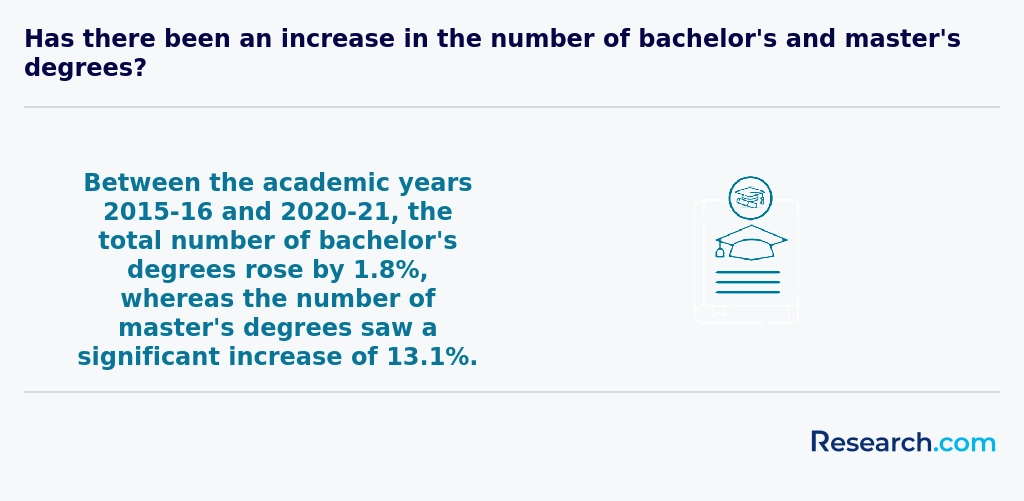
When selecting an online business degree program, one crucial factor to consider is accreditation. Accreditation ensures that the program meets certain standards of quality and is recognized by employers and other academic institutions. To find the most affordable options, consider exploring most affordable business programs, which can provide valuable insights into cost-effective education without compromising on quality. A degree from an accredited program can significantly impact a graduate's career trajectory, as employers often prefer candidates from accredited institutions. The accreditation process involves evaluating factors such as curriculum quality, faculty credentials, and student support services, all of which contribute to a well-rounded educational experience. By choosing an accredited online business program, students can ensure they receive a high-quality education that prepares them for the demands of the business world and enhances their career prospects.
Many online business students in America benefit from federal financial aid, primarily through the Free Application for Federal Student Aid (FAFSA). For example, graduates from universities like Arizona State University have reported substantial relief thanks to Pell Grants, which can award up to $7,395 for the 2023-2024 academic year. These grants do not require repayment, easing the financial stress for students balancing work and study.
Federal student loans also support many attendees at schools such as the University of Florida, offering fixed interest rates around 5.5%. While these loans must be repaid with interest, their flexible repayment plans help students manage expenses over time.
State-level aid programs are crucial for residents studying at in-state online institutions. California's Cal Grant, for instance, provides up to $12,630 annually, making schools like the University of California system more accessible to local students.
Scholarships tailored to business students, often provided by professional associations or universities, further reduce costs. Employers frequently offer tuition reimbursement, allowing employed business students to progress without financial worries. Combining these aids can transform the daunting tuition fees of private universities into achievable goals.
After earning your affordable online business bachelor’s degree, plan your career growth by combining hands-on experience with targeted credentials. Consider these steps to strengthen your profile and open senior management roles:
- Build 2–4 years of relevant work experience in areas like finance, marketing or operations
- Earn industry certifications (e.g., PMP for project management, CFA for finance) to signal expertise
- Leverage alumni networks and career services for mentorship, internships and job leads
- Pursue graduate studies-many professionals choose an online emba to accelerate leadership opportunities
- Attend webinars, workshops and conferences to stay current on emerging business trends
To enroll in an online business degree in America, students must typically hold a high school diploma or equivalent, such as a GED. This baseline requirement is strictly verified through official transcripts at institutions like the University of Florida or Arizona State University, which are popular choices for online business studies.
Many programs still consider standardized tests like the SAT or ACT, although a growing number, including programs at Penn State World Campus, have adopted test-optional policies. This flexibility allows applicants with strong prior college credits or relevant work experience to bypass testing, reflecting a trend linked to greater accessibility.
Applicants usually need to submit a formal application package containing personal statements and occasionally letters of recommendation. Graduates from top schools often recall how showcasing clear goals in these documents helped highlight their motivation, a key factor for acceptance in competitive online business cohorts.
Minimum GPA requirements often range from 2.0 to 2.5. A student entering an online business program at a school like Indiana University's Kelley School of Business benefits from meeting these standards, evidencing readiness and commitment. Transfer students appreciate policies allowing credit transfers, which reduce both tuition costs and study duration.
Lastly, reliable technology is essential-graduates consistently mention that having stable internet and a capable computer greatly enhances their learning experience and engagement, essential in fully virtual environments typical in American online business programs.
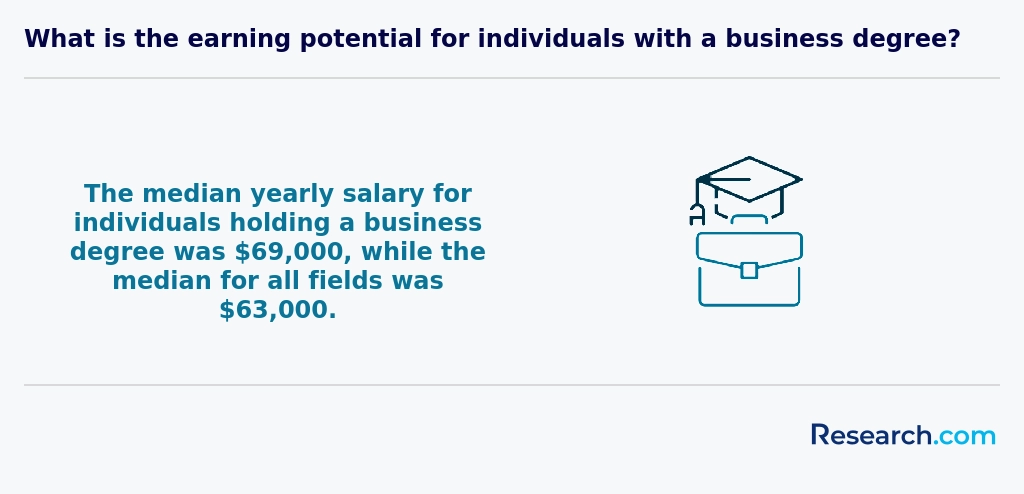
After completing an affordable online bachelor’s in business, many graduates seek to amplify their credentials with advanced degrees that unlock executive roles and bolster earning potential. Popular options include MBAs, specialized master’s programs, and research‐oriented doctorates-all designed to deepen leadership, strategic thinking, and analytical skills. Understanding factors such as program length, accreditation, delivery format, and average salaries can help you choose the path that delivers the strongest return on investment. For example, MBAs often span 18–24 months and can boost mid‐career earnings by 30%–50%, while doctoral degrees prepare professionals for high‐level research, consulting, or academic positions. Doctoral tracks like the Doctor of Business Administration (DBA) or Ph.D. in Management emphasize applied research, real‐world case studies, and advanced theoretical frameworks. Prospective students should compare curriculum rigor, dissertation support, faculty expertise, and cohort structure. To plan your education budget, explore how much does a doctorate in organizational leadership cost, which outlines tuition ranges, funding opportunities, and average completion times for top online programs. By aligning your career objectives-whether that’s ascending to C-suite leadership, breaking into academia, or launching an entrepreneurial venture-with the right advanced degree, you can leverage both your bachelor’s foundation and cutting-edge graduate training to thrive in a competitive business environment.
Online business degree programs in America typically start with core courses that build a solid foundation in essential business concepts. Graduates from well-regarded institutions like Arizona State University and the University of Florida often recall courses such as Principles of Management, which equips them to lead teams and make strategic decisions confidently. Financial Accounting classes teach students to interpret real-world financial statements, a skill frequently praised by alumni in finance roles.
- Marketing Fundamentals, which prepares students to analyze consumer behavior and craft effective campaigns
- Business Law, offering insight on contracts and ethical business practices
- Microeconomics and Macroeconomics, helping students grasp market forces that affect business environments
Many online students also specialize through courses like Corporate Finance, Entrepreneurship, and Organizational Behavior, enabling them to tailor their learning to career goals. For instance, graduates from the University of Illinois often describe how Entrepreneurship classes inspired their confidence to launch startups. Operations Management courses teach practical skills on optimizing supply chains, a favorite among those entering logistics fields.
Such courses, combined with business analytics and information systems, prepare students for data-driven decision-making that employers actively seek today.
Online business degree specializations in the USA cover a wide range of fields tailored to diverse career goals. Popular majors include marketing, finance, management, and accounting-each offering skills directly applicable to competitive business environments. Graduates from well-known American universities highlight how marketing studies develop digital strategy expertise, while finance programs sharpen analytical ability for investment roles. These specializations match student interests with industry demand, providing valuable pathways for professional growth.
Beyond these core areas, niche specializations such as human resource management, international business, entrepreneurship, and information systems management have gained traction. For example, graduates praised entrepreneurship programs for fostering innovative thinking essential to launching viable startups. Strong demand for technology-infused skills has made information systems management a sought-after major. This diverse array of focused programs ensures students at leading colleges can align their education with evolving market needs.
Prospective students should also consider cost and outcome factors. Tuition for online business degrees typically ranges from $10,000 to $30,000 annually, varying by specialization and institution. Specialized programs like information systems often reflect higher tuition due to resource requirements. Financial aid is commonly available to alleviate expenses. For insight into advanced study investments, see how much does a doctorate in organizational leadership cost.
Choosing the best online business degree in America relies heavily on accreditation, cost, and curriculum relevance. Graduates from well-known universities frequently share that attending AACSB-accredited programs significantly boosted their credibility with employers nationwide. The cost varies from about $9,000 per year at public in-state institutions to over $30,000 at private colleges, so prospective students should carefully compare tuition and additional fees to avoid unexpected expenses. Many find affordable online business degree programs USA particularly appealing because they balance quality with manageable debt.
Flexibility is critical for online learners balancing work and family. Programs offering asynchronous classes and strong student support make a notable difference, as reported by alumni of top-ranked colleges. Additionally, reviewing graduation rates and alumni employment data can highlight programs that lead to successful careers. For those prioritizing cost-efficiency without sacrificing quality, the Cheapest Online Business Degree Programs Ranking in San Antonio, TX provides valuable, localized insights to guide decision-making.
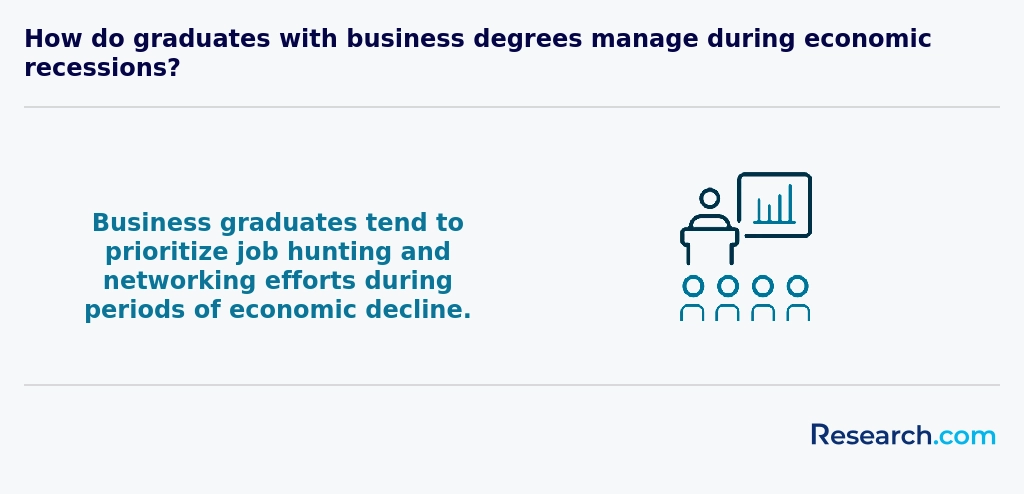
Graduates holding an online business degree in America access a diverse range of career paths that align with industry demands. Popular roles include business analysts, financial advisors, marketing managers, human resources specialists, and sales managers. These positions utilize skills in management, finance, and marketing, essential competencies taught at renowned institutions like the University of Florida or Arizona State University, which attract students seeking flexible, affordable programs.
The U.S. Bureau of Labor Statistics projects that management occupations, encompassing many business roles, will grow 8% through 2032, adding over 800,000 jobs. This steady growth reassures graduates entering the job market. Those from top online business degree programs often share stories of leveraging real-world case studies and internships to secure roles after graduation, highlighting practical success reflecting the best online business degree careers USA.
Students balancing online study with work or family responsibilities find comfort in programs' flexibility and cost-effectiveness, especially compared to in-person options. Many also pursue specializations or short certificate programs that pay well online to boost their competitive edge in fields like entrepreneurship or supply chain management.
The online business degree job market USA continues to show strong growth, supported by an 8% projected increase in business-related employment from 2022 to 2032. Graduates from popular institutions like those known for their flexible programs often share how their online studies combined with practical work experience gave them an edge in competitive hiring processes. Employers increasingly look for skills developed through these programs such as strategic thinking and digital literacy.
Graduates report diverse career paths including roles as financial advisors, marketing managers, and operations leaders, proving the broad appeal of the degree. Institutions across America are tailoring curricula to meet this demand, making it easier for working adults to balance job responsibilities with education through open enrollment programs. This flexible approach aids career advancement and resume strength.
While salary levels vary, the median wage in business and financial roles was $77,000 in 2023, with top metropolitan areas like San Jose and San Francisco offering significantly higher averages. This data highlights the promising employment opportunities America offers to business degree holders, illustrating why many invest in online programs despite diverse tuition costs.
2027 Most Affordable Online Bachelor's in Business Degree Programs Ranking in the USA
Investing in your education is a significant decision that can shape your future, and the Research.com team understands the importance of making informed choices. To assist prospective students, we have meticulously crafted the "2027 Most Affordable Online Bachelor's in Business Degree Programs Ranking in the USA." Our commitment to quality, credibility, and accuracy is reflected in the extensive research and analysis conducted to compile this ranking.
We utilized the following reputable data sources to ensure a comprehensive evaluation of online business degree programs:
By exploring this ranking, readers will gain valuable insights into the most affordable online business degree options, empowering them to make well-informed educational decisions. For more details on our methodology, please visit our Research.com methodology page.


# 8 position
Bethel University, Minnesota
Bachelor of Business Management



# 14 position
Amridge University
Bachelor of Science in Business Administration


# 18 position
State University of New York College of Technology at Alfred
Bachelor of Technology Management



Frequently Asked Questions About business
Online business degree students in America can maximize their learning by actively engaging with coursework and faculty. Participation in virtual discussions and group projects enhances understanding and builds valuable networking skills.
Utilizing university resources such as tutoring centers, career services, and online libraries supports academic success. According to the National Center for Education Statistics, nearly 35% of U.S. undergraduate business students take at least some courses online, highlighting the importance of these resources for remote learners.
Time management is essential. Creating a structured schedule helps balance study, work, and personal responsibilities. Additionally, seeking internships or part-time roles provides practical experience that complements theoretical knowledge, improving employment prospects after graduation.
The business field is rapidly evolving, and several emerging niches are gaining prominence within online business degrees in America. One key area is data analytics, which enables companies to make informed decisions based on large datasets. According to the U.S. Bureau of Labor Statistics, jobs in data analysis are expected to grow 23% from 2021 to 2031, much faster than average.
Another growing niche is e-commerce management. With online retail sales in the U.S. reaching $1 trillion in 2022, expertise in managing digital storefronts is increasingly valuable. Sustainable business practices are also becoming crucial as companies shift toward environmental responsibility, creating opportunities in green business strategies.
Finally, healthcare management is expanding within business programs, reflecting the U.S.'s aging population and rising healthcare costs. These niches illustrate how American business education adapts to meet current market demands.
After completing an online business degree in America, preparing for the job market involves strategic steps. First, gaining practical experience through internships or part-time roles can boost employability. According to the National Association of Colleges and Employers (NACE), internships significantly increase job offer rates for business graduates.
Networking is also crucial. Joining professional organizations like the American Management Association or local business groups helps create valuable connections. Additionally, developing soft skills such as communication, problem-solving, and adaptability is vital, as employers increasingly seek these abilities.
Finally, tailoring resumes to highlight relevant coursework, projects, and certification-like Microsoft Excel or project management-can improve job prospects in competitive U.S. markets.
Employers in the United States highly value business graduates who demonstrate strong analytical and communication skills. According to the National Association of Colleges and Employers (NACE), over 80% of employers prioritize critical thinking and problem-solving abilities when hiring business degree holders. Additionally, proficiency in data analysis and financial literacy has become increasingly essential due to digital transformation in American industries.
Leadership and teamwork are also top skills sought after, with 75% of employers expecting graduates to effectively collaborate across diverse workgroups. Furthermore, knowledge of business technology tools, including Microsoft Excel and customer relationship management (CRM) software, is frequently requested in job postings.
These skills reflect trends within the U.S. job market emphasizing adaptability and practical business knowledge.
Finding internships relevant to a business degree in America begins with leveraging university career services. Most accredited online business programs partner with companies offering internships in finance, marketing, and management. According to the National Association of Colleges and Employers, 65% of business students secure internships through their school's connections.
Students should also explore platforms like Handshake and LinkedIn, which list thousands of US-based internship opportunities. Networking, both online and through local business events, enhances chances of landing a role.
Applying early and tailoring resumes to specific business fields, such as accounting or entrepreneurship, increases success. The US Department of Labor's apprenticeship programs also offer structured internships with stipends.
Online business degrees in America have increasingly become a valuable tool for career mobility and advancement. According to the National Center for Education Statistics, over 30% of business bachelor's degrees are earned online, reflecting their growing acceptance. Employers often recognize these degrees similarly to traditional ones, especially when obtained from accredited institutions.
Graduates with online business degrees benefit from flexible learning schedules that allow them to continue working while studying, enhancing their experience and employability simultaneously. Data from the Bureau of Labor Statistics highlights that business-related roles are projected to grow 8% from 2020 to 2030, faster than average.
Moreover, online programs frequently offer specializations in areas such as marketing, finance, and management, which can help professionals target specific career paths. Such degrees help individuals develop skills crucial for leadership and decision-making, often leading to promotions and higher earning potential over time.
Studying for a business degree in America equips students with skills applicable across multiple fields. American business programs emphasize core areas such as finance, marketing, operations, and management. This foundation allows graduates to adapt and collaborate in diverse professional settings.
Many programs integrate coursework from economics, information technology, and communication, fostering interdisciplinary knowledge. According to the National Center for Education Statistics, over 20% of bachelor's degrees in business incorporate cross-disciplinary studies, enhancing students' versatility.
Additionally, online business degrees often include case studies and projects reflecting real-world challenges, strengthening critical thinking and problem-solving skills vital for interdisciplinary roles in sectors like healthcare, technology, and government.
Choosing between a thesis and a non-thesis business degree program depends largely on your career goals and learning preferences. In the American higher education system, thesis programs emphasize original research, ideal for students considering graduate school or research-focused careers. Non-thesis options often replace the thesis with additional coursework or a capstone project, focusing on practical skills.
According to the National Center for Education Statistics, more than 50% of business graduates work in roles prioritizing applied knowledge over research. Consider your interest in deep academic investigation versus hands-on projects to decide which path fits best.
American students seeking to study business abroad have several flexible options through online and blended degree programs. Many U.S. universities partner with international institutions, offering online business degrees with global perspectives. These programs often include virtual exchanges or short international residencies to enhance cultural understanding.
According to the National Center for Education Statistics, over 30% of U.S. undergraduate business students now take at least one online course, reflecting a growing trend toward remote learning. Some programs also provide dual degrees or certificates involving foreign universities, allowing students to gain credentials recognized abroad.
These options help students access global business education without leaving the United States for extended periods, making international study more affordable and adaptable to diverse schedules.
Part-time job opportunities that complement business degree education in America often include roles in retail management, customer service, and administrative assistance. These positions provide practical experience in communication, organization, and problem-solving, skills vital for business careers.
Internships in marketing, sales, or finance are especially valuable, offering real-world insight into business operations and strategy. The U.S. Bureau of Labor Statistics reports that about 55% of college students work while enrolled, highlighting the importance of balancing education with hands-on experience.
Additionally, freelance bookkeeping or social media management roles allow students to apply business principles directly, building a professional portfolio while earning income.
Online business students in America have multiple networking opportunities despite the virtual nature of their programs. Many universities partner with business organizations to offer virtual career fairs, workshops, and alumni networking events. According to the National Association of Colleges and Employers (NACE), 85% of employers value networking when hiring business graduates.
Students can join professional groups such as the American Management Association or the U.S. Chamber of Commerce, which often provide exclusive access to online events and webinars. Additionally, platforms like LinkedIn Learning are frequently integrated into curricula, encouraging connections with industry professionals.
Schools also facilitate online student clubs and discussion forums, enhancing peer networking and collaboration.
Alumni networks play a crucial role for online business degree students in America by providing ongoing professional support. Many universities maintain active alumni groups that facilitate job connections, mentorship, and industry insights. According to the National Association of Colleges and Employers (NACE), 85% of jobs are filled through networking, which highlights the value of these connections.
These networks help students access exclusive internships and job opportunities in competitive markets. They also offer platforms for current students to learn from graduates' experiences and expand their professional circles.
Furthermore, alumni events-both virtual and in-person-encourage collaboration and knowledge sharing, giving online business students a competitive edge in the American job market.
Customizing an online business degree program in America offers flexibility tailored to individual career goals. Many accredited universities allow students to choose concentrations such as finance, marketing, entrepreneurship, or supply chain management. According to the National Center for Education Statistics, 85% of US business programs offer elective courses enabling specialization.
Students can also select internships or capstone projects aligning with their targeted industry, enhancing practical experience. Additionally, some programs provide access to professional certifications like the Project Management Professional (PMP) or Certified Financial Planner (CFP), which improve job prospects.
Advisors often guide online learners in creating academic plans that reflect workforce demands, supported by resources from the Bureau of Labor Statistics highlighting in-demand business skills in the US market.
Online business students in America often face challenges related to time management and self-discipline. Since many programs offer asynchronous coursework, students must independently balance studies with work and personal responsibilities. According to the National Center for Education Statistics, nearly 60% of online learners juggle employment alongside their education.
Another common issue is limited interaction with faculty and peers, which can affect networking opportunities important for business careers. Technical difficulties also create barriers; the Department of Education highlights that 15% of students report poor internet access as a hindrance. Additionally, maintaining motivation without the structure of in-person classes can lead to higher dropout rates, with some studies showing online program attrition exceeding 30%.
With an online business degree in America, graduates can pursue several respected professional certifications that enhance career prospects. The Certified Business Manager (CBM) and Project Management Professional (PMP) are popular choices, valued for their broad business and management focus. The Certified Public Accountant (CPA) is ideal for those interested in accounting, requiring additional state-specific licensing and education.
Industry data from the U.S. Bureau of Labor Statistics highlights that individuals with certifications often earn 10-20% more than non-certified peers. Other notable options include the Certified Management Accountant (CMA) and Certified Financial Planner (CFP), both highly regarded in finance and management sectors.
These certifications typically require passing rigorous exams and fulfilling experience requirements, demonstrating professional competence beyond a degree.
To write a winning application for an online business program in America, start by thoroughly researching the program's requirements. Many accredited institutions, such as those recognized by the Accreditation Council for Business Schools and Programs (ACBSP), expect applicants to demonstrate academic readiness with a competitive GPA, often around 3.0.
Highlight relevant professional and academic experience, especially in areas like marketing, finance, or management. According to the National Center for Education Statistics (NCES), clear communication of career goals in your personal statement strengthens your application.
Obtain strong letters of recommendation from supervisors or professors who can attest to your skills and potential. Additionally, meet all deadlines and submit required standardized test scores if applicable, though many programs have moved test-optional in recent years.
Global perspectives on a business career emphasize adaptability, cross-cultural skills, and innovation, especially in today's interconnected markets. Many US business programs incorporate international case studies and encourage global internships to prepare students for these challenges. According to the U.S. Bureau of Labor Statistics, global business roles are among the fastest-growing occupations through 2031.
In America, online business degrees often include courses on global supply chains, international marketing, and finance, reflecting the worldwide nature of commerce.
Employers increasingly seek graduates who understand diverse markets and global regulations, highlighting a career with international opportunities and competitive salaries. As industries expand internationally, the ability to navigate global business environments becomes a critical skill for graduates entering the workforce.
Gaining practical experience while studying for an online business degree in America is essential for career readiness. Many programs include internships as a credit option, allowing students to work with U.S. businesses remotely. According to the National Association of Colleges and Employers (NACE), 56% of employers prefer candidates with internship experience.
Additionally, online students can join virtual business clubs or case competitions, which simulate real-world challenges. Some universities partner with companies to offer project-based learning, where students solve actual business problems.
Using platforms like LinkedIn Learning or Coursera alongside coursework can also enhance skills tied to current U.S. market trends.
Choosing the right concentration within an online business degree program in America requires careful consideration of your career goals and market demand. Popular concentrations include finance, marketing, management, and entrepreneurship, each aligning with different job roles. According to the U.S. Bureau of Labor Statistics, fields like financial analysis and marketing management are expected to grow between 8% and 10% through 2031, which can guide your choice.
Assess your strengths and interests, and investigate the curriculum offered by prospective schools. Look for concentrations that provide practical skills and internship opportunities. Also, consider how specialization aligns with industries expanding in the U.S., such as technology or healthcare.
Review accreditation status and faculty expertise to ensure program quality, as recognized by organizations like the AACSB. This helps your degree hold value in competitive American job markets.
See What Experts Have To Say About Studying Business
Read our interview with Business experts

David Souder
Business Expert
Senior Associate Dean for Faculty and Research
Michigan State University


Ingrid S. Greene
Business Expert
Clinical Assistant Professor of Management
Loyola Marymount University

- Interdisciplinary Business https://www.okwu.edu/academics/undergraduate/bachelor-interdisciplinary-business/
- Online Degree vs. Traditional: Choosing the Right Path https://beal.edu/online-degree-vs-traditional/
- Part-Time Students: 9 Things You Need to Know – EU Business School https://www.euruni.edu/blog/part-time-students-9-things-you-need-to-know/
- Global Perspectives: International Opportunities for Business School Students - SBS Swiss Business School https://sbs-uae.org/global-perspectives-international-opportunities-for-business-school-students-3/
- Online Bachelor's in Business | University of Phoenix https://www.phoenix.edu/online-business-degrees/business-bachelors-degree.html
- Exploring Different Types of Business Majors https://www.ivywise.com/ivywise-knowledgebase/exploring-different-types-of-business-majors/
- What Employers Really Think About Online Business Degrees | ACE Blog https://ace.edu/blog/what-employers-think-about-online-business-degrees/
- BUSINESS MANAGEMENT ENGLISH (THESIS / NON-THESIS) - Lisansüstü Eğitim Enstitüsü https://lee.nisantasi.edu.tr/en/business-management-english-thesis-non-thesis/
- A 2016 Global Perspective on Business and Career Planning https://careerproinc.com/blogging/a-2016-global-perspective-on-business-and-career
- The Seven Biggest Challenges Faced by Student Entrepreneurs https://venturewell.org/blog/five-biggest-challenges/