
2027 Best Online Art Education Degree Programs Ranking in the USA

Co-Founder and Chief Data Scientist
Choosing the right online art education degree program can shape your creative future. To guide you, this article presents the 2027 Best Online Art Education Degree Programs Ranking in the USA. Developed by the Research.com team of data scientists, this ranking helps you discover the most valued and trustworthy programs available.
Reading this article will empower you to make informed decisions about your education. Pursuing an art education degree opens doors to personal growth and exciting career paths. Explore these top programs and take a confident step toward your artistic journey.
Key benefits of getting online art education degree in America
- The average salary for art education degree graduates in the US varies, with art teachers earning about $60,000 annually, offering a stable income while nurturing creativity.
- Graduates from schools like the Rhode Island School of Design often pursue careers as art educators, museum curators, or community art coordinators, providing diverse job opportunities.
- Completing an online art education degree from institutions such as the Savannah College of Art and Design offers flexibility and accessibility, allowing students to balance work and study effectively.
What can I expect from online art education degree in America?
The average cost of an online art education degree in America typically ranges from $8,000 to $25,000 per year for in-state tuition, depending on the institution's selectivity and location. For example, students enrolled at well-known public universities offering online art education programs often find tuition at the lower end of this range, making quality education more affordable. Graduates frequently mention balancing work and study with the flexibility these programs provide, which adds value beyond just cost.
Many art education students at schools like those in state university systems report that financial aid and scholarships targeting education majors significantly reduce their expenses. These resources make pursuing a Bachelor of Arts or Bachelor of Science in Art Education more accessible, even for those managing personal or professional commitments. The investment supports gaining essential skills such as lesson planning and student teaching internships, which are crucial for certification and career readiness.
Choosing an accredited program accredited by bodies like CAEP ensures that tuition dollars contribute to a reputable degree recognized for state licensure and future employment opportunities in K-12 or community art education.
Where can I work with online art education degree in America?
Graduates with an online art education degree in America often find rewarding careers as K-12 art teachers in both public and private schools. Schools invest steadily in arts programs, so demand remains strong, making this a reliable path. For instance, graduates from well-known programs like those at the University of Florida or Arizona State University report feeling confident stepping into classrooms, knowing their online training prepared them well.
Beyond schools, many find roles in community centers or nonprofit organizations where they lead art workshops for all ages. This hands-on engagement allows graduates to blend teaching skills with creative expression, a popular route for those wanting a flexible, fulfilling job.
Some also choose adjunct teaching positions or educational roles at colleges, using their experience to inspire beginner art students. Museums and galleries, especially in cultural hubs like Chicago or New York, provide opportunities to manage educational programs, connecting art to the public in exciting ways.
Freelance work, such as virtual art classes, is increasingly accessible. Graduates mention enjoying the freedom to reach students nationwide, fueled by expanding online platforms and growing demand.
Strong communication, adaptability, and tech skills are vital. Graduates who embrace these report greater success and satisfaction in their careers.
How much can I make with online art education degree in America?
Graduates with an online art education degree in America typically start with salaries between $40,000 and $50,000 annually, depending on location and school funding. For example, alumni from popular programs like those at the School of the Art Institute of Chicago or California State University report starting in this range, especially in urban districts with strong arts funding.
As experience grows, roles such as curriculum developer or academic coordinator can boost earnings to between $70,000 and $90,000 per year. Many graduates pursuing advanced certifications or master's degrees, often gained online for flexibility, report seeing salary increases of 10% to 15%. This reflects data from organizations like the National Art Education Association showing graduate degree benefits.
Freelance teaching also remains a popular option, with hourly rates from $30 to $100+, allowing educators to blend personal artistry with income. This flexibility frequently appeals to graduates balancing teaching with creative projects, especially those from well-known art colleges such as Pratt Institute or Rhode Island School of Design.
- Key benefits of getting online art education degree in America
- What can I expect from online art education degree in America?
- Where can I work with online art education degree in America?
- How much can I make with online art education degree in America?
- How do we rank schools?
- 2027 Best Online Art Education Degree Programs Ranking in the USA
- What online art education degree graduates have to say
- Key Findings
- How long does it take to complete online art education degree in America?
- What's the difference between online and on-campus art education degree?
- What is the average cost of online art education degree in America?
- What financial aid is available to online art education degree students in America?
- What are the prerequisites for enrolling in online art education degree program in America?
- What courses are typically in online art education degree programs in America?
- What types of specializations are available in online art education degree programs in America?
- How do you choose the best online art education degree in America?
- What career paths are available for online art education degree students in America?
- What is the job market for online art education degree in America?
- Frequently Asked Questions About art education
- Top Trending Art Education Rankings
How do we rank schools?
Investing in your education is a significant decision that can shape your future, and the Research.com team is dedicated to helping you make well-informed choices. In creating the "2027 Best Online Art Education Degree Programs Ranking in the USA," we have prioritized quality, credibility, and accuracy through rigorous research and analysis. To ensure a comprehensive evaluation of online art education programs, we utilized the following reputable data sources:
By consulting this ranking, readers will access valuable insights into the top online art education degree programs nationwide, empowering them to select the best educational path to meet their goals. For more information on our processes, please visit our Research.com methodology page.
2027 Best Online Art Education Degree Programs Ranking in the USA
# 1 position
University of Florida
Master
The University of Florida offers a Master's program focused on Education with a selective acceptance rate of 24%. The program typically lasts 24 months and has a high graduation rate of 91%. An average total cost of $21,600 is required, and 94% of students receive financial aid, indicating high aid availability. The program supports 3,198 online students enrolled, providing flexible learning options.
# 2 position
East Carolina University
Master
East Carolina University offers a Master's degree focused on Education, completed in 24 months. The program has an open admission policy with an 89% acceptance rate. About 77% of students receive moderate financial aid. The average total cost is $8,706. It has a graduation rate of 63% and supports a large online community, with 8,352 students enrolled remotely.
# 3 position
University of Missouri
Master
The University of Missouri offers a Master's program focused on Education with a duration of 24 months. The program has an open admission policy, accepting 78% of applicants. The graduation rate stands at 75%, indicating a strong completion record. The average total cost for the program is $14,496. A high percentage of students, 97%, receive financial aid, reflecting significant support for enrolled candidates.
# 4 position

Kutztown University of Pennsylvania offers a Master's program in Education with an open admission policy, accepting 91% of applicants. The program lasts 24 months and has a graduation rate of 54%. Most students (98%) benefit from high levels of financial aid. The average total cost is $15,780. The program supports a significant online community, with 4,717 students enrolled remotely.
# 5 position

The University of Northern Iowa offers a Master's degree focused on Education, designed to be completed in 24 months. The program has an open admission policy with a 93% acceptance rate, supporting a diverse student body including 3,800 online learners. The average total cost is $15,510, and a high level of financial aid is available to 84% of students. The graduation rate for this program is 68%.
# 6 position
Kent State University
Master
Kent State University offers a Master's program focused on Education with an open admission policy, accepting 86% of applicants. The program supports a large online community, with 21,270 students enrolled. Graduates have a 64% completion rate. Financial aid is widely available, with 97% of students receiving assistance, indicating a high level of support for those pursuing this degree.
# 7 position
Boston University
Master
Boston University offers a Master's degree program focused on Education with a highly competitive acceptance rate of 11%. The program has a strong graduation rate of 89%, reflecting student success. Over half of the students, 54%, receive mid-level financial aid. The program serves a significant online enrollment of 5,257 students, indicating accessibility and flexibility for distance learners interested in advancing their education careers.
# 8 position

Missouri State University offers a Master's degree program focused on education with an open admission policy, accepting 91% of applicants. The program has a graduation rate of 58% and enrolls 12,351 online students. Students benefit from a high level of financial aid, with 95% receiving assistance. The average total cost for this degree is $52,164, making it a significant investment for prospective students.
# 9 position
PennWest California
Master
PennWest California offers a Master program focused on Fine Arts with an open admission acceptance rate of 94%, making it accessible to most applicants. The program has a graduation rate of 52%, reflecting moderate completion success. Nearly all students (98%) receive high levels of financial aid. The average total cost for the degree is $15,480. The program also enrolls a substantial number of online students, totaling 7,973.
# 10 position
Texas Tech University
Master
Texas Tech University offers a Master's program focused on Education with a graduation rate of 69%. The program admits students at a less selective rate of 73%, allowing a broader range of applicants. It attracts a significant online student body, with 1,918 enrolled. Additionally, 90% of students benefit from high levels of financial aid, making support widely accessible throughout their studies.
What online art education degree graduates have to say
- Jasmine: Studying online at the Savannah College of Art and Design allowed me to balance work and creativity perfectly. The interactive virtual studios made collaboration easy, while expert mentors guided my growth. This flexible, immersive experience truly fueled my passion and prepared me for a career in digital art.
- Marcus: My degree from the Rhode Island School of Design's online program was transformative. The curriculum was rigorous but accessible, and connecting with diverse peers enriched my perspective. I loved how it combined academic excellence with real-world projects, giving me confidence to innovate in the art industry.
- Alyssa: The University of Florida's online art education degree gave me the freedom to explore my style deeply. The supportive community and timely feedback helped me develop technical skills while embracing my unique voice. Studying remotely didn't hinder my creativity - it enhanced my sense of independence and expression.
Key Findings
- Online art education degrees in the U.S. range from bachelor's to master's levels and are often accredited by NASAD for quality assurance.
- Tuition costs vary widely: public universities charge $10,000 to $25,000 per year for in-state online students, while private schools can exceed $30,000 annually.
- Total tuition for a bachelor's degree typically falls between $40,000 and $90,000, with financial aid and scholarships available.
- Art teachers with these degrees earn a median salary of about $61,000 annually, with entry-level pay around $40,000 to $50,000 depending on location.
- The job outlook projects about 4% growth for art educators through 2030, reflecting steady demand but slower growth than average for all jobs.
- Many programs also prepare students for state certification, including required exams and supervised teaching, while non-licensure paths exist for private or community art roles.
How long does it take to complete online art education degree in America?
Completing an online art education degree in America typically takes about four years for a bachelor's degree, mirroring traditional programs. However, many students appreciate the flexibility of schools like the Rhode Island School of Design or the Savannah College of Art and Design, where pacing can be adjusted. For example, graduates often share how taking extra courses during summer terms accelerated their progress, enabling them to finish sooner without compromising quality.
Part-time enrollment is common, especially for those balancing work or family, extending completion to five or six years. Students at institutions such as the Maryland Institute College of Art praise this flexibility, which supports their busy lives while advancing their careers.
Associate degrees usually require around two years, helping learners transition into bachelor's programs later. Those pursuing master's degrees in art education can expect an additional two years, though programs at universities like the School of the Art Institute of Chicago often offer part-time or accelerated options fitting various schedules.
What's the difference between online and on-campus art education degree?
Choosing between online and on-campus art education degrees in America often comes down to how you prefer to engage with your learning. On-campus students at institutions like the Rhode Island School of Design benefit from hands-on studio time, live critiques, and immediate feedback, fostering a collaborative environment that sharpens artistic skills. Graduates recall the inspiring energy of shared studio spaces and face-to-face discussions with professors as pivotal to their growth.
Conversely, online programs-offered by colleges such as the School of the Art Institute of Chicago-provide flexibility to balance study with work or family commitments. Students submit artwork digitally and often appreciate the convenience of asynchronous coursework, which lets them create on their own schedule. Though some miss the immersive studio vibe, many find virtual critiques and peer forums helpful for staying connected.
Cost differences are tangible; on-campus tuition can exceed $35,000 annually, while online options often reduce expenses by 20-30%. However, budgeting for supplies and reliable technology remains essential in both formats.
What is the average cost of online art education degree in America?
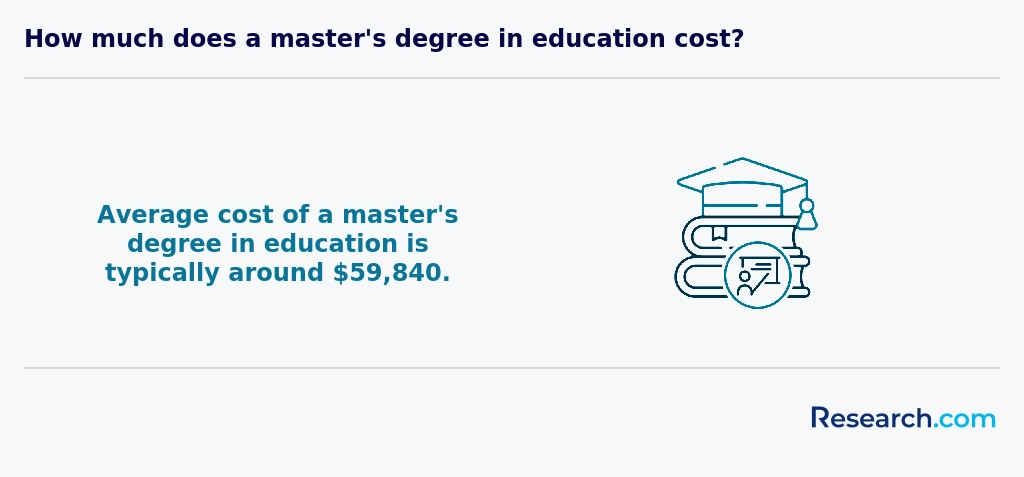
The average cost of an online art education degree in America typically depends on whether you attend a public or private institution and your residency status. Median total costs reveal that in-state students at public universities might expect to spend around $15,630, a figure many graduates have described as manageable when balanced with financial aid and part-time work. Out-of-state students, however, should budget closer to $24,296, a common range for those enrolling in popular online programs at well-known public institutions.
Community college students pursuing associate degrees or transfer credits toward an online art education path often find costs more affordable, sometimes well below four-year university rates. Such options provide flexibility and a strong foundation, especially for learners balancing creative careers or family life. Many students share that starting at a community college helps them financially and academically before moving into advanced programs at universities recognized for art education.
For students seeking comprehensive degrees at private nonprofit universities, costs can understandably be higher, though many express satisfaction with robust resources and networking opportunities that enhance their study experience. Managing these expenses often involves exploring scholarships and grants tailored specifically for art majors, which numerous programs advertise. It's helpful to research tuition fees carefully and consider supplemental expenses like art supplies or software.
Students looking for focused degrees in areas like art therapy will find specialized programs available; prospective learners may want to explore options such as art therapy masters programs, which can differ in pricing and support services depending on the institution chosen. Understanding these costs through the lens of the average cost of online art degree USA can assist in planning a fulfilling academic journey without unexpected financial strain.
What financial aid is available to online art education degree students in America?
Students pursuing an online art education degree in America can access several financial aid options to help manage costs. Federal aid, accessed by completing the FAFSA, is often the starting point. This includes Pell Grants, which students don't have to repay, and federal loans with manageable interest and repayment plans. For example, graduates from popular schools like the California College of the Arts have found Pell Grants essential in covering tuition without creating overwhelming debt.
State-specific aid programs also provide valuable support. California's Cal Grant or New York's Tuition Assistance Program help many in-state students reduce tuition fees, making online programs more affordable. Institutional aid is another practical option-some online programs at schools such as the School of the Art Institute of Chicago offer scholarships or discounts specifically for remote learners.
Private scholarships from organizations like the College Art Association reward artistic talent and can significantly ease expenses. Graduates often share how these scholarships transformed their educational experience by focusing more on creativity and less on finances.
Employer tuition reimbursement is another realistic pathway for many working students. A teaching assistant in Texas successfully combined work with study by leveraging this benefit.
Remember to factor in extra costs like materials, which may add $1,000 or more annually, and reach out directly to financial aid offices for the latest opportunities tailored to online art education students.
What are the prerequisites for enrolling in online art education degree program in America?
To enroll in an online art education degree in America, the first step is having a high school diploma or its equivalent, such as a GED. Many students eyeing programs at well-known schools like the Rhode Island School of Design or the University of Florida recall that meeting this fundamental requirement was essential before submitting their applications.
Undergraduate applicants typically need a minimum GPA of about 2.5 to 3.0, which helps institutions gauge academic readiness. Graduates often reflect on how maintaining this GPA opened doors to competitive programs. For those pursuing graduate degrees, holding a bachelor's in art or education is usually required.
Submitting a portfolio is often a critical hurdle. Prospective students from institutions such as the Savannah College of Art and Design emphasize the value of showcasing their creativity and technique through carefully curated work, boosting confidence during admissions.
While many schools no longer mandate SAT or ACT scores for online programs, some top-tier universities may still request them. Additional materials, like recommendation letters or personal statements, provide a chance to express dedication and passion for art education, which graduates find rewarding to share.

What courses are typically in online art education degree programs in America?
Online art education degrees in America typically include a blend of studio art and pedagogical courses designed for practical teaching success. Graduates from well-known institutions often highlight foundational courses in drawing, painting, sculpture, and digital media as essential for honing their creative skills. For instance, students working with software like Adobe Creative Suite gain hands-on experience crucial for modern classrooms.
Alongside studio work, effective teaching methods and curriculum design are core components. Many graduates recall learning child development and classroom management techniques that helped them confidently engage diverse groups of students. These skills are invaluable when transitioning to real-world teaching environments.
Students also study educational technology and assessment strategies, reflecting current trends in American classrooms. Familiarity with digital tools enables graduates to create interactive lessons that resonate with today's learners.
Specialized courses such as multicultural art education and art therapy equip students to address inclusivity and emotional wellbeing through art. This comprehensive approach leaves many feeling prepared and inspired to make meaningful impacts as art educators.
What types of specializations are available in online art education degree programs in America?
Students pursuing an online art education degree in America can choose from a wide array of specializations that align with their career goals and personal interests. Common tracks include Studio Art, where graduates from colleges known for practical art training describe immersive experiences in painting, sculpture, and digital media that enhanced their creative confidence. Those drawn to understanding cultural contexts often pick Art History, diving deep into movements and theories, which resonates with graduates who now curate galleries or work in preservation.
Other practical options like Graphic Design and Photography equip students with hands-on skills in digital tools and visual storytelling, often helping graduates quickly secure freelance or entrepreneurial roles. For those aiming to teach, Art Education is tailored to meet state certification requirements, blending art practice with pedagogy. Many students at popular universities appreciate the opportunity to explore the best art degree specializations in America without relocating, thanks to flexible online programs.
Moreover, some programs combine portfolio development and internships, enabling students to build real-world experience. For prospective students, researching programs and considering an online MFA degree can be a strategic next step to specialize effectively and advance their careers.
How do you choose the best online art education degree in America?
To choose the best online art education degree in America, start by verifying the program's accreditation, especially regional accreditation and recognition by the National Association of Schools of Art and Design (NASAD). Graduates from well-known universities often emphasize how accreditation impacted their eligibility for federal aid and teacher certification. Cost is another key factor; many students find affordable online art degree programs America wide offer tuition comparable to on-campus rates but reduce commuting expenses. Consider curriculum that balances practical art skills with education theory, including concentrations like digital arts that can boost your portfolio.
Flexibility is crucial-students juggling work and family praise asynchronous courses allowing study anytime. Strong support services including access to faculty and career counseling improve success and confidence. Research programs with local or remote student teaching options and high graduation rates to align with your goals. Exploring virtual studio work adds hands-on experience, vital in art education.
For related visual arts degrees, some also check out the best military friendly online photography degrees to complement their skills.
What career paths are available for online art education degree students in America?
Graduates with an online art education degree in America often find diverse career paths that allow them to apply both their artistic talents and teaching expertise. Many pursue roles as K-12 art teachers in public or private schools, supported by state teaching certification programs that graduates can complete online through popular universities. These educators enjoy the rewarding experience of inspiring young artists daily while earning a median salary around $62,000 as reported by the U.S. Bureau of Labor Statistics. Others explore specialized positions such as art therapists who support mental health through creative expression, or museum education specialists designing engaging programs for visitors.
Community arts coordinators and curriculum developers also leverage their degrees to create impactful educational content and manage local arts initiatives. Graduates from well-known American colleges emphasize how flexible online programs fit their busy lives, enabling career advancement without sacrificing current jobs. For those considering further education, exploring the best online master's for teaching offers additional opportunities to enhance art education job opportunities in America.
What is the job market for online art education degree in America?
The job market for graduates with an online art education degree in America remains steady, with opportunities in public and private K-12 schools, community centers, and cultural institutions. Many graduates from popular universities find rewarding careers as art instructors or curriculum specialists, especially when they leverage skills in digital art and technology integration. Schools increasingly value educators who adapt to hybrid or remote teaching models, making this expertise a key advantage in the evolving landscape.
For those considering art education careers in America 2027, it's important to factor in local variations, including state certification requirements and funding priorities that influence job availability. Graduates often share positive experiences about stable salaries, with averages near $61,000 annually in secondary schools, though variation exists by location and experience. Pursuing continuing professional development enhances job security and career growth.
Financially, prospective students should compare costs carefully; some find savings in online programs while also preparing for certification expenses. Exploring cheapest EdD online programs can provide insights for managing tuition while building a viable teaching career in this creative field.
Frequently Asked Questions About art education
Students pursuing online art education degrees in America can maximize their learning by actively engaging with digital resources and community platforms. Research from the National Endowment for the Arts indicates that interactive online tools help improve creativity and skill retention. Consistent participation in virtual critiques and peer reviews fosters critical feedback, essential in art education.
Time management is crucial; dedicating specific hours for studio practice and theory enhances skill development. According to the National Center for Education Statistics, over 30% of art education students succeed by balancing coursework with hands-on projects.
Networking through social media groups and virtual exhibitions broadens exposure to diverse art styles and career opportunities in education and the arts.
Emerging niches within the art education field increasingly focus on integrating technology with traditional practice. For example, digital media arts and animation are gaining prominence as schools expand online offerings in response to student demand. According to the National Center for Education Statistics, enrollment in digital arts programs has grown by 12% over the last five years across U.S. institutions.
Another rising area is arts therapy, which combines psychology and creative arts to support mental health. This interdisciplinary approach is reflected in new specialized online certifications and degree pathways.
Additionally, cultural heritage preservation and community arts education are expanding fields that value social impact through creative work.
After completing an online art education degree in America, job market preparation is essential. Graduates should develop a strong portfolio showcasing their artistic skills and teaching methods, as this remains a key hiring criterion. Networking with professionals in schools, museums, and art organizations can open doors to job opportunities. According to the Bureau of Labor Statistics, art teachers in the U.S. have a median annual wage of about $60,000, with job growth projected at 4% through 2031.
Obtaining state certification is critical for K-12 teaching positions, involving exams and background checks. Internships and student teaching experiences, often included in online degrees, provide practical skills needed for employment.
Employers seeking graduates with online art education degrees in America emphasize a blend of creativity and practical teaching skills. According to the National Art Education Association, strong communication abilities are essential, enabling educators to effectively convey artistic concepts to diverse student groups. Additionally, proficiency in digital tools and art technologies is increasingly important, reflecting the integration of virtual learning environments.
Art educators must also demonstrate classroom management skills and adaptability to incorporate various art styles and cultural perspectives. The Bureau of Labor Statistics projects a growth in demand for art teachers, underscoring creativity, organization, and technological literacy as key to career success.
Finding internships relevant to an online art education degree in America involves a mix of using institutional resources and external networks. Many accredited art education programs partner with local schools, museums, and community centers to provide practical teaching experiences. According to the National Art Education Association (NAEA), internships help build teaching portfolios essential for certification.
Students should also explore platforms like Handshake and LinkedIn, which frequently list art education internships nationwide. Additionally, attending virtual career fairs hosted by universities can connect students with district art programs looking for interns. Networking through professional organizations such as NAEA often leads to opportunities in varied educational settings.
Securing an internship typically requires submitting a portfolio, demonstrating classroom management skills, and showing knowledge of art curricula standards like those outlined by the Council for the Accreditation of Educator Preparation (CAEP). These internships not only bolster experience but are often prerequisites for state teaching certification.
Online art education degrees in America significantly enhance career mobility by providing accessible credentials recognized by employers nationwide. According to the National Center for Education Statistics (NCES), the demand for online degrees has surged, with over 6 million students enrolled in distance education courses in 2021. Art educators who earn online degrees can qualify for teaching positions in public and private schools, museums, and community centers.
Such degrees often include practical training and certification preparation required by many states, which improves advancement opportunities. The Bureau of Labor Statistics reports a projected 8% growth in art and design teaching roles through 2031, indicating a positive job outlook. Graduates with online art education credentials may also pursue leadership roles, curriculum design, or higher education teaching positions, making these degrees valuable for long-term career growth.
Studying for an art education degree in America equips students with skills that extend beyond traditional art teaching. Programs emphasize interdisciplinary approaches, integrating art theory with subjects such as history, technology, and social studies. According to the National Art Education Association, over 70% of art education programs incorporate digital media and cross-curricular projects, preparing graduates for diverse roles in education and creative industries.
The curricula often include collaboration with other departments, fostering adaptability. This prepares graduates for roles that require combining artistic concepts with other disciplines, such as museum education, design thinking, and community arts programs. Such interdisciplinary training is increasingly valued in today's evolving job market.
When choosing between a thesis and a non-thesis art education degree program in America, understanding your career goals is crucial. Thesis programs require original research and a formal paper, ideal for those aiming for academic or research careers. Non-thesis paths focus more on coursework and practical skills, suitable for educators seeking classroom or administrative roles.
The National Center for Education Statistics notes that approximately 40% of art education master's graduates pursue research-heavy degrees annually. Thesis programs often take longer-around 2 to 3 years-compared to non-thesis options that may be completed in 1.5 to 2 years.
Those preferring practical application and quicker graduation often select non-thesis programs. It's advisable to check individual institutions as requirements and outcomes can differ widely.
American students seeking to study art education abroad online have several options through partnerships between U.S. institutions and foreign universities. These programs often combine international curriculum elements with American accreditation standards, ensuring quality and transferability.
Many U.S. universities offer joint or dual-degree programs with institutions in Europe or Asia, allowing students to earn credentials recognized both abroad and in the U.S. This approach maintains eligibility for U.S. teacher certification, which 27 states require for art educators, according to the National Art Education Association.
Additionally, some accredited online schools incorporate global perspectives into their curriculum by collaborating with international faculty, offering diverse art methodologies relevant worldwide.
Many students pursuing online art education degrees in America find part-time jobs that enhance their skills and professional experience. Popular roles include art teaching assistants, gallery attendants, and freelance graphic designers. These jobs offer practical application of teaching methods and artistic techniques learned in courses.
According to the U.S. Bureau of Labor Statistics, part-time roles in educational support and arts-related fields are growing steadily, providing valuable opportunities for students.
Additionally, tutoring younger students in art can improve communication skills and deepen subject knowledge. Positions in local museums or community centers also allow students to engage with art outside the classroom while earning income.
Online art education students in America benefit from diverse networking opportunities that enhance their learning and career prospects. Many institutions offer virtual events such as webinars, guest lectures, and career fairs, connecting students with industry professionals and alumni. According to the National Art Education Association, over 70% of online art programs include access to online communities or forums where students can share work and receive feedback.
Students also gain access to social media groups and local art organizations through school partnerships. These networks enable collaboration and exposure to exhibitions. Additionally, some programs facilitate internships and externships, providing real-world experience and valuable professional contacts in the art education field.
Alumni networks play a crucial role for students pursuing online art education degrees in America. These networks provide access to a community of graduates who share similar academic backgrounds and career interests. According to the National Art Education Association, strong alumni connections increase job placement rates for graduates by up to 15% within the arts sector.
Members of alumni groups often share exclusive opportunities such as art exhibitions, workshops, and internships that can be vital for career development. Additionally, mentorship programs facilitated through these networks help new graduates navigate the competitive art education field effectively.
Engagement with alumni can also lead to collaborative projects and professional portfolio reviews, enhancing practical skills beyond the virtual classroom. Overall, alumni networks serve as valuable resources, fostering ongoing professional growth in the American art education community.
Customizing an online art education degree program in America allows students to align their studies with specific career goals. Many universities offer electives or concentrations such as digital media, art history, or teaching credentials, enabling a tailored learning experience. According to the National Center for Education Statistics (NCES), nearly 60% of art education students choose programs with flexible module options. Students can also select practicum experiences or internships to gain hands-on skills in community art centers or schools. Additionally, some programs provide opportunities to integrate interdisciplinary courses, enhancing skills suited for diverse art-related careers.
Online art education students in America often face several unique challenges. A key difficulty is limited access to hands-on studio experiences, which are essential in art training. Many programs rely on virtual assignments, which can hinder skill development in traditional media. Additionally, students may struggle with the lack of immediate feedback from instructors and peers, which is crucial for artistic growth.
Technical issues and unequal access to reliable internet can also disrupt learning, especially given that 15% of rural Americans have limited broadband access, according to the FCC. Furthermore, students often report feeling isolated without in-person community support, impacting motivation and collaboration.
Finally, balancing time between creative projects and other responsibilities remains a frequent challenge for adult learners in these programs.
Graduates with an online art education degree in America can pursue various professional certifications to enhance their teaching credentials. A primary certification is state teacher licensure, which typically requires passing the Praxis exams and completing an approved educator preparation program. These certifications allow graduates to teach art in K-12 public schools.
Additional options include the National Board Certification for Professional Teaching Standards, recognized nationwide for advanced teaching excellence. According to the National Board for Professional Teaching Standards, this credential can elevate career prospects and potentially increase salaries.
Some may also pursue specialized certifications such as the Art Therapy credential, which requires further graduate education but is linked closely to art education. The American Art Therapy Association provides current guidelines and certification processes.
To write a winning application for an online art education program in America, start by thoroughly researching the specific program's requirements and values. Highlight your passion for art and education, demonstrating relevant experience such as teaching, workshops, or portfolio development. The National Center for Education Statistics reports that art education programs increasingly value a strong digital portfolio showcasing your skills.
Include a clear personal statement explaining your motivation and career goals in art education. Be specific about how the online format fits your learning style and schedule. Letters of recommendation from educators or art professionals can strengthen your application. Finally, carefully proofread all materials to reflect professionalism and attention to detail.
Art education careers in the United States are increasingly influenced by global cultural exchange and technological advancements. According to the National Endowment for the Arts, nearly 25% of U.S. adults participate in some form of visual art activities, reflecting a growing appreciation for artistic skills worldwide. Online art education degrees enable American students to connect with diverse global art traditions, expanding creative perspectives beyond domestic boundaries.
International collaboration has become more accessible, allowing graduates to work in multicultural environments or pursue opportunities abroad. The Bureau of Labor Statistics reports a steady 4% growth in art and design jobs from 2022 to 2032, highlighting sustained demand.
This global outlook encourages U.S. art educators to integrate international art styles and digital tools, preparing students for careers that transcend borders and foster cultural understanding.
Gaining practical experience during an online art education degree in America is essential for career readiness. Many accredited programs integrate virtual student teaching placements in local schools or community centers, allowing hands-on practice under supervision. According to the National Art Education Association, nearly 70% of online art education students participate in such internships to build classroom skills.
Additionally, students often engage in portfolio development projects and digital exhibitions, which foster real-world presentation abilities. Some institutions offer partnerships with museums or art organizations, providing volunteer or assistant roles. These opportunities enable students to apply theoretical knowledge and enhance their resume while studying remotely.
Choosing the right concentration within an online art education degree in America depends on your career goals and interests. Popular concentrations include studio art, art history, and art therapy. According to the National Center for Education Statistics, programs with practical coursework often lead to higher job placement rates.
Consider your preferred teaching level as well, since some concentrations prepare you for K-12 certification while others focus on community or higher education. Additionally, research faculty expertise and available resources through program websites or providers.
Financial aid options and accreditation-especially from the Council for the Accreditation of Educator Preparation (CAEP)-are also important factors for quality assurance.
Top Trending Art Education Rankings
References
- Alternative Models of Art Education | Freelands Foundation https://freelandsfoundation.co.uk/resources/listen/alternative-models-of-art-education
- From the Art Room to What's Next: 7 Career Paths Built for Art Teachers https://theartofeducation.edu/2026/05/from-the-art-room-to-whats-next-7-career-paths-built-for-art-teachers/
- Careers in the Arts: Who Stays and Who Leaves? https://snaaparts.org/findings/reports/careers-in-the-arts-who-stays-and-who-leaves
- Balancing Remote Art Education with a Full-Time Job: Strategies for Success - OCAD https://artcoursework.com/balancing-remote-art-education-with-a-full-time-job-strategies-for-success/
- 2025 Most Affordable Online Colleges for Art Degrees https://www.onlineu.com/most-affordable-colleges/art-design-degrees
- Art Education, Advanced Certificate - Brooklyn College https://www.brooklyn.edu/academics/programs/art-education-ac/
- Know more about thesis vs non- thesis: what is the difference? https://studyfans.com/en/blogs/816
- Connected Arts Networks (CAN) Overview - National Art Education Association https://www.arteducators.org/community/connected-arts-networks-can/connected-arts-networks-can-overview/
- Master of Arts in Art Education: Degree Application https://help.theartofeducation.edu/masters-degree-application-process
- Art Education Certification | Piedmont University https://www.piedmont.edu/program/art-education-certification/


