
2027 Most Valuable Accounting Degree Programs Ranking in the Midwest

Co-Founder and Chief Data Scientist
Choosing the right accounting degree program can be both exciting and overwhelming, especially with so many options in the Midwest. This article features the 2027 Most Valuable Accounting Degree Programs Ranking in the Midwest, created by the Research.com team of data scientists to help you make an informed decision.
By exploring this ranking, you'll discover programs that offer excellent value, career opportunities, and strong reputations. Earning an accounting degree can open doors to a rewarding and stable future, and this guide will help you find the best fit for your goals.
Key benefits of getting accounting degree in the Midwest
- Accounting degree graduates in the Midwest can earn competitive salaries, such as a Staff Accountant's mean annual wage of $90,780 and hourly wage of $43.65, which reflects strong earning potential in this field.
- Graduates from popular Midwest universities often pursue diverse career paths including roles like Bookkeeper, Tax Preparer, and Associate Auditor, each offering stable jobs with mean annual wages around $49,580.
- Obtaining an accounting degree online from a recognized Midwest university provides flexibility and convenience, allowing students to balance work and study while still preparing for rewarding accounting careers.
- 2027 Most Valuable Accounting Degree Programs Ranking in the Midwest
- What can I expect from accounting degree in the Midwest?
- Where can I work with accounting degree in the Midwest?
What can I expect from accounting degree in the Midwest?
The average annual in-state tuition cost for earning an accounting degree at public universities in the Midwest is around $10,000, according to the College Board data from 2023. This affordability often makes it easier for local students to pursue their education without accumulating overwhelming debt. Graduates from well-known institutions like the University of Illinois or Ohio State University frequently share how manageable tuition fees allowed them to focus on gaining practical skills through internships rather than worrying about finances.
Many Midwestern universities blend strong academic programs with access to internship opportunities at major regional firms, which enhances students' career readiness. For example, students studying accounting at the University of Michigan benefit from connections to firms in Detroit, a major accounting job market that supports their transition into employment. These real-world experiences, coupled with moderate tuition costs, contribute to positive student outcomes and satisfaction.
Where can I work with accounting degree in the Midwest?
Graduates with accounting degrees from Midwest schools like the University of Illinois Urbana-Champaign or the University of Michigan often secure positions at large public accounting firms such as Deloitte and Ernst & Young, which have strong presences in Chicago and Detroit. These roles involve auditing, tax preparation, and financial consulting, providing hands-on experience early in their careers. According to 2023 BLS data, Illinois and Michigan lead the region in employment for accountants and auditors, reflecting robust job availability.
Many graduates also find rewarding careers in corporate accounting within thriving sectors like manufacturing and financial services. For example, in Minneapolis, professionals manage budgets and compliance at major corporations, earning an average salary near $68,000 annually. These opportunities often come with a sense of accomplishment from supporting well-known companies in tangible ways.
Accounting degree holders frequently explore roles in government agencies across cities such as Columbus and Indianapolis, where auditing public funds and managing tax collections offer stability and valuable experience. Similarly, nonprofit organizations throughout the Midwest seek graduates who can effectively handle grant reporting and financial planning, fostering meaningful community impact.
Graduates with accounting degrees from renowned Midwestern institutions such as the University of Illinois or Michigan State University often start their careers with solid earning potential. For example, entry-level roles like Staff Accountant offer a mean annual wage of approximately $90,780 in the region, reflecting both the demand and skill level required.
Other common roles for recent graduates include Bookkeeper, Tax Preparer, Associate Auditor, and Accounts Payable Clerk, each with a mean annual wage near $49,580. These figures highlight clear pathways for graduates to gain relevant experience while earning competitive salaries relative to other entry-level positions.
Many graduates appreciate how certification opportunities, such as becoming a CPA, unlock higher earnings, sometimes boosting salaries by 20% to 30%. Alumni report that working in metropolitan areas like Chicago or Detroit accelerates career growth and salary advancement, thanks to diverse industries and economic strength.
These data-driven insights align with the positive experiences reported by Midwest accounting graduates who find that their degrees open doors to stable, well-paid careers in a competitive job market.
- The total cost for a bachelor's degree in accounting at in-state public universities in the Midwest ranges from $25,000 to $40,000.
- Starting salaries for accounting graduates in the region typically fall between $50,000 and $60,000 annually.
- Experienced accountants can earn between $75,000 and $90,000 per year, with CPA holders often earning more.
- The accounting job market in the Midwest is expected to grow at a rate of 5% to 7% through 2030.
- Midwest universities often provide targeted support and coursework for CPA exam preparation.
- The region has a lower cost of living compared to coastal areas, benefiting graduates financially alongside common internship opportunities.
In the Midwest, completing an accounting degree typically ranges from two to six years, depending on the type of degree and enrollment status. Graduates from community colleges like those in Illinois often complete an associate degree in about two years, acquiring essential skills in bookkeeping and financial statements to start careers quickly.
At respected institutions such as the University of Michigan or Indiana University, a full-time bachelor's degree usually takes around four years. Approximately 60% of accounting students nationwide, including those in the Midwest, finish their bachelor's within six years, reflecting the pace of part-time learners balancing work and school.
For students targeting CPA certification or advanced roles, schools like the University of Wisconsin offer five-year combined bachelor's and master's programs that accelerate career readiness. Master's degree candidates often spend 1 to 2 years beyond their bachelor's, focusing on advanced auditing and tax strategies, sometimes extending duration due to evening or online classes.
Graduates frequently describe the journey as challenging but rewarding, especially when flexible options allow them to adapt study with personal commitments.
As the field of accounting continues to evolve, understanding emerging trends is essential for both current students and seasoned professionals. Advancements in technology-such as artificial intelligence, blockchain, and data analytics-are transforming how financial data is processed and reported. These developments not only streamline routine tasks but also open up innovative career paths that demand a new set of technical proficiencies. For instance, automated software is increasingly handling repetitive calculations, allowing accountants to focus on strategic analysis and advisory roles. This shift is driving the need for continuous learning and professional development, as the industry moves toward a more digital and interconnected future. Moreover, environmentally sustainable practices and corporate social responsibility are gaining momentum, encouraging professionals to integrate non-traditional metrics into financial reporting. With these changes, aspiring accountants can maximize their earning potential by staying ahead of the curve. For comprehensive insights into expected trends and to explore potential earnings benchmarks, check out the latest accountant salary reports. The future of accounting in the Midwest is poised for dynamic growth, blending technical expertise with strategic thinking. By staying updated on industry trends and adapting to new technological tools, graduates and professionals alike can secure a competitive edge in an ever-evolving market.
Online accounting degrees in the Midwest, such as those offered by Illinois State University, cater to working professionals by providing asynchronous coursework that fits around busy schedules. Graduates appreciate the flexibility to study from anywhere without relocating, which is especially valuable for those balancing family or jobs. Enrollment in online undergraduate programs nationally rose nearly 25% from 2019 to 2022, reflecting this growing trend.
In contrast, traditional on-campus programs like the University of Illinois Urbana-Champaign emphasize face-to-face interaction, fostering real-time discussions and stronger campus community bonds. Graduates often highlight the benefits of direct mentorship and networking opportunities with local employers, which support career advancement in the regional job market.
Cost differences are notable: on-campus tuition ranges from about $10,000 at public universities to over $30,000 at private Midwest institutions, while online programs may lower overall expenses by eliminating commuting and housing fees. However, technology fees can offset some savings.
- Online programs offer accelerated tracks and study flexibility.
- On-campus degrees provide richer access to internships and career services.
- Local alumni networks tend to be stronger for on-campus graduates.
- Employers increasingly recognize online credentials but often prefer on-campus experience.
When it comes to selecting an accounting program in the Midwest, several factors come into play, including accreditation, curriculum, and career services. Prospective students should look for programs accredited by respected organizations like the AACSB, ensuring the education received meets high standards. A key consideration is also the availability of online programs, such as the fastest online accounting program in Michigan, which can offer flexibility and affordability. Furthermore, examining the curriculum closely to ensure it covers essential topics like taxation, auditing, and financial reporting is crucial. Some programs even offer specializations, such as forensic accounting, which can be a game-changer for those looking to stand out in the job market. Ultimately, choosing the right accounting program in the Midwest can significantly impact one's career prospects and future success in the field.
The average cost of an accounting degree in the Midwest centers around a median total of $43,584, with in-state students typically paying significantly less-approximately $20,988-compared to out-of-state students. Graduates from well-known public universities like the University of Illinois at Urbana-Champaign often share how their reasonable in-state tuition made it easier to focus on their studies without the heavy burden of excessive debt. This affordability is a key factor attracting many Midwest residents to these institutions when considering Midwest accounting degree tuition and fees.
Private colleges in the region generally have higher tuition costs, yet students frequently highlight the value of specialized programs and networking opportunities available there, despite the increased expense. When budgeting, potential students should also remember additional costs such as room, board, and supplies, which vary by campus location. For example, living in Chicago tends to add more to annual expenses compared to smaller Midwestern towns.
For those continuing their education, graduate accounting degrees, including CPA preparation or a Master of Accountancy, can be costlier, with tuition fees ranging from $600 to $1,200 per credit hour. Some students opt for flexible learning paths and choose options like the fastest online accounting program in Michigan, which can optimize cost and time investment effectively.
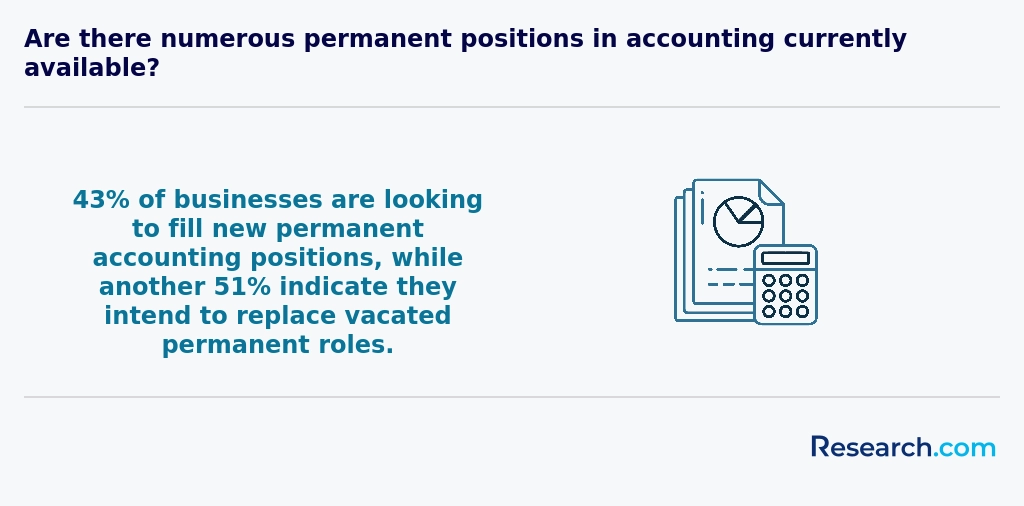
Midwest accounting students benefit from a variety of financial aid options that make pursuing a degree more affordable despite tuition costs ranging from $10,000 to $15,000 annually at public universities and exceeding $35,000 at private institutions. Federal aid programs such as Pell Grants and Federal Supplemental Educational Opportunity Grants (FSEOG) provide crucial need-based funding without requiring repayment, helping many students enrolled in schools like the University of Illinois or Ohio State University manage their expenses.
State-level scholarships offer targeted support; for example, Illinois' Monetary Award Program (MAP) assists residents attending in-state public colleges, while Michigan and Ohio provide competitive grants for high-demand fields, including accounting. Graduates recall how merit-based scholarships awarded by institutions such as Indiana University eased their financial burden through recognition of academic achievement and leadership.
Work-study programs also play a pivotal role, allowing students at universities like the University of Wisconsin to gain hands-on accounting experience while earning money. Additionally, private scholarships from organizations like the AICPA reward commitment and excellence, often opening doors to internships that enhance professional growth.
When evaluating the true value of an accounting degree in the Midwest, it’s crucial to consider the return on investment (ROI)-that is, how long it takes for increased earnings to offset the cost of tuition and related expenses. On average, in‐state public universities in the region charge between $10,000 and $15,000 per year for tuition, while private institutions may range from $30,000 to $50,000. By contrast, online programs can average as little as $6,000 annually, dramatically reducing upfront costs. Graduates typically enter the workforce with starting salaries in the $55,000–$65,000 range. By comparing the net cost of attendance (after scholarships and grants) against these starting wages, most students recoup their investment within 3–4 years of full‐time employment. For example, a graduate who pays $12,000 per year in net tuition and earns a $60,000 salary can expect to break even in roughly 3.5 years, assuming modest living expenses and no additional debt accrual. Internships and part‐time roles during school can further accelerate this payback period by reducing reliance on loans and building professional networks that lead to higher‐paying positions upon graduation. Additionally, prospective students seeking the most economical pathways should explore the cheapest accredited accounting degree online, which often feature streamlined curricula and lower per‐credit tuition rates without compromising accreditation or CPA exam preparation. Ultimately, when you factor in competitive Midwest salaries, affordable public and online tuition, and early career advancement opportunities, an accounting degree delivers one of the strongest ROIs in higher education-positioning graduates for financial stability and a swift return on their educational investment.
To enroll in an accounting degree program in the Midwest, students generally must have a high school diploma or equivalent, such as a GED, establishing a basic educational foundation. A strong background in mathematics and English is crucial; universities often assess performance in courses like algebra, geometry, and statistics. For instance, graduates from prominent Midwest institutions report that excelling in these subjects significantly eased their transition into rigorous accounting coursework.
Many programs require SAT or ACT scores, predominantly emphasizing strong math section results, though test-optional policies are increasingly common. Transfer students typically need to complete introductory courses in accounting, finance, or business to qualify for upper-level classes, ensuring readiness for the program's complexity.
Financial preparedness is essential, with annual tuition ranging from $10,000 to $15,000 at public universities and $25,000 to $40,000 at private schools. Graduates often highlight the value of early financial planning to manage costs effectively. Additional requirements such as transcripts, recommendation letters, personal statements, and sometimes interviews provide admissions committees with a comprehensive view of each applicant's potential and motivation.

Accounting degree costs and value can vary significantly by region, and understanding these differences is key to making an informed decision. In the Midwest, the median in‐state tuition for public universities hovers around $6,892 annually, while private institutions average near $32,084-figures that often undercut coastal and urban markets. By contrast, students exploring programs outside the Midwest may find different price points and funding opportunities. For example, prospective learners interested in affordability trends on the East Coast can explore our Low Cost Accounting Degree Programs Ranking in District of Columbia to compare tuition benchmarks and financial aid offerings. When assessing return on investment (ROI), consider average starting salaries alongside tuition outlays. Midwest graduates report mean entry‐level wages around $55,000, paired with lower living costs that accelerate debt repayment. In regions with higher tuition, such as metropolitan areas, starting salaries may be 5–10% greater, but living expenses can offset this premium. Balancing program reputation, alumni outcomes, and regional economic factors will help you pinpoint the best mix of affordability and long-term value for your accounting education.
Accounting degree programs in the Midwest typically require students to master core courses such as financial accounting, managerial accounting, and auditing. Graduates from well-regarded schools in Ohio and Illinois often share that financial accounting classes helped them confidently record and interpret real business transactions during internships. Managerial accounting, focused on internal decision-making, equips students to analyze costs and budgeting strategies, a skill praised by recent graduates entering corporate finance roles.
Auditing courses emphasize evaluating financial statements and compliance, which many students find rewarding when applying these principles in government agency internships common in states like Michigan. Beyond core subjects, programs include courses in microeconomics, macroeconomics, business law, taxation, and ethics, reflecting a comprehensive understanding necessary for diverse industries.
Students also value technology-focused courses, gaining proficiency in QuickBooks and Excel-tools essential in today's Midwest accounting firms. Combined bachelor's and master's degree paths help meet NASBA's 150-hour CPA standard, enhancing employability and confidence in the competitive Midwest job market.
Accounting degree specializations in the Midwest typically include auditing, taxation, forensic accounting, management accounting, and government accounting. For instance, universities known for their Midwest accounting programs with specialization options offer students hands-on learning that reflects real business environments. Graduates often describe how auditing classes prepare them to rigorously evaluate financial records, ensuring compliance and identifying risks-skills valued by employers. Taxation specialization equips students with deep knowledge of tax codes crucial in states like Illinois and Michigan, where demand remains high. Forensic accounting combines investigative methods and accounting, providing graduates an edge in roles involving fraud detection and legal inquiries.
Management accounting prepares students to analyze internal data for decision-making in corporate settings, while government accounting focuses on public sector finance, aligning with steady job growth in this area. Students from prominent Midwest colleges appreciate how their programs integrate certification prep and internships, boosting confidence about their future accountant salary.
Such specializations allow tailoring education to career goals, making Midwest accounting degrees both practical and strategically rewarding for aspiring professionals.
Choosing the best accounting degree in the Midwest requires focusing on program accreditation, cost, and career alignment. Graduates from schools like the University of Illinois at Urbana-Champaign and Michigan State University often highlight the value of AACSB-accredited programs, which represent only about 10% of business schools nationwide and are crucial for CPA licensure. This accreditation signals rigorous curriculum standards aligned with industry expectations.
Cost considerations also play a major role. Public Midwest institutions typically charge between $8,000 and $12,000 annually for in-state students, while private colleges may exceed $30,000. Many students successfully manage expenses through scholarships and financial aid, balancing affordability with quality. Prospective students searching for affordable accounting schools Midwest might consider options with strong financial aid packages or even explore the cheapest accredited accounting degree online programs to minimize debt.
Program structure is vital too. Since most Midwestern states require 150 semester hours for CPA exam eligibility, schools offering combined bachelor's and master's degree pathways help students meet this efficiently. Graduates report positive experiences at institutions near Chicago and Minneapolis, where strong industry connections lead to meaningful internships and job placements. This practical exposure sharpens skills and boosts confidence entering a competitive job market.
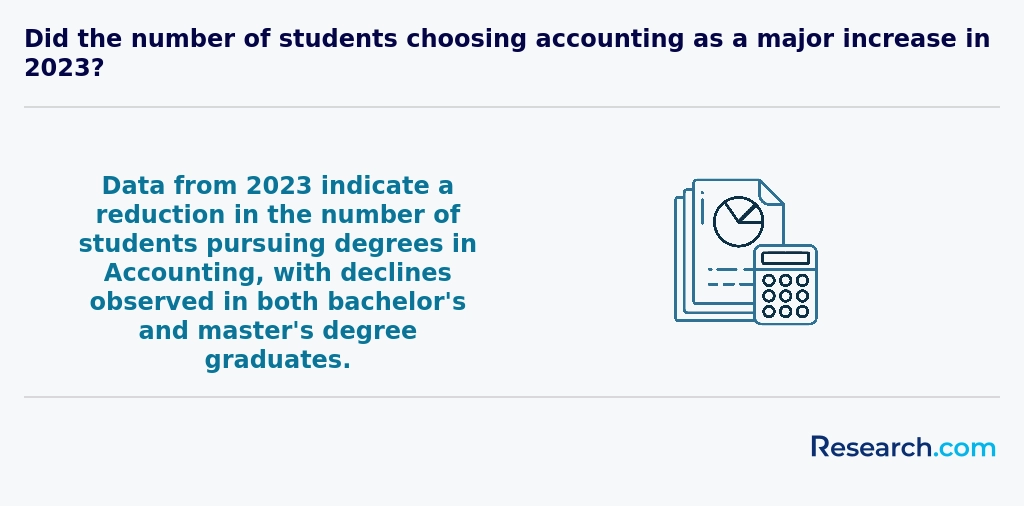
Graduates pursuing an accounting degree in the Midwest find a diverse set of career paths aligned with regional industry strengths. Many move toward public accounting and CPA licensure, thriving in states like Illinois, Ohio, and Michigan, where large financial and manufacturing sectors create robust demand. These roles typically involve auditing, tax preparation, and consulting, often hosted by firms near major cities such as Chicago and Minneapolis.
Internal corporate accounting positions and financial management roles are popular choices for Midwest accounting graduates, frequently within government agencies or nonprofits. Graduates from schools like Ohio State University often share how their education directly readies them for budget management and compliance tasks found in these sectors, underscoring the region's solid accounting degree job prospects.
The rise of technology-driven accounting roles, including IT auditing and data analytics, is reshaping career opportunities for Midwest graduates. Universities such as the University of Wisconsin emphasize these skill sets, enabling students to work confidently in evolving financial services and banking industries. For those balancing cost and quality, programs ranked in the Low Cost Accounting Degree Programs Ranking in District of Columbia highlight how affordability complements strong job growth in the region.
- Public accounting and CPA licensure roles
- Corporate accounting and financial management
- Government and nonprofit accounting positions
- Financial analysis and banking industry opportunities
- Technology-driven accounting jobs such as IT auditing and data analytics
The accounting job opportunities in the Midwest remain strong, driven by a diverse economy that includes manufacturing, finance, and healthcare sectors. Graduates from well-regarded Midwest universities often find entry-level roles in public accounting firms, government agencies, or corporate finance departments. Many report positive experiences advancing their careers through certifications like the CPA, valued by employers across states such as Illinois and Michigan. These credentials correlate with median salaries between $65,000 and $85,000, depending on experience and location.
Students pursuing degrees in the Midwest benefit from relatively affordable tuition at public four-year institutions, averaging $9,000 to $11,000 annually. Scholarships and assistantships further make education accessible. Accounting degree employment outlook in this region is promising, supported by steady demand for regulatory compliance and financial transparency in businesses. Graduates often emphasize the importance of internships and familiarity with industry software to improve hiring chances.
Those exploring further education options may also consider easy doctorates in the region, which complement accounting expertise and open new career pathways.
2027 Most Valuable Accounting Degree Programs Ranking in the Midwest
Investing in your education is a significant decision that can profoundly impact your career, and the Research.com team recognizes the importance of providing reliable guidance. To support students considering accounting degrees in the Midwest, we have carefully developed the "2027 Most Valuable Accounting Degree Programs Ranking in the Midwest." Our dedication to quality, credibility, and accuracy is demonstrated through rigorous research and data analysis.
We utilized the following reputable data sources to create this ranking:
By consulting this ranking, readers will gain valuable insights into the most worthwhile accounting degree programs in the Midwest, empowering them to make well-informed educational investments. For further details on our approach, please visit our Research.com methodology page.


# 6 position
DeVry University-Illinois
Master of Science in Accounting


# 8 position
Franklin University
Bachelor of Science in Accounting


# 12 position
Capella University
Bachelor of Science in Accounting


Frequently Asked Questions About accounting
Accounting degree students in the Midwest can maximize their learning by combining strong academic coursework with practical experience. Many universities offer internships in regional accounting firms, which helps students gain hands-on skills. According to the American Institute of CPAs, Midwestern states like Illinois and Ohio have a high demand for accounting professionals, making internships particularly valuable.
Students should also engage with local chapters of accounting organizations like Beta Alpha Psi and the Institute of Management Accountants. These groups provide networking opportunities and industry insights.
Additionally, Midwest schools often emphasize courses aligned with CPA exam requirements, which increases graduates' certification success rates.
Emerging niches within the accounting field are growing rapidly in the Midwest, reflecting broader industry trends across the U.S. One key area is forensic accounting, where professionals investigate financial fraud and support legal proceedings. The demand for forensic accountants in the Midwest has increased by roughly 12% from 2020 to 2023, according to the Bureau of Labor Statistics.
Another promising niche is environmental accounting, focusing on sustainability reporting and regulatory compliance. Midwest firms are increasingly adopting green accounting practices as businesses face more environmental regulations.
Additionally, technology-driven roles, such as data analytics and blockchain accounting, are gaining traction. Midwest employers seek accountants who can leverage these tools to improve audit accuracy and efficiency. The American Institute of CPAs highlights these specialties as key growth areas nationwide.
Graduates with accounting degrees in the Midwest can enhance their job prospects by obtaining the Certified Public Accountant (CPA) license, which is highly valued by employers. According to the American Institute of CPAs, CPA holders earn approximately 10-15% more than their non-certified peers.
Internships and networking within regional accounting firms provide valuable practical experience. The Midwest hosts many regional offices of major firms like Deloitte and PwC, offering robust entry points.
Proficiency in accounting software such as QuickBooks and Excel is essential. Additionally, improving soft skills like communication and critical thinking can set candidates apart.
Midwestern states report steady growth in accounting employment, with the Bureau of Labor Statistics projecting a 6% increase from 2022 to 2032, reflecting a stable job market for graduates.
Employers in the Midwest highly value accounting graduates who demonstrate strong technical skills in financial reporting, tax preparation, and auditing. According to the National Association of State Boards of Accountancy (NASBA), proficiency in Generally Accepted Accounting Principles (GAAP) and knowledge of the latest tax codes are essential for entry-level positions.
Beyond technical expertise, communication skills are critical. Midwest employers seek graduates who can clearly explain complex financial information to clients and colleagues. Analytical thinking and problem-solving also rank high, as companies face increasingly complex regulatory environments.
Moreover, familiarity with accounting software such as QuickBooks, Sage, and advanced Excel functions is frequently requested. The Midwest accounting job market also favors candidates with a strong ethical foundation and attention to detail, reflecting industry standards and client trust needs. Data from the Bureau of Labor Statistics indicates steady growth in accounting roles across the region, emphasizing the necessity of these skills.
Finding internships in the Midwest for accounting students involves leveraging local university resources and regional industry connections. Many Midwestern universities have strong ties with accounting firms such as Deloitte, KPMG, and EY, which frequently offer internships. The Big Ten Academic Alliance reports that over 60% of accounting students in the Midwest complete internships before graduation.
Students should utilize campus career centers and accounting departments that often list internships and job fairs. Networking events and accounting clubs provide additional pathways.
Also, platforms like Handshake and LinkedIn target Midwest-specific opportunities. Midwest states like Illinois, Ohio, and Michigan have a concentration of businesses seeking accounting interns.
Grad candidates should start applying early, ideally one semester ahead, to secure competitive Midwest internships.
An accounting degree significantly enhances career mobility and advancement opportunities for professionals in the Midwest. According to the U.S. Bureau of Labor Statistics (BLS), the accounting employment growth in states like Illinois, Ohio, and Michigan is steady, reflecting a healthy demand for skilled accountants. Graduates with this degree can start in entry-level positions and quickly progress to senior roles such as financial analysts, auditors, or controllers.
The Midwest's robust manufacturing and financial sectors create numerous opportunities for accountants to specialize, increasing their marketability. Additionally, obtaining certifications like CPA complements a degree and often leads to higher salaries and leadership roles. Regional industry reports show that accounting salaries in major Midwest cities exceed the national average by 5-10%, emphasizing career benefits tied to this degree.
Studying for an accounting degree in the Midwest equips students with a solid foundation in financial principles while emphasizing interdisciplinary skills. Many Midwestern universities incorporate courses in information technology, business analytics, and communication, preparing graduates for roles beyond traditional accounting. According to the Public Accounting Report, 68% of Midwest accounting programs offer cross-disciplinary projects that enhance critical thinking and problem-solving.
Students gain exposure to real-world business scenarios common in the region's diverse economy, including manufacturing and agriculture sectors. This approach fosters adaptability in roles that blend finance, data analysis, and management. Such preparation aligns with demands highlighted by the Illinois Board of Higher Education, which notes growing regional needs for accounting professionals versed in technology and strategic decision-making.
When choosing between a thesis and a non-thesis accounting degree program in the Midwest, students should consider their career goals and learning preferences. Thesis programs typically require original research, ideal for those interested in academic or analytical roles in accounting. Non-thesis programs often focus more on practical skills and coursework, suiting individuals targeting professional certifications like the CPA.
The National Center for Education Statistics reports that many Midwest universities offer both options, with thesis tracks usually adding several months to program duration. Cost differences can also vary, with thesis programs sometimes requiring more resources for research.
Students aiming for roles in public accounting firms or industry may prefer the non-thesis route for quicker entry into the workforce.
Students in the Midwest seeking to study accounting abroad have several pathways through US institutions' global partnerships and study abroad programs. Many Midwest universities with accredited accounting degrees offer exchange programs with universities in Europe, Asia, and Australia, allowing students to earn credits abroad while maintaining progress toward their degree.
For example, the University of Illinois and Indiana University have established programs with international business schools, giving students opportunities to learn accounting practices within different regulatory environments. According to the National Center for Education Statistics, about 10% of Midwest accounting undergraduates participate in at least one study abroad experience, reflecting growing interest.
It is important for students to consult their home institutions about transfer credit policies and opportunities to integrate international coursework relevant to US accounting standards such as GAAP and IFRS.
Part-time job opportunities in the Midwest that complement accounting degree education are numerous and valuable for practical experience. Many students find roles as accounting clerks or bookkeeping assistants in local businesses and nonprofit organizations. These positions provide hands-on experience with financial records, invoicing, and budgeting-key skills in accounting careers.
Internships with regional accounting firms or corporate finance departments are highly recommended. According to the National Association of Colleges and Employers (NACE), internships increase the likelihood of post-graduation employment by 20%. Midwest cities like Chicago, Minneapolis, and Indianapolis offer numerous internship openings throughout the academic year.
Additionally, tax-season roles with companies like H&R Block can help students learn about tax preparation and compliance. The Illinois Department of Employment Security recognizes these positions as relevant experience for accounting students.
Accounting students in the Midwest benefit from numerous networking opportunities that can enhance their professional growth. Many universities partner with prominent firms such as Deloitte, KPMG, and PwC, offering students access to internships and career fairs. Organizations like the Midwest CPA Society regularly host events and workshops, connecting students with licensed accountants and industry leaders. Additionally, regional conferences and student chapters of the American Institute of CPAs (AICPA) provide platforms to build valuable contacts. According to the Illinois Board of Examiners, nearly 60% of candidates report job leads arising through networking activities linked to their academic programs.
Alumni networks play a significant role in supporting accounting degree students in the Midwest by offering valuable connections and career opportunities. Many Midwestern universities boast strong alumni communities that help graduates find internships, job placements, and professional mentorship. According to the National Association of Colleges and Employers, 70% of jobs are found through networking, highlighting the importance of these connections.
In regions like Illinois, Ohio, and Michigan, active alumni networks often organize events and provide access to local accounting firms, enhancing students' chances of employment. This regional focus helps students tap into the robust Midwestern accounting job market efficiently.
Customizing an accounting degree program in the Midwest to fit your career goals starts with selecting the right courses and specializations. Many Midwestern universities offer concentrations such as forensic accounting, tax accounting, or audit and assurance, allowing students to focus on specific areas. According to the National Association of State Boards of Accountancy, nearly 60% of accounting graduates in the Midwest choose programs with flexible electives.
Internships and cooperative education programs are vital. Schools like the University of Illinois and Ohio State University provide strong connections with regional firms, helping students gain practical experience relevant to their career interests.
You can also tailor your degree by pursuing additional certifications during your studies. Popular certifications like CPA or CMA are offered as integrated options at many Midwestern institutions, aligning academic learning with professional goals.
Accounting students in the Midwest face several notable challenges during their studies. One common difficulty is balancing rigorous coursework with work or family responsibilities, especially since many students attend public universities with large commuter populations. This often limits opportunities for networking and internships, which are crucial for job placement.
Additionally, the complexity of mastering both accounting principles and the constantly evolving tax laws and regulations requires sustained focus. According to the National Association of State Boards of Accountancy (NASBA), Midwest students must also prepare thoroughly for the CPA exam, which has a national pass rate around 55% but can be lower in certain Midwestern states.
Finally, financing an accounting degree remains a concern. While public institutions in the Midwest tend to have lower tuition than coastal schools, students still contend with rising education costs amid a fluctuating Midwest economy, impacting access and retention.
With an accounting degree from a Midwest institution, students can pursue several key professional certifications to enhance their career prospects. The most recognized is the Certified Public Accountant (CPA) license, which is highly valued across states like Illinois, Michigan, and Ohio. Many Midwest universities structure their accounting programs to meet state-specific CPA exam requirements, including 150 credit hours of education.
Other valuable credentials include the Certified Management Accountant (CMA) and Certified Internal Auditor (CIA). These certifications are especially beneficial for those interested in corporate finance or internal auditing roles. According to the Institute of Management Accountants, the Midwest sees steady demand for CMAs in cities such as Minneapolis and St. Louis.
Additionally, the Enrolled Agent (EA) credential, awarded by the IRS, suits accountants focusing on tax-related careers. EAs can represent clients before the IRS nationwide. Pursuing these certifications helps Midwest accounting graduates stand out in a competitive job market and meet evolving industry standards.
Writing a winning application for an accounting program in the Midwest starts with thorough research of the schools you are targeting. Midwest universities often value strong quantitative skills demonstrated through high GPA and relevant coursework. Programs typically require official transcripts, letters of recommendation, and a personal statement outlining your interest and goals in accounting.
Highlight any practical experience, such as internships or part-time jobs in finance or bookkeeping, which can set you apart. According to the National Association of State Boards of Accountancy (NASBA), Midwest states like Illinois and Ohio report increased demand for accountants, making practical experience especially relevant.
Finally, emphasize your understanding of the regional economy and accounting trends, which helps admissions committees see your commitment to the Midwest market.
Accounting careers in the Midwest offer a strong foundation with global relevance. Many employers value accounting degrees from this region because Midwestern schools often emphasize internationally accepted standards like GAAP and IFRS. According to the American Institute of CPAs (AICPA), firms increasingly seek accountants familiar with cross-border financial reporting.
Midwestern graduates benefit from the region's close ties to multinational companies headquartered in cities such as Chicago and Minneapolis. These connections provide opportunities for roles involving international tax, auditing, and advisory services.
Data from the Bureau of Labor Statistics shows that accounting jobs in the Midwest are projected to grow by 7% through 2031, reflecting steady demand both locally and globally.
Overall, Midwestern accounting programs prepare students to work effectively in diverse and global financial environments.
Gaining practical experience during your accounting degree in the Midwest is crucial for career success. Many universities encourage internships with local businesses, accounting firms, or government agencies. According to the National Association of Colleges and Employers (NACE), over 60% of accounting students in the Midwest participate in internships before graduation.
In addition, cooperative education (co-op) programs are offered by some Midwest institutions, allowing students to alternate semesters of study with work placements related to accounting. This hands-on experience improves job readiness and networking opportunities.
Student organizations, such as the Accounting Club or chapters of the Institute of Management Accountants (IMA), also provide workshops and volunteering options to develop skills outside the classroom.
Choosing the right concentration within an accounting degree program in the Midwest depends on your career goals and local industry demands. Popular concentrations include auditing, tax accounting, forensic accounting, and managerial accounting. According to the Bureau of Labor Statistics, demand for accountants in the Midwest states like Illinois, Ohio, and Michigan is growing steadily, especially in tax and auditing roles.
Consider institutions accredited by the AACSB or ACBSP, as they typically offer specialized tracks aligning with regional business needs. Research programs that provide internships or partnerships with local firms for practical experience.
Review curriculum details to match your interests with course offerings, and seek guidance from academic advisors about licensure pathways such as the CPA exam relevant to the Midwest job market.
See What Experts Have To Say About Studying Accounting
Read our interview with Accounting experts

John Wermert, Ph.D., CPA
Accounting Expert
Associate Professor of Accounting
Middle Tennessee State University

Yaw M. Mensah
Accounting Expert
Professor and Interim Vice Dean for Strategic Partnerships
Rutgers Business School

- Bachelor's in Accounting, BSBA https://www.roosevelt.edu/programs/abtest-bachelors-accounting-bsba
- Accounting Abroad: Benefits and Opportunities : ThisWayToCPA : AICPA https://www.thiswaytocpa.com/education/articles/make-the-most-of-your-education/accounting-abroad-benefits-and-opportunities/
- How Long Does It Take to Get an Accounting Degree? https://www.warnerpacific.edu/blog/how-long-does-it-take-to-get-accounting-degree/
- Accounting Degree Program Guide | Accounting.com https://www.accounting.com/degrees/overview/
- How Is Accounting Higher Education Preparing the Future ... https://run.unl.pt/bitstreams/00df48b8-e024-4711-a8e3-529769165df8/download
- 8 Jobs You Can Pursue With an Accounting Degree https://eduadvisor.my/articles/jobs-you-can-pursue-with-an-accounting-degree
- Accountant Job Outlook & Demand Report 2026 - Intuit Blog https://www.intuit.com/blog/innovative-thinking/accountant-job-outlook-demand-report/
- What Jobs Can You Get with an Accounting Degree? https://www.mountunion.edu/academics/undergraduate-degrees/accounting/what-jobs-can-you-get-with-an-accounting-degree
- Are accounting students overloaded and under-supported? https://www.studentvoice.ai/blog/accounting-students-challenges-with-workload-and-support/
- Skills You Need for a Career Path in Accounting | AIU https://www.aiuniv.edu/degrees/business/articles/top-skills-for-career-in-accounting


