2027 Easiest Online Accounting Degree Programs Ranking in the USA

Co-Founder and Chief Data Scientist
Choosing the right accounting degree program can shape your future career, and finding an option that fits your lifestyle is key. This article presents the 2027 Easiest Online Accounting Degree Programs Ranking in the USA, created by the Research.com team of data scientists to guide your decision.
Discover programs that balance quality education with flexibility, making your journey smoother. Whether you're starting fresh or advancing your skills, an accounting degree opens doors to new opportunities and financial growth.
Read on to explore options tailored to your needs and take confident steps toward success.
Key benefits of getting online accounting degree in America
- Salary for accounting degree graduates: Graduates can expect promising earnings, with roles like Staff Accountant earning a mean annual wage of $90,780 and Tax Preparers averaging $49,580, reflecting strong financial potential in the field.
- Career paths: An accounting graduate from a popular university often finds diverse opportunities, including positions as Bookkeepers, Associate Auditors, or Accounts Payable Clerks, allowing flexibility in choosing a rewarding profession.
- Benefits of online degrees: Graduates from online accounting programs, such as those offered by well-known universities, enjoy the convenience of studying while working, making education accessible and adaptable to busy lifestyles without sacrificing quality.
- 2027 Easiest Online Accounting Degree Programs Ranking in the USA
- What can I expect from online accounting degree in America?
- Where can I work with online accounting degree in America?
What can I expect from online accounting degree in America?
The average cost of an online accounting degree in America can feel like a daunting figure, but it often ranges between $15,000 and $40,000 for a full bachelor's program at public universities. Graduates from schools like Arizona State University or the University of Florida often share how flexible payment options and scholarships made this investment manageable, turning what seemed like a financial barrier into a pathway toward career advancement.
For many, the value lies beyond tuition-it's about the chance to juggle a job, family, and study without giving up. This flexibility alone creates a sense of empowerment and control, especially when balancing real-world responsibilities. Taking classes asynchronously means a working parent can learn accounting principles at midnight, while others appreciate the community fostered through virtual collaboration tools, bringing lecture halls to their living rooms.
Moreover, the credential often leads to a higher earning potential that quickly offsets costs. Graduates cite excitement and confidence as they prepare to sit for the CPA exam, knowing their degree provided a solid foundation combined with practical, tech-savvy skills demanded by today's employers.
Where can I work with online accounting degree in America?
Graduates with an online accounting degree from respected institutions like the University of Illinois or Arizona State University often find themselves stepping confidently into diverse roles across America's financial landscape. Many recall their first day as a certified public accountant (CPA), where the foundational skills learned online-such as auditing and tax preparation-became tools they wielded to solve real-world puzzles. It's not uncommon to hear from alumni working at major public accounting firms or thriving in corporate finance departments at tech giants in Silicon Valley.
Others share how government positions at agencies like the IRS or local municipal offices offered stability and meaningful impact, managing public funds and safeguarding compliance. Nonprofit organizations also attract graduates who want their work to support community growth, handling donations and grants with transparency and care. The evolving landscape has even introduced exciting opportunities like forensic accounting and financial analysis, where the digital savvy gained online positions graduates as indispensable problem-solvers.
Far beyond traditional expectations, an online accounting degree from an accredited American college unlocks doors to careers filled with purpose, challenge, and growth.
Graduates of online accounting programs in America, including those from nationally recognized schools like the University of Illinois Urbana-Champaign or Penn State World Campus, often find themselves stepping into roles with solid financial rewards. For instance, positions such as Staff Accountant typically offer a mean annual wage of around $90,780, according to the latest U.S. Bureau of Labor Statistics figures. This figure can be especially motivating for students balancing work and study, demonstrating the tangible payoff of their efforts.
Entry-level roles like Bookkeepers, Tax Preparers, and Accounts Payable Clerks also provide respectable earnings around $49,580 per year. Many graduates recall how starting in these jobs helped them gain confidence and build valuable experience without sacrificing income. The possibility of advancing to higher-paid roles excites many, knowing that with additional experience or certifications, their salaries can climb significantly.
These salary figures reflect more than just numbers-they represent futures transformed by dedication and choice, reinforcing that an online accounting degree can truly open doors to rewarding careers across America.
- Online accounting degrees offer flexibility and cover subjects like financial accounting, auditing, taxation, and managerial accounting.
- Tuition for online bachelor's degrees ranges from $20,000 to $60,000, while graduate programs typically cost between $30,000 and $70,000.
- Median starting salaries for accounting graduates are around $55,000 to $65,000 annually, increasing to $80,000 to $90,000 with experience and certifications.
- The job market for accountants and auditors is expected to grow by about 7% from 2021 to 2031, matching the average growth rate for all occupations.
- Regional accreditation and CPA exam preparation support are important features of credible online accounting programs.
Completing an online accounting degree in America is rarely a one-size-fits-all journey. Take, for example, graduates from well-known institutions like Arizona State University or the University of Florida. Many expected to finish their bachelor's in the traditional four years but found themselves balancing part-time enrollment and full-time jobs, stretching their studies closer to five years. This reflects NCES data showing the average bachelor's degree takes about 5.1 years, especially for online students managing multiple priorities.
Meanwhile, some students at community colleges opting for associate degrees celebrate completing in just two years or less, thrilled by the achievable timeline and the career opportunities that follow quickly. On the flip side, ambitious learners at schools like Penn State explore accelerated bachelor's options, reducing time to three years by tackling heavier course loads during summer terms.
Graduate students often navigate one to two additional years, juggling their schedules while deepening expertise and opening doors to advanced roles. These real-life timelines urge prospective students to thoughtfully consider their pace and life demands rather than assuming a fixed time to completion.
When choosing an online accounting program, it's essential to consider several factors to ensure you find the best fit for your needs and career goals. One crucial aspect to consider is the cost of the program, as well as the availability of affordable accounting programs that can help you achieve your goals without breaking the bank. Additionally, you should research the program's accreditation, curriculum, and faculty expertise to ensure you receive a high-quality education that prepares you for success in the accounting field. Furthermore, consider the program's format and flexibility, as well as the level of support and resources provided to online students, to ensure you can balance your studies with work and other responsibilities. By carefully evaluating these factors, you can make an informed decision and choose an online accounting program that sets you up for success in your future career.
Choosing between an online or on-campus accounting degree in America often boils down to lifestyle and learning preferences rather than academic quality. Graduates from universities like the University of Illinois or the University of Southern California frequently share how on-campus programs enriched their experience through real-time discussions and immediate access to professors, creating an energizing community atmosphere. This face-to-face interaction fosters teamwork skills vital in accounting careers.
However, online students from institutions such as Arizona State University emphasize how asynchronous courses allowed them to balance full-time jobs and family responsibilities without sacrificing educational rigor. Their ability to revisit lectures anytime transformed stress into confidence, proving flexibility is not a compromise but a powerful advantage in mastering accounting principles.
The financial aspect also challenges assumptions. While on-campus tuition averages $10,000 annually for public universities, online programs often match these costs but eliminate commuting and housing fees, creating unexpected savings. In both formats, graduates agree accreditation and curriculum standards meet employers' expectations equally, especially when pursuing CPA certification.
- Online programs offer the freedom to study whenever suits one's schedule, appealing to self-motivated learners balancing multiple priorities.
- On-campus setups nurture live interaction and spontaneous networking opportunities that can be invaluable for career growth.
- Internships remain a pivotal component in both, providing practical exposure critical for real-world accounting roles.
Earning an online accounting degree is just the first step-professional certifications and licensure can significantly enhance your credibility and earning potential. The most recognized credential is the Certified Public Accountant (CPA), which requires passing the Uniform CPA Exam, meeting education credit hours (often 150), and fulfilling state-specific experience requirements. Many bachelor’s and master’s degree programs integrate CPA exam prep into their curriculum, allowing graduates to sit for all four exam sections soon after graduation. Beyond the CPA, other in-demand credentials include the Certified Management Accountant (CMA) and the Certified Internal Auditor (CIA). The CMA, administered by the Institute of Management Accountants (IMA), focuses on strategic planning, analysis, and decision support. The CIA, offered by the Institute of Internal Auditors (IIA), emphasizes risk management, internal controls, and governance. Each certification involves a rigorous exam process and continuing professional education (CPE) to maintain active status-key factors in career advancement and salary growth. For those drawn to investigative roles, the Certified Fraud Examiner (CFE) credential opens doors to a specialized career in forensic accounting. CFEs are trained to detect, prevent, and investigate financial fraud, often collaborating with law enforcement or legal teams. Pursuing these certifications demonstrates expertise, boosts search visibility for recruiters, and aligns your online accounting degree with high-value career paths in public accounting, corporate finance, government auditing, and beyond.
The average cost of an online accounting degree in America often surprises prospective students. While many expect a steep financial barrier, the reality is more nuanced. Median total costs hover around $36,705, with in-state students typically paying about $27,300 and out-of-state students closer to $33,090. This range reflects the diversity of institutions a student might consider, from large public universities offering more affordable options to prestigious private colleges with higher tuition but greater networking opportunities. Many graduates from popular programs in well-known colleges share stories of balancing work and study, appreciating how the relative savings on commuting and housing make their investments feel more manageable and worthwhile.
Cost considerations extend beyond tuition alone. Textbook and course material expenses tend to be lower online due to digital access, relieving some financial pressure. Additionally, some students cite employer tuition reimbursement plans as a crucial help, effectively lowering overall expenditures. For those weighing the average cost of online accounting degree USA options, it's essential to think about long-term outcomes-graduates often reflect on how the skills gained, especially in technology and analytics, position them for higher earnings, offsetting initial costs.
Choosing a program means also exploring financial aid and relevant scholarships. State universities known for their accounting departments may offer particularly attractive packages for residents. Those seeking a comprehensive comparison should consult resources listing affordable accounting programs.
When students try to envision the total tuition and fees for online accounting degree 2027, they often find the average to be a flexible indicator rather than a fixed figure. Costs may fluctuate based on degree level, program length, and the presence of specialized fees. Still, with careful planning and informed decision-making, an online degree becomes a well-justified investment in one's future.

The journey toward becoming a Certified Public Accountant (CPA) is an essential phase for accounting graduates aiming to accelerate their career growth. This section outlines the process of CPA certification, its benefits, and practical steps to prepare. Many professionals emphasize that obtaining a CPA credential not only enhances credibility but also significantly boosts salary potential and job security. Key points to consider include:
- Understanding state-specific education, experience, and examination requirements that form the backbone of the CPA credential.
- Preparing for and passing the Uniform CPA Examination, which is widely recognized as a rigorous standard in the industry.
- Gaining relevant work experience that meets state licensing criteria. For more insights on the timeline and dedicated preparation strategies, explore how many years to become a certified public accountant. By carefully planning your certification journey, you position yourself for enhanced career advancement, improved marketability, and a lasting professional advantage in the competitive field of accounting.
Many online accounting students in America find that federal financial aid forms the cornerstone of their funding. Graduates from schools like the University of Illinois Urbana-Champaign often recall how completing the FAFSA unlocked access to Pell Grants providing up to $7,395 annually-an unexpected relief against tuition costs that can soar up to $40,000. These grants don't require repayment, creating a psychological boost for students balancing work and study.
Others recount relying on federal loans, including Direct Subsidized and Unsubsidized Loans, praised for their manageable rates and flexible repayment paths. For those advancing beyond undergraduate degrees or certifications, the Federal Grad PLUS Loan covers extra expenses, a lifeline for ambitious professionals striving to deepen their expertise.
State grants add another layer of support, though students must proactively explore options depending on their residency. At schools like Arizona State University, institutional scholarships awarded for academic merit or leadership often tip the scales, fueling motivation with tangible recognition.
Many working students highlight employer tuition reimbursement as a game-changer; knowing their employer invests in their education transforms financial stress into empowerment and long-term career growth.
When evaluating an online accounting degree, accreditation serves as the cornerstone of academic quality and professional credibility. Accredited programs meet rigorous standards set by recognized agencies, ensuring that credits transfer smoothly and that your degree qualifies you to sit for the CPA exam. In the United States, regional accreditation-awarded by bodies such as the Middle States Commission on Higher Education or the Southern Association of Colleges and Schools-guarantees institutional quality, while specialized accreditation from the Association to Advance Collegiate Schools of Business (AACSB) or the Accreditation Council for Business Schools and Programs (ACBSP) highlights excellence in business and accounting curricula. To verify accreditation, consult the U.S. Department of Education’s Database of Accredited Postsecondary Institutions and Programs (DAPIP) and review each school’s accreditation status on its official website. Additionally, programs aligned with the National Association of State Boards of Accountancy (NASBA) Standards ensure that coursework fulfills educational requirements for CPA licensure in most jurisdictions. Prospective students should confirm that their chosen program’s credits are recognized by state boards, particularly if they plan to relocate or pursue certification across state lines. For students prioritizing both quality and affordability, it’s also wise to compare tuition rates and financial aid options at accredited institutions. For example, many learners have found value in our Inexpensive Accounting Degree Programs Ranking in Tampa, FL, which highlights accredited online options with competitive pricing and strong support services. By choosing an accredited and reputable program, you safeguard your investment, streamline your path to licensure, and lay a solid foundation for a successful accounting career.
Enrolling in an online accounting degree in America often begins with more than just a high school diploma or GED. Graduates from popular programs at universities like the University of Illinois or Arizona State have shared how meeting a GPA threshold around 2.5 to 3.0 was a crucial gateway, ensuring they were academically prepared. Many recall the challenge of submitting SAT or ACT scores, although some schools now offer test-optional routes, reflecting evolving admissions landscapes.
For those targeting graduate studies, such as an MBA with accounting from well-regarded institutions, prior coursework and sometimes GRE or GMAT scores were game changers. Many students found that relevant work experience, while not strictly required, brought confidence and a richer understanding to their studies.
Students often emphasize that letters of recommendation and statements of purpose gave a personal touch, making applications resonate beyond numbers. Meanwhile, navigating virtual tools like QuickBooks or Excel underscored the importance of technical readiness-a hurdle many overcame through dedication. These prerequisites reveal a balancing act between proving readiness and embracing new challenges in America's competitive online accounting programs.
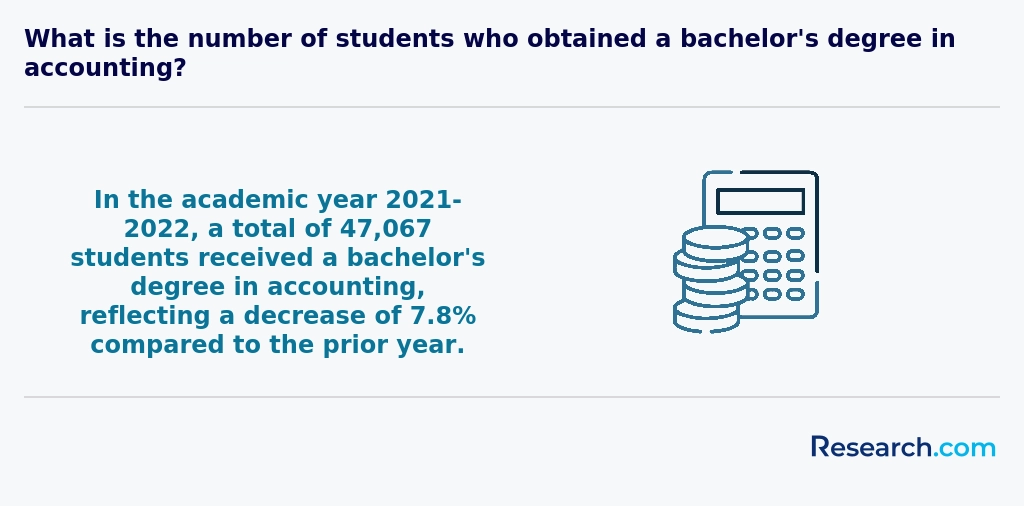
Online accounting degrees in America challenge students with a curriculum that mirrors traditional programs at universities like the University of Illinois or Arizona State University, yet offer the flexibility to learn remotely. Graduates often reflect on how mastering core courses such as financial and managerial accounting transformed their understanding of business operations-imagine confidently preparing financial statements or analyzing budgets from your own home.
Courses in auditing and taxation push students to consider real-world implications, like verifying the accuracy of financial records or navigating complex U.S. tax laws. Many who studied online recount how these topics felt immediately practical, preparing them for CPA exams and real job scenarios.
Technology plays a vital role too. Learning accounting information systems with tools like QuickBooks or SAP at schools like Penn State University opens doors to automation skills highly valued across industries, making graduates feel ready for the digital demands of finance.
Ethics, business law, and economics courses often spark deep reflection among students about the ethical responsibilities and economic forces shaping the accounting profession in America today, adding meaningful context beyond numbers.
When pursuing an online accounting degree in America, students quickly discover a spectrum of specializations that challenge them to rethink what accounting really means. Popular focus areas include Taxation, where graduates gain confidence handling complex tax scenarios for clients, and Auditing, which transforms students into meticulous guardians against financial misstatements. From universities known for rigorous programs, many graduates share how diving into Forensic Accounting sparked a newfound passion for uncovering fraud and protecting businesses from unseen threats.
These specializations are more than course options-they shape career paths that respond dynamically to America's evolving financial landscape. Others find themselves drawn to Managerial Accounting, using analytical skills to influence real business decisions, or Governmental Accounting, serving public sector needs with precision and integrity. The range of online accounting degree specializations USA programs offers allows students to tailor experiences, making those long nights studying all the more rewarding.
For those weighing the journey and wondering about the commitment, it helps to explore how many years to become a certified public accountant-a key milestone for many aiming high in this competitive field.
Choosing the best online accounting degree in America means going beyond surface-level rankings. Graduates from widely respected colleges share that accreditation from bodies like ACBSP or AACSB can be a game changer, ensuring your credits truly count towards CPA licensure. However, it's not just about ticking boxes-the real value lies in a curriculum that dives deep into taxation, auditing, and even business ethics, giving you a toolkit to solve complex problems confidently.
Reflect on stories from those who balanced full-time jobs while earning affordable online accounting degrees in America; many find programs offering asynchronous classes and solid advising critical to their success. Popular schools not only provide knowledge but also meaningful networks and internship pathways that transform learning into real-world impact. For example, graduates often mention how access to career services helped them pivot quickly into roles aligned with their passion, be it corporate accounting or a specialized career in forensic accounting.
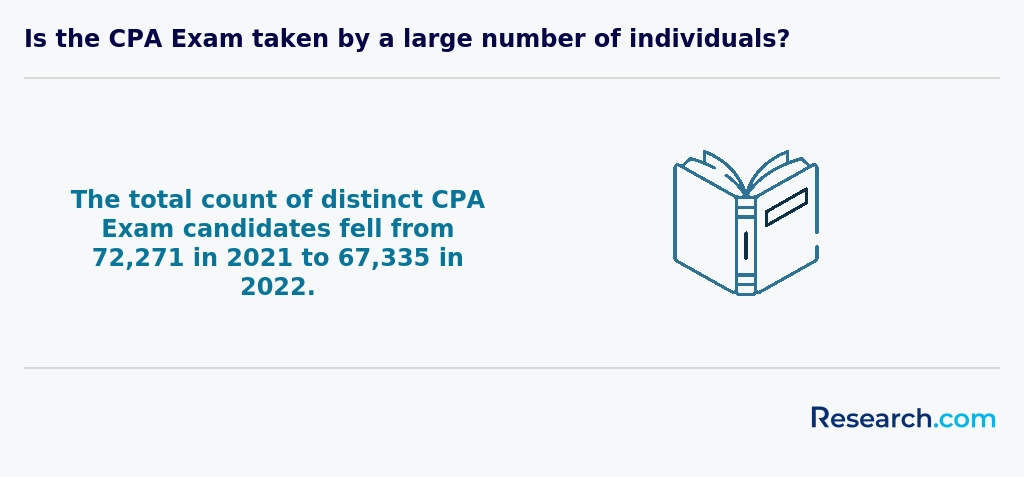
Graduates with an online accounting degree in America discover diverse career paths that challenge the stereotype of accountants as mere number crunchers. From becoming a Certified Public Accountant (CPA) to specializing as a forensic accountant, the opportunities span far beyond traditional bookkeeping. Many graduates from renowned universities, such as those popular for their robust online programs, share how their education empowered them to step confidently into roles like financial analysts or internal auditors, positions requiring analytical acumen and strategic thinking.
Exploring jobs with online accounting degree in America reveals promising trajectories including management accountant roles focused on driving organizational efficiency and tax consulting where critical problem-solving defines success. These paths, often strengthened by hands-on experience with advanced accounting software, illustrate how theoretical knowledge from accredited programs transforms into real-world impact. For those balancing cost with quality, viewing options like the Inexpensive Accounting Degree Programs Ranking in Tampa, FL offers practical insight into affordable education routes that nonetheless open rewarding doors.
The job market for those holding an online accounting degree in America remains robust, reflecting steady demand fueled by regulatory shifts and evolving financial landscapes. Graduates from institutions like the University of Florida and Arizona State University often share how their digital learning equipped them with both technical skills and adaptability, qualities highly sought after in today's accounting careers demand in America. The experience of managing sophisticated accounting software remotely prepares these students for real-world challenges, making them competitive candidates in diverse industries.
Many graduates find themselves thriving in environments ranging from corporate finance teams in Chicago to nonprofit organizations in Washington, D.C., where their ability to interpret complex financial data proves vital. The pathway to career growth often includes securing internships early on and pursuing professional designations such as CPA, especially since most states mandate additional semester hours beyond a bachelor's degree. For those eager to accelerate their education, exploring options like quick bachelor degrees can offer a strategic advantage in entering this dynamic market.
Despite traditional assumptions that on-campus programs hold the upper hand, graduates report that their online accounting degree job outlook USA is comparably promising, especially when paired with relevant certifications. Salary expectations rise sharply in metropolitan hubs such as New York and San Francisco, reflecting both cost of living and market specialization. This trend encourages students to weigh location strategically when planning their careers, underscoring the nuanced reality of today's accounting job market.
2027 Easiest Online Accounting Degree Programs Ranking in the USA
Investing in your education is a significant decision that can shape your future, and the Research.com team understands the importance of making informed choices. To assist prospective students in selecting the right online accounting degree, we have meticulously crafted the "2027 Easiest Online Accounting Degree Programs Ranking in the USA." Our commitment to quality, credibility, and accuracy is reflected in the extensive research and analysis conducted to compile this ranking.
We utilized the following reputable data sources to ensure a comprehensive evaluation of accounting programs:
By exploring this ranking, readers will gain valuable insights into the easiest and most accessible online accounting degree programs, helping them make well-informed and confident decisions about their educational paths. For more details on how this ranking was created, please visit the Research.com methodology page.


Frequently Asked Questions About accounting
Online accounting degree students in America can maximize their learning by actively engaging with their coursework and utilizing available resources. Time management is crucial, as students must balance study with personal and professional responsibilities. According to the National Association of State Boards of Accountancy (NASBA), practical application through virtual internships or simulations helps reinforce accounting principles.
Students should seek out programs accredited by the Accreditation Council for Business Schools and Programs (ACBSP) or the Association to Advance Collegiate Schools of Business (AACSB) to ensure quality education. Participating in online study groups and regularly communicating with instructors can enhance understanding and retention.
Using tools like accounting software such as QuickBooks or Sage during studies also prepares students for the workforce. The U.S. Bureau of Labor Statistics projects a 7% growth in accountant jobs through 2031, highlighting the demand for well-prepared graduates.
The accounting field in the United States is rapidly evolving, with several emerging niches gaining attention. One key area is forensic accounting, which involves investigating financial crimes and fraud. According to the U.S. Bureau of Labor Statistics (BLS), forensic accounting jobs are expected to grow faster than average through 2031.
Another growing niche is environmental accounting, where accountants help organizations measure and manage their environmental impact and sustainability efforts. This aligns with increasing regulatory requirements and corporate social responsibility trends.
Additionally, technology-driven roles such as data analytics and blockchain accounting are expanding, reflecting the digitization of financial processes and the demand for transparency.
After earning an online accounting degree in America, students should focus on gaining relevant experience to enhance employability. Internships, part-time jobs, or volunteer roles in accounting firms or finance departments provide practical skills. According to the U.S. Bureau of Labor Statistics, accountants' employment is projected to grow 7% from 2021 to 2031, indicating steady demand.
Professional certifications such as the Certified Public Accountant (CPA) credential significantly improve job prospects. Preparing for the CPA exam requires a minimum of 150 credit hours, often achieved through additional coursework or graduate studies.
Networking is crucial; joining organizations like the American Institute of CPAs can connect graduates with mentors and job leads.
Employers in America prioritize a combination of technical and soft skills in accounting degree graduates. Strong knowledge of Generally Accepted Accounting Principles (GAAP) is essential, as it forms the foundation for most financial reporting jobs. Proficiency in accounting software like QuickBooks and Excel is also highly valued, with the American Institute of CPAs highlighting these as key tools for entry-level positions.
Analytical thinking and attention to detail are critical because accountants must ensure accuracy in financial data and compliance with tax laws. Communication skills, both written and verbal, are increasingly important as professionals often collaborate with clients and management.
Additionally, ethical judgment remains a cornerstone in the profession, supported by standards set by the Financial Accounting Standards Board and regulatory bodies. According to the Bureau of Labor Statistics, problem-solving and adaptability are among top traits for future job growth in accounting roles through 2030.
Finding internships relevant to an accounting degree in America involves several strategic steps. First, students should utilize their university's career services, which often maintain partnerships with local and national accounting firms. According to the National Association of Colleges and Employers (NACE), over 60% of internships are filled through campus recruiting events.
Another effective approach is to explore online platforms like Handshake and LinkedIn, where many internships are posted specifically for accounting roles. The American Institute of Certified Public Accountants (AICPA) also offers internship directories and resources tailored to accounting students.
Building a professional network through accounting clubs or attending industry conferences can increase internship opportunities. Many top CPA firms prefer candidates who show proactive involvement in the field. Starting early, usually six months before the internship period, raises the chance of securing positions during competitive hiring cycles.
Obtaining an online accounting degree in America significantly enhances career mobility and advancement opportunities. According to the U.S. Bureau of Labor Statistics (BLS), accountants and auditors have a projected growth rate of 7% from 2021 to 2031, which is about as fast as the average for all occupations. An accredited online degree allows professionals to meet educational requirements needed for certifications like the CPA, which is often essential for higher-level positions.
Online degrees offer flexibility, enabling students to work while studying, which can lead to immediate application of skills and faster career progression. Networking opportunities through digital platforms help graduates access diverse job markets nationwide. Employers increasingly accept online credentials, recognizing the quality of accredited programs, thus expanding job prospects.
Studying for an accounting degree in America equips students with skills beyond traditional bookkeeping. American programs emphasize interdisciplinary learning, integrating economics, finance, information technology, and business law. This prepares graduates for diverse roles in industries such as consulting, management, and data analysis.
The curriculum often includes courses in communication and critical thinking, which are crucial for teamwork and leadership. According to the National Association of State Boards of Accountancy (NASBA), 70% of employers seek accountants with broad business skills.
Online accounting degrees in the U.S. also provide flexibility, allowing students to gain work experience simultaneously, enhancing practical and cross-disciplinary expertise.
When choosing between a thesis and a non-thesis online accounting degree program in America, consider your career goals. A thesis program requires original research and is ideal if you plan to pursue a PhD or careers in academia or research. Many American universities offering accounting degrees recommend this for those interested in deeper analytical skills.
Non-thesis programs focus on practical skills through coursework and internships. This path suits professionals aiming for fast entry or advancement in corporate accounting, CPA roles, or financial management. According to the National Association of State Boards of Accountancy, practical experience is critical for CPA licensure, favoring non-thesis tracks for immediate application.
Additionally, thesis programs may take longer to complete, often requiring 6-12 months for research and writing, while non-thesis degrees typically finish quicker. Costs also vary, with thesis programs sometimes needing extra resources for research.
Students based in America who want to study accounting abroad have several options, including enrolling in international universities offering online or hybrid accounting degrees. Many foreign institutions provide programs recognized by the Association to Advance Collegiate Schools of Business (AACSB), ensuring quality comparable to U.S. standards. Additionally, some U.S. universities have partnerships with overseas schools, allowing students to study abroad temporarily while earning their degree. The National Association of State Boards of Accountancy (NASBA) emphasizes the importance of verifying whether an international program aligns with U.S. CPA licensure requirements. This due diligence helps students avoid issues when seeking certification or employment stateside.
Online accounting degrees from accredited foreign universities are gaining popularity, but students should confirm that credits transfer smoothly if they plan to work in America. According to the National Center for Education Statistics (NCES), about 30% of U.S. accounting students consider international study options for enhanced career prospects. The choice to study abroad online offers flexibility and exposure to global accounting standards, beneficial in today's interconnected market.
Part-time job opportunities that complement online accounting degrees in America often align with practical skills gained through coursework. Common roles include bookkeeping assistants, tax preparers, and accounting clerks. These positions help students apply concepts like financial reporting and tax regulations in real-world environments.
According to the U.S. Bureau of Labor Statistics (BLS), bookkeeping, accounting, and auditing clerks are projected to decline slightly by 5% from 2022 to 2032, but demand remains steady in small businesses and nonprofits. Gaining experience in these roles can strengthen a resume and improve job prospects after graduation.
Other options include internships or part-time work at CPA firms, where students can observe auditing procedures and client management. Online degrees often encourage flexible schedules to accommodate such employment opportunities.
Networking opportunities for online accounting students in America have expanded significantly with advances in technology and professional organizations. Many online programs integrate virtual career fairs, alumni networking platforms, and mentoring programs tailored to accounting students. According to the American Institute of CPAs (AICPA), membership and participation in their student chapters can provide valuable connections with industry professionals and insights into the profession.
Additionally, platforms like LinkedIn allow students to join accounting groups and participate in discussions, which helps build connections nationwide. Some universities also organize local meet-ups or partnerships with accounting firms to support remote learners in networking.
Alumni networks play a crucial role for students pursuing online accounting degrees in America by offering valuable professional connections. Graduates from programs accredited by organizations like the ACBSP or AACSB often gain access to wide-reaching alumni groups, which can open doors to job opportunities in accounting firms, corporations, and government agencies.
These networks provide mentorship, career advice, and industry insights that help students navigate the competitive accounting job market. According to the National Association of State Boards of Accountancy, around 77% of accounting professionals find opportunities through personal or professional connections.
Moreover, alumni events and online forums facilitate knowledge sharing about CPA exam preparation and emerging accounting standards, enhancing student success post-graduation.
Customizing your online accounting degree in America allows you to align your education with specific career objectives. Many programs offer concentrations such as auditing, taxation, forensic accounting, or managerial accounting, enabling you to specialize based on your interests.
You can also select electives related to financial technology or data analytics, which are increasingly valuable in the accounting field. According to the American Institute of CPAs (AICPA), knowledge in these areas can improve job prospects.
Additionally, some schools provide flexible scheduling or accelerated courses to fit working professionals' timelines. Certification preparation, like CPA exam support, is often integrated, helping you meet licensure requirements in your state more efficiently.
Online accounting students in America often face several common challenges. Balancing coursework with personal and professional responsibilities can be difficult, as many learners juggle full-time jobs alongside their studies. Time management is crucial, yet surveys from the National Center for Education Statistics show that nearly 60% of online students report feeling overwhelmed by conflicting commitments.
Another notable hurdle is limited face-to-face interaction. Unlike traditional classrooms, online platforms may hinder immediate feedback and networking opportunities, which are vital for mastering complex accounting concepts and connecting with peers or instructors.
Technical difficulties also impact student success. Reliable internet access and familiarity with accounting software like QuickBooks or Excel are essential, yet not all students have equal access or preparedness. According to the U.S. Department of Education, about 15% of online learners experience technical issues substantial enough to delay progress.
With an online accounting degree in the United States, graduates can pursue several respected professional certifications. The most common is the Certified Public Accountant (CPA), which requires passing a national exam and meeting state-specific education or experience prerequisites. According to the American Institute of CPAs (AICPA), over 650,000 CPAs practice in the U.S., highlighting the credential's significance.
Other certifications include the Certified Management Accountant (CMA), awarded by the Institute of Management Accountants, ideal for those targeting corporate finance roles. The Certified Internal Auditor (CIA) is also popular among those interested in auditing careers. These certifications can enhance job prospects and earning potential significantly.
To write a winning application for an online accounting program in America, start by clearly demonstrating your interest in accounting and your career goals. Most programs value applicants who can connect their background with accounting principles and show a commitment to the field.
Highlight relevant experience, such as internships, jobs, or courses that reinforce your knowledge of finance or business. According to the National Association of State Boards of Accountancy, strong foundational skills boost admission chances.
Be sure to craft a concise personal statement explaining why an online program fits your learning style and professional needs. Also, submit all required documents on time, including transcripts and letters of recommendation.
Finally, maintain a competitive GPA-many programs seek students with a minimum 3.0, as reported by NCES data on accounting education outcomes.
The field of accounting holds significant value worldwide, with growing demand in various global markets. For American students, understanding international standards such as the International Financial Reporting Standards (IFRS) is increasingly important, as many multinational companies require knowledge beyond US Generally Accepted Accounting Principles (GAAP).
In the US, the Bureau of Labor Statistics projects a 7% growth in accounting jobs from 2021 to 2031, reflecting steady demand domestically. Globally, digital transformation and regulatory changes are shaping the profession, making adaptability a key skill.
Globalization enhances opportunities for US-trained accountants, who often engage with international clients or firms. Recognizing the global relevance of an online accounting degree can help students prepare for diverse and evolving career paths.
Gaining practical experience while studying for an online accounting degree in America is essential for career readiness. Many programs encourage internships with local businesses or remote positions, letting students apply classroom theory in real-world contexts. According to the National Association of State Boards of Accountancy (NASBA), around 60% of accounting students complete internships before graduation.
Some schools partner with accounting firms for virtual internships, offering flexible schedules that fit online learning. Additionally, involvement in student organizations like Beta Alpha Psi provides networking and practical workshops. Volunteering for nonprofit financial roles can also build experience. These opportunities improve job prospects in an industry where 61% of employers value hands-on experience highly, per the American Institute of CPAs (AICPA).
Choosing the right concentration within an online accounting degree program in America depends on your career goals and interests. Common concentrations include forensic accounting, taxation, auditing, and managerial accounting. The U.S. Bureau of Labor Statistics projects a 7% growth for accountants from 2022 to 2032, with specific demand in tax and forensic specialties.
Consider certifications you may want, such as the CPA, which often require certain coursework. Research programs accredited by the AACSB or ACBSP, which ensure quality education.
Also, evaluate how each concentration aligns with industries you wish to enter, such as corporate finance or government.
See What Experts Have To Say About Studying Accounting
Read our interview with Accounting experts

Yaw M. Mensah
Accounting Expert
Professor and Interim Vice Dean for Strategic Partnerships
Rutgers Business School

John Wermert, Ph.D., CPA
Accounting Expert
Associate Professor of Accounting
Middle Tennessee State University

- Tips for University Graduates Looking to Land Their First Accounting Job https://www.elby.ca/blog/2022/04/27/tips-for-university-graduates-looking-to-land-their-first-accounting-job/
- How Long Does It Take to Get an Accounting Degree? https://www.warnerpacific.edu/blog/how-long-does-it-take-to-get-accounting-degree/
- Online Bachelor's Degree in Accounting https://www.monroeu.edu/academics/undergraduate-programs/monroe-online/school-business-and-accounting/online-bachelors-accounting
- What Jobs Can You Do With an Accounting Degree? - Intuit Blog https://www.intuit.com/blog/life-at-intuit/intuit-experts/accounting-degree/
- 6 accounting niches for your new firm https://www.becker.com/blog/career/accounting-niches-for-your-firm
- Why CA Firms Can't Afford to Overlook Alumni Networks: A Key Strategy for Growth and Success https://hoopstr.ai/corporate-resource-center/blog/why-ca-firms-need-to-adopt-corporate-alumni-programs-for-growth-and-success-in-a-changing-industry
- How to get into accounting as a graduate https://targetjobs.co.uk/careers-advice/accountancy-banking-and-finance/how-get-accounting-graduate
- Mastering the Art of Networking: A Guide for Accounting Students https://www.wscpa.org/blog/607cb669-8d98-427e-8c9b-06129d9297e8:mastering-the-art-of-networking-a-guide-for-accounting-students
- ACCOUNTING AND AUDITING (THESIS / NON-THESIS) - Lisansüstü Eğitim Enstitüsü https://lee.nisantasi.edu.tr/en/accounting-and-auditing/
- 15 Accounting Careers: Undergraduate & Graduate Paths https://www.baypath.edu/news/bay-path-university-blogs/post/15-accounting-careers-undergraduate-graduate-paths/