2027 Easiest Online Master's in Accounting Degree Programs Ranking in New Jersey

Co-Founder and Chief Data Scientist
Are you looking for an easy and convenient way to advance your career with a master's degree in accounting? This article introduces the 2027 Easiest Online Master's in Accounting Degree Programs Ranking in New Jersey, carefully created by the Research.com team of data scientists. It is designed to help you discover programs that fit your needs and lifestyle.
By exploring this ranking, you'll gain valuable insights on the best online options, making it easier to choose a program that supports your goals. Earning an accounting degree can open new doors and provide lasting professional growth.
Key benefits of getting online accounting degree in New Jersey
- Graduates with an online accounting degree in New Jersey can expect strong earning potential, with typical roles like Certified Public Accountant or Tax Manager earning a mean annual wage of $90,780.
- Many accounting degree holders from popular New Jersey universities launch diverse careers in fields such as auditing, forensic accounting, and corporate finance, offering flexibility and growth.
- Completing an accounting degree online provides convenience and accessibility, allowing students to balance work and study while gaining valued credentials from respected New Jersey institutions.
- 2027 Easiest Online Master's in Accounting Degree Programs Ranking in New Jersey
- What can I expect from online accounting degree in New Jersey?
- Where can I work with online accounting degree in New Jersey?
What can I expect from online accounting degree in New Jersey?
The average cost of an online accounting degree in New Jersey typically ranges between $15,000 and $40,000, depending on the institution and program length. Graduates from well-known universities in the state often share how the investment felt rewarding, especially considering the flexibility to juggle work, family, and studies. Some recall completing coursework during late evenings after hours at their finance jobs, appreciating that programs from schools like Rutgers or Montclair State University balance affordability and quality.
Many students find that the cost aligns with the comprehensive curriculum focused on local business regulations and CPA exam preparation. They highlight practical projects and state-specific tax law training as invaluable for career readiness. Looking ahead, emerging trends suggest that hybrid formats and technology-driven resources may reduce expenses further while enhancing learning experiences.
For New Jersey residents, these cost-effective options offer a way to advance professionally without relocating, with peers often expressing satisfaction about the achievable cost paired with strong post-graduation employment prospects in finance-heavy industries statewide.
Where can I work with online accounting degree in New Jersey?
Graduates from online accounting programs at New Jersey institutions like Rutgers University and Montclair State University often find themselves stepping confidently into dynamic career opportunities here. Many begin in well-known CPA firms-including branches of Deloitte or KPMG-where practical skills developed online, such as mastering auditing and tax regulations, prepare them to pass the rigorous CPA exam and contribute immediately in fast-paced environments.
Others thrive in corporate roles at companies like Johnson & Johnson or Prudential Financial, applying financial analysis and internal auditing expertise gained through interactive coursework to real business challenges. Graduates frequently share how their online studies helped them balance work and family commitments while building critical knowledge that employers highly value.
Looking ahead, New Jersey's push toward advanced financial technologies and data analytics in accounting suggests emergent job paths will emphasize digital proficiency paired with traditional accounting fundamentals. Those with online degrees may also find rewarding roles in government agencies and non-profits focused on ethical transparency and community impact-especially as these sectors embrace modern financial reporting tools.
Graduates from online accounting programs in New Jersey, such as those offered by Rutgers University or New Jersey Institute of Technology, often find themselves stepping into roles that command an average annual salary of around $90,780. This figure aligns with the mean wage for several prominent positions like Certified Public Accountant, Corporate Accountant, Tax Manager, Auditing Manager, and Forensic Accountant, reflecting strong earning potential.
Many graduates share how balancing work with their online studies allowed them to gain valuable experience while earning competitive salaries post-graduation. For instance, an entry into corporate accounting or tax management can lead to rewarding compensation that surpasses the national averages, thanks to New Jersey's thriving financial sectors.
As you imagine your future, consider how advancing certifications like the CPA alongside your degree enhances these prospects. The evolving finance landscape here encourages continuous learning, with some graduates utilizing skills gained online to pursue managerial roles, enjoying both professional growth and increasing income.
- Online accounting degrees in New Jersey cost between $10,000 and $20,000 annually for undergraduates and $25,000 to $40,000 for graduate programs.
- Many programs meet the 150-semester-hour requirement needed for the CPA exam as required by the New Jersey State Board of Accountancy.
- The average starting salary for accounting graduates in New Jersey ranges from $55,000 to $65,000 per year, with mid-career salaries often exceeding $90,000.
- Programs include foundational and advanced coursework in auditing, tax, and financial reporting to prepare students for certification and careers.
- Online degrees offer flexibility and provide access to experienced faculty and virtual career services for networking and job placement.
Completing an online accounting degree in New Jersey often aligns with the traditional timeline of two years for an associate, four years for a bachelor's, and one to two years for a master's. Yet graduates from popular institutions in Newark or Jersey City share stories of finishing faster through accelerated programs that let them take summer courses or heavier credit loads. This flexibility sparks a sense of achievement and excitement, knowing they can enter the workforce sooner.
Many accounting students juggling jobs or family commitments find part-time programs in New Jersey's respected colleges helpful, even if it means extending their studies up to five years. The positive takeaway is the ability to tailor education around life's demands, which keeps motivation high and dreams within reach.
Looking ahead, emerging adaptive learning technologies and credit-for-experience policies in New Jersey may allow future students to complete degrees more efficiently, blending convenience and rigor while maintaining solid academic standards endorsed by regional accreditors.
Graduates from Rutgers University often recall the dynamic energy of on-campus accounting classes, where face-to-face discussions and spontaneous study groups enriched their learning. By contrast, those who pursued their degrees online at Montclair State University highlight the convenience of balancing coursework with full-time jobs or family duties. This flexibility is a growing trend among New Jersey students seeking non-traditional paths.
Looking ahead, the gap between online and on-campus programs may narrow as virtual reality and augmented reality tools create immersive classroom experiences. Imagine attending a live virtual accounting workshop led by a professor from Seton Hall University, while connecting in real time with peers statewide, blending convenience with interaction.
Cost considerations remain key. Online formats at New Jersey schools can reduce expenses related to commuting and housing, making accounting education more accessible without sacrificing quality. Graduates often express pride in mastering rigorous CPA exam requirements through either route, reflecting consistent accreditation standards.
Many students pursuing an online accounting degree in New Jersey find that the median total cost is around $29,475, which reflects a balance between in-state and out-of-state tuition rates. Graduates from popular schools like Rutgers University or Montclair State often share how this investment felt reasonable given the flexibility and quality of online programs tailored specifically for accounting careers. For those managing family or work commitments, the ability to study remotely while avoiding commuting expenses adds significant value and enhances the overall affordability. This pragmatic approach makes getting an online degree in New Jersey particularly appealing.
When considering the average cost of online accounting degree in New Jersey, it's important to think about potential additional expenses such as textbooks and technology fees, though many students appreciate that these are often offset by savings on housing and travel. Those choosing more specialized or premium programs at private institutions might encounter higher per-credit costs, but frequently report satisfaction with personalized support and strong career services. With the growing availability of financial aid options and scholarships designed for online learners in the state, prospective students should explore possibilities for reducing net costs.
Future trends suggest that affordable online master's in accounting programs New Jersey-wide could become even more accessible as schools expand digital resources and flexible payment methods. Students looking for guidance on managing the financial side of their education might find the best affordable online schools that accept financial aid especially helpful in planning their paths forward. This practical foresight often leads to a rewarding academic journey and strong optimism about the return on investment these degrees offer.
Students pursuing an online accounting degree in New Jersey often find that a mix of federal, state, and institutional financial aid opens doors to affordable education. For example, graduates from well-known schools like Rutgers University recall applying early for FAFSA, which unlocked access to Federal Pell Grants and low-interest Direct Loans that eased their financial stress.
Many also benefit from New Jersey-specific programs such as the Tuition Aid Grant (TAG), or from scholarships sponsored by professional groups like the New Jersey Society of Certified Public Accountants. These awards often feel like a direct investment in their ambition, fueling motivation as they balance work and study.
At institutions like Montclair State University, graduate assistantships continue to gain popularity, offering tuition remission in exchange for research or teaching efforts-an opportunity that graduates describe as both financially rewarding and personally fulfilling.
Looking forward, it's likely that employer tuition reimbursement programs will expand, especially as New Jersey businesses seek to retain accounting talent. Many current students report feeling optimistic knowing these evolving options exist to help fund their education journey.
To enroll in an online accounting degree in New Jersey, students generally need a high school diploma or GED, along with strong academic records in subjects like math and economics. Graduates from well-known New Jersey colleges often share how submitting official transcripts was a straightforward step that highlighted their readiness for rigorous coursework. Many programs have started to make standardized test scores optional, easing the path for students balancing work and family life.
At the master's level, a bachelor's degree from an accredited institution is essential, often with a GPA around 3.0 or higher. For example, graduates from popular state universities in New Jersey emphasize how completing prerequisite courses in financial accounting and statistics helped them feel confident despite diverse academic backgrounds.
Looking ahead, these prerequisites may evolve with more personalized preparatory modules and the integration of CPA exam requirements to better align students for future success in New Jersey's competitive accounting landscape.
Online accounting degree programs in New Jersey typically include courses like Intermediate and Advanced Financial Accounting, Auditing and Assurance Services, and Taxation for Individuals and Businesses. Graduates from well-known state colleges share how mastering financial reporting helped them confidently analyze real company records during internships, making complex numbers clearer and meaningful. Managerial Accounting and Cost Accounting courses prepare students to tackle budgeting challenges in dynamic businesses, often discussed through case studies from New Jersey's diverse industries.
Many programs also incorporate Accounting Information Systems, teaching software skills that recent alumni found essential when starting roles in firms adapting to digital tools. Business Law and Ethics classes deeply resonate with students eager to understand regulatory landscapes that affect local New Jersey businesses, fostering a sense of responsibility and professionalism. Looking ahead, these courses might evolve to include blockchain accounting and AI-driven audit analysis, preparing students not just for today's demands but for a rapidly transforming financial world.
Students pursuing an online accounting degree in New Jersey typically encounter a range of specializations that reflect both current demands and emerging trends. Graduates from popular colleges often highlight Taxation as a critical focus, especially given New Jersey's unique state tax environment that requires up-to-date knowledge to advise clients effectively. Another sought-after path is Auditing and Assurance, where students develop sharp skills to scrutinize financial data, a crucial asset in the state's corporate and government sectors.
Many graduates describe how Forensic Accounting prepares them for dynamic roles tackling financial fraud in one of the nation's busiest economic regions. Others emphasize the value of Management Accounting for internal budgeting and strategic decisions, essential in New Jersey's diverse business landscape. Electives in advanced topics like accounting information systems keep pace with technology, a favorite among students aiming at futuristic careers.
Prospective learners seeking the best accounting master's concentrations NJ find that aligning specialization with career goals enhances satisfaction and success. Exploring options through resources like the best colleges helps students select programs rich in relevant specializations and accreditation.
Choosing the best online accounting degree in New Jersey means focusing on programs that not only carry regional and business school accreditations but also closely align with New Jersey's CPA licensing requirements. Graduates from popular universities in New Jersey often highlight how courses tailored for the 150 credit hour rule, including audit and taxation, helped them feel confident and prepared for real-world challenges. Visualize managing your studies alongside a busy work schedule, as many programs now offer flexible, asynchronous options to fit modern life.
Affordability remains crucial. Many students explore affordable online accounting master's degrees New Jersey offers, finding relief through in-state tuition and financial aid options. For example, some graduates share how choosing programs with competitive tuition made pursuing a degree less stressful. To find the options that balance cost and quality, look into the most affordable online colleges for working adults.
Future-oriented students value faculty experience and student support services, from career counseling to CPA exam prep, which elevate the learning journey. Imagining yourself thriving in such an environment brings a sense of reassurance, especially in a growing field that promises steady opportunities as the New Jersey market continues to expand.
Graduates pursuing an online accounting degree in New Jersey can explore a variety of career paths that are evolving with the state's dynamic economy. From public accountant roles in firms close to New York City to management accountant positions within thriving manufacturing and healthcare sectors, the opportunities are plentiful. Many graduates from well-known New Jersey colleges find themselves thriving as internal auditors and financial analysts, where their skills in risk management and strategic planning are increasingly valued.
New Jersey accounting career opportunities online also extend to niche areas like forensic accounting and tax advising, fields that are expanding due to growing regulatory complexities. Graduates often share how completing an online accounting degree enabled them to balance work and study while preparing for industry certifications such as the CPA, which significantly enhances their job prospects. For those seeking affordable and flexible study options, programs recognized for offering the cheapest online bachelor's degree in accounting are becoming popular starting points.
The future holds promise for accounting graduates to step into leadership and consulting roles as organizations increasingly rely on data-driven financial insights. New Jersey's competitive salary ranges and diverse employer base cultivate strong enthusiasm among recent graduates who eagerly envision careers full of innovation and growth.
The job market for online accounting degree graduates in New Jersey remains vibrant, driven by steady demand in financial services and healthcare sectors. Graduates from popular institutions such as Rutgers University and Montclair State University often share stories of landing roles in local firms, leveraging the state's proximity to major financial hubs like New York City. The New Jersey accounting career opportunities online degree holders encounter are bolstered by the requirement to pass the CPA exam, which many find achievable through accredited online programs tailored to meet state guidelines.
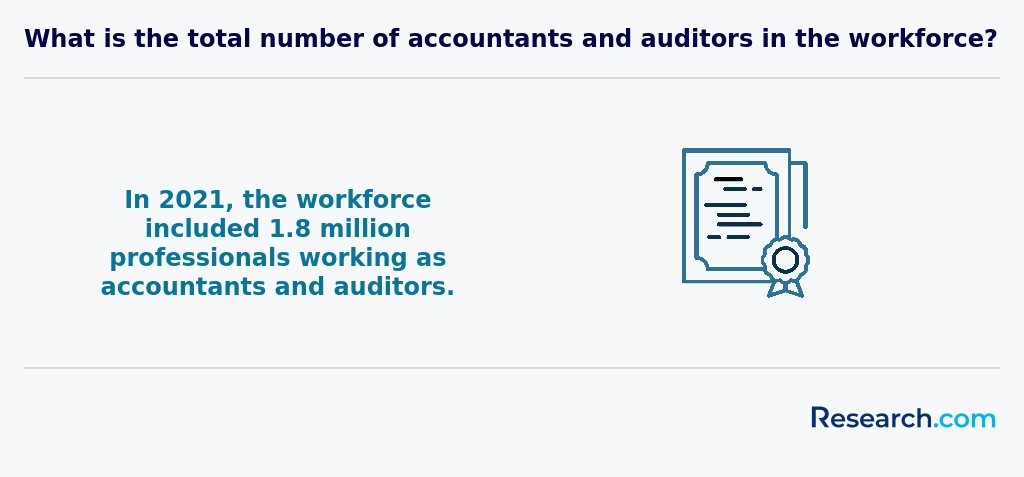
Job outlook projections suggest around 7% growth in accountant and auditor positions, reflecting increasing needs for expertise in regulatory compliance and tax management. Salary prospects are encouraging; many graduates benefit from wages above the national average, providing motivation to pursue accounting studies online in New Jersey.
For students considering advanced options, exploring dual degree programs offers ways to expand their credentials and enhance employability in a competitive market.
2027 Easiest Online Master's in Accounting Degree Programs Ranking in New Jersey
Investing in your education is a significant decision that can shape your professional future, and the Research.com team understands the importance of making well-informed choices. To support prospective students in New Jersey, we have meticulously developed the "2027 Easiest Online Master's in Accounting Degree Programs Ranking." Our dedication to quality, credibility, and accuracy is demonstrated through the thorough research and analysis behind this ranking. We utilized the following reputable data sources to ensure a comprehensive evaluation of accounting programs:
By consulting this ranking, readers will receive valuable insights into accessible and high-quality online accounting master's programs in New Jersey, empowering them to select the best fit for their goals and circumstances. For further information on how this ranking was created, please visit our Research.com methodology page.


# 3 position
Thomas Edison State University
Master of Accounting

Frequently Asked Questions About accounting
Online accounting degree students in New Jersey can maximize their learning by actively engaging with course materials and instructors. Utilizing tools such as discussion boards and virtual office hours helps create connections similar to in-person classes. According to the New Jersey Society of Certified Public Accountants, networking within local chapters provides valuable professional insights and job opportunities.
Time management is crucial; setting a consistent study schedule aids in mastering complex accounting principles. Additionally, students should leverage resources like online databases and software programs commonly used in the accounting field, such as QuickBooks and Excel.
New Jersey's CPA exam pass rate in 2023 was 56.4%, highlighting the importance of thorough preparation and using state-specific resources from the New Jersey State Board of Accountancy.
The accounting field is evolving rapidly, with several emerging niches gaining importance. In New Jersey, sectors such as forensic accounting and environmental accounting are expanding due to increased regulatory scrutiny and corporate responsibility demands.
Forensic accountants help investigate fraud and financial crimes, a growing need in both public and private sectors. Environmental accounting focuses on tracking and reporting environmental costs, aligning with New Jersey's strong emphasis on sustainability initiatives.
Another developing area is data analytics within accounting, where professionals use technology to analyze financial data for better decision-making. According to the New Jersey Society of Certified Public Accountants, the demand for these skills has surged by over 15% in recent years.
After completing an online accounting degree in New Jersey, preparing effectively for the job market is essential. Start by obtaining relevant certifications such as the CPA (Certified Public Accountant), which holds significant value in New Jersey's accounting sector.
Networking plays a critical role; consider joining local professional organizations like the New Jersey Society of Certified Public Accountants (NJCPA) to connect with industry professionals. Additionally, gaining practical experience through internships or part-time roles helps build a competitive resume.
New Jersey's accounting job market expects familiarity with software like QuickBooks and Excel, so mastering these tools is important. According to the Bureau of Labor Statistics, accounting jobs in New Jersey are projected to grow approximately 6% from 2022 to 2032, highlighting steady demand in the region.
Employers in New Jersey highly value accounting graduates who demonstrate strong analytical and technical skills. Proficiency in software like QuickBooks, Excel, and emerging accounting technologies is essential. According to the New Jersey Society of CPAs, 85% of local firms seek candidates with solid knowledge of tax codes and regulatory compliance.
Critical thinking and problem-solving abilities rank among the top soft skills desired. Communication skills are also important, as accountants often interpret complex financial data for non-experts.
Additionally, ethical judgment and attention to detail are crucial due to the sensitive nature of financial information. Continuous learning is encouraged, given the frequent updates in state and federal tax laws.
Finding internships in New Jersey relevant to an accounting degree begins with leveraging resources available through online programs, as many schools partner with local businesses. Students should explore services offered by New Jersey's higher education institutions, such as Rutgers and Montclair State University, which often maintain internship listings. The New Jersey Society of Certified Public Accountants (NJCPA) also provides valuable networking opportunities and internship postings tailored to accounting majors. Additionally, using statewide job boards like NJLWD (New Jersey Labor and Workforce Development) can help locate accounting internships in various industries across the state.
Networking plays a crucial role; attending virtual job fairs and connecting on platforms such as LinkedIn can expose students to local firms seeking interns. Since New Jersey ranks among the highest states in CPA employment growth, targeting CPA firms increases chances for meaningful internship experiences. Internships typically offer practical training in auditing, tax, and financial reporting, all essential for fulfilling CPA licensure requirements. Students should also consider reaching out directly to regional accounting firms to inquire about internship availability.
Obtaining an online accounting degree can significantly enhance career mobility and advancement for professionals in New Jersey. The state's growing financial sector demands skilled accountants, with the New Jersey Department of Labor projecting a 7% growth in accounting jobs through 2030. An accredited online degree provides the necessary knowledge and skills to pursue diverse roles, from auditing to financial analysis.
Online programs also offer flexibility, allowing students to balance work while upgrading qualifications. This flexibility can lead to quicker promotions and better job opportunities within firms based in Newark, Jersey City, and other financial hubs.
Moreover, meeting educational requirements is essential for CPA licensure in New Jersey-a key credential that opens doors to leadership roles and higher salaries. The New Jersey State Board of Accountancy requires 150 credit hours, which many online master's programs offer, positioning graduates well for advancement.
Studying for an accounting degree online in New Jersey offers valuable interdisciplinary preparation by combining core accounting principles with skills from finance, economics, and business management. Many programs include coursework in data analytics, information systems, and ethics, which are critical for roles that cross traditional departmental boundaries.
New Jersey's proximity to major financial hubs encourages colleges to design curricula aligned with real-world business needs. According to the New Jersey Society of Certified Public Accountants, employers increasingly seek accounting graduates who can analyze complex financial data and communicate effectively across teams.
Additionally, online programs often emphasize technology use, preparing students for collaborative environments that require both financial expertise and strategic thinking.
When choosing between a thesis and a non-thesis online accounting degree program in New Jersey, consider your career goals. A thesis option emphasizes research skills, ideal for those aiming for academic, consulting, or specialized roles. New Jersey's universities typically require a written research project that explores accounting topics deeply, beneficial if you plan to pursue a PhD or CPA credential with expertise.
Non-thesis programs focus on practical knowledge and coursework, preparing students for immediate job market entry, especially in fields like corporate accounting or auditing. According to the New Jersey Society of CPAs, practical skills are highly valued in local accounting jobs.
Evaluate faculty availability, program structure, and your schedule flexibility. Check if the school's online platform supports your learning preference, as many New Jersey schools now offer fully remote options accredited by Middle States Commission.
Students based in New Jersey who wish to study accounting abroad have several pathways to consider while pursuing an online degree. Many U.S. institutions offer international partnerships or study-abroad components integrated into their accounting master's programs, allowing students to gain global perspective without relocating. According to the National Association of State Boards of Accountancy, New Jersey's accounting education requirements align well with many international standards, easing credit transfer for abroad studies.
Additionally, some universities provide dual-degree options with foreign schools, which can enhance a student's global credentials. While fully online programs remain primarily U.S.-based, students may supplement learning with short international residencies or internships.
Part-time jobs in New Jersey that complement an online accounting degree often involve practical experience with financial data and client interaction. Positions such as bookkeeping assistant, tax preparer, or accounting clerk are common options. These roles help students understand accounting software and regulations while earning income.
The New Jersey Department of Labor reports steady demand for accounting and auditing clerks, with a 6% growth expected by 2030. Many firms value candidates who gain experience during studies, which improves job prospects post-graduation.
Internships with local accounting firms or finance departments in companies within Newark or Jersey City also offer hands-on exposure. These opportunities enhance skills required for Certified Public Accountant (CPA) preparation.
Online accounting students in New Jersey have several networking opportunities that help bridge the gap between virtual learning and professional connections. Many institutions offer access to local chapters of national organizations like the American Institute of CPAs (AICPA) and the New Jersey Society of Certified Public Accountants (NJCPA), both of which host workshops, seminars, and virtual events tailored to accounting professionals.
Students also benefit from career fairs and alumni networks specific to their online programs, facilitating connections with local accounting firms and businesses.
According to the NJCPA, networking aids students in securing internships and entry-level roles in a state where the accounting sector employs over 15,000 professionals.
Alumni networks are vital for online accounting degree students in New Jersey, offering key connections to experienced professionals in the field. These networks foster mentorship opportunities, which can guide students through career decisions and job placement. According to the New Jersey Society of Certified Public Accountants, over 40% of accounting positions are filled through referrals and networking.
Active alumni groups often share local job leads, internships, and professional events, enhancing students' visibility in New Jersey's competitive accounting market. Moreover, these networks provide insights into regional industry trends and regulations, crucial for compliance and career advancement.
Overall, participation in alumni networks significantly improves graduates' prospects by building strong, professional support systems within the state's accounting community.
Customizing an online accounting degree program in New Jersey starts with selecting electives aligned to your career goals, such as taxation, auditing, or forensic accounting. Many programs offer flexibility to choose courses that prepare you for certifications like the CPA, which is highly valued in New Jersey's finance sector. Some universities also provide specialization tracks or concentrations tailored to different industries, including government and corporate accounting.
Engaging in internships or capstone projects through your program can further enhance practical skills and professional networks in New Jersey's accounting markets. According to the New Jersey Society of CPAs, focusing on emerging areas like technology-driven accounting can increase job prospects.
Online accounting students in New Jersey often face challenges related to time management, balancing coursework with work and family responsibilities. Many students report that asynchronous classes require strong self-discipline and motivation to keep up with lessons and assignments. Access to reliable technology and high-speed internet can also be an obstacle, especially in rural areas of the state.
Another common challenge is the lack of face-to-face interaction with professors and peers, which can limit networking and mentorship opportunities crucial in accounting careers. According to the New Jersey Society of Certified Public Accountants, engagement and practical experience remain top concerns for online learners pursuing CPA licensure.
With an online accounting degree in New Jersey, graduates can pursue several professional certifications that enhance career opportunities. The most recognized certification is the Certified Public Accountant (CPA), which is essential for many accounting roles. New Jersey requires candidates to complete 150 credit hours, pass the Uniform CPA exam, and meet experience requirements.
Other valuable credentials include the Certified Management Accountant (CMA) and the Certified Internal Auditor (CIA), both respected nationally. These certifications focus on management accounting and auditing, respectively.
Additionally, bookkeeping professionals might seek the Certified Bookkeeper (CB) credential offered by the American Institute of Professional Bookkeepers.
These certifications support career growth and demonstrate expertise in New Jersey's competitive accounting industry.
Writing a winning application for an online accounting program in New Jersey requires clarity, focus, and relevant details. Start with a strong personal statement explaining your motivation to study accounting, highlighting any related work experience or academic background. Emphasize skills such as attention to detail, analytical thinking, and familiarity with New Jersey's accounting regulations and tax laws, which are important due to the state's complex business environment.
Include official transcripts demonstrating your academic preparedness, as most programs require a minimum GPA of 3.0 for graduate applicants. Also, consider acquiring letters of recommendation from professionals familiar with your accounting skills.
The New Jersey Society of Certified Public Accountants (NJSCPA) notes that practical experience significantly strengthens applications, so be sure to mention internships or relevant jobs.
Accounting is increasingly viewed as a global profession with high demand across many countries, including the United States. For New Jersey students pursuing online accounting degrees, understanding international standards like IFRS (International Financial Reporting Standards) alongside US GAAP (Generally Accepted Accounting Principles) can enhance career opportunities.
The U.S. Bureau of Labor Statistics projects a 6% growth in accounting jobs nationwide through 2032, reflecting steady demand. New Jersey, with its concentration of financial firms, mirrors this trend, making accounting graduates in the state competitive globally. Knowledge of cross-border regulations and financial laws is valued in multinational corporations based in New Jersey.
Furthermore, professional certifications such as CPA (Certified Public Accountant), recognized internationally to some extent, allow accountants trained in New Jersey to work abroad or with global clients. This international recognition increases career flexibility for graduates focusing on online accounting education.
Gaining practical experience while pursuing an online accounting degree in New Jersey is essential for career readiness. Many programs encourage internships with local businesses or accounting firms, which can often be completed remotely. The New Jersey Society of Certified Public Accountants (NJCPA) offers resources and networking opportunities that help students connect with professionals for internships or mentorships.
Additionally, students can participate in virtual accounting competitions or simulations provided by their schools. These activities sharpen real-world skills in software like QuickBooks or Excel.
New Jersey's growing financial sector, including in Newark and Jersey City, provides a strong market for such practical training.
Choosing the right concentration within an online accounting degree in New Jersey begins with understanding your career goals. Common specializations include tax accounting, auditing, forensic accounting, and financial analysis. New Jersey's economy supports diverse industries, so aligning your focus with high-demand fields can improve job prospects.
For example, tax accounting is valuable due to New Jersey's complex state tax codes and proximity to financial hubs like New York City. According to the New Jersey Department of Labor, accounting roles tied to compliance and tax preparation have seen steady growth in recent years.
Additionally, consider program accreditation and how well it prepares students for certifications such as the CPA, especially important in New Jersey where the demand for CPAs remains strong. Research the curriculum to ensure it covers skills sought by local employers.
- 2027 Easiest Online Master's in Accounting Degree Programs Ranking in Pennsylvania
- 2027 Easiest Online Master's in Accounting Degree Programs Ranking in New York
- 2027 Easiest Online Master's in Accounting Degree Programs Ranking in Connecticut
- 2027 Easiest Online Master's in Accounting Degree Programs Ranking in Massachusetts
- 2027 Easiest Online Master's in Accounting Degree Programs Ranking in Michigan
- 2027 Easiest Online Master's in Accounting Degree Programs Ranking in Florida
- 2027 Easiest Online Master's in Accounting Degree Programs Ranking in Illinois
- 2027 Easiest Online Master's in Accounting Degree Programs Ranking in Missouri
- 2027 Easiest Online Master's in Accounting Degree Programs Ranking in Kansas
- 2027 Easiest Online Master's in Accounting Degree Programs Ranking in Texas
See What Experts Have To Say About Studying Accounting
Read our interview with Accounting experts

John Wermert, Ph.D., CPA
Accounting Expert
Associate Professor of Accounting
Middle Tennessee State University

Yaw M. Mensah
Accounting Expert
Professor and Interim Vice Dean for Strategic Partnerships
Rutgers Business School

- Best Accounting Schools in NJ | Accounting.com https://www.accounting.com/states/new-jersey/
- Accountants of the Future https://www.deloitte.com/us/en/programs/center-for-controllership/blogs/future-of-accounting-profession.html
- 5 Niches for Accountants to Consider - Samera Global https://sameraglobal.com/5-niches-for-accountants-to-consider/
- AAT Virtual Work Experience | Springpod https://www.springpod.com/virtual-work-experience/aat-virtual-work-experience/WEXP-00447
- Why International Career Mobility is Key to Attracting the Next Generation of Professional Accountants https://www.ifac.org/knowledge-gateway/discussion/why-international-career-mobility-key-attracting-next-generation-professional-accountants
- Skills You Need for a Career Path in Accounting | AIU https://www.aiuniv.edu/degrees/business/articles/top-skills-for-career-in-accounting
- Discover our 97 internships in Accountancy here | Student.be https://www.student.be/en/accountancy/internships/
- ACCOUNTING AND AUDITING (THESIS / NON-THESIS) - Lisansüstü Eğitim Enstitüsü https://lee.nisantasi.edu.tr/en/accounting-and-auditing/
- Accounting Career: Outlook and Overview | DeVry University https://www.devry.edu/blog/accounting-career-outlook.html
- The Diverse Skills you Gain with an Accounting Degree https://www.accounting-education.org/blog/accounting-degree-diverse-skills/