2027 Easiest Online Bachelor's in Accounting Degree Programs Ranking in Texas

Co-Founder and Chief Data Scientist
Choosing the right online bachelor's in accounting program can feel overwhelming, especially with so many options in Texas. This article presents the 2027 Easiest Online Bachelor's in Accounting Degree Programs Ranking in Texas, developed by the Research.com team of data scientists to help you make an informed decision.
By exploring this ranking, you'll discover programs that balance quality and accessibility, making your educational journey smoother. An accounting degree can open doors to exciting career opportunities and financial stability. Let this guide support you in taking the next step toward a rewarding future.
Key benefits of getting online accounting degree in Texas
- Graduates with an accounting degree in Texas can expect strong earning potential, with roles such as Staff Accountant earning a mean annual wage of $90,780 and hourly wage of $43.65.
- Career paths for accounting graduates are diverse, including positions like Tax Preparer, Associate Auditor, Bookkeeper, and Accounts Payable Clerk, offering flexibility and growth in various industries.
- Completing an online accounting degree from a respected Texas institution offers convenience, allowing you to balance work and study while gaining the same respected credentials as traditional programs.
- 2027 Easiest Online Bachelor's in Accounting Degree Programs Ranking in Texas
- What can I expect from online accounting degree in Texas?
- Where can I work with online accounting degree in Texas?
What can I expect from online accounting degree in Texas?
The average cost of an online accounting degree in Texas hovers around $25,000 to $40,000, depending on the institution and program length. Graduates from Texas A&M University-Commerce often reflect on the value they gained, balancing affordable tuition with the flexibility needed to juggle work and family life. Others from the University of North Texas describe feeling empowered by the comprehensive courses without the burden of excessive debt.
Imagine logging in after a day's work, surrounded by the hum of life in Austin or Dallas, as you dive into taxation or auditing modules designed to mirror real-world finance puzzles. These programs, while cost-effective, don't skimp on the essentials-software proficiency, data analysis, and CPA eligibility are woven into the curriculum. For many, the investment feels less like a number and more like a launchpad toward a thriving career in Texas's booming job market.
Such practical education at competitive prices is why students cherish their online degree journey-proving that quality accounting education in Texas can be both accessible and transformative.
Where can I work with online accounting degree in Texas?
With an online accounting degree from a school like the University of Texas or Texas A&M, graduates often land in dynamic roles that fuel Texas' powerhouse economy. Imagine stepping into an office downtown Houston, joining a bustling CPA firm where you sift through audits and tax returns, your work directly steering local businesses toward success.
Others find themselves crunching numbers at ExxonMobil or AT&T, driving financial strategy in giant boardrooms far beyond the classroom. Those fresh from Texas State University might share stories of diving into budget planning for city governments or the Texas Comptroller's office, where their precision protects millions in public funds.
In Austin's tech corridors, a graduate's forensic accounting talents illuminate financial mysteries for startups blazing new trails in innovation. Picture working late nights, energized by the challenge and a sense of real impact.
Nonprofits and hospitals across the state also welcome these graduates, where balancing budgets means sustaining vital community support. The blend of technical skill and Texas pride creates opportunities as vast as the state itself, blossoming from an online degree into careers rich with purpose and promise.
Graduates from online accounting programs at respected Texas institutions often find themselves stepping into roles like Staff Accountant with a mean annual wage of $90,780, according to the latest BLS data. Imagine a graduate from a university in Austin starting the workweek energized, knowing their skills translate into an hourly wage of about $43.65-enough to fuel both ambition and a comfortable lifestyle in a growing city.
Those entering bookkeeping, tax preparation, or auditing roles can expect solid starting points around $49,580 annually. For example, a recent graduate from a Houston college might vividly recall balancing ledgers and tax forms, confident that these foundational skills command nearly $24 an hour and a steady climb.
Texas's diverse economy, from Dallas' financial hubs to energy sectors scattered statewide, breathes life into these figures, pushing graduates to visualize growth paths that blend flexible online learning with the state's booming job market. Here, an online degree doesn't just open doors; it pays dividends you can see on your paycheck and feel in your daily hustle.
- Many accredited Texas universities offer fully online bachelor's degrees in accounting, allowing remote study.
- Tuition for in-state students at public universities ranges from $9,000 to $12,000 per year, while private or out-of-state programs may cost over $25,000 annually.
- Employment for accountants in Texas is expected to grow by about 10% over the next decade, which is above the national average.
- Starting salaries for accounting graduates in Texas average between $55,000 and $60,000 per year, with experienced professionals earning over $90,000.
- Online accounting programs should meet Texas Board of Public Accountancy requirements to ensure eligibility for CPA licensure.
Some ambitious learners at Texas Tech swing through the program in three years flat, stacking summer modules like puzzle pieces to speed their graduation and leap toward CPA eligibility. They've gathered transfer credits from bustling community colleges, transformed AP exam successes into credits, and surfed the waves of flexible pacing options Texas colleges offer.
The sprawling Lone Star State's mix of robust programs means your timeline unfolds uniquely, shaped by your hustle, past credits, and dreams of crossing that 150-hour CPA finish line. It's a journey that feels personal, dynamic, and tailored to your life's rhythm.
When pursuing an online accounting degree in Texas, one of the critical factors to consider is the cost of the program. With the rising cost of higher education, it's essential to find a program that offers quality education at an affordable price. For those looking for affordable options, researching the cheapest accounting programs in Texas can be a great starting point. By exploring these options, prospective students can find programs that fit their budget and career goals, ultimately setting themselves up for success in the accounting field. Some of the most affordable accounting programs in Texas can be found at public universities, such as the University of Texas at Austin or Texas A&M University, which offer competitive tuition rates and financial aid packages to help make education more accessible. Additionally, online accounting programs can also offer a more affordable alternative to traditional on-campus programs, with the flexibility to complete coursework on a part-time or full-time basis. By considering these factors and exploring affordable options, prospective accounting students in Texas can make an informed decision and achieve their career aspirations without breaking the bank.
Imagine juggling family dinners and late-night Zoom lectures while earning an accounting degree from the University of Texas at Austin-all without stepping on campus. That's the magic of online programs: flexibility tailored for Texans who need to weave education into busy lives. Graduates from Texas A&M's online accounting track often highlight how digital platforms let them dive into complex financial statements after their 9-to-5 jobs, freeing them from rigid class schedules.
On the flip side, those choosing on-campus paths at Texas Tech relish the buzz of hallway debates and instant help from professors when grappling with tough tax codes. The vibrant campus ecosystem fuels their motivation, with libraries buzzing and study groups forming over coffee.
Costwise, a Houston-based online student appreciates saving on gas and parking, yet braces for potentially higher per-credit fees. No matter the route, Texas students nod in agreement that accredited programs recognized by SACS and meeting CPA requirements remain the ultimate compass in this educational journey.
Earning your online bachelor's in accounting is just the beginning-obtaining CPA certification can significantly boost your career prospects and salary potential. Many students are curious about the journey from graduation to becoming a fully certified professional, and understanding the certification process is pivotal in making that transition smooth and successful. In this section, you will find key insights into the CPA exam’s structure, practical tips for exam preparation, and strategies to leverage your degree for advanced career growth. Transitioning into the CPA role not only validates your expertise but often leads to considerable salary enhancements; for instance, the average salary of cpa with 5 years experience reflects how specialized credentials can translate into rewarding compensation packages. Additionally, we discuss the importance of continued professional development through workshops, mentorship programs, and networking opportunities within professional accounting organizations. Embracing the CPA journey equips you with competitive advantages in the evolving job market, making it a crucial next step for those seeking to cement their place in the accounting industry.
Many students pursuing an online accounting degree in Texas discover that the average cost settles around $28,560 for in-state learners. Picture a graduate from Texas A&M University-Commerce who balances work and study while paying roughly $300 to $500 per credit hour, totaling close to this amount over the entire program. These accessible tuition fees reflect the state's commitment to affordable education, especially through public schools known for their competitive pricing.
However, private institutions offer a different financial landscape. Graduates from private Texas colleges often pay significantly more, with totals ranging up to $60,000 or higher. Yet, these students frequently benefit from financial aid, scholarships, or employer tuition assistance that lightens the burden. It's a journey many find rewarding, as they invest in futures filled with promise and the tools to excel in accounting careers.
When sifting through Texas online bachelor's in accounting tuition fees, it's key to remember the extras: technology fees, books, and certification exam costs add layers to the sticker price. A student at the University of North Texas might budget accordingly, ensuring a smooth educational experience without financial surprises.
The landscape of cost is as varied as the many paths graduates take after earning their degrees. If your goal includes progressing toward leadership roles for MBA graduates, this wise investment in your education can open those doors. Exploring tuition and support options uniquely suited to Texas residents makes the balance between cost and opportunity clearer than ever.

Landing an online accounting degree in Texas often feels like unlocking a treasure chest of financial aid. Imagine a graduate from the University of Texas at Austin cheerfully applying for the Pell Grant, snagging up to $7,395 that transforms tuition from a mountain into a manageable molehill. Federal loans like Direct Subsidized Loans become trusty companions, easing monthly payments with their softer interest rates, while the Texas Grant program feels like a tailor-made safety net for many. One community college student recalls how this state aid and a college scholarship intertwined to make dreams of balancing books a reality.
But the magic doesn't stop there. Picture a tech-savvy professional juggling work and study, grateful when their employer steps in with a tuition reimbursement-turning ambition into paycheck-friendly progress. Even the Texas Society of Certified Public Accountants, like a secret benefactor, offers scholarships that reward both grit and excellence. For Texans chasing accounting online, these options light the path with hope and practical support.
Many students reduce overall tuition and accelerate completion by beginning their accounting education with an accredited online associate program and then transferring credits to a bachelor’s pathway. Texas community colleges often maintain articulation agreements with four-year universities-ensuring that core accounting and general education credits apply directly toward your bachelor’s degree. Before enrolling, verify that your chosen associate program is regionally accredited and aligns with Texas Board of Public Accountancy requirements for CPA eligibility. By leveraging these transfer agreements, you can complete foundational courses-such as Principles of Financial Accounting, Managerial Accounting, and Business Statistics-at a lower per-credit rate before stepping into upper-division coursework. Prospective students should explore the best affordable online accounting associate degrees, which not only offer competitive pricing but also partner with Texas universities to streamline your transition into a bachelor’s in accounting. When planning your pathway:
- Confirm transferable credit limits (typically 60–70 credits) and grade requirements (often a minimum 2.5 GPA).
- Review course equivalency guides published by your target bachelor’s institution.
- Consult academic advisors to map out prerequisites for advanced courses like Auditing, Taxation, and Accounting Information Systems. This structured approach maximizes savings, reduces time-to-degree, and keeps you on track for CPA exam eligibility and a seamless progression into Texas’s easiest online bachelor’s in accounting programs.
To step into the world of online accounting degrees in Texas, you first need a high school diploma or at least a GED - that's the golden ticket at places like the University of Texas at Austin or Texas A&M. Imagine a recent graduate from a Dallas college recalling how their 2.8 GPA felt just right to meet the typical 2.5-to-3.0 threshold most programs expect, proving they could handle the whirlwind of numbers ahead.
Transcripts become your story-every algebra or business fundamentals class you aced at Houston Community College fuels your journey forward, potentially whisking you closer to that 150-credit CPA milestone set by Texas regulators. Think of it as stacking blocks carefully to build your accounting skyscraper.
Many Texas programs ask for proof of math chops and English fluency, like a placement test gatekeeper at Baylor University, making sure you're ready for the complex financial tales you'll decode online.
And while a test score may no longer hold all the power thanks to test-optional trends, your personal statement or recommendation letters can shine like lighthouses, guiding admissions officers through your passion and readiness, just as graduates often share their journeys from uncertainty to confidence.
Don't forget to brush up on Excel-Texas online accounting students swear by it, turning data chaos into clarity with each spreadsheet completed.

Diving into an online accounting degree in Texas is like stepping into a dynamic toolkit designed for real-world finance wizards. Graduates from popular Texas universities often recall the challenge and excitement of mastering Financial Accounting, where every ledger entry feels like decoding a business's story. Imagine unraveling the secrets behind balance sheets while sipping coffee at home.
Managerial Accounting invites you to don the hat of a strategic thinker, using numbers to steer business decisions, much like a captain navigating a ship through stormy markets. Auditing courses transform you into a detective of decimals, safeguarding integrity with sharp attention to detail - a favorite among students aiming for CPA certification in Texas.
Unique to Texas programs is an emphasis on Federal and State Taxation, despite the state's lack of personal income tax, prepping you to guide businesses through maze-like regulations. Business law classes add a layer of armory, empowering students to tackle contracts and compliance confidently.
Texas grads rave about how courses like Accounting Information Systems and Statistics for Business connect theory with tech tools such as QuickBooks, making the shift from virtual classrooms to corporate offices smooth and thrilling.

Diving into online accounting degree specializations in Texas is like stepping into a vibrant mosaic of career adventures. Imagine mastering Taxation where graduates from major Texas universities confidently navigate the complex tax laws that shape Dallas' booming businesses. Or picture yourself in the shoes of a student focusing on Auditing, scrutinizing financial details with the precision demanded by Houston's corporate giants. These Texas online accounting bachelor concentrations spark passion by blending practical skills with real-world impact.
Some find their calling in Forensic Accounting, uncovering financial mysteries in a digital landscape fraught with fraud risks-a thrilling challenge increasingly sought after in local government agencies. Others lean into Management Accounting, using budgeting and strategic wizardry to help Texas companies thrive. Enthusiastic graduates often highlight specialized courses that align perfectly with their goals, especially when they discover the value embedded in the accounting degree curriculum offered by Texas colleges.
Imagine peeling back the layers of accounting programs in Texas like a seasoned auditor sifting through ledgers-the key is accreditation. Graduates from popular universities here rave about programs with the Association to Advance Collegiate Schools of Business (AACSB) stamp, ensuring their degree holds weight when they hit the job market or tackle the CPA exam. If you want the best online accounting degree programs Texas offers, look closely at curriculums packed with real-world scenarios: tax strategies familiar to Houston's business climate or auditing principles aligned with Dallas firms' needs.
One graduate from a widespread Texas college found the balance between tuition and value crucial-securing an affordable online bachelor's accounting Texas meant investing $10,000 annually but gaining access to stellar career counseling and CPA prep that made every penny count. Picture juggling class via asynchronous modules while navigating life's chaos-that flexibility transforms ambition into achievement, especially with support services at your fingertips.
Many grads echo how programs with strong employer links and internships create doors in Texas accounting circles, landing them solid roles right after cap and gown. And for those curious about expanding their horizons, exploring an online MBA in health services management can complement your accounting expertise with new career versatility.
Graduates embarking on career paths after earning an online accounting degree in Texas unlock vibrant opportunities-from the bustling world of public accounting to the intricate dance of corporate financial analysis. Picture a graduate from a renowned Texas university, thriving in Houston's competitive CPA scene, where the state's 150-semester-hour education requirement shapes sharp professionals ready to audit and consult with confidence.
Others step into corporate accounting roles within Texas's powerhouse industries-energy, healthcare, manufacturing-mastering budgeting, compliance, or becoming internal auditors who keep finances humming smoothly. These roles fit perfectly for graduates seeking accounting job opportunities with Texas online degree programs, blending flexibility with local economic strength. Imagine navigating complex spreadsheets by day and enjoying Texas's dynamic cities by night.
Some daring graduates pursue government accounting to fuel public financial health in Dallas or Austin, while others dive into forensic accounting, chasing financial fraud with a detective's zeal. Balancing numbers with curiosity, they join an expanding field that mirrors national growth.
Online learning isn't limited to accounting, either-those curious might explore marketing through marketing degree online courses to broaden their skillsets in Texas's diverse job market.

The job market for an online accounting degree in Texas pulses with dynamic energy, much like the bustling finance departments of Houston's corporate hubs or the tech-savvy startups in Austin. Graduates from popular Texas universities find themselves stepping into roles fueled by the state's 10% projected growth in accounting jobs. Imagine a recent graduate from a well-known Texas college effortlessly juggling coursework and internships across Dallas-Fort Worth, all while expanding their network within the state's rich business ecosystem. This palpable connection between education and opportunity highlights why online accounting degree job prospects Texas shine so brightly.
Many graduates share stories of leveraging their degree to meet the ever-increasing demand for CPAs, a credential highly sought after by Texas employers. These credentials, alongside access to local CPA exam prep and tailored curricula aligned with Texas tax codes, open doors to thriving careers. Navigating these pathways feels more attainable when studying online, as students can balance life with practical experience in Texas's sprawling economic landscape.
For those eager to engage directly with the market, exploring online apprenticeships offers exciting avenues to deepen skills. Accounting career opportunities Texas graduates discover are underscored by competitive salaries-median wages above national averages-and the vibrant professional communities found around Texas's major metros.
2027 Easiest Online Bachelor's in Accounting Degree Programs Ranking in Texas
Investing in your education is a significant decision that can shape your future, and the Research.com team understands the importance of making informed choices. To assist prospective students in Texas, we have meticulously crafted the "2027 Easiest Online Bachelor's in Accounting Degree Programs Ranking in Texas." Our commitment to quality, credibility, and accuracy is reflected in the extensive research and analysis conducted to compile this ranking.
We utilized the following reputable data sources to ensure a comprehensive evaluation of accounting degree programs:
By exploring this ranking, readers will gain valuable insights into the easiest online accounting degree programs in Texas, helping them make informed decisions that align with their academic goals and lifestyle. For more details on our methodology, please visit our Research.com methodology page.


Frequently Asked Questions About accounting
Students pursuing online accounting degrees in Texas can maximize their learning by actively engaging with course materials and instructors. Texas is home to several accredited programs that offer flexible schedules, allowing learners to balance work and study effectively. Utilizing university resources such as virtual tutoring, career services, and networking events helps deepen understanding and build professional connections.
Joining accounting associations like the Texas Society of CPAs provides access to local industry insights and job opportunities. According to the Texas Workforce Commission, demand for accountants in Texas is projected to grow 10% through 2030, emphasizing the value of practical experience alongside coursework.
Staying current with accounting software and Texas-specific tax regulations also enhances employability in the state's competitive market.
The accounting field in Texas is rapidly evolving with several emerging niches attracting professionals and students alike. One notable area is forensic accounting, which involves investigating financial fraud and disputes. This niche is growing due to increased corporate regulations and demand for fraud prevention.
Another expanding specialty is environmental accounting, driven by Texas' strong energy sector and the need for sustainability reporting. Accountants here analyze environmental costs to help companies comply with federal and state regulations.
Technology-driven roles like data analytics and cybersecurity accounting are also gaining traction. Texas colleges increasingly offer online degrees with courses focused on these skills, reflecting industry demand. According to the Texas Workforce Commission, jobs in these areas are expected to grow above average through 2030.
After earning an online accounting degree in Texas, preparing for the job market involves several key steps. Begin by obtaining certification such as the Certified Public Accountant (CPA), highly valued in Texas where the demand for CPAs continues to grow by around 7% through 2030, according to the Texas Workforce Commission. Gaining relevant work experience through internships or entry-level roles is crucial to develop practical skills and network connections. Additionally, updating your resume and LinkedIn profile to highlight accounting software proficiency and Texas-specific tax knowledge can boost employability. Joining professional organizations like the Texas Society of CPAs provides access to job listings and career resources.
Employers in Texas highly value accounting graduates who combine strong technical knowledge with practical skills. Proficiency in accounting software like QuickBooks, Excel, and SAP is essential, reflecting national bureau data showing 78% of Texas employers prioritize software fluency. Strong analytical skills enable graduates to interpret financial data and support decision-making effectively.
Communication skills are also critical, as accountants must convey complex information to clients and stakeholders clearly. In Texas, where businesses range from startups to multinational corporations, adaptability and critical thinking allow graduates to meet diverse financial challenges. According to the Texas Workforce Commission, problem-solving abilities rank among the top attributes sought in entry-level accountants.
Additionally, familiarity with Texas-specific tax laws and federal regulations is advantageous, given the state's unique tax environment.
Finding internships in Texas related to an accounting degree typically involves leveraging university career services and statewide resources. Many Texas universities with online accounting programs offer dedicated internship placement assistance or job boards focused on accounting roles. According to the Texas Workforce Commission, Dallas and Houston have some of the largest markets for accounting internships due to the concentration of corporate headquarters and accounting firms.
Students should also explore professional organizations like the Texas Society of CPAs, which frequently list internship opportunities and networking events. Additionally, platforms such as Handshake, targeted at college students, provide Texas-specific accounting internships connected to local employers. Strong networking and using LinkedIn to connect with Texas-based firms can further increase internship prospects.
An online accounting degree in Texas can significantly enhance career mobility and advancement opportunities. Many employers in the state recognize accredited online programs, allowing graduates to compete effectively for roles in public accounting, corporate finance, and government agencies. According to the Texas Workforce Commission, accounting and auditing jobs in Texas are projected to grow by 10% through 2030, which is faster than the average for all occupations.
Online degrees often provide flexibility for working professionals, enabling them to gain relevant skills without interrupting their careers. Earning this degree also facilitates meeting Texas's educational requirements for CPA licensure, a critical credential for advancement. This can lead to higher salaries and managerial positions.
Moreover, the accessibility of online accounting programs broadens networking possibilities across the large Texas business landscape, supporting job transitions and promotions.
Studying for an online accounting degree in Texas equips students with skills applicable across several business disciplines. Texas programs often integrate courses in finance, management, and information systems, fostering a broad understanding of how accounting supports diverse organizational functions. The Texas Higher Education Coordinating Board highlights that many institutions emphasize practical technology skills, such as Excel and data analytics, preparing graduates for roles in consulting, financial planning, and auditing.
With Texas hosting over 500,000 small businesses, understanding interdisciplinary connections is crucial for accountants working in varied industries. This prepares students to collaborate effectively with professionals from marketing to IT, enhancing workplace adaptability.
When choosing between a thesis and a non-thesis online accounting degree program in Texas, consider your career goals and learning preferences. A thesis option typically involves conducting original research and writing a substantial paper, which can be beneficial for students aiming at graduate school or research roles.
Non-thesis programs often focus more on coursework and practical skills, suitable for those intending to enter the workforce immediately, particularly in Texas's strong industries like oil, finance, and public accounting.
According to the Texas Workforce Commission, the accounting sector in Texas is growing steadily, with a projected 9% increase in job openings through 2030.
Students should also check program accreditation and available faculty expertise, ensuring alignment with Texas Board of Public Accountancy requirements.
Students based in Texas who want to study accounting abroad through online programs have several options. Many American universities with strong accounting departments offer international study opportunities and partner with foreign institutions for virtual exchange or dual degree programs.
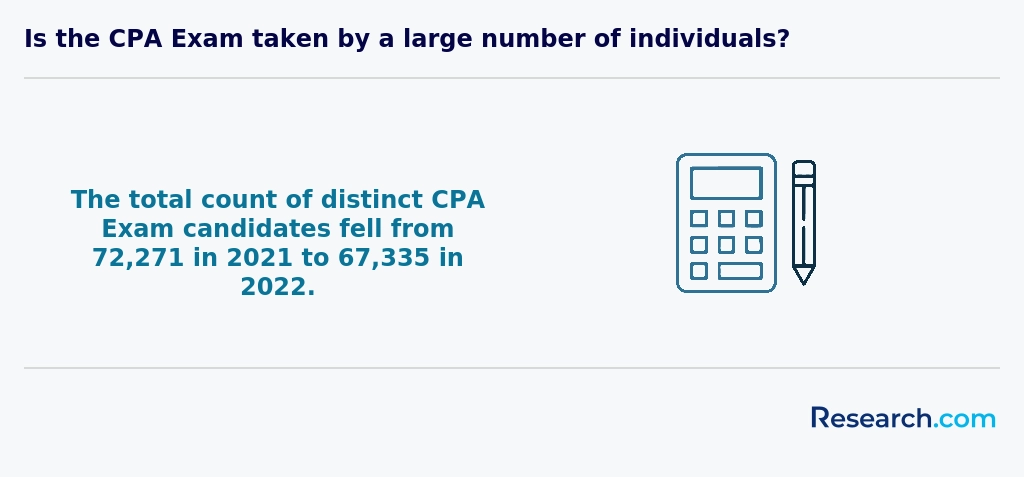
Because Texas ranks in the top five states for CPA exam candidates, students may look for accredited online programs that meet the Texas Board of Public Accountancy's requirements while incorporating global accounting standards. The Texas Higher Education Coordinating Board provides guidelines ensuring educational quality for online degrees, which can guide students selecting international partnerships.
Some universities also offer study abroad components that can be completed online, allowing Texas students to gain global experience without leaving home. These programs often emphasize International Financial Reporting Standards (IFRS), important for accountants working with multinational firms. Resources like the American Institute of CPAs provide information on international accounting education supporting Texas students' options.
In Texas, students pursuing online accounting degrees often seek part-time jobs that enhance their practical skills while supporting their studies. Common opportunities include internships or assistant roles in local accounting firms, which provide real-world experience with financial reporting and tax preparation.
Retail and administrative positions also help develop organizational skills and familiarity with business operations. According to the Texas Workforce Commission, accounting and bookkeeping jobs in Texas are projected to grow by 5% through 2030, indicating strong demand for related skills.
Many universities encourage students to explore roles such as payroll clerks or auditors assistants, blending academic knowledge with practical tasks valuable in the accounting field.
Online accounting students in Texas have several networking opportunities tailored to their unique needs. Many universities offer virtual career fairs and alumni webinars, connecting students with professionals from top Texas firms. The Texas Society of Certified Public Accountants (TXCPA) provides student memberships, giving access to local chapter events, online discussion groups, and mentorship programs.
Additionally, students can join national organizations like the American Accounting Association, which hosts online conferences and workshops relevant to Texas accounting practices. According to TXCPA, networking plays a crucial role in securing internships and jobs, with over 60% of new accountants in Texas finding work through contacts.
Alumni networks play a significant role in supporting online accounting degree students in Texas. These networks provide valuable professional connections, often helping graduates access job opportunities in Texas's competitive accounting market. According to the Texas Society of CPAs, networking is crucial for career advancement in accounting within the state.
Through alumni events and online platforms, students can seek mentorship and advice from experienced accountants familiar with Texas tax laws and financial regulations. This localized knowledge is highly beneficial for online students who may not have easy access to in-person resources.
Moreover, many alumni networks collaborate with Texas employers, increasing internship and job-placement chances. Such support enhances students' practical understanding and eases the transition from education to employment in Texas's growing accounting sector.
Students pursuing an online accounting degree in Texas can customize their programs by selecting electives aligned with their career goals. Many Texas universities offer concentrations such as forensic accounting, tax accounting, or auditing, allowing learners to specialize. Additionally, students can choose courses focused on software applications like QuickBooks or SAP, which are valuable in the Texas job market.
Texas's diverse economy-including industries like oil, technology, and healthcare-creates varied accounting needs. Tailoring your degree with relevant subjects improves job readiness. The Texas Workforce Commission highlights accounting as a growing field, projecting a 10.1% employment increase through 2030.
Furthermore, some programs offer flexible scheduling and internship opportunities with Texas-based firms, enhancing practical experience aligned to career aspirations.
Online accounting students in Texas often face challenges related to time management. Balancing coursework with work or family responsibilities can be difficult, especially since many students enroll while maintaining full-time jobs. According to the Texas Higher Education Coordinating Board, adult learners represent a growing share of online program enrollees, highlighting this reality.
Another common issue is limited interaction with instructors and peers. Unlike traditional classrooms, online students might experience isolation that affects motivation and comprehension, particularly in complex accounting topics like taxation and auditing.
Additionally, access to up-to-date software and accounting tools can be a barrier. Many programs require familiarity with industry standards such as QuickBooks or Excel, which may need extra effort to learn independently.
With an online accounting degree from a Texas institution, graduates can pursue several valuable professional certifications. The most sought-after credential is the Certified Public Accountant (CPA), which requires 150 semester hours of college credits and passing the Uniform CPA Exam. Texas's State Board of Public Accountancy oversees CPA licensure, and candidates must meet specific education and experience requirements.
Other certifications include the Certified Management Accountant (CMA), offered by the Institute of Management Accountants, focusing on financial management and strategic planning. The Certified Internal Auditor (CIA) is another option, emphasizing internal auditing skills.
These certifications enhance employability and earning potential in Texas's competitive accounting job market.
Writing a winning application for an online accounting program in Texas starts with thoroughly researching each school's admission requirements. Many Texas universities, such as the University of Texas at Arlington, require a minimum GPA of 2.5 to 3.0 for accounting applicants. Highlight relevant coursework, especially in math and business, to show your preparation for rigorous accounting studies.
Strong personal statements are essential. Focus on your career goals and explain why an online accounting degree in Texas fits your plans. Texas employers highly value graduates who understand state tax laws and accounting practices, so emphasize your interest in these areas.
Including letters of recommendation from professors or employers who can attest to your analytical skills and work ethic will strengthen your application. Finally, ensure all documents are submitted before deadlines to meet Texas school standards.
The global perspective on an accounting career highlights its critical role in business, finance, and governance worldwide. In the U.S., including Texas, accounting is a stable and growing profession with a projected job growth rate of about 7% from 2021 to 2031 according to the U.S. Bureau of Labor Statistics. This reflects a global demand for skilled accountants who can navigate international financial regulations and reporting standards.
Texas benefits from strong ties to international markets, with major cities like Houston and Dallas serving as hubs for global business. Accountants with knowledge of both U.S. Generally Accepted Accounting Principles (GAAP) and International Financial Reporting Standards (IFRS) are increasingly valuable. Firms often seek professionals who understand cross-border tax laws and auditing practices.
Moreover, advancements in technology and digital accounting tools affect the profession worldwide. Online accounting degrees in Texas prepare students to meet these challenges by incorporating modern software training, emphasizing ethical standards, and fostering analytical skills necessary for global financial environments.
Gaining practical experience while studying for an online accounting degree in Texas is essential for career readiness. Many Texas universities embed internships within their programs, allowing students to work remotely or locally at accounting firms and businesses.
The Texas Workforce Commission reports that internships significantly improve job placement, with over 60% of students in accounting fields gaining relevant work experience before graduation. Additionally, online students can join virtual accounting clubs or professional organizations like the Texas Society of CPAs to network and access real-world projects.
Some programs also offer case studies and software training simulating real accounting tasks, helping students apply theoretical knowledge practically.
Choosing the right concentration within an online accounting degree program in Texas involves evaluating your career goals and the state's job market. Popular concentrations include auditing, taxation, forensic accounting, and managerial accounting. Texas's diverse economy, with strong energy, healthcare, and technology sectors, influences demand for specialists in these areas.
Consider the Texas Board of Public Accountancy's requirements if you aim to become a Certified Public Accountant (CPA). Some concentrations may better prepare you for the 150-semester-hour education requirement and the CPA exam's focus areas. According to the Texas Workforce Commission, accountants and auditors in Texas earn a median annual wage of around $75,000, with growth expected at 7% through 2030.
Research programs that offer coursework aligned with your interests and Texas's industry needs. Practical experience and accreditation, such as AACSB or ACBSP, can also help ensure quality education. Reflect on whether you prefer a broader business approach or a technical accounting role, as this can guide your choice of concentration.
- 2027 Easiest Online Bachelor's in Accounting Degree Programs Ranking in Arkansas
- 2027 Easiest Online Bachelor's in Accounting Degree Programs Ranking in Kansas
- 2027 Easiest Online Bachelor's in Accounting Degree Programs Ranking in Missouri
- 2027 Easiest Online Bachelor's in Accounting Degree Programs Ranking in Colorado
- 2027 Easiest Online Bachelor's in Accounting Degree Programs Ranking in Georgia
- 2027 Easiest Online Bachelor's in Accounting Degree Programs Ranking in Florida
- 2027 Easiest Online Bachelor's in Accounting Degree Programs Ranking in Iowa
- 2027 Easiest Online Bachelor's in Accounting Degree Programs Ranking in Illinois
- 2027 Easiest Online Bachelor's in Accounting Degree Programs Ranking in Virginia
- 2027 Easiest Online Bachelor's in Accounting Degree Programs Ranking in Pennsylvania
See What Experts Have To Say About Studying Accounting
Read our interview with Accounting experts

John Wermert, Ph.D., CPA
Accounting Expert
Associate Professor of Accounting
Middle Tennessee State University

Yaw M. Mensah
Accounting Expert
Professor and Interim Vice Dean for Strategic Partnerships
Rutgers Business School

- Challenges Faced by Accounting Students https://www.onlineassignment-expert.com/blog/what-are-the-challenges-faced-by-accounting-students
- Top 10 Accounting and Finance Skills Employers Want | Tamarack Recruiting | Tamarack Recruiting https://tamarackrecruiting.com/top-10-accounting-and-finance-skills-employers-want-tamarack-recruiting/
- Online Accounting Associate Degree | Affordable Accounting Degree https://www.uscareerinstitute.edu/online-accounting-associate-degree
- Top Skills Employers Look for in Entry-Level Accounting Professionals | Career City College | Online Career Training https://careercitycollege.ca/blog/entry-level-accounting-skills/
- Tips for University Graduates Looking to Land Their First Accounting Job https://www.elby.ca/blog/2022/04/27/tips-for-university-graduates-looking-to-land-their-first-accounting-job/
- AAT Virtual Work Experience | Springpod https://www.springpod.com/virtual-work-experience/aat-virtual-work-experience/WEXP-00447
- College Readiness: Connecting with the Alumni Network - Community Foundation https://southcoastcf.org/college-readiness-connecting-with-the-alumni-network/
- Why Is Accounting So Hard? Understanding Challenges and Misconceptions https://www.glasscubes.com/why-is-accounting-so-hard-understanding-challenges-and-misconceptions/
- Accountant Cover Letter Example https://www.careertoolbelt.com/professions/accountant/cover-letter-example/
- How to Find Your Ideal Accounting Niche - INAA https://www.inaa.org/how-to-find-your-ideal-accounting-niche/