
2027 Easiest Online Bachelor's in Accounting Degree Programs Ranking in Kansas

Co-Founder and Chief Data Scientist
Choosing the right online accounting degree program can be overwhelming, especially with so many options available. This article presents the 2027 Easiest Online Bachelor's in Accounting Degree Programs Ranking in Kansas, developed by the Research.com team of data scientists. It's designed to help you make an informed decision about which programs truly stand out.
Whether you want to advance your career or switch fields, earning an accounting degree offers valuable skills and opportunities. Explore this ranking to find programs that fit your needs and start your journey confidently.
Key benefits of getting online accounting degree in Kansas
- Salary for graduates: Graduates with an accounting degree in Kansas can expect strong earning potential, such as a Staff Accountant earning a mean annual wage of $90,780 and hourly wage of $43.65, reflecting rewarding financial opportunities.
- Career paths: Accounting graduates from popular Kansas universities often pursue diverse roles like Tax Preparer, Associate Auditor, or Accounts Payable Clerk, each offering stable employment and career growth options.
- Online degree benefits: Earning an accounting degree online from a reputable Kansas institution offers flexibility and convenience, helping you balance work, family, and studies more easily than traditional programs.
- 2027 Easiest Online Bachelor's in Accounting Degree Programs Ranking in Kansas
- What can I expect from online accounting degree in Kansas?
- Where can I work with online accounting degree in Kansas?
What can I expect from online accounting degree in Kansas?
The average cost of an online accounting degree in Kansas generally ranges between $15,000 and $35,000 for the entire program, depending on the institution and whether you're attending a public or private college. Graduates from well-known schools in the state, like Wichita State University or Kansas State University, often share that in-state tuition rates significantly lower the financial burden compared to private institutions.
Many students find that budgeting for textbooks, software, and exam prep materials-especially for the CPA exam-adds some extra expenses, but universities often offer affordable options or included digital resources. For working adults balancing jobs and family, the value of asynchronous classes offsets cost concerns by saving commute time and allowing flexible study schedules.
Students who leverage financial aid, scholarships, or employer tuition reimbursement programs report feeling more confident about managing costs while completing their degree. Calculated carefully, the investment in a Kansas online accounting degree aligns with strong career prospects and eventual salary growth in cities like Overland Park and Wichita.
Where can I work with online accounting degree in Kansas?
Graduates with an online accounting degree from institutions like the University of Kansas or Wichita State University often land jobs in corporate finance departments within Kansas's key cities such as Wichita, Kansas City, and Overland Park. These roles typically involve financial analysis, budgeting, and internal auditing, providing a hands-on experience that recent grads find both challenging and rewarding.
Many graduates also find practical opportunities in Kansas's manufacturing and agricultural sectors, working for poultry companies or agricultural cooperatives. One common scenario involves managing detailed financial records and ensuring compliance with industry regulations-tasks that build valuable skills for career growth.
Public accounting firms in Kansas, from large national chains to local practices, regularly hire graduates who have passed the CPA exam. This credential boosts not only confidence but also salary potential. Graduates from online programs benefit by meeting Kansas Board of Accountancy's criteria, blending flexibility with strong licensure preparation.
Government roles, especially in the Kansas Department of Revenue or local municipal offices, attract graduates seeking stability and meaningful work in budgeting and tax collection, often with added benefits and community impact.
Lastly, nonprofit organizations and educational institutions also employ accountants to handle grants and budgets. Graduates report that these positions offer a rewarding mix of financial management and community involvement, making them a solid choice for those wanting to give back while advancing their careers.
Graduates with an online accounting degree in Kansas can realistically expect starting salaries around $50,000, aligning closely with the $49,580 mean annual wage for roles like Bookkeeper, Tax Preparer, and Associate Auditor in the state. Those beginning their careers often find opportunities at local businesses or government offices near universities such as the University of Kansas or Wichita State University, where networking and internships help boost early earnings.
With experience, salaries typically rise. Staff Accountants in Kansas earn a mean wage of approximately $90,780 annually, reflecting the steady career progression many online graduates from Kansas colleges experience. For instance, graduates in Wichita or Overland Park report moving into corporate finance or public accounting firms within a few years, often increasing their pay towards this level.
Holding certifications like the CPA further accelerates income growth, especially in competitive metro areas. The strong job market in Kansas provides accounting professionals with clear steps: build foundational skills, leverage local college connections, and pursue certifications to maximize earning potential.
- Kansas offers fully online or hybrid accounting programs at accredited institutions, providing flexibility for students.
- In-state tuition for online bachelor's degrees in accounting ranges from $20,000 to $35,000 at public universities; private schools may charge over $40,000.
- Accounting graduates in Kansas have an average starting salary of around $52,000, with experienced professionals earning a median wage near $75,000.
- Many programs meet the 150 credit hour requirement needed to take the CPA exam in Kansas, helping improve job prospects.
- Employment in accounting and auditing is projected to grow by 5% over the next decade in Kansas, matching the national average.
Completing an online accounting degree in Kansas generally takes about four years for full-time students at institutions like Wichita State University or the University of Kansas. Graduates often share how they balanced coursework with part-time jobs while steadily earning the 120-130 credit hours required. For those managing family or work commitments, part-time enrollment can extend this timeline beyond five years, yet still offers a practical path to graduation.
Some Kansas schools offer accelerated online programs that allow motivated students to finish in roughly three years. These options appeal to busy adults eager to fast-track their careers, but demand disciplined scheduling and consistent dedication.
Graduates aiming for CPA licensure note that Kansas requires 150 semester hours. Many choose to continue with a master's degree after their bachelor's, adding one to two years but feeling confident that this investment unlocks better career opportunities.
- Typical online bachelor's degree: 4 years
- Accelerated programs: About 3 years
- Part-time students: 5+ years depending on course load
- Additional study for CPA eligibility: 1-2 years post-bachelor's
To elevate your online accounting degree into a licensed credential, many Kansas graduates pursue the Certified Public Accountant (CPA) designation-understanding what is accounting cpa and how to earn it can make all the difference in your career trajectory. In Kansas, CPA candidates must complete 150 semester hours of education, pass the Uniform CPA Examination’s four sections, and fulfill one year (2,000 hours) of supervised accounting experience under a licensed CPA. Here’s how an online bachelor’s in accounting program aligns with each step: • Educational Requirements: – Most online programs in Kansas cover core subjects (financial accounting, auditing, tax, managerial accounting) that satisfy the 150-hour credit rule when paired with accelerated or post-baccalaureate courses. – Accredited institutions often offer elective credits in ethics or business law, directly supporting the Board of Accountancy’s curricular mandates. • Exam Preparation and Success Strategies: – Rigorous coursework in audit procedures and federal taxation provides a foundation for the CPA Exam’s content, while mock simulations and case studies sharpen analytical skills. – Many programs integrate CPA review modules or partner with leading review providers, boosting pass rates on challenging sections like Regulation (REG) and Business Environment & Concepts (BEC). • Experience and Ethics Requirements: – Online students can fulfill the 2,000-hour practical requirement through internships or remote work with Kansas firms, leveraging virtual platforms to collaborate with supervising CPAs. – Ethics courses-often embedded in senior-level curricula-ensure compliance with the Kansas Board of Accountancy’s professional conduct standards. By choosing a program designed with CPA aspirations in mind, you not only secure a robust theoretical background but also position yourself for licensure success and a rewarding career in public accounting or corporate finance.
Choosing between an online and an on-campus accounting degree in Kansas means weighing flexibility against structure. Graduates from Fort Hays State's online program often appreciate being able to study at their own pace, fitting coursework around jobs or family life. This flexibility makes online degrees ideal for working adults who need control over their schedules.
On the other hand, those who attend Washburn University on-campus describe the strong connections they build with faculty and classmates during regular, in-person classes. The immediate access to tutoring and career services boosts confidence and keeps motivation high, especially during challenging subjects.
Cost is another factor. Fort Hays State charges about $227 per credit hour online, often lower than on-campus tuition combined with housing and commuting expenses. Both formats lead to the same CPA eligibility, so focusing on personal learning style and daily commitments helps clarify which fits best.
- Online students need solid self-discipline and comfort with technology to thrive independently.
- On-campus students benefit from face-to-face support and a structured routine.
- Both ensure graduates meet Kansas accounting standards for career readiness.
The average cost of an online accounting degree in Kansas generally centers around $34,950 in total tuition. Graduates from popular universities across the state often remark that this amount reflects a balanced investment, especially considering the flexibility and convenience that online programs provide. Public universities in Kansas typically offer more affordable tuition rates-ranging from $7,500 to $13,500 for in-state students-making it accessible for many residents. Private colleges, however, may charge upwards of $20,000, highlighting the importance of comparing options carefully before committing.
For students budgeting the total tuition and fees for online accounting degree Kansas programs, it's wise to keep in mind additional costs such as textbooks, technology fees, and exam fees for certifications like the CPA. Many find that carefully planning these expenses and taking advantage of financial aid or scholarships can significantly ease the financial burden. One graduate from a well-known public university reflected that establishing a payment plan with the school's financial office made managing tuition far less stressful and allowed full focus on coursework.
The average cost and total tuition for online accounting degrees in Kansas tend to be more affordable than national averages, especially at public institutions. Prospective students should also look into related fields like risk management programs for additional career possibilities that complement accounting. Doing thorough research and speaking with advisors helps students create a financial plan that aligns with their goals and ensures a smarter investment in their education.

A robust online Bachelor’s in Accounting in Kansas typically requires 120 semester credits, thoughtfully divided between general education, core accounting courses, and specialized electives. This structure not only meets Kansas Board of Regents standards but also aligns with industry demands and CPA exam requirements. General Education (30 credits) • Composition and Business Writing: Develop clear reporting and communication skills. • Principles of Microeconomics & Macroeconomics: Gain insight into market behaviors and fiscal policy. • Statistics for Business Decisions: Build a solid foundation in data analysis and interpretation. Core Accounting Sequence (45 credits) • Financial Accounting Principles: Record, analyze, and report financial transactions according to GAAP. • Managerial Accounting: Support internal decision-making through cost behavior and budgeting techniques. • Intermediate Financial Accounting I & II: Deepen understanding of financial statement preparation and disclosure. • Cost Accounting: Evaluate cost systems, performance management, and variance analysis. • Auditing and Assurance Services: Learn risk assessment, audit planning, and ethical standards. • Federal Income Taxation: Master tax codes for individuals and businesses. • Accounting Information Systems: Explore ERP systems, data security, and digital record-keeping. Professional Electives (15 credits) • Forensic Accounting: Investigate fraud detection and litigation support. • Advanced Tax Strategies: Tackle corporate and partnership tax planning. • Accounting Analytics: Utilize data visualization, predictive modeling, and decision analytics. • Nonprofit & Governmental Accounting: Address fund accounting and sector-specific reporting. Capstone Experience (6 credits) • Internship or Virtual Practicum: Apply classroom insights to real-world accounting challenges-preparing you for roles such as staff accountant, auditor, or financial analyst. Many students compare curriculum depth and cost efficiency across programs. For additional insights into affordability and rankings, explore our Inexpensive Accounting Degree Programs Ranking in New York, NY.
For online accounting students in Kansas, accessing financial aid starts with submitting the FAFSA, which unlocks federal grants like the Pell Grant and low-interest loans to ease the cost. Graduates from institutions such as the University of Kansas or Wichita State report how these federal programs made tuition manageable, often covering thousands of dollars without needing repayment.
State-specific aid is equally valuable. The Kansas Comprehensive Grant can provide up to $5,000 annually for in-state students attending popular programs like those at Pittsburg State University. Other scholarships target diverse or workforce-focused students, making aid feel personalized and within reach.
Many students also highlight private scholarships and employer tuition reimbursement programs as essential. These add extra financial cushion, especially when combined with institution-based merit scholarships or flexible payment plans offered by schools like Fort Hays State, where financial aid advisors guide students step-by-step.
In practice, this mix of aid transforms the dream of earning an accounting degree online in Kansas into a financially realistic goal.
For many accounting graduates, obtaining a bachelor’s degree is just the beginning of an exciting professional journey. As the field of accounting continues to evolve, further education such as advanced certifications and graduate degrees can provide the competitive edge needed for career advancement. Enhancing your credentials not only prepares you for higher-level roles-such as senior accountant, financial manager, or chief financial officer-but also deepens your understanding of complex financial systems and emerging industry trends. Graduate programs, including specialized master’s degrees in accounting, offer in-depth coursework that builds on your foundational skills, with subjects ranging from forensic accounting and regulatory frameworks to advanced data analytics and strategic financial planning. Moreover, investing in a graduate degree can significantly increase your earning potential and broaden your career pathways. If you’re considering taking the next step, you might explore programs that blend flexibility with affordability; for instance, finding out if is online masters in accounting affordable could be a key factor in your decision-making process. In addition to technical expertise, advanced degrees often emphasize leadership development and real-world application through case studies, internships, and capstone projects. This comprehensive approach not only strengthens your resume but also equips you with the strategic insight required to navigate today’s rapidly changing financial landscape. By investing in further education, you position yourself as a well-rounded, agile professional capable of leading teams and driving financial success.
To enroll in an online accounting degree in Kansas, you must first have a high school diploma or GED. Graduates from Kansas State University often recall how submitting official transcripts helped confirm their eligibility early on, smoothing the admission process. Demonstrating proficiency in math and English is crucial, as programs expect you to handle complex accounting concepts confidently. Many students aiming for Wichita State University found maintaining a GPA around 2.5 to 3.0 gave them a competitive edge, ensuring they were ready for the course load.
While some universities in Kansas no longer require SAT or ACT scores, strong test results can enhance your application, especially at the University of Kansas, where competition can be tougher. Transfer students benefit from submitting previous college transcripts, often earning credit for business or introductory accounting courses, speeding up their graduation.
Technically, a stable internet connection and basic computer skills are non-negotiable for managing virtual classrooms. Graduates emphasize that getting comfortable with learning management systems early makes the entire experience more enjoyable and less stressful.
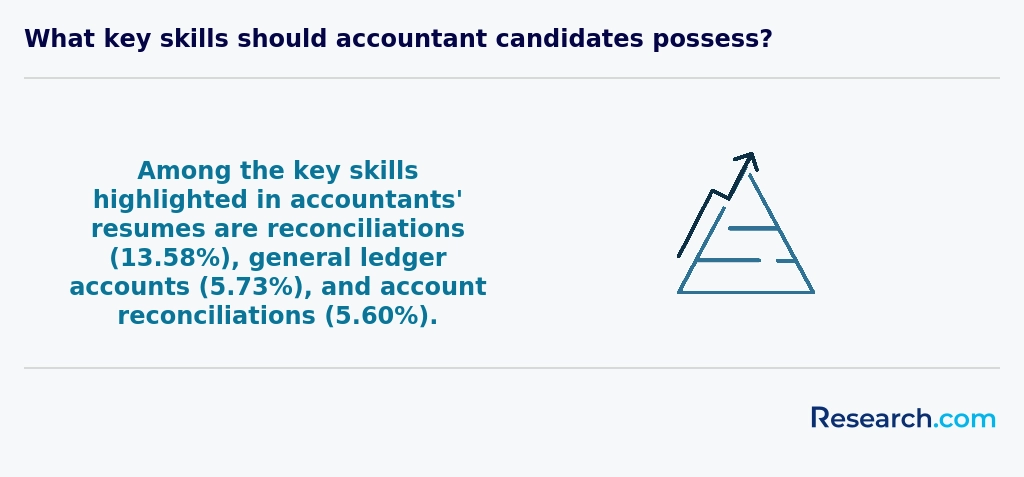
Online accounting degree programs in Kansas typically include courses designed for real-world applicability. Graduates from universities like the University of Kansas find that core classes such as financial accounting and managerial accounting build a solid foundation. These courses teach you how to accurately record transactions and make smart business decisions, skills you'll use daily as an accountant.
Intermediate accounting classes go deeper into current standards set by the Financial Accounting Standards Board (FASB), helping you confidently handle complex financial reports. Many students from Wichita State University appreciate tax courses focusing on federal income tax and sometimes state-specific tax regulations that impact Kansas businesses, making tax season less stressful.
Auditing and ethics are key parts of the curriculum, training you to verify financial statements and act with integrity-essential when working as an auditor or consultant. Accounting information systems classes introduce popular financial software, preparing you for the technology-driven nature of modern accounting jobs.
Additional courses in business law, corporate finance, and economics provide broad insights into the business environment, which Kansas graduates find invaluable when advising local companies or pursuing CPA certification.
In Kansas, online accounting degree programs offer practical specializations designed to align with local industry needs and student career goals. Graduates from universities like Kansas State University often highlight specializations in Taxation, which equips them to handle evolving tax regulations-crucial for roles in both public agencies and private firms. Another popular focus is Auditing and Assurance, essential in Kansas' expanding business landscape, where auditors ensure compliance and financial accuracy. Those with an interest in problem-solving frequently choose Forensic Accounting, a specialization that combines investigation skills with accounting, helping graduates secure roles fighting financial fraud.
Managerial Accounting is favored by students aiming for leadership in Kansas companies; it emphasizes budgeting and cost analysis for internal decision-making. Financial Accounting appeals to those who enjoy translating complex data into clear reports for stakeholders. These focused areas reflect the most effective ways to tailor your education and maximize job prospects.
Many students pursuing an online accounting degree specializations Kansas find that programs at local universities balance affordability and quality. For those considering advanced options, exploring a master's degree online can further deepen expertise and career flexibility.
Start by confirming the program's accreditation from widely respected bodies like ACBSP or AACSB, essential for ensuring quality and credit transferability. Graduates from well-known Kansas universities often share how this step saved them time and frustration when pursuing CPA certification. Costs must be weighed carefully-public institutions in Kansas typically offer tuition between $7,000 and $15,000, with in-state rates providing significant savings. Many students appreciate programs that combine affordability with accelerated schedules to minimize debt.
Next, assess curriculum depth. Look for comprehensive coverage of financial accounting, taxation, and auditing, all vital for meeting Kansas's CPA exam requirements-especially the 150 credit hours rule. Graduates frequently highlight the value of tutoring and exam prep, which boost confidence and real-world readiness. Don't overlook career support; programs connected to local Kansas employers or internships provide a network that graduates say was instrumental in landing their first accounting roles.
For those balancing work and study, exploring accredited online project management programs alongside accounting can expand career options.
By focusing on these practical steps, you can navigate finding the best online accounting degree programs Kansas offers to fit both your goals and lifestyle.
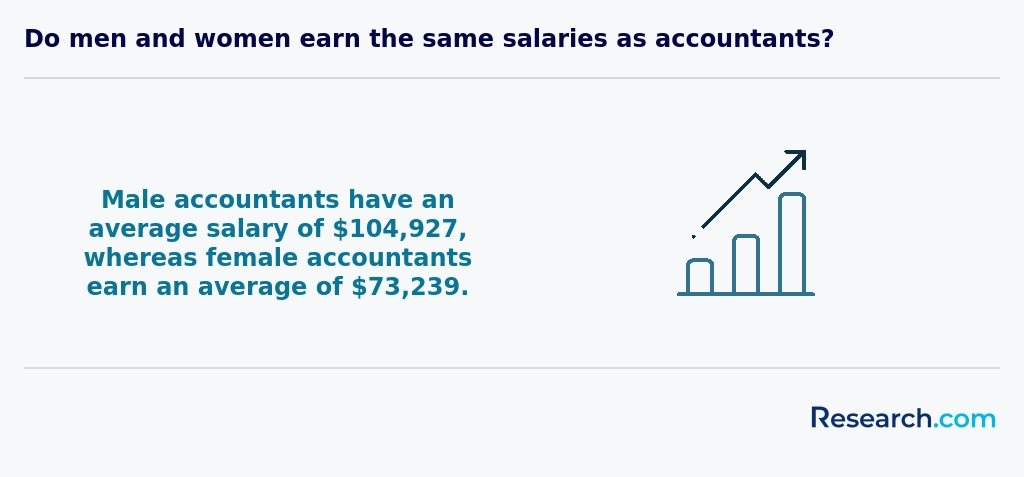
Graduates with an online accounting degree in Kansas often find diverse career paths, including roles like Certified Public Accountant (CPA), management accountant, auditor, or financial analyst. For example, graduates from prominent universities in Kansas frequently secure positions in local public accounting firms or corporate finance teams. Pursuing a CPA license is a common next step, as Kansas employers highly value this certification, which requires meeting state education standards often fulfilled by online degree programs. Students appreciate that these programs prepare them well for the demands of real-world accounting jobs.
Besides traditional roles, many graduates explore specializations such as forensic accounting, especially in government agencies or law enforcement, where investigative skills combat financial crimes. Others thrive in sectors vital to Kansas like manufacturing or agriculture, handling budget management and cost analysis. For those aiming for flexible options aligned with regional standards, checking out accredited business schools in Colorado also provides useful insights.
Accounting job opportunities in Kansas are bolstered by the state's economy and educational support, making it practical for students to chart a successful and stable accounting career.
Graduates with an online accounting degree in Kansas find a steady job market supported by the state's strong economic sectors such as agriculture, finance, and healthcare. For instance, many graduates from popular institutions like the University of Kansas and Wichita State University report securing roles quickly in cities like Wichita and Overland Park, where demand for accounting skills remains consistent. These locations offer opportunities to work as auditors, tax advisors, or financial analysts in dynamic industries.
The Kansas accounting degree job outlook is also buoyed by the option to pursue CPA licensure, which significantly enhances both employability and salary potential. Many graduates emphasize that earning this credential opens doors to specialized roles in local financial firms and multinational corporations with offices statewide. Additionally, enrolling in an accredited online program helps balance education costs and work commitments, which students at various Kansas colleges have found especially helpful.
For prospective students concerned about expenses, it's useful to explore affordable online options because tuition varies widely. Those wondering whether is online masters in accounting affordable should consider that online degrees reduce costs related to commuting and housing while positioning them well for the Kansas job market focused on online accounting jobs in Kansas.
2027 Easiest Online Bachelor's in Accounting Degree Programs Ranking in Kansas
Investing in your education is a significant decision that can shape your future, and the Research.com team understands the importance of making informed choices. To assist prospective students in Kansas, we have meticulously crafted the "2027 Easiest Online Bachelor's in Accounting Degree Programs Ranking in Kansas." Our commitment to quality, credibility, and accuracy is reflected in the extensive research and analysis conducted to compile this ranking.
We utilized the following reputable data sources to ensure a comprehensive evaluation of accounting programs:
By exploring this ranking, readers will gain valuable insights into the easiest online accounting degree programs in Kansas, helping them make informed decisions about their educational paths. For more details on our methodology, please visit our Research.com methodology page.

# 2 position
Southwestern College
Bachelor of Accounting

Frequently Asked Questions About accounting
Students pursuing online accounting degrees in Kansas can enhance their learning by actively engaging with course materials and participating in virtual discussions. Most Kansas institutions offering online accounting courses use platforms like Blackboard or Canvas, making it essential to familiarize themselves with these tools early.
Kansas ranks among the states with a growing demand for accountants, projected to increase by 6% through 2030 according to the U.S. Bureau of Labor Statistics. This growth underscores the value of gaining practical skills alongside theory.
Networking with local professionals through Kansas-based accounting associations and virtual events can provide valuable insights and job opportunities. Additionally, students should take advantage of internships and CPA exam prep resources offered by Kansas universities.
Emerging niches within the accounting field reflect the evolving business and regulatory environment, particularly in Kansas. One significant growth area is forensic accounting, which involves investigating financial crimes and fraud. As cybercrime rises, Kansas firms increasingly seek professionals skilled in this specialty. Another expanding niche is environmental accounting, driven by growing sustainability efforts and regulations affecting local industries like agriculture and manufacturing.
Additionally, accounting for cryptocurrencies and blockchain technology is gaining traction. Though niche, this area is important as more Kansas businesses explore digital assets. Finally, data analytics in accounting is becoming essential. According to the Kansas Department of Labor, demand for accountants with skills in data interpretation is expected to grow faster than average through 2030.
Graduates with an online accounting degree in Kansas should start preparing early for the job market by gaining relevant practical experience. Internships or part-time roles during studies can significantly improve employability. Kansas employers value familiarity with accounting software like QuickBooks and Excel, so mastering these tools is essential.
Networking is another vital step. Joining local chapters of organizations such as the Kansas Society of CPAs offers access to job listings and mentorship opportunities. According to the U.S. Bureau of Labor Statistics, Kansas expects a 7% growth in accounting jobs through 2030, indicating a favorable job market.
Finally, consider pursuing professional certifications like the CPA license, which is highly respected in Kansas and enhances career prospects.
Employers in Kansas seek accounting graduates who possess strong analytical and technical skills. Proficiency in accounting software such as QuickBooks, Excel, and emerging data analytics tools is highly valued. According to the Kansas Department of Labor, attention to detail and accuracy remain critical due to the complexity of tax codes and financial regulations in the state.
Communication skills are also essential, as accountants often work directly with clients and teams. Being able to explain complex financial information in clear terms improves job performance. Furthermore, knowledge of Kansas-specific tax laws and compliance standards enhances a candidate's appeal.
Critical thinking and problem-solving abilities rank high among employer expectations. These skills help graduates adapt to evolving financial landscapes and regulatory changes, ensuring sound financial management and reporting.
Finding internships in Kansas that relate to an accounting degree starts with leveraging both local resources and online platforms. Internships provide valuable real-world experience essential for future accountants. Many Kansas universities, such as the University of Kansas and Wichita State University, offer career services that connect students with accounting firms and businesses seeking interns.
Statewide organizations like the Kansas Society of CPAs list internship opportunities and networking events, which can help students gain industry contacts. Additionally, job sites like Handshake and Indeed list numerous Kansas-based accounting internships.
Since Kansas has a growing financial sector, especially in Wichita and Kansas City metro areas, students may find internships spanning public accounting, corporate finance, and government roles. Early application is recommended, as competitive positions often fill quickly.
An online accounting degree offers significant advantages for career mobility and advancement in Kansas. With the state's economy showing steady growth in finance and business sectors, certified professionals are increasingly in demand. According to the U.S. Bureau of Labor Statistics, Kansas expects a 7% growth in accountant and auditor roles from 2022 to 2032, slightly above the national average.
Completing an online degree provides flexibility for working adults, allowing them to gain relevant credentials without interrupting employment. This can lead to promotions or transitions into higher-paying roles such as financial analyst, tax examiner, or internal auditor.
Additionally, many Kansas employers recognize reputable online degrees accredited by bodies like AACSB, enhancing graduates' credibility. Online programs often prepare students for the CPA exam, vital for advancement in the Kansas accounting job market.
Studying for an accounting degree in Kansas online offers students a curriculum designed to build skills across multiple disciplines. Many programs integrate courses in finance, business law, and information systems, helping students develop a broad understanding beyond traditional accounting.
Kansas institutions often align their accounting degrees with standards from the American Institute of CPAs (AICPA) and include learning outcomes that cover data analysis and managerial decision-making. This multidisciplinary approach equips graduates to work in roles where accounting intersects with technology, compliance, and strategic business operations.
According to the Kansas Board of Regents, Kansas employers increasingly seek accounting professionals familiar with regulatory frameworks and technological tools, highlighting the value of interdisciplinary training.
When choosing between a thesis and a non-thesis online accounting degree program in Kansas, consider your career goals and learning style. Thesis programs focus on in-depth research and writing, ideal for students aiming for advanced degrees or research roles. Non-thesis options emphasize practical skills and coursework, often preferred by those targeting immediate employment in accounting fields.
The Kansas Board of Accountancy requires specific credits for CPA eligibility, which both types can fulfill, but check if thesis credits align with these requirements. Also, non-thesis programs typically require fewer credits, potentially allowing faster graduation. Review each program's curriculum carefully and consider your long-term plans before deciding.
Students in Kansas seeking to study accounting abroad through online programs have several pathways. Many U.S. universities with strong accounting departments offer fully online degrees that fulfill requirements recognized both in the U.S. and internationally. Some Kansas students enroll in these programs, which may include partnerships with global institutions. According to the National Center for Education Statistics, over 14% of Kansas undergraduates took at least one distance education course in 2022, reflecting growing online access.
While direct foreign university enrollment is possible, credit transfer and U.S. CPA eligibility can be complex. Therefore, students often prefer U.S.-accredited online programs with international curriculum options.
Students pursuing an online accounting degree in Kansas can enhance their education through part-time jobs that build relevant skills. Common opportunities include bookkeeping roles, which help develop attention to detail and familiarity with financial software.
Another option is working as a tax preparer, especially during tax season. This experience aligns closely with accounting principles and offers practical knowledge of tax laws in Kansas.
Internships with local accounting firms or businesses provide valuable exposure to real-world accounting tasks and professional environments.
According to the U.S. Bureau of Labor Statistics, the demand for bookkeeping and accounting clerks in Kansas is expected to grow by 6% through 2031, indicating ample job availability.
Online accounting students in Kansas have several networking opportunities despite the remote format of their studies. Many universities offering online degrees, such as Fort Hays State University and Wichita State University, provide virtual career fairs and alumni networking events. These platforms allow students to connect with local accounting firms and professionals in Kansas' strong business hubs like Wichita and Overland Park.
The Kansas Society of CPAs (KSCPA) is a key resource, offering membership to students for access to events, mentorship programs, and webinars focused on accounting trends and career development within the state.
Additionally, local chapters of national organizations like the American Accounting Association host meetings and conferences that online students can attend virtually or in person.
Such opportunities help bridge geographic gaps, allowing online learners to build professional relationships important for career advancement in Kansas' accounting sector.
Alumni networks offer significant advantages for students pursuing online accounting degrees in Kansas. Members of these networks often gain access to job opportunities within the state's growing accounting sector, where the Bureau of Labor Statistics reports a steady 7% growth rate in accounting jobs through 2031. These connections help students tap into professional communities, mentorship programs, and industry events, which are crucial for career development.
In Kansas, where firms value local experience, alumni networks can provide referrals and insights about the regional job market. Furthermore, they promote continuous learning by sharing resources and updates on regulatory changes specific to Kansas accounting practices.
Customizing an online accounting degree program in Kansas allows students to align their studies with specific career goals. Many Kansas institutions offer elective courses in areas like auditing, taxation, or forensic accounting, enabling students to specialize.
Students can also select programs accredited by AACSB or ACBSP, which are recognized by employers nationwide. This accreditation ensures quality and relevance.
Internship opportunities and partnerships with local Kansas businesses can further tailor the experience by providing practical skills and networking connections.
Additionally, some programs offer preparation for the CPA exam, which is essential for many accounting careers in Kansas. According to the Kansas State Board of Accountancy, meeting educational requirements through tailored coursework is crucial for licensure.
Online accounting students in Kansas often encounter challenges related to time management and self-discipline. Balancing coursework with work and family responsibilities can be difficult, especially because accounting programs demand consistent study and practice.
Another common issue is limited access to in-person support, such as tutoring or networking opportunities, which are vital in fields like accounting that require mastering complex financial regulations and software.
Additionally, some students struggle with understanding state-specific accounting rules. Kansas has unique tax codes and business laws that require focused learning, sometimes lacking in generic online programs.
According to data from the Kansas Board of Accountancy, about 30% of candidates retake the CPA exam, often citing gaps in applied knowledge that can stem from online study limitations.
An online accounting degree from a Kansas institution prepares students for several prominent professional certifications. The most common certification is the Certified Public Accountant (CPA) license, which requires meeting the 150-credit hour education threshold and passing the Uniform CPA Exam. Kansas is overseen by the Kansas Board of Accountancy, which sets specific education and experience requirements for licensure.
Other valuable certifications include Certified Management Accountant (CMA) and Certified Internal Auditor (CIA). These credentials demonstrate expertise in management accounting and auditing respectively. According to the Kansas Department of Labor, demand for CPAs and other accounting professionals is expected to grow by over 6% through 2030.
Professional certification enhances career opportunities and earning potential for graduates with online accounting degrees, making it a critical step in career development within Kansas and nationwide.
To write a winning application for an online accounting program in Kansas, begin by carefully reviewing the specific admission requirements of your target schools. Most programs expect a solid academic record, including a minimum GPA around 2.5 to 3.0. Highlight any relevant experience, such as internships or prior coursework in finance or business.
Strong letters of recommendation can greatly support your application. Kansas employers often value practical skills, so emphasize your proficiency with accounting software and your understanding of local business practices.
Additionally, craft a clear personal statement explaining your career goals in accounting and why an online degree suits your needs. Including knowledge of Kansas tax laws or regulations, which impact many accounting roles statewide, may also strengthen your case. The U.S. Bureau of Labor Statistics notes that Kansas expects a steady growth of 6% in accounting jobs through 2030, underscoring the value of your application focus.
The accounting profession holds strong global significance, with increasing demand for skilled accountants worldwide. In the U.S., including Kansas, accounting is recognized as a stable and growing career. According to the U.S. Bureau of Labor Statistics, employment for accountants and auditors is projected to grow 7% from 2021 to 2031, which is about average for all occupations.
Globally, international financial reporting standards (IFRS) are increasingly adopted, impacting how accountants operate. Professionals with knowledge of both U.S. GAAP and IFRS are in high demand. Kansas-based students pursuing online accounting degrees benefit from curricula that often incorporate these global perspectives, enhancing career flexibility.
Organizations such as the American Institute of CPAs (AICPA) emphasize the value of global competencies for accountants, promoting certifications like CPA as gateways to international opportunities. This reflects a growing need to understand diverse regulatory environments and international business practices.
Gaining practical experience while studying for an online accounting degree in Kansas is essential for career readiness. Many programs encourage internships, allowing students to work with local accounting firms or businesses. Kansas has a strong presence of agricultural and manufacturing companies, offering varied internship opportunities.
Students can also participate in virtual case studies and simulations, which are increasingly incorporated into curricula to mimic real-world scenarios. Additionally, joining Kansas-based accounting organizations like the Missouri Society of CPAs or local chapters can provide networking and mentorship.
Some universities partner with Kansas businesses to offer co-op programs, blending coursework with hands-on experience. This approach helps students build skills and professional connections before graduation.
Choosing the right concentration within an online accounting degree program in Kansas depends largely on your career goals and interests. Popular concentrations include auditing, tax accounting, forensic accounting, and managerial accounting. Each offers different job prospects and skill sets.
Kansas employers particularly value expertise in tax accounting due to the state's complex taxation system, which affects individuals and businesses differently. According to the Kansas Department of Labor, tax accountants and auditors earn a median annual wage of around $73,000 in the region.
For those interested in compliance and investigation, forensic accounting is a growing field with opportunities in both private firms and government agencies.
Consider also programs that align with CPA requirements, as Kansas requires 150 credit hours to sit for the CPA exam. Ensure your concentration supports these criteria if certification is your goal.
- 2027 Easiest Online Bachelor's in Accounting Degree Programs Ranking in Missouri
- 2027 Easiest Online Bachelor's in Accounting Degree Programs Ranking in Colorado
- 2027 Easiest Online Bachelor's in Accounting Degree Programs Ranking in Iowa
- 2027 Easiest Online Bachelor's in Accounting Degree Programs Ranking in Arkansas
- 2027 Easiest Online Bachelor's in Accounting Degree Programs Ranking in Texas
- 2027 Easiest Online Bachelor's in Accounting Degree Programs Ranking in Illinois
- 2027 Easiest Online Bachelor's in Accounting Degree Programs Ranking in Georgia
- 2027 Easiest Online Bachelor's in Accounting Degree Programs Ranking in Florida
- 2027 Easiest Online Bachelor's in Accounting Degree Programs Ranking in Virginia
- 2027 Easiest Online Bachelor's in Accounting Degree Programs Ranking in Pennsylvania
See What Experts Have To Say About Studying Accounting
Read our interview with Accounting experts


Yaw M. Mensah
Accounting Expert
Professor and Interim Vice Dean for Strategic Partnerships
Rutgers Business School

- Expectations of accounting students in relation to their ... https://sevenpubl.com.br/anais7/article/download/4780/8840/19578
- Online Accounting Associate Degree | Affordable Accounting Degree https://www.uscareerinstitute.edu/online-accounting-associate-degree
- How to get into accounting as a graduate https://targetjobs.co.uk/careers-advice/accountancy-banking-and-finance/how-get-accounting-graduate
- Accountant Cover Letter Example https://www.careertoolbelt.com/professions/accountant/cover-letter-example/
- Challenges Faced by Accounting Students https://www.onlineassignment-expert.com/blog/what-are-the-challenges-faced-by-accounting-students
- Get Ahead in Accounting: Ways to Build Relevant Work Experience https://www.fctraining.org/gain-accounting-work-experience.php
- One for the books - Kansas State University Foundation https://ksufoundation.org/impact/campus-impact/introducing-the-herbel-family-school-of-accountancy/
- Accounting Abroad: Benefits and Opportunities : ThisWayToCPA : AICPA https://www.thiswaytocpa.com/education/articles/make-the-most-of-your-education/accounting-abroad-benefits-and-opportunities/
- How to Choose a Degree in Accounting | Accounting.com https://www.accounting.com/resources/choosing-a-program/
- Master’s Program in Accounting and Auditing (Thesis/Non-Thesis, Turkish) https://www.isikun.edu.tr/en/academic/graduate/accounting-auditing/masters-program-accounting-and-auditing-thesis/non-thesis


