2027 Best Online Master's in Marketing With Digital Marketing Tracks

Co-Founder and Chief Data Scientist
Marketing professionals aiming to pivot or advance quickly face a key hurdle: securing targeted expertise in digital channels without pausing career momentum. The 12% annual surge in online graduate program enrollments reported by the National Center for Education Statistics reveals a growing demand for flexible, career-compatible education, driven in part by mid-career learners balancing jobs and families. Yet, narrowing down online master's programs that specifically integrate digital marketing tracks-while offering credible credentials and timely completion options-remains complex and consequential. This article identifies the best online master's in marketing with digital marketing specializations, equipping decision-makers to choose programs that align with workforce demands and personal constraints.
Key Things You Should Know
- Digital marketing specialization boosts hiring odds by 22%, per LinkedIn Economic Graph 2024, but narrows skill scope, limiting roles outside advanced SEO, analytics, or AI-driven content creation.
- Employers seek candidates with integrated data fluency and creative strategy; programs lacking cross-disciplinary rigor report 15% lower graduate placement, per NACE 2024 employment data.
- Median online master's fees rose 12% since 2022, impacting mid-career professionals' ROI timelines where accelerated 12-month tracks offer earlier labor market entry but at higher tuition premiums.
What is an online master's in marketing with a digital marketing track and who is it best for?
An online master's in marketing with a digital marketing specialization targets professionals transitioning from traditional marketing roles or enhancing expertise specifically in digital channels like SEO, social media, and data analytics. This digital marketing focus addresses employer demand for measurable ROI and customer segmentation through data-driven decision-making.
Cost distinctly shapes accessibility. Average yearly tuition for online business degrees, including marketing, stands at $10,995 versus nearly $22,000 for in-person programs according to the National Center for Education Statistics. This cost gap makes online master's more feasible for working adults seeking flexible pacing and immediate skill application without career interruption.
For example, a mid-level brand manager in retail can apply program knowledge to optimize omni-channel campaigns and advance into leadership managing integrated digital strategies. Meanwhile, entry-level professionals in sectors like healthcare or finance may accelerate upward mobility by mastering tools valued in the evolving marketing landscape.
This pathway is less appropriate for individuals aiming at research-intensive academic careers, where MBAs or research-focused master's provide stronger grounding. Candidates must also adapt to self-directed learning environments that require discipline and active engagement with digital marketing tools.
Those evaluating the best online master's in marketing with digital marketing focus for professionals should balance practical program outcomes and employer expectations against the realities of cost and learning format. More information on affordability and options can be found in online business degrees.
How do online master's in marketing programs compare with on-campus options for digital marketing?
Opting for an online master's in marketing programs vs on-campus options involves a critical tradeoff between flexibility and immersive networking. Online digital marketing tracks allow working professionals to apply updated skills immediately without taking career breaks, a considerable advantage for mid-career pivots or roles demanding constant tool adaptation such as AI-driven consumer segmentation.
Yet, these programs require self-driven efforts to secure industry internships and networking, which traditional, on-campus settings facilitate more organically through face-to-face peer collaboration and industry events.
Employers increasingly accept online master's credentials when the curriculum includes analytics, SEO, content strategy, and social media management aligned with current standards. However, candidates prioritizing leadership pipelines at large firms might find the conventional campus environment more conducive to relationship-building and mentorship.
The U.S. Bureau of Labor Statistics forecasts a 6% growth in marketing manager roles over the decade, highlighting demand for swift, relevant upskilling. Deciding factors often encompass your current job situation, motivation for independent learning, and the importance of in-person networking.
Students evaluating digital marketing tracks in online and traditional master's programs should weigh the immediacy of skill application and work-study balance against potential delays in workforce entry due to campus attendance requirements.
For broader perspectives on accelerated degree formats suitable for busy professionals, consult the best 2 year construction management degree online.
Which accredited schools offer the best online master's in marketing with digital marketing concentrations?
Choosing the best accredited online master's in marketing programs with digital marketing tracks requires assessing how well offerings align with distinct career trajectories and employer expectations. For example, professionals shifting toward data-driven roles benefit from programs emphasizing campaign analytics and SEO strategies, such as those at the University of Illinois Urbana-Champaign, which integrates technical assignments with core marketing concepts.
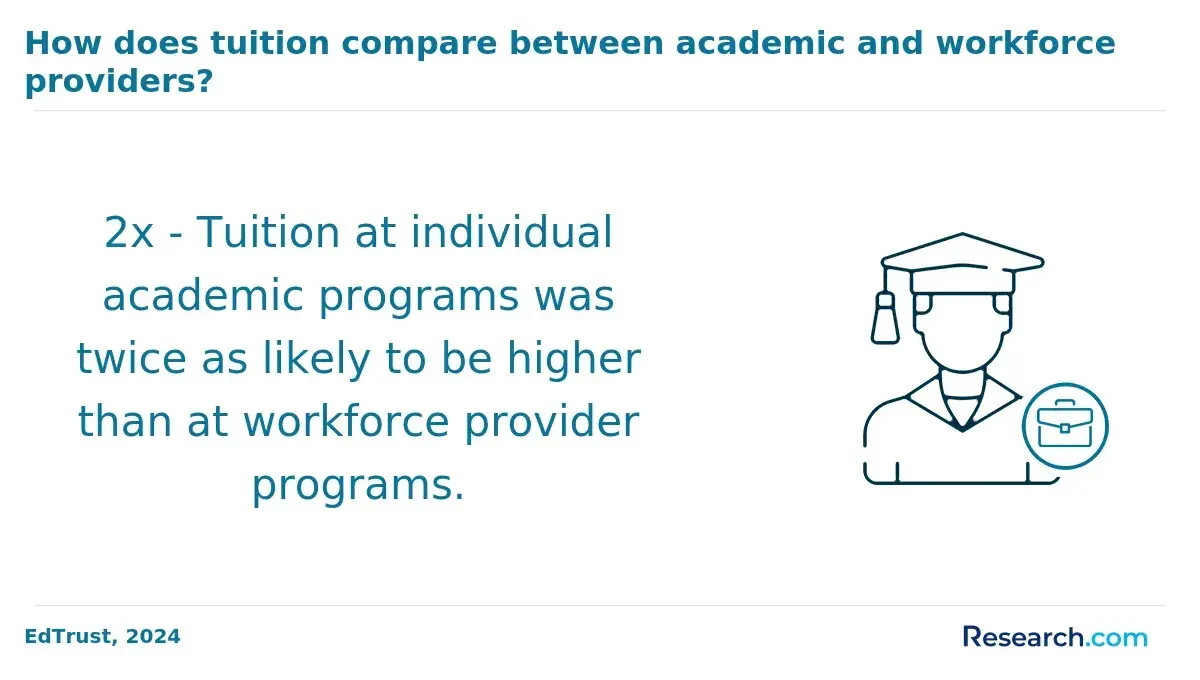
Cost considerations are pivotal given the average graduate tuition of $921 per credit. Top online schools offering master's degrees in marketing with digital marketing concentrations often provide GRE/GMAT waivers or in-state rates to reduce financial barriers. Northeastern University's experience-based waiver system and the University of Florida's multi-state in-state tuition exemplify models that lower effective expenses without sacrificing rigor.
Students balancing time constraints against depth should weigh accelerated tracks' faster completion against the potential for less comprehensive mastery. Program structures combining asynchronous coursework with real-world projects cater well to working professionals aiming for managerial roles across sectors like healthcare or retail. Elective courses targeted at marketing automation and customer segmentation analytics address employer demand for quantifiable skills.
Masters in marketing candidates must consider these operational tradeoffs carefully to optimize both educational investment and long-term employability.
What admission requirements and prerequisite experience do online digital marketing master's programs expect?
Admission into online master's in digital marketing admission criteria consistently prioritizes applicants with a bachelor's degree and 1 to 3 years of relevant experience, reflecting employer demand for candidates who can immediately apply advanced digital strategies. The prerequisite experience for digital marketing master's programs often includes roles in digital analytics, social media strategy, content creation, or SEO.
This practical foundation is critical because programs rarely accommodate beginners without significant work history or professional certifications like Google Analytics.
Applicants without direct digital marketing backgrounds may need bridge courses in statistics or consumer behavior, adding time and cost to their educational path. Additionally, the growing importance of data-driven marketing means admissions assess quantitative skills intensely, even as many programs waive GRE/GMAT requirements to focus on professional aptitude instead of test scores.
Working professionals pivoting careers must build portfolios that demonstrate measurable outcomes in digital campaigns, as these evidence-based applications heavily influence admission decisions beyond GPA. Letters of recommendation frequently emphasize adaptability and analytic capacity, aligning with the sector's evolving expectations.
For those evaluating educational options, comparing prerequisites with other fields-such as those required in an online construction management degree-highlights marketing's unique blend of creative and quantitative entry barriers, impacting time to completion and workforce readiness.
What core courses and digital marketing specializations can you expect in these online programs?
Master's programs in marketing with digital marketing tracks must be evaluated through their alignment with employer expectations for immediate impact. Core courses focus on data-driven decision-making, consumer behavior analysis, and strategic brand management, establishing a foundation applied across healthcare, finance, and technology sectors. Yet, the differentiator emerges in how programs specialize digital marketing skills.
Specializations emphasize practical competencies in SEO, content strategy, CRM platforms, and analytics tools such as Google Analytics and Adobe Experience Cloud. For instance, candidates targeting e-commerce benefit from conversion optimization and multichannel campaign integration, while those aiming at B2B roles require skills in lead generation and account-based marketing. This distinction affects job fit and entry-level preparedness.
Programs incorporating capstone projects or practicum components simulate campaign management, offering critical hands-on experience that employers value for ROI contribution from day one. Without this, graduates often struggle to demonstrate measurable digital engagement outcomes.
- Core coursework includes market research, strategic brand management, and marketing law
- Digital specialization covers SEO, social media marketing, marketing automation, and CRM
- Practica and capstones focus on real-time campaign execution reflecting employer ROI expectations
- Net tuition costs are substantially reduced by financial aid according to NCES data
Financially, net tuition averages drop roughly 22% after aid-from $10,995 to $8,534 annually-indicating that aid can shift cost-benefit calculations significantly.
Prospective students should consider how price intersects with specialization relevance and anticipated salary premiums tied to digital expertise. Similar considerations are important when comparing the best online business degree options and evaluating their potential return on investment.
How long do online master's in marketing with digital marketing tracks take and how are they structured?
Choosing an online master's in marketing with a digital marketing focus requires balancing time investment against skill depth and labor market relevance. Programs typically demand 18 to 24 months full-time or up to 36 months part-time, impacting both knowledge retention and current technological fluency. Core curricula emphasize fundamental marketing concepts, consumer behavior, and data analytics before advancing to specialized digital areas like SEO, social media strategies, and marketing automation tools.
Working professionals must weigh weekly commitments of 10 to 15 hours that include project work and interaction, which can strain those juggling employment. Unlike generic management tracks, these digital marketing pathways prioritize hands-on application of industry-standard platforms, meeting employers' demand for measurable results.
Consider a retail marketing manager seeking digital roles-programs integrating analytics and e-commerce components offer tangible advantages in a shifting job market. In contrast, a recent graduate aiming for agency positions benefits from content creation and strategic coursework. Graduates with these precise digital competencies access opportunities yielding median annual wages of $156,580 for advertising and marketing managers, reflecting quantifiable market value.
Tradeoffs include choosing accelerated options that risk limited exposure to emerging tools versus lengthier part-time study that can cause skill gaps if not closely aligned with current practice. Assessing personal workload and career goals is essential to select a path that cultivates relevant capabilities without compromising employability.
How much do online digital marketing master's degrees cost and what financial aid is available?
Tuition for online digital marketing master's programs varies substantially, typically ranging from $480 to $1,363 per credit. For a full program spanning 30 to 36 credits, this translates to approximately $14,400 to $49,000 in total costs. This wide pricing gap stems largely from institutional factors-public vs. private status, program prestige, and the inclusion of services like career support or networking opportunities.
Professionals aiming for significant salary increases in competitive job markets must carefully evaluate whether the premium tuition justifies potential returns. Conversely, candidates focused on managing debt or relying on employer reimbursement may find lower-cost programs at public institutions sufficiently relevant for career growth.
Financial aid is diverse but demands proactive navigation. Options include federal loans requiring FAFSA submission, employer tuition assistance programs often tied to service commitments, and a limited pool of scholarships dedicated to marketing or digital disciplines. Military veterans can leverage GI Bill benefits, which substantially offset costs.
Working professionals balancing a full workload should prioritize programs with modular payments or per-credit billing to minimize upfront financial burden. Some schools also offer deferred payment plans contingent on securing marketing-related employment post-graduation.
For example, an entry-level marketer seeking advancement might target a public university program under $25,000, combining scholarships and employer aid to control investment risk while maintaining credential relevance.
What jobs can you get with an online master's in marketing emphasizing digital marketing?
Graduates with an online master's in marketing emphasizing digital strategies must balance theoretical knowledge with hands-on skills to meet employer expectations. Job roles such as digital marketing manager, SEO specialist, social media manager, and marketing analytics consultant demand proficiency in tools like Google Analytics and CRM software, alongside data-driven campaign management.
Employers typically prefer candidates who combine academic credentials with measurable outcomes and real-world project experience. Programs charging a flat $4,805 per six-month term offer flexibility for students to accelerate their progress and reduce costs, providing an advantage for those aiming to enter or advance workforce positions efficiently.
Industry contexts shape the application of skills: B2B marketers prioritize lead generation and account-based strategies, retail sectors rely heavily on brand engagement and conversion optimization via social channels, and healthcare organizations demand navigating regulatory constraints through marketing analytics. This variety requires graduates to be both strategically adept and digitally fluent.
- Digital marketing roles integrate strategic and technical competencies to meet employer standards.
- Competency-based programs with accelerated terms can reduce time and financial investment.
- Sector-specific approaches require tailored skill sets, from B2B to healthcare marketing.
Prospective students should anticipate ongoing professional development after graduation, given rapidly evolving digital platforms. Practical experience, internships, and portfolio development are critical to demonstrate campaign ROI and establish clear digital KPIs during job negotiations. Failure to integrate these elements can hinder career advancement despite the master's credential.
What salary ranges and career advancement can graduates of digital marketing master's programs expect?
A digital marketing master's degree can significantly shift salary trajectories, yet outcomes vary widely by sector and role. Graduates typically start between $65,000 and $90,000 annually, with mid-career salaries often exceeding $110,000 for specialized roles such as marketing director or chief marketing officer after 5 to 8 years. However, nonprofit and government positions usually offer lower pay but greater stability, which may influence career decisions depending on risk tolerance and lifestyle preferences.
The labor market rewards advanced digital skills-data analytics, SEO, and automation proficiency boost promotion speed and salary, often yielding 15% to 25% higher compensation than peers without such expertise. Employers increasingly prioritize these competencies, accelerating candidates into senior strategist or management roles.
Cost considerations profoundly impact net earnings. Online master's programs average nearly 50% lower tuition than on-campus alternatives ($10,995 vs. $21,974), an important factor for working professionals balancing income while studying. The immediate applicability of skills learned online can enhance job performance and promotion prospects in real time, but candidates must manage time pressures and ensure program rigor aligns with employer standards.
Key practical challenges include maintaining certifications and building portfolios to stand out in an evolving labor market where digital marketing expertise is necessary but not sufficient for advancement.
How do you evaluate accreditation, rankings, and outcomes to choose a reputable online program?
Regional accreditation recognized by the U.S. Department of Education or the Council for Higher Education Accreditation remains the most reliable indicator of an online master's program's legitimacy. Programs without this standard often face diminished employer trust and challenges in transferring credits. Evaluating rankings requires focusing on graduate outcomes rather than general prestige; metrics such as employment rates in digital marketing roles, employer reputation, and alumni salary growth provide actionable insight.
For example, programs aligned with the expected global digital ad spend of $740 billion by 2025 often emphasize emerging competencies like AI-driven marketing automation, meeting the increasing demand for advanced analytics skills identified in recent workforce reports.
A practical example includes graduates entering e-commerce or tech sectors, where data-driven marketing strategy skills are valued over broad theoretical knowledge. Programs offering real-world projects or internships with firms using big data create tangible employability advantages.
Because employers prioritize demonstrable project experience and platform proficiency alongside credentials, prospective students must analyze detailed outcomes data, including employment within six months and relevant sectors hiring these graduates.
Balancing tuition against average alumni earnings and program flexibility is essential. Requesting comprehensive outcome reports and corroborating admissions data with U.S. Department of Education statistics or recognized workforce studies can reduce risk. This triangulated approach ensures the chosen online master's supports a targeted career pivot or promotion responsive to evolving digital marketing labor market demands.
Other Things You Should Know About Marketing
When choosing between these programs, consider your career goals, flexibility, and curriculum depth. A dedicated master's may offer more specialized courses, while a general program can provide broader marketing knowledge. Industry demand for specific skills in 2027 should also guide your choice.
Online marketing programs with digital tracks often demand significant hands-on project work, including campaign design and data analysis, which exceeds typical reading and exam requirements of non-marketing business degrees. This practical intensity better prepares you for fast-paced marketing roles but requires effective time management. If balancing work with study, evaluate programs' project load and flexibility carefully to avoid burnout during peak work periods.
Employers focused on marketing and digital roles increasingly recognize specialized marketing master's degrees for their focused skill sets in content management, digital analytics, and consumer behavior. Traditional MBAs may offer broader strategic business knowledge but often lack depth in digital tactics. For roles requiring immediate digital marketing proficiency, the specialized master's holds more weight; for higher-level strategic positions, an MBA might still have advantage.
Most programs require 30 to 36 credit hours, which usually takes 12 to 24 months of full-time study. Some schools build in a capstone, internship, or analytics project, so students should check whether those credits are included in the total graduation requirement.
References
- Digital Marketing Master's Degree Online | MIUniversity https://miuniversity.edu/en/academics/master-degree/masters-degree-in-digital-marketing/
- Master's Digital Marketing (Business Administration) https://www.uva.nl/en/programmes/masters/business-administration-digital-marketing/business-administration-digital-marketing.html
- What can you do with a master's in marketing? | edX https://www.edx.org/resources/what-can-you-do-with-a-masters-degree-in-marketing
- Top Digital Marketing Courses for Marketing Specialists https://cxl.com/blog/top-digital-marketing-courses/
- Digital Marketing Master's Degree https://www.fullsail.edu/degrees/digital-marketing-master
- Master of Science in Digital Marketing - ABC Paris https://www.american-business-college-paris.com/programs/master-degree/master-of-science-digital-marketing
- How to Apply & Get Accepted on a Digital Marketing Master's Program | Digital Marketing Institute https://digitalmarketinginstitute.com/blog/how-to-apply-get-accepted-on-a-digital-marketing-masters-program
- What is the salary after a Master in marketing? - ESCE https://www.esce.fr/en/faq-all-the-answers-to-your-questions/what-is-the-salary-after-a-master-in-marketing/
- Should I get a master's in digital marketing? https://www.brandeis.edu/online/about/blog/2026-blog-posts/dmd-q-a.html
- Master of Digital Marketing | Master's Degree | SUSS https://www.suss.edu.sg/programmes/detail/master-of-digital-marketing