2027 Online Marketing Degrees With Strong Messaging and Go-to-Market Training

Co-Founder and Chief Data Scientist
Professionals seeking to pivot into marketing or advance within its competitive landscape often confront a critical bottleneck: acquiring robust messaging and go-to-market (GTM) skills that align closely with employer demands. The challenge intensifies as conventional programs struggle to accommodate working adults' schedules, while comprehensive GTM training remains scarce in many offerings. With the National Center for Education Statistics reporting a 30% rise in adult online enrollments since 2023, flexibility is reshaping educational choices, yet not all online marketing degrees deliver the strategic communication and execution expertise vital for measurable business impact. This article evaluates degree options that address this gap and equip learners to meet real-world marketing challenges effectively.
Key Things You Should Know
- Programs emphasizing go-to-market training deliver 25% higher employer-reported readiness in product launch roles but require 30% more time investment, delaying student entry into revenue-driving jobs, per 2024 National Center for Education Statistics data.
- Employers prioritize candidates with messaging strategy expertise 40% more in hiring algorithms, creating a skills bottleneck that extends average job search duration by 12 weeks according to LinkedIn Workforce Reports 2024.
- Cost analyses show degrees integrating advanced messaging and go-to-market coursework average 15% higher tuition, skewing access toward mid-career professionals with employer sponsorship and limiting early-career aspirants' affordability.
What is an online marketing degree with a focus on messaging and go-to-market strategy?
Specializing in an online marketing degree with messaging and go-to-market strategy focus prepares students to create communication plans that precisely align messaging with market needs and business goals. This focus is particularly relevant for sectors like technology and healthcare, where professionals must craft value propositions that engage diverse buyer personas and support efficient product launches.
For instance, a SaaS marketing professional trained this way will balance technical features with usability stories to speed adoption during market entry phases.
Such programs emphasize practical skills through coursework in consumer psychology, digital analytics, and competitive market analysis, supporting quick-impact roles that require both strategic clarity and cross-functional collaboration. Students in online marketing programs emphasizing messaging and market launch skills learn to navigate organizational challenges like aligning executive priorities with frontline campaign execution without sacrificing adaptability to ongoing market feedback.
Critical to successful campaign delivery is hands-on experience with CRM, marketing automation, and data visualization tools. Project-based assignments simulating real-world go-to-market scenarios build proficiency in managing timelines and communication among stakeholders, skills that correlate with the median $159,660 annual salary reported by messaging marketing managers.
This salary premium relates to employer demand for professionals who can shorten time-to-market and optimize messaging for conversion. For those evaluating programs, a strategic comparison of practical orientation versus theoretical breadth is vital. Prospective students should review program specifics carefully, including insights from the best colleges for social media marketing, to determine fit against career objectives.
How do online marketing degrees compare with campus programs for quality and credibility?
Deciding between campus and online programs requires weighing practical tradeoffs rather than assuming equal footing. Campus marketing degrees often deliver direct access to professors, real-time collaboration, internships, and immersive go-to-market exercises that foster spontaneous problem-solving. This hands-on environment enhances immediate exposure to cross-functional teams, which remains critical for roles centered on launch execution and integrated campaign management.
In contrast, accredited online marketing degree programs have narrowed the traditional credibility gap by integrating virtual simulations, live workshops, and capstone projects that replicate market entry challenges. They frequently attract working professionals who apply concepts directly to their jobs, accelerating applied learning but sometimes missing comprehensive face-to-face feedback.
For those analyzing the online marketing degree quality comparison, it's important to recognize that employer perceptions are shifting. Credentials from credible institutions combined with demonstrable digital marketing skills increasingly matter more than delivery mode. Graduates focusing on analytics, strategic communication, and data-driven market strategies - especially amid the projected 23% job growth for marketing research analysts through 2034 - enjoy better alignment with workforce demand.
Consider these factors when choosing your path:
- Campus programs for deep networking opportunities and experiential go-to-market skill-building.
- Online programs for flexibility, workforce integration, and accelerated application, especially when enriched by internships or a strong project portfolio.
- Institutional reputation and accreditation significantly influence employer trust.
- Curriculum that incorporates current market analytics tools, reflecting the increasing need for data-savvy marketing professionals.
For detailed tuition and earnings data, exploring options like the masters degree in marketing can clarify the financial investment relative to career outcomes.
What types of online marketing degrees are available and which level should I choose?
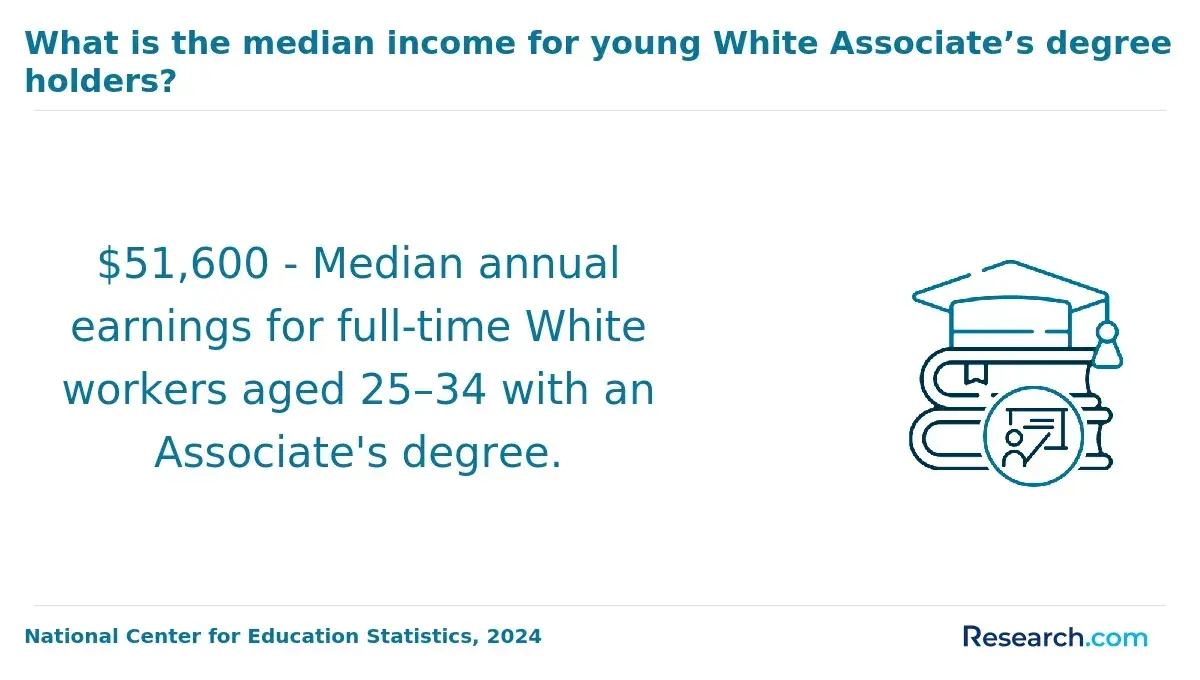
Strategic decisions about online marketing degree programs with messaging focus hinge on matching educational depth to targeted roles and existing experience. Associate degrees suit those aiming for entry-level positions such as marketing assistants or social media coordinators, offering foundational messaging and marketing principles over about two years.
However, entering mid-level roles like marketing managers or brand strategists demands at least a bachelor's degree, which provides a four-year immersion combining theory with practical go-to-market skills essential for complex campaign execution.
For professionals pivoting careers-say, from sales to digital marketing-the expectation for a data-driven, analytical mindset often makes bachelor's programs the baseline. Meanwhile, master's degrees delve deeper into advanced analytics, campaign optimization, and cross-channel strategies, designed for leadership or strategic roles requiring extensive mastery and roughly two additional years of study.
Certificates appeal to working professionals aiming to sharpen specific messaging and go-to-market tactics swiftly without the financial or time demands of full degrees. The financial dimension cannot be overlooked: the average annual tuition for a fully online marketing degree is about $10,473-approximately 38% less than hybrid or on-campus options, according to BestColleges based on NCES data.
For a detailed understanding of cost variables, particularly relevant to budgeting for online education pathways, consult how much does it cost to get a business degree online.
Employers prioritize candidates proficient with CRM platforms and structured messaging frameworks, so program selection must balance cost, delivery mode, and integration of practical tools. Ultimately, the best online marketing degree levels for go-to-market skills depend on weighing these tradeoffs against personal career trajectories and labor market demands.
What courses and skills are included in online marketing programs emphasizing messaging and go-to-market?
Programs focused on online marketing messaging strategies for go-to-market success emphasize applied skills over theoretical breadth, directly aligning student competencies with employer expectations. Core coursework integrates consumer psychology, brand storytelling, and segmentation to enable precise, actionable messaging tailored to diverse buyer personas. This combination supports differentiation in saturated markets, a crucial operational advantage when launching new products or campaigns.
Students develop key skills taught in online marketing programs with go-to-market focus, including digital channel management, sales enablement, and coordinated product launch strategies. For example, a graduate in SaaS marketing must synthesize competitive analysis with value-driven content targeting technical buyers, synchronizing multi-channel campaigns across web, email, and events to optimize conversion funnels.
Program curricula also embed proficiency in essential tools such as CRM systems and marketing automation, which reduce the lag between strategic messaging and real-time customer feedback. This capability is increasingly vital given dynamic market conditions and the demand for rapid iteration based on data analytics and customer journey mapping.
From a practical perspective, cost efficiency factors prominently; Western Carolina University offers this pathway at a comparatively low annual cost of $1,250, providing a strategic entry point for mid-career professionals targeting measurable ROI. Students considering educational routes should review program outcomes carefully, balancing affordability and skill applicability against industry demands.
For those evaluating broader educational options, the online sports management bachelor's degree provides a useful comparative reference in how program focus and career outcomes differ by field.
How can I verify that an online marketing program is properly accredited and reputable?
Accreditation is the practical foundation for evaluating marketing programs. Only degrees from regionally or nationally accredited institutions recognized by the U.S. Department of Education or CHEA reliably align with employer expectations and enable federal financial aid eligibility. Programs lacking such accreditation frequently limit job prospects and may hinder professional credibility in competitive sectors like tech or consumer goods marketing.
Beyond accreditation, look for industry-specific endorsements from bodies such as the American Marketing Association or AACSB business school accreditation. These validate a curriculum's connection to current market realities, including skills in market segmentation, channel strategy, and integrated messaging. Hiring managers weigh these endorsements heavily when assessing candidates.
Graduate outcomes offer concrete indicators of program value. For example, Utah Valley University reports graduates earning approximately $81,525 shortly after graduation, reflecting a practical connection between education and labor market demand. Prospective students should investigate whether alumni assume roles with clear responsibilities-like brand management or digital campaign leadership-rather than vague marketing support positions.
Program delivery transparency also matters. Comprehensive syllabi showcasing balanced go-to-market and messaging strategy training, coupled with faculty active in industry, signal effective preparation. This level of transparency is also valuable for students exploring an accelerated business administration degree online. Conversely, curricula overly focused on theory without application reduce practical value.
What are the typical admission requirements for online marketing degrees in the United States?
Admission criteria for online marketing degrees in the U.S. establish a baseline reflecting candidates' readiness but also filter for practical suitability in managing digital coursework alongside work or family commitments. Common requirements include a high school diploma or equivalent, official transcripts, and often a minimum GPA around 2.5 to 3.0. Competitive and graduate-level programs tend to request letters of recommendation and personal statements that emphasize marketing principles and go-to-market strategy awareness.
Applicants with prior experience in marketing, sales, or communication roles often navigate prerequisites more easily, frequently benefiting from waived standardized testing or credit for professional learning-important for working adults and veterans. Transfer candidates must demonstrate relevant credits, typically 30 or more, concentrated in business or marketing fundamentals.
Key considerations include:
- Balancing admissions rigor with ongoing employment and family responsibilities.
- Leveraging prior professional experience to reduce application barriers.
- Ensuring technological readiness for sustained online learning.
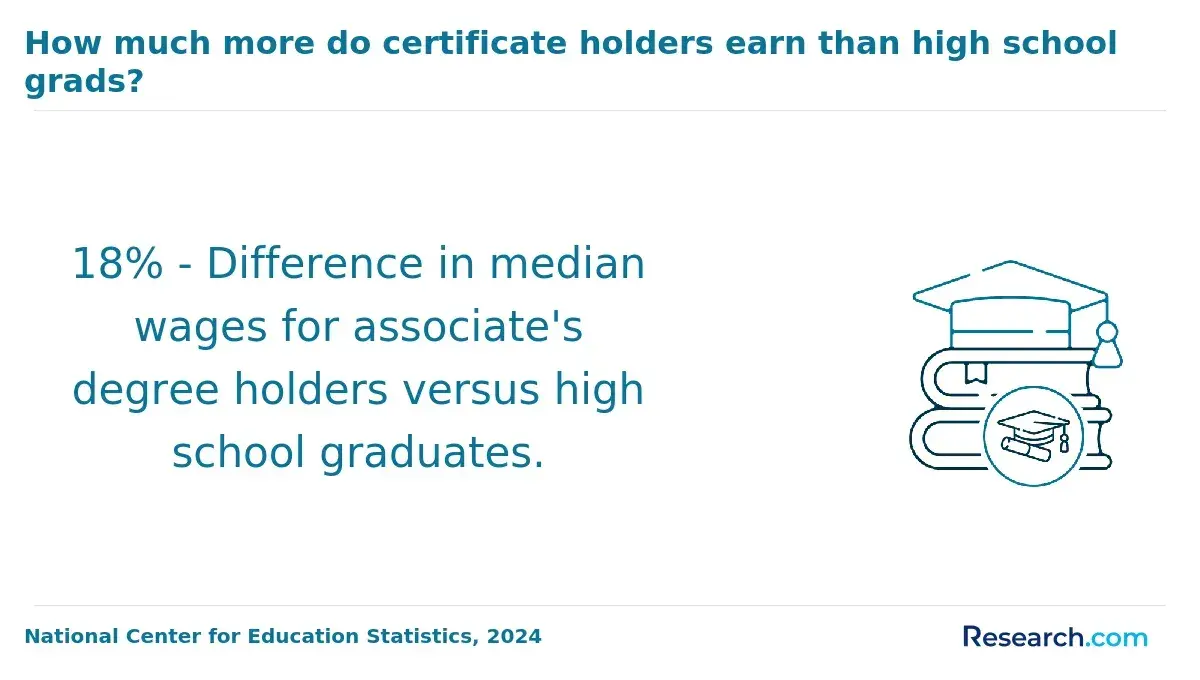
Evaluating the return on completing these admissions steps involves weighing the $24,000 median annual salary increase bachelor's degree holders earn versus high school graduates against the demands of application preparation and academic discipline. Realistically, candidates must anticipate time management challenges and documentation planning to avoid enrollment delays and ensure progress aligned with career timing.
How long do online marketing degrees take, and what scheduling options do students have?
Completing a bachelor's degree in marketing requires navigating tradeoffs between time, workload, and career priorities. The standard 120-credit curriculum typically spans four years full-time, but online programs offer flexibility that can extend or accelerate this timeline. For working professionals, part-time enrollment may stretch completion to five or six years, enabling steady income but demanding prolonged commitment.
Conversely, accelerated formats compress study into as little as two and a half to three years by leveraging heavier course loads and year-round classes, though these intensify academic pressure. For example, a mid-level marketing manager balancing full-time employment and family might prioritize a part-time pace to accommodate responsibilities, whereas a recent graduate eager to enter entry-level marketing roles might accept an accelerated schedule despite its rigors.
Asynchronous online classes enhance scheduling flexibility but some programs require synchronous sessions or group projects that constrain pacing. Additionally, credit transfer policies significantly impact completion speed, particularly for professionals bringing prior marketing experience or coursework, aligning degree requirements with employer expectations for validated expertise.
Effective program choice involves evaluating credit load, class format, and institutional policies against personal workflow and long-term goals. The reality is a strategic balancing act: maintaining consistent progress without sacrificing job performance or family obligations while producing a credential respected in hiring decisions.
How much do online marketing degrees cost, and what financial aid options are available?
Cost considerations for online marketing degrees often hinge on institutional type, program duration, and residency status, with annual expenses ranging from $5,000 to $20,000. Data from NCES, cited by Coursera, places the average tuition and fees at four-year public institutions near $9,750 in 2022-23, a useful benchmark though individual program pricing frequently varies, especially with accelerated tracks. For working professionals, hidden costs such as technology fees or necessary software may elevate real expenses beyond tuition alone.
Financial aid plays a critical role in managing these costs. Key sources include federal Pell Grants, which do not require repayment but target undergraduates with specific income thresholds, and federal student loans that offer fixed interest but can amplify debt burden over time. Some institutions provide online learner-specific merit scholarships, while employer tuition assistance is a practical advantage for those already employed in related fields, effectively reducing out-of-pocket spending.
Balancing work and study introduces tangible tradeoffs. For example, a marketing professional moving from sales support might prioritize affordable programs that minimize debt while allowing for steady income, avoiding financial strain during career transition. Managing total cost of attendance-including potential lost wages when studying full-time-is essential for sustainable budgeting and realistic planning.
What careers, roles, and industries can online marketing graduates enter with strong go-to-market training?
Graduates with strong go-to-market marketing training face distinct realities shaped by role-specific demands and industry contexts. Product marketing managers at SaaS firms, for example, must create strategies finely attuned to buyer personas and competitive pressures, requiring not only analytical skills but also rapid adaptability. Conversely, brand strategists in consumer packaged goods prioritize maintaining consistent messaging across diverse retail and digital channels, emphasizing brand coherence over short-term sales metrics.
Employers increasingly value marketing professionals who combine cross-functional collaboration with measurable impact, but graduates encounter friction adapting to evolving technology stacks and shifting customer behaviors. The integration of data analytics with traditional creative messaging introduces complexity that requires ongoing training in automation platforms, CRM tools, and agile methodologies.
Salary outcomes reflect how specialization correlates with market valuation of skills: entry-level copywriters earn about $61,142 annually, given their dual need for creative and technical writing expertise. In contrast, advertising sales representatives start closer to $48,637, reflecting negotiation and client relationship proficiencies. This divergence advises prospective students to weigh personal aptitudes against industry trends when selecting a specialization.
Industries with fast-paced innovation like technology and healthcare favor marketers skilled in accelerating launch cycles and reducing acquisition costs, while nonprofit or government sectors typically value messaging clarity and stakeholder engagement over pure sales tactics.
What salary ranges and job outlook can graduates of online marketing programs expect?
Entry-level salaries for online marketing graduates in 2026 typically range from $45,000 to $60,000, with mid-career professionals earning between $75,000 and $110,000 depending on industry and specialization. The U.S. Bureau of Labor Statistics forecasts a 10% growth rate for marketing managers through 2032, outpacing average occupation growth due to digital transformation and demand for data-driven strategies.
Employers favor candidates who combine foundational marketing knowledge with hands-on skills in digital analytics, customer segmentation, and product positioning. For instance, a marketing coordinator in technology might start near $50,000 but can reach $100,000 after five years by delivering measurable ROI improvements. Conversely, similar roles in nonprofit or education sectors often start lower, reflecting budgetary limits despite sustained demand.
Graduates must also understand practical cost metrics. Higher-education marketers spend approximately $140 per inquiry and $2,849 per enrollment, highlighting the high premium on effective messaging and conversion tactics per Search Influence.
Decision-making about programs should weigh salary potential against role volatility, with automation and AI shifting demands rapidly. Programs integrating go-to-market training can enhance employability by aligning skills with real-world challenges in competitive acquisition environments.
Other Things You Should Know About Marketing
Most bachelor’s programs require high school algebra, English composition, and a minimum GPA, often 2.5 to 3.0. Transfer students may need 24 to 60 prior college credits. Graduate programs usually ask for an accredited bachelor’s degree, official transcripts, and sometimes GMAT or GRE scores.
Employers recognize online marketing degrees as more comprehensive credentials that cover strategic understanding and communication skills vital to messaging and go-to-market roles. Certificates and bootcamps often focus on narrower skill sets or tools but lack broader business context and critical thinking development. Candidates with degrees typically face less scrutiny on foundational knowledge, making degrees preferable for mid-level and leadership roles, while certificates might suffice for entry-level positions or technical specialization.
Choosing between part-time and accelerated formats depends on career goals and capacity to manage workload. Part-time programs offer more manageable pacing, allowing deeper assimilation of messaging concepts and strategy while maintaining work responsibilities. Accelerated tracks reduce time to credential but increase intensity, potentially limiting time for practical application or networking. For meaningful mastery and ongoing employment, part-time is recommended unless there is clear capacity to sustain the faster pace.
References
- Accredited Online Courses: How to Pick Programs That Actually Count https://www.upskillist.com/blog/accredited-online-courses-how-to-pick-programs-that-actually-count/
- Top 8 Placement Opportunities After Digital Marketing Training | iDigitalStudies https://www.idigitalstudies.com/blog/placement-opportunities-after-digital-marketing-training
- 5 Most Popular Digital Marketing Jobs https://www.spheredigitalrecruitment.com/blog/5-most-popular-digital-marketing-jobs/
- What is a go-to-market strategy & how to create one https://www.demandbase.com/blog/what-is-a-go-to-market-gtm-strategy/
- Create a go-to-market strategy in 9 easy steps [2026] https://asana.com/resources/go-to-market-gtm-strategy
- Working in Marketing: what to study and how to train online https://www.digital-coach.com/articles/digital-job/career-guidance/working-in-marketing/
- Marketing and Communication Degree Careers and Salary in Europe - StudyinEurope.eu https://www.studyineurope.eu/marketing-communication/marketing-communication-degree-careers-salary-europe/
- What is a go-to-market strategy? A quick GTM guide | Stripe https://stripe.com/resources/more/what-is-a-go-to-market-strategy-a-quick-gtm-guide-for-startups
- Accredited Digital Marketing Courses https://digitalmarketinginstitute.com/educators/accreditation
- All 6 Types of Marketing Degrees: What Works Best for You | Brafton https://www.brafton.com/blog/content-marketing/types-of-marketing-degrees/