2027 Online Marketing Degrees With Strong Campaign Planning Training

Co-Founder and Chief Data Scientist
Marketing professionals aiming to lead complex campaign strategies frequently confront the challenge of mastering diverse skills within tight timeframes while balancing work and life commitments. The surge in online education reflects this demand, with nearly 50% of adult learners in the U. S. preferring flexible asynchronous programs, as reported by the National Center for Education Statistics. This shift signals a critical need for programs that combine strategic campaign planning rigor with adaptable online delivery, enabling career advancement without sacrificing current responsibilities.
This article evaluates online marketing degrees with strong campaign planning curricula designed to offer realistic pathways for skill acquisition and professional growth.
Key Things You Should Know
- Programs emphasizing campaign planning demonstrate 15% higher first-year salary averages but demand 18-24 months full-time study, limiting candidates seeking rapid workforce entry, per 2024 National Center for Education Statistics.
- Employers prioritize internships with direct analytic campaign roles; 67% of surveyed managers in the 2024 AMA report prefer graduates with measurable project outcomes over theoretical coursework alone.
- Rising tuition inflation averaging 6% annually since 2022 disproportionately impacts part-time professionals, pushing 40% toward alternative skill certifications rather than comprehensive degree programs, according to the College Board data.
What is an online marketing degree with a focus on campaign planning, and who is it best for?
An online marketing degree with campaign planning specialization is designed to cultivate proficiency in orchestrating complex advertising efforts that integrate both creative and analytic competencies. This education pathway demands mastery of data-driven targeting, budget allocation, and cross-channel execution, which aligns with the rising employer demand for professionals who can translate strategic business goals into measurable campaign outcomes.
For working professionals seeking the best online marketing programs for campaign strategy development, these degrees often serve as a pivotal bridge from operational roles to managerial responsibilities. A practical example includes a technology sector employee who applies campaign analytics to fine-tune phased product launches or a consumer goods manager coordinating seasonal promotions within strict ROI frameworks.
Employment projections from the U.S. Bureau of Labor Statistics underpin the pathway's viability, estimating a 6% growth rate between 2022 and 2032 with approximately 34,000 annual openings. However, candidates must navigate challenges such as evolving digital tools, remote team management, and balancing innovation with accountability.
The decision to pursue this specialization should be informed by program focus on applied projects, real-world marketing software, and analytics training to meet industry expectations. Students aiming for strategic roles might also explore adjacent fields, such as online finance programs; a comparative resource available is the best online finance degree.
How do online marketing degrees compare with campus programs for learning campaign strategy and execution?
Online marketing degree versus campus program for campaign planning presents distinct practical tradeoffs that influence employability and skill acquisition. Traditional campus programs excel in delivering hands-on, collaborative campaign strategy training through internships, in-person mentoring, and live project simulations-key for fast-moving sectors like retail and entertainment. Students benefit from immediate feedback loops that accelerate proficiency in budget management and integrated media execution.
In contrast, comparing campaign strategy training in online and traditional marketing degrees reveals online learners gain flexibililty and timely exposure to remote campaign management tools, aligning with a 13.4% employment growth among marketing specialists projected by Lightcast data summarized by Forbes Advisor. However, online students must actively pursue virtual internships and portfolio projects, which can extend the timeline to achieve readiness for strategic roles in fields such as technology or healthcare marketing.
Decision-making hinges on professional status and learning style: working professionals often leverage online formats to build real-world campaign understanding concurrently with employment, while newcomers may find campus programs better for immersive, peer-driven skill development. Both pathways demand supplementing core knowledge with ongoing industry engagement to address employer expectations for data analysis and strategic execution in over 799,000 U.S. marketing jobs reported in workforce data.
For professionals seeking flexibility without compromising entrepreneurial focus, programs like the MBA in entrepreneurship can integrate digital marketing acumen with business leadership.
What types of marketing degrees and certificates offer strong training in digital campaign planning?
Bachelor's degrees in digital marketing campaign planning deliver a comprehensive foundation that merges core marketing principles with practical data analytics and strategic campaign management. This combination equips graduates to navigate multi-channel orchestration demands common in retail, technology, and healthcare sectors. For instance, a Penn State marketing bachelor's graduate's median income approaches $54,000 by age 25 and nearly doubles by 45, reflecting a substantial lifetime ROI of over $800,000. Such figures support the value of deeper marketing study beyond execution-level skills.
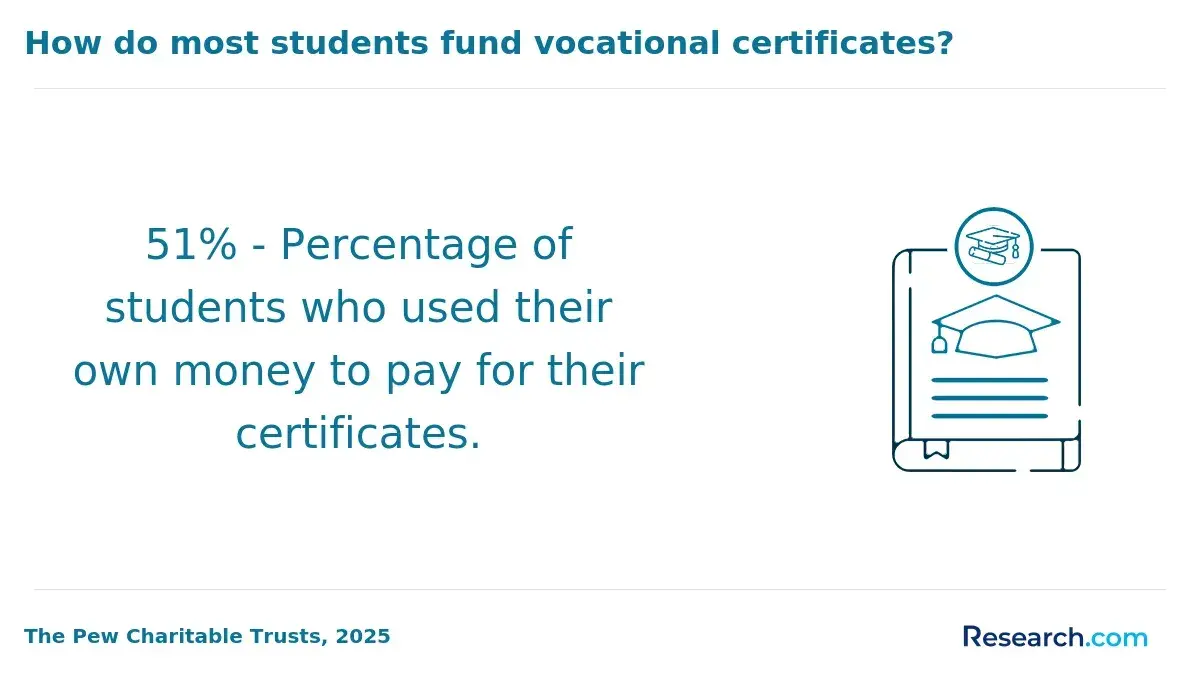
Certificate programs for advanced digital marketing strategy address targeted skill gaps in areas like paid media and SEO but often lack the broader strategic and budgetary training critical for higher-level campaign oversight roles. This limitation shapes their practical usefulness, especially when long-term career versatility is a priority.
Master's degrees in marketing or integrated marketing communications are structured to develop leadership and data-driven decision-making capabilities, emphasizing experiential work linked to real business challenges. However, they presuppose a marketing or analytics foundation, otherwise adding prerequisite coursework that increases time and cost. This makes program selection a careful balance of prior experience and career objectives.
Employers favor candidates who demonstrate measurable campaign results and platform fluency, often provided through embedded internships or cooperative education. Practical exposure reduces onboarding friction and enhances immediate value on the job.
For those considering a thoroughly vetted undergraduate route, exploring a bachelor project management program can also provide relevant cross-disciplinary skills applicable to campaign oversight roles.
Which accreditation and program quality indicators matter most for online marketing programs?
Regional accreditation recognized by the U.S. Department of Education or the Council for Higher Education Accreditation remains the most reliable benchmark when assessing accreditation standards for online marketing degrees. Programs lacking this foundational accreditation risk diminished credit transferability and employer recognition regardless of prestige. Beyond institutional credentials, program-specific accreditation from agencies such as the Accreditation Council for Business Schools and Programs (ACBSP) or the Association to Advance Collegiate Schools of Business (AACSB) offers key quality indicators for digital marketing courses, particularly in areas like campaign planning rigor.
Employers prioritize graduates whose education included practical experience aligned with real-world marketing challenges. Programs that embed internships, live projects, and strong employer partnerships-especially with marketing agencies or corporations-tend to improve job placement rates. Students targeting roles that require up-to-date skills with social media analytics or omnichannel marketing tactics should scrutinize curricular relevance carefully; the absence of hands-on campaign experience often signals poorer employability despite accreditation.
Cost disparities can mislead prospective students; tuition for online marketing undergraduate programs ranges significantly, influencing perceptions of value. A higher price tag does not automatically deliver superior practical training or industry connections, creating a nuanced tradeoff between expense and outcome. It's worth noting that some cost-effective programs with strong accreditation and employer networks can outperform expensive offerings lacking applied learning elements.
Those seeking an advanced complementary credential might consider programs like a masters in construction management, which illustrate how focused curriculum alignment with career goals drives program utility.
What core courses and projects build advanced skills in marketing campaign planning?
Advanced marketing campaign planning courses prioritize data-driven decision-making and strategic integration over theoretical frameworks. Students focus heavily on analytics and consumer insights to tailor omnichannel campaigns, often working with AI-powered forecasting tools to optimize budget allocation across competing digital platforms.
Strategic planning training involves developing comprehensive proposals that combine SEO, content, paid media, and email marketing with clear, measurable KPIs. Capstone projects simulate entire campaign cycles, demanding balance between creative tactics and ROI, a competency that employers consistently seek for immediate operational impact.
Given a projected $2.21 billion market growth in digital marketing education from 2026-2030 at an 11.8% CAGR (Technavio 2025 Digital Marketing Courses Market report), programs increasingly integrate AI-driven personalization and automation. These skills address evolving employer expectations for managing complex audience segmentation and message delivery efficiently.
Real-world scenarios, such as launching targeted campaigns in sectors with intricate consumer journeys like automotive or healthcare, reveal the challenge of balancing short-term conversion goals with long-term brand equity. Campaign planners must navigate multi-touch attribution models and iterative testing amid shifting deadlines and budget constraints.
How long do online marketing degrees take, and what do they typically cost?
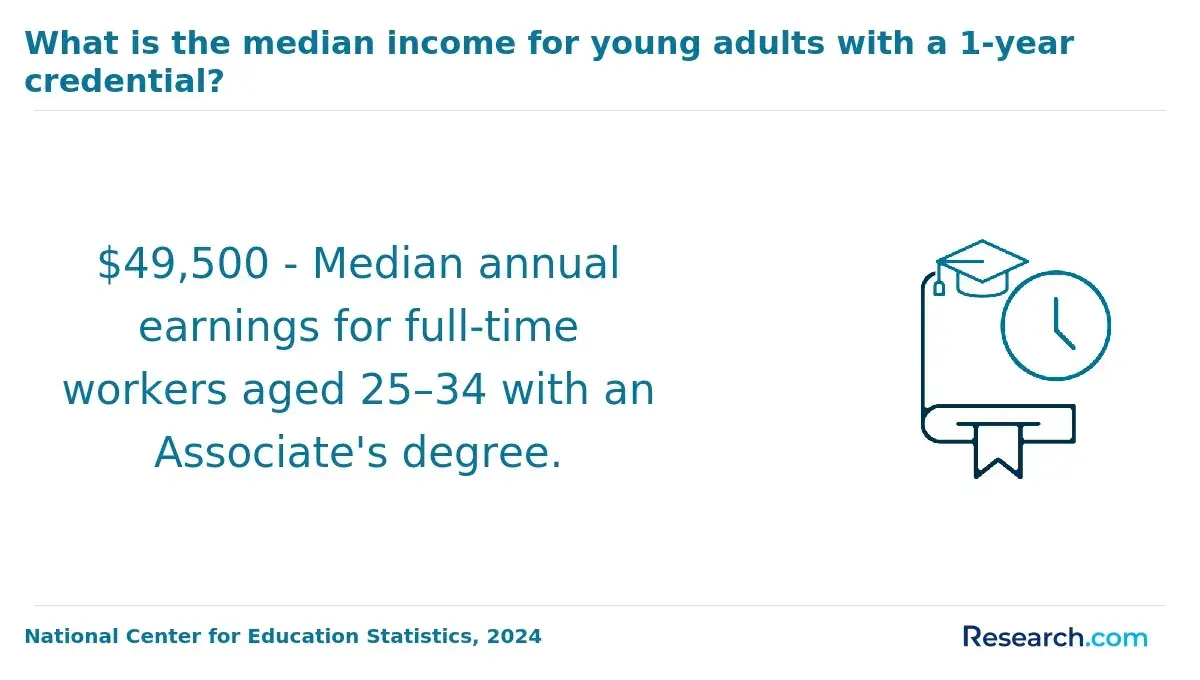
Investing in an online marketing degree demands balancing tangible costs against measurable career outcomes. While associate programs at community colleges cost between $5,000 and $15,000, bachelor's degrees at public universities range from $20,000 to over $60,000 for in-state students; private or out-of-state options often exceed $70,000. These figures do not guarantee return on investment (ROI). For instance, graduates from West Texas A&M University report a lifetime ROI near $55,297, whereas Penn State marketing alumni gain approximately $815,490, illustrating that institutional reputation and curriculum rigor significantly affect financial payoff beyond delivery format.
Beyond tuition, selecting programs that integrate practical projects and employer-recognized certifications directly aligns with workforce demands. Employers prioritize candidates who demonstrate campaign planning and leadership skills, which strongly influence hiring and promotion prospects. Programs focusing solely on cost-effectiveness but lacking applied experiential components risk graduating candidates less prepared for impactful marketing roles.
Professional students often juggle full-time employment, requiring flexibility and extended timelines; financial aids like employer tuition reimbursement or income-share agreements can ease upfront burden. Decision-makers must critically weigh these trade-offs:
- Program cost versus expected long-term earnings gains
- Hands-on competencies versus theoretical knowledge
- Time to completion given personal and work commitments
What are the admission requirements and application materials for online marketing degree programs?
Admission criteria for online marketing degree programs hinge less on test scores today and more on demonstrated academic readiness and practical experience. While a high school diploma or GED is the baseline for bachelor's entry, competitive programs may expect GPAs around 2.5 to 3.0. Standardized tests such as SAT or ACT scores have largely become optional since 2023, reflecting shifting evaluation priorities. Realistically, many admissions offices emphasize official transcripts to verify foundational skills in math and communication, essential for navigating quantitative marketing and strategic campaign design.
Applicants benefit from submitting a detailed personal statement and letters of recommendation that specifically attest to analytical strengths or project leadership relevant to marketing roles. Evidence of internships or work experience, often through a resume, serves as a critical differentiator in programs focused on campaign planning and implementation, aligning academic credentials with workplace expectations.
For those advancing beyond undergraduate study or transferring, prerequisite courses in marketing fundamentals, statistics, or business are commonly required. By 2026, some programs incorporate portfolio submissions showcasing concrete campaign work or digital marketing projects-key for professionals transitioning into marketing roles demanding proven competencies.
Major metropolitan centers like New York City, Philadelphia, and Chicago concentrate marketing degree awards, intensifying competition and underscoring the value of a well-rounded application combining academic proficiency with practical experience. This pattern reflects labor market demand and signals where educational investment can better convert to employment outcomes.
What marketing careers rely heavily on campaign planning skills, and what do these roles involve?
Campaign planning roles such as advertising managers, promotions managers, and marketing managers demand rigorous coordination of resources, audience targeting, and timing precision to reach business objectives. These positions require expertise in budgeting, market research, and cross-functional collaboration under tight deadlines. For example, an advertising manager in a B2B tech firm must customize campaigns to niche audiences by choosing appropriate trade publications and events. In contrast, nonprofit planners often navigate strict budget constraints while focusing on efficient fund allocation to maximize awareness.
The employment outlook for these roles shows a 6% growth rate through 2032, reflecting steady demand across corporate, nonprofit, and government sectors. Yet, real-world challenges include juggling shifting consumer preferences, managing compliance with privacy regulations, and accommodating fluctuating budgets-all of which complicate campaign execution beyond textbook strategies.
Key skills extend beyond typical marketing curricula and include data-driven decision-making, analytics tool proficiency, and adaptive communication with diverse teams. Practitioners must consistently balance multiple stakeholder priorities and adjust tactics in real time to optimize outcomes.
What salary ranges and job outlook can graduates with strong campaign planning skills expect?
Salary ranges for entry to mid-level roles in campaign planning typically span from about $55,000 to $90,000 annually, with digital marketing managers and marketing analysts concentrated between $70,000 and $85,000 according to U.S. Bureau of Labor Statistics data from 2024. This field's earning potential hinges on the ability to craft and analyze multichannel marketing strategies that drive measurable results.
Employers prioritize candidates skilled in attribution modeling, A/B testing, and multichannel performance measurement. For example, e-commerce campaign planners must skillfully allocate budgets between paid search and social platforms to influence performance bonuses. In B2B, justifying spend through sales funnel analytics impacts promotional opportunities and salary adjustments.
Projected job growth for marketing analysts outpaces many sectors, driven by the adoption of data-informed decision-making. However, wage progression beyond mid-career often requires integrating marketing technology expertise and data science proficiency to remain competitive as automation takes over routine tasks.
Professionals should proactively develop fluency in emerging marketing tools and cross-departmental communication to sustain upward mobility. Without this, salary stagnation is a realistic outcome despite solid foundational campaign planning skills.
How can students evaluate technology, support services, and internships in online marketing programs?
Effective evaluation of online marketing programs hinges on concrete access to industry-standard tools such as Google Analytics, HubSpot, or Adobe Creative Cloud. Students benefit most from programs offering active software licenses or realistic simulations, enabling hands-on management of marketing campaigns-a skill increasingly demanded by employers. For example, a candidate targeting retail marketing roles must check if CRM and e-commerce systems are incorporated to recreate authentic business environments.
Equally important is the responsiveness of support services. Delays in technical help or academic advising can stall project progress and weaken skill acquisition. Consistent, timely career counseling and digital literacy workshops correlate strongly with job placement success.
Internship quality warrants particular scrutiny. Students should confirm that placements exist with reputable companies where responsibilities include direct marketing campaign involvement rather than peripheral administrative work. Partnerships with established agencies or sector-focused firms in healthcare or technology not only build portfolios but also expand networking opportunities relevant to dynamic labor markets.
With the sector evolving rapidly-evidenced by the Technavio 2025 Digital Marketing Courses Market projecting an 11.8% CAGR from 2026 to 2030-students must also balance program length against immediate objectives, weighing full degrees against shorter certificates or bootcamps that emphasize applied skills and portfolio development.
Other Things You Should Know About Marketing
Employers look for candidates who can translate theory into actionable campaign results. Programs that integrate real-world case studies, live projects, and the use of current industry tools provide graduates with a clear advantage. Degrees offering practical campaign simulation or client-based assignments better prepare students to meet employer expectations for immediate contribution, unlike those focused heavily on theory.
The program should be offered by a school accredited by a U.S. Department of Education–recognized agency, such as regional accreditation. Only accredited schools can usually access federal Title IV aid, including Pell Grants and Direct Loans through the FAFSA system.
Specializing in campaign planning offers focused skill development, but it may limit exposure to complementary areas like analytics, branding, or content strategy, which many employers also highly value. For career flexibility, programs blending campaign planning with cross-functional marketing subjects enhance employability. Prioritize degrees that integrate campaign skills with data interpretation and strategic communication for a well-rounded profile aligned with evolving market demands.
Employers typically expect graduates from 2026 online marketing degrees with strong campaign planning focus to possess skills in digital analytics, social media strategies, and content creation. Additionally, proficiency in using marketing automation tools and understanding consumer behavior is crucial for translating knowledge into effective campaigns.
References
- Marketing Job Descriptions - Marketing Job Salaries Guide https://www.orbitmedia.com/blog/marketing-job-descriptions-salaries/
- What to Expect from a Marketing Internship & More https://www.crccasia.com/2026/03/25/marketing-internships-role-expectation/
- CourseCareers https://coursecareers.com/blog-posts/how-digital-marketing-courses-teach-skills
- 8 Top Marketing Certification Programs That Will Advance Your Career in 2026 | Modern Marketing Institute https://www.modernmarketinginstitute.com/blog/8-top-marketing-certification-programs-that-will-advance-your-career-in-2026
- Types of Marketing Roles to Succeed in Marketing Career https://www.internwise.co.uk/candidate-journey/career-paths/types-of-marketing-roles-to-succeed-in-marketing-career
- How Much Do Digital Marketing Courses Cost? https://blog.nobledesktop.com/learn/digital-marketing/how-much-is-a-digital-marketing-course
- Quality Matters Homepage https://www.qualitymatters.org/
- The best digital marketing training programs of 2026 https://www.t-shapedacademy.com/guides/best-digital-marketing-training/
- Higher Education Marketing: Strategies and Trends to Know https://moderncampus.com/blog/higher-education-marketing.html
- How to Fast Track Digital Marketing Certification Online https://claas2saas.com/blog/how-to-fast-track-digital-marketing-certification-online/