2027 Marketing Specializations for Product Marketing Careers

Co-Founder and Chief Data Scientist
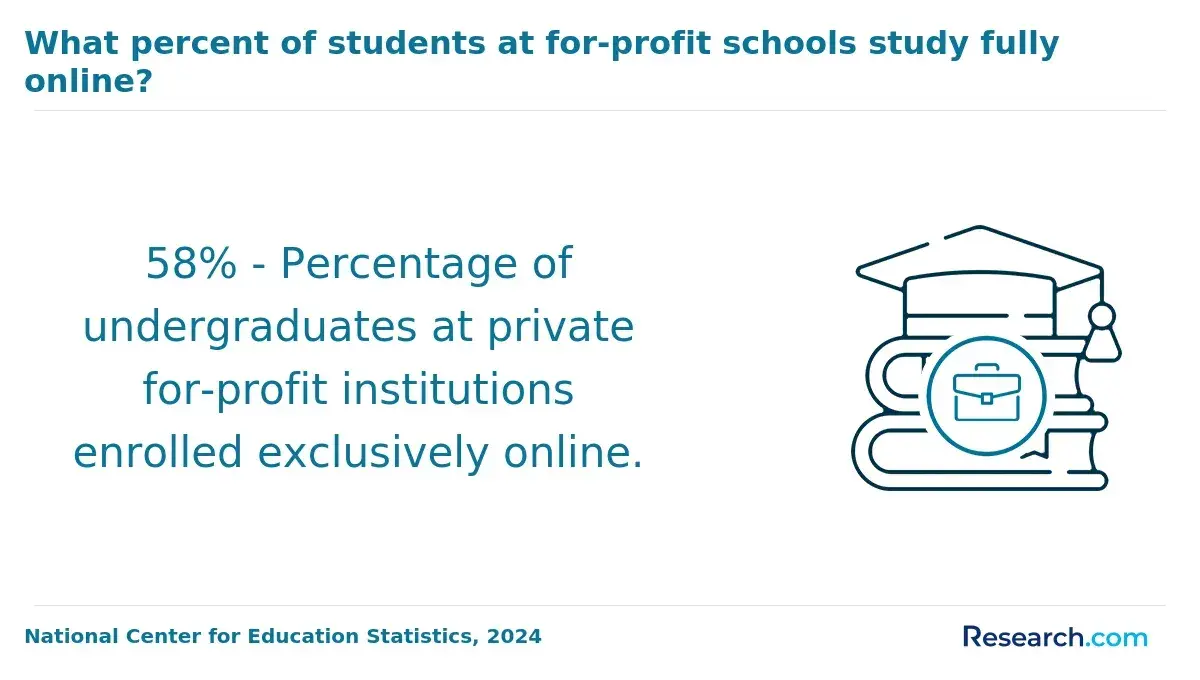
Mid-career professionals face a tough decision when selecting a marketing specialization: how to pivot effectively without sacrificing time or income. With 58% of adult learners prioritizing flexible online formats according to the National Center for Education Statistics, accessibility shapes enrollment choices more than ever. Yet, the proliferation of specialized tracks complicates which skill set aligns best with evolving employer needs and growth sectors within product marketing.
Employers increasingly seek candidates with niche expertise that translates to immediate impact, challenging students to anticipate market demand and avoid oversaturated fields. This article outlines the leading marketing specializations tailored to realistic job market signals and practical career outcomes, equipping readers to choose paths that optimize advancement potential.
Key Things You Should Know
- Specializing in data analytics for product marketing yields 22% higher median salaries but requires mastering complex tools, extending credential completion times by an average of 4 months per Burning Glass labor market analysis.
- Employers increasingly demand integrated AI proficiency alongside traditional product marketing skills, with 68% of hiring managers prioritizing hybrid tech-marketing roles per Deloitte's 2024 talent survey, forcing curriculum alignment tradeoffs.
- Certifications focusing on sustainability in product marketing show growing job growth rates (12% increase since 2023) according to the U.S. Bureau of Labor Statistics, though such niche specialization may limit immediate mass-market employability.
What is a marketing specialization for product marketing careers?
Specializing in product marketing demands a granular understanding of distinct product lifecycles and a capacity to translate complex attributes into market-ready narratives. For instance, product marketing career paths in product marketing diverge sharply between sectors: a technology product marketer must synchronize development and sales while conveying technical value clearly; meanwhile, in consumer goods, the focus shifts to retail strategies and consumer behavior adaptation.
This specialization requires candidates to excel in competitive analysis, customer segmentation, and cross-functional collaboration, aligning market intelligence with sales enablement. Practically, the specialized skills for product marketing professionals include constructing positioning frameworks, devising go-to-market plans, and interpreting market data to refine pricing strategies.
Employers prioritize this blend of analytical and communication proficiency, reflected by the median salary of $155,043 for core roles as of Q1 2025 per GTM 8020 data, indicating strong employer demand and competition. However, program selection should weigh curricula with case-based learning and direct market data application against those emphasizing theoretical marketing concepts.
Students must also manage logistical challenges like internship timing relative to product lifecycles and mastering relevant software tools. Without such practical components, employability in these nuanced roles diminishes. Those considering strategic career pivots might explore an online MBA entrepreneurship as a potential avenue to complement product marketing expertise through enhanced business and leadership skills.
Which degree do you need for product marketing roles?
The core expectation for product marketing roles remains a bachelor's degree in marketing, business administration, communications, or a closely related field, with emphasis on candidates who understand market research, consumer behavior, and strategic communication. For example, those pursuing a product marketing degree requirements in tech sectors benefit from digital channel expertise, while industries like healthcare or manufacturing prioritize applicants who combine marketing fundamentals with regulatory or supply chain knowledge.
Employers prioritize measurable growth capabilities over academic pedigree alone. This is reflected in a 19.3% year-over-year growth in demand generation and growth marketing roles in 2025. Although an MBA can sharpen strategic and leadership skills valuable in senior roles, it remains non-mandatory for most product marketing positions. Practical considerations in choosing the best degrees for product marketing careers include access to experiential learning such as internships or real product projects, which deepen readiness for cross-functional collaboration.
For professionals without formal degrees, targeted certifications in digital marketing, analytics, or product management can supplement experience but rarely replace the comprehensive foundation a degree provides. Career pivoters often require flexible program formats to balance work and reskilling demands. Those weighing advanced options may consider fastest executive MBA programs as an alternative pathway that fits practical timelines and industry relevance.
Is an accredited online marketing program worth it?
Accredited online marketing certifications in the US offer tangible value primarily as verifiable credentials that align with employer expectations for foundational knowledge and measurable skillsets. Hiring growth for digital and performance marketing is moderate, predicting about a 4.4% rise, making it a competitive field where generalized credentials hold less weight than demonstrated expertise.
Practical application remains decisive. Workers who complement accredited marketing programs with internships or client projects gain distinct advantages over those with credentials alone. Employers, especially in product marketing sectors, often prioritize candidates with standardized certifications from recognized accreditation bodies because these credentials guarantee baseline familiarity with analytics, segmentation, and campaign management.
However, the benefits of accredited marketing programs for career growth vary by niche: tech product marketing at SaaS companies frequently values platform-specific certifications and real-world portfolios more than traditional coursework, whereas B2C or retail marketing roles typically require broader, accredited curricula to satisfy hiring standards. Students should critically assess the time and cost tradeoffs against the availability of experiential learning opportunities within these programs.
Strategic choices include selecting offerings that integrate practicum components or access to professional networks, which can improve return on investment and employment outcomes. These assessments are similar to evaluating options such as an operations management MBA online, where practical relevance and direct workforce applicability guide decisions.
What courses are included in product marketing programs?
Product marketing certification courses converge on research-driven skill sets critical for the practical demands of today's marketing roles. With the U.S. Bureau of Labor Statistics projecting 13% employment growth for market research analysts through 2032, programs emphasizing customer insights, competitive positioning, and go-to-market execution align closely with actual employer expectations.
A core challenge lies in translating quantitative and qualitative data into tactical strategies that resonate within specific sectors-technology demands precise feature-benefit articulation, while consumer goods rely heavily on emotional and lifestyle alignment. A product marketing program curriculum overview reveals a strong focus on data analytics proficiency.
Students train in customer segmentation and statistical modeling to anticipate buying behavior and optimize product-market fit. Messaging coursework centers on dissecting competitive landscapes and crafting narratives that differentiate in saturated markets, including complex sectors like SaaS and pharmaceuticals. These elements combine in simulations of product launches, requiring cross-functional collaboration with sales, finance, and development teams.
Given the time constraints facing working professionals, many product marketing certification courses incorporate flexible schedules and hands-on projects to generate portfolio-ready work. Decision-makers evaluating programs should consider how well these offerings integrate data visualization and applied software skills-capabilities employers increasingly prioritize for tactical execution amid evolving market dynamics.
For those considering accelerated educational pathways, the fastest business degree online options may complement product marketing program curricula by facilitating quicker professional pivots without sacrificing depth of learning.
How do online and campus marketing programs compare?
Choosing between online and campus marketing programs hinges on the interactions students prioritize and the industry demands they face. Campus programs provide embedded access to career fairs, alumni, and guest speakers, which notably benefit roles within sectors emphasizing direct interpersonal connections-such as consumer goods marketing-where hiring often relies on relationship-building. In contrast, online programs cater to professionals juggling work and study, enabling transitions into remote-dominant positions like digital content strategy or brand management.
Employer preferences now prioritize demonstrable skills through portfolios, certifications, and applied projects over the program format itself. Yet, on-campus programs often embed experiential learning such as live case studies and team projects under close faculty supervision, cultivating collaborative skills useful in strategic marketing functions. Online programs replicate these experiences with digital tools and real-time feedback but tend to offer less direct oversight.
Graduates focusing on fields like brand and storytelling marketing contend with a market paying an average $128,000 annually (per the American Marketing Association). Here, campus credentials may carry traditional weight, yet agile online programs frequently maintain currency with digital marketing trends. Campus pathways excel when networking and concentrated industry engagement drive career outcomes. Online degree social media marketing routes fit learners requiring schedule flexibility and digital proficiency for evolving marketing tasks.
What admission requirements do marketing programs usually have?
Admission to marketing programs balances academic readiness with proven practical capabilities, especially in rapidly evolving niches like partner and channel marketing. A bachelor's degree in business, communications, or related fields remains a baseline requirement, often reinforced by a minimum GPA threshold around 3.0 to ensure candidates can manage specialized coursework.
However, employers and programs increasingly weigh relevant work experience heavily-candidates with measurable project results gain a distinct edge, reflecting workforce demand that drove 46% job growth and 16.2% salary increases in these sectors. The reliance on standardized tests such as the GRE or GMAT has diminished, with many institutions prioritizing professional expertise over scores.
Letters of recommendation still act as qualitative signals of strategic and communication aptitude, while personal statements must go beyond generic goals to demonstrate alignment with data-driven marketing strategies and ecosystem adaptability.
Prospective students should anticipate competitive admissions that favor those able to present quantifiable successes and portfolios. Timing conflicts between admissions cycles and ongoing professional responsibilities represent a practical challenge, particularly for working adults aiming to pivot within marketing careers.
How long does a product marketing degree usually take?
Completing a product marketing degree is as much a strategic decision as an academic one, especially when balancing time investment against career goals. Associate degrees or certificates take about two years, suitable for working professionals targeting immediate skill gains, while bachelor's degrees span four years and cover more comprehensive marketing fundamentals with product specializations.
In fast-evolving sectors like tech and SaaS, employers increasingly prioritize proven skills and relevant experience over lengthy credential timelines. Product marketers proficient in product-led growth and data analytics often compete effectively with either short-term certifications or traditional degrees. For example, a candidate with a focused certificate paired with practical cross-functional project experience can match or exceed the employability of a four-year graduate in many roles.
Bachelor's graduates may access strategic and leadership paths within organizations adapting to complex market dynamics, whereas certificate holders typically accelerate entry into operational or mid-level positions with less upfront time commitment.
Product marketers earned an average salary of $148,000 in 2026 with 6% projected job growth, reflecting demand for specialized expertise (OneHourDigital). Prospective students should emphasize programs offering measurable outcomes, current product-led growth alignment, and hands-on projects to better meet evolving employer expectations.
What jobs can you get with a product marketing specialization?
Product marketing specialization directly targets roles demanding both analytical rigor and product domain expertise, such as product marketing manager or brand manager. This dual focus explains salary growth trends, with median compensation for marketing-related functions reaching $84,999 in Q2 2025-an 8.7% increase from the prior year, per data from GTM 8020.
For example, tech product marketing managers apply user analytics to optimize feature positioning and pricing, while brand managers in consumer goods emphasize region-specific narratives tied to retail behaviors. The roles require balancing competing priorities: managing cross-functional teams, interpreting market signals, and navigating tradeoffs between innovation and demand constraints.
Proficiency with advanced analytics tools and CRM platforms is increasingly non-negotiable to demonstrate campaign ROI. Junior positions typically support segmentation and sales enablement, whereas senior roles orchestrate full product lifecycle and launch strategies, reacting dynamically to market feedback.
Advancement hinges on data fluency and demonstrable outcomes-such as quantifiable customer acquisition or revenue gains linked to targeted campaigns. Without ongoing skills updating, especially in analytics and customer insights, professionals risk plateauing into generalized marketing roles with less influence and compensation. Hiring managers prioritize measurable impact over generic marketing experience, making strategic specialization essential.
How much do product marketing professionals earn?
Product marketing roles that incorporate AI, automation, and Martech skills command substantially higher incomes, with median wages near $161,030 annually and top 10% earners exceeding $239,200, according to the U.S. Bureau of Labor Statistics data from 2024. This income differential is a direct consequence of the technical expertise and strategic capabilities required to integrate emerging digital tools effectively.
Geographic and industry variances further affect earning potential. Marketers in Silicon Valley or New York, where digital ecosystems thrive, often reach or surpass these upper wage brackets. Conversely, smaller markets or industries with less digital reliance typically align closer to median salaries. Prospective professionals must weigh relocation or remote work options carefully, balancing cost of living and career payoff.
Practical tradeoffs emerge when considering the acquisition of advanced AI and Martech skills. Candidates lacking these proficiencies tend to face stagnation around median wages, regardless of experience. Employers are increasingly focused on applying machine learning and automation to optimize campaign efficiency, demanding continuous upskilling.
- Certification programs targeting AI-driven product marketing provide a path to higher salaries but require evaluating time and financial commitments against expected returns.
- Automation trends may reshape job functions, making adaptability essential to maintain market relevance and top-tier compensation.
- Understanding specific employer requirements narrows focus and prevents misaligned education investments.
What certifications help with product marketing careers?
Product marketing certifications like Certified Product Marketing Manager (CPMM) remain vital in a market where each open product marketer role attracts 118 applicants, per OneHourDigital projections for 2026. This fierce competition makes credentials that certify mastery of core competencies-go-to-market strategies, buyer persona insights, and competitive analysis-critical differentiators.
Particularly in tech and SaaS sectors with fast product cycles and complexity, employers expect candidates to demonstrate skills beyond general marketing, favoring those versed in data-driven decision-making and analytics. Credentials incorporating quantitative analytics, such as those from the Product Marketing Alliance, serve professionals shifting into product marketing by evidencing measurable ROI capabilities.
However, the practical value of certification depends heavily on industry alignment and program rigor. For example, regulatory-focused certifications hold more weight in healthcare technology roles, while consumer electronics employers seek expertise blending product messaging with digital marketing tactics. Balancing certification with hands-on experience is essential.
Simply holding a credential without a project-based portfolio risks limited returns in terms of employability. Successful candidates tailor their certification choices to specific job requirements and commit to ongoing skill updates, acknowledging the rapid evolution of product lifecycles and customer expectations.
In effect, the decision to pursue a product marketing certification demands careful evaluation of tradeoffs between credential relevance, practical assessment components, and strategic learning investment to optimize career impact in competitive environments.
Other Things You Should Know About Marketing
Broad marketing knowledge provides flexibility but may dilute your expertise in product marketing's unique demands like lifecycle management and competitive analysis. Early specialization enhances your appeal for focused roles but narrows employment options. For strategic career pivots, start with a core marketing foundation, then quickly deepen product marketing skills through targeted courses or projects to balance adaptability with relevant specialization.
Product marketing specialists should know Google Analytics 4, Tableau or Power BI, and a CRM such as Salesforce. These tools help track campaign performance, build dashboards, and measure funnel conversion rates. Many entry-level roles also expect spreadsheet skills for cohort analysis and reporting.
Employers prioritize practical accomplishments and measurable results over formal education alone. Education serves as a baseline qualifier but does not replace demonstrated success in product launches, cross-functional leadership, and market insights. Candidates who supplement academic credentials with internships, portfolio projects, or relevant work experience meet employer standards faster and secure better roles than those relying solely on coursework.
References
- How to become a product marketing manager https://www.productmarketingalliance.com/become-product-marketing-manager-video/
- How to apply for a Bachelor in Marketing ? - ESCE https://www.esce.fr/en/faq-all-the-answers-to-your-questions/how-to-apply-for-a-bachelor-in-marketing/
- Best Product Marketing Courses to Build In-Demand Skills https://cxl.com/blog/best-product-marketing-courses/
- What’s the Difference Between Online vs. On-Campus Digital Marketing Master’s Programs? | Digital Marketing Institute https://digitalmarketinginstitute.com/blog/whats-the-difference-between-online-vs-on-campus-digital-marketing-masters-programs
- Online Bachelor's Degree Marketing https://www.umgc.edu/online-degrees/bachelors/marketing
- Navigating Online Program Marketing in a Sea of Change | Carnegie https://www.carnegiehighered.com/online-program-marketing-without-opms/
- Accredited Product Marketing Certifications https://learning.productmarketingalliance.com/
- Product Marketing Manager Salaries (UK) And What Influences These https://www.intelligentpeople.co.uk/product-marketing-manager-salary-uk/
- How do I get into a marketing school? - Sup de Pub https://www.supdepub.com/en/guide/how-do-i-get-into-a-marketing-school/
- Jobs You Can Get as a Certified Product Manager | Pragmatic Institute https://www.pragmaticinstitute.com/resources/articles/product/certified-product-manager-jobs/