2027 Online Environmental Science Degrees With Environmental Health Foundations

Co-Founder and Chief Data Scientist
Professionals entering or advancing in environmental science often confront the challenge of balancing rigorous workforce demands with the need for timely, accessible education tailored to environmental health foundations. As workforce projections from the U. S. Bureau of Labor Statistics indicate a 17% growth in related occupations through 2032, delays in credential acquisition risk missed opportunities in a competitive market.
Meanwhile, the National Center for Education Statistics reports that over 40% of graduate students now enroll exclusively in online programs, reflecting a critical shift toward flexible learning that accommodates working adults. This growing trend reshapes how prospective students evaluate program availability and scheduling constraints. The article clarifies the landscape for environmental science degrees with environmental health components available through fully online formats, empowering readers to identify programs aligned with their career timelines, learning preferences, and sector-specific qualifications.
Key Things You Should Know
- Online environmental science degrees with environmental health foundations yield 12% lower average starting salaries than specialized regional in-person programs, intensifying the tradeoff between accessibility and immediate earning potential per 2024 National Center for Education Statistics data.
- Employers increasingly prefer graduates demonstrating integrated data analytics skills within environmental health curricula, with 68% of surveyed firms prioritizing these competencies for mid-level hires, reshaping curriculum emphasis across online platforms.
- Program completion timelines average 30% longer online due to limited hands-on lab access, prompting extended opportunity costs and affecting mid-career pivot feasibility as reported by a 2024 Council on Environmental Education study.
What is an online environmental science degree with an environmental health foundation?
An online environmental science degree program with a focus on environmental health integrates traditional ecosystem study with targeted training in human health risks from environmental exposures. This blend equips graduates to manage workplace safety protocols, reduce toxic exposures, and implement community-level health interventions, skills increasingly required by employers.
For instance, an environmental health specialist might develop initiatives that limit airborne contaminants in industrial settings, directly impacting employee well-being. The Bureau of Labor Statistics projects 6% employment growth for environmental scientists and specialists through 2032, highlighting steady demand for professionals with this interdisciplinary expertise.
Working professionals pivoting careers will find this degree valuable in roles like industrial hygienist or regulatory affairs analyst, where interpreting environmental data with human health implications is essential. The benefits of earning an environmental science degree in environmental health online include flexible course access and applied epidemiology, toxicology, and risk assessment training.
However, prospective students must verify program accreditation and alignment with certification requirements such as the Registered Environmental Health Specialist Exam, as not all online degrees meet these benchmarks. Hands-on experience is critical and may require virtual labs or approved internships, which vary widely by program.
Candidates should carefully assess available practicum options to ensure they meet industry expectations. Clear career targeting is necessary, as pure environmental science roles may emphasize ecological systems more than health-focused degrees, which build skills for data-driven decision-making and regulatory evaluation. For those evaluating this pathway, reviewing specialized program details and outcomes at online environmental health and safety degree resources can offer deeper insight tailored to career objectives.
How do online environmental science programs compare to campus-based options for environmental health?
Campus-based environmental health degrees consistently provide stronger preparation for technical roles requiring hands-on lab work and field experience, elements crucial for employer expectations in pollutant sampling, exposure assessment, and toxicology. Environmental science professionals working in regulatory agencies or industrial hygiene often need these applied skills from day one, which many online environmental science programs struggle to replicate fully.
In contrast, online formats emphasize flexibility, favoring professionals targeting leadership, policy, or data analysis roles rather than direct field engagement. These programs adapt well to career pivots that rely on updated environmental regulations and risk management frameworks, integrating recent datasets relevant to evolving health standards.
However, students pursuing purely remote study must secure internships or local placements independently to avoid gaps in practical competencies, a challenge highlighted in comparisons between distance learning and traditional environmental science programs. Real-world workforce demands are underscored by a 2019 statistic: approximately 23% of global deaths (about 12.6 million people) stemmed from environmental causes such as pollution and chemical exposures.
This drives sustained demand for professionals who can translate research into effective public health actions-skills more reliably fostered through campus-based programs leveraging specialized labs and community partnerships. For those weighing educational investments beyond environmental health, exploring options like an online masters in data science can complement environmental data analysis skills and enhance interdisciplinary marketability.
Which U.S. online environmental science degrees offer recognized accreditation in environmental health?
Employers in public health and environmental consulting consistently favor graduates from accredited programs due to the precise competencies required in environmental health, including risk assessment and toxicology. Accredited online environmental science degrees in the U.S. with environmental health components typically come from institutions recognized by the Council on Education for Public Health (CEPH) or U.S. Department of Education-approved regional accreditors.
Universities such as the University of North Carolina at Chapel Hill and the University of Florida offer fully online bachelor's programs with CEPH accreditation, assuring that graduates meet professional standards necessary for regulatory compliance and government roles. These programs support clear professional pathways, while degrees lacking recognized accreditation may limit job prospects or require additional certification for advancement.
Workforce data reflect practical benefits of these credentials: online bachelor's graduates in environmental science generally experience lower loan default rates (11.01%) when compared to associate degree holders (14.32%), alongside early-career salaries averaging $42,100 and rising to $73,500 mid-career. Such figures illustrate the return on investment for students seeking strategic employment in environmental health sectors.
Prospective students evaluating U.S. online environmental science programs recognized for environmental health accreditation should consider how employer priorities and licensing requirements affect long-term career sustainability. For insight into similar pathways blending science and health disciplines, reviewing an online degree in exercise science program may offer useful comparative context.
What courses and specializations focus on environmental health in online environmental science curricula?
Effective online environmental science courses with environmental health focus equip students to analyze toxicological pathways and epidemiological data critical for regulatory and public health roles. These programs emphasize competencies in biostatistics and geographic information systems (GIS) to assess environmental contaminant impacts on populations, preparing graduates for real-world scenarios like evaluating the effects of PFAS chemicals on community health.
Employer demand underscores proficiency in software such as R, Python, or SAS to manage complex datasets for climate mitigation and urban health planning. National data from EnvironmentalScience.org places median salaries around $104,350 for environmental scientists demonstrating strong analytics capabilities.
However, prospective students must weigh program depth-particularly in statistics and regulatory context-and seek curricula offering practical projects or internships that bridge theory with workforce application. For those evaluating pathways to pivot or enhance their environmental science career, consideration of comparable programs in adjacent fields is advisable. For example, a computer science degree online may complement environmental data expertise, expanding roles involving environmental informatics or modeling.
What are typical admission requirements for online environmental science degrees in the U.S.?
Admission to online environmental science degrees typically hinges on demonstrating proficiency in foundational STEM subjects, with schools often requiring a minimum GPA around 2.5 to 3.0. Beyond transcripts, applicants must prepare for personal statements that clarify their motivation and career trajectory within environmental science.
Transfer and graduate candidates face added prerequisites, including relevant prior credits or degrees, alongside letters of recommendation affirming scientific competence and dedication to environmental health challenges. The practical impact of these requirements is significant. Students without prior exposure to core science courses should plan prerequisite completion carefully to avoid delays, especially when shifting from unrelated fields.
Working professionals must weigh these timelines against job duties and documentation needs, which can complicate admission logistics. The alignment between admissions standards and employer expectations is explicit: candidates must be equipped for applied work in areas such as environmental toxins, data analysis, and regulatory compliance to maximize employability.
Understanding this nexus has real labor-market implications. For example, environmental scientists earn approximately $66,250 annually, yet related roles like geoscientists or atmospheric scientists may command salaries near $90,000, indicating that advanced credentials and strong foundational knowledge can influence income tiers and career opportunities.
How long do online environmental science programs take, and what do they cost?
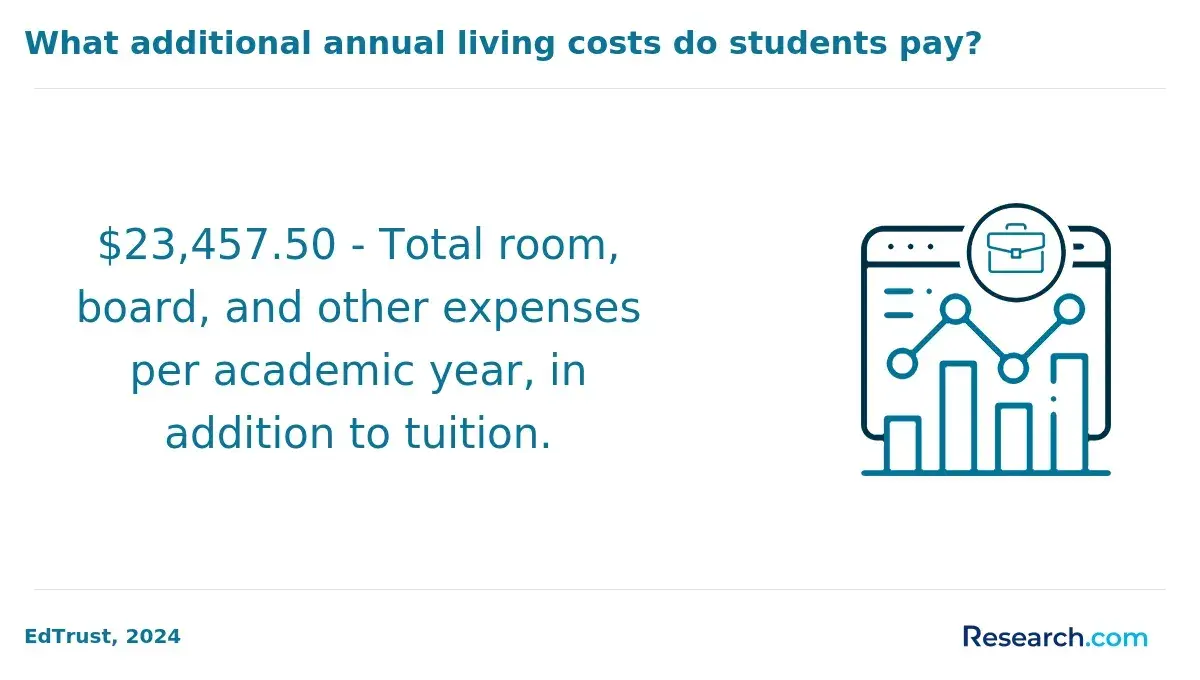
Choosing an online environmental science program requires balancing time, cost, and the specialized skills demanded by employers, particularly in data-intensive roles. Programs vary from two-year certificates to four-year bachelor's degrees, with accelerated and part-time options affecting both duration and financial strain.
For working professionals, the tradeoff often lies between longer, lower-cost part-time study and shorter, more intense full-time commitment that enables earlier workforce entry. Beyond general environmental concepts, employers are increasingly seeking candidates with strong quantitative competencies-GIS, statistics, and programming-which may necessitate additional coursework.
For example, an individual pivoting to environmental data science, a field growing at over 33%, faces longer program times or higher tuition but gains substantially improved employability and earnings, with median salaries around $120,230 according to ASU Online Earth and Environmental Sciences career data. Costs for online undergraduate programs vary, typically between $15,000 and $30,000 annually at public universities, and can exceed $40,000 at private institutions. Students must also budget for lab fees, software licenses, and other course-specific expenses essential for hands-on data training. For those balancing full-time work, assessing program curriculum against labor market demands-and prioritizing quantitative environmental health skills-is crucial to avoid undermining hiring prospects in an increasingly analytical job market.
What environmental health careers can you pursue with an online environmental science degree?
Environmental science degrees online offer access to roles that demand precise technical and regulatory knowledge, but graduates must weigh practical outcomes against program costs and credentialing hurdles. For instance, industrial hygienists in manufacturing environments must integrate environmental science with occupational health protocols to manage hazardous exposures safely, a role paying between $60,000 and $90,000 annually depending on experience and certifications.
These positions often favor candidates who supplement their degree with recognized industry certifications. Environmental compliance specialists provide critical oversight for organizations navigating complex federal and state regulations. Their business-facing work includes preparing thorough compliance documentation and conducting site evaluations to ensure EPA standards are met.
These roles thrive where regional regulations are strict and industries face increasing enforcement. Occupational health analysts extend environmental knowledge into health data assessment, designing workplace interventions in areas such as air quality and chemical exposure.
Employers typically expect advanced certifications or relevant field experience beyond the degree itself, requiring targeted investment. Prospective students should consider that an online BS in environmental science can cost roughly $525 per credit hour, amounting to about $63,000 for a 120-credit program (University of Arizona Online). Such costs highlight the importance of aligning program pricing with expected returns, particularly in sectors where employer demand and certification requirements fluctuate.
What salary ranges and earning potential exist for environmental health professionals?
Graduates with online master's degrees in environmental health face a market shaped by sector and location-specific wage dynamics rather than uniform salary trajectories. Early-career pay averages around $50,400, climbing to approximately $84,700 mid-career according to labor-market data from OnlineColleges.net, but these figures mask important distinctions.
For example, government employees typically start between $48,000 and $55,000 but encounter slower salary growth due to public-sector constraints. Private-sector consultants in environmental firms often surpass six figures within 10-15 years, particularly those who develop expertise in regulatory compliance or sustainability.
Higher salaries in specialized fields like toxicology or epidemiology come with the caveat of additional certifications or clinical experience beyond a standard environmental health curriculum. Geographic influences are significant: metropolitan areas with stringent environmental regulations can offer pay 10-20% above national averages, whereas rural areas generally pay less.
Professionals leveraging online master's programs should balance the flexibility gained against potential employer preferences for conventional degrees in competitive markets. Strategic networking and field-specific experience remain critical to accessing higher wage brackets.
What is the job outlook and industry demand for environmental health and environmental science roles?
Environmental science careers increasingly require interdisciplinary expertise that bridges scientific, health, and policy domains. The Bureau of Labor Statistics forecasts a 4% employment growth in this field through 2034, driven by demand for professionals who integrate climate monitoring, environmental health assessment, and ecological data analysis. Candidates without cross-sector training often face limited roles or slower advancement.
Government agencies, consulting firms, and nonprofits prioritize workers able to manage complex regulatory environments while applying data-driven insights to public health risks. For example, air and water quality monitoring demands knowledge of pollutant impacts on human health-linking environmental science with epidemiology-while climate resilience positions require fluency in both policy frameworks and technical modeling.
Proficiency in statistical software, geographic information systems (GIS), and regulatory compliance protocols significantly affects hireability and project assignment. Professionals with combined skills tend to secure roles in environmental consulting, governmental compliance, and corporate sustainability, managing projects that integrate public health and environmental regulations.
Educational pathways that offer integrated curricula reflecting these workforce realities better position students and pivoting professionals to meet evolving employer expectations. Prioritizing interdisciplinary skill sets over isolated technical knowledge offers a practical advantage amid tightening industry standards and complex project scopes.
How can students evaluate and choose a reputable online environmental science program in the U.S.?
Choosing an online environmental science program demands scrutiny beyond surface features-program accreditation and curriculum alignment critically shape both educational quality and career viability. Regional accreditation recognized by the U.S. Department of Education is foundational, as it affects eligibility for federal aid and the recognition of credentials by employers and other institutions.
Curriculums must integrate pressing climate-health issues, such as those linked to increased deaths from malnutrition, malaria, diarrhea, and heat stress predicted between 2030 and 2050 by the World Health Organization. Programs reflecting these realities better prepare graduates for environmental health roles directly addressing such public health emergencies.
Prospective students should weigh programs' faculty expertise and institutional networks, since industry ties with agencies like the EPA or NIH influence internship availability and job placement. For instance, climate adaptation policy aspirants benefit significantly from programs featuring capstone projects with external agency collaboration rather than generic assignments.
Employment outcomes are a key benchmark: programs reporting less than 65% placement in relevant sectors-public health, environmental consulting, governmental agencies-should be approached cautiously. Flexible scheduling and asynchronous format options are essential considerations for working professionals balancing study with job responsibilities. Lastly, learning platforms offering interactive labs or simulations provide practical skills unmatched by static coursework, directly enhancing readiness for real-world environmental analysis and decision-making.
Other Things You Should Know About Environmental Science
Online environmental science degrees often demand significant self-motivation due to asynchronous schedules and fewer direct instructor interactions. Expect a workload similar to traditional degrees but with added responsibility for time management and independent study. Students balancing work or family commitments should select programs with clear expectations and structured guidance to avoid burnout and incomplete learning outcomes.
Degree recognition varies by employer and sector; environmental health credentials tied to environmental science are generally favored in regulatory agencies and consulting firms but may be less influential in purely scientific research roles. Candidates should align program selection with their targeted job market, as some sectors prioritize specialized certifications or graduate degrees over undergraduate environmental health education.
Most 2027 online environmental science degrees require at least one lab or field component, often 1–2 summer weekends or a short on-campus residency. Programs may also require supervised sampling, GIS exercises, or a capstone project, with fieldwork usually completed in the student’s local area.
References
- Top 10 MPH Environmental Health Degree Online Programs - MPH Online https://www.mphonline.org/top-online-mph-environmental-health-degree/
- Online Environmental Science Degree | BS Environmental Science | University of Phoenix https://www.phoenix.edu/online-liberal-arts-degrees/environmental-science-bachelors-degree.html
- Environmental Health | Academy Online Learning https://academyonlinelearning.com/access-environmental-health
- 2025 Most Affordable Online Environmental Science Degrees https://www.onlineu.com/most-affordable-colleges/environmental-science-degrees
- Asuonline - Earth And Environmental Sciences Career Outlook https://asuonline.asu.edu/programs/earth-and-environmental-sciences-career-outlook
- Job and Pay - Environmental and occupational health and hygiene professionals https://wageindicator.org/en-ng/work-in-nigeria/jobs-and-pay/environmental-and-occupational-health-and-hygiene-professionals
- Highest Paid Public Health Careers https://www.publichealthdegrees.org/careers/highest-paid-public-health-jobs/
- The Truth About Environmental Health and Safety Jobs in 2025 [Salary Guide] | EHS Jobs https://ehscareers.com/career-resources/find-the-job-5/environmental-health-and-safety-jobs-in-2025-salary-guide-1
- Online Environmental Science Degrees: Compare Schools https://www.degreesforgood.org/online-degrees/environmental-science/
- Online Bachelor's Degree: Environmental Health & Safety https://www.umgc.edu/online-degrees/bachelors/environmental-health-safety