2027 Online Clinical Research Management Degrees With Project Management Coursework for Trials

Co-Founder and Chief Data Scientist
Professionals seeking to enter clinical research management often face challenges balancing rigorous trial oversight skills with the practical demands of project management. Many find traditional programs too theoretical, lacking the applied coursework needed to manage complex clinical trials effectively.
This article addresses the growing need for online degree programs that integrate clinical research management with project management coursework, designed for those from unrelated fields seeking flexible, accredited paths. It highlights key program features and how these curricula prepare students to lead clinical trials with confidence and competence.
Key Things You Should Know
- Online clinical research management degrees integrate project management coursework to equip students with skills essential for overseeing clinical trials efficiently and complying with regulatory standards in 2026.
- Enrollment in such programs has increased by over 18% since 2024, reflecting growing industry demand for professionals skilled in both clinical research and project coordination.
- Graduates typically qualify for roles managing trial timelines, budgets, and compliance, with median salaries rising above $90,000 as clinical trial complexity continues to grow nationwide.
What is an online clinical research management degree with project management coursework for trials?
An online clinical research management degree with project management coursework for clinical trials integrates clinical study oversight with essential skills in managing timelines, resources, and team coordination. These programs train students to navigate regulatory compliance, data integrity, and participant safety, while applying project management techniques such as scheduling, risk assessment, and stakeholder communication.
Typical coursework covers clinical trial design, regulatory affairs, biostatistics, ethical considerations, along with project planning, budgeting, and leadership specific to research environments.
Such clinical research management programs including project management for clinical trials prepare graduates to lead projects efficiently, ensuring protocol adherence and timely completion even across multiple trial sites.
For example, students may learn to utilize project management software to track patient recruitment or coordinate protocols virtually. Online delivery offers flexibility, with options from certificates to master's degrees, often including virtual simulations or research internships.
The clinical trials market is projected to reach USD 83.5 billion by 2030 with a compound annual growth rate of 6.1% from 2024 to 2030, underscoring the demand for dual expertise in clinical science and project execution.
Accreditation and curriculum alignment with industry standards, such as those from the Association of Clinical Research Professionals, are important to ensure quality education. Specializations range from pharmaceutical to medical device and public health research, enabling tailored skillsets valued by employers.
Many consider career aspects like how much do pharmaceutical sales reps make, which can influence decisions to pursue clinical research management education as a pathway into related fields.
How do online clinical research management programs compare with campus-based options for trial management?
Online clinical research management degree vs campus-based programs differ primarily in structure and delivery, though both offer similar theoretical foundations. Online options provide flexibility for working professionals and nontraditional students, often featuring asynchronous courses and digital collaboration tools. This flexibility supports balancing trial management studies with employment or personal responsibilities.
In contrast, campus-based clinical research management programs usually emphasize hands-on experiences such as live lab work, internships, and face-to-face networking. These elements help students master regulatory and interpersonal skills essential for trial operations.
Students preferring immediate clinical immersion or direct mentorship may find on-campus formats more suitable.
Comparing clinical research management online and traditional trial management courses highlights that both emphasize integrated project management skills, responding to the growing demand for skilled professionals in healthcare trials.
The 2024 Project Management Institute projects a need for 25 million new project professionals by 2030, particularly in healthcare and pharmaceuticals.
Important factors to consider include accreditation, practical experience opportunities, faculty expertise, and networking access. Some online programs incorporate virtual simulations and remote internships, while partnerships with hospitals may support local placements.
Prospective students should align choices with their career goals, learning preferences, and scheduling needs. For those also exploring related fields, resources like the best 2 year construction management degree online offer insights into accelerated management coursework, underlining cross-disciplinary options available today.
Which accreditations and institutional approvals should these online programs have in the United States?
Online clinical research management programs with project management coursework must have regional accreditation and proper institutional approvals to guarantee educational quality and industry recognition. Regional accreditation, granted by one of the six U.S. Department of Education recognized bodies, confirms academic rigor and eligibility for federal financial aid, which is essential for students.
Programs with added accreditation or endorsements from organizations such as the Association of Clinical Research Professionals (ACRP) or the Society of Clinical Research Associates (SOCRA) further validate the curriculum's alignment with current Good Clinical Practice (GCP) guidelines and regulatory standards, enhancing graduate employability.
Institutional approvals, including those mandated by state regulations or through the State Authorization Reciprocity Agreement (SARA), ensure online clinical research management programs can legally enroll students across state lines.
Compliance with these approvals helps avoid disruptions that could impact accreditation status. This is especially important for prospective students exploring health information management online programs or related fields, where cross-state enrollment is common.
Acquiring credentials from U.S. accredited online clinical research management programs and verifying institutional approvals for clinical research management degrees in the United States are critical steps.
According to the National Center for Education Statistics, over 60% of graduate students took at least one distance education course, with nearly one-third enrolled exclusively online, highlighting the importance of careful program selection to protect educational investment and career pathways.
Employer Confidence in Online vs. In-Person Degree Skills, Global 2024

What core curriculum and project management courses are included for managing clinical trials?
Core curriculum in clinical research management degrees designed for managing clinical trials focuses on foundational subjects such as clinical trial design, research ethics, biostatistics, pharmacology, and data management. These courses build essential knowledge for understanding drug development, ensuring patient safety, and interpreting trial data accurately.
Many online clinical research management degree curriculum programs include project management coursework to equip students with skills in planning, scheduling, resource allocation, risk assessment, quality control, budgeting, and team leadership.
Clinical trial project management courses in online clinical research programs often emphasize regulatory compliance, including FDA regulations and Good Clinical Practice (GCP) guidelines. Applied training may involve case studies on managing multi-site trials, patient recruitment timelines, and vendor contracts.
Students also learn to use software tools such as Microsoft Project or clinical trial management systems (CTMS) for tracking progress and milestones efficiently.
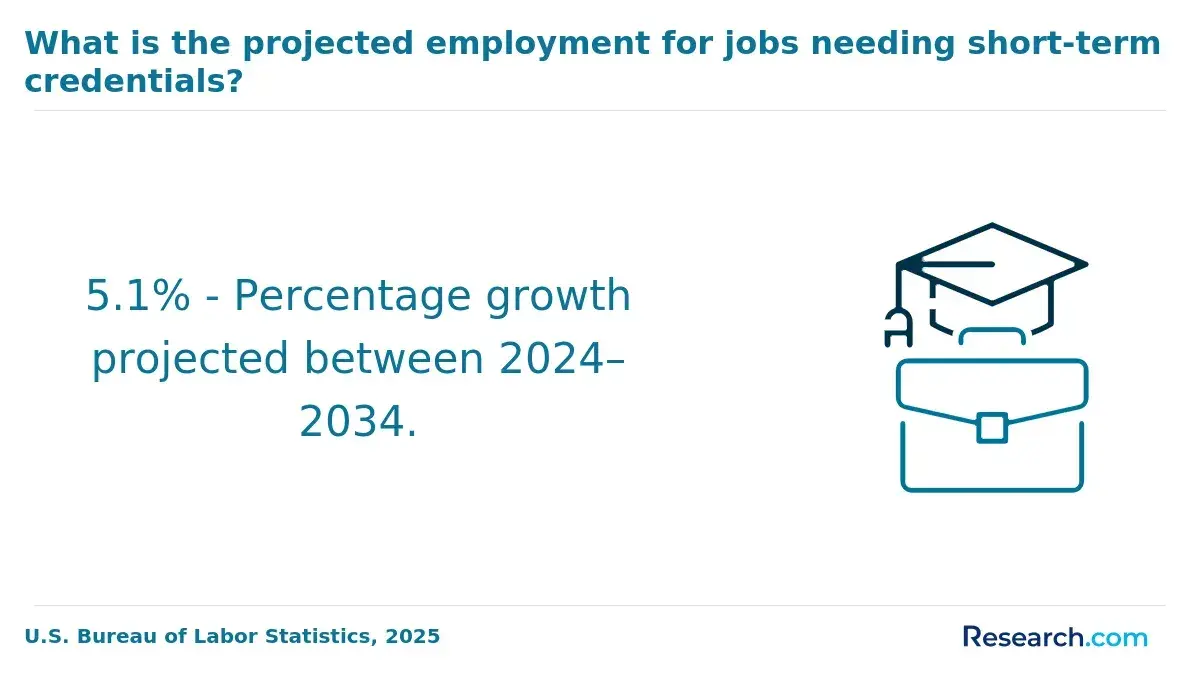
The demand for qualified professionals is growing rapidly. The U.S. Bureau of Labor Statistics projects a 28% employment increase for medical and health services managers from 2022 to 2032, with about 144,700 new jobs expected, including roles in clinical trial management.
Many prospective students seeking flexible learning options explore options like a mental health degree online as part of their education pathway.
What are the typical admission requirements for online clinical research management degrees?
Admission to online clinical research management programs typically requires a bachelor's degree from an accredited institution, with degrees in life sciences, nursing, pharmacy, or related fields favored. Some programs permit degrees outside these areas if candidates complete prerequisites like biology, chemistry, and statistics.
Applicants must usually submit official transcripts showing a minimum GPA around 2.5 to 3.0. This requirement may be waived for those with significant relevant experience in clinical research, healthcare, or project management. Most programs ask for two to three letters of recommendation to evaluate academic and professional readiness.
Standardized tests such as the GRE are required less frequently but can strengthen an application. A personal statement or essay is typical, allowing candidates to express their interest and career goals in clinical research management. Prior work experience in clinical trials or healthcare settings is preferred or required by some schools, reflecting industry demand for practical knowledge.
Because clinical research managers in the United States earn a median annual salary near USD 118,000, pursuing degrees that meet these admission standards can open doors to rewarding and lucrative careers.
How long do these online programs take, and what do they typically cost?
Online clinical research management degree programs that include project management coursework typically span 12 to 24 months for master's level students. Accelerated formats may shorten completion to as little as 9 months, while part-time or flexible options allow up to 36 months.
Certificate programs focusing on project management in clinical trials usually range from 6 to 12 months, catering to working professionals balancing education and careers.
Tuition costs vary considerably based on institution type and program length. Master's degrees generally range from $15,000 to $45,000, with public universities offering more affordable rates and private institutions on the higher end.
Certificate programs typically cost between $3,000 and $10,000. Additional expenses may include technology or material fees amounting to a few hundred dollars.
Programs that integrate clinical research management and project management deliver measurable benefits. According to a 2024 analysis by Clinical Leader, clinical trials implementing formal project management and centralized oversight achieve study start-up timelines 20-30% faster than those without structured project governance.
This enhanced efficiency supports quicker regulatory approval and reduces costs throughout the trial lifecycle.
Prospective students should weigh program length flexibility and total cost alongside their career goals. Employers value candidates with strong project management skills who can minimize delays and improve coordination in complex clinical trial environments.
What clinical research and project management careers can graduates pursue after these degrees?
Graduates with online clinical research management degrees that incorporate project management coursework are well-prepared for roles such as clinical project manager, clinical trial coordinator, and clinical operations manager. These careers focus on planning trial phases, managing budgets and timelines, coordinating study sites, and ensuring regulatory compliance.
Project management skills are crucial for leading cross-functional teams and managing complex logistics, especially in hybrid and decentralized trials. Clinical project managers often integrate digital tools like electronic data capture systems and remote monitoring technologies.
This expertise aligns with industry trends showing a 50%+ rise in decentralized and hybrid trials since 2020, with over 60% of sponsors adopting decentralized components.
Additional career options include clinical data manager and regulatory affairs specialist, where knowledge of trial protocols and workflows is essential. Quality assurance, compliance oversight, clinical research associate, and clinical trials manager roles also require a blend of clinical knowledge and project coordination skills.
Professionals may transition into consulting or vendor management, supporting sponsors with trial design and execution. The digital transformation in clinical research heightens demand for candidates skilled in operational management and decentralized trial models, making project management expertise a vital qualification.
What salary ranges and advancement opportunities exist in clinical research and trial management?
Salary ranges in clinical research management and trial management vary widely depending on experience, education, and specific job roles. Entry-level clinical research coordinators usually earn between $50,000 and $70,000 annually.
Project managers who have completed specialized clinical trial coursework and gained several years of experience can expect salaries ranging from $80,000 to $120,000. Senior-level positions, such as clinical research directors or trial management leads, often command salaries above $130,000, occasionally supplemented by bonuses linked to study outcomes and organizational success.
Career advancement often depends on increased responsibility and specialization. Many professionals begin as research coordinators or associates before transitioning into project management roles that oversee trial phases or multiple studies.
Experience in managing regulatory compliance, budgets, and vendor relationships is highly valued for leadership roles. Completing specialized project management coursework further bolsters qualifications for leading complex clinical trials efficiently.
Opportunities also exist for lateral moves into allied fields like regulatory affairs, quality assurance, and data management, broadening career flexibility and earning potential.
The demand for professionals with accredited credentials continues to grow, supported by over 3,000 health-related degree and certificate programs worldwide holding CHEA or U.S. Department of Education accreditation. This ensures a steady pipeline of well-prepared candidates ready to meet industry standards.
Prospective students and professionals are encouraged to strategically choose programs that align with their career goals and emphasize credentials from quality-assured institutions to maximize advancement potential in clinical research management.
Are professional certifications required or recommended after earning this degree?
Obtaining professional certifications after earning an online clinical research management degree with project management coursework can significantly boost career prospects.
While not mandatory, certifications like the Certified Clinical Research Professional (CCRP) from the Society of Clinical Research Associates and the Project Management Professional (PMP) from the Project Management Institute signal expertise in clinical trial protocols and leadership skills.
Employers in clinical research often prioritize these credentials because they assure compliance with regulatory standards and efficient project execution. Certified professionals typically experience higher salaries and improved job security.
Graduates should evaluate their career goals to decide whether pursuing one or both certifications aligns with their professional objectives. Financial concerns regarding certification can be eased by employer tuition assistance programs.
Nearly half of U.S. employers offer undergraduate or graduate tuition support, with a median maximum annual benefit of USD 5,250, as reported by the SHRM Employee Benefits Survey. This support can help offset costs of certification courses and exams, especially when timed closely with degree completion.
Key recommendations include researching certification requirements early, coordinating certification timelines with graduation, and maximizing tuition benefits.
Maintaining certifications may require continuing education, so planning for lifelong learning is essential. By securing relevant certifications, graduates strengthen their position in the dynamic clinical trials workforce.
How can students evaluate and choose a reputable online clinical research management program?
Choose an online clinical research management program carefully by prioritizing accreditation from recognized bodies like the Commission on Accreditation of Allied Health Education Programs (CAAHEP) or regional agencies. Accreditation confirms academic quality and often impacts employer recognition.
Examine the curriculum to ensure it blends clinical trial topics with project management fundamentals. Essential subjects include regulatory compliance, data management, risk assessment, scheduling, budgeting, and resource allocation. Programs featuring practical experiences such as case studies or capstone projects related to trial management enhance career readiness.
Evaluate faculty qualifications by considering instructors with active clinical research roles or industry experience, which enriches learning with real-world knowledge. Investigate if the program provides career support such as internships, networking opportunities, and specialized resume and interview coaching for clinical research professions.
Flexibility in format and duration is crucial for working professionals balancing schedules. Compare tuition costs alongside available financial aid to understand the investment and potential return.
Graduates with project management skills integrated within clinical research often report total compensation that is 20-25% higher than those without, based on findings from the Association of Clinical Research Professionals workforce survey. This highlights the advantage of selecting programs that effectively combine clinical trial expertise with project management training.
Other Things You Should Know About Clinical Research Management
Successful clinical research management professionals must have strong organizational and communication skills to coordinate complex trials. Proficiency in regulatory compliance, data analysis, and risk management is also critical for overseeing study progress and ensuring patient safety. Additionally, leadership and problem-solving abilities help manage multidisciplinary teams efficiently.
Online clinical research management degrees in 2027 often include project management coursework that addresses regulatory requirements by teaching students how to design, conduct, and oversee clinical trials that comply with legal standards, such as FDA, EMA, and ICH guidelines. This ensures trials are efficiently managed, ethically conducted, and reliably documented.
Technology is integral to modern clinical research management, streamlining tasks such as patient recruitment, data collection, and monitoring. Specialized software platforms enable real-time tracking of trial milestones, regulatory documentation, and budget oversight. Familiarity with electronic data capture (EDC) systems and project management applications enhances efficiency and accuracy.
Prior healthcare experience provides valuable context for understanding clinical trials, patient care, and medical terminology, which benefits students in this field. It can also improve practical insights into trial protocols and enhance communication with healthcare providers. While not always required, such experience often supports academic success and career readiness in clinical research management.
References
- Real Job Titles & Salaries in Clinical Research (2025 Master List) https://ccrps.org/clinical-research-blog/real-job-titles-amp-salaries-in-clinical-research-2025-master-list
- ACRP Project Management Best Practices Training Program - ACRP https://acrpnet.org/acrp-employer-services/acrp-team-learning/acrp-project-management-best-practices-training-program
- 30-Hour Clinical Project Management Fundamentals Certification Program https://www.barnettinternational.com/collections/30-hour-clinical-project-management-fundamentals-certification-program
- MS in Clinical Research Management https://www.unthealth.edu/college-of-biomedical-and-translational-sciences/degree-programs/ms-in-clinical-research-management.html
- Clinical Research Associate (CRA) Career Path https://pathologylabtraining.co.uk/biomedical-sciences/cra-careers
- Topic: High-Growth Jobs in Clinical Research You Can Start Right After Graduation https://www.clinicalresearchexcellencefoundation.com/topic-high-growth-jobs-in-clinical-research-you-can-start-right-after-graduation/