2027 Online Biological Sciences Degrees With Research Career Alignment

Co-Founder and Chief Data Scientist
Professionals seeking to transition or advance in biological sciences face a crucial trade-off: acquiring a degree with meaningful research alignment while managing work and personal obligations. The National Center for Education Statistics recently reported a 21% surge in online enrollment among adult learners in STEM fields, signaling that flexibility drives enrollment but not all programs offer curricula that sufficiently mirror evolving biomedical research demands.
This gap often leaves graduates underprepared for roles requiring hands-on experimental design or data analysis, limiting career mobility. This article evaluates online biological sciences degree options with research integration to guide strategic program selection based on career advancement goals and workforce realities.
Key Things You Should Know
- Employers prioritize applied lab skills for biological sciences roles, but 62% of online degree programs in 2024 report limited hands-on lab components, creating a skill gap affecting immediate employability.
- Online biological sciences degrees cost 35-50% less than on-campus equivalents per NCES data, yet extended program durations-averaging 5 years due to part-time pacing-delay workforce entry and income growth.
- Federal workforce projections show 15% job growth in research technician roles by 2030, pressuring students to align online coursework with credentialed research internships to overcome competitive hiring practices.
What are online biological sciences degrees?
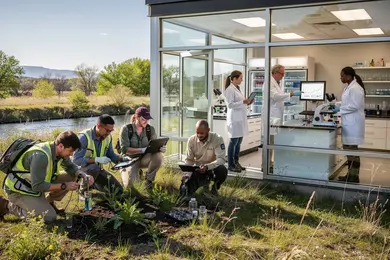
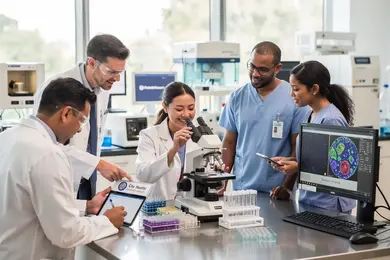
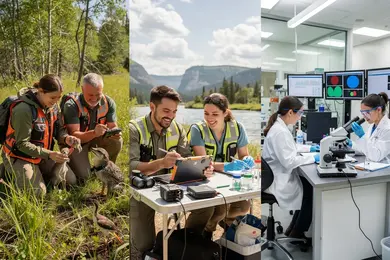
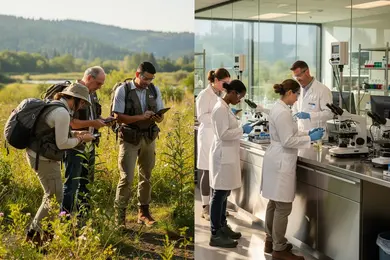
Online biological sciences degree programs provide flexible access to biology-focused education but come with critical tradeoffs in hands-on experience that directly impact readiness for research-intensive roles. Practical laboratory skills remain a bottleneck for purely remote students, who must secure local lab access or internships through hybrid arrangements to satisfy employer expectations in biomedical and clinical settings.
The rise in fully online STEM degrees-offered by over 73% of U.S. institutions-reflects shifting employer openness to remote credentials combined with demonstrable research and technical competencies. Yet, such programs inherently emphasize computational skills and virtual experiments, aligning better with data-centric fields like bioinformatics or genomics, where in-person lab demands are lower.
For professionals evaluating biological sciences degrees with research career pathways, this differentiation is pivotal:
- Roles in biotechnology or environmental consulting benefit from interdisciplinary knowledge but still often require validated practical exposure.
- Positions requiring wet lab proficiency, such as biomedical research technicians, frequently mandate additional certifications or hybrid training routes.
- Remote degrees necessitate proactive engagement with local coordinators to meet physical research components, impacting timelines and accessibility.
Decision-making should weigh program accreditation and employer recognition alongside these operational constraints to align academic choices with specific job market demands. Exploring practical fieldwork options versus computational tracks influences long-term employability and career trajectory.
For those uncertain about sector-specific outcomes, reviewing resources like what can you do with an environmental studies degree can inform realistic expectations and strategic planning.
Which accrediting bodies matter for biological sciences programs?
Regional accreditation by bodies recognized by the U.S. Department of Education remains the primary filter employers and graduate programs use to assess the quality of biological sciences degrees. Agencies such as the Higher Learning Commission (HLC), Middle States Commission on Higher Education (MSCHE), and Southern Association of Colleges and Schools Commission on Colleges (SACSCOC) confirm that programs meet rigorous academic standards critical for graduate-level research and technical roles.
In practice, lacking this recognized accreditation can significantly restrict a graduate's competitive positioning for research positions or federal grants, especially when competing against candidates from regionally accredited institutions.
Specialized endorsements also carry weight: accreditation from the Accreditation Board for Engineering and Technology (ABET) or validation by the American Society for Biochemistry and Molecular Biology (ASBMB) can enhance employer confidence in programs with intensive lab and research training. These standards become particularly important in industries like biotechnology or pharmaceuticals, where practical skills and experimental design capabilities are non-negotiable.
The focus on regionally recognized accreditation for biological sciences programs is also a critical signal of curriculum quality. Data from a recent multi-institution study show 84% of biology undergraduates improved in interpreting primary research, and 78% gained confidence in experimental design through embedded research experiences. This aligns with employer expectations for applied analytical skills in clinical labs, environmental research, and related fields.
For working professionals pivoting careers, confirming accreditation ensures alignment with practical lab techniques and data analysis, reducing retraining time and increasing advancement potential. Those evaluating advanced degrees should weigh these factors carefully, particularly if considering an online PhD in data science for integrating quantitative expertise with biological research.
How do online and campus biology degrees compare?
The fundamental distinction between campus and online biological sciences education lies in the depth of hands-on laboratory experience and employer recognition, factors that heavily influence career trajectories. Campus degrees integrate direct access to in-person labs and faculty-led research, fostering competencies essential for experimental and healthcare roles.
Conversely, online biological sciences degree benefits and limitations often emerge from substitute formats, such as virtual labs or remote partnerships, which can restrict genuine skill development and practical exposure.
Employers in STEM and healthcare sectors-which employ 60% of biology graduates according to U.S. Department of Labor data from 2024-prioritize candidates with verifiable lab experience and active research participation. Graduates from brick-and-mortar programs tend to have advantages in early career positioning, while online students frequently must independently secure external research opportunities to remain competitive.
Decision-making should weigh flexibility against experiential gaps. For instance, a working professional pivoting into biomedical research might find the absence of onsite mentorship in online formats delays critical experimental skill acquisition.
In contrast, a healthcare worker enhancing clinical knowledge through an online program might experience sufficient alignment given their existing applied environment. Accreditation and institutional reputation also materially impact hiring outcomes, as some online offerings lack the entrenched recognition of traditional universities.
Students and professionals evaluating pathways in biological sciences should consider these trade-offs relative to the specific labor market demands across 30 related occupations. Those interested in interdisciplinary or applied areas may also find value in reviewing programs focused on related fields such as exercise science degrees for alternative career alignment.
What courses are included in online biological sciences curricula?
A fully online biological sciences degree coursework must strike a balance between foundational theory and applied skills to prepare students for varied professional demands. Core subjects such as molecular biology, genetics, cell biology, and biochemistry establish the essential framework, while advanced courses in ecology, evolutionary biology, microbiology, and bioinformatics respond to evolving interdisciplinary requirements.
Practical laboratory experience-often a stumbling block for remote students-is primarily addressed through virtual simulations or partnerships with local labs. For example, students focused on pharmaceutical research must gain proficiency in molecular techniques and biochemistry, whereas those pursuing environmental biology benefit from specialized ecology and conservation modules.
These curriculum distinctions influence labor market outcomes, as biology bachelor's graduates in STEM roles earned a median wage of $82,000.
Supplementary instruction in statistics, scientific communication, and ethics is crucial for developing research rigor and compliance awareness. Skills in experimental design and data analysis software align with employer expectations for research coordination and lab management; without them, graduates risk underqualification.
Prospective candidates should scrutinize program offerings for practical lab integrations and research opportunities, which significantly impact graduate readiness and return on investment.
Given regional disparities in in-person lab access, remote learners can consider programs offering structured internships or collaborations to bridge experience gaps. Those pursuing related fields might explore alternatives like an environmental engineering degree, which shares curricular overlaps and distinct labor market trajectories.
In summary, a biological sciences online curriculum structure grounded in applied competencies, aligned with targeted career goals, and mindful of logistical challenges better positions students for meaningful employment outcomes in a competitive STEM environment.
What admission requirements do biology programs usually ask for?
Admission to biology programs demands more than solid grades; practical lab experience often marks the difference between acceptance and rejection. A baseline GPA around 3.0-3.5 in core sciences-biology, chemistry, physics-and mathematics like algebra or calculus is expected.
Some programs still weigh standardized tests; for those targeting research roles, submitting SAT subject scores in biology or chemistry can strengthen applications. Equally crucial is evidence of laboratory work-through high school electives with labs or internships that demonstrate hands-on skills. This requirement aligns closely with employer preferences for candidates who blend theoretical knowledge with practical scientific inquiry.
Applicants should also prepare a focused personal statement articulating research interests and professional objectives, supported by recommendation letters that highlight scientific aptitude and diligence.
For working professionals switching into biological sciences, prior college coursework or prerequisite science classes are frequently mandatory. Documenting relevant professional or volunteer experience that showcases analytical and technical abilities helps bridge gaps for nontraditional entrants.
Data from UK graduates shows over 60% secure professional roles or continue further study within 15 months post-graduation, with significant numbers entering lab-based research positions. Skipping lab experience or STEM fundamentals notably reduces competitiveness not only for admission but also for research-oriented employment. This illustrates that meeting academic thresholds alone is insufficient without practical exposure to maintain career momentum.
How long does an online biological sciences degree take?
Completing an online biological sciences degree in four years is theoretically standard but rarely straightforward due to practical constraints. Extensive lab requirements and research components necessitate in-person sessions or local partnerships, often stretching program length beyond ideal timelines. Transfer students may advance faster by up to a year if prior credits align well, but misalignment risks redundant courses and delays.
Working professionals face additional scheduling challenges. Balancing employment with mandatory lab and research activities frequently extends completion to five or six years. Those aiming for research-intensive roles should recognize that a bachelor's alone usually limits direct access; nearly half of U.S. biological sciences graduates with advanced degrees remain employed in STEM fields, signaling graduate education's importance for research careers.
Employers in biotech and environmental sciences prioritize sustained hands-on experience over accelerated credentials. Individuals seeking rapid workforce entry often turn to certificates or associate degrees for technician roles, but these limit advancement opportunities.
How much do online biological sciences degrees cost?
Choosing an online biological sciences degree requires weighing tuition costs against likely employment outcomes and sector-specific demand. Bachelor's programs typically range from $15,000 to $50,000, with public institutions offering more affordable rates-often $300 to $500 per credit for in-state students-while private colleges exceed $800 per credit. Graduate studies demand a higher investment, frequently surpassing $20,000 and approaching $60,000 at elite schools.
Additional expenses include technology fees and proctored exam charges, totaling $500 to $2,000 annually, factors that can inflate the overall cost. Students extending their program length through flexible pacing should anticipate increased total tuition, though this can ease financial pressure by spreading payments.
The biological sciences workforce is growing by 7% through 2032, equating to roughly 6,200 new jobs, with employer preferences favoring candidates versed in emerging subfields like genetics and bioinformatics. Graduates aligning their specialization with these trends have a measurable advantage in recouping educational expenses via improved job prospects and salary premiums.
Key decision points include carefully evaluating financial aid offers, leveraging institutional net price calculators, and realistically appraising salary growth potential across biological sciences sectors. Public universities often provide the clearest pathway to balancing cost with return on investment, especially for working professionals balancing ongoing employment and study commitments.
- Tuition variance primarily hinges on public versus private status and residency
- Technology and exam fees add measurable overhead to reported tuition
- Specialized subfields increase upfront costs but enhance employability and earnings
- Graduate degrees demand significantly higher investment with proportional returns
What careers can you pursue with a biological sciences degree?
A degree in biological sciences can open various practical career paths but requires careful alignment with specific job market demands and skill sets. For instance, a pharmaceutical research role demands mastery of molecular biology techniques coupled with regulatory knowledge, while conservation positions rely heavily on ecosystem assessment and GIS proficiency. Without targeted practical training, graduates risk limited employability or the need for costly retraining.
Employment trajectories often entail choosing between public sector roles, which generally offer job stability, and private sector positions, where salary growth is faster but work pressure is higher. This tradeoff influences which employers and networks candidates should target. Additionally, many biotech and government research jobs require sustained hands-on experience, often acquired through internships or research assistantships, making practical exposure a critical factor for entry.
Academic hiring trends reinforce the nuances of market dynamics: a 2024 national study found that women and LGB+/gender nonconforming applicants have higher odds of receiving faculty offers, which alters competition patterns within those groups and impacts strategic career navigation in research-focused fields.
Strategic evaluation of curriculum relevance, skill validation, and employer expectations must guide students aiming for career pivots or advancement in biological sciences to optimize return on educational investment and workforce integration.
What salaries do biological sciences careers offer?
Starting salaries in biological sciences vary widely, from roughly $55,000 for entry-level lab technicians to $110,000 for specialized roles in biomedical research and biotechnology. Federal employment averages around $98,000 annually, but actual compensation depends heavily on factors like education, experience, and specific sector.
Candidates with interdisciplinary skills-combining biology with data science, policy, or business-often command a 10% to 25% salary premium due to increased demand and hybrid expertise.
This dynamic shapes graduate outcomes, as over half of biosciences graduates pivot into roles blending biology with quantitative or regulatory knowledge within 15 months post-graduation. For example, a biological sciences graduate assuming a healthcare data analyst role might start near $75,000 with upward mobility linked to technical proficiency.
Conversely, those concentrating exclusively on ecology or conservation may face lower initial pay around $55,000 but access public sector or nonprofit opportunities aligned with their focus.
Employers prioritize candidates demonstrating practical research capabilities alongside quantitative, regulatory, or business acumen. Tradeoffs include longer onboarding or additional certifications in policy or biotech positions but generally lead to stronger pay and advancement potential. Prospective students should weigh specific skills acquisition and sector fit carefully, as these elements critically influence salary trajectories and career flexibility.
How do you choose a reputable online biology program?
Prioritizing accredited programs with validated faculty expertise and applied research integration decisively shapes employability in biological sciences sectors experiencing growth above average occupational rates. Degrees lacking tangible lab alternatives or partnerships with local research institutions risk producing graduates less prepared for hands-on roles valued by employers. This gap is especially critical in R&D positions within biotechnology and pharmaceuticals.
Curricula that embed bioinformatics, data analytics, and regulatory knowledge align more closely with market realities, addressing increasing demands from biotech firms and government agencies. Flexible delivery options accommodating part-time or cohort-based study models mitigate time-to-degree delays, a crucial consideration for working professionals balancing education and employment.
Graduate outcomes weigh heavily in decision-making. Employers consistently prefer candidates with documented practical experience, such as research projects or internships incorporated into the study plan, as opposed to purely theoretical learning. For career changers, scrutiny of transfer credit policies and certification compatibility expedites workforce reentry and reduces redundancy.
Consider a mid-career professional aiming to pivot into biotech R&D: opting for programs with active lab partnerships provides applied research exposure, directly increasing hiring prospects in an expanding segment. Choosing online-only programs without this feature may hinder this trajectory despite convenience.
Other Things You Should Know About Biological Sciences
Recognition depends less on the online format itself and more on program reputation, faculty expertise, and graduate outcomes. Employers in research expect candidates to have rigorous training and project experience; degrees from well-established institutions with solid connections to research entities hold more weight. When considering online programs, place stronger emphasis on documented research opportunities and alumni placement rates in related roles than on the delivery method alone.
The asynchronous nature of many online biology programs demands strong self-discipline and time management since lab work and group projects are scheduled differently or compressed. Unlike campus programs with fixed class times, online learners must proactively seek collaboration and manage deadlines without direct oversight. Students should assess their ability to handle independent study alongside professional or personal responsibilities before enrolling in an online biology degree.
Focus on programs that offer substantive opportunities for original research, mentorship under active scientists, and access to current methodologies in your area of interest. Coursework alone is insufficient; the value comes from applying concepts in experimental design and data analysis contexts recognized by the research community. Prioritize degrees with established research pipelines or capstone projects that culminate in publishable or presentable work to maximize career readiness.
References
- Online Biology Course: Complete Guide to Flexible Science Education [2025] - Prereqcourses https://www.prereqcourses.com/online-biology-course/
- Biology - BSc (Hons) https://www.torontomu.ca/programs/undergraduate/biology/
- Online Degree Programs from GMC's Global Online Leadership College https://online.gmc.edu/programs/biology/
- Accreditation https://www.rsb.org.uk/accreditation.html
- Biology departments need an accreditation body https://smallpondscience.com/2013/10/07/biology-departments-need-an-accreditation-body/
- Careers in Biology https://www.aibs.org/careers/
- Introduction to Biology https://www.straighterline.com/online-college-courses/introduction-to-biology/