2027 Biological Sciences Roles at the Center of AI-Enabled Research

Co-Founder and Chief Data Scientist
An emerging challenge for biological sciences professionals lies in integrating AI-driven research methods within existing lab workflows without compromising data integrity or predictive accuracy. A recent National Science Foundation report shows that 57% of biological research institutions have expanded AI-focused roles since 2024, reflecting rapid adoption yet uneven expertise development.
This demands proficiency not only in biology but also in algorithmic reasoning and computational tools, pressuring individuals to reskill amid heavy workloads and limited formal training access. Additionally, a growing proportion of adult learners pursuing flexible credentials emphasizes the need for programs that align with career mobility and time constraints.
This article examines the evolving biological sciences roles shaped by AI research and provides targeted guidance for navigating educational and career decisions to bridge these emerging skill gaps effectively.
Key Things You Should Know
- By 2026, 48% of biological sciences researchers at AI-driven centers will require combined expertise in computational modeling and wet-lab techniques, raising barriers for traditional science-only graduates and pressuring curriculum adaptation.
- Employers prioritize candidates with demonstrated AI tool proficiency alongside domain knowledge; a 2024 NIH workforce survey found 62% of labs treat AI competency as a near-mandatory hiring criterion, reshaping recruitment and retention strategies.
- Time-to-competency in AI-biological science hybrid roles averages 18 months, with certification costs frequently exceeding $7,500, creating access gaps for mid-career pivots lacking institutional funding support.
How are biological sciences driving AI-enabled research across healthcare, genomics, and drug discovery today?
AI-driven healthcare innovation increasingly depends on biological science applications to supply domain expertise and interpret detailed molecular and clinical data. For instance, AI models predicting patient outcomes require biological specialists fluent in both data science and experimental biology, a combination seldom found in conventional life sciences training.
Understanding this integration reveals significant workforce implications: employers prioritize candidates able to bridge AI outputs with biological realities, particularly in regulated environments such as genomics.
In genomic and drug discovery AI research, the integration of biological sciences plays a critical role that goes beyond algorithmic development. Drug discovery teams rely on biological scientists to validate AI-generated molecular targets and design experiments that reflect biochemical feasibility, balancing computational predictions against lab constraints. This necessitates upskilling across bioinformatics and an acceptance that project timelines may extend due to iterative AI validation cycles.
Private investment surpassing $25 billion indicates robust economic momentum for this convergence, emphasizing practical skills over theoretical knowledge. For prospective students pursuing a strategic career pivot, programs offering hands-on AI experience contextualized within biological data are essential.
Choosing the best online biology degree with such focus can directly influence long-term employability by aligning technical capacity with employer expectations.
Key workforce tradeoffs include mastering interdisciplinary communication and continuous skill refreshment to stay relevant amid rapid technology shifts. Training that balances biological science applications in AI-driven healthcare innovation with practical computational methods enhances adaptability and career resilience in this evolving sector.
What biological sciences roles work most closely with AI tools, models, and data pipelines?
Roles in biological sciences collaborating with AI data pipelines have shifted decisively toward hybrid expertise; computational biologists, bioinformaticians, and AI pharmacologists now lead efforts at the nexus of biology and data science. This shift imposes distinct operational demands: fluency in programming, machine learning frameworks, and large biological datasets is essential, not optional.
For professionals integrating AI tools and models, work often involves customizing AI workflows to context-specific research needs, particularly in biotech startups, while large pharmaceutical companies prioritize scalable, cross-disciplinary infrastructure. A 2025 industry review showed this evolution clearly, with over 70% of top pharmaceutical firms listing such hybrid roles as critical hires, compared to under 20% in 2019.
The practical challenges in these roles involve mastering biological data wrangling and navigating communication between computational and experimental teams, which shapes the skill sets employers expect. Students or professionals pivoting into these biological science professions, integrating AI tools and models, need robust hands-on experience with AI toolkits oriented toward biological datasets rather than generic coding knowledge.
Educational pathways should reflect this reality. Consider that pursuing an online doctorate data science equips candidates with advanced quantitative expertise that is increasingly valued in these roles, yet integration into wet lab environments remains a non-trivial hurdle. Career decisions hinge on evaluating both technical depth and multidisciplinary collaboration capacity.
Which degrees prepare you for AI-focused careers in biological sciences research?
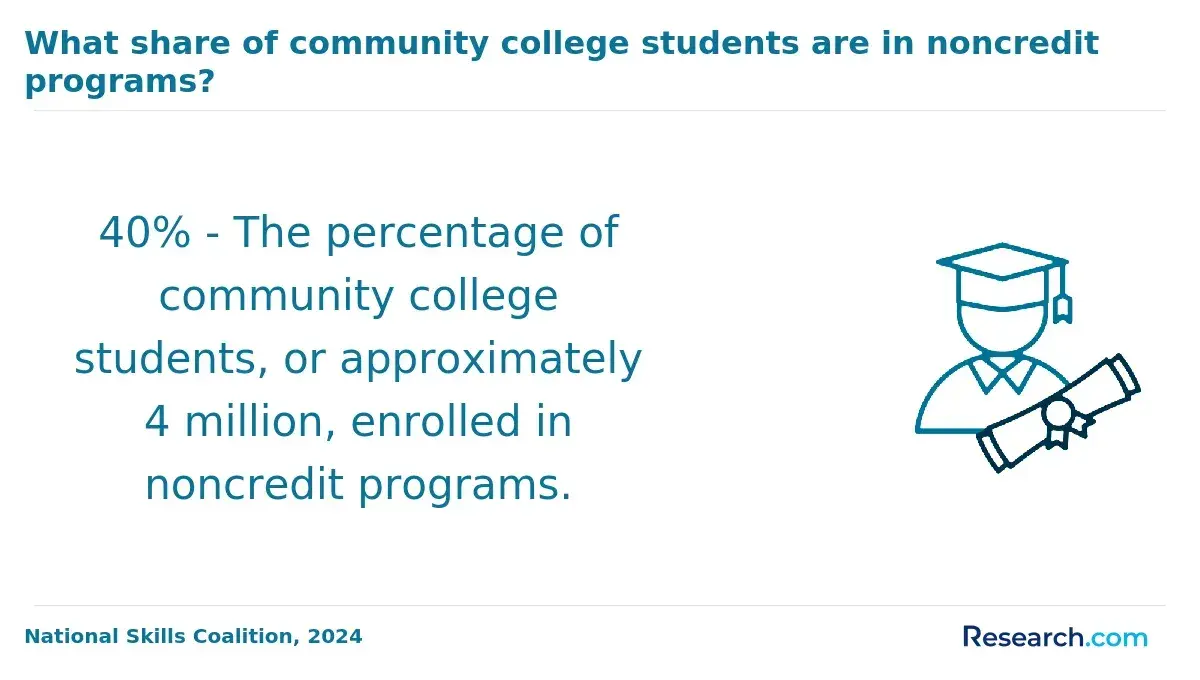
Degrees combining molecular biology, bioinformatics, computational biology, or computer science with a strong biological focus align most directly with employer demand for AI-driven roles in biological sciences research. For example, leveraging AI-based protein structure predictions dramatically expedites workflows in drug discovery and protein engineering.
Graduates from traditional biological sciences programs without coding skills often struggle to translate AI outputs into actionable experimental designs or biological insights, limiting their employability in advanced research environments.
Choosing among top biological sciences programs in the US for AI-focused research requires weighing this critical tradeoff: programs rooted in computational biology or bioinformatics typically integrate programming languages like Python and R alongside statistical training, better meeting industry needs for AI-driven predictive modeling or high-throughput screening analysis.
Practical preparation involves:
- Integrating substantial AI coursework and hands-on projects during undergraduate or graduate studies
- Acquiring proficiency with software and cloud platforms critical for managing large biological data sets
- Understanding AI interpretability and validation methods essential for regulatory compliance in biotech and pharmaceutical sectors
Prospective students or professionals pivoting into this field should carefully balance depth of biological knowledge with AI technical skills to maximize their access to AI-enabled research roles.
Those interested in the best exercise science degree online programs may find useful structural parallels in how interdisciplinary integration enhances career outcomes in biological sciences for AI research careers.
How do online biological sciences programs compare with campus-based options for AI training?
Online biological sciences programs for AI training often fall short in delivering the hands-on lab experiences critical for developing skills in omics data analysis and systems biology modeling. While the theoretical AI foundation parallels that of campus-based biological sciences education vs. online AI programs, the lack of direct interaction with wet-lab workflows and multidisciplinary teams limits readiness for industry roles demanding integrated experimental and computational expertise.
The U.S. Department of Energy's FY 2026 Biological and Environmental Research budget, which dedicates over $100 million toward AI/ML-enabled omics-to-phenotype research—a 40% increase from FY 2023—signals a workforce expectation for candidates who can navigate both lab environments and computational analyses.
Employers prioritize those with demonstrated practical skills in managing data pipelines and systems biology modeling, often attainable through campus program resources but less accessible online.
Still, professionals balancing full-time industry roles or residing away from research centers may find well-structured online curricula effective if supplemented by internships or targeted projects. Key considerations include program design that integrates synchronous collaborations and virtual labs to counterbalance the experiential gap.
Prospective students should scrutinize the depth of applied AI biological sciences content and opportunities for external engagement to align training with evolving sector demands. Those exploring related fields might also review options like a library science degree for affordable online graduate study alternatives.
What core courses and technical skills are essential for AI-enabled biological research careers?
Success in AI-enabled biological research demands a deliberate balance between domain expertise and technical proficiency, especially for those aiming to influence ecological and molecular biology projects. Candidates must ground themselves in molecular biology, ecology, and genetics while attaining fluency in programming languages like Python or R and mastering data structures, algorithms, and machine learning fundamentals. Without this combined focus, the ability to extract actionable insights from complex biological datasets diminishes.
Practical skills such as data wrangling, deploying bioinformatics pipelines, and leveraging geographic information systems (GIS) significantly impact research efficiency. For instance, AI-based biodiversity monitoring can lower species detection efforts by up to 90% and improve rare species detection rates by 25-50%, reflecting a tangible improvement over traditional manual methods. This enhancement is contingent on adept AI deployment on field data supported by cloud computing infrastructures.
Statistical rigor is another non-negotiable component. Proficiency in hypothesis testing, multivariate statistics, and Bayesian approaches enables reliable validation of AI results while training in experimental design and version control ensures that outputs are reproducible and minimize bias.
Researchers and employers increasingly value candidates who can translate AI outputs into meaningful biological insights rather than opaque model predictions.
Prospective students should weigh the tradeoff between seeking deep biological specialization versus broad AI algorithm understanding. Programs emphasizing project-based learning with real interdisciplinary data foster adaptability and nuanced problem-solving, qualities essential for navigating the uncertainties inherent in biological research.
How can students assess accreditation and program quality for AI-oriented biology degrees?
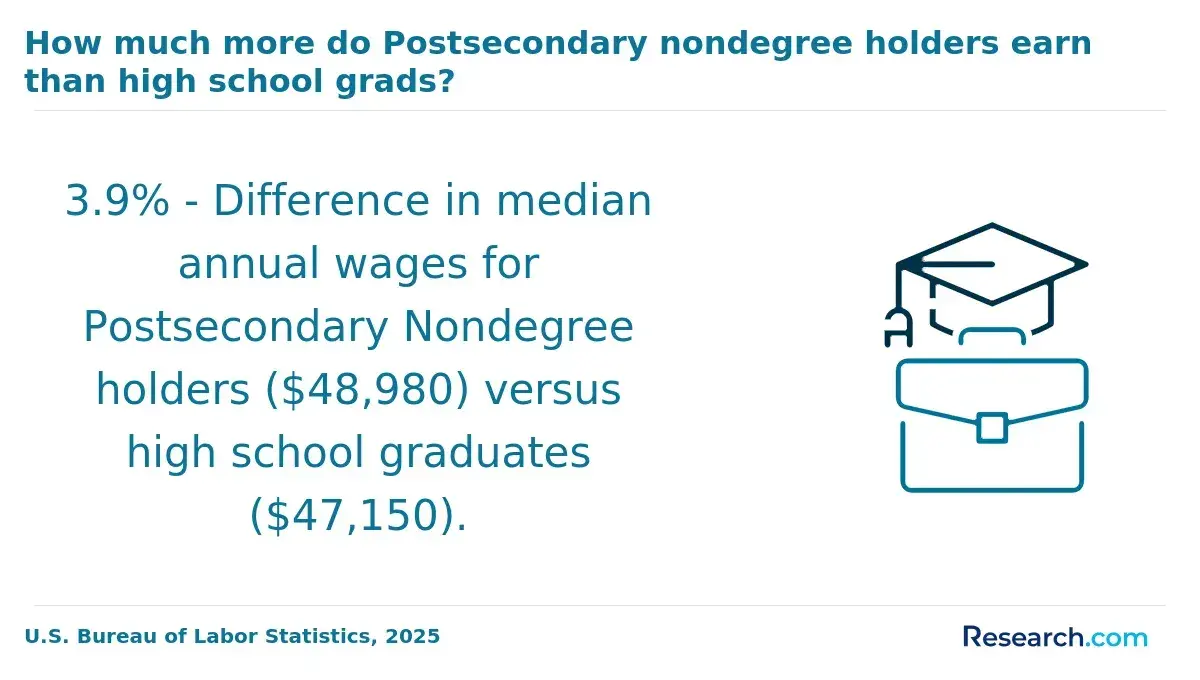
Verifying institutional accreditation recognized by the U.S. Department of Education or the Council for Higher Education Accreditation is essential before evaluating AI-oriented biology degrees. This ensures the program meets baseline standards affecting licensure eligibility, federal aid, and employer recognition.
Beyond this, scrutinizing the curriculum's integration of AI and biology reveals practical value: courses that cover machine learning applications in neuroscience or bioinformatics pipelines validated by recent industry research better prepare students for relevant roles.
Programs focused on hands-on experience with AI tools influencing biological research outcomes tend to outperform theory-only tracks. For example, AI-assisted analysis of fMRI and EEG data has demonstrated a 60-80% reduction in data preprocessing time and a 20-point increase in early diagnosis accuracy for neurodegenerative diseases compared to traditional workflows. Such expertise aligns with demands in pharmaceutical research, clinical diagnostics, and computational biology startups.
Prospective students should also weigh graduate employment statistics, research funding levels, and faculty expertise in AI biological science intersections. Access to advanced computational resources and collaborations with AI research centers often translate into stronger career pipelines.
Tradeoffs exist: curricula emphasizing core biology deepen domain knowledge but may necessitate further AI skill-building, while data-centric programs require students to develop foundational biology knowledge externally. Aligning program strengths with career goals remains pivotal.
What are typical career paths, job titles, and work settings in AI-powered biological research?
Career trajectories in AI-powered biological research hinge on balancing deep biological knowledge with strong computational skills. Positions such as AI Bioinformatics Specialist, Computational Systems Biologist, and Synthetic Biology Data Scientist require more than domain expertise; they demand proficiency in machine learning, data handling, and software development frameworks. Employers expect candidates to navigate real-time AI model challenges within complex biological datasets, emphasizing problem-solving tied to experimental design.
Work environments typically span academic labs, biotech startups, pharmaceutical firms, and government research facilities. For instance, synthetic biology startups now leverage AI-driven platforms that accelerate design-build-test cycles from months to days, enabling a 10- to 100-fold increase in iteration speed annually. This drives demand for hybrid skill sets combining wet lab experience with computational fluency, transforming workload dynamics toward rapid prototyping and continuous optimization.
Entry-level jobs generally require a master's degree or higher in biological sciences, computer science, or bioengineering paired with hands-on AI framework experience.
Mid-career professionals increase marketability by adding programming languages such as Python or R and cloud computing expertise. Career development often involves expanding from technical execution roles to interdisciplinary project leadership, integrating AI in biological workflows.
Tradeoffs involve managing the tension between maintaining biological domain depth and meeting growing computational expertise demands. Candidates must be prepared for adaptive workflows where AI models perpetually evolve based on experimental feedback, requiring both scientific and coding agility.
What salary ranges and earning potential exist for AI-focused biological science professionals?
AI-integrated roles in biological sciences yield salaries highly contingent on sector, specialization, and experience, with entry positions typically ranging from $85,000 to $100,000 and mid-career industry professionals earning $120,000 to $145,000. Senior specialists responsible for AI-bio risk governance and regulatory compliance can surpass $160,000 annually.
This reflects the premium placed on blending biological expertise with advanced AI competencies, especially as governance frameworks referencing biological risks have surged—illustrated by over 30 national or regional policies noted in the 2024 Congressional Research Service report.
Consider a computational biologist developing AI models to assess biological risks. Employers demand expertise not only in AI algorithms but also in navigating complex regulatory environments. Consequently, candidates who combine AI proficiency with governance knowledge enjoy stronger negotiating leverage and broader job prospects.
The academic path often offers foundational training in bioinformatics and AI bioethics but with lower initial compensation and slower income growth. In contrast, industry roles demand up-to-date AI skills and adaptability, typically offering higher pay but requiring continuous learning to remain aligned with evolving compliance mandates.
Workforce realities include tradeoffs such as biotech startups favoring variable compensation like stock options over base salaries, whereas established pharmaceutical firms invest heavily in AI risk management positions—an important consideration when strategizing career trajectories.
What is the job outlook for AI-enabled biological sciences roles in the coming decade?
Demand for professionals combining biology with AI skills is reshaping hiring in biological sciences, with employers expecting more than superficial knowledge. Over 60% of U.S. life science graduate programs have adopted AI or machine learning coursework, and about one-third now require programming or data science experience before admission. This means candidates must be prepared to operate at the intersection of biological knowledge and computational analysis to remain competitive.
For example, a biologist moving into precision medicine must master both clinical insights and algorithm development, not just one or the other. Employers prioritize applicants with hands-on experience applying machine learning to real datasets over those with purely theoretical understanding. Without this, graduates risk entry-level technician roles instead of strategic research positions.
Key factors for students considering this field include:
- Programs offering a balanced curriculum with depth in biology and formal coding or data science training reduce onboarding delays and accelerate employability.
- Anticipating continual skill updates in programming and statistical methods is essential, given rapid AI tool evolution.
- Seeking internships or collaborative projects that demonstrate applied AI competence is a practical way to prove readiness.
The evolving biological sciences workforce rewards those who integrate computational rigor with domain expertise, making early preparation in programming an operational necessity rather than an optional add-on.
How can students build a competitive portfolio for AI-driven biological sciences research roles?
Hybrid roles combining biological sciences with AI command a 20-40% salary premium, but success hinges on balanced expertise rather than narrow specialization. Candidates purely trained in AI without solid biology foundations often face practical barriers in research labs, just as biologists lacking computational skills struggle to handle large, complex data sets.
Employers prioritize portfolios demonstrating applied skills—reproducible code, data pipelines, and contributions to open-source AI biology projects—over degree titles alone.
Students must integrate coursework across computational biology, statistics, and programming languages like Python or R alongside traditional biology. Practical experience is equally vital:
- Building machine learning models for protein structure prediction or biochemical network analysis
- Engaging in internships or research roles applying AI tools in realistic settings
- Participating in interdisciplinary competitions or projects linking AI to biological questions
Mastering platforms such as TensorFlow or scikit-learn and managing biological data at scale are operational essentials often underestimated by learners. Balancing technical depth without losing biological context prevents skills misalignment. Given the sector's rapid evolution—evidenced by a fivefold rise in hybrid job postings since 2019—ongoing skill refreshment through workshops or specialized certifications is needed for long-term viability.
For students targeting AI-driven biological sciences research roles, planning learning trajectories that combine foundational biology with hands-on AI application reduces the risk of being sidelined due to insufficient domain insight or technical readiness.
Other Things You Should Know About Biological Sciences
To succeed in 2027 biological sciences roles at the Center of AI-Enabled Research, a combination of skills is required, including proficiency in computational biology, machine learning, data analysis, and an understanding of biological systems. Collaboration and problem-solving skills are also essential to effectively integrate AI into research practices.
Programs combining biological sciences and AI are often intensive, with heavy expectations in coding, statistical analysis, and complex biological experiment design. The workload typically exceeds traditional biology programs, leading to increased stress and potential burnout. Students and professionals should assess their capacity to handle parallel demands and may need to prioritize either computational or experimental skills temporarily to maintain sustainable progress without sacrificing performance.
Employers in AI-enabled biological sciences often value candidates who can translate AI methods into practical biological insights. Prioritizing hands-on lab experience is critical if your role involves experimental design or wet-lab validation. However, if you aim for positions centered on data analysis or algorithm development, technical AI skills take precedence. Ideally, blending both is optimal, but professionals should choose based on target job descriptions and current skill gaps to align learning with career goals.
AI models in biological sciences frequently face challenges like data quality issues, limited labeled datasets, and the complexity of biological systems that resist simplistic modeling. This restricts AI's ability to produce definitive answers without expert interpretation. Researchers must combine AI output with domain knowledge, which means overreliance on AI without sufficient biological understanding can lead to misleading conclusions, emphasizing the need for balanced skill sets and cautious application.
References
- Careers - Genbio AI https://genbio.ai/careers/
- AI is threatening science jobs. Which ones are most at risk? https://www.nature.com/articles/d41586-026-00444-9
- AI Jobs in Life Sciences: A 2026 Salary and Career Guide for Europe | Panda https://www.panda-int.com/insights/ai-jobs-in-life-sciences-your-quick-salary-guide-for-2026/
- Careers in Biological Sciences: Opportunities, Skills, and the Future of Work https://www.hyperec.com/blog/careers-in-biological-sciences-opportunities-skills-and-the-future-of-work/
- Assuring higher education’s quality in the age of AI is no easy task https://www.eua.eu/our-work/expert-voices/assuring-higher-educations-quality-in-the-age-of-ai-is-no-easy-task.html
- Cutting-edge AI tools revolutionizing scientific research in life sciences https://www.biotechnologia-journal.org/Cutting-edge-AI-tools-revolutionizing-scientific-research-in-life-sciences,200803,0,2.html
- Top 15 Highest‑Paying Pharmacy Jobs in the UK 2025 (Including Salaries) https://apexlearning.org.uk/highest-paying-biology-degree-jobs-2025-2026/
- Launched Global — Study Abroad & Online Courses | India's Leading Education Platform https://launchedglobal.in/blog/how-to-make-a-career-in-ai-ml-in-biology-complete-guide-for-beginners
- Bio-Computing and AI in Genomics: Transforming Drug Discovery, Precision Medicine, and Enterprise Healthcare ROI - CnetLabs https://hub.cnetworks.info/bio-computing-and-ai-in-genomics-transforming-drug-discovery-precision-medicine-and-enterprise-healthcare-roi/
- AI Fundamentals for the Bio-economy - BioTalent Canada https://www.biotalent.ca/ai-fundamentals-for-the-bio-economy/