2027 Best Online Biological Sciences Programs for Professionals Seeking Hospital and Health System Roles

Co-Founder and Chief Data Scientist
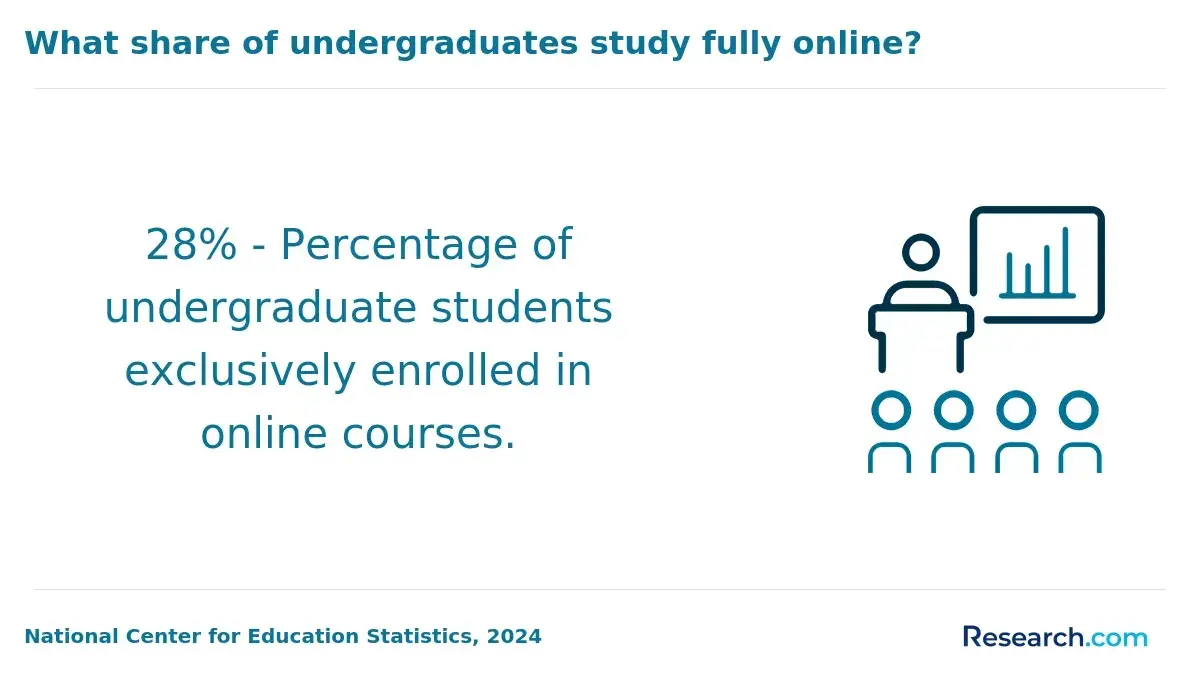
For professionals aiming to move into hospital and health system roles, securing a relevant advanced degree without disrupting current employment emerges as a persistent barrier. The Bureau of Labor Statistics projects that healthcare occupations will grow 13% through 2032, intensifying competition for specialized biological sciences expertise within complex clinical environments. However, 2024 data from the National Center for Education Statistics reveals a 25% surge in adult enrollment in fully online science programs, signaling broader institutional adaptation to the need for flexible, career-compatible pathways. Such trends shape how candidates prioritize timely completion, curriculum alignment with clinical applications, and employer recognition.
Assessing today's top online biological sciences programs, this article focuses on helping working professionals identify options that balance rigorous training and practical accessibility to advance in hospital-related careers efficiently and strategically.
Key Things You Should Know
- Programs emphasizing molecular biology and bioinformatics yield 15% higher hospital employment rates according to the 2024 Bureau of Labor Statistics, but demand for these specialties requires upfront investment in advanced coursework, increasing time-to-completion by an average of six months.
- Employers prioritize candidates with integrated clinical data analysis skills; graduates lacking practical exposure face 22% lower starting salaries in health systems, underscoring a workforce preference for applied research over theoretical expertise.
- Public universities offering affordable online biological sciences options reduce debt burdens by 40%, yet resource limitations often constrain networking opportunities critical for hospital-based roles, affecting long-term career mobility.
What is an online biological sciences degree and how does it support hospital careers?
Online biological sciences degrees for hospital professionals prioritize practical readiness over purely academic objectives, addressing the specific competencies hospitals require such as cellular biology, microbiology, and human physiology applied within clinical and regulatory frameworks. Graduates are positioned to impact patient care through diagnostic testing, biomedical data analysis, and compliance tasks that reflect real hospital operational demands.
Employers emphasize proven laboratory skills, data interpretation, and interdisciplinary collaboration. Programs supporting health system careers that incorporate virtual labs, clinical case studies, and alignment with healthcare standards better prepare students for these roles. Proficiency in electronic health records and emerging biotechnologies is increasingly essential to integrate with hospital workflows efficiently.
Consider a case where a professional wants to shift into hospital laboratory management; online options offer a flexible path to meet credential requirements, avoiding geographic or scheduling conflicts common to traditional on-site programs. A key tradeoff involves ensuring program accreditation recognized by certification bodies, which directly influences job eligibility and compliance with federal regulations.
Financially, biological sciences degree holders averaged a $25,000 annual mid-career salary premium versus high school graduates in 2024, often correlating with elevated responsibilities such as clinical trials support and quality assurance. Planning this educational move requires evaluating program specializations, technology infrastructure for remote labs, and credentialing alignment to maximize employability in a competitive healthcare market.
For detailed cost comparisons relevant to similar online science degrees, prospective students may consult resources on an animal science degree online.
Which online biological sciences degrees are best for hospital and health system roles?
Online biological sciences degrees for hospital careers that emphasize biomedical science, molecular biology, and clinical laboratory science provide targeted preparation aligned with employer expectations in health systems. These programs equip students with expertise in laboratory procedures, diagnostic technologies, and regulatory compliance-skills essential for hospital roles such as clinical laboratory technologist or research coordinator.
The distinction between general biological sciences programs and those crafted for health system professionals is critical. For instance, a clinical molecular biology specialization supports genetic testing labs within hospitals, a growing area due to personalized medicine trends; however, this requires technical training absent from most conventional biology degrees.
Programs offering accredited clinical practicums enhance employability by integrating hands-on experience required for hospital credentialing.
Health systems increasingly use data analytics to improve patient care. Degrees incorporating bioinformatics and health data management enable graduates to interpret clinical datasets effectively. This intersection of biology and IT broadens career options within hospital environments.
Those considering an educational pivot should also explore pathways in a data science learning path to complement their biological sciences foundation. Projected job growth in biomedical science fields outpaces the general labor market by 9% between 2024 and 2034, driven by demand in diagnostics, clinical research, and healthcare operations.
Choosing the best biological sciences programs for health system professionals means balancing specialized biomedical coursework and practical clinical experience over a broad biological sciences degree to meet evolving employer needs.
How do online biological sciences programs compare to campus options for lab and clinical preparation?
Online biological sciences programs often match campus training for clinical skills in theory but fall short in hands-on lab preparation essential for hospital and health system roles. Traditional campus programs offer controlled access to advanced laboratory equipment and direct patient interactions, which remain critical for employers prioritizing proven clinical competencies. Graduates lacking this exposure may face delays in employability or reduced eligibility for licensure exams required in clinical practice settings.
Comparing lab preparation in online versus traditional biological sciences education reveals operational challenges: online learners must independently secure clinical placements or attend intensive on-site boot camps, complicating timely degree completion.
Hospital employers value candidates with verified clinical experience that reduces onboarding and training costs, reflected in median wages of $63,980 for medical and clinical laboratory technologists and technicians.
Prospective students should consider:
- Whether online programs have accredited hospital or lab partnerships for required practicums.
- The availability of hybrid programs offering in-person sessions alongside virtual coursework.
- The impact of clinical exposure-or lack thereof-on certification and licensure eligibility.
Balancing schedule flexibility against assured hands-on training is vital. Professionals seeking rapid transitions into hospital roles must prioritize programs with integrated clinical practice aligned to employer standards. For those also interested in technology fields, exploring an affordable online computer science degree could provide versatile career options.
What accreditation should online biological sciences programs have for healthcare employers to recognize them?
Regional accreditation recognized by the U.S. Department of Education or the Council for Higher Education Accreditation is indispensable for online biological sciences program accreditation for healthcare employers. Employers in hospitals and health systems consistently prefer degrees from institutions accredited by bodies such as the Middle States Commission on Higher Education or New England Commission of Higher Education because these credentials verify a curriculum aligned with industry standards.
National or program-specific accreditations like ABET can supplement but will not replace regional accreditation in the eyes of most healthcare recruiters.
Healthcare employers treat accreditation as a gatekeeper for verifying graduate competence, affecting hiring eligibility, licensing timelines, and access to tuition reimbursement programs. Graduates from non-accredited online biological sciences programs often confront significant obstacles in these areas, limiting their employability.
For candidates targeting clinical research or bioinformatics roles within hospitals, accreditation ensures coursework adheres to practical healthcare data standards and translates into recognized qualifications. Employers use program accreditation as a proxy for workforce readiness, which impacts salary potential and job mobility.
In fact, a Wiley University Services survey found 61% of online STEM bachelor's graduates earn above $75,000 within five years, outperforming their on-campus counterparts at 53%, showing a direct connection between recognized accreditation standards for biological sciences degrees in healthcare and career outcomes.
Prospective students should rigorously verify accreditation before enrollment and examine course portfolios for relevance. Selecting programs lacking recognized accreditation risks out-of-pocket tuition losses and diminished job prospects in an increasingly competitive hospital and health system job market.
Those balancing choices between disciplinary focus and delivery mode may find relevant pathways by reviewing the best online geology degree options as examples of rigorous online STEM programs with strong accreditation frameworks.
What courses and concentrations in biological sciences are most relevant for hospital-based careers?
Hospital-based roles in biological sciences demand targeted expertise in applied biomedical knowledge and data-driven decision-making rather than broad theoretical study. Core proficiencies include molecular biology, genetics, human physiology, and microbiology, which underpin clinical research and patient care processes.
Specialization in epidemiology is particularly strategic, as infection control and outbreak analysis skills are essential and forecasted to expand employment by 16% over the next decade-quadruple the average growth rate for all jobs.
Employers seek candidates who can:
- Interpret complex datasets using software like R and SAS
- Design clinical studies that comply with regulatory frameworks
- Understand pathogen biology and antimicrobial resistance mechanisms
- Translate molecular data into practical disease management approaches
- Leverage health informatics to optimize electronic medical record systems
Programs combining laboratory work with clinical internships produce graduates ready for immediate impact in hospital settings. Students must weigh programs prioritizing applied research and hands-on skills over those grounded mainly in theory, as hospitals expect demonstrable competencies in diagnostics, patient monitoring, and interdisciplinary communication.
Concentrations in biostatistics and health data analytics meet the escalating demand for evidence-based clinical operations.
Choosing pathways closely aligned with hospital systems and public health infrastructure sharpens workforce readiness and aligns education with expanding hospital employment trends documented by federal data, making these decisions pragmatically essential for those pivoting into or advancing within hospital-centric biological sciences careers.
What are the typical admission requirements for online biological sciences programs for working professionals?
Admission criteria for online biological sciences programs aimed at working professionals prioritize concrete academic preparation and tangible work experience rather than broad credentials. Candidates typically need a bachelor's degree in biology, biochemistry, health sciences, or a closely related field-while some must complete prerequisites in molecular biology, chemistry, or statistics if their undergraduate study was outside direct biological sciences. GPA minimums around 3.0 remain common to verify foundational competency.
Applicants should prepare for comprehensive documentation demands: official transcripts, letters of recommendation from supervisors who can speak to scientific rigor and practical skills, and a statement of purpose with explicit alignment to hospital or health system roles. These elements distinguish candidates attempting a strategic pivot into diagnostic or clinical lab careers.
Hands-on experience in clinical, laboratory, or diagnostic settings frequently outweighs standardized testing; many programs now de-emphasize GRE scores, particularly for those already in health systems. This reflects labor market realities where 85% of hospital executives report diagnostic science workforce shortages, emphasizing candidates with real-world lab proficiency, health informatics familiarity, or patient diagnostic capabilities.
The balance between prerequisite completion and ongoing professional commitments shapes enrollment decisions. Late or part-time prerequisite courses extend time and cost-critical tradeoffs for hospital employees seeking upskilling without career interruption. Background checks and immunizations remain additional entry considerations given clinical safety requirements.
How long do online biological sciences degrees take and what do they cost?
Completing an online biological sciences degree within a standard four-year timeframe remains the norm for full-time students, though many working professionals extend this to five or six years through part-time study to balance jobs and clinical shifts. Accelerated tracks that compress coursework into three years demand intense time management, which can affect readiness perceptions in hospital hiring decisions, especially where protocol adherence and certification schedules are critical.
Tuition costs for online programs are generally lower than their on-campus counterparts, with the average annual in-state online bachelor's degree in biology costing around $9,378 compared to $11,662 for in-person study, according to OnlineU.
However, students must factor in additional expenses such as laboratory kit fees, proctoring costs, and technology access, which can add between $1,000 and $2,500 per year.
- Standard full-time completion: 4 years
- Part-time enrollment: 5-6 years
- Accelerated study: Approximately 3 years with increased course load
- Average annual online tuition: $9,378 (excluding added fees)
Employers in healthcare systems prioritize degrees earned within timely intervals due to staffing demands and evolving standards. Extended degree timelines may delay eligibility for laboratory roles tied to specific credentials, influencing both salary trajectories and advancement opportunities.
Candidates should critically assess their capacity for accelerated versus part-time pacing against professional responsibilities and personal commitments.
What hospital and health system jobs can you get with an online biological sciences degree?
Graduates holding an online biological sciences degree enter a job market where practical skills and regulatory knowledge often matter as much as academic credentials. Positions such as clinical laboratory technologist and clinical trial coordinator demand not only theoretical understanding but also hands-on experience with diagnostic equipment and protocol management.
For example, entry-level technologists must accurately conduct lab tests and maintain strict quality controls, skills typically enhanced by certifications such as those from the American Society for Clinical Pathology.
Health data analysts, another common role, translate complex biological data into workflow improvements, especially in hospital informatics. Yet, career advancement frequently hinges on additional certifications or graduate education, especially for research-intensive jobs which rarely accept candidates based solely on a bachelor's degree obtained online.
Key considerations for prospective biological sciences students include:
- Certifications are often essential for clinical roles despite a relevant degree.
- Postgraduate education improves opportunities in research fields.
- Smaller hospitals may value broad skill sets over narrow specialization.
- Understanding employer expectations in a specific locale can guide education and training choices.
Job market dynamics also vary significantly by region and employer size. Large health systems offer specialized positions like molecular diagnostics technologists, while smaller hospitals seek versatile professionals who can fulfill multiple roles without extensive credentials.
This reality demands a strategic approach: candidates should assess local labor demands and consider targeted internships or credentialing to remain competitive.
What salary ranges and job outlook can biological sciences graduates expect in hospital settings?
Starting salaries for biological sciences graduates in hospital and health system roles vary widely, roughly between $50,000 and $70,000 annually, influenced by specific job functions and location. Clinical laboratory technicians often begin near $52,000, while roles requiring specialized expertise, such as biomedical scientists or health data analysts, can command $65,000 to $70,000 early in their careers. Mid-career professionals with certifications and relevant experience in research coordination, molecular diagnostics, or clinical trials often surpass $85,000.
The choice to work full-time while pursuing an online biological sciences degree-common among 72% of students-introduces a significant tradeoff. It offers immediate income but can slow academic progress and delay reaching higher salary brackets.
Employer preference for candidates with practical experience means those without internships or cooperative program partnerships tend to start at lower pay levels, making hands-on exposure critical in hiring.
- Starting salaries range roughly from $50,000 to $70,000 depending on role and region.
- Full-time work while studying often slows income progression but is financially necessary for many.
- Hands-on experience through internships directly impacts initial job offers.
- Advanced certifications or graduate degrees are pivotal for surpassing mid-career salary plateaus.
Those aiming for leadership or advanced clinical roles must carefully weigh the decision between early workforce entry and investing extra time for graduate education or supplementary certifications. Without advancing credentials, salary growth plateaus due to increasing automation and competitive clinical expertise demands in healthcare settings.
How can prospective students evaluate and choose a reputable online biological sciences program?
Programs lacking integration of AI, genomics, and personalized medicine increasingly fail to prepare graduates for hospital and health system roles that demand these competencies. With global investment in genomics and precision medicine set to surpass $188 billion by 2030 at an 11% CAGR starting in 2024, curricula must stay current with technology trends and regulatory standards to maintain relevance, according to MarketsandMarkets data.
Students pursuing clinical roles, such as lab technologists, should verify that programs deliver practical training on genomics instrumentation and clinical data analysis consistent with U.S. Bureau of Labor Statistics occupational guidelines. This ensures skills directly translate to workplace expectations.
Employability rates and employer feedback provide critical benchmarks when assessing program value. Programs affiliated with hospitals or health systems often offer internships or cooperative education, smoothing transitions into specialized roles. Flexibility and support for working professionals, as reported by Wiley University Services and Eduventures Research, also crucially affect completion rates and return on investment.
When evaluating tuition versus outcomes, align choices with workforce surveys and Georgetown University findings on health biology education payoffs. Avoid programs with outdated catalogs or weak alumni networks that limit professional placement. Focus decisions on measurable skill acquisition crucial to employers navigating rapid innovation in AI-driven biology and precision medicine.
Other Things You Should Know About Biological Sciences
Online biological sciences programs often emphasize theoretical knowledge and bioinformatics skills rather than hands-on laboratory techniques. Since hospital research frequently requires familiarity with specialized lab procedures and real-time sample handling, students should prioritize programs that offer hybrid formats, on-site lab intensives, or partnerships with local medical facilities. Without these practical components, graduates may face initial barriers in research roles that demand comprehensive lab experience.
The workload for online biological sciences degrees can be intensive, with a strong emphasis on self-directed study and timely completion of complex assignments. Professionals working full time in hospitals should look for programs with flexible pacing options or asynchronous coursework to manage shift work and unpredictable hours. Choosing programs that allow part-time enrollment or extend time to degree completion will reduce stress and improve learning retention.
Employers increasingly recognize accredited online degrees, but the reputation of the issuing institution and the candidate's demonstrated skills weigh heavily in hiring. Hospital systems particularly value clinical exposure and internship experience alongside the degree. Candidates without significant hands-on experience may need to supplement their education with certifications or practical training to achieve parity with traditionally educated applicants.
Online biological sciences programs in 2027 can provide solid foundational knowledge for hospital research roles. Programs that incorporate lab simulations, data analysis projects, and research methodology courses are particularly beneficial. However, hands-on experience or supplementary internships may still be necessary to gain practical skills in a hospital setting.
References
- Accreditation https://www.rsb.org.uk/accreditation.html
- The Need of Accreditation in Online Degree Programs https://www.onlinecu.in/blog/cu/the-importance-of-accreditation-in-online-degree-programs.php
- 7 Careers You Didn’t Know You Could Pursue with a Biomedical Science Degree https://www.nuhs.edu/7-careers-you-didnt-know-you-could-pursue-with-a-biomedical-science-degree/
- Highest Paying Biology Degree Jobs in the UK | Royal Open College https://royalopencollege.org/blog/biology/highest-paying-biology-degree-jobs-uk/
- Biomedical Science vs Other Degrees Comparison https://pathologylabtraining.co.uk/biomedical-sciences/degree-comparison
- Online Biology Degrees https://mycollegeguide.org/online-biology-degrees/
- Careers in Biology https://www.aibs.org/careers/
- What roles can I do with a biological sciences | STEM Graduates https://stemrecruitment.com/content-hub/what-roles-can-i-do-with-a-biological-sciences-degree/
- Online Biology Course: Complete Guide to Flexible Science Education [2025] - Prereqcourses https://www.prereqcourses.com/online-biology-course/
- How To Become A Biologist | Biology Degrees And Careers https://www.learnhowtobecome.org/science-technology-careers/biology/