2027 Online Biological Sciences Degrees With Ecology Career Alignment

Co-Founder and Chief Data Scientist
Professionals seeking to pivot into ecology-related roles within biological sciences face a critical dilemma: balancing rigorous, specialized training with demanding work and personal commitments. As workforce data from the U. S. Department of Education reveals a 15% increase in online program enrollments among adult learners since 2023, this trend highlights the necessity for flexible, credible education pathways that align tightly with evolving ecological careers.
However, not all online degrees offer equal practical leverage for career mobility, with significant variation in curriculum depth, fieldwork integration, and employer recognition. This article evaluates current online biological sciences degrees with a focus on ecology alignment, guiding readers through program features and career outcomes to inform strategic enrollment decisions.
Key Things You Should Know
- Online biological sciences degrees with ecology focus show 15% lower median wage growth over five years compared to on-campus peers, indicating a tradeoff in long-term income potential tied to reduced fieldwork opportunities, per National Center for Education Statistics data.
- Employers in ecology-intensive sectors overwhelmingly prefer candidates with in-person lab and field experience; 68% of hiring managers report hesitancy toward fully online credentials without documented internships, influencing hiring success rates.
- While 72% of online biology students graduate within six years, longer time-to-degree and additional costs for remote research equipment increase total education expenses by 20%, complicating affordability for career pivoters, according to 2024 Department of Education reports.
What is an online biological sciences degree with an ecology focus, and who is it best for?
An online biological sciences degree with ecology specialization demands rigorous self-management due to its blend of remote coursework with mandatory hands-on elements like fieldwork or lab simulations. This tradeoff challenges students balancing work and education, especially when field experience is integral for meeting employer standards in environmental agencies and consulting firms.
Programs with applied emphases on ecological data analysis, GIS mapping, and environmental impact reporting align directly with current workforce needs, particularly amid a projected 6% job growth in environmental scientists and specialists from 2022 to 2032. For instance, a mid-career environmental technician can leverage such degrees for promotion by applying advanced ecological principles without interrupting employment.
The best online biological sciences programs for ecology careers emphasize program accreditation and coordination with on-site internships to ensure students acquire competencies that purely virtual formats cannot provide. Candidates must also consider state-specific licensing or certification requirements when selecting programs.
Employers value distinct technical skills alongside adaptability, meaning online learners need to confirm that their chosen curriculum provides credible, workforce-relevant training. Career outcomes often hinge on effectively integrating theory with practical field experience amid the convenience of location-independent study.
Those exploring related pathways may want to explore what can you do with a bioinformatics degree through complementary skill sets adapting to biological sciences roles.
How do online biological sciences programs compare to campus programs for ecology careers?
Online biological sciences degree programs for ecology careers often fall short in delivering the practical field experience crucial for many employer requirements. While curricula typically cover ecology, evolution, and conservation biology with comparable rigor to campus-based studies, hands-on skills such as ecosystem sampling and Geographic Information Systems (GIS) use are less accessible remotely.
For instance, a state wildlife agency position usually requires documented local fieldwork or data collection experience, which most online programs do not inherently provide.
Employers in ecology-aligned roles prioritize candidates with direct exposure to research tools and population monitoring techniques. Students pursuing campus versus online biological sciences studies for ecology jobs should weigh the tradeoffs: campus programs offer immersive lab access and structured internships, whereas online learners must secure local volunteer or internship placements independently to remain competitive.
The projected 17.9% employment growth through 2026 in ecology, evolution, systematics, and population biology underscores strong demand, but this intensifies the need for graduates to present practical competencies alongside theoretical knowledge. Working professionals using online degrees should strategically supplement their education with external, documented field experience to meet industry standards and hiring practices effectively.
Prospective students can explore pathways such as an online master in data science to complement biological sciences expertise and gain additional analytical skills highly valued in ecosystem research and conservation roles.
Which types of biological sciences degrees best support ecology-related career paths?
Degrees specifically titled ecology, evolution, systematics, and population biology provide the most targeted academic foundation for careers directly linked to ecological work. Employers in conservation, environmental consulting, and wildlife management expect graduates to possess fieldwork experience, quantitative analysis skills, and knowledge of ecosystem dynamics.
These programs emphasize practical tools such as GIS mapping, population modeling, and ecological statistics, which are indispensable for addressing contemporary biodiversity challenges.
By contrast, broader biological sciences degrees-such as general biology or environmental biology-offer wider academic exposure but require deliberate elective choices and internships to develop relevant expertise. For instance, a student pursuing a general biological sciences degree must actively engage in applied ecology projects or obtain certifications like wildlife monitoring to meet employer expectations. Such tradeoffs affect long-term employability and professional adaptability.
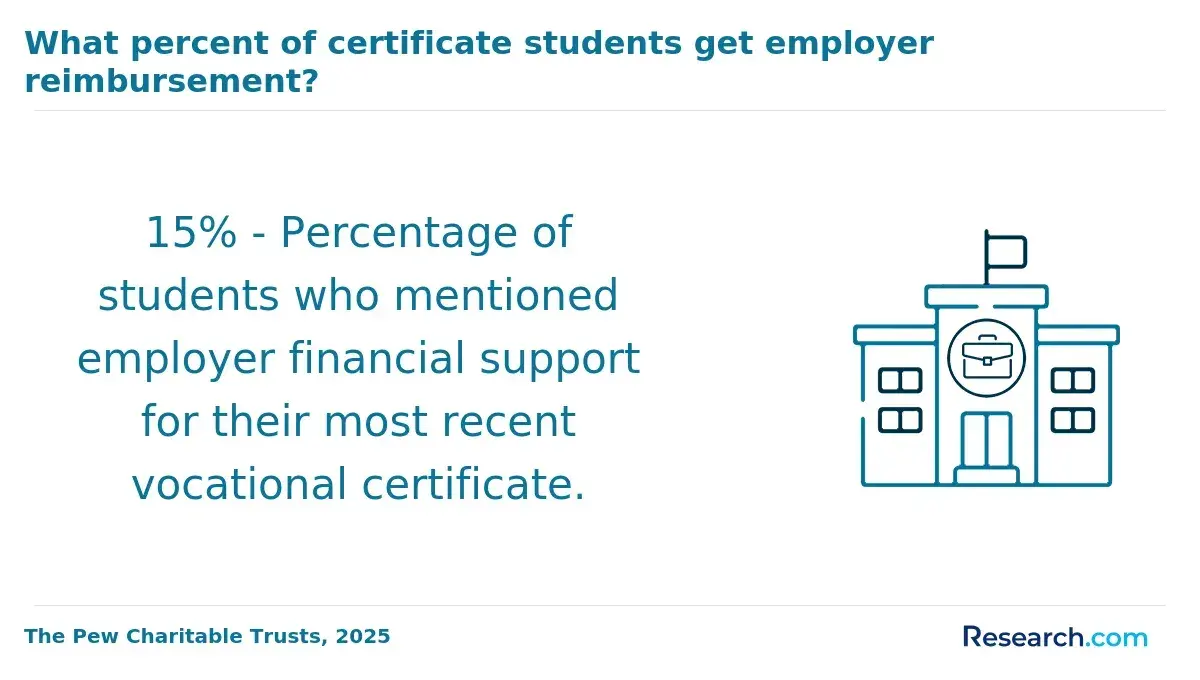
The financial outlook favors ecology-focused degrees, which report median annual earnings of $48,842 four years post-graduation alongside median student debt around $23,481, yielding a pragmatic debt-to-earnings ratio of 0.48. This ratio compares favorably to broader biological sciences paths that often result in lower entry salaries. Prospective students evaluating types of biological sciences degrees for ecology careers should consider this balance carefully.
Balancing degree specificity against flexibility is crucial. Ecology-focused programs streamline entry into environmental science roles but limit cross-disciplinary options, whereas generalized programs require supplementary certifications to accelerate employability during career pivots.
For those exploring remote or flexible learning options, reviewing master of library science online programs aligned with ecology can inform strategic educational choices.
What courses and concentrations in online biological sciences programs prepare you for ecology work?
Choosing an online biological sciences ecology program requires critical evaluation of coursework relevance and skill applicability. Ecology focused concentrations in biological sciences degrees typically integrate ecosystem ecology, environmental biology, and GIS, providing students with competencies that align closely with natural resource agencies and environmental consulting demands.
However, the practical limitations of online study necessitate programs that incorporate lab work, virtual simulations, and remote sensing techniques to compensate for restricted field access.
Successful candidates often prioritize programs combining quantitative rigor with applied experiences. For example, mastering regulatory and environmental law alongside field methods better equips graduates for complex compliance roles in conservation enforcement or sustainability planning. The ability to handle statistical software like R and advanced GIS tools strengthens a candidate's marketability and salary prospects.
Reflecting 2019-2020 U.S. Department of Education data, graduates from ecological tracks report median early-career salaries around $50,134, with a starting range typically between $40,435 and $58,103. Employers emphasize demonstrated experience through internships or capstone projects, making program selection pivotal for timely workforce integration. Those omitting these components risk slower advancement despite holding general biological sciences expertise.
Prospective students should also compare adjacent fields; for instance, online geology programs may offer complementary skills relevant to ecosystem analysis and environmental monitoring.
How can you verify accreditation and program quality for online biological sciences degrees?
Choosing an online biological sciences program demands scrutiny beyond accreditation alone. Federal and regional institutional accreditation ensure eligibility for financial aid and employer recognition, but discipline-specific endorsements-such as from ecology-focused bodies or the Society for College Science Teachers-offer stronger assurance that the curriculum aligns with current workforce competencies.
For example, programs integrating diversity, equity, and inclusion (DEI) initiatives address a tangible gap: only 7.5% of U.S. ecology doctorates since 2000 were awarded to non-Caucasian scholars, shaping cultural competence sought by many employers.
The presence of active researchers on faculty and access to practical learning opportunities, like fieldwork or lab simulations, often distinguishes programs with real-world relevance from purely theoretical ones. Candidates should weigh these aspects against cost and duration since programs heavy on research may demand more time but offer better placement outcomes.
Graduate success metrics-such as employment in ecology roles, entrance to Ph.D. programs, and employer partnerships facilitating internships-provide actionable indicators of a program's market fit. Networking with alumni or current students via professional platforms can reveal unfiltered insights about career readiness and adaptability in various ecological contexts, including NGOs, governmental agencies, or environmental consultancies.
This comprehensive approach ensures candidates make informed decisions aligned with practical career pivots or advancement while navigating complex tradeoffs that shape outcomes in the biological sciences workforce.
What are the typical admission requirements for online biological sciences programs in the U.S.?
Admission into online biological sciences programs demands more than just standard academic credentials; candidates face an intricate combination of academic benchmarks and relevant technical experience reflecting the workforce's evolving needs. A minimum GPA often ranges from 2.5 to 3.0, and prerequisite coursework in biology, chemistry, and mathematics is standard to ensure preparedness for advanced study.
Standardized test requirements vary, with many programs shifting toward test-optional policies, affecting application strategies significantly. Transfer applicants must submit official transcripts, and letters of recommendation remain important in evaluating motivation and readiness. International students should anticipate additional hurdles such as TOEFL or IELTS scores and credential assessments.
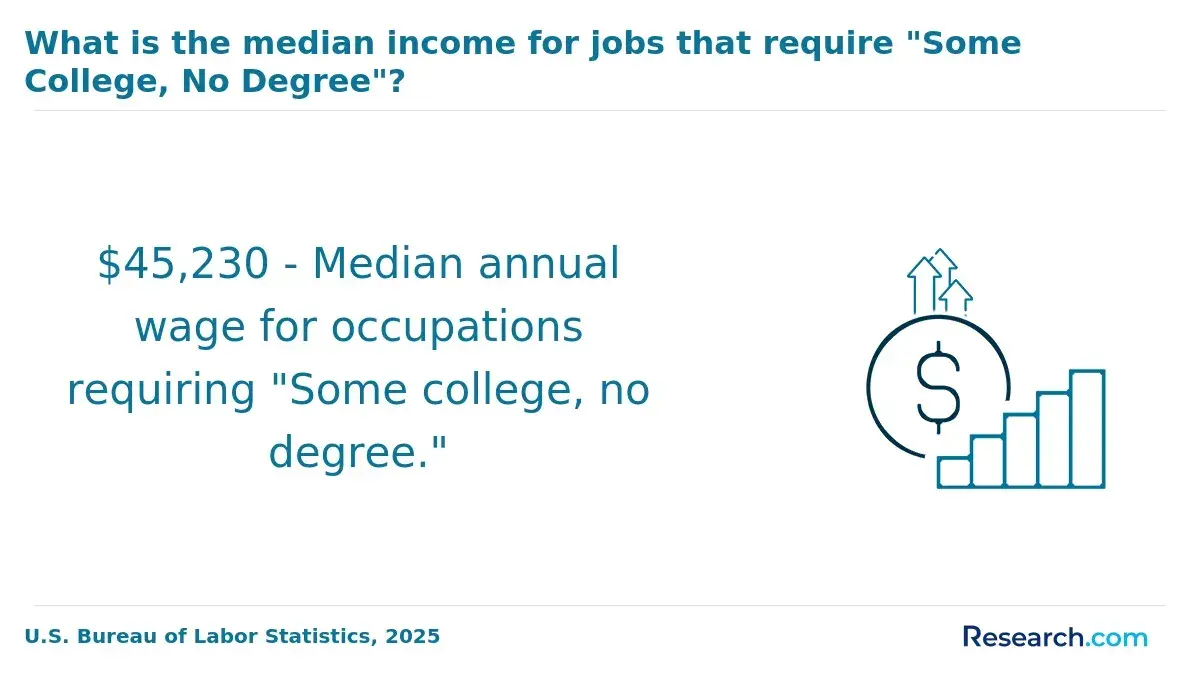
Particularly for ecological biology pathways, employers increasingly expect candidates to demonstrate tangible hands-on competencies in geographic information systems (GIS), data analysis, or environmental fieldwork. For example, GIS technicians are projected to see an 8.2% job growth with median salaries near $108,970 annually, indicating that programs may require portfolios or professional experience statements.
This reflects a practical tradeoff: students must invest time in acquiring specialized technical skills alongside foundational science knowledge to stay competitive.
Application platforms vary widely, with deadlines typically set three to six months before term start, demanding proactive time management and technical readiness for remote study. Prospective students should weigh these operational realities against their career objectives to navigate admissions successfully and align their educational choices with tangible labor market outcomes.
How long do online biological sciences degrees take and what do they typically cost?
Choosing an online biological sciences degree requires balancing program length, cost, and career timing. Bachelor's programs usually span four years, though accelerated options reduce this to three years for students with prior credits or full-time availability. Associate degrees take about two years but offer a narrower curriculum. Graduate studies range from two to three years depending on thesis demands and part-time enrollment, affecting when one enters the workforce and starts earning.
Cost differences between public in-state and private or out-of-state institutions can substantially impact financial planning. Annual expenses for online bachelor's degrees can vary from $6,000 to $30,000, with total programs costing $24,000 to $90,000 excluding fees and materials.
Financial aid or employer tuition assistance may mitigate costs but require careful application and verification. Part-time enrollment lowers immediate costs but extends program duration, delaying potential wage increases.
Wildlife biologists, a core ecology specialization, earn an average salary near $76,491 nationally, with some regional variation. This illustrates practical tradeoffs: investing more time and money upfront in comprehensive study versus entering ecological roles with competitive pay.
Prospective students must also consider federal or state employment prerequisites, availability of online lab components, and internship opportunities. These factors influence not just cost and length but the hands-on experience essential to meeting workforce expectations in conservation biology and environmental science.
What entry-level and advanced ecology jobs can you pursue with an online biology degree?
An online biology degree can lead to positions ranging from entry-level technician roles to specialized ecological experts, but the path is defined by significant differences in skill sets and job functions. Entry-level jobs such as ecological technicians or environmental science assistants focus on collecting and analyzing environmental data, requiring familiarity with GIS technology and basic ecological concepts.
In contrast, advanced positions like conservation scientist or ecological consultant demand rigorous expertise in habitat management, species interactions, and navigating regulatory policies, often supported by graduate studies or certifications.
Labor market data from the U.S. Bureau of Labor Statistics projects a modest 2% growth in zoologist and wildlife biologist roles through 2034, reflecting steady but competitive job availability in sectors such as government and nonprofits. Practical experience, including internships or applied research projects integrated within online programs, plays a decisive role in overcoming this competition.
For example, ecological consultants advising on regulatory compliance for urban planners must combine scientific knowledge with stakeholder communication skills, while federal conservation scientists coordinate cross-agency restoration efforts involving extensive fieldwork. Online learners face the additional challenge of securing local or partner-based field experiences, which are critical for employability.
To enhance job prospects, programs emphasizing coursework in statistics, remote sensing, and environmental policy alongside support for professional certification are more likely to bridge academic knowledge and workforce requirements effectively.
What salary ranges and job outlook can ecology-focused biological sciences graduates expect?
Ecology-focused biological sciences graduates face divergent salary prospects influenced by education level, sector, and location. Entry-level roles in government or environmental consulting generally start between $50,000 and $65,000 annually.
Mid-career professionals with master's degrees typically earn $65,000 to $85,000, while PhD holders in research or academic roles can reach $80,000 to over $110,000 depending on institutional affiliation and job duties. Yet, fewer than 20% of recent U.S. ecology PhDs obtain tenure-track positions, signaling fierce competition despite a low 3.3% involuntary unemployment rate, according to the Carnegie Science ecology careers study.
Workforce realities imply critical tradeoffs:
- Government and nonprofit roles provide employment stability but often limit salary growth after around ten years.
- The private sector may offer higher starting pay, but demands rigorous data analysis and applied skills, intensifying competition.
- Academia frequently necessitates adjunct or research-only roles, which pay less and require adaptability.
Students prioritizing stable income might prefer agency or consulting positions, while those focused on research must prepare for job scarcity and geographic mobility. Competence in GIS, statistical modeling, and grant writing enhances both employability and compensation.
The premium tied to a PhD exists primarily within a narrow segment of academia and research, with many graduates transitioning toward interdisciplinary or applied careers that yield more variable financial outcomes.
How should you choose between ecology research, conservation, and environmental consulting pathways?
Deciding between ecology research, conservation, and environmental consulting hinges on distinct professional tradeoffs and anticipated work environments. Ecology research generally demands advanced degrees and sustained academic contributions, making it suitable for those aiming for roles in universities or research agencies. Median salaries for biology science professors sit near $97,340, which signals stable income but often with delayed financial returns due to lengthy credentialing.
Conservation careers focus on direct ecosystem management and policy influence, requiring strong project coordination and collaborative skills. Practitioners typically engage in tangible ecological improvements and community outreach. Advancement into natural sciences management roles offers higher median earnings-around $139,680-but involves navigating nonprofit or governmental bureaucracies.
Environmental consulting emphasizes adaptability to regulatory shifts, rapid client communication, and technical ecosystem assessment skills. It facilitates earlier entry into the private sector but introduces pressures such as billable hours and strict deadlines. Those with ecological expertise here may accelerate into senior advisory or compliance positions leveraging industry relationships.
Balancing immediate employability with leadership potential is essential, as managerial and academic positions offer significantly higher long-term salary prospects. These factors shape both educational investments and career trajectory decisions in biological sciences.
Other Things You Should Know About Biological Sciences
Yes, practical field experience is vital for ecology careers, even with an online biological sciences degree. Employers often seek candidates with hands-on skills in data collection and environmental assessments, which are crucial for ecological research and conservation work. Online programs may include virtual labs or local fieldwork opportunities to build such experience.
Employers typically evaluate online graduates on the same academic standards but often scrutinize evidence of applied skills and research experience more carefully. Graduates from online programs should highlight internships, lab work, or field projects to offset biases linked to limited on-campus interaction. Choosing programs with strong industry ties and recognized faculty can mitigate employer concerns about practical competency.
Ecology-focused online degrees often demand extensive project-based work and field research components, increasing time requirements beyond standard coursework. Broader biology programs may spread workload across diverse topics, potentially allowing more flexibility but less depth in ecological methods. Students aiming specifically for ecology careers should prioritize programs with concentrated ecological content despite the heavier workload to better prepare for the field's demands.
Yes, prioritizing accredited programs with specialized ecology tracks ensures that curriculum aligns closely with employer needs and sector certifications. More general biology degrees may provide foundational knowledge but often lack targeted preparation for ecology roles, which can delay career progress. When ecological career advancement is the goal, specialized, accredited programs offer clearer pathways, skill relevance, and stronger employer recognition.
References
- Operation Wallacea | Conservation Career Paths https://www.opwall.com/article/conservation-career-paths/
- Environmental Careers for Biology Majors: Protecting Our Planet https://www.shawnee.edu/blog/what-can-you-do-with-a-biology-degree-biology-major-careers
- Remote Biology Jobs: Work From Home Guide https://outlier.ai/blog/work-remotely-with-biology-degree
- Online Biology Degrees https://mycollegeguide.org/online-biology-degrees/
- The 12 Types Of Conservation Career (and how to choose which one is for you?) http://www.jamesborrell.com/the-12-types-of-conservation-career-and-how-to-choose-which-one-is-for-you/
- Is Your Online Degree Legitimate? How to Verify Private University Approval https://matchtocollege.com/blog/verify-private-university-online-degree-approval
- How to Check if an Online Degree Is Real | Find Trusted Courses https://dsuonline.com/resources/blogs/how-to-check-if-an-online-degree-is-real/
- Explore Ecology as a Career – Ecological Society of America https://esa.org/explore-ecology-as-a-career/
- Environmental Consulting: A Clear-Cut Career Path https://unity.edu/career-corner/environmental-consulting-a-clear-cut-career-path/