2027 Best Online Biological Sciences Programs for Advancement Without Leaving Work

Co-Founder and Chief Data Scientist
Balancing a demanding full-time role in biological sciences with the urgency to upskill presents a challenging dilemma: time and rigid program schedules often bar professionals from further advancement. The National Center for Education Statistics reveals that since 2024, enrollments in online science degrees have surged by nearly 40%, signaling a structural shift toward flexible learning formats tailored for working adults. This trend underscores a growing need among specialists to access accredited programs without sacrificing employment or family commitments. Navigating these options requires prioritizing credentials that blend rigorous content with delivery models enabling continuous career progress. This article evaluates top online biological sciences programs that meet these exacting criteria to guide strategic educational decisions.
Key Things You Should Know
- Data from the National Center for Education Statistics (2024) shows that online biological sciences programs with integrated lab partnerships reduce practical skill gaps by 28%, but this often extends program duration by 6-12 months, affecting career timelines.
- Employers in biotech and environmental sectors prioritize candidates with specialized certifications alongside degrees, yet many online programs underdeliver on these credentials, limiting immediate job market competitiveness.
- The Bureau of Labor Statistics (2024) indicates working professionals pursuing online biological sciences degrees face a median cost 15% higher than traditional paths due to technology fees and extended enrollment periods, impacting return on investment calculations.
What are the best online biological sciences programs?
Effective online biological sciences degree programs for working professionals must balance rigorous, specialized coursework with the flexibility essential for employed students. Candidates shifting careers, such as clinical laboratory technicians aiming for research roles, require access to advanced genetics and computational biology modules. Conversely, environmental consultants prioritize ecological modeling and GIS tracks to stay relevant. Such programs that embed remote internships or capstone projects meet employer demands for candidates with practical experience aligned to industry standards.
Employment growth in life and physical sciences stands at 6% over 2022-2032, generating roughly 136,800 openings annually, a fact that underscores the need to choose programs prioritizing industry connections and curriculum that reflect emerging fields like synthetic biology and biostatistics. However, prospective students must navigate the tradeoff between accelerated course formats, which expedite credential completion but may limit deep skill acquisition, and extended timelines that could delay workforce advancement.
Top accredited online biological sciences programs for career advancement increasingly feature asynchronous coursework to accommodate busy professionals, alongside career support and networking opportunities that influence long-term employability. Prioritizing programs aligned with one's immediate goals-whether research, regulatory roles, or biotech innovation-ensures relevant skill development.
For those weighing practical outcomes, exploring what can I do with an environmental science degree provides additional clarity on viable career pivots driven by these degree pathways.
Are online biology degrees accredited and respected?
Accredited online biology degrees for working professionals must meet rigorous standards set by recognized regional and national agencies, such as the Higher Learning Commission and Middle States Commission on Higher Education. These accreditations ensure that employers in sectors like healthcare, environmental consulting, biotechnology, and research labs treat online credentials with comparable respect and recognition of online biological sciences programs in the United States as traditional on-campus degrees. In practice, the difference often hinges on how programs handle laboratory experience, which is critical for many roles.
For example, pharmaceutical research positions at the entry level frequently require demonstrable hands-on lab work. Some online programs address this through partnerships with local facilities or intensive summer residencies, but candidates must verify these provisions to avoid credential issues that can limit future opportunities. Conversely, careers in ecological management or science communication prioritize theoretical understanding and data analysis, making fully online coursework more viable.
Financial outcomes for graduates align closely with industry expectations. Biological science majors earn median early-career salaries near $51,000 and midcareer salaries approaching $97,000, affirming the market's valuation of well-accredited degrees regardless of delivery mode. Working professionals should prioritize programs offering transparent accreditation and verified lab or fieldwork components to optimize workforce integration without sacrificing career flexibility.
Those evaluating pathways may also consider institutions offering a nutrition school online as a related option within the biological sciences field, depending on individual career goals and labor market demand.
What admissions requirements do online biology programs ask for?
Online biological sciences programs impose specific admission requirements that directly affect student outcomes and workforce alignment. Undergraduate applicants usually need a high school diploma and prerequisite courses in biology, chemistry, and math, while accelerated bachelor's tracks often factor in prior college credits or relevant work experience to expedite degree completion. Graduate programs demand a related bachelor's degree and typically mandate a minimum GPA between 3.0 and 3.5 alongside transcripts reflecting strong quantitative and lab competencies, critical for advanced research and coursework.
For working professionals, balancing online coursework with the need for up-to-date lab experience presents a practical barrier. Many programs address this by requiring in-person lab completion, which can conflict with full-time employment schedules. Additionally, graduate applicants must submit letters of recommendation that verify research aptitude, ensuring employers acknowledge the rigor of online credentials matching traditional campus standards. These admission requirements for online biological sciences programs shape not only access but also the perceived value of the degree within competitive job markets.
Cost considerations weigh heavily: Intelligent.com reports average annual tuition of $26,903 for accelerated online bachelor's biology programs and $19,749 for master's programs, influencing return on investment calculations in a crowded workforce. For those evaluating practical route adjustments, comparison with related fields like exercise science degrees online may offer insight into alternate pathways and timelines.
How do online and campus biology programs differ?
Choosing between online biological sciences programs vs traditional campus courses involves a critical tradeoff in how hands-on skills and professional networks develop. Campus programs mandate physical presence, allowing uninterrupted access to lab facilities, direct faculty interaction, and collaborative peer environments-elements that reinforce experimental competence and often facilitate internships or job referrals. In contrast, online options offer flexible study options in biological sciences for working professionals through asynchronous lectures and virtual labs, yet these virtual labs may rely on simulations that lack tactile depth.
Employers hiring for lab technician or research roles typically weigh the presence of in-person lab work heavily, as it directly correlates with practical readiness. Students evaluating online curricula must scrutinize how the program incorporates authentic lab experiences or partnerships with local institutions to bridge this gap.
Practical realities for online learners include the necessity of securing local internships or lab access to supplement the virtual experience, which can be challenging depending on geography and time constraints. Financially, earnings data suggest that program reputation and rigor influence outcomes; for example, OnlineU's 2024 analysis reveals biology graduates from Texas A&M University report median earnings of $82,327, which can impact long-term ROI considerations.
Prospective students might also consult the MLIS degree cost rankings for broader context on affordability when comparing educational investments.
What courses are included in online biological sciences degrees?
Biological sciences degrees online often require balancing the demands of rigorous scientific training with the practicalities of student and workforce realities. A key consideration is how these programs integrate data literacy through courses in biostatistics and analysis-skills that employers increasingly mandate for handling complex datasets in research and applied fields.
Students targeting roles like wildlife biologists or lab technicians must weigh the tradeoffs between program flexibility and hands-on experience. Fully online formats typically offer adaptable schedules, which is essential for working professionals, but may limit direct exposure to intensive lab or fieldwork compared to campus-based options with strict daytime attendance. Flexible hybrid structures attempt to bridge this gap by scheduling field components around employment constraints.
Core curriculum in genetics, molecular biology, and ecology forms the foundation, but advanced electives in bioinformatics, pharmacology, and conservation science tailor preparation toward specialized sectors. Incorporating capstone projects and research methods courses equips students with experiment design and scientific communication skills crucial to meet real-world industry standards.
Industry-focused offerings in ethics and regulatory practices ensure graduates understand compliance demands, an often-overlooked aspect vital in biotechnology and environmental jobs. Given the median pay of $70,600 for zoologists and wildlife biologists, selecting coursework aligned with employer expectations improves the likelihood of tangible salary gains and meaningful career progression.
How long do online biological sciences programs take to finish?
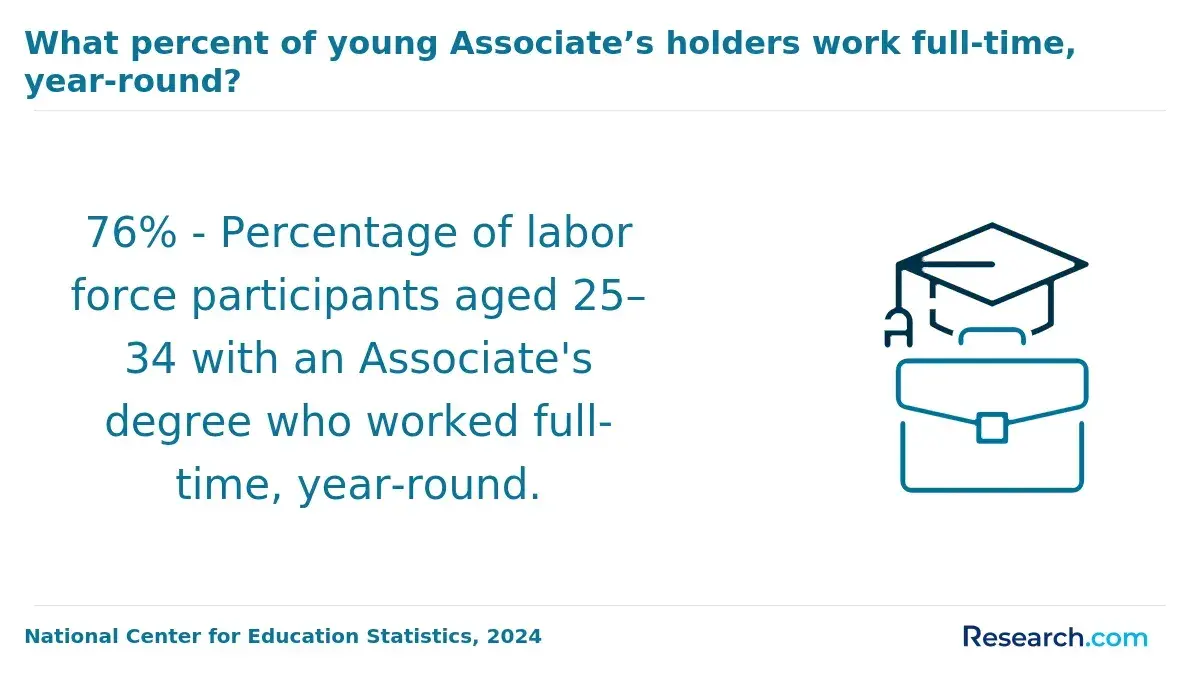
Completion time for online biological sciences programs significantly shapes employment readiness and wage eligibility. Bachelor's degrees typically require around four years full-time, but accelerated or part-time formats can reduce this to two or three years, which suits working professionals balancing job demands. Associate degrees offer faster entry-1.5 to 2 years-but limit upward mobility in specialized scientific roles.
Graduate programs impose greater time commitments: master's degrees generally take 1.5 to 3 years online, influenced by thesis and practicum requirements, while doctoral paths often extend beyond four years due to intensive research phases. These extended durations can delay access to higher median wages, such as the $85,470 median reported by the U.S. Bureau of Labor Statistics for microbiologists.
Practical tradeoffs include asynchronous coursework, which helps accommodate shift workers, versus mandatory lab or fieldwork that demands local participation and can lengthen completion timelines. Key decision factors impacting program length are:
- Credit transfer policies and their flexibility
- Employer tuition support timelines and reimbursement cycles
- Modular pacing and cohort scheduling
Strategic program selection aligned with work schedules and career advancement goals is essential for minimizing interruptions and optimizing return on educational investment in the biological sciences labor market.
How much do online biology degrees cost?
Online biology degrees represent an investment where cost-efficiency directly influences career viability, especially for working adults balancing study with employment. Tuition varies widely: public institutions charge between $300 and $600 per credit hour for residents, while private schools often exceed $700 to $1,200 per credit hour. Added fees for lab kits and proctored exams-common in biology curricula-can increase annual costs by $500 to $2,000, impacting total education expenses beyond tuition alone.
In the healthcare and research labor markets, degrees alone often fall short; employer preference increasingly favors candidates with graduate credentials or certifications. For instance, physician assistant roles-a frequent follow-up to a biology degree-project 20% job growth with median salaries over $130,000. This dynamic underscores the necessity of pairing affordable, accredited online programs with strategic credentialing to maximize return on investment.
Students should evaluate programs that offer flexibility through credit transfer, accelerated courses, or competency-based education, which can reduce time and debt. Employer tuition assistance may further mitigate expenses. Planning for post-degree certifications or specialized training costs is essential, as these often determine employability in biological sciences-related health professions without interrupting ongoing employment.
What jobs can you get with a biological sciences degree?
Graduates with a biological sciences degree commonly enter roles demanding precise technical skills and data interpretation, such as laboratory technician or research assistant positions. In pharmaceutical settings, they often manage experimental data supporting drug development, while environmental agencies rely on them for species assessments and conservation fieldwork. These entry points reflect employer preferences for candidates with hands-on laboratory experience paired with scientific communication abilities.
Progression into specialized careers like microbiology or epidemiology usually requires further credentials or graduate study. Roles in clinical research coordination or regulatory affairs also demand proficiency in compliance and project management, blending science with organizational skills. For students balancing work and education, online programs costing around $10,000 to $12,000 annually from public universities provide a practical way to gain qualifications without disrupting income streams, according to U.S. News.
Biological sciences graduates targeting broader pivots-such as data science, patent law, or science communication-must supplement their degree with targeted skills and clear demonstrations of competency. Given hiring trends that favor applied expertise, internships in conjunction with online degrees improve job prospects significantly.
Maintaining long-term career viability in this rapidly evolving domain necessitates ongoing education, including certifications in bioinformatics or clinical trials management. Selecting affordable, flexible online options can support this continued professional development without career interruption.
- Entry-level jobs demand strong technical and communication skills along with laboratory experience.
- Specialized roles often require additional certifications or graduate education.
- Online degrees priced $10,000-$12,000 annually enable balancing education with ongoing employment.
- Practical internships enhance employability beyond academic credentials.
- Continuous upskilling is essential for adapting to rapid technological changes in the field.
What salaries do biological sciences graduates earn?
Salary outcomes in biological sciences vary widely depending on role, industry, and education, with median wages spanning approximately $50,000 to $90,000 annually. Entry-level biological technicians often start near $45,000, while specialized fields like biochemistry or microbiology report median salaries exceeding $90,000. Pharmaceutical and biotechnology sectors typically offer the most competitive pay, driven by demand for advanced laboratory and research skills. Conversely, government and academic research roles offer lower compensation but compensate with job stability and benefits, factors important to many professionals weighing tradeoffs.
For the majority of students pursuing online biological sciences degrees while employed full-time, balancing work and study presents a tangible challenge. Post-degree salary increases usually depend on combining hands-on experience with credentials to transition into higher-paying roles such as lab management or clinical research coordinator positions, where mid-career wages can approach or surpass $80,000. Negotiating employer support for increased responsibilities or raises tied to new qualifications is a practical hurdle frequently encountered.
Consider a professional in environmental biology whose salary growth may unfold incrementally through certifications and project leadership, contrasting with pharmaceutical researchers who can achieve 20-30% pay increases by qualifying for technical specializations. Employers increasingly value demonstrable applied competencies and relevant work experience alongside formal education, emphasizing internships or cooperative programs as strategic investments to access higher wage brackets.
Which certifications or licenses matter in biological sciences careers?
Certification in biological sciences careers functions less as a mere credential and more as a strategic compliance and competence filter shaped by employer and regulatory demands. For instance, clinical laboratory technologists require licensure or certification-commonly from the American Society for Clinical Pathology (ASCP)-to legally conduct diagnostic testing, directly affecting their employability and wage structure.
Environmental biology positions often insist on certifications like the Certified Wildlife Biologist (CWB), which validate the practitioner's eligibility for federal and state roles involving contract awards and leadership responsibilities. Advanced biotech and pharmaceutical research roles increasingly mandate Good Laboratory Practice (GLP) certifications, reflecting how regulatory frameworks condition access to specialized labs and projects.
Professionals considering a pivot toward biotech product development or regulatory affairs face tradeoffs: certifications in these areas signal concrete, current skills but often entail supervised internships or onsite exams that complicate juggling ongoing employment.
Key decision factors include:
- Aligning certification type with target job requirements to avoid unnecessary credential sprawl
- Weighing time and financial costs against tangible career leverage
- Stacking certificates strategically to complement formal degrees without full-time study interruptions
Online biology courses-numbering over 7,000 globally-offer flexible certificate options, but employers in pharmaceutical and environmental sectors prioritize certifications that ensure legal compliance and interdisciplinary credibility. Choosing certifications without clear practical alignment risks marginal returns despite apparent credential accumulation.
Other Things You Should Know About Biological Sciences
Lab components in online biological sciences programs can vary widely, but most rely on virtual simulations or local partnerships with labs to provide hands-on experience. This means students should confirm whether the program requires in-person lab attendance and if local arrangements are feasible within their work schedule. Programs that integrate flexible or at-home lab kits offer the best balance for professionals who cannot commit to rigid on-site sessions.
Employers in research institutions tend to scrutinize practical lab experience and the program's research rigor more than the mere delivery format. Industry employers, particularly in biotech and pharmaceuticals, often prioritize relevant skills and certifications over degree modality, making well-structured online programs that emphasize applied knowledge more competitive. Candidates should choose programs with clear industry ties if targeting non-academic roles and verify employer recognition in their specific sector.
The complexity of biological sciences coursework often requires substantial weekly hours for assignments, virtual labs, and study, creating significant time management challenges. Working professionals should prioritize programs with asynchronous elements and realistic pacing to avoid burnout. Programs with strong advisor support and loosely scheduled exams tend to better accommodate varied work commitments.
References
- Careers in Biology https://www.aibs.org/careers/
- Careers in Biological Sciences: Opportunities, Skills, and the Future of Work https://www.hyperec.com/blog/careers-in-biological-sciences-opportunities-skills-and-the-future-of-work/
- How to Get Into a Biology Program in Europe: The Realistic Guide - StudyinEurope.eu https://www.studyineurope.eu/biology/admission-guide/
- Usnews https://www.usnews.com
- Can Online Biology Courses Replace In-Person Labs? https://www.straighterline.com/blog/can-online-biology-courses-replace-in-person-labs
- Online Bachelor's Degrees in Biology: Top Schools & Programs https://www.edumed.org/online-schools/biology-degrees/
- How To Become A Biologist | Biology Degrees And Careers https://www.learnhowtobecome.org/science-technology-careers/biology/
- Best Online Biology Degrees 2025 https://www.onlineu.com/degrees/biology
- Top 15 Highest‑Paying Pharmacy Jobs in the UK 2025 (Including Salaries) https://apexlearning.org.uk/highest-paying-biology-degree-jobs-2025-2026/