2027 Best Online Biological Sciences Degrees for Genetics Careers

Co-Founder and Chief Data Scientist
Balancing full-time employment while securing advanced education in biological sciences often leaves aspiring geneticists navigating a narrow window of opportunity. Traditional programs rarely accommodate the specialized scheduling needs of working professionals, pushing many to delay or forgo critical upskilling. The rise of online degree enrollment, which grew by 12% among adult learners last year according to the National Center for Education Statistics, signals a significant shift toward flexible access but also introduces challenges around program credibility and hands-on training essential for genetics careers. This article evaluates top online biological sciences degrees tailored for genetics, offering actionable insights to optimize educational choices that align with career acceleration and real-world laboratory competencies.
Key Things You Should Know
- Graduates from online biological sciences genetics programs reporting >75% job placement within 12 months face tradeoffs as lesser lab internship availability limits hands-on skill acquisition critical in biotech roles, per NSF workforce data.
- Employers emphasize data analysis and CRISPR technique proficiency, with 62% of surveyed genetic research firms prioritizing candidates holding degrees from programs integrating these remotely, influencing hiring biases toward hybrid models (Biotech Industry Report 2024).
- Cost-effective online degrees reduce average tuition by 40% versus traditional routes, but extended time-to-completion (median 5.3 years vs. 4) delays entry into genetics career pipelines impacting long-term earning potential (IPEDS 2024).
What is an online biological sciences degree with a genetics focus, and who is it best for?
Online biological sciences degrees focused on genetics careers demand more than absorption of theory; they require strategic alignment with employer expectations for validated hands-on experience and computational skills. Graduates often face challenges securing lab practicums remotely, yet these are critical for clinical or research certifications. Without practical training in molecular biology techniques and data analysis tools-such as CRISPR editing or genomic sequencing software-candidates risk limited employability despite theoretical coursework.
The practical reality is that these degrees best serve self-motivated learners who supplement flexible, affordable online study with verified local labs or partnerships. Employers prioritize candidates who can handle real genetic datasets and contribute to evolving fields like personalized medicine, placing a premium on up-to-date bioinformatics proficiency.
Employment projections reflect this demand: the U.S. Bureau of Labor Statistics forecasts a 16% growth rate for genetic counselors from 2024 to 2034, with a median annual wage of $98,950. To access these roles, students should prioritize programs that facilitate direct certification pathways and practical experience, rather than purely theoretical curricula.
For those weighing an online biological sciences degree with a genetics concentration, balancing accessibility with requirements for practical labs and credentialing is decisive. Working professionals or career changers should also consider how these programs integrate with broader jobs for environmental science majors to gauge labor market intersections and portability across life sciences.
This pathway is not universally optimal-those lacking initiative to secure hands-on training or intending immediate clinical roles may face delays in credentialing and workforce entry.
How do online biological sciences programs prepare you specifically for genetics careers?
Employers expect graduates from online biological sciences programs to manage large datasets and demonstrate proficiency in CRISPR technology, epigenetics, and gene therapy-skills that define the evolving demands of genetics careers. These programs develop critical competencies in molecular biology, biochemistry, genomics, genetic analysis, and bioinformatics that are essential in practical fields such as clinical genetics and pharmaceutical development.
Students engaged in online biological sciences genetics career preparation encounter virtual laboratories and simulation tools, which provide valuable albeit limited replication of real-world genetics research environments.
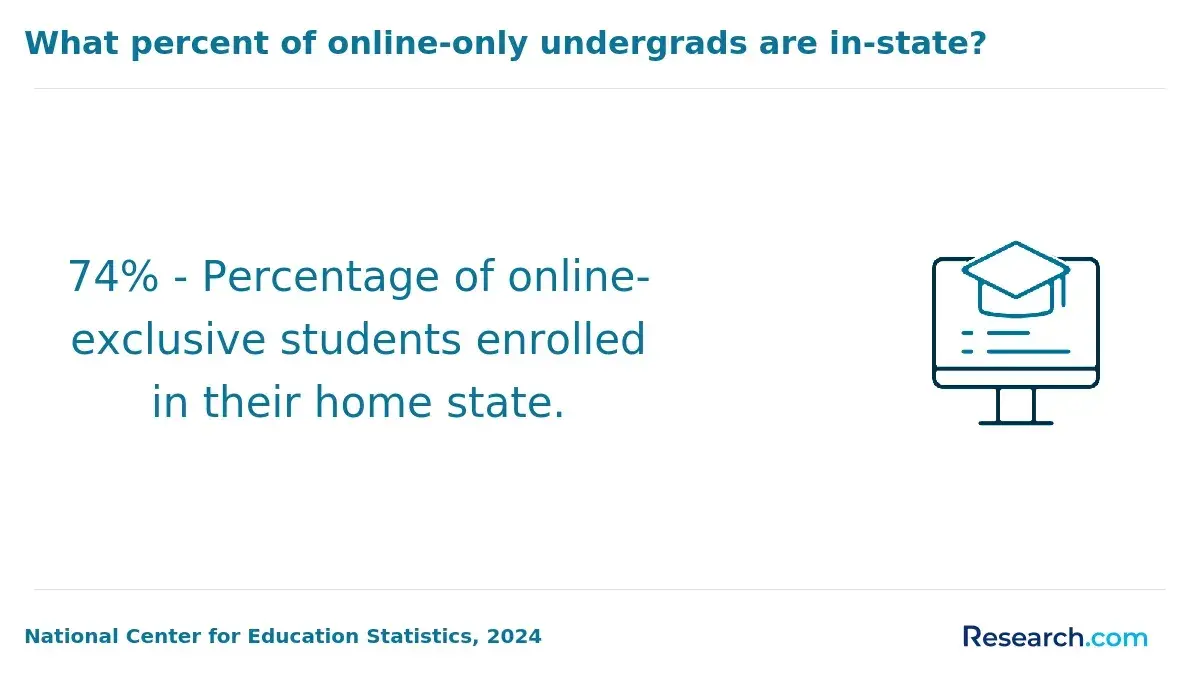
Significant tradeoffs emerge in program selection, as cost differentials between in-state and out-of-state tuition can reach more than four times, affecting access and return on investment. Additionally, the necessity of clinical practicums or internships, which often require physical presence or local healthcare partnerships, complicates fully remote learning pathways.
Working professionals benefit from flexible pacing but must verify program support for arranging these critical experiential components to avoid delays in licensure or employment.
Online biological sciences genetics programs prepare students in practical skills such as genetic sequence analysis and statistical interpretation of hereditary patterns with collaborative projects adapted for remote learning. However, successful preparation demands attention to curriculum rigor and experiential learning balance to match employer expectations for specialized roles like genetic counseling or lab management.
Students evaluating these pathways should also consider broader options in advanced data analysis, as related fields can enhance genetics career trajectories; for instance, a data science PhD online offers complementary skills increasingly valuable in genomics research and genetic data modeling.
What accreditation and quality standards should online genetics-focused biological sciences degrees meet?
Accreditation standards for online biological sciences degrees in the United States determine a program's ability to provide transferable, credible coursework that meets industry demands. Programs lacking recognized regional accreditation often impede candidates' mobility and professional acceptance, especially in genetics-focused roles requiring rigorous academic backing. Institutions aligned with recognized bodies like the American Society of Human Genetics maintain current scientific content and ethical frameworks essential for advanced practice.
Employers prioritize graduates whose online degrees demonstrate substantial lab-intensive coursework or equivalent experiential learning. For example, a geneticist involved in clinical trial design must possess hands-on competence with molecular techniques and data analytics-a proficiency rarely achieved through purely theoretical programs.
Students should confirm programs offer virtual labs or facilitate internships to satisfy these practical requirements, or risk limited employability in biotechnology or pharmaceutical research sectors.
Quality criteria for genetics-focused biological sciences programs online hinge not only on accreditation but also on integration with active research and faculty expertise. High-earning professions like biochemists or biophysicists, with median salaries around $113,460, demand credentials reflecting immediate operational readiness in experimental design and regulatory compliance.
Choosing programs that provide clear certification pathways, such as Board Certification in Medical Genetics, mitigates credentialing obstacles crucial for clinical and regulatory work. Without these, graduates may face costly additional training or stagnation beyond entry-level positions.
Prospective students evaluating an online degree for library science or related fields should consider these programmatic factors as they weigh practical outcomes and workforce alignment.
How do online biological sciences degrees for genetics compare with on-campus programs?
Online biological sciences degrees vs on-campus programs for genetics careers diverge primarily in practical laboratory exposure. While theoretical rigor often matches traditional curricula, online students frequently face deficits in hands-on wet lab training, essential for many genetics roles. This gap imposes a tradeoff: flexibility and accessibility at the cost of direct in-person research experience employers prioritize, especially in genetics-intensive sectors.
For example, epidemiologists-whose national outlook includes 16.2% projected growth and a median salary near $83,980-require both strong academic foundations and demonstrable technical skills. Programs like Arizona State University's BS in Biological Sciences (genetics, cell, and developmental biology concentration) respond to this demand but necessitate supplementary local internships or lab arrangements for remote learners.
The logistical ease of online study benefits nontraditional students and working professionals by eliminating geographic constraints and allowing continued employment during study. However, this advantage can extend time-to-degree as students independently coordinate external lab access or fieldwork.
Careers in clinical genetics or molecular diagnostics particularly demand verification of clinical rotations or practicum credits recognized by certifying agencies, since some licenses mandate supervised, in-person training not fully deliverable online.
Comparing online and traditional biological sciences genetics programs reveals that employers seek portfolios showcasing applied research and hybrid data analysis competencies alongside transcripts. Graduates lacking sufficient lab exposure risk slower integration into laboratory occupational pathways, which can suppress early-career earnings and progression.
Those pursuing this route should strategically combine online coursework with targeted experiential learning to navigate these employer expectations effectively. For students considering educational pivots into biological sciences, exploring related options like MLIS programs may also offer valuable interdisciplinary skillsets.
What courses and concentrations are typically included in an online biological sciences curriculum for genetics?
Online biological sciences programs tailored for genetics careers require balancing foundational science rigor with specialized technical skills crucial for emerging roles. Candidates focusing on clinical genetics must demonstrate proficiency in human genetics, lab protocols, and ethical standards, while those pursuing biotech research roles prioritize gene editing and proteomics. This distinction affects both curriculum choices and employability trajectories.
Strong proficiency in statistics and chemistry underpins successful data interpretation in genetics, yet the limited availability of hands-on lab experiences online introduces a significant tradeoff. Programs offering virtual labs or local internships address this partially, but logistical challenges persist for working students needing access to research facilities. Partnerships facilitating on-site training can mitigate these barriers but vary widely across institutions.
Competitive admissions criteria, such as a required top quartile ranking or a minimum GPA in prerequisite courses, signal a shift away from treating online genetics degrees as fallback options. Such selectivity correlates with workforce readiness because employers increasingly prioritize candidates with demonstrated academic excellence and relevant skill sets.
Graduates entering fields like personalized medicine or agricultural genomics benefit from interdisciplinary curricula integrating data science and bioethics. Practical decision-making involves evaluating how well programs align with specific career goals and the real-world accessibility of experiential learning components.
What admission requirements and prerequisites do online genetics-focused biological sciences programs usually have?
Online genetics-focused biological sciences programs impose a prerequisite barrier that significantly influences student trajectories and workforce alignment. Applicants must complete foundational biology and chemistry courses with labs, alongside introductory math such as statistics or calculus, to meet minimum technical literacy expected in entry-level roles. Those lacking this background often encounter conditional acceptance or must undertake additional bridge coursework, extending time and cost to degree completion.
This requirement particularly impacts career changers from unrelated fields, such as humanities, who must plan strategically well before enrollment to mitigate delays. Employers prioritize candidates with demonstrated STEM proficiency and a solid GPA, usually above 2.5, reinforced by official transcripts and sometimes analytical-focused recommendations.
Financially, selecting an online biology bachelor's with a genetics concentration can yield substantial savings without compromising academic rigor. For example, in-state students at the University of Florida pay approximately $15,504 online, nearly $10,000 less than the in-person rate of $25,520. This price gap can influence accessibility but requires verification that virtual labs meet practical skills expectations.
Applicants must navigate challenges like confirming lab equivalency and balancing study with work. Program structures increasingly integrate asynchronous and virtual components, yet prospective students should verify these align with employer and postgraduate standards to avoid entry or progression setbacks in this specialized domain.
How long do online biological sciences degrees for genetics take, and what do they cost?
Genetics-focused online biological sciences degrees commonly require four years full-time, but working professionals often face a tradeoff between accelerated programs and manageable pacing. Accelerated tracks demanding year-round study may be unfeasible for those balancing employment or family, while part-time paths can extend to six years or beyond, increasing cost and delaying labor market entry.
Tuition differences substantially affect return on investment. Public universities' annual resident tuition starts near $5,500, whereas nonresident rates can reach approximately $48,500.
This disparity is institutional rather than curricular but influences access to resources like research labs and employer networks, which are often linked to better job placement in genetics fields.
- Longer part-time options increase cost and delay workforce entry but allow balance with work commitments.
- High tuition programs may offer superior lab access and employer connections vital for career launch.
- Credit transfer and asynchronous courses reduce time-to-degree and financial pressure.
- Internships/practicums enhance real-world skills and job placement but can lengthen completion time.
Practical factors for career changers include credit transfer policies and course scheduling flexibility. Programs recognizing prior coursework and offering asynchronous learning enable faster degree completion, reducing time and expense without sacrificing academic rigor aligned with industry needs.
Candidates aiming for roles such as genetic counseling or biotech research should weigh programs with integrated internships or practicums, despite their potential to extend study duration, as these experiences markedly improve employability in competitive markets.
Which genetics-related careers can you pursue with an online biological sciences degree?
An online biological sciences degree with a genetics focus equips graduates for specialized roles that differ significantly across industries such as biotechnology, pharmaceuticals, agriculture, and food manufacturing. The strongest job prospects align with biopharmaceutical development and crop or animal genetics, reflecting targeted innovation demands in these sectors.
For example, a genetic technologist working in biopharma might develop gene therapies or diagnostic procedures, whereas an agrigenomics specialist applies genetic tools to enhance yield and disease resistance. Each sector requires navigating distinct regulatory frameworks and staying current with evolving genetic technologies. Consequently, proficiency in molecular biology, bioinformatics, and data analytics becomes essential, often integrated into online curriculum models.
Advancement beyond entry-level roles usually demands combining technical genetics expertise with project management and sector-specific knowledge, especially in commercial biotech settings. For working students, addressing the hands-on lab experience gap through internships or partnerships is critical, as purely online courses often lack this practical component, affecting employability.
Reported average salaries range from $60,000 to $110,000 depending on specialization and experience. Choosing programs aligned with applied genetics skills sought by employers can directly influence employment outcomes by meeting verified workforce demands.
What are the salary expectations and job outlook for graduates in genetics-focused biological sciences roles?
Genetics-focused biological sciences graduates face a nuanced salary spectrum influenced by industry, location, and qualifications, with median earnings typically from $60,000 to $85,000 annually. Positions in biotechnology or pharmaceuticals command salaries near the upper limit, while academic or government roles often start between $55,000 and $65,000. The U.S. Department of Labor forecasts a 9% job growth in genetics-related fields through 2034, fueled by advancements in gene editing and personalized medicine.
Costs sharply differentiate educational pathways. For instance, an in-person biology bachelor's degree at the University of Florida can exceed $114,000 out-of-state, whereas its online equivalent is about $66,000. This $48,000 gap materially affects early-career financial flexibility and the ability to pursue vital post-bachelor certifications valued by employers in clinical genetics and biotech.
Employers increasingly seek candidates equipped with both laboratory proficiency and computational skills like bioinformatics, often validated by certificates beyond a bachelor's. Online programs can expedite acquiring such credentials at lower cost, facilitating agile career shifts. Conversely, in-person programs offer stronger networking and hands-on labs that may accelerate recruitment, albeit with higher upfront costs.
Graduates targeting government or research roles must also navigate longer hiring timelines and certification barriers. Balancing tuition expenses against these factors and sector-specific expectations is essential when strategizing educational investments in biological sciences.
How can prospective students evaluate and choose the best online biological sciences program for genetics?
Programs in biological sciences for genetics must be evaluated through the lens of employer expectations and practical outcomes rather than just academic breadth. Emphasizing molecular genetics, genomics, and bioinformatics is essential, but the differentiator is often hands-on experience delivered through virtual labs, internships, or cooperative education tied to biotech firms or research centers.
Accreditation from agencies recognized by the U.S. Department of Education is pivotal-not only as a marker of program integrity but also for eligibility in federal aid and employer recognition.
Students targeting roles beyond entry-level biology positions should weigh the benefits of programs with integrated pathways to graduate education. For example, natural sciences managers, an advanced role frequently sought by genetics professionals, earn median wages near $155,000 annually, demonstrating the financial return of further specialization.
Programs that shorten time-to-degree via early graduate coursework or partnerships can ease this transition.
Working professionals must consider platform usability and flexibility; asynchronous options better accommodate employment, while synchronous sessions can limit accessibility. Career services should be scrutinized using placement statistics specific to genetics-related industries rather than generalized biology fields. Avoid programs lacking a genetics focus, as these dilute skills critical for molecular genetics jobs.
Lastly, evaluate alumni trajectories through independent data sources. Prioritize programs whose graduates secure positions in biotech, pharmaceutical, or clinical genetics, as these outcomes reflect alignment with labor market demands rather than purely academic roles.
Other Things You Should Know About Biological Sciences
Hands-on lab work is critical for proficiency in genetics, but online programs often substitute direct lab experience with virtual simulations or at-home kits. These alternatives can provide foundational skills but rarely match the depth of in-person lab exposure employers expect. Prospective students should prioritize programs that offer hybrid options or partnerships with local labs to ensure adequate practical training needed for competitive genetics roles.
Online biological sciences degrees demand similar academic rigor to on-campus programs, but self-discipline significantly impacts success. The asynchronous format can lead to compressed deadlines and intensive periods of study, which may be challenging for working professionals. Selection should favor programs with structured pacing and readily accessible faculty support to balance workload with career or personal commitments effectively.
Employers increasingly accept accredited online degrees but often scrutinize program reputation and graduate experience more closely in specialized fields like genetics. Candidates from programs without robust research components or recognized affiliations may face challenges. Prioritizing degrees from institutions with strong genetics research ties or alumni networks improves employment prospects in competitive genetics sectors.
References
- Accreditation https://www.rsb.org.uk/accreditation.html
- Molecular Biology and Genetics - Academy Europe | European Open University https://academyeurope.org/course/molecular-biology-and-genetics-diploma-course/
- Online Biology Course: Complete Guide to Flexible Science Education [2025] - Prereqcourses https://www.prereqcourses.com/online-biology-course/
- Online Degree Programs in Genetics https://www.medicaltechnologyschools.com/biomedical-science/online-genetics-degrees
- How To Become A Biologist | Biology Degrees And Careers https://www.learnhowtobecome.org/science-technology-careers/biology/
- Fast Way to Get an Online Biology Degree | Straighterline https://www.straighterline.com/blog/how-to-earn-an-online-biology-degree
- Top 15 Highest‑Paying Pharmacy Jobs in the UK 2025 (Including Salaries) https://apexlearning.org.uk/highest-paying-biology-degree-jobs-2025-2026/