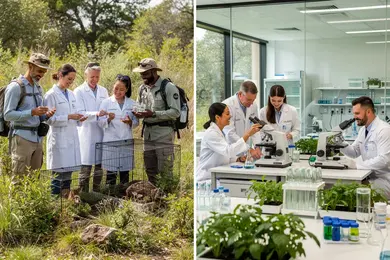
2027 Biological Sciences Specializations With the Strongest Employer Demand

Co-Founder and Chief Data Scientist
Facing rapidly evolving employer demands, many biological sciences professionals encounter stalled career advancement due to narrow specialization choices made early in their academic path. The Department of Education reports a 28% surge in enrollment for flexible, online STEM programs since 2023, indicating a growing preference among adult learners for adaptable education that integrates work and study.
This shift challenges traditional full-time, campus-bound pathways that often delay workforce entry or limit skill acquisition relevant to emerging industry needs. Strategic specialization selection now requires balancing timely credentialing with gaining experience valued by employers in biotechnology, environmental genomics, or pharmacology sectors. This article identifies in-demand biological sciences specializations and guides professionals seeking to align education with market realities for immediate and sustained employability.
Key Things You Should Know
- Bioinformatics specialization demands surge 18% by 2028 per BLS data, driven by AI integration, yet requires advanced computational skills, constraining access for traditional biology majors.
- Biotech regulatory affairs experts are increasingly preferred by pharma and med device firms, with 42% employer reports citing compliance complexity as strategic bottleneck impacting hiring priorities.
- Environmental biology roles show 12% CAGR but entail longer credentialing timelines and modest median salaries (~$60K), forcing candidates to balance cost versus sector stability.
Which biological sciences specializations are most in demand with employers today?
Employer demand within biological sciences specializations reveals a decisive tilt toward biotechnology and genetic engineering, driven by a 10.8% year-over-year expansion in U.S. biotechnology R&D and manufacturing roles. This outpaces general private-sector growth and signals targeted need for professionals adept in molecular techniques, CRISPR gene editing, and bioprocessing. Manufacturers focused on synthetic biology increasingly seek candidates merging lab expertise with data analytics, highlighting bioinformatics as among the most sought-after biological sciences careers by employers.
Environmental biology and ecology maintain steady roles tied to sustainability efforts, yet hiring managers must navigate funding volatility and project-based employment risks in these fields. Students assessing what jobs can you get with an environmental science degree should weigh this sector's stability against slower growth compared to biotech. Clinical and medical laboratory sciences hold consistent demand owing to regulatory and healthcare diagnostics expansion, but require costly certification and licensing beyond a biology degree, adding time and financial investment barriers.
Prospective students in biological sciences specializations with highest employer demand in the US need to balance rapid technological advancements in biotech against less dynamic but potentially more stable alternatives. Choosing biotech pathways implies ongoing skill upgrades and adapting to evolving regulatory landscapes, while other specializations may offer steadier but slower career trajectories.
Additional insights into related pathways and workforce outcomes can be found by exploring jobs with elementary education and environmental science degree.
What careers and job titles align with the highest-demand biological science specializations?
The surge in demand for roles in bioinformatics and computational biology exceeds a 30% growth in U.S. job postings from 2019 to 2024, reflecting a shift towards data-intensive biological research sectors such as genomics and AI-driven drug discovery. These positions require proficiency not only in molecular biology but also in coding and data analysis, creating a competitive edge for candidates with integrated skills often acquired through specialized training or a graduate degree.
In contrast, related high-demand fields like genetic counseling, molecular diagnostics, and epidemiology demand distinct expertise including strong communication, regulatory knowledge, and clinical experience, often influencing employers' expectations about practical skill sets versus purely academic credentials.
Prospective entrants should consider that the compensation for computational biology roles typically surpasses traditional lab-based biology jobs by 20-30%, yet the transition often involves significant preparatory investments in certifications or graduate education. For example, a laboratory technician who complements wet lab skills with coding can unlock broader biotech opportunities, demonstrating how multidisciplinary proficiency drives marketability.
For individuals evaluating educational pathways, including those looking at an online master data science program, it is critical to weigh the upfront cost and time against tangible salary gains and career scope expansion. Employers increasingly favor candidates who bring hands-on experience with high-throughput sequencing data, machine learning for biological datasets, or knowledge of clinical regulatory frameworks, meaning that purely theoretical coursework without applied components may limit advancement.
Careers in high-demand biological sciences specializations often include roles such as biotechnology research scientists and environmental health professionals, reflecting strong employer interest in these fields.
How do salaries compare across high-demand biological science specializations in the U.S.?
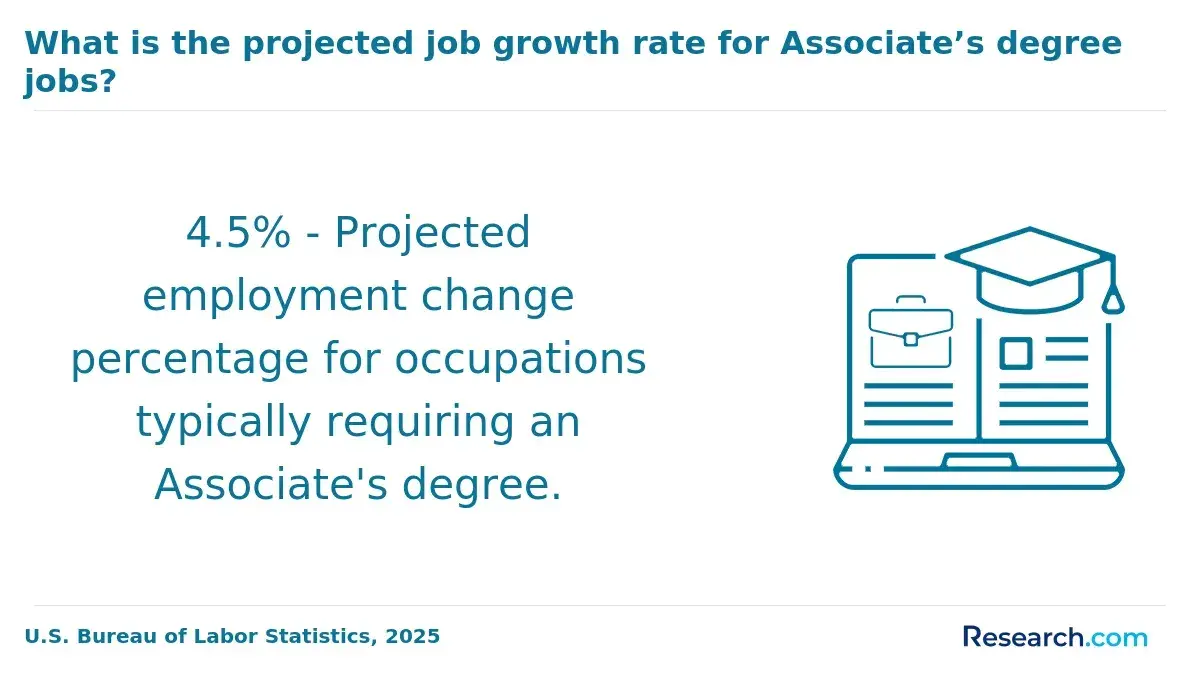
Salary outcomes within high-demand biological sciences specialization salary comparison in the U.S. hinge on distinctive educational requirements and skill sets. Biomedical engineering commands a median annual wage near $99,550, driven by biotech industry hubs that prioritize candidates blending biology with engineering and computational proficiencies. This specialization's 5% employment growth projection from 2022 to 2032 reflects sustained demand, particularly in medical device manufacturing and healthcare technology sectors.
In contrast, roles such as microbiologists or environmental biologists regularly report median salaries between $65,000 and $85,000, which aligns with more traditional biological sciences credentials. The practical consequence for students is clear: pursuing biomedical engineering entails additional coursework in engineering principles and possibly licensure hurdles-yet this yields higher starting pay and faster placement within private labs or clinical settings. Meanwhile, biological research careers in academia or government agencies often offer greater autonomy but typically slower salary growth and delayed employment advancement.
Employers emphasize interdisciplinary skills including coding, data analytics, and hardware design, affecting offers across the biological sciences field. Regional biotech concentrations boost wages but demand weighing relocation and living costs. For candidates considering a career pivot or advancement, understanding these trade-offs guides realistic expectations beyond generic earning potential claims.
Those exploring broader educational options should also assess the value of related credentials, for example, a library science masters, which may complement certain research or information management roles within life sciences organizations.
What degree levels and prerequisites are required for in-demand biological science careers?
Most in-demand biological science careers require at least a bachelor's degree with focused coursework in molecular biology, ecology, genetics, and statistics. Candidates demonstrating practical field experience or internships in regulatory compliance and sustainability projects hold a clear advantage. For instance, environmental and conservation biology roles in Canada's job market anticipate steady opportunities through 2026 due to retirements and climate adaptation efforts-insights directly applicable to the broader North American context.
Positions beyond entry level, particularly in research, policy, or industry leadership, demand advanced degrees. Applied research roles within biotechnology firms or governmental agencies typically specify a master's or doctoral degree emphasizing specialized techniques like bioinformatics or environmental impact assessment. These roles also prioritize laboratory proficiency, data-analysis software skills, and grant-writing experience.
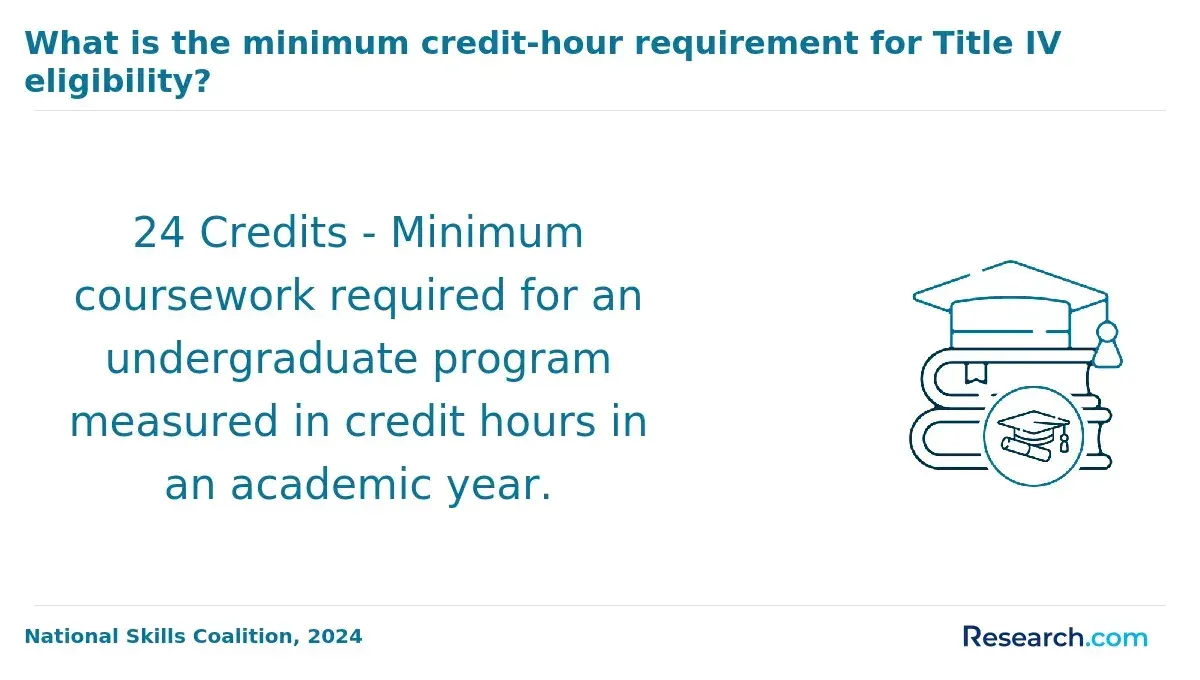
Technicians with associate degrees may quickly enter the workforce but face limited upward mobility and typically support broader teams rather than lead projects. This tradeoff requires students to balance rapid workforce entry against longer-term specialization and salary potential through graduate studies.
Professional certifications in Geographic Information Systems (GIS), environmental law, or data science increasingly complement formal degrees, making integrated practical components such as cooperative education or industry partnerships essential in degree requirements for in-demand biological science careers. Those exploring flexible continuing education options may consider programs like an online library science masters to broaden interdisciplinary skills.
Understanding the prerequisites and educational pathways for biological science jobs means recognizing the value of applied skills alongside academic credentials to meet employer expectations in this evolving sector.
How do online biological science programs compare with campus-based options for these fields?
Opting for online biological science programs can ease scheduling challenges but often leaves graduates less prepared for hands-on roles that require strict laboratory proficiency, such as microbiology and quality control in biopharma manufacturing. Positions in these areas show vacancy durations spanning several months, reflecting the difficulty employers face finding candidates with real-world lab skills, not easily replicated in virtual settings.
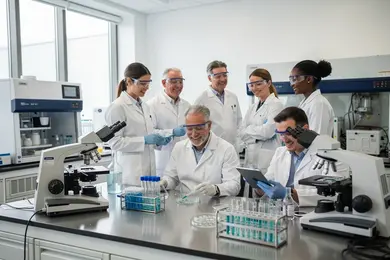
Campus-based programs provide supervised access to specialized equipment, internships, and industry networks essential for mastering GLP-compliant assays and process validations-core competencies validated by employers managing stringent regulatory demands in manufacturing roles. Graduates from campus settings tend to demonstrate verifiable practical experience that directly affects hiring decisions and long-term career trajectories.
Online tracks predominantly depend on virtual simulations and limited in-person residencies, which can supplement but rarely duplicate the immersive experimentation or quality assurance exposure critical for roles targeted by labor market data from 2024-2026.
Working professionals unable to relocate might consider hybrid or online options paired with proactive steps to secure internships or contract assignments that provide requisite laboratory experience. Those pursuing immediate entry into microbiology with prolonged vacancy times must weigh the tradeoff of broader exposure and hands-on experience available primarily through campus programs.
- Campus programs yield better preparation for GLP and validation work in regulated environments.
- Online programs require active pursuit of supplemental lab experience to meet employer expectations.
- Labor market shortages emphasize the premium placed on practical, verifiable skills over credentials alone.
What core courses and lab experiences are typical in high-demand biological science tracks?
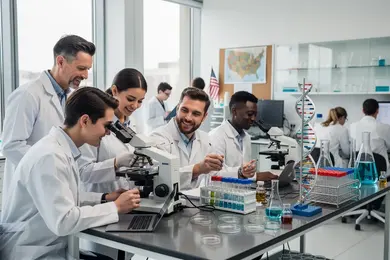
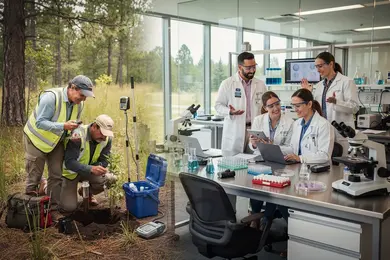
A rigorous biological sciences curriculum must balance advanced theory with hands-on technical training that mirrors the complexity of real-world research environments. In neuroscience and neurobiology tracks, this means mastering molecular and cellular biology alongside practical lab skills like electrophysiology and confocal microscopy. The ability to troubleshoot assay failures and manage brain tissue analyses directly correlates with industry demands, particularly as neurology research funding grows approximately 7% annually through 2028, a notable factor for applicants targeting pharmaceutical R&D roles.
Genomics and molecular biology students face a tradeoff between mastering broad theoretical knowledge and acquiring specialized lab competencies such as DNA sequencing, CRISPR gene editing, and high-throughput screening. Employers increasingly require proficiency in handling large biological datasets and ensuring experimental reproducibility, skills critical in biotechnology and clinical research sectors.
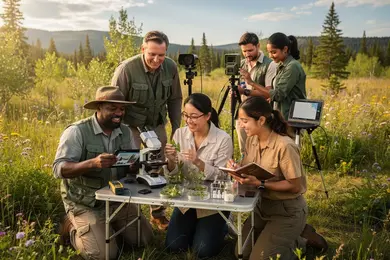
The applied ecology and environmental biology pathways prioritize flexible data collection techniques, including GIS mapping and population monitoring, to prepare graduates for regulatory and conservation challenges. Fieldwork variability demands adaptive skills employers value, reflecting the unpredictability of environmental research settings.
Across tracks, replicating authentic research conditions-diagnosing technical issues, operating complex instruments, and designing experiments robustly-is a decisive factor differentiating candidates in competitive hiring markets shaped by rapid advancement in biological fields.
How strong is the job outlook for major biological science specializations over the next decade?
Job prospects within biological sciences differ sharply depending on specialization, with cancer biology and oncology presenting the strongest growth due to pharmaceutical investments and regulatory momentum. Recruitment is notably robust for professionals skilled in tumor biology, immunotherapy, and precision oncology, where employers demand advanced degrees and clinical research experience. This sector prioritizes rapid application of niche expertise in managing product lifecycles and patient outcomes, which often exceeds generalized biology roles in salary and job security.
In contrast, areas of biology without direct therapeutic applications, such as general molecular biology or environmental research, face modest employment growth concentrated in academia or government agencies, making these pathways less lucrative for career changers.
Professionals aiming to pivot into oncology or medical affairs roles confront steep entry barriers, including mastering pharmacovigilance, clinical trial protocols, and stakeholder communication. For example, a molecular biologist transitioning to a field medical liaison role must invest considerable time upskilling to meet employer expectations for immediate impact.
Key workforce realities include:
- Heightened competition requiring specialized biotechnical and regulatory knowledge
- Longer training periods balanced against stronger long-term employability
- Distinct divide between therapeutic-driven sectors and slower-growth biology fields
This landscape necessitates pragmatic decision-making centered on specific field demands and realistic professional development timelines rather than broad scientific interest alone.
Which industry sectors hire the most graduates from in-demand biological science programs?
Employers in pharmaceuticals, biotechnology, and healthcare demand graduates with practical skills in immunology, molecular biology, and clinical research due to the complexity and regulatory oversight of biologics and immunotherapies. Positions in these sectors not only require strong laboratory expertise but also fluency in clinical trial design and compliance protocols, making interdisciplinary communication an indispensable asset.
For instance, a biotech professional must navigate scenarios where aligning R&D efforts with regulatory affairs and clinical operations impacts product timelines and market readiness. Candidates lacking experience in translational science or clinical validation risk falling behind peers who combine these competencies with targeted internships.
Job growth in biologics-related roles outpaces averages, particularly near biotech clusters such as Boston, San Francisco, and Research Triangle. Geographic flexibility directly influences access to opportunities, creating a tangible tradeoff for candidates considering relocation versus local employment prospects.
Practical hiring decisions emphasize demonstrated application of immunological techniques alongside the ability to interpret clinical data within healthcare or diagnostic contexts. This specificity narrows competition, rewarding graduates who integrate specialized coursework with real-world exposure to emerging therapeutic areas.
- Employers prioritize cross-functional skills bridging laboratory work and trial compliance.
- Geographic proximity to biotech hubs strongly correlates with job availability and advancement.
- Internships in immunotherapy and clinical research enhance competitive positioning.
What licenses, certifications, or graduate training do top biological science roles require?
Advanced training and certification requirements markedly influence career trajectories within biological science roles, shaping who gains access to specialized positions. For agricultural and food scientists, the standard frequently exceeds a master's degree, with PhDs favored in research-driven contexts. This credentialing depth is essential given employer priorities in food safety, crop genetics, and sustainable agriculture, which align with projected 6% growth from 2022 to 2032 by the U.S. Bureau of Labor Statistics.
Licenses such as the Certified Crop Adviser (CCA) credential become pivotal in subfields focused on sustainable farming or agribusiness, validating applied expertise that many employers require. Meanwhile, environmental and wildlife biology practitioners encounter additional layers of regulatory complexity via state or federal permits for fieldwork or pesticide use, impacting onboarding timelines and cost.
Graduate degrees typically serve as baseline qualifications because they signal both technical rigor and research competence, critical for sectors like pharmaceuticals or environmental consulting. Yet, professionals pivoting careers will face a tradeoff: full graduate education demands substantial time and financial investment versus targeted certifications paired with relevant experience, which can accelerate employability in certain niches.
Ultimately, hiring managers prioritize candidates who combine theory and practice, typically evidenced by recognized credentials and demonstrated workplace skills, underscoring the necessity to align educational decisions closely with specific employer requirements and sector demands.
How can students choose an accredited, reputable biological science program that employers trust?
Successful entry into biostatistics or epidemiology roles depends on selecting programs with verified accreditation from recognized regional or specialized agencies. Employers favor graduates from institutions that combine rigorous academic standards with documented graduate outcomes and practical experiences such as internships or industry collaborations. Omitting this due diligence risks enrolling in programs with low transparency and weak employer connections, which typically yield poorer hiring chances despite perceived prestige.
Market data underscores the value of targeted curriculum alignment: roles in life sciences data and analytics command starting salaries around $84,000 and a median near $97,800 according to Randstad's 2026 outlook. This wage premium responds to skill shortages in biostatistics and epidemiology, emphasizing the importance of programs incorporating up-to-date data science tools and relevant epidemiological methods.
Working professionals pivoting into biological sciences should weigh program flexibility and recognition of prior experience to minimize transition costs while ensuring academic rigor. Industry connections and graduate employment rates provide additional lenses for evaluating program quality and real-world payoff.
For instance, a candidate targeting a biostatistics position must assess accreditation status, curriculum fit with evolving analytics demands, and verified salary outcomes rather than rely on superficial markers. Prioritizing these factors helps navigate tradeoffs between program reputation and actual workforce value in public health, pharmaceuticals, or biotech sectors.
Other Things You Should Know About Biological Sciences
In 2027, employers are particularly seeking experts in biotechnology, environmental science, genomics, and bioinformatics. These fields are crucial due to advancements in technology and the need for sustainable solutions. Graduates with skills in data analysis and interdisciplinary collaboration are also notably in demand.
Practical experience through internships and research projects has a stronger influence on employability than GPA alone in biological sciences fields. Employers value demonstrated hands-on skills, familiarity with lab protocols, and evidence of problem-solving ability. Prioritize programs with structured internship placements or accessible research labs, as these experiences often lead to direct job referrals and better prepare students for workplace demands.
Training on current technologies ensures graduates meet immediate technical job requirements and remain competitive in fast-evolving biological sciences areas. Yet, programs with robust professional networks can expand access to internships, industry contacts, and job opportunities. Ideally, select a program balancing modern lab or computational resources with strong industry relationships to maximize career entry points and ongoing professional growth.
Fields demanding graduate education, like genetics or pharmaceutical sciences, offer higher starting salaries and research autonomy but require substantial time and financial investment. Bachelor's-level roles, such as research assistant or quality control analyst, provide earlier workforce entry and income but limit advancement without further education. Students should consider their readiness for extended study and career timelines; committing to graduate degrees aligns with long-term leadership goals, while bachelor's entry suits those needing faster employment.
References
- Top 15 Highest‑Paying Pharmacy Jobs in the UK 2025 (Including Salaries) https://apexlearning.org.uk/highest-paying-biology-degree-jobs-2025-2026/
- How To Become A Biologist | Biology Degrees And Careers https://www.learnhowtobecome.org/science-technology-careers/biology/
- Biomedical Science vs Other Degrees Comparison https://pathologylabtraining.co.uk/biomedical-sciences/degree-comparison
- Biology Major Jobs: Careers in the Biological Sciences | Houston Christian University https://hc.edu/articles/biology-major-jobs-careers-in-the-biological-sciences/
- 7 Exciting Jobs for Biological Sciences Majors https://www.biola.edu/blogs/studentlife/2023/7-exciting-jobs-for-biological-sciences-majors
- Online Bachelor's Degrees in Biology: Top Schools & Programs https://www.edumed.org/online-schools/biology-degrees/
- Top Jobs for Biology Majors: Exploring Career Opportunities https://aligncareer.in/top-jobs-for-biology-majors-exploring-career-opportunities/
- Biological Scientist Career Profile: Required Skills, Training, and Guides | https://www.qwyse.com/hub/careerpath/biological-scientist/
- Careers Guidance https://www.rsb.org.uk/career-guidance.html
- Which six skill areas are most in demand in Life Sciences? https://www.bcfcareer.nl/blogs/3/jlbifl-which-six-skill-areas-are-most-in-demand-in-life-sciences%3F