2027 Best Online Bachelor's in Biological Sciences With Experimental Design Training

Co-Founder and Chief Data Scientist
Biological sciences professionals face increasing pressure to design and execute rigorous experiments that meet growing standards for reproducibility and data integrity. As laboratory roles evolve, employers prioritize candidates with hands-on experimental design skills coupled with theoretical knowledge, forcing many working adults to seek flexible education options. The National Center for Education Statistics reports a 23% rise in fully online bachelor's degree enrollment among nontraditional students since 2022, reflecting a shift toward accessible pathways that accommodate employment and family commitments. This article evaluates online bachelor's programs that integrate experimental design training to help students navigate curriculum quality, career alignment, and real-world applicability when selecting a degree.
Key Things You Should Know
- Experimental design training in biological sciences boosts data literacy but extends program duration by an average 15%, raising total tuition by $6,000 per NCES 2024 cost analyses, challenging budget-constrained students.
- Employers in biotech value candidates with hands-on design experience, increasing job placement rates by 22%, per the Bureau of Labor Statistics, intensifying pressure to prioritize practical over purely theoretical curricula.
- The surge in demand for interdisciplinary skills demands balancing experimental design depth with broader molecular biology knowledge, forcing students to weigh specialization risks against marketplace versatility.
What is an online bachelor's in biological sciences with experimental design training?
Choosing an online bachelor's degree in biological sciences with experimental design training fills a precise niche in the labor market by marrying foundational biological knowledge with the ability to construct, execute, and interpret complex experiments. Graduates are expected to excel beyond typical biology coursework, especially in hypothesis development, statistical rigour, and critical evaluation of variables-skills vital to research labs, environmental monitoring, and biotech innovation.
For instance, a graduate might immediately support a pharmaceutical company by organizing clinical trials with robust control groups or assist a government environmental agency in methodical pollutant impact studies. Employers prioritize candidates demonstrating quantitative expertise alongside biological theory, which this degree emphasizes through accredited online biological sciences programs with hands-on experimental training.
However, prospective students must weigh the practical tradeoffs: online formats often lack immediate lab exposure and reduce face-to-face networking, requiring disciplined time management and sometimes supplementary in-person practicums. This reality can complicate entry into competitive scientific roles.
Financially, this investment corresponds to favorable labor data: the median annual wage for life, physical, and social science jobs was $78,280, significantly higher than the general U.S. median wage, reinforcing demand for professionals skilled in data-driven biological research.
For those evaluating options, resources like the best online biology degree lists offer vetted guidance toward accelerated, quality programs aligned with career objectives.
How do online biological sciences degrees compare to campus programs for lab and research work?
Online biological sciences degrees consistently fall short of campus-based programs in delivering hands-on lab experience essential for competence in experimental design. While virtual labs, simulations, and at-home kits attempt to bridge this gap, they cannot replicate the precise pipetting, gel electrophoresis, or live cell culture techniques acquired through direct access to sophisticated instrumentation and faculty mentorship on campus. This discrepancy particularly affects students pursuing roles that demand validated technical skills.
Employers seeking lab technicians or research assistants prioritize candidates with proven practical experience. Graduates from campus programs typically enter the workforce having navigated shared laboratory environments, tackled equipment troubleshooting, and collaborated on experimental protocols.
In contrast, those from remote programs often encounter hurdles securing internships or entry-level roles without supplementary in-person credentials or targeted apprenticeships.
This challenge is acute among career changers and working professionals aiming at advancement within biology sectors such as biotechnology or environmental analysis, highlighting the operational tradeoffs in choosing online biological sciences degrees lab experience comparison versus traditional pathways.
Projected growth through 2032 anticipates 136,800 new biology-related jobs, emphasizing sustained demand for graduates with robust research and experimental capabilities.
Prospective students should critically evaluate whether online programs incorporate mandatory in-person residencies, regional lab partnerships, or hybrid formats combining theory with tactile training to align with campus-level standards. Those considering advanced online study might explore offerings like a data science PhD online for complementary skill development.
Which accredited schools offer the best online biological sciences bachelor's with strong experimental design?
Employers in biotech, pharmaceuticals, and environmental sectors increasingly expect graduates capable of independently designing, conducting, and analyzing experiments. The best accredited online biological sciences bachelor's programs with experimental design embed hands-on methodologies into their core curricula rather than limiting students to theoretical surveys.
For example, Oregon State University's curriculum includes mandatory data collection and biostatistics modules, producing graduates who can deliver practical results in real-world environmental consulting scenarios.
Top online biological sciences degrees emphasizing experimental design training offer a balance between accessibility and skill-building. Fully online formats often struggle to replicate wet lab experiences, but programs like the University of Florida bridge this gap through virtual labs combined with optional local partnerships or internships.
This hybrid model addresses the persistent tradeoff between flexibility and practical competency, a critical factor when employers prioritize workforce readiness over convenience.
With 47 fully online biology bachelor's programs worldwide, students must carefully assess accreditation, synchronous lab availability, and alignment with industry needs to avoid investing in credentials that lack experiential rigor. The pathway must enhance career pivot options and reduce onboarding friction, especially for professionals targeting advanced technical roles.
Prospective students evaluating this field may also explore related disciplines; for instance, understanding whether is a library science degree worth it can reveal transferable research skills applicable in biological sciences contexts.
What core courses and experimental design projects can you expect in these online programs?
Core courses in online biological sciences degrees with embedded experimental design training prioritize foundational knowledge such as biology, chemistry, genetics, microbiology, and biostatistics while demanding practical proficiency. Experimental design projects require students to formulate hypotheses, craft protocols, and implement statistical analyses on biological data sets-often through virtual labs or remote data-to replicate authentic research conditions.
A clinical experimental project might involve designing drug efficacy trials or pathogen resistance studies, underscoring the necessity of reproducibility and precise methodologies in healthcare environments. Conversely, environmental biology-focused students could develop experiments analyzing ecosystem variables or species interactions, applying multivariate statistical techniques critical for conservation and policy roles.
This balanced approach integrates software tools like R and SPSS, equipping students with applied analytical skills favored by employers in research-intensive and healthcare sectors. The strong 20% job growth forecast for physician assistants from 2024-2034, alongside a 2024 median salary of $133,260, highlights labor market value for those versed in experimental protocols, as ASU Online references from the U.S. Bureau of Labor Statistics confirm.
However, access to quality experimental equipment remains a significant barrier, often eased by partnerships with research institutions, simulation platforms, or remote labs.
Students must be proactive managing project logistics, data integrity, and ethical compliance to fulfill degree requirements and improve employability in biology-related fields where hands-on experience in experimental design projects in biological sciences programs is highly regarded.
For individuals evaluating degree affordability and practical outcomes, exploring options like the library science masters highlights the broader landscape of specialized online degrees balancing cost and career readiness.
How do online biological sciences programs handle labs, fieldwork, and data-collection requirements?
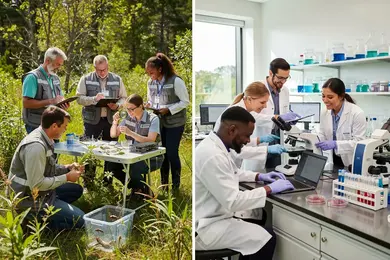
Online biological sciences programs rely heavily on hybrid approaches-combining virtual simulations, at-home lab kits, and partnerships with local research facilities-to satisfy lab and fieldwork requirements. Virtual labs enable digital manipulation of experiments essential for sterile microbiology or molecular biology tasks, while fieldwork components often involve supervised local projects or data collection from nearby environments.
This setup demands strong local resourcefulness and initiative, especially for students balancing professional commitments or geographic constraints.
However, fully remote options carry significant limitations for disciplines like zoology or wildlife biology, where hands-on animal handling and environmental data skills are indispensable. For example, graduates aiming for careers as microbiologists-with median salaries around $85,470-or wildlife biologists earning approximately $70,600 must carefully verify a program's integration of in-person training or credible field placements to avoid deficits in practical competence.
Without sufficient real-world exposure, graduates risk less competitive job prospects and may need costly additional training to meet employer standards. Prospective students should scrutinize how programs manage lab delivery, the strength of local affiliations, and documentation protocols such as photo or video evidence and mentorship agreements to ensure rigorous experiential learning aligned with workforce expectations.
What admission requirements and prerequisites do online biological sciences bachelor's programs typically have?
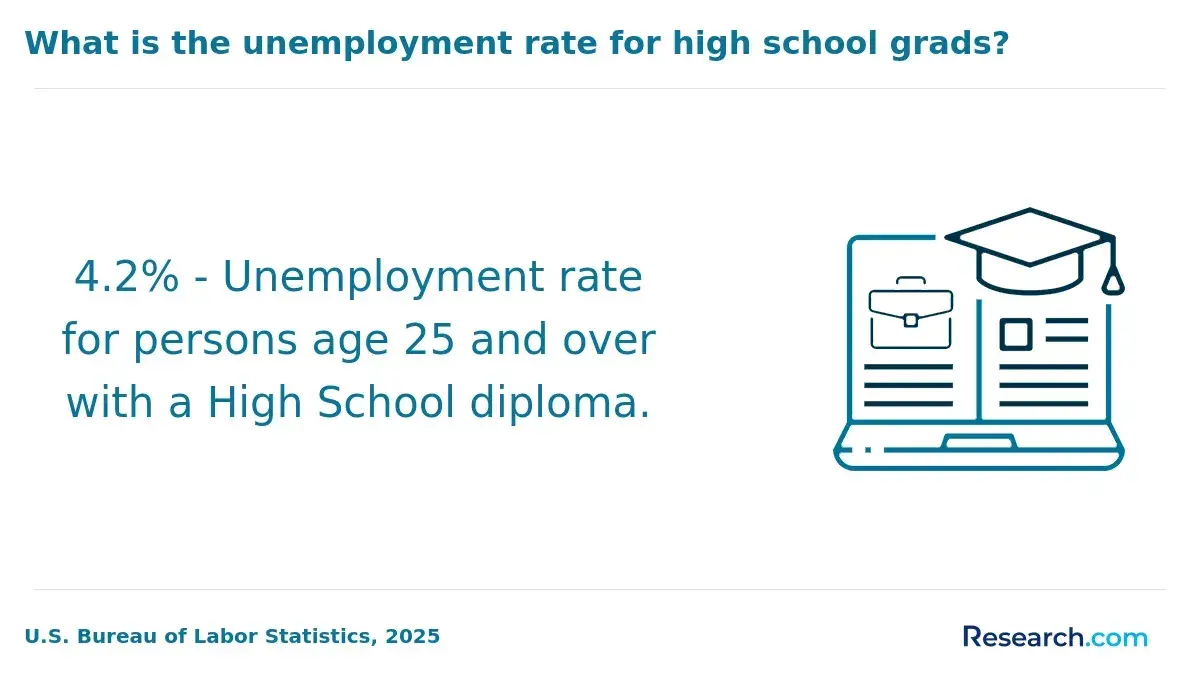
Entry requirements for online biological sciences bachelor's programs vary but consistently demand a foundational readiness in the hard sciences to manage experimental design coursework effectively. Typically, candidates need a high school diploma with a GPA between 2.5 and 3.0, supported by transcripts.
While standardized tests are increasingly optional, prerequisite coursework in biology, chemistry, math (algebra and statistics), and often physics remains non-negotiable. This baseline is critical; applicants without it risk extended timelines and additional costs to complete foundational courses after admission.
For professionals shifting careers, previous college credits or certifications in life sciences can sometimes replace high school prerequisites, expediting entry. Application components like personal statements tend to focus on motivation and relevant experience rather than generic profiles, while letters of recommendation, though not routinely required, bolster cases demonstrating scientific rigor or research potential.
Some programs emphasize evidence of practical lab experience, which aligns with employer expectations for applied skills rather than theoretical knowledge alone.
Annual tuition for accelerated online biology bachelor's programs averages around $26,903, nearly identical to traditional in-person alternatives, reflecting the cost of remote laboratories and simulation tools essential to experimental training. Students must weigh this investment against employment sectors valuing robust data analysis and experimental capabilities, such as biotechnology, environmental management, and pharmaceuticals.
Prioritizing programs that match one's academic and professional background reduces friction, avoids costly delays, and enhances employability. Overlooking prerequisites can jeopardize timely progression and the return on educational investment.
How long do these online biological sciences degrees take, and what do they cost?
Accelerated online biological sciences degrees with experimental design training cut the typical 4-year timeline to between 2 and 3 years, compressing coursework but requiring heavier term loads or year-round study. This tradeoff enables students-especially working professionals-to enter specialized roles like biostatistics analysts or biotechnology coordinators faster, though it demands strict time management and simultaneous hands-on experience such as internships to maintain employer-valued practical skills.
Choosing a faster program reduces opportunity costs but can strain those balancing employment or family commitments. For part-time learners, extended timelines may paradoxically increase overall expenses due to prolonged enrollment.
Cost considerations vary widely: public universities charge roughly $15,000-$40,000 for a bachelor's in biological sciences, while private institutions often exceed $60,000. Accelerated formats sometimes impose premiums reflecting intensive lab components or proprietary software fees necessary for experimental protocol mastery.
Employers typically regard accelerated degrees with adequate laboratory training as valid, but real-world experience remains a differentiator in hiring decisions. Therefore, securing concurrent practical opportunities is essential to offset reduced classroom hours and fully prepare for research or clinical support roles.
What careers can you pursue with an online biological sciences degree focused on experimental design?
Employers in pharmaceutical and biotech sectors distinctly favor candidates with solid training in experimental design due to the methodical rigor required for managing clinical trials and developing lab protocols. For example, clinical trial coordinators must navigate patient enrollment and data integrity under stringent FDA regulations, a responsibility that hinges on designing precise, reproducible experiments.
Government agencies like the CDC and EPA rely heavily on employees who can construct valid epidemiological and environmental studies, where error reduction and statistical confirmation directly inform regulatory decisions. In agriculture, expertise in agricultural trial design enables effective testing of crop resilience or pest control strategies.
Candidates who pursue laboratory technician roles without experimental design skills often face stalled career progression, as employers prioritize those capable of minimizing bias through structured methodologies. The competitive acceptance rates of online biological sciences programs signal the value placed on this proficiency in the labor market.
Decision-makers evaluating online biological sciences degrees should weigh the curriculum's focus on hands-on experimental design and software tools, as these elements strongly influence job readiness. Additionally, mastering experimental design opens doors to interdisciplinary roles merging biology and data science or lays groundwork for graduate study pathways.
What salary ranges and job outlook can graduates in biological sciences expect?
Graduates with experimental design expertise in biological sciences enter the workforce with starting salaries typically between $50,000 and $70,000, advancing to $70,000-$90,000 mid-career, per U.S. Bureau of Labor Statistics data. Employers in pharmaceuticals, biotechnology, and environmental sectors prioritize these skills to ensure efficient onboarding and reliable project outcomes, particularly in lab and field research. This creates a clear hiring preference for candidates with formal training in research methods.
Projected job growth for biological sciences stands at 7% through 2034, adding roughly 24,000 positions, driven by biomedical research expansion and environmental regulation demands.
Notably, top-ranked online biology programs, such as those highlighted by Forbes Advisor, increasingly require dedicated courses in experimental design and research methods, reflecting a shift in curriculum toward practical scientific rigor.
- Starting salaries: $50,000-$70,000
- Mid-career salaries: $70,000-$90,000
- Job growth: 7% (2024-2034), approximately 24,000 new roles
In clinical research settings, the ability to design robust experiments directly impacts protocol quality, patient outcomes, and funding success.
Conversely, graduates lacking these skills often face slower progression and may need supplementary certification or on-the-job training to meet employers' expectations, especially proficiency in statistical software and experimental controls.
How can you evaluate accreditation, quality, and faculty expertise in online biological sciences programs?
Accreditation and faculty expertise directly influence the practical value of online bachelor's programs in biological sciences, particularly when aiming for medical school or specialized research careers. Regional accreditation by a recognized U.S. Department of Education body is non-negotiable for eligibility in federal aid and acceptance into competitive graduate programs. National or program-specific accreditations, especially those tied to STEM or health sciences, further signal curriculum relevance for fields demanding rigorous technical training.
Faculty credentials matter beyond terminal degrees; hiring managers and graduate admissions look for instructors actively involved in experimental research or clinical practice. For example, roughly 60% of first-year medical students hold biology-related undergrad majors, often selected for their exposure to lab-based research guided by faculty with real-world expertise.
Without direct involvement in current biological sciences methodologies-experimental design, lab techniques, or research publication-students risk graduating without competencies that hiring sectors and advanced degree programs require.
- Confirm regional accreditation and relevant STEM or health-specific programmatic accreditation.
- Assess faculty engagement in experimental biological sciences and professional research.
- Review alumni outcomes focusing on workforce employment and graduate school matriculation.
Evaluating program outcomes is essential. Graduates' employment in biotech or health sectors, data on graduation rates, and documented success in graduate school placement offer clues to program quality.
Prospective students should verify that experimental design training is integrated through hands-on projects, not confined to theoretical coursework. This distinction influences long-term employability and the ability to contribute meaningfully in scientific settings.
Other Things You Should Know About Biological Sciences
The workload in these programs is rigorous due to the combination of theory, quantitative analysis, and practical experimental design components. Students must manage time effectively as many courses require detailed lab reports, statistical data interpretation, and multi-phase projects that mimic real research environments. Expect consistent deadlines with significant writing and analytical assignments rather than just passive learning, which can be more challenging for those balancing work or family commitments.
Programs with synchronous labs offer real-time interaction, immediate troubleshooting, and peer collaboration, which are valuable for mastering experimental techniques and complex equipment use. However, they require fixed schedules that might conflict with full-time jobs or irregular hours. Asynchronous labs provide schedule flexibility but demand greater self-discipline and may limit immediate feedback, potentially impacting skill development. Prioritize synchronous formats if hands-on skill acquisition and close mentorship are crucial; choose asynchronous options if flexibility is the primary concern.
Employers increasingly accept online biological sciences degrees if the program includes substantial experimental design and hands-on training elements. The key distinction lies in demonstrable practical skills-graduates must show experience with experimental protocols, data analysis software, and scientific communication. Degrees lacking rigorous experimental components may be viewed as less competitive. For job candidates, it is essential to highlight completed lab projects and any research internships to offset concerns about online learning formats.
An online biological sciences degree with experimental design training can enhance the skills of those with prior industry experience by providing updated methodologies and cutting-edge knowledge. For new students, it offers foundational education and practical skills crucial for entering the field.
References
- Experimental Design https://sciencecommunicationlab.org/experimental-design-videos/
- Are Online Degrees Accredited? How to Identify Quality Distance Learning Programs https://www.umassglobal.edu/blog-news/online-degrees-accredited-identify-quality-distance-learning-programs
- Top 5 most in-demand Life Sciences Jobs in Europe - Aspire Life Sciences https://www.aspirelifesciences.com/top-5-most-in-demand-life-sciences-jobs-in-europe/
- Online Biology Course: Complete Guide to Flexible Science Education [2025] - Prereqcourses https://www.prereqcourses.com/online-biology-course/
- Have a project for us? https://bioassaysciences.com/training/doe.php
- Design of Experiments Specialization https://asuengineeringonline.com/professional-programs/design-experiments-specialization
- Top 15 Highest‑Paying Pharmacy Jobs in the UK 2025 (Including Salaries) https://apexlearning.org.uk/highest-paying-biology-degree-jobs-2025-2026/
- Experimental Design | Responsible Research | Horsham, West Sussex https://www.responsibleresearch.co.uk/experimental-design
- Online Bachelor's Degrees in Biology: Top Schools & Programs https://www.edumed.org/online-schools/biology-degrees/
- What can I do with my biological sciences degree? https://www.ualberta.ca/en/science/student-services/internship-careers/what-can-i-do-with-my-degree/biological-sciences.html