2027 Best Online Biological Sciences Programs for Professionals Seeking Environmental Biology Careers

Co-Founder and Chief Data Scientist
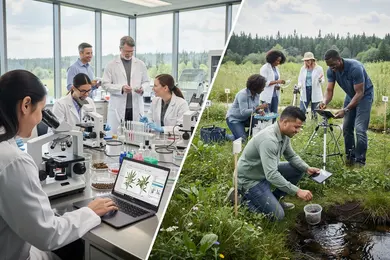
Environmental biology professionals often face the urgent need to update credentials while balancing full-time employment and unpredictable fieldwork schedules. Limited access to flexible programs within the Biological Sciences discipline hinders timely career advancement or specialization necessary for roles addressing critical ecological challenges. Recent data from the National Center for Education Statistics shows a 15% surge in adult enrollment in online STEM programs since 2023, signaling a shift toward accessible, adaptable learning formats. This trend reflects growing demand for credentials that accommodate professional constraints without sacrificing rigor. This article analyzes top online biological sciences programs explicitly structured to support environmental biology career transitions with practical design and workforce relevance.
Key Things You Should Know
- Employers in environmental biology value online biological sciences programs that incorporate project-based learning and GIS skills, as 62% of hiring managers prioritize applied technical expertise over theoretical knowledge, affecting job placement rates.
- Programs with shorter time-to-completion reduce workforce reentry friction, but accelerated formats often omit key fieldwork modules, creating a tradeoff between speed and practical environmental data collection skills.
- Tuition costs for accredited online biological sciences degrees vary by over 150% nationally, influencing career pivot viability, especially where employer tuition reimbursement policies are inconsistent across U.S. environmental agencies.
What are online biological sciences programs for environmental biology careers?
Online biological sciences degree programs for environmental careers demand a pragmatic evaluation of their capacity to deliver applicable skills, especially for working professionals balancing multiple responsibilities. These programs emphasize applied competencies such as ecosystem analysis, environmental impact assessment, and conservation biology-skills that align with employer demands in consulting firms, regulatory agencies, and research institutions.
Employment for environmental scientists and specialists is projected to grow by 6% from 2022 to 2032, with a median wage of $78,980 in 2023, reflecting a labor market keen on practical expertise. Candidates must assess programs for accreditation, hands-on fieldwork opportunities, and compatibility with certified credentials like those from the National Registry of Environmental Professionals.
Environmental biology professional online study options often combine asynchronous coursework with live sessions, which provides flexibility but requires self-discipline. Mid-career pivots, such as urban planners moving toward environmental consulting, should select curricula emphasizing environmental policy and geospatial analysis rather than purely theoretical subjects.
In contrast, those already employed in environmental roles may prioritize advanced research or data analytics modules to boost technical skills.
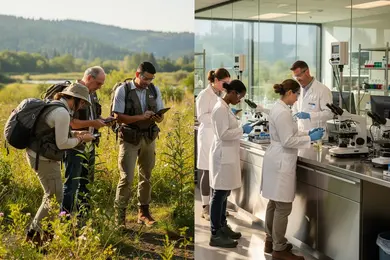
Practical challenges persist, notably limited remote access to field experience and lab components. Opting for hybrid programs or those with partner-site options can mitigate this gap. Internships and capstone projects linked to real-world agencies remain critical for employability. To evaluate pathways thoroughly, visit resources outlining what can you do with an environmental science degree.
How do accredited online and campus biology programs compare?
Choosing between accredited online biological sciences programs in the United States and their campus counterparts requires weighing practical exposure against flexibility. Campus programs provide direct access to laboratory facilities, faculty-led research, and fieldwork-critical components for developing the hands-on skills valued by employers, especially in environmental biology roles.
This experiential difference is a decisive factor for those aiming to work in environmental consulting or government agencies, where demonstrated field competence is non-negotiable.
Conversely, online degrees often utilize virtual labs and simulations and may depend on regional partnerships to supplement lab experience. For working professionals juggling full-time jobs or remote locations, accredited online biological sciences degrees offer the flexibility needed to reskill or pivot careers. However, to maintain employability, students should proactively seek internships or community-based research projects to compensate for limited direct lab access.
Employment outcomes also hinge on institutional reputation and industry connections. Campus programs typically provide established career services, alumni networks, and internship pipelines that enhance job placement. Online offerings need comparable practicum arrangements and active support to match this advantage.
According to College Raptor's 2026 data, graduates with a bachelor's in environmental biology have a competitive average starting salary of $40,900. In this context, prospective students evaluating a comparison of accredited campus and online biological sciences degrees must consider not only convenience but also long-term workforce implications.
For those exploring flexible study options, resources like the best online computer science degree listings highlight how accelerated online pathways can be structured, providing a reference point for designing practical and market-responsive biological sciences programs.
What accreditation should an online biology degree have?
Regional accreditation of the institution combined with programmatic accreditation-such as from the Commission on Accreditation of Allied Health Education Programs (CAAHEP) or state education boards-directly impacts the utility of an online biology degree for environmental biology careers. Employers, especially agencies like the Environmental Protection Agency, often require degrees from regionally accredited programs that also demonstrate program-level endorsements.
Without these, graduates may face limited eligibility for key environmental scientist roles despite solid job growth projections and an average salary near $78,980.
Students pursuing environmental biology programs regional accreditation criteria must scrutinize not only the institutional status but also the curriculum's alignment with certification prerequisites relevant to licensure or professional certification. For example, Certified Ecologists often need degrees with explicit accreditation to avoid costly additional coursework.
Practical steps include:
- Verifying the school's regional accreditation via the U.S. Department of Education or Council for Higher Education Accreditation listings.
- Evaluating if the program holds relevant industry-specific accreditation or endorsements.
- Confirming the curriculum covers certification requirements for federal or state environmental positions.
Failing to meet these standards can constrain career mobility and reduce internship and salary opportunities. Working professionals should consider these nuances when selecting an online degree in biological sciences. For those exploring options, programs addressing accreditation and career relevance offer better returns than undifferentiated degrees.
Prospective students can compare pathways and outcomes by consulting resources like the online degree for library science evaluations, which provide insight into accreditation impact across disciplines.
What courses are included in environmental biology programs?
Environmental biology core courses for professionals must balance foundational science with applicable skills to address shifting workforce demands. Core coursework in ecology, conservation biology, environmental chemistry, and ecosystem management equips students with essential scientific literacy, but the inclusion of practical training in environmental policy, wildlife management, GIS, and toxicology becomes critical for employability in regulatory and consulting roles. Employers favor candidates with direct fieldwork and lab experience, especially for roles in habitat restoration and resource stewardship.
Deciding on an advanced environmental biology curriculum in the United States requires evaluating program flexibility against career goals. For example, those moving from technical positions toward policy advisory roles need coursework focused on environmental law and risk assessment, while aspiring researchers benefit from advanced genetics and molecular ecology modules.
Online programs offering such tailored electives can facilitate these diverse trajectories, though students should scrutinize how well a program integrates hands-on experience with theoretical knowledge.
Recent analyses show median mid-career salaries for biology graduates from top online institutions range broadly between $70,000 and $100,000, reflecting differing regional demands and program rigor. Prospective students should consult resources like online geology degrees to compare interdisciplinary STEM options that complement environmental biology studies and enhance future marketability.
What are the admission requirements for online biology programs?
Admission to online biology programs requires strategic alignment between academic background and professional objectives to avoid wasted effort or delayed employment outcomes. Bachelor's programs generally ask for a high school diploma or GED plus foundational coursework in biology, chemistry, algebra, and sometimes physics.
GPA thresholds around 2.5-3.0 and standardized tests like the SAT or ACT-though increasingly optional-remain common filters. Transfer students must present college transcripts evidencing completion of entry-level science and math with satisfactory grades.
Graduate tracks in environmental biology raise the bar with bachelor's degree prerequisites and minimum GPAs mostly between 3.0 and 3.5. GRE scores may be required but are losing weight in admissions decisions. Key application components include tailored personal statements and resumes that demonstrate clear alignment with roles in conservation, policy, or scientific research.
Letters of recommendation should ideally come from individuals able to testify to technical skills and professional promise.
Working professionals pivoting into environmental biology benefit from programs that accept documented field experience or certifications in place of traditional prerequisites, cutting redundant coursework and accelerating labor market access. This flexibility is vital for mid-career changers aiming to join government agencies or private sector roles without extended academic delay.
Practical decision-making weighs program selectivity against the 57 online biological and life sciences degree pathways. Applicants must balance prerequisites and documentation rigor with labor market expectations to optimize progression speed and relevancy to sector needs.
How long does an online biological sciences degree take?
A biological sciences degree timeline directly affects employability and wage progression. Bachelor's programs generally require four years full-time but can be accelerated to two or three years with prior credits or year-round study. Part-time enrollment often extends completion to five or six years, a tradeoff that slows access to supervisory roles and higher pay.
Master's degrees in biology or environmental sciences are typically completed in 18 to 24 months full-time. Many online options use asynchronous formats to accommodate professionals maintaining full work schedules. While shorter degree durations enable faster job entry, employers consistently prioritize candidates with completed master's credentials for leadership positions, often correlating with 15-25% salary increases over bachelor's alone.
Key decision factors include:
- Current job demands and willingness to pause or reduce work hours
- Employer expectations around degree level and field specialization
- Financial readiness for tuition and opportunity costs
- Program features such as accelerated tracks or mandatory fieldwork
Planning degree length involves balancing speed with credential depth to avoid underqualification in sectors like wildlife management or environmental consulting. Real-world hiring data from environmental education research highlights that investing additional time for a master's often yields tangible workforce advantages.
How much do online biological sciences programs cost?
Online biological sciences programs in environmental biology typically cost between $15,000 and $60,000 in total tuition, influenced by institution type, residency, and program length. Public universities charge around $400 to $800 per credit for in-state learners, whereas out-of-state and private institutions frequently exceed $1,000 per credit. These figures represent accredited bachelor's or master's degree pacing but exclude supplementary expenses like certification fees, which can be significant in federal agency roles.
Candidates aiming for positions in government or specialized consulting must weigh the added costs of certifications and prioritize programs integrating practical fieldwork or internships, as these remain highly valued by employers. For working professionals, the financial impact extends beyond tuition, encompassing potential lost wages if full-time study prevents continued employment.
Spreading courses out can ease immediate costs but may delay career progression, increasing indirect expenses.
- Scholarships and employer tuition reimbursements often favor traditional students, limiting options for mid-career professionals.
- Programs charging per credit or term allow flexible pacing, but financial planning must account for prolonged time to degree completion.
- Understanding sector-specific credential demands is critical for evaluating return on investment, especially when employer funding policies vary widely.
These real-world considerations emphasize that investing in environmental biology education requires balancing upfront and ongoing costs against practical employability and credential requirements, tailoring decisions to individual workforce goals.
What jobs can you get with an environmental biology degree?
Environmental biology graduates often face a workforce shaped by regulatory complexity and geographic specialization. Their success depends heavily on mastering federal and state environmental laws like the Clean Water Act, which is critical when conducting habitat impact assessments for construction projects. For example, ecological consultants must integrate scientific data with legal compliance to support infrastructure development, making interdisciplinary skills essential.
Job roles span government positions (e.g., environmental biologist, wildlife technician) and private sector consulting, each with distinct salary landscapes-government entry salaries average around $50,000, while consultants with specialized certifications such as GIS can command above $70,000. Advancement commonly hinges on graduate education or direct field experience.
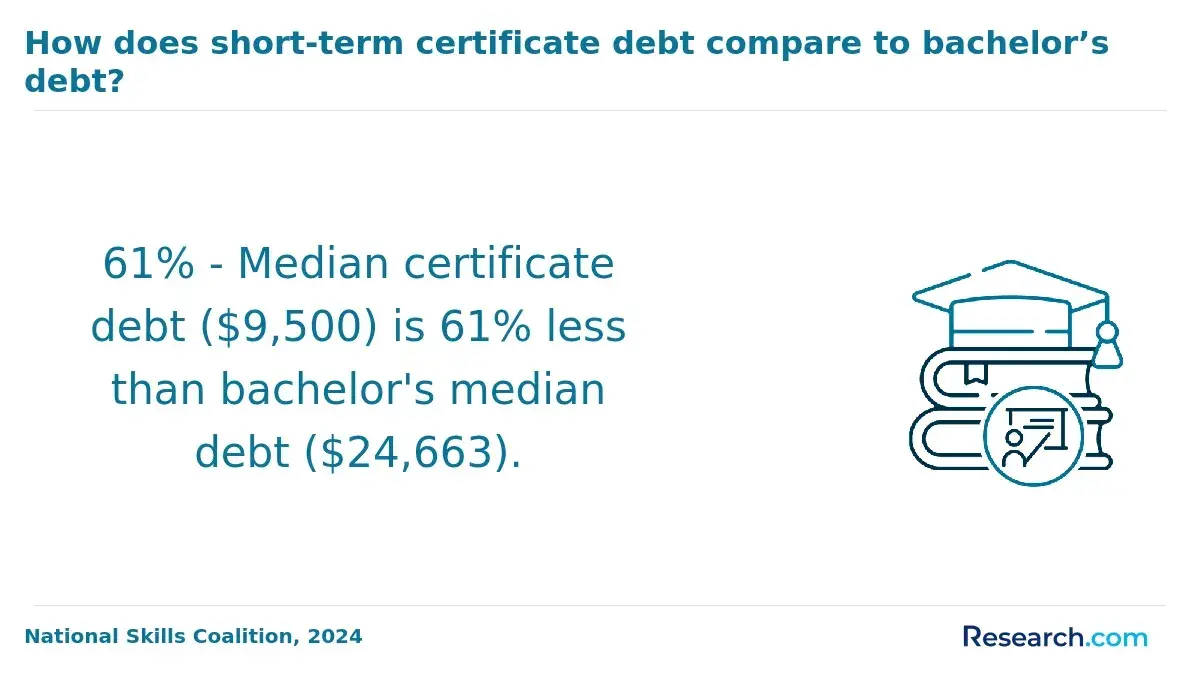
Prospective students should weigh tuition costs against market realities. Many reputable online bachelor's programs in biology cost under $10,000 annually, significantly lower than typical public four-year campus tuition. This affordability can reduce financial barriers without compromising essential training for practical, field-based roles.
- Key skills: Field research, data analysis, regulatory reporting, applied ecology
- Industry sectors: Government agencies, environmental consulting firms, nonprofits
- Typical certifications: GIS, environmental impact analysis
Employment opportunities also vary by location. Urban centers with strict environmental oversight offer diverse roles, whereas rural areas prioritize land management and conservation enforcement. Practical internships aligned with these geographic factors enhance job placement chances.
What salary can environmental biology graduates expect?
Starting salaries for environmental biology graduates in 2026 typically fall between $50,000 and $70,000 annually, heavily influenced by sector and location. Entry-level roles tend to cluster near the lower bound, while median wages for environmental scientists, per the U.S. Bureau of Labor Statistics 2024 data, hover around $73,230.
Notably, specialized experience and advanced qualifications, such as expertise in GIS or environmental policy, can push compensation above $90,000, particularly within federal agencies or private consulting firms focused on compliance and conservation.
Biology graduates often pivot into roles across environmental science, agriculture, and health sectors, reflecting the degree's adaptability but also signaling varied income stability dependent on industry shifts. Successful candidates align their skill set with market demands, frequently requiring certifications or technical competencies like environmental impact assessments or agricultural biotechnology knowledge.
Real-world tradeoffs include navigating between entry positions that offer faster on-the-job learning but modest pay, versus investing in graduate education or certifications that delay earning but open doors to higher salary trajectories. Additionally, employers such as the Environmental Protection Agency prioritize measurable technical skills, which correlates to improved remuneration and job security.
Working professionals should weigh personal financial capacity against the time and cost of further education. Strategic choices in skill acquisition directly affect long-term employability and income potential within biological sciences workflows in environmental contexts.
What certifications help environmental biology professionals?
Certification requirements in environmental biology differentiate candidates sharply in a crowded job market. For example, roles focused on ecological restoration or environmental assessment typically demand credentials like the Certified Ecological Restoration Practitioner (CERP) or Certified Environmental Scientist (CES). Regulatory or compliance-centered positions often require the Certified Environmental Professional (CEP), recognized in government and industry for legal and procedural expertise.
Climate-focused roles favor certifications such as the Climate Change Professional (CC-P), reflecting the increasing demand for targeted knowledge as Arizona State University's online program forecasts job growth between 3.4% and 7.3% for this segment.
Employers expect applicants to demonstrate both scientific literacy and applied skills. Environmental analysts must often hold advanced GIS certification to manage spatial data-a competency absent from many general biological sciences degrees. Conservation biologists enhance job prospects via certifications in wildlife or habitat management, directly correlating with field responsibilities and program oversight.
Specialized certifications like the Registered Environmental Manager (REM) serve mid-career professionals aiming for leadership through compliance and management roles. However, candidates must navigate cost-benefit tradeoffs: time and financial investment in credentials versus potential salary increases and job mobility.
The absence of these certifications can limit hiring prospects and slow career progression, especially within consulting and government sectors where legal recognition and specialized knowledge hold tangible value.
Other Things You Should Know About Biological Sciences
Choosing between research opportunities and program flexibility depends on your career goals. For environmental biology careers focused on fieldwork or lab-based roles, programs with strong, structured research components provide critical hands-on skills employers expect. However, if you need to balance work or personal commitments, a flexible program with recorded lectures and asynchronous coursework may be more practical, though you might sacrifice intensive lab experience. Prioritize programs offering hybrid options or local partnerships to supplement online learning if research experience is non-negotiable.
Online biological sciences programs maintain a comparable workload to campus programs but require greater self-discipline and time management. Without in-person classes, students must proactively engage with complex material and lab simulations, which can be more demanding if you lack direct access to instructors or peer study groups. Assess whether the program provides synchronous sessions or mentoring to mitigate isolation and support comprehension, as this affects your ability to keep pace and fully absorb practical content.
Top programs offer a robust curriculum with hands-on virtual labs, experienced faculty, and industry partnerships. They focus on ecological fieldwork, data analysis, and technology used in environmental biology, ensuring graduates are well-equipped with the necessary technical skills for the evolving job market.
For professionals aiming at environmental biology careers, industry connections often trump academic prestige. Programs embedded in professional networks or offering internships and direct employer engagement increase employment prospects more than name recognition alone. Prioritize schools with established partnerships in environmental sectors and practical placement opportunities, as these paths yield faster career advancement and relevant experience in applied biological sciences.
References
- Educations https://www.educations.com
- Environmental Biology | Columbia-Greene Community College https://www.columbiagreene.edu/academics/programs/environmental-biology/
- Become an Environmental Professional (EP) | ECO Canada https://eco.ca/designations/environmental-professional/
- Join-Board Certified Environmental Scientist https://www.aaees.org/bces
- Certification https://www.abcep.org/certification.php
- Academic Catalog https://catalog.ccc.edu/transfer-pathways/environmental-biology-associate-science/
- Best Online Biology Degrees https://www.affordablecollegesonline.org/biology-programs/
- Home https://www.husson.edu/online/online-degrees/bachelor-of-science-in-wildlife-biology-and-conservation
- Environmental Biology https://www.uregina.ca/academics/programs/science/environmental-biology.html
- Biological and Environmental Sciences https://gogovernment.org/career/biological-and-environmental-sciences/