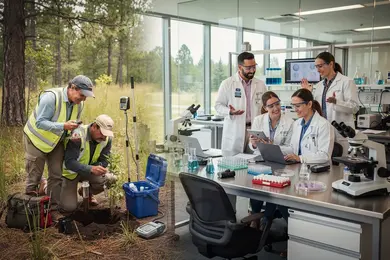
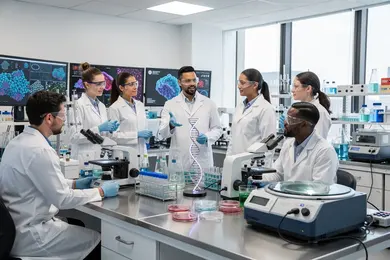
2027 Biotech Company Roles You Can Target With a Biological Sciences Degree

Co-Founder and Chief Data Scientist
Securing a specialized role in biotech without practical lab experience or a relevant employer network can stall career entry despite a biological sciences degree. This disconnect grows as 38% of adult learners cite scheduling and program flexibility as decisive factors when enrolling in STEM-related fields, according to the National Center for Education Statistics. The rising prevalence of online and hybrid degree options enables nontraditional students to access credential pathways that once demanded full-time, on-campus attendance, yet the challenge remains identifying roles aligned with diverse skillsets and current market gaps. This article outlines targeted biotech positions suited to biological sciences graduates, facilitating informed choices for career alignment and advancement.
Key Things You Should Know
- Biological sciences graduates face a 20% wage premium entering biotech roles over general science majors, yet advancing beyond lab technician positions typically requires a master's level credential, intensifying time and financial investment tradeoffs (BLS, 2024).
- Employers prioritize interdisciplinary biotech expertise combining biological sciences with data analytics or regulatory aptitude, making single-focus biology degrees less competitive in a job market expanding 11% annually per the National Science Foundation.
- Job placement data from 2024 reveal that 45% of entry roles in biotech startups demand prior industry internships, limiting accessibility for students from institutions with fewer industry partnerships and delaying workforce entry by 6-12 months.
What biotech company roles are realistically accessible with a biological sciences degree?
Graduates with a biological sciences degree often face a pivotal decision between immediate entry-level roles and pursuing advanced degrees to access research scientist positions. Entry-level biotech roles for biological sciences degree holders typically involve laboratory technician or research assistant positions focused on executing experiments, maintaining instrumentation, and data collection. These roles demand competency in molecular biology techniques and strict data management aligning with industry standards for reproducibility.
Mid-level opportunities requiring a bachelor's plus experience or certifications include quality control analyst, regulatory affairs associate, and clinical trial coordinator. For instance, quality control analysts in pharmaceutical biotech firms monitor product consistency under FDA regulations, essential in maintaining compliance within stringent frameworks. Clinical trial coordinators manage the organization and safety oversight of human subjects research, reinforcing the value of solid biological knowledge in regulatory-heavy environments.
Without graduate training, attaining independent research scientist roles is challenging, though the U.S. Bureau of Labor Statistics projects a 17% growth in medical scientist employment through 2033, signaling expanding demand for candidates who integrate research proficiency with advanced credentials. This dynamic creates a practical tradeoff between workforce immediacy and long-term research-focused career potential.
Networking, internships, and cooperative experiences critically augment employment prospects by demonstrating applicable skills and adaptability in fast-evolving, regulated biotech sectors. Those evaluating biotech company careers for biological sciences graduates should carefully weigh these factors against personal resources and professional goals.
For those comparing career options across science disciplines, this analysis complements insights on what jobs can you get with an environmental science degree.
How does a biological sciences major prepare you for careers in biotech?
Proficiency in managing complex biological data and interpreting biochemical results is central to careers in biotech, where a biological sciences degree careers in biotech pivot on translating scientific knowledge into scalable process development and quality assurance. Employers in pharmaceuticals and medicine manufacturing increasingly demand that industrial production managers grasp cellular mechanisms and biochemical pathways to ensure consistent product integrity during scale-up. U.S. employment in this role is projected to grow 19% from 2023 to 2033, reflecting strong sector growth.
Key skills gained from a biological sciences major for biotech jobs include practical familiarity with Good Manufacturing Practices (GMP) and expertise in bioprocessing equipment-competencies that enable graduates to enter operational management and supervisory roles. Regulatory knowledge, especially of FDA frameworks, is routinely integrated through case studies, strengthening compliance capabilities vital for quality-driven environments.
Soft skills like cross-functional communication and project management surface as necessary assets to navigate fast-paced biotech settings, bridging technical details with business goals. Consider biomanufacturing roles where scientific fundamentals in enzyme kinetics and fermentation alone do not suffice; hands-on experience with automation and data analytics platforms is often decisive. Students aiming for this pathway should seek internships or certifications that provide such exposure.
For candidates evaluating educational investments, programs offering affordable options in these fields can be benchmarked; for example, the cheapest data science masters in USA illustrate how complementary data analytics training enhances biotech career readiness.
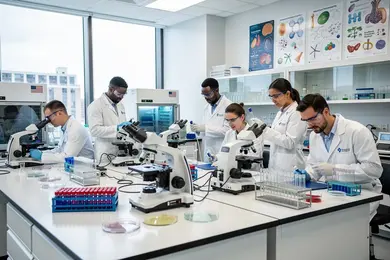
What entry-level biotech positions can recent biological sciences graduates pursue?
Biological sciences graduates pursuing entry-level biotech roles face critical tradeoffs between regulatory focus, hands-on research, and operational versatility. Quality control (QC) and quality assurance (QA) analyst roles demand stringent adherence to regulatory standards like FDA and EMA guidelines. Given the global pharmaceutical quality management systems market's projected growth from $3.1 billion in 2023 to $5.4 billion by 2030, these positions offer solid entry points with relatively rapid certification pathways, such as American Society for Quality credentials, which can accelerate employability.
Conversely, research associate roles in molecular biology or cell culture labs provide essential experimental skills and direct involvement with complex assays. However, they often lack immediate regulatory compliance training, which may delay career advancement in organizations prioritizing Good Manufacturing Practices (GMP). Process technician roles serve as a hybrid alternative, blending lab work with production scaling and validation, suitable for graduates who value operational integration but require quick mastery of technical SOPs and communication across departments.
- Entry-level regulatory affairs assistants focus on document control and dossier preparation, which suits candidates aiming for compliance-heavy career paths.
- Field application specialists, less typical for graduates, combine biological sciences knowledge with client-facing technical support, requiring strong communication alongside technical competence.
Regional biotech hubs with strong pharmaceutical industries tend to offer more QC/QA openings, reflecting the emphasis on regulated product oversight. Networking within societies like the American Society for Quality can enhance placement in specialized roles. For candidates mapping biological sciences degree job opportunities in biotechnology, weighing the preferred operational environment against long-term progression is essential. Those seeking a strategic pivot might also consider a masters in library science to diversify skills and access alternative technical workflows.
What education, skills, and experience do top biotech employers look for?
Biotech employers expect biological sciences graduates to combine a bachelor's degree with specialized skills in data analysis, laboratory techniques, and regulatory frameworks to meet practical job demands. Proficiency in bioinformatics software, molecular biology protocols, and statistical tools is essential for maintaining experimental rigor and reproducibility. Regulatory knowledge aligned with FDA, EMA, and ICH guidelines is increasingly non-negotiable, reflecting growing compliance complexity in the sector.
Practical experience remains a critical differentiator in the US biotech job market. Candidates who have engaged in internships, research projects, or cooperative education demonstrate readiness to reduce onboarding time and tackle real-world problems, which employers prioritize alongside academic credentials. This intersection of applied skills and academic background directly shapes employability, illustrating the tradeoff between theoretical learning and hands-on experience important for biotech employer expectations for biological sciences graduates.
Projected growth in global regulatory affairs outsourcing-from $7.5 billion in 2023 to over $15 billion by 2030-heightens demand for expertise in regulatory submission and cross-border compliance. Professionals skilled in these areas are increasingly valuable to contract research organizations and multinational biotech firms managing complex product approval pathways.
For example, a biological sciences graduate with project management and regulatory skills can expedite clinical trial approvals at a biotech startup, shortening time to market. Conversely, insufficient regulatory knowledge can delay launches, inflate costs, and stall career progression. Alongside technical capabilities, soft skills like communication and teamwork facilitate interdisciplinary collaboration but do not replace core technical proficiency.
The evolving landscape requires professionals who actively update their expertise in emerging biotech methods and regulatory changes. Prospective candidates assessing biotech employer expectations for biological sciences graduates should consider integrating regulatory competence with practical experience to align with industry realities. Those evaluating complementary educational options might also review pathways such as the MLIS degree for expanding interdisciplinary skill sets.
How do online biological sciences programs compare to campus options for biotech careers?
Online biological sciences programs deliver equivalent theoretical and technical foundations to traditional campus offerings but lack the immersive lab experiences vital for many biotech positions. For instance, clinical trials management-a field slated to expand from $56 billion in 2023 to over $80 billion by 2030-demands candidates with direct exposure to lab methodologies and instrument handling. Without institutional access, online learners must independently secure local internships or collaborations, often delaying readiness compared to on-campus peers who benefit from structured lab access and industry relationships.
Students focused on biotech product development, quality control, or regulatory affairs encounter more integrated multidisciplinary projects and collaborative environments on campus, simulating real workforce dynamics more effectively than online courses. Conversely, remote programs serve professionals targeting data analysis, bioinformatics, or software-centric roles, offering accelerated pathways without geographic restrictions but requiring rigorous self-navigation to obtain complementary practical training.
Decision-making hinges on tradeoffs: campus programs usually mandate full-time attendance and relocation but provide built-in career services and internship pipelines; online options grant flexibility yet depend on proactive networking and local resource development. For example, a biotech specialist relocating mid-pandemic might leverage online courses for continued credentialing but must plan distinct hands-on practice to meet employer expectations in clinical coordination or lab techniques.
Which U.S. biological sciences degrees and schools best align with biotech pathways?
Degrees combining biological sciences with computational and molecular competencies provide the most direct routes into biotech roles requiring hybrid skill sets. Programs that integrate bioinformatics, molecular biology, and computational biology - especially from institutions with strong lab infrastructure and industry ties such as UC Berkeley, Johns Hopkins University, and the University of Wisconsin - offer graduates tangible advantages in job placement and relevant experience.
Employers increasingly demand fluency in programming languages like Python and R, alongside practical data skills in next-generation sequencing and biostatistics. These competencies underpin roles in pharmaceutical research and precision medicine, fields projected to expand as the bioinformatics market surges from around $15-16 billion to over $45 billion within a decade, per McKinsey data.
Choosing a program involves weighing tradeoffs between affordability and specialization. Public universities with established employer pipelines may provide more accessible tuition but less depth in computational rigor. In contrast, private institutions typically emphasize cutting-edge interdisciplinary research at higher costs, which may fit those targeting elite collaborations.
Working professionals pivoting into biotech must prioritize flexible credentials that emphasize hands-on skills with cloud-based genomic databases and statistical tools to meet employer expectations by 2026. Failure to build this hybrid expertise risks stagnation in a landscape where biological knowledge alone no longer suffices for advancement.
What are the typical salaries and benefits for biotech roles open to biology majors?
Biological sciences graduates targeting biotech roles face sharply varied salary outcomes dependent on job function and skill application beyond the lab. Commercial positions, especially medical and pharmaceutical sales representatives, command median salaries near $99,000, with top earners exceeding $166,000 annually, reflecting the premium employers place on communication and negotiation skills. By contrast, research-focused roles like scientists and lab technicians typically start between $50,000 and $70,000, with growth plateauing absent advanced degrees or published productivity.
Entry-level R&D candidates benefit from structured perks such as health insurance and 401(k) plans, yet their compensation often rises cautiously unless supplemented by specialized skills or certifications. Mid-tier roles including clinical trial coordinators and quality control analysts earn $60,000 to $85,000, frequently necessitating additional credentials.
Tradeoffs emerge between immediate pay and long-term trajectory. Regulatory affairs roles may offer lower entry salaries yet position professionals for accelerated advancement due to their integral role in regulatory compliance. Sales jobs, often commission-based, introduce income volatility requiring resilience and a robust network to maximize earnings. Additionally, unpaid internships or contract positions commonly precede permanent offers, potentially impeding short-term financial stability.
- Compensation varies significantly across subfields and job types within Biological Sciences.
- Advanced degrees and certifications directly impact salary progression and opportunities.
- Balancing short-term earnings with career growth potential is essential for strategic career planning.
What is the job outlook and hiring demand in the U.S. biotech industry?
Employment growth in the biotech sector increasingly demands professionals who merge biological sciences expertise with data analytics and regulatory knowledge. Market research analysts and marketing specialists in scientific fields are projected to grow 13% over the next decade, outpacing average occupational growth. This signals that graduates must go beyond traditional lab skills to interpret complex biological data and navigate FDA regulations effectively.
For example, companies developing gene therapies require marketing analysts who understand both scientific nuances and reimbursement complexities, enabling targeted, compliant strategies. Candidates lacking this interdisciplinary skill set face narrower job prospects.
The trend also spotlights roles blending biology with legal and procedural acumen, such as regulatory affairs associates and clinical trial coordinators. These positions often require additional certifications or specialized training, representing essential investments for career stability.
Geography influences opportunity and compensation significantly. Biotech clusters in Boston, San Diego, and the Research Triangle concentrate demand and offer higher pay but raise competition. Professionals unable to relocate should prioritize remote options or hybrid roles to remain competitive.
- Combine biological sciences education with data interpretation and regulatory insight to enhance employability.
- Expect to pursue supplemental certifications for specialized positions.
- Consider geographical realities when targeting biotech sector jobs.
Are certifications, licenses, or graduate degrees needed for advanced biotech positions?
Advanced roles in biotech increasingly demand a blend of graduate education and specialized certifications, reflecting the sector's regulatory and technical sophistication. For instance, regulatory affairs, quality assurance, and clinical research positions often require credentials like RAC (Regulatory Affairs Certification) or CQA (Certified Quality Auditor). These prove mastery of FDA compliance, GMP guidelines, and clinical protocols-a necessity in a market where cell and gene therapies are expected to exceed $80 billion by 2030, with rapid growth fueling demand for compliance expertise.
A real-world example: a molecular biologist at a mid-size firm developing gene therapies typically needs a PhD and must understand clinical trial regulations to design experiments feeding into submissions. Employers distinctly value higher degrees for leadership or innovation-focused roles, where analytical rigor and published research separate senior scientists from technical staff.
Licenses are less ubiquitous but critical for clinical lab directors and some quality managers who handle diagnostic testing oversight. Larger biopharma companies generally prefer formal graduate education paired with industry-recognized certifications, while startups may weigh equivalent practical experience and targeted credentials more heavily.
Pragmatically, aspiring professionals should weigh the time and cost of graduate degrees against the increasing prevalence of certifications that can strategically complement hands-on experience. This combination aligns with employer expectations in a highly regulated therapeutic landscape documented in industry reports such as those available on research.com.
How can students strategically choose and customize a biological sciences program for biotech?
Biological sciences programs must be deliberately customized to equip students for distinct roles within the biotech sector. For instance, aspiring venture capital analysts or strategists should couple biology fundamentals with finance, data analytics, and regulatory affairs to navigate a $50 billion annual funding landscape shaped by evolving life science investments. Programs emphasizing project-based learning tied to real industry cases improve the ability to convert theory into commercially viable solutions.
Rising demand for data-literate graduates makes integrating bioinformatics and computational biology critical, especially as big data informs biologics development and personalized medicine. Students targeting consulting roles benefit from adding coursework in business communication, leadership, and systems thinking to meet firms' expectations for analytical depth and client management skills.
Access to internships and co-ops within biotech startups or pharmaceutical firms significantly impacts employability by offering hands-on exposure to regulatory compliance, intellectual property, and product lifecycle management challenges often missing in standard curricula. For those pivoting toward cutting-edge fields like synthetic biology or gene editing, research-intensive tracks with lab participation elevate career prospects.
Strategic selection also involves geographic and institutional considerations, as proximity to biotech hubs offers enhanced networking, mentorship, and job placement potential. Balancing rigorous science studies with electives aligned to workforce trends and market funding cycles equips students with the adaptability necessary for dynamic biotech roles beyond traditional laboratory paths.
Other Things You Should Know About Biological Sciences
A biological sciences degree provides a foundation but rarely guarantees stability without further specialization or experience. Employers prioritize candidates who complement their degree with internships, lab experience, or targeted certificates that demonstrate applied skills. Those who do not pursue additional credentials often face limited advancement and must be prepared for more entry-level or technician roles with slower career progression.
Research-intensive biological sciences programs offer deeper lab skills and familiarity with experimental design, which are valued in many biotech jobs. However, these programs often require more time and focus on theory over broader applied knowledge. Students targeting industry roles with immediate application may benefit more from programs offering internships, cooperative education, or coursework in biotechnology methods and regulatory affairs.
The workload in a biological sciences degree can be demanding, often involving labs, assignments, and exams. Students balancing work or family must carefully manage their time and seek flexible scheduling or part-time options. Support services at universities can also help mitigate challenges and keep personal commitments in check.
Industry experience through internships or cooperative education generally outweighs a marginal GPA difference in biotech hiring decisions. Employers seek candidates who understand workplace dynamics, equipment use, and team collaboration. A strong GPA with no practical experience may be less competitive than a moderate GPA combined with hands-on biotech exposure. Prioritizing experiential learning offers clearer pathways to employment.
References
- Top Transferable Skills Needed for Biotech and Pharmaceuticals | Evolve Scientific Recruitment https://www.evolvescientific.com.au/news/top-transferable-skills-for-biotech-pharmaceuticals/
- Careers in Biotechnology 2025 | Opportunities, Skills & Trends | IFF https://www.iff.com/media/stories/careers-in-biotechnology-2025/
- Top 16 Highest Paying Biotechnology Jobs in 2026–2027 (Salaries, Career Growth & Future Demand) https://nextgenlearning.org.uk/highest-paying-biotechnology-jobs-2026-2027/
- US Biotech Job Market: 2025 Trends, Data & Analysis | IntuitionLabs https://intuitionlabs.ai/articles/us-biotech-job-market-2025
- Biotech Jobs Aren't Just in Labs | Explore Career Options — Biotech United https://biotechunited.com/blogs/biotech-jobs-arent-just-in-labs-explore-other-options
- Online Bachelor's Degree: Biotechnology https://www.umgc.edu/online-degrees/bachelors/biotechnology
- Careers - Vault https://vault.com/professions/biotechnology-production-workers/requirements
- Top Universities in the US for Biotechnology: A Complete Guide https://www.applash.ai/top-universities-us-biotechnology
- Get Ahead With Life Science Executive Certifications - Biotech Primer Inc. https://biotechprimer.com/get-ahead-with-life-science-executive-certifications/
- Top 15 Highest‑Paying Pharmacy Jobs in the UK 2025 (Including Salaries) https://apexlearning.org.uk/highest-paying-biology-degree-jobs-2025-2026/