2027 First Biological Sciences Roles for Analytical Thinkers

Co-Founder and Chief Data Scientist
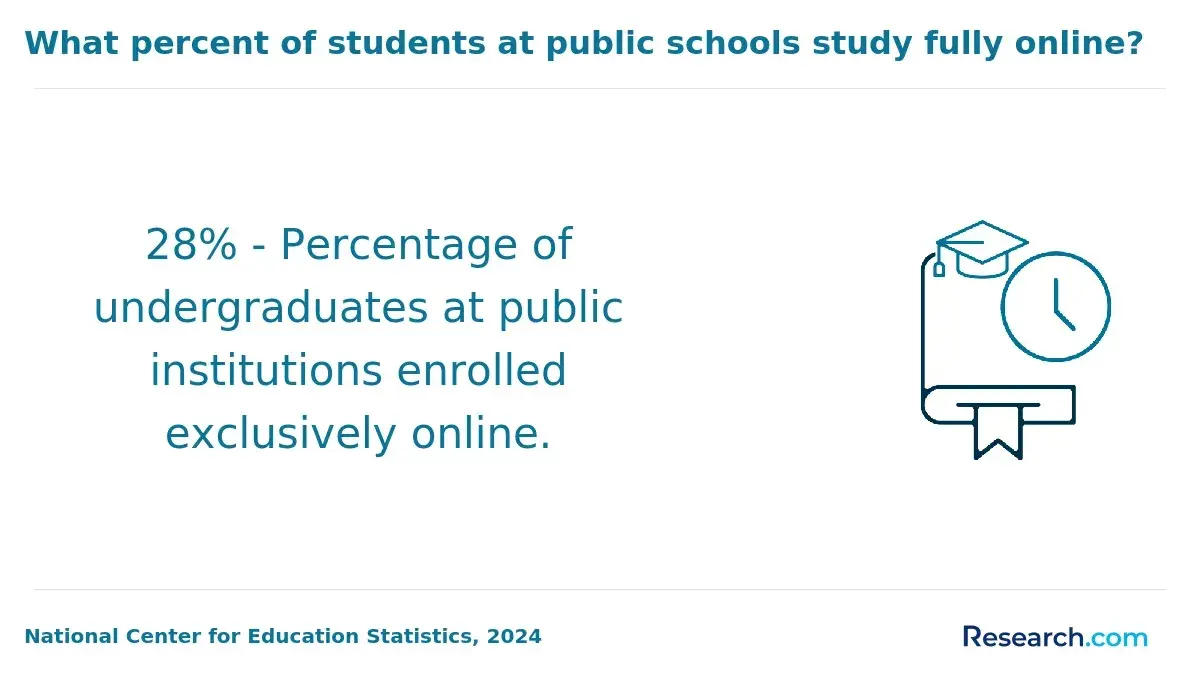
Graduates entering biological sciences often confront a fragmented job market where analytical rigor is nonnegotiable but relevant entry-level roles remain scarce or narrowly defined. Simultaneously, the persistence of rigid credentialing requirements complicates career pivots for professionals transitioning from adjacent STEM fields or returning adults balancing work with study. A 2024 National Center for Education Statistics report noted a 17% rise in adult enrollments in flexible biology-related programs, signaling a shift toward accessibility that still leaves questions about employer recognition of nontraditional pathways.
Navigating this landscape demands strategic choices aligned with workforce expectations and program structures. This article identifies first biological sciences roles suited to analytical thinkers, clarifying qualifications, skill targets, and career trajectories to guide informed decisions amid this evolving dynamic.
Key Things You Should Know
- Data from the U.S. Bureau of Labor Statistics shows analytical roles in biological sciences grew 12% from 2022 to 2024, pressuring candidates to validate quantitative skills through specialized coursework, increasing time-to-employment by an average of six months.
- Employers now prioritize bioinformatic competencies alongside classical lab skills, with 68% of surveyed biotech firms in 2024 demanding proficiency in data analytics platforms, reallocating hiring emphasis away from purely experimental backgrounds.
- The median cost for accredited biological sciences programs integrating analytics rose 17% since 2022, disproportionately impacting mid-career professionals' ability to reskill rapidly, potentially delaying career pivots by 1-2 years.
What are biological sciences roles for analytical thinkers?
Analytical roles in biological sciences demand precise data interpretation and strong experimental design skills, particularly when applied within clinical or research-focused settings. For instance, clinical laboratory technologists must operate under stringent regulatory standards, validating complex biological samples to inform patient care decisions, with median wages at $63,100 annually in the U.S. Employment growth for these roles stands at 5% from 2022 to 2032, signaling steady demand driven by medical advancements and population health trends.
Key competencies center on quantitative reasoning, data management, and adherence to quality control protocols. Professionals in research institutions emphasize hypothesis testing and statistical modeling, often leveraging bioinformatics and specialized software. Balancing theoretical knowledge with practical lab experience is critical; employers value candidates skilled in instrumentation calibration, sample preparation, and ISO compliance.
Students considering biological sciences careers for analytical thinkers must weigh educational pathways that integrate hands-on training with analytical rigor. This tradeoff influences job readiness across clinical, pharmaceutical, and environmental sectors. For those evaluating broader options, exploring jobs with elementary education and environmental science degree may surface related opportunities in environmental science fields.
What education do biological sciences jobs usually require?
Biological sciences jobs in the United States commonly require a bachelor's degree in biology, biochemistry, microbiology, or closely related fields for entry-level positions. However, roles focused on data analysis, such as bioinformatics or biostatistics, often demand a master's degree or PhD. This stems from the need for strong quantitative and computational skills, with statisticians in these fields earning a median wage of $105,510 and facing a 32% employment growth rate from 2022 to 2032.
Such dynamics highlight a real-world divide between purely biological training and the integration of statistical expertise. For data-driven positions, employers expect proficiency in programming languages like R or Python, alongside experience in statistics, machine learning, and experimental design.
A typical biology bachelor's degree without computational training limits career mobility in analytics roles, while advanced degrees open doors to higher-level jobs but require longer educational commitments and research involvement. In industry sectors like pharmaceuticals or public health, a bachelor's degree supplemented by internships or certifications in data handling may be sufficient for technician roles, though upward movement generally necessitates advanced education.
Students should deliberately align their educational path with whether their target occupation prioritizes laboratory skills, computational analysis, or interdisciplinary competencies. Those considering accelerated pathways might explore options like an accelerated computer science degree online to supplement biological sciences jobs education requirements in the United States with stronger computational capabilities.
How do you verify accreditation for biological sciences programs?
Employer recognition in the biological sciences labor market hinges significantly on confirming both institutional and program accreditation from bodies sanctioned by the U.S. Department of Education (USDE) or the Council for Higher Education Accreditation (CHEA). Failure to verify can derail hiring prospects or eligibility for advanced certifications, as many biotech and pharmaceutical employers use accreditation to filter candidates and validate technical competencies.
Verifying regional accreditation for biological sciences educational institutions is a non-negotiable step. Institutions might claim approval by states, but this is not equivalent to accreditation and often misleads prospective students. Industry demand, especially in areas like drug discovery analysis, favors graduates whose credentials come from accredited programs that meet rigorous standards in curriculum and faculty expertise.
Practical career impact often depends on securing degree programs with recognized accreditation, as employers interpret this as a proxy for risk management and workforce readiness. Specialized accreditations targeting subfields such as pharmaceutical regulatory affairs can further enhance employability but require careful cross-checking against the institutional status.
Prospective students exploring options for a sports science degree online should equally apply rigorous accreditation checks to prevent investing in programs with limited market value. Direct verification through official USDE or CHEA platforms, contacting registrars, and reviewing expiration dates of accreditations help avoid costly setbacks and delayed certification timelines.
Thorough due diligence tackling how to check accreditation for biological sciences degree programs in the US ensures alignment with real-world hiring criteria and reduces pitfalls endemic to unaccredited or marginally recognized providers. Additional practical insights and comparisons of program accreditation can be found by examining sports science degree online options.
Which online biology programs are best for working adults?
Choosing the best online biology degree programs for working professionals requires analyzing course flexibility alongside employer-driven skill demands. Programs with asynchronous classes and part-time options enable employed students to maintain career momentum while acquiring competencies that align with current job market needs. For example, environmental consultants targeting analytical roles in climate risk assessment must prioritize curricula rich in quantitative methods, GIS, and applied ecology due to projected 6% growth in environmental scientist jobs and median wages near $78,980.
Employers increasingly prioritize candidates skilled in data analysis, field integration, and understanding regulatory frameworks. Top accredited biology courses for adult learners often include virtual labs, case-based projects simulating real-world conservation challenges, and opportunities for collaboration with industry, all factors that enhance employment prospects.
However, programs lacking sufficient instructor interaction or hands-on experience risk producing graduates ill-prepared for the rigors of practical job functions. Credit transfer policies, foundational prerequisites in biology and statistics, and access to career services significantly affect return on investment and successful job placement.
Professionals pivoting from unrelated fields benefit from programs offering clear pathways to certifications or graduate studies, vital in a biology-centered labor market that demands both analytical rigor and applied skills. Those weighing affordability alongside educational quality might consider options beyond biology, such as a library degree, to strategize their educational expenditures.
What coursework builds analytical skills in biological sciences?
Data analysis and biostatistics coursework shape core skills essential for navigating data-heavy roles increasingly prevalent in biological sciences. For instance, proficiency in statistical tests and regression models enables professionals to design and interpret experiments rigorously-an asset in clinical trials, where market expansion from $56 billion to over $70 billion signals rising employer demand for analytical precision.
Programming languages like R, Python, and MATLAB empower students to automate workflows and perform complex multivariate analyses, directly addressing the needs of genomics and epidemiology research sectors. Equally important are laboratory methods centered on quantitative assays such as ELISA or flow cytometry, which cultivate critical thinking about experimental design and data quality issues common in applied research.
Systems biology and bioinformatics training prepare graduates to synthesize diverse biological data, mirroring employer requests for candidates capable of managing multifaceted biological problems from molecular to ecosystem levels. Clinical research methodology coursework complements this by grounding students in protocol design and ethical standards vital for maintaining data integrity in trials.
Students who prioritize wet-lab skills without supporting computational or statistical training risk marginalization as the biological sciences workforce shifts toward interdisciplinary, data-driven roles. Conversely, integrating quantitative, coding, and specialized biology components better equips professionals to capitalize on the burgeoning healthcare analytics market.
What admissions requirements apply to biology degree programs?
Admission to biology degree programs in 2026 demands more than baseline academic credentials; it requires demonstrable preparedness for the quantitative and interdisciplinary rigors of the field. Candidates typically need a high school diploma with strong performance in biology, chemistry, physics, and mathematics. However, the role of standardized testing like the ACT or SAT varies regionally and institutionally due to growing test-optional trends.
Applicants targeting analytical subfields should emphasize coursework and metrics in calculus and statistics, since these underpin data-driven biology sectors such as bioinformatics and epidemiology. Beyond academics, the application process often scrutinizes personal statements that articulate research interests or career objectives, serving as proxies for candidate motivation and communication skills, crucial given that while over 70% of U.S. adults engage with science news weekly, only 29% report confident understanding.
This gap signals demand for graduates capable of translating complex biological concepts to varied audiences. Evidence of laboratory or field experience enhances candidacy by demonstrating applied skills valued by employers, particularly in research or applied biology roles. Working professionals pivoting into biological sciences frequently must reconcile prerequisite science coursework, sometimes necessitating completion before or early during degree programs.
Supplemental evaluations such as interviews or problem-solving exercises mimic workplace pressures, assessing candidates' capacity for evidence-based reasoning and communication. These admission components reflect employer expectations for scientists to manage and convey biological data effectively amid evolving public science literacy challenges.
How long do biological sciences degrees usually take?
Completing a bachelor's degree in biological sciences typically demands four years and around 120 to 130 semester credit hours, combining core courses in biology, chemistry, physics, and math with targeted electives like statistics or bioinformatics. This pathway directly aligns with employer expectations for research assistant roles focused on analytical tasks, where proficiency in laboratory techniques and data analysis is essential.
For those seeking independent or advanced research positions, graduate education is practically mandatory. A master's degree adds two years emphasizing experimental design and specialized skills, while doctoral programs require four to six additional years due to extensive original research and publication demands. These extended timelines directly influence career entry points and wage potential-medical and life scientists with advanced degrees earned median salaries near $104,000, reflecting the premium placed on higher qualifications.
Job growth projections for medical scientists, including research technicians and assistants, show a steady 5% increase over a decade. Individuals weighing immediate workforce entry against longer training should consider that technician roles often require less time but have limited progression and lower earning ceilings. Investment in the full biological sciences bachelor's program and advanced study, while longer and more demanding, grants access to more competitive roles with substantially higher compensation prospects.
What biological sciences careers offer strong salary potential?
Roles in regulatory affairs and quality control within biological sciences command salary advantages due to their critical function in pharmaceutical compliance and safety. The U.S. pharmaceutical manufacturing sector employs over 330,000 workers, with 20-25% in regulatory or quality-based positions, underscoring sustained demand for specialists skilled in FDA guidelines and Good Manufacturing Practices.
A regulatory affairs specialist at a large company can start with salaries well into six figures, particularly when handling product approvals or audits. However, this career path requires continuous regulatory education and advanced credentials, presenting both financial and scheduling challenges.
Those shifting from lab research or data management often find smoother transitions into compliance-driven roles, leveraging prior technical expertise to meet employer expectations around documentation, risk assessment, and cross-departmental collaboration. Key tradeoffs for candidates include:
- Choosing structured, compliance-focused work with predictable salary growth versus exploratory research with broader but less certain outcomes.
- Investing upfront in specialized certifications that drive long-term stability against contract-driven employment patterns.
- Adapting to an environment prioritizing precise regulatory adherence over innovation flexibility.
These factors shape realistic educational and career decisions for professionals aiming to advance strategically within biological sciences. Continuous skill development aligned to evolving regulatory frameworks is essential for sustained success in these roles.
What job outlook exists for biological sciences graduates?
The job market for biological sciences graduates increasingly demands proficiency in data analytics, particularly within growing sectors like medical technology and environmental consulting. For instance, the global medical device market is set to expand from about $518 billion in 2024 to over $780 billion by 2030, driving a need for specialists skilled in evaluation and post-market surveillance. Graduates must develop expertise in interpreting complex datasets, regulatory compliance, and quality assurance to meet employer expectations.
Career tradeoffs between entry-level research roles and analytically intensive positions require interdisciplinary skills. A biologist moving into pharmaceutical development may shift from traditional lab work to clinical trial data evaluation, blending scientific knowledge with regulatory frameworks. Environmental biology roles increasingly favor candidates with experience in geographic information systems (GIS) and environmental data standards, highlighting the premium on applied data skills.
Without these capabilities, prospects diminish in high-demand areas. Educational pathways focusing on quantitative training, software competence, and regulatory knowledge improve employability but require sustained commitment to upskilling as technologies evolve. Public and private sector opportunities favor graduates who merge life science fundamentals with rigorous data fluency, shaping hiring decisions and career trajectories.
How do you choose a reputable biology program?
Employers in biology-related quantitative fields increasingly require graduates equipped with data analysis, statistics, and computational biology skills. Biostatisticians and quantitative health scientists with PhDs start near $98,000 and can exceed $150,000 annually according to Duke University job data from Indeed, highlighting a strong market premium for applied quantitative expertise.
Programs emphasizing only classical biology without integrating these competencies risk producing graduates who struggle to meet evolving workforce demands. Choosing a program should include verifying its active collaborative ties to healthcare, research institutions, or industry partners that offer access to real-world datasets and internships.
A degree with measurable placement success in analytical roles often provides better long-term returns than a prestigious but disconnected program. Prospective students must weigh flexibility-such as part-time or online options-and program duration against personal constraints, particularly when switching careers. Faculty research currency is important to ensure exposure to cutting-edge methodologies over purely theoretical approaches.
Programs offering cross-disciplinary courses in machine learning, bioinformatics, and statistical modeling improve graduates' relevance for data-driven roles in biotech and research. Prioritizing those that document clear employment outcomes and align closely with employer expectations informed by current salary data supports more strategic educational investments.
Other Things You Should Know About Biological Sciences
In 2027, research experience is increasingly important for entry-level biological sciences roles. Employers prioritize candidates who have hands-on lab experience and critical thinking skills. Internships and research projects during undergraduate studies can significantly enhance employability and readiness for analytical challenges in the field.
Early specialization can limit flexibility, while a broad foundational knowledge allows adaptation to various roles. Entry-level positions often demand versatile skills across molecular biology, data analytics, and ecology. Starting broad provides a strategic advantage, enabling graduates to pivot or target niche roles later with additional certifications or experience as employer needs evolve.
Biological sciences programs balance extensive theoretical coursework with time-intensive lab and field assignments, often requiring longer hours outside class than some STEM fields focused primarily on programming or mathematics. Students should prepare for sustained physical and cognitive effort, including data collection, analysis, and report writing, which can impact work-study balance. Prioritizing time management is critical for success in this discipline.
Employers value proficiency in statistical software, scientific communication, and data interpretation alongside core biological knowledge. Graduates should develop skills in experimental design, critical data evaluation, and collaborative problem-solving. Building a portfolio of technical skills and clear documentation helps candidates stand out in a competitive job market focused on tangible contributions to research and development.
References
- Biological Sciences, B.Sc. Major https://catalog.umanitoba.ca/undergraduate-studies/science/biological-sciences/biological-sciences-bsc-major/
- Biology Major Jobs: Careers in the Biological Sciences | Houston Christian University https://hc.edu/articles/biology-major-jobs-careers-in-the-biological-sciences/
- Careers in Biology https://www.aibs.org/careers/
- Accreditation https://www.rsb.org.uk/accreditation.html
- Become IBMS Accredited https://www.ibms.org/ibms-accredited-university-courses/becoming-accredited.html
- Careers in Biological Sciences: Opportunities, Skills, and the Future of Work https://www.hyperec.com/blog/careers-in-biological-sciences-opportunities-skills-and-the-future-of-work/
- Leveraging Your Analytical Skills for a Career in Life Sciences https://srg4people.com/leveraging-your-analytical-skills-for-a-career-in-life-sciences/
- What does a Biological Scientist do? Career Overview, Roles, Jobs | APS https://jobs.apsnet.org/career/biological-scientist
- Technical Skills You Need To Study Life Sciences https://www.psb-academy.edu.sg/blog/technical-skills-you-need-to-study-life-sciences
- Analytical Scientist Jobs in the UK Life Sciences: Skills & Career Progression | SRG https://www.srgtalent.com/blog/analytical-scientist-jobs-in-uk-life-sciences