2027 Best Online Bachelor's in Biological Sciences With Laboratory Methods Coursework

Co-Founder and Chief Data Scientist
Graduates aiming to break into laboratory-based roles within biological sciences face a fundamental barrier: gaining hands-on laboratory experience remotely without compromising academic rigor. With 38% of postsecondary students enrolled online as of 2024 according to the National Center for Education Statistics, programs demanding authentic lab coursework must reconcile practical skill acquisition with virtual delivery.
This tension shapes admission decisions and career trajectories, especially for adult learners balancing employment or geographic constraints. Employers increasingly prioritize candidates whose online degrees integrate verified wet lab methodologies rather than solely theoretical training. This article evaluates online bachelor's options that explicitly incorporate laboratory methods, guiding readers to identify programs that combine accessibility with essential experiential learning.
Key Things You Should Know
- Online bachelor's degrees with lab methods often require local partnerships for hands-on experience, extending program duration by 6-12 months versus traditional tracks, which can increase opportunity costs in fast-evolving biology sectors.
- Employers increasingly demand demonstrable lab competency verified through accredited virtual or hybrid modules; programs lacking integrated practical credentials face a 20% lower job placement rate in biotech firms per recent National Science Foundation data.
- Tuition differentials fluctuate widely-online lab-based biology programs average 15-30% higher per credit than theory-only online degrees, impacting affordability for working adults aiming to pivot mid-career within 2-4 years according to Chronicle of Higher Education.
What is an online bachelor's in biological sciences with laboratory methods coursework?
An online bachelor's degree in biological sciences with lab components demands careful evaluation of how hands-on training integrates with remote delivery. Programs that blend virtual coursework with required local or in-person lab work address the essential gap employers encounter when assessing applicant readiness for roles involving molecular cloning, biochemical assays, or microscopy.
Accredited online biological sciences programs with laboratory coursework maintain standards by either partnering with regional labs or scheduling intensive in-person residencies. This balance is critical since regulatory and industry environments-such as pharmaceutical quality control or environmental toxicology-mandate verifiable proficiency in lab techniques, which cannot be fully replicated virtually.
Prospective students should consider key factors impacting employability and licensure eligibility: local lab access, opportunities for internships or research placements, and curriculum alignment with career objectives. For instance, a working professional transitioning to clinical lab management must confirm the program's lab methods fulfill licensure prerequisites, while a data-oriented biotech career might prioritize programs with bioinformatics alongside lab science fundamentals.
The rise to about 131,000 biological and biomedical sciences graduates nationally signals strong market demand but also increasing competition. Students must navigate tradeoffs between flexibility and tangible lab experience to avoid credential gaps that hinder employment. Those evaluating specialized online degrees can compare practical costs and delivery methods through resources like the online animal science degree guides, which present detailed, outcome-focused program insights relevant across biological science disciplines.
How does an online biological sciences bachelor's compare to an on-campus program?
Students considering how an online biological sciences bachelor's degree compares to an on-campus program in terms of laboratory methods experience must weigh significant tradeoffs in practical exposure and flexibility. Online programs often rely on simulation software or remote kits, which support foundational lab techniques but limit access to specialized instruments critical for research-intensive roles or doctoral preparation. This separation can affect employability in clinical or regulatory environments where employers prioritize verified hands-on laboratory skills.
The 2024 EDUCAUSE survey found 73% of STEM undergraduates taking at least one online lab course reported satisfaction on par with face-to-face labs, indicating well-executed virtual labs can meet many practical learning needs. However, on-campus programs remain preferable for immediate, supervised use of advanced equipment essential for mastering rare or highly technical protocols.
For working professionals balancing full-time commitments, asynchronous online modules ease scheduling conflicts, making career pivots or advancement in biotechnology, pharmaceuticals, or environmental science more feasible without relocation. Yet supplementing online coursework with local internships or research positions remains critical to validate laboratory competence and fulfill employer expectations.
Decision-making should focus on program reputation, integration of lab experiences, and individual career goals rather than format alone. Just as STEM students evaluate options like an online master in data science, candidates in biological sciences must pragmatically assess how delivery methods align with desired job market outcomes.
Which accredited schools offer online biological sciences degrees with lab-focused coursework?
Choosing accredited online biological sciences programs with lab courses requires balancing the necessity of hands-on training with logistical constraints inherent in remote learning. Universities like Oregon State, Arizona State, and the University of Florida integrate physical lab kits or regional partnerships to meet employer demand for practical competencies, such as instrumentation use and molecular biology techniques. Oregon State's approach, which combines shipped lab kits with virtual instruction, offers direct experimental experience essential for workforce readiness.
Employment projections from the U.S. Bureau of Labor Statistics signal a 5% growth for clinical laboratory technologists and technicians over the next decade, adding roughly 16,800 jobs. This trajectory outpaces many fields and amplifies the urgency of selecting programs aligned with actual laboratory practices rather than purely theoretical online offerings.
Students must weigh tradeoffs: fully online programs maximize flexibility but often depend on local externships or proctored exams, which may not be uniformly accessible. The University of Florida, for example, facilitates local lab access through affiliated facilities, enhancing graduate employability. Conversely, programs lacking regional partnerships can leave graduates facing extended on-the-job training and slower career progression in lab-intensive roles.
Prospective students seeking top online biological sciences degrees featuring hands-on laboratory methods should prioritize programs with verified accreditation and direct lab components. Recognizing these practical factors can mitigate transition friction and better position graduates for clinical and industrial biotech roles. For additional comparative insights, explore exercise science degrees online.
What laboratory methods and science courses are typically included in these online programs?
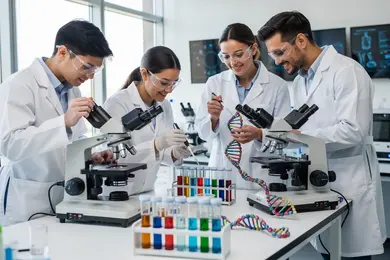
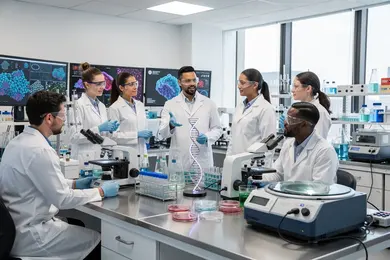
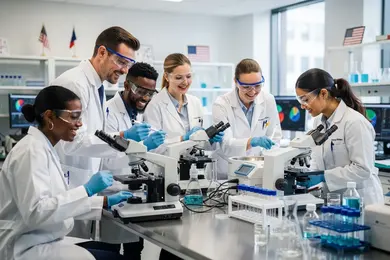
Online biological sciences laboratory techniques require a balance between hands-on skill development and flexible delivery. Bachelor's programs that integrate biology courses with hands-on lab components emphasize essential methods like microscopy, DNA extraction, chromatography, and gel electrophoresis, which are critical for laboratory workforce readiness. These skills are augmented by coursework in cellular and molecular biology, biochemistry, genetics, and ecology to build a broad scientific foundation.
Programs often blend virtual lab simulations with optional in-person residencies or local lab partnerships to accommodate distance learners, although this hybrid approach demands careful planning to meet employer expectations for demonstrated proficiency in laboratory instrumentation and data analysis software. For example, microbiology modules teach aseptic techniques and pathogen identification-skills employers expect in public health and quality control roles.
Graduates benefit from coursework in biostatistics and experimental design, critical for data interpretation and hypothesis testing in research and industry. According to Bureau of Labor Statistics 2024 data, microbiologists earn a median wage of $87,990, while zoologists and wildlife biologists earn $76,780, numbers that reflect the premium placed on advanced lab competencies.
Prospective students assessing these programs should also consider logistics around lab intensity and scheduling, as well as long-term career implications. Those seeking strategic pivots in biology careers should weigh how different program structures align with their professional objectives and local lab access. Explore related professional pathways such as MLIS programs for complementary interdisciplinary skills.
How do online biological sciences programs handle lab requirements, practicums, and hands-on training?
Online biological sciences programs necessitate direct laboratory experience despite their digital format, balancing flexibility with strict employer and accreditation standards. Students typically fulfill these requirements through local lab partnerships or on-site practicums, which are often essential for fields like clinical lab science where verified hands-on proficiency is non-negotiable. Virtual labs may substitute partially, especially in ecological or molecular biology tracks, but cannot replace condensed in-person training lasting two to four weeks.
This hybrid setup introduces important tradeoffs:
- Students must manage additional costs and logistics for travel and housing during practicums, which can significantly impact total program affordability beyond nominal tuition rates.
- Institutions coordinate placements, but successful completion hinges on individual initiative to secure and attend approved labs within their region.
- Working professionals benefit from some programs' flexible schedules and early placement support, mitigating timing conflicts and geographic constraints.
The cost disparity between public and private online biological sciences pathways is considerable, with average in-state tuition near $10,000 annually versus $40,000 or more for private institutions. Factoring in the practical challenges surrounding access to laboratories and required contact hours is critical for any student evaluating these programs for career pivots or skills upgrading.
Understanding these operational realities upfront allows prospective learners to realistically assess the feasibility and return on investment of biological sciences online degrees, rather than assuming coursework alone determines employability.
What are the typical admission requirements for an online bachelor's in biological sciences?
Admission criteria for an online bachelor's in biological sciences reflect the challenging balance between foundational STEM requirements and the logistical constraints of remote lab work. Candidates typically need a high school diploma with completed coursework in biology, chemistry, and algebra or higher math-core competencies that signal readiness for rigorous scientific protocols. GPA minimums usually fall between 2.5 and 3.0, ensuring students can sustain the program's academic rigor.
Competitive programs may require letters of recommendation or personal statements that illustrate a candidate's ability to manage lab-intensive coursework remotely-a practical necessity given the complexity of simulating wet lab work online. Working professionals pivoting into the field often bridge gaps through community college courses or accredited online providers when prior preparation lacks sufficient laboratory technique exposure.
Admissions must evaluate not just academic background but also applicants' access to technology and their ability to execute virtual lab exercises safely and reliably. For example, candidates without robust technical setups face increased challenges completing assignments that mimic in-person experiments, which employers increasingly value as proof of adaptability in modern scientific workflows.
According to EducationData.org's 2024 report, the rise to 18% in fully online bachelor's enrollments highlights growing institutional acceptance of online formats in lab-dependent disciplines. However, this trend places a premium on candidates' logistical planning and self-discipline, traits critical for navigating the realities of remote scientific training and maintaining long-term employability.
How long do these online biological sciences programs take, and what do they cost?
Accelerated online bachelor's programs in biological sciences with lab coursework face a key tension: completing rigorous hands-on or remote lab requirements while shortening time-to-degree. These lab components are non-negotiable for biotech and healthcare employers demanding verifiable technical skills. Over 80% of such programs require at least two upper-division lab courses involving real experiments, whether molecular biology or microbiology, reflecting workforce expectations for direct technical competence.
Cost variation reflects institution type and residency, with public in-state students typically paying $7,000-$15,000 annually, contrasted with $20,000-$35,000 at private universities. Total program costs often break down as:
- Public in-state: $28,000-$60,000 total
- Public out-of-state: $45,000-$90,000 total
- Private nonprofit: $60,000-$140,000 total
Additional fees for lab equipment and materials-ranging from $500 to $2,000 per semester-must be anticipated, especially for hands-on lab components that cannot be substituted fully by virtual simulations. This highlights a practical barrier for working professionals balancing jobs and study.
Prospective students aiming to pivot into research associate or lab technician roles should weigh the tradeoff between accelerated completion and the necessity for thorough lab experience. Employers value demonstrated proficiency; incomplete lab training can hinder job prospects. Flexible scheduling or hybrid formats allow some to manage full-time work alongside demanding lab requirements.
What careers can you pursue with an online bachelor's in biological sciences?
Online bachelor's degrees in biological sciences that include laboratory methods are increasingly viable for roles demanding documented practical skills, such as research assistants or quality control analysts. A 2024 meta-analysis in the Journal of Science Education and Technology confirms that well-designed virtual labs can yield exam performance equivalent to traditional settings, making graduates with such training competitive for hands-on positions in pharmaceutical manufacturing.
However, for clinical testing or environmental roles, synchronous or hybrid lab components remain essential to meet certification and employer standards for verified lab proficiency. Those targeting food safety or agricultural biotech sectors benefit from remote data analysis skills combined with modern instrumentation knowledge, aligning well with automation-driven lab workflows.
Biotechnology sales and regulatory affairs positions often require supplementary credentials beyond the biological sciences foundation to address gaps in compliance and communication expertise. Environmental consulting careers may demand additional in-field experience, since virtual labs rarely replicate physical sampling and data collection thoroughly.
Prospective students should carefully evaluate whether an online program's laboratory coursework is both comprehensive and industry-recognized to avoid retraining or delayed certification. Balancing the flexibility of online education with rigorous, accredited lab experience is critical for workforce readiness and minimizing hiring friction.
What salary ranges and job outlook can graduates in biological sciences expect?
Graduates with a bachelor's degree in biological sciences emphasizing laboratory methods confront a salary range heavily influenced by industry focus and location. Entry-level roles commonly offer $45,000 to $65,000 annually, yet biotech hubs like Boston or San Francisco push compensation closer to $105,000 for mid-career professionals due to higher demand and operational complexity.
The job market outlook for these graduates is shaped by an 8% decade-long growth projection for natural sciences managers-covering lab supervisors and biotech leads-surpassing average occupational growth. Practical mastery in laboratory management and biotech tools enhances employability, especially when combined with regulatory compliance knowledge, interdisciplinary collaboration, and emerging technologies such as CRISPR or bioinformatics.
Graduates face competition where advanced degrees often unlock senior scientist or project manager roles. Internships and co-op experiences that mirror industry operational standards remain pivotal for transitioning into roles responsible for experimental design and lab efficiency optimization.
Deciding whether to invest immediately in graduate study or build technical and managerial skills in the workforce depends on individual career goals and market positioning. Proficiency in both hands-on lab techniques and leadership can accelerate advancement without requiring a master's or PhD upfront.
How can you evaluate and choose a reputable online biological sciences program?
The true measure of an online biological sciences program lies in its ability to deliver hands-on laboratory proficiency through virtual simulations, home kits, or partnerships with accredited institutions. Programs neglecting robust lab components often produce graduates inadequately prepared for technical roles demanding wet-lab skills, directly affecting employability in research or biotech sectors.
Graduation rates, employer feedback, and job placement data reveal a program's practical impact-universities linked to ongoing research frequently facilitate internships and networks that ease access to life sciences employment. With life, physical, and social science occupations expected to grow 6% from 2023 to 2033, aligning program focus with evolving employer needs is critical.
Students must assess curricular fit against specific career trajectories such as biotechnology or environmental science, balancing theoretical learning with laboratory competence. Flexibility in scheduling and credit transfer policies are pivotal for professionals managing work and study simultaneously.
Transparent tuition, clear technology requirements, and strong academic advising reduce costly surprises. Finally, verifying that coursework integrates current advances and complies with regulatory standards ensures the education remains relevant as industry demands evolve.
Other Things You Should Know About Biological Sciences
Employers increasingly accept online degrees if the program's curriculum includes robust, verified lab experience. However, some hiring managers remain cautious, especially in research-intensive or clinical roles, questioning candidates' hands-on training depth. Graduates from programs with mandated in-person labs and internships have a clear advantage in demonstrating applied skills, whereas those with purely virtual lab experience may need to seek supplemental practical training to be competitive.
Online biological sciences degrees with lab methods coursework commonly demand the same time commitment as on-campus versions, often requiring weekend or block periods for in-person labs. Students must manage asynchronous coursework alongside fixed lab schedules, which can compress timelines and create workload peaks. Those balancing work or family responsibilities should confirm lab scheduling flexibility and prepare for intensive hands-on sessions to avoid underestimating the time investment.
Programs that combine lab methods with fieldwork or internships provide more comprehensive training, resulting in stronger job readiness. Employers value candidates who demonstrate both technical lab skills and practical application through real-world experiences. Prioritizing programs with formal internship or fieldwork requirements is advisable for students aiming at research, healthcare, or environmental biology careers, as these components significantly enhance employability and professional networks.
References
- Online Science Classes with Labs https://praxilabs.com/en/blog/2025/12/28/online-science-classes-with-labs/
- Online Biology Degrees https://mycollegeguide.org/online-biology-degrees/
- Top 5 most in-demand Life Sciences Jobs in Europe - Aspire Life Sciences https://www.aspirelifesciences.com/top-5-most-in-demand-life-sciences-jobs-in-europe/
- Biomedical Science vs Other Degrees Comparison https://pathologylabtraining.co.uk/biomedical-sciences/degree-comparison
- Science in College: Essential Courses to Consider https://www.sophia.org/blog/courses-development/college-science-essential-courses-to-consider/
- Can Online Biology Courses Replace In-Person Labs? https://www.straighterline.com/blog/can-online-biology-courses-replace-in-person-labs
- Online Science Lab Classes https://mayvillestate.edu/msu-online/programs/online-science-lab-classes/
- Top 15 Highest‑Paying Pharmacy Jobs in the UK 2025 (Including Salaries) https://apexlearning.org.uk/highest-paying-biology-degree-jobs-2025-2026/
- Online Science Courses with Lab that Transfer: A Helpful Guide - Prereqcourses https://www.prereqcourses.com/online-science-courses/
- Online Bachelor's Degrees in Biology: Top Schools & Programs https://www.edumed.org/online-schools/biology-degrees/