2027 Online Biological Sciences Degrees With Environment-and-Science Career Alignment

Co-Founder and Chief Data Scientist
Professionals balancing full-time roles and family commitments face a critical barrier when seeking to pivot into biological sciences careers aligned with environmental and scientific sectors. The National Center for Education Statistics reported in 2024 that online enrollment in STEM-related fields grew 12% annually, reflecting increased pressure for flexible credentials that accommodate working adults. This surge signals a shift from traditional campus-based programs toward adaptable modalities capable of addressing time constraints, geographic limitations, and urgent workforce demands in biosciences and environmental science fields. Navigating these options demands a clear understanding of which online biological sciences degrees combine accessibility with practical career relevance. This article evaluates current online biological sciences degrees specifically designed for environment and science career alignment, providing actionable guidance to optimize future employment outcomes and educational investment decisions.
Key Things You Should Know
- Online biological sciences degrees with environmental focus reduce geographic barriers, yet 45% of employers report these graduates often lack critical in-lab skills, requiring costly on-the-job training that delays career entry by 6-12 months per National Science Foundation data.
- Industry data from the Bureau of Labor Statistics shows 23% growth in environment-related biotech roles by 2030, pressuring students to prioritize programs with integrated applied research to maximize employability in a competitive market.
- Average tuition for fully online biological sciences programs rose 12% since 2022 according to College Board, compounding opportunity cost tradeoffs as many mid-career professionals balance intensive schedules with uncertain long-term credential ROI in evolving green science sectors.
What is an online biological sciences degree and how does it prepare you for environment-focused careers?
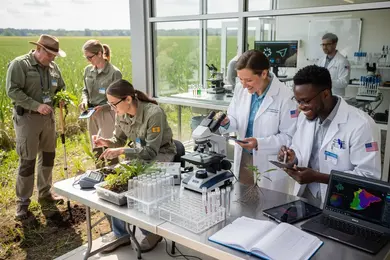
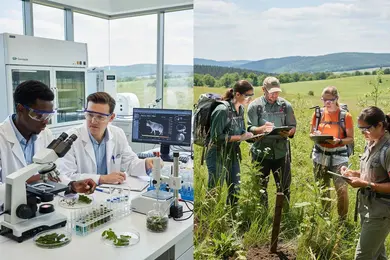
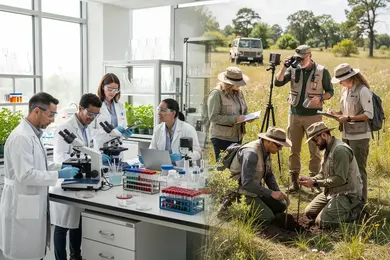
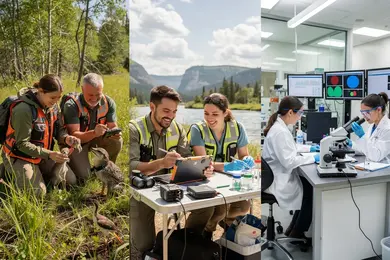
An online biological sciences degree benefits for environmental careers by equipping students with analytical skills and practical knowledge crucial for roles in ecosystems and environmental assessment. However, the flexibility inherent in online study often contrasts with the field's demand for hands-on experience, posing a significant challenge. Programs that successfully balance virtual simulations with local fieldwork better prepare graduates to navigate environmental roles requiring both laboratory and field proficiency.
For example, an environmental consultant may combine toxicology expertise with geographic information systems (GIS) skills developed through coursework and applied projects to assess contamination risks at industrial sites. Those pursuing public health or governmental environmental positions will find that understanding regulatory frameworks and environmental impact assessments, emphasized in many curricula, is indispensable.
Labor market dynamics reinforce the need for candidates who demonstrate both conceptual understanding and applied capabilities. With job growth projections of 4% and about 8,500 annual openings, opportunities exist but competition remains stiff. Employers prioritize candidates who can translate theoretical knowledge into operational skills through internships or research placements.
According to the U.S. Bureau of Labor Statistics, environmental scientists and specialists had a median annual wage of $80,060 in May 2024, reflecting the economic viability of this pathway. Students considering an accredited online animal science degree or related programs should evaluate offerings for interdisciplinary training and career alignment to ensure practical readiness. More insight into such programs' costs and structures can be found at accredited online animal science degree.
How do online biological sciences degrees compare with campus programs for lab work and research?
Online biological sciences degrees frequently fall short in delivering the hands-on lab research experience essential for proficiency in laboratory techniques and experimental protocols. Virtual labs and simulations, while useful, cannot substitute for direct manipulation of equipment or real-time mentorship, limiting skill development for fields like molecular biology and microbiology. This shortfall affects workforce readiness, especially in lab-intensive roles where employers prioritize candidates' documented laboratory hours and research project involvement.
A direct comparison of campus and online biological sciences research opportunities reveals that on-campus programs provide immediate access to specialized instruments, embedded research projects, and faculty guidance, which accelerate skill acquisition and job market competitiveness. In contrast, students pursuing online degrees must often source local lab internships independently, a process that can delay graduation and restrict geographic flexibility. This dynamic is significant in sectors such as environmental science, where technician roles are projected to grow 7% over the next decade with a median annual pay near $49,490.
Students balancing work or remote living benefit from online study convenience but should proactively arrange supplemental lab sessions to meet employer expectations. Addressing the gaps in lab research experience often requires deliberate internship placement, supplementary coursework, or post-degree certifications to align with practical demands of research-centered careers. For those evaluating pathways, considering factors like access to hands-on learning and time-to-completion is critical.
Prospective students may also explore related educational options, including the cheapest data science masters in USA, especially when looking to complement biological sciences expertise with data analytics skills.
Which types of online biological sciences degrees best align with environmental and science careers?
Specialized online biological sciences degrees for environmental careers directly influence employability by equipping students with skills in ecosystem management, biodiversity assessment, and environmental policy. For example, combining ecological field methods with GIS technology training prepares graduates for roles in environmental impact assessment that demand applied geographic and analytical expertise. Conversely, general biology degrees without environmental specialization often necessitate supplementary certifications to enter related fields.
Programs emphasizing molecular biology and biotechnology align with science jobs in sectors like pharmaceuticals and environmental technology, especially where environmental genetics and bioremediation are involved. However, candidates must evaluate the availability of practical components such as online labs and fieldwork, which vary widely and critically affect readiness for field-based roles.
Prospective students should also scrutinize program accreditation and conformity with standards from organizations like the Ecological Society of America or Society for Conservation Biology to match employer expectations. The BLS data for 2024 reports a median annual wage of $67,440 for biological science majors, which signals a tangible financial advantage over many general bachelor's-level occupations.
Choosing a focus that integrates applied environmental biology and conservation science optimizes workforce relevance by balancing theory with hands-on experience. Those exploring interdisciplinary options may also consider options beyond biological sciences, such as online library science programs, to complement research-related careers.
How can you verify accreditation and program quality for online biological sciences majors?
Accreditation verification is foundational in assessing an online biological sciences degree accreditation process, as regional approval from bodies recognized by the U.S. Department of Education or CHEA-such as WASC or HLC-affects credit transferability and academic rigor. Specialized accreditations or affiliations with scientific organizations like the American Society for Biochemistry and Molecular Biology signal curriculum alignment with current industry standards.
Faculty expertise matters significantly; programs led by instructors actively engaged in research or professional practice tend to provide more rigorous coursework and stronger STEM networking opportunities. Transparent outcome metrics, including graduation rates and employment data, offer a reality check on program claims and ROI. For example, clinical pathways-for roles like physician assistants-should be evaluated against labor market data showing robust demand, a median salary of $133,260, and projected growth of 20% from 2024 to 2034.
Since online formats limit hands-on experiences, assess how programs incorporate virtual labs or partner with local institutions to provide practical training, which is critical for employer expectations in biotech and environmental sciences. For career pivots or advancement, weighing these factors ensures alignment with workforce realities rather than promotional rhetoric. Candidates are also advised to consult independent rankings and workforce analyses, such as those identifying best library schools, to validate program quality. This multi-step evaluation process is essential for assuring quality assurance for online biological sciences programs that balance academic standards with real-world applicability.
What core courses and concentrations are offered in online biological sciences programs with environmental focus?
Online biological sciences programs with an environmental emphasis must align academic focus with the complex, interdisciplinary demands of today's environmental workforce. Students face tradeoffs in specialization: for instance, conservation biology prepares graduates for roles in ecosystem management or wildlife agencies but offers different technical skillsets than environmental toxicology, which targets pollutant impact assessment roles. Understanding these pathways is essential, as employer expectations blend theoretical knowledge with practical competencies like GIS technology, environmental risk evaluation, and scientific communication.
Course structures increasingly incorporate laboratory simulations and fieldwork to mirror real-world data challenges, addressing a common hiring gap-candidates strong in theory but lacking applied experience. The integration of interdisciplinary classes covering environmental economics, law, and sustainability science addresses another employer preference: versatility across science-policy-business boundaries that enhances collaboration and regulatory navigation.
Choosing concentrations aligned with labor market realities is critical. Environmental engineers, for example, command a $104,170 median annual wage, indicating the strong labor demand and remuneration potential when coursework includes engineering principles applied to environmental problems. Prospective students should strategically assess how well programs prepare them for these high-return specialties relative to their career goals and existing skill gaps.
What are typical admission requirements and prerequisite science background for these online degrees?
Admission into online biological sciences degrees aligned with environment-and-science careers hinges on meeting stringent prerequisites that extend beyond basic high school credits. Core requirements typically include calculus, general chemistry, biology, and often physics, with many programs adding statistics or ecology to support applied research and conservation tasks. Candidates without prior college coursework must demonstrate competency through test scores or bridge courses, especially if they come from non-science backgrounds. This foundational rigor directly impacts time-to-degree and educational costs when remedial steps are necessary.
Employers in fields like wildlife biology prioritize candidates capable of applying analytical methods to ecosystem assessments, valuing hands-on skills with data analysis software and field techniques. Programs integrating internships or lab components, even virtually or locally, position graduates better in competitive job markets. Clinical or field experience may not be mandatory at admission but enhances applicant profiles significantly.
For those targeting wildlife biology roles, understanding population dynamics and environmental science principles is critical, as reflected by a median annual wage of $72,860 and steady job growth projections from the Bureau of Labor Statistics. Skipping or underestimating these entrance requirements risks extended study periods and less favorable employment outcomes. Balanced admission criteria targeting both academic aptitude and relevant experience represent a pragmatic approach to aligning educational outcomes with workforce demands.
How long do online biological sciences degrees take, and what do they usually cost?
Opting for an online biological sciences degree involves balancing time, cost, and workforce relevance, especially for working adults targeting career pivots. Bachelor's programs typically require about four years of full-time study, though accelerated paths can shorten this to roughly two and a half years for those with prior credits. Master's degrees generally last 18 to 24 months full-time but may extend to three years part-time, reflecting demands from professional obligations and lab-intensive work.
Tuition costs vary markedly. Public universities offering online bachelor's degrees often charge between $15,000 and $35,000, while private or out-of-state institutions may surpass $50,000. Master's-level study, with its specialized curriculum and research components, runs from $20,000 to $60,000. Choosing a program aligned with specific career goals is essential since fields like environmental science often entail costlier, more time-intensive lab and internship requirements compared to healthcare research.
Workforce outcomes emphasize the value of this investment: Medical Research Scientists earn a median annual wage of $100,890, and dentists reach $170,910, suggesting that advanced biological sciences degrees can yield substantial financial returns despite upfront expense and time. Yet, the intensity of lab work and asynchronous study can challenge students maintaining employment. Prospective students must weigh delayed earnings against long-term salary growth and the structural support offered in online programs.
What environment-and-science careers can you pursue with an online biological sciences degree?
Biological sciences graduates targeting environment-focused roles must weigh the practical demands of sectors ranging from federal agencies to private industry. Positions such as climate change analyst and environmental restoration planner have seen notable job growth (11.1%) with median salaries near $71,130, reflecting the expanding need for professionals skilled in data interpretation and applied ecology.
Success in government or EPA-related jobs often hinges on proficiency with environmental laws and digital project management, including GIS mapping and remote sensing. These technical competencies enable remote monitoring and resource management, critical in resource-constrained agencies. Conversely, private-sector roles in agriculture or renewable energy prioritize graduates adept at ecosystem impact assessments and sustainable practices, balancing development with conservation.
At the graduate level, research institutions and policy think tanks expect familiarity with advanced statistics and interdisciplinary collaboration. Candidates lacking hands-on monitoring or specialized software experience risk prolonged job searches or must pursue additional certifications. Virtual internships and project-based coursework serve as practical substitutes for traditional fieldwork in hiring decisions.
Employers value biological sciences programs that integrate quantitative analysis, regulatory frameworks, and adaptive management strategies. Prospective students should consider these real-world prerequisites and sector-specific skill sets when selecting online programs to align educational outcomes with employment realities.
What are the salary ranges and job outlook for biological and environmental science careers?
Entry to mid-level roles in biological and environmental science come with median salaries near $60,000 to $70,000, though this varies by specialization and region. For instance, conservation scientists and foresters earn a median annual salary of $69,060, with job growth predicted at 5% from 2023 to 2033, according to ASU Online citing the Bureau of Labor Statistics. This growth reflects steady investment in natural resource management but signals moderate expansion rather than rapid opportunity.
Job functions and skills vary sharply between urban and rural settings. Urban resource management roles demand proficiency in policy, stakeholder coordination, and data analysis, while rural conservation requires hands-on fieldwork and environmental monitoring. Choosing a program that emphasizes geographic information systems (GIS), biological field research, or regulatory compliance is important since these remain employer priorities.
Advanced degrees or certifications correspond with higher salary ceilings and leadership prospects. Those targeting consulting or management should expect to invest beyond a bachelor's degree. In contrast, entry-level technician roles often accept online biological sciences degrees with lab components but offer lower starting wages.
A prospective conservation scientist should weigh the modest salary baseline against geographic cost of living and steady yet slow employment growth. Practical insight into these tradeoffs helps align education with realistic income expectations and career pivots.
Are licenses, certifications, or graduate study needed for advanced biological or environmental roles?
Licenses and certifications in biological sciences primarily serve as supplemental qualifications tailored to regulatory or compliance roles rather than foundational credentials for advanced positions. For example, positions requiring Certified Wildlife Biologist or Registered Environmental Manager credentials often involve project eligibility within government agencies or ecological consultancies, where regulatory adherence is critical. Conversely, roles managing research teams or directing scientific operations emphasize graduate degrees, with employers favoring candidates holding master's or doctoral qualifications due to the technical and managerial complexity involved.
Data from DegreeFactual shows approximately 100,870 natural sciences managers nationally, with projected growth near 3.7%, indicating sustained demand for advanced degrees in leadership roles. Median annual salaries in this domain reach $161,180, reflecting the premium placed on graduate education linked to proficiency and responsibility levels.
For those entering the workforce directly after undergraduate study, pursuing certifications aligned with local environmental regulations or EPA standards can facilitate job entry in compliance or technical roles. However, career advancement beyond mid-level government or private sector positions typically requires combining such credentials with graduate-level education. Without this combination, professionals may face caps on growth and remuneration, particularly in research leadership, policy formation, or academia.
- Graduate degrees are often mandatory for management and specialized research roles.
- Certifications validate expertise but rarely replace advanced degrees in competitive markets.
- Licenses matter most in regulatory or compliance-focused roles.
Source: DegreeFactual
Other Things You Should Know About Biological Sciences
Online biological sciences programs often incorporate virtual labs, simulations, and fieldwork components to provide practical skills vital for environmental careers. Institutions increasingly include these elements, ensuring students can apply their knowledge effectively in real-world scenarios by 2026.
Online biological sciences degrees often demand consistent weekly engagement equivalent to on-campus programs, including complex assignments and time-intensive labs or projects. Working professionals should anticipate high workload periods, especially during lab simulations or research-based courses, which may require flexible scheduling or employer support. Selecting programs with asynchronous content and well-structured pacing helps balance study and job responsibilities without compromising learning outcomes.
Choosing a specialized concentration strengthens expertise in targeted areas such as ecology, conservation, or molecular biology, which can make candidates more competitive for niche roles but may limit broader job flexibility. A broad-based biological sciences degree offers adaptable skills useful across diverse environmental sectors but risks shallower knowledge in any one field. For career advancement, prioritize specialization aligned with local job market demands or long-term professional goals.
Graduates from online programs may encounter skepticism from some employers regarding their lab experience and collaboration capabilities. The absence of traditional campus networking can also reduce accessibility to internships or research opportunities crucial for environmental sector entry. To mitigate these gaps, applicants should highlight completed practical components, pursue supplementary certifications, and actively engage in professional organizations to strengthen their employment prospects.
References
- Are Online Degrees Accredited? How to Identify Quality Distance Learning Programs https://www.umassglobal.edu/blog-news/online-degrees-accredited-identify-quality-distance-learning-programs
- Medical School Prerequisites Online: Helpful Guide for Aspiring Physicians (2025) - Prereqcourses https://www.prereqcourses.com/medical-school-prerequisites/
- What Certifications are most Valuable for Environmental Science Graduates? https://www.nrep.org/blog/certifications-environmental-science-graduate
- High School Classes Required for College Admission - National Association for College Admission Counseling (NACAC) https://www.nacacnet.org/high-school-classes-required-for-college-admission/
- Top 15 Highest‑Paying Pharmacy Jobs in the UK 2025 (Including Salaries) https://apexlearning.org.uk/highest-paying-biology-degree-jobs-2025-2026/
- Environmental Careers for Biology Majors: Protecting Our Planet https://www.shawnee.edu/blog/what-can-you-do-with-a-biology-degree-biology-major-careers
- Science Prerequisites for Health Professions https://online.une.edu/science-prerequisites/
- Department of Environmental Sciences https://www.utoledo.edu/nsm/envsciences/careers/env_sci.html
- 20 Highest-Paying Environmental Science Jobs in 2025 https://internshala.com/blog/highest-paying-environmental-science-jobs/
- Online Biology Degrees https://mycollegeguide.org/online-biology-degrees/