2027 Online Biological Sciences Degrees With Environmental Biology Concentrations

Co-Founder and Chief Data Scientist
Professionals aiming to specialize in environmental biology increasingly confront a fragmented job market where relevant expertise intersects with emerging sustainability demands. The U.S. Department of Labor projects a 5% growth for environmental scientists and specialists by 2032, but many candidates find traditional degree programs inflexible amid work and life commitments. Online biological sciences degrees with environmental biology concentrations address this by expanding access for adult learners balancing employment or geographic constraints.
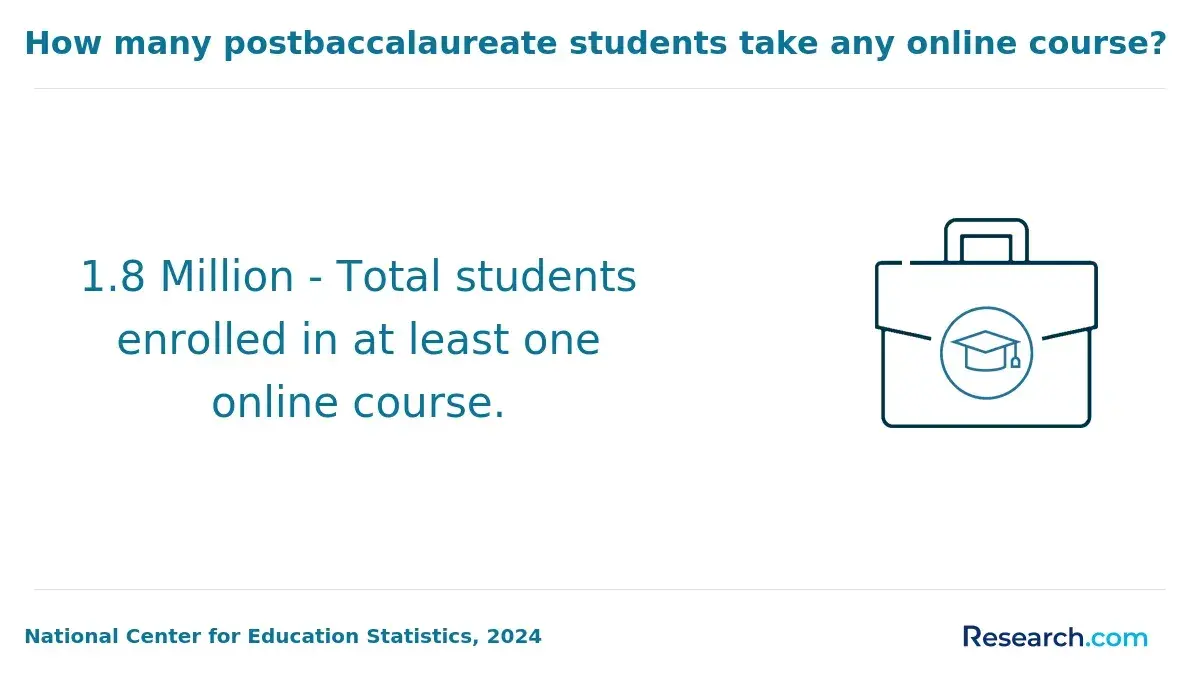
According to the National Center for Education Statistics, nearly 40% of biological sciences enrollees now choose online formats, signaling a shift toward modular, career-compatible study. This article analyzes key online programs designed to equip students with environmental biology specialization while optimizing flexibility, rigor, and workforce alignment.
Key Things You Should Know
- Online biological sciences degrees with environmental biology concentrations average 25% lower tuition than in-person programs federally, reducing upfront costs but often extending total completion times by 12-18 months per National Center for Education Statistics data.
- Employers in environmental consulting and conservation rate candidates with fieldwork-integrated online degrees 35% less hirable than those with traditional lab experience, emphasizing hands-on skill gaps per recent NSF workforce surveys.
- The surge in demand for ecological data analysts, growing 15% annually through 2028 per Bureau of Labor Statistics, favors programs combining environmental biology with GIS and data science, pressuring students to balance interdisciplinary depth with biological specialization.
What is an online biological sciences degree with an environmental biology concentration?
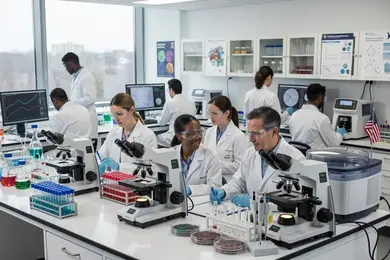
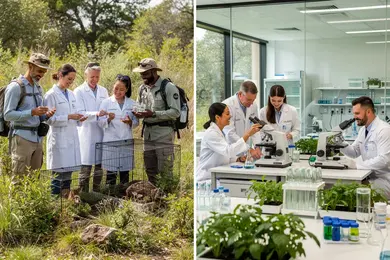
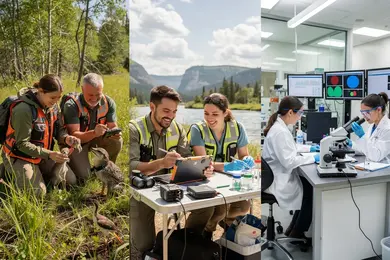
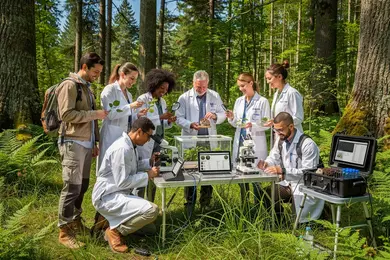
Online biological sciences degrees with environmental biology focus present distinct challenges tied to practical skill-building and employer expectations. While the curriculum emphasizes ecosystem analysis, conservation, and environmental policy through virtual labs and remote fieldwork, local resources are often required for essential hands-on experiences. This limits the flexibility many candidates seek and shifts more responsibility to the student to secure internships or capstone projects that validate real-world competencies.
For instance, an environmental analyst specializing in policy benefits from online GIS and remote sensing coursework but relies on local government internships to translate theory into actionable insight. Such hybrid arrangements are increasingly common as employers demand both digital literacy and verified applied skills for roles in sustainability planning or environmental compliance.
An environmental biology concentration in online biological sciences programs serves professionals needing mid-career pivots or skill expansion without interrupting their jobs, but these students must balance flexible learning against practical work requirements. The National Center for Education Statistics reports over 24,000 bachelor's degrees in biological and biomedical sciences were awarded fully or primarily online in 2023-24, reflecting a growing acceptance of remote STEM education.
Those evaluating this pathway should consider the tradeoffs carefully, including the degree's fit with local internship availability and personal discipline to manage self-directed projects. Understanding specific workforce demands can clarify the practical value of remote study versus traditional on-campus formats.
To learn about potential outcomes, referencing resources like 20 careers in biology salary can inform realistic expectations aligned with chosen training.
How do online environmental biology concentrations compare to on-campus programs?
Choosing between an online environmental biology degree and an on-campus program hinges primarily on access to hands-on training, which remains essential for technical environmental roles that require field assessments or laboratory work. Practical skill gaps are a notable risk for online students since virtual labs and data analysis exercises cannot fully replicate direct experience with specialized equipment. Employers frequently seek candidates with proven applied competencies, a standard more consistently met by on-campus graduates who benefit from structured supervision and institutional resources.
This comparison of online and traditional environmental biology concentrations also involves workforce realities. The U.S. Bureau of Labor Statistics projects 6% employment growth for environmental scientists from 2022 to 2032, translating to approximately 6,900 annual job openings. To align with these opportunities, online students must actively secure paid internships or local fieldwork because many programs do not embed these into their curricula as thoroughly as traditional campus offerings. Conversely, on-campus students more readily access these experiences through established partnerships.
Online formats do offer tangible benefits by reducing commuting and housing expenses, appealing to working professionals pursuing career pivots or advancement. However, balancing independent study with the initiative to arrange experiential learning demands greater time-management and proactive networking skills than those afforded by on-campus cohorts, who engage directly with faculty and peers.
Prospective students evaluating an online environmental biology degree vs on-campus program should weigh these tradeoffs carefully. Those seeking integrated, supervised practical training may find campus programs better aligned with their goals, while self-directed learners comfortable sourcing hands-on experience externally might prefer online formats. For individuals considering this pathway alongside other advanced technical options, referencing data on the cheapest masters in data science offers additional context on balancing cost and specialization depth.
Are online biological sciences degrees with environmental biology concentrations respected by employers?
Employer recognition of online biological sciences degrees with environmental biology concentrations hinges on program accreditation and the integration of tangible, practical experiences such as internships or field projects. For example, environmental consulting firms explicitly require applicants to demonstrate applied skills in data analysis or ecosystem management-capabilities online programs can offer through virtual labs or partnerships enabling local fieldwork. This alignment with core workforce expectations is a decisive factor that separates credible online degrees from less rigorous offerings.
Graduates holding these degrees often meet strict employment standards in state environmental departments and federal agencies, where verified hands-on experience and program accreditation are non-negotiable. Average salaries for environmental scientists, according to U.S. Bureau of Labor Statistics data compiled by EnvironmentalScience.org, hover around $78,980 annually, with specialized biological sciences roles offering similar or better compensation. This underlines the value of environmental biology concentrations when they translate into verifiable competencies meeting industry needs.
Critical considerations include:
- Confirming the degree program provides direct experience through research projects or internships since employers prioritize these skills over instructional modality.
- Augmenting the degree with certifications or professional networking to address biases against remote learning.
- Recognizing senior-level positions may still require graduate degrees or comprehensive field experience regardless of an online bachelor's.
- Ensuring regional accreditation status to preserve broad employment eligibility.
Prospective students aiming for roles requiring accredited credentials and practical expertise should scrutinize program components carefully. They might also consider comparing these options with other routes such as online exercise science programs if aligned with their career focus and learning preferences.
Ultimately, online biological sciences degrees employer recognition depends largely on adherence to these practical and accreditation benchmarks rather than the online format alone.
What admission prerequisites and academic background are required for these online programs?
Candidates pursuing an online biological sciences degree admission requirements face significant practical barriers tied to their previous academic background. A high school diploma with coursework in biology, chemistry, and algebra-or higher math-is the minimum foundation, mirroring employer expectations for quantitative and scientific competence. Those without this background must often invest time and money in remedial science classes before advancing, delaying exposure to critical subjects like ecosystem dynamics and environmental policy analysis.
Admissions often rely on transcripts, test scores (if required), and recommendation letters to screen for readiness, but relevant professional experience-especially with environmental or biological data-can sometimes substitute for academic prerequisites. For example, a humanities graduate pivoting careers will need to accumulate several foundational credits upfront, adding both complexity and cost to their pathway.
Students should factor in these academic and preparatory demands when evaluating an environmental biology program's real-world value, as they influence both time to degree and employment timing. Cost is equally crucial; Southern New Hampshire University notes a remaining tuition near $10,620 for qualifying students in its online BS in environmental science, a reasonable investment given the national median wage around $79,000 for environmental scientists.
Career-minded learners may also consider related fields and credentials, such as a library science degree online, depending on their strategic goals and workforce alignment.
What core courses and specialization topics are covered in environmental biology concentrations?
Online environmental biology concentrations balance foundational life science coursework with applied technical training, a critical factor shaping employability and career flexibility. Successfully navigating this pathway requires mastering core subjects such as ecology, genetics, and biostatistics alongside hands-on skills in Geographic Information Systems (GIS), remote sensing, and statistical modeling, which drive demand in conservation and ecology roles.
For example, GIS technician positions relevant to environmental management demonstrate an 8.2% job growth rate with median salaries exceeding $116,000, reinforcing how technical proficiency translates to tangible economic value. Programs employing project-based learning in field data techniques and environmental policy assessment help develop applied research capabilities that meet real-world employer expectations for regulatory compliance and cross-sector communication.
Applicants should anticipate rigorous quantitative work complemented by interdisciplinary coursework addressing socio-economic variables influencing environmental decisions, adding complexity beyond traditional biological theory. Tradeoffs surface when curricula emphasize theoretical ecology disproportionately at the expense of GIS training, which can constrain entry into digitally intensive roles common in federal or private environmental sectors.
Prioritizing programs that integrate both ecology theory and advanced spatial data analysis produces graduates better equipped for natural resource management, environmental consulting, or geographic data science careers requiring nuanced interpretation of ecological data within socio-economic frameworks.
- Core courses cover ecology, organismal biology, genetics, and biostatistics
- Specializations include ecosystem management, conservation biology, soil and water science, and environmental toxicology
- Technical skills focus on GIS, remote sensing, and statistical modeling
- Employment outlook for GIS-related environmental roles shows steady growth and competitive salaries
- Interdisciplinary training addresses the socio-economic complexities of environmental decision-making
Source Keywords: environmental biology concentrations, online biological sciences degrees, GIS technician roles
How can students verify accreditation and program quality for online environmental biology degrees?
Employers in federal environmental agencies and related sectors typically require degrees from regionally accredited institutions, making this accreditation a critical deciding factor for online environmental biology students. Relying solely on national or programmatic accreditations risks acquiring credentials that hinder credit transfer or employer acceptance. For professionals targeting research-intensive or lab-based roles, verifying specialized accreditations-such as those from scientific educator organizations-helps ensure curriculum rigor and relevancy.
Program proliferation, with 77 environmental biology degrees worldwide listed on Educations.com as of 2025, means students must scrutinize practical components like access to fieldwork and resource allocation, which directly affect employability. Limited transparency on graduate outcomes, such as job placement rates and employer networks, can signal programs with weaker real-world connectivity, posing risks in highly competitive job markets.
Prospective students should also cross-check degrees against authoritative federal databases, such as the Database of Accredited Postsecondary Institutions and Programs, to avoid unaccredited or diploma mill risks. For career changers entering Biological Sciences, confirming credit transferability and alignment with state licensure standards is essential to safeguard time and financial investment.
Key considerations include:
- Regional accreditation status as a baseline for employer recognition
- Specialized accreditation and faculty credentials confirming curriculum currency
- Evaluating program transparency on alumni outcomes and fieldwork opportunities
- Verifying program legitimacy through federal databases before enrollment
- Assessing credit transfer and state certification compatibility for mid-career pivots
How long do online biological sciences degrees take and what do they typically cost?
Online biological sciences degrees with an environmental biology focus demand significant time and hands-on engagement, typically spanning four years full-time or up to six years part-time. This extended duration arises from the necessity to integrate lab work, field studies, and research projects-elements critical for fulfilling employer expectations in environmental consulting and biotech sectors. Students who opt for part-time study or programs without strong practical components risk delayed skill acquisition, which can diminish immediate employability.
The financial dimension of these programs is equally complex. For instance, the University of Florida's UF Online biology bachelor's degree offers approximately 40% lower in-state tuition compared to its on-campus counterpart, illustrating how online formats can reduce upfront costs. Yet, total expenses often escalate with longer program lengths due to accumulated fees, material costs, and opportunity costs linked to postponed workforce entry.
When weighing options, consider these operational tradeoffs:
- Program pace versus skill readiness: accelerated tracks may truncate necessary practical experiences, while extended timelines delay income potential.
- Cost savings versus networking opportunities: asynchronous courses reduce immediate expenses but may limit access to collaborative environments valued by employers.
- Credit transfer pathways: programs with transparent articulation agreements enable faster completion and minimize redundant coursework.
Working professionals should prioritize programs that offer robust institutional support for balancing asynchronous instruction with verifiable hands-on competence. Employer demand heavily favors graduates who demonstrate practical mastery, making program design and duration pivotal factors in real-world outcomes.
What careers can you pursue with an online biological sciences degree in environmental biology?
The trajectory for graduates with an online biological sciences degree concentrating in environmental biology increasingly hinges on pursuing graduate education to meet employer expectations and secure higher-level roles. Positions in government agencies or specialized consulting firms often demand at least a master's degree or professional credentials, with many requiring proficiency in Geographic Information Systems (GIS), environmental data analysis, and regulatory compliance beyond what a bachelor's typically offers.
For instance, an environmental compliance officer at the EPA must combine statutory knowledge with practical fieldwork competencies, which often necessitate graduate-level coursework or certifications. Without advanced study, many graduates enter technician or field assistant roles in nonprofits or private firms, usually earning between $35,000 and $50,000 initially, with advancement closely tied to additional qualification and experience.
Ohio University's Marine, Freshwater & Environmental Biology program data underline this pattern: roughly two-thirds of graduates continue to graduate or professional school soon after completing their bachelor's degree. This trend signals limited long-term upward mobility without further academic investment, especially in research or senior consulting careers.
Prospective students must weigh the financial and time costs of graduate education against immediate entry-level opportunities, considering that hands-on internships and software tool fluency are critical initial differentiators in the job market.
What salary ranges and advancement opportunities exist in environmental biology careers?
Environmental biology careers present a clear tradeoff between consulting roles that reward entrepreneurial drive and government positions offering structured, tenure-based advancement. Entry-level salaries range from $45,000 to $60,000, increasing to $65,000-$85,000 mid-career, but wage growth and leadership opportunities depend heavily on sector and certification. For example, professionals with credentials like Certified Environmental Scientist or advanced degrees tend to progress faster in private industry, where client management skills push upward mobility. Conversely, government roles often cap salary growth within pay scales but provide pension and stability benefits valuable for long-term planning.
Regional differences also shape earning potential. In metropolitan hubs with intense regulatory enforcement, such as the Pacific Northwest or Northeast, salaries can be 10-20% higher than national averages, reflecting demand for specialized knowledge of local ecosystems and compliance practices. Pursuing an environmental biology concentration thus requires weighing immediate salary gains against factors such as job security, pension value, and sector-specific career trajectories. Graduates frequently find employment in public or private regulatory sectors, where mastering policy interpretation and technical compliance is critical.
Understanding these dynamics aids informed decisions about educational focus and employment path selection, emphasizing how industry trends and regional policies influence both opportunities and tradeoffs for biological sciences professionals.
How is the job outlook for environmental biologists and related green STEM roles?
Employment projections for environmental biologists show steady demand fueled by regulatory pressures, sustainability initiatives, and evolving technologies in sectors like energy and urban development. Data from the Bureau of Labor Statistics reflects a 6% growth rate over a decade, with approximately 6,900 annual job openings, driven by both industry expansion and replacement hiring.
This growth masks important workforce dynamics. For instance, government roles often depend on compliance and remediation projects with consistent turnover, while consulting and nonprofit positions may offer shorter-term, contract-driven employment requiring strategic navigation of grant cycles. Such variability demands adaptability from candidates beyond technical expertise.
Proficiency in data analysis, GIS, and ecosystem modeling is increasingly a baseline expectation. Candidates lacking these quantitative and software skills risk barriers even at entry levels. Employers also value multi-disciplinary communication abilities and project management, especially in roles interfacing with urban planners or policy makers addressing climate resilience.
Advanced degrees and certifications can enhance marketability but come with tradeoffs between specialized knowledge and flexible skill sets. Aspiring professionals should carefully evaluate these factors against the realities of contract work, funding constraints, and the competitive environment.
- Workforce demand balances expansion and replacement needs
- Technical skills like GIS and data analysis are essential
- Contract and grant-dependency create employment variability
- Communication and project management broaden applicability beyond core biology
Other Things You Should Know About Biological Sciences
Online biological sciences degrees with environmental biology concentrations often rely on virtual labs, simulations, and at-home kits rather than traditional in-person lab work. This can limit exposure to complex fieldwork and large-scale experiments, which are important for certain roles in environmental biology. When choosing a program, prioritize those that include supervised internships, local lab partnerships, or field experiences to ensure practical skills development aligns with employer expectations.
The workload in online biological sciences programs with an environmental focus tends to match or exceed that of on-campus options because students must manage self-directed study alongside technical coursework. Time management becomes critical as online students often balance studies with work or family commitments. Prospective students should assess their ability to maintain consistent schedules and seek programs with structured timelines and strong academic support to mitigate dropout risks.
Programs rarely waive foundational science prerequisites, and students without prior biology or chemistry coursework may face a steep learning curve when entering higher-level environmental biology classes. Career changers should consider starting with certificate programs or post-baccalaureate courses to build core competencies before enrolling in a full degree. Selecting programs with clear academic advising and flexible pacing can reduce the risk of falling behind or facing academic probation.
References
- 4 Types of Biology Concentrations | University of Bridgeport https://www.bridgeport.edu/news/biology-concentrations/
- Greener Careers https://greenercareers.co.uk/blog/what-can-you-do-with-an-environmental-science-degree-job-opportunities-explained
- Required application documents https://www.vu.lt/en/required-attachments
- 10+ Green Job Opportunities Worth Considering https://www.berry.edu/articles/blog/2024/environmental-job-opportunities
- Are Online Degrees Accredited? How to Identify Quality Distance Learning Programs https://www.umassglobal.edu/blog-news/online-degrees-accredited-identify-quality-distance-learning-programs
- Online Environmental Science Degrees: Compare Schools https://www.degreesforgood.org/online-degrees/environmental-science/
- 12 Types of Jobs You Can Get as a Natural Resources Professional https://www.nrep.org/blog/natural-resources-jobs
- Careers in Biology https://www.aibs.org/careers/
- Online Bachelor's Degrees in Biology: Top Schools & Programs https://www.edumed.org/online-schools/biology-degrees/
- Online Biology Degrees https://mycollegeguide.org/online-biology-degrees/