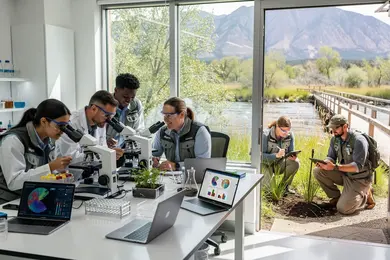
2027 Online Biological Sciences Degrees for Laboratory Technician Roles

Co-Founder and Chief Data Scientist
Laboratory technicians aspiring to enter or progress in biological sciences face a critical timing and accessibility constraint: balancing workforce demands with flexible education pathways. The U. S. Department of Education reported a 15% surge in online enrollment for STEM-related programs in 2024, emphasizing a shift where nontraditional students seek modular, career-compatible credentials without sacrificing practical skill acquisition. This reflects broader systemic shifts favoring adaptable learning models that still meet rigorous employer standards for laboratory proficiency. Prospective students must weigh program credentials, hands-on training opportunities, and employer recognition to navigate this evolving landscape effectively. This article analyzes current online biological sciences degrees tailored to laboratory technician roles, clarifying options to optimize career outcomes amid these challenges.
Key Things You Should Know
- Data from the U.S. Bureau of Labor Statistics indicates a 6% employment growth in biological sciences technician roles by 2030, emphasizing certificate programs' lower cost but limited upward mobility compared to associate degrees.
- Employer surveys by the National Science Foundation reveal 72% of lab manager hires prioritize hands-on experience over online theoretical coursework, signaling graduates must seek supplemental internships or practicum opportunities for competitive advantage.
- Average online degree costs rose 4.5% in 2024; candidates balancing work and study face potential delays impacting credential currency amid rapidly evolving biotechnologies, creating timing and relevance tradeoffs in credential completion.
What is an online biological sciences degree and how does it prepare laboratory technicians?
Online biological sciences degree programs for laboratory technicians deliver foundational theory paired with essential practical training, but these programs demand careful navigation of remote learning constraints. Course designs integrate advanced molecular biology, biochemistry, and genetics coursework with virtual labs; however, all include mandatory in-person lab residencies or partnerships to ensure hands-on competency. For example, technicians in pharmaceutical research must master assay development and sample analysis protocols through blended digital platforms plus local internships, demonstrating that theory alone limits employability.
Employers seek lab technicians proficient in instrument calibration, quality assurance, and regulatory compliance-skills cultivated through structured in-person and virtual training components. These programs emphasize troubleshooting and experimental data analysis, preparing students for roles across clinical diagnostics, environmental biotech, or agricultural biotech sectors. Agricultural-focused curricula use regional lab practicums and practical case studies on crop genetics data to bridge theoretical gaps without permanent onsite presence.
Flexibility for working adults is a key benefit, yet successful completion requires students to plan for concentrated lab sessions involving travel or local arrangements. Without accredited labs and clear disclosures about in-person requirements, graduates risk facing hiring barriers despite theoretical knowledge. The U.S. Bureau of Labor Statistics projects employment of biological technicians to grow 3% from 2024 to 2034, creating approximately 9,100 annual openings that emphasize adaptability to evolving lab technologies and processes.
Those evaluating how online biological sciences degrees prepare lab technician careers should also assess practical tradeoffs related to scheduling, hands-on training, and accreditation status. For deeper insight into labor market outcomes including bioinformatics degree salary and jobs, prospective students are encouraged to review verified labor data alongside academic offerings.
Which types of online biological sciences degrees qualify you for entry-level lab technician jobs?
Online biological sciences degrees for lab technician roles provide direct qualification for numerous entry-level positions but hinge significantly on practical experience integration. Associate degrees focused on core disciplines like microbiology and laboratory safety prepare candidates for technician roles in clinical, environmental, and pharmaceutical labs. These credentials become substantially more valuable when paired with documented hands-on internships or practicums, addressing the common employer demand for validated applied skills.
Bachelor's degrees expand eligibility into technically demanding environments such as forensic and research laboratories, where broader theoretical knowledge and data competency improve initial job market outcomes and advancement. Employers often require proficiency in laboratory software and emphasize certification of applied laboratory skills over purely academic achievement.
Specialized certificates or diplomas frequently fail to meet entry-level lab tech qualifications in biological sciences unless supplemented with substantial real-world experience. Without verified laboratory practicums, online biology programs risk placing graduates at a disadvantage despite comprehensive coursework.
For example, a candidate with an online associate degree and confirmed internship experience can enter medical diagnostic labs immediately, whereas a bachelor's graduate lacking lab certification may face barriers meeting practical job demands. Wage data showing median annual earnings near $52,000 reflect the premium employers place on proven technical readiness.
Prospective students weighing educational pathways should consider these operational tradeoffs carefully, especially the value of recognized hands-on training within online programs. These factors shape hiring potential more decisively than theoretical knowledge alone.
Consider also exploring pathways like the best online data science masters to supplement biological sciences skills with data analysis capabilities increasingly valued in laboratory settings.
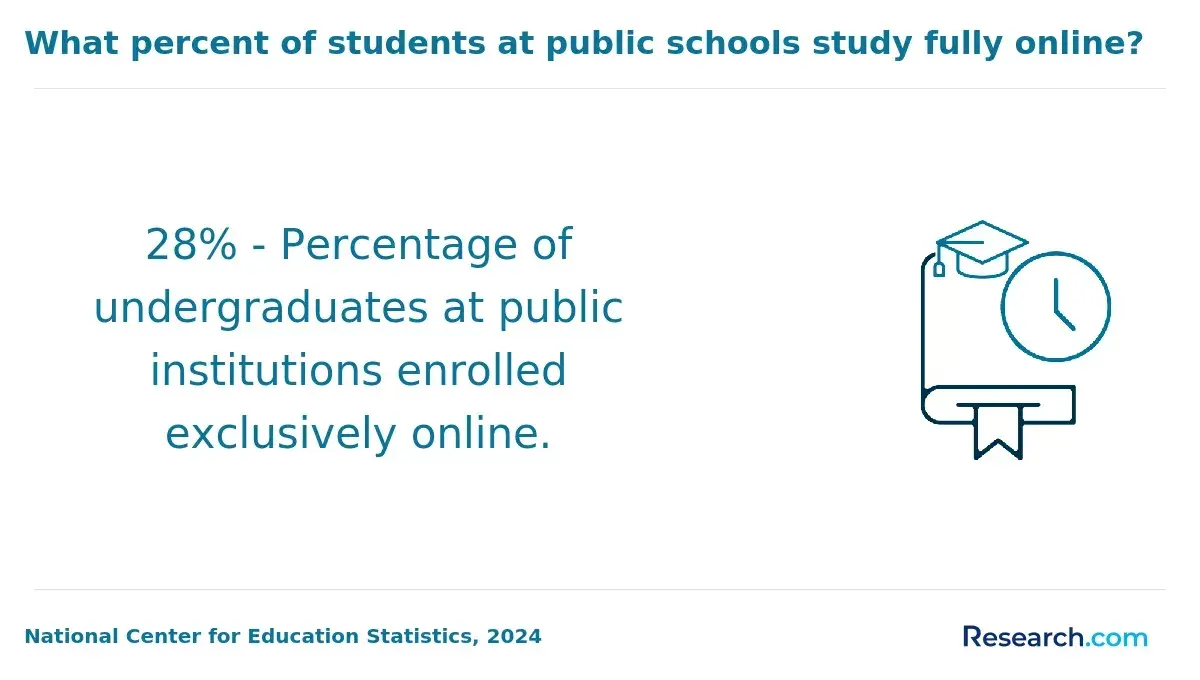
How do online biological sciences programs compare with campus-based options for lab training?
Laboratory competency remains the defining challenge for online biological sciences lab training effectiveness, especially in technician roles where hands-on experience is non-negotiable. While online programs offer theoretical courses comparable to campus-based counterparts, they must rely on external partnerships or clinical placements to fulfill practical lab requirements, often complicating scheduling and extending time to completion. Conversely, campus programs embed immersive laboratory sessions within their curriculum, providing uninterrupted access to advanced instrumentation and guided skill development that translate more directly into workforce readiness.
Employer expectations reflect this divide: biological technicians with documented hands-on expertise frequently hold an advantage. According to O*NET's 2024 data, 38% of biological technicians obtained a bachelor's degree and 12% an associate degree, illustrating a workforce that values both academic credentials and practical experience. For instance, pharmaceutical research technicians handling complex assays typically emerge from campus programs with stronger proficiency owing to frequent, supervised lab exposure. An online graduate lacking accessible, verifiable lab training may encounter barriers despite equivalent theoretical knowledge.
- Online study fits self-motivated learners who can arrange credible lab experiences or need flexibility due to work commitments but requires added logistical effort.
- Campus-based programs reduce the gap between learning and practice, potentially accelerating employment prospects through consistent lab engagement.
- In many cases, employers prioritize laboratory experience over study mode, making thorough documentation and demonstrable competencies critical for online students.
Choosing between campus-based versus online biological sciences laboratory programs depends heavily on a student's ability to secure meaningful, documented lab training aligned with employer standards and sector-specific competencies. Prospective students should carefully assess these tradeoffs alongside options such as online library science degree pathways to understand how program format impacts both education and employability in scientific fields.
What accreditation and institutional quality standards should online biological sciences programs meet?
Regional accreditation recognized by the U.S. Department of Education or the Council for Higher Education Accreditation (CHEA) is a minimum standard for online biological sciences degrees in the United States targeting laboratory technician roles. Without it, graduates risk ineligibility for federal aid, credit transfer barriers, and diminished employer confidence. Programs with additional accreditation-such as from ABET for tech-intensive curricula-signal that hands-on laboratory skills and bioinformatics training meet industry expectations, a decisive factor when employers vet candidates for roles requiring verified practical competencies.
Prospective students and working professionals pivoting into biological sciences laboratory technician programs face distinct challenges, especially regarding quality assurance and experiential learning. Regional institutional quality requirements for biological sciences laboratory technician programs emphasize measurable learning outcomes and integration of immersive lab experiences, either through local partnerships or virtual simulations. This mitigates the common hurdle online learners encounter: lack of applicable internship opportunities essential for skill development and employment readiness.
Career progression often reveals a wage gap-median annual earnings for biological technicians stand at $48,060 versus $70,000 for bachelor's degree holders in biology, underscoring the impact of program rigor and credentialing. Students should scrutinize graduation and job placement rates as concrete indicators of program effectiveness. Failing to verify these accreditation standards and program quality can result in substandard preparation that hinders licensing and professional advancement.
For those analyzing academic options, comparing practical outcomes, institutional credibility, and network ties to local labs is essential. Exploring the best library schools rankings may support parallel research strategies when selecting educational paths grounded in regional institutional quality requirements for biological sciences laboratory technician programs.
What core courses and lab-related experiences are included in online biological sciences degrees?
Online biological sciences degrees for laboratory technician roles deliver essential content but often face challenges in replicating hands-on experience critical for employability. While core subjects like microbiology, molecular biology, and biochemistry build foundational knowledge, employers demand verified practical skills in aseptic techniques, instrumentation calibration, and data analysis that online settings struggle to fully provide.
Program designs that incorporate virtual simulations-such as PCR and gel electrophoresis exercises-and remote lab kits partially address skill acquisition gaps. However, the tradeoff remains: students aiming for roles in diagnostic or environmental labs must secure onsite internships or hybrid practicum components to demonstrate proficiency in equipment handling and regulatory compliance.
Graduates proficient in experimental design, lab safety, and precise record-keeping align better with industry quality assurance needs, directly impacting job readiness. Given a projected 9% rise in biological technician roles by 2031, surpassing overall U.S. job growth, candidates who balance theoretical knowledge with validated lab experience distinctly improve their hiring prospects.
- Core theory alone does not guarantee competence in diverse lab environments including clinical, pharmaceutical, and environmental sectors.
- Structured practicum placements or lab residencies significantly enhance technical readiness and marketability.
- Choosing programs without robust hands-on components may delay entry into roles requiring firsthand lab proficiency.
What are the typical admission requirements for online biological sciences programs for aspiring lab techs?
Admission criteria for online biological sciences programs targeting laboratory technician roles tend to emphasize demonstrated academic readiness and practical experience. A high school diploma or equivalency with focused science and math coursework is standard, alongside a minimum GPA often between 2.5 and 3.0. Increasingly, programs waive standardized test requirements like the SAT or ACT, though some maintain them to benchmark applicants objectively.
Employers and admission committees value candidates with hands-on lab experience, which can come from prior coursework or work in clinical or research environments. This experience signals familiarity with equipment and safety protocols, a practical advantage in job placement. Letters of recommendation from instructors or supervisors substantiating technical skills and reliability further strengthen an application, especially as precision is non-negotiable in lab contexts.
Prerequisite coursework typically includes general biology and organic chemistry, with physics sometimes required, restricting access for some learners who lack these backgrounds. Veteran and adult learners often need to supplement applications with résumés highlighting relevant healthcare or technical experience, taking advantage of programs offering flexible scheduling to balance existing commitments.
The gender distribution in this field leans heavily female, with over 75,000 women compared to about 51,000 men enrolled, reflecting how program accessibility and support systems shape student demographics and persistence. For those evaluating biological sciences as a pathway, these admission dynamics directly impact long-term employability and workforce integration.
How long do online biological sciences degrees take and what do they typically cost?
Choosing between an associate's and a bachelor's degree in biological sciences for laboratory technician roles hinges on balancing time investment, cost, and career trajectory. An associate degree, typically completed in two years, targets entry-level technical positions across clinical and industrial labs but limits upward mobility. In contrast, a bachelor's degree requires about four years and equips graduates for supervisory or specialized research roles, which often command higher wages but also incur significantly greater tuition costs.
Online programs offer flexibility but can extend completion times, especially for working professionals. Students should anticipate additional expenses beyond tuition, such as technology fees or lab kits, which vary by institution type. Public colleges generally present lower annual costs-ranging from $6,000 to $15,000 for in-state students-while private institutions often exceed $30,000 per year, sometimes pushing total bachelor's degree expenses above $60,000.
Employment outlooks, like in Ontario where investment in life sciences drives moderate demand, suggest similar market dynamics in U.S. regions with biotech growth. This means prospective students must weigh educational duration and expense against local employer expectations and certification requirements that influence employability.
- Associate degrees enable quicker entry but may plateau early in technical career paths.
- Bachelor's degrees open pathways to leadership and specialized research roles but have higher upfront costs and time commitments.
- Flexible pacing enhances work-study balance but can delay return on investment.
What entry-level laboratory technician roles can you pursue with an online biological sciences degree?
Entry-level roles for online biological sciences degree holders focus on technician positions that demand tangible skills in specimen handling, microscopy, chemical assays, and accurate data logging. These competencies are often developed through virtual labs or optional hands-on practicums, addressing the common online study limitation of restricted lab access. Nearly half of biological technician jobs require at least a bachelor's degree, setting a threshold for competitive candidates. The median wage of $25 hourly provides a realistic income baseline but tends to favor graduates who complement their degree with certifications or internships.
For example, a graduate working as a pharmaceutical quality control lab technician will routinely analyze product samples to maintain regulatory standards, relying on precise documentation and protocol adherence taught in biological sciences curricula. Choosing a specialization such as molecular biology or environmental science adds sector-specific niches that may influence hiring prospects and career direction.
Tradeoffs include the challenge of gaining sufficient practical experience when studying online and the variability in employer degree versus experience requirements. Additional certifications or local lab partnerships can mitigate these hurdles, improving employability. Technician roles often serve as interim positions but may limit upward mobility without further education, steering career pivots toward research scientist or lab management tracks.
What are the salary ranges and job outlook for biological laboratory technicians in the U.S.?
Starting salaries for biological laboratory technicians in the U.S. present a clear tradeoff between immediate earnings and credential depth. Entry-level biology and biotech lab technicians report median starting wages near $40,800, while the broader category of biological technicians earns closer to $48,060. This disparity often reflects differences in hands-on lab proficiency, equipment familiarity, and adaptability to diverse research settings-skills that employers weigh heavily and reward financially.
Workforce conditions vary notably by employer type. Technicians in biotech startups tend to earn less initially due to tight budgets and high turnover, whereas those in established pharmaceutical firms or environmental agencies often experience more stable wage progression tied to experience and certification acquisition. These dynamics emphasize the need to rapidly develop technical competencies to move past entry-level pay floors.
For those pivoting into this field, investing in additional certifications or associate degrees beyond a bachelor's can improve access to roles aligned with the $48,000 median salary range. The sector's variable funding cycles, particularly federal research grants, inject demand fluctuations, requiring adaptability and continuous skill upgrades. Balancing short-term salary limitations against potential long-term growth in specialized labs is key to navigating this pathway realistically.
How can you evaluate and choose the best online biological sciences program for lab technician careers?
Laboratory proficiency and applicable experience outweigh traditional academic breadth when evaluating online biological sciences programs for lab technician careers. Prioritizing institutions with accredited curricula that integrate rigorous laboratory simulations or verified internships with pharmaceutical or medical labs directly correlates with employment readiness and earning potential-fields linked to average annual wages of $53,070 as reported by the U.S. Bureau of Labor Statistics and outlined by Learn.org.
Specialization is critical: programs emphasizing molecular biology, biochemistry, or clinical laboratory methods provide targeted competencies that align with employer expectations more than general biology majors. Faculty engagement in current research and industry collaborations signals relevance, while online platforms must support interactive, hands-on learning modalities rather than passive content to ensure skill mastery.
Student outcomes such as certification exam pass rates (e.g., ASCP), job placement rates, and flexible scheduling accommodating working professionals are practical metrics that influence program value. For instance, a professional transitioning into pharmaceutical manufacturing should verify inclusion of GMP training and validated lab internships to bridge credentialing with market needs effectively.
Tradeoffs arise when programs emphasize asynchronous theory at the expense of hands-on lab exposure, potentially jeopardizing skill applicability in specialized biological technician roles. Deciding on a program requires balancing flexibility with the indispensable requirement of real-world practice and active employer networks to secure viable career pathways.
Other Things You Should Know About Biological Sciences
Online biological sciences degrees vary significantly in how they integrate practical lab components. Many programs rely on virtual simulations or local lab partnerships, which may not provide the intensity of hands-on experience preferred by employers in lab technician roles. Candidates should prioritize programs that offer in-person lab modules or verified external practical training to meet the technical skill requirements of entry-level positions. Without substantial direct lab exposure, graduates may face challenges demonstrating proficiency in standard laboratory procedures during job applications.
In 2027, the choice of specialization can significantly affect job prospects for lab technicians. Specializations such as molecular biology, biotechnology, or genetics offer diversified skill sets that are in demand and can lead to more specialized roles. By aligning educational focus with industry trends, graduates can enhance their employability in the evolving job market.
An online associate's degree often allows faster entry into technician jobs with lower upfront costs but typically limits advancement potential and earning capacity. Bachelor's degrees provide deeper scientific knowledge and broader skill sets, which align better with employer expectations for specialized lab tasks and supervisory roles. Candidates aiming for immediate employment should weigh time and cost savings against long-term career progression, recognizing that bachelor's degrees better position graduates for competitive roles and promotion.
Employer acceptance of online degrees depends on the program's structure, reputation, and demonstrated competencies rather than delivery mode alone. Programs that incorporate verified lab experiences and are fully accredited receive recognition comparable to traditional degrees. Job seekers should ensure their online degree includes clear evidence of hands-on skills and technical training, as successful candidates typically need to prove practical competence alongside academic credentials. Employers rarely reject online degrees per se but focus on whether candidates meet practical job requirements.
References
- Biological Technicians: Salary, career path, job outlook, education and more - RaiseMe https://www.raise.me/careers/life-physical-and-social-science/biological-technicians/
- Becoming A Clinical Laboratory Professional - ASCLS https://ascls.org/how-do-i-become-a-laboratory-professional/
- Laboratory Technician Careers - Careers Guide https://www.youthemployment.org.uk/careers-hub-job-role/health-and-science-laboratory-technician/
- Medical Laboratory Technician Salary Guide - Trusted Health https://www.trustedhealth.com/allied-career-guide/lab-tech/salary-guide
- Online Biology Course: Complete Guide to Flexible Science Education [2025] - Prereqcourses https://www.prereqcourses.com/online-biology-course/
- Can Online Biology Courses Replace In-Person Labs? https://www.straighterline.com/blog/can-online-biology-courses-replace-in-person-labs
- Standards for Accreditation - New England Commission Higher Education https://www.neche.org/standards-for-accreditation/
- How To Become A Biologist | Biology Degrees And Careers https://www.learnhowtobecome.org/science-technology-careers/biology/
- Standards for Accreditation and Requirements of Affiliation | Fourteenth Edition - Middle States Commission on Higher Education https://www.msche.org/standards/fourteenth-edition/
- Occupation Profile https://nccareers.org/occupation-profile/194021/1284