2027 Graduate-School-Oriented Roles You Can Target Before Advanced Study

Co-Founder and Chief Data Scientist
Facing the challenge of securing relevant roles that align with graduate school ambitions often leaves biological sciences students navigating a narrow, competitive job market. Many prospects pause workforce entry, fearing delays in advancing their research or academic credentials. However, a 2024 National Center for Education Statistics report reveals a 22% rise in enrollment among adult learners pursuing advanced degrees part-time, signaling increased demand for flexible, graduate-school-oriented employment opportunities that accommodate ongoing study.
This shift reflects broader workforce expectations for immediate applicability and skill-building prior to matriculation. This article identifies target positions that blend career advancement with preparatory value for prospective biological sciences graduate students.
Key Things You Should Know
- Over 45% of research-based biological sciences roles require a master's or higher by 2026, signaling a critical tradeoff: entry-level positions favor advanced degrees but delay earnings by 2-3 years, impacting lifetime income trajectories, per National Science Foundation data.
- Employers increasingly prefer candidates with graduate experience in biostatistics and computational biology; 63% of biotech firms report these skills as decisive for advancement, shaping hiring pools toward interdisciplinary expertise.
- Graduate school access disparities persist. Median graduate enrollment costs exceed $30,000 annually with limited funding, disproportionately affecting underrepresented groups and influencing when and whether candidates can pivot in biological sciences careers, according to the Council of Graduate Schools.
What graduate-school-oriented biological science roles can you pursue with only a bachelor's degree?
Holding only a bachelor's degree in biological sciences typically positions graduates for entry-level roles that emphasize technical skill development and hands-on experience essential for graduate study. Positions such as research technician, laboratory assistant, or clinical research coordinator focus on managing experiments, analyzing biological data, and maintaining lab equipment, offering insight into experimental rigor and data integrity expected at advanced levels. These foundational roles provide exposure to scientific software and statistical tools foundational for progression.
In evaluating biological science careers with a bachelor's degree, it is important to recognize sector-specific tradeoffs. Industry jobs in biotechnology and pharmaceuticals often offer median salaries around or above $60,000, which compares favorably to many social science and arts occupations but may come with limited advancement potential without further qualifications.
Regulatory affairs and quality control technician roles in food safety or environmental agencies introduce critical compliance expertise relevant to public health or environmental graduate programs. Other employment options include science communication or data analysis positions in non-profits and academic settings. These roles enhance abilities to interpret and present complex biological information, a practical asset for grant writing and research dissemination.
However, such roles require balancing workload intensity against professional network building and credentialing. Those exploring entry-level roles in biological sciences before graduate school should consider both the immediate financial baseline and the practical experience gained. For a detailed overview of highest paying jobs with a biology degree, reviewing sector-specific data can clarify long-term career implications.
Which biological sciences careers most effectively strengthen applications to graduate and professional school?
Selecting roles in research technician, clinical laboratory assistant, or biotech quality control positions strategically strengthens graduate and professional school applications by providing tangible laboratory and data analysis experience. Among the best biological sciences jobs for graduate school preparation, research technician roles develop proficiency in experimental design, use of statistical software, and scientific communication within supervised research settings-skills graduate programs expect.
Clinical laboratory positions furnish practical knowledge of diagnostic workflows and regulatory standards, essential for applicants targeting medicine or allied health fields. Biotech quality control jobs expose candidates to industry instrumentation and process controls relevant to pharmaceutical and molecular biology programs. Employers now increasingly favor candidates who combine wet lab techniques with computational competence, following an 8.9% growth in science and engineering graduates employed since 2021, according to the NSF's 2025 "Trends in Employment."
Candidates who engage with technology-driven workflows mitigate skill obsolescence, a critical factor in biotechnical industries. However, roles limited to routine sample processing without analytical or reporting responsibilities provide limited leverage for applications. Job seekers should prioritize positions offering explicit mentorship, training in data interpretation, and opportunities for authorship or scientific writing.
Such responsibilities signal readiness for research challenges and differentiate applicants in competitive pools. Networking within these environments may also unlock access to graduate-level projects. For those assessing advanced credentials, evaluating online data science programs can complement practical biological sciences roles by bridging wet lab and computational skills.
What entry-level research and lab positions in biology lead to advanced study opportunities?
Entry-level research assistant roles in biological sciences often serve as critical gateways to graduate study by providing direct experience in experimental techniques and project management demanded by doctoral programs. Positions such as laboratory technician roles frequently involve hands-on tasks like PCR, gel electrophoresis, and sample preparation, ensuring candidates develop concrete skills rather than performing solely clerical duties.
This practical exposure enhances competitive profiles, especially when conducted in institutions with robust publishing records or active university collaborations. Realistic tradeoffs include the scarcity of well-paid positions, compelling many to accept volunteer or internship roles that nonetheless build essential experience. Candidates must balance immediate financial pressures with the strategic advantage gained from substantive laboratory work, ideally incorporating some biological data analysis or bioinformatics elements to reflect current research expectations.
The median wage for math and statistics professionals reaches $104,600, indicating how quantitative expertise complements biological sciences proficiency. Choosing roles that provide mentorship from principal investigators or graduate students has significant downstream effects on letter-of-recommendation quality and skill development.
For those considering further study alongside practical experience, an online degree in exercise science may supplement foundational knowledge, particularly when paired with relevant research assistant positions. Laboratory technician positions leading to advanced biological sciences study require discernment to avoid routine-only roles and focus on opportunities combining wet-lab and computational responsibilities, aligning with evolving academic and workforce demands.
How do online versus campus-based biological science programs prepare you for these roles?
Choosing between online biological science programs vs campus-based preparation for graduate roles hinges on specific career objectives due to their contrasting strengths. Campus-based programs excel in delivering hands-on laboratory training, a non-negotiable asset for biotechnology, molecular diagnostics, and experimental research positions where mastering complex lab techniques is essential.
In contrast, online biological science programs emphasize skills pivotal to policy, management, or analysis roles, offering virtual simulations and interdisciplinary coursework that build proficiency in data analysis, scientific communication, and regulatory frameworks. Employers hiring government or policy analysts prioritize candidates capable of working with real-world datasets and understanding regulatory policies, competencies well fostered by online courses.
However, students in these programs must compensate for limited in-person networking and mentorship opportunities, which campus settings more readily provide-often critical for securing internships and professional growth in integrated experiential roles such as environmental biology consulting or clinical trial coordination. For professionals pivoting towards bioinformatics policy analysis, online programs offer accessible computational training but typically require augmenting with targeted internships to develop applied insights.
Prospective students should also consider practical pathways offered by environmental engineering schools online when integrating biological science with environmental applications. Ultimately, weighing these education pathways depends on assessing tangible employability outcomes against personal discipline and networking needs in a competitive workforce.
What degrees, skills, and GPA do you need for graduate-school-oriented biology jobs?
Biology-related graduate roles in 2026 demand more than just academic qualifications; strategic specialization and practical skills determine employability and long-term career viability. While a bachelor's degree is the baseline, positions such as substance abuse or mental health counselors require a master's degree with clinical training, underscoring the importance of licensure and supervised practice for workforce entry.
For most candidates, a GPA above 3.0 facilitates access to competitive graduate programs, but those slightly below must offset this with relevant internships, research projects, or certifications-particularly in counseling techniques or bioinformatics. Skill focus varies by sector: pharmaceutical research candidates benefit from strong molecular biology and data science capabilities, whereas public health roles demand interdisciplinary knowledge including epidemiology and behavioral sciences.
Employers prioritize technical competence in biochemistry, genetics, physiology, and quantitative laboratory methods, integrated with an understanding of sector-specific trends. Job market data predict 48,300 annual openings in applied biology counseling fields through 2034, highlighting growth in behavioral health contrasted with slower advancement for pure research roles.
This disparity introduces tradeoffs when selecting advanced degrees: practical ROI hinges on aligning specialization with labor demand while fulfilling licensing and certification requirements. Candidates must weigh credential costs and clinical hour demands against market growth areas to optimize placement prospects and career sustainability.
How do you evaluate accreditation and program quality for biological science bachelor's programs?
Regional or national accreditation from bodies recognized by the U.S. Department of Education or the Council for Higher Education Accreditation is essential for biological science bachelor's programs, as it ensures institutional rigor and credit transferability. However, program-specific certifications from entities such as ABET or recognition by the American Society for Biochemistry and Molecular Biology often better reflect curriculum relevance to specialized industry needs, particularly in applied sciences.
For students targeting research or clinical careers, program quality is measurable through graduation and licensure pass rates, as well as placement in advanced graduate programs. A biological sciences bachelor's program with poor lab resources or low rates of graduate-level retention in relevant fields may hinder long-term competitiveness.
Faculty expertise factors heavily into real-world readiness. Schools with faculty holding terminal degrees from research-intensive institutions who actively publish in high-impact journals provide clearer pathways to internships and advanced methodologies, vital for biotech, pharmaceutical, and environmental fields.
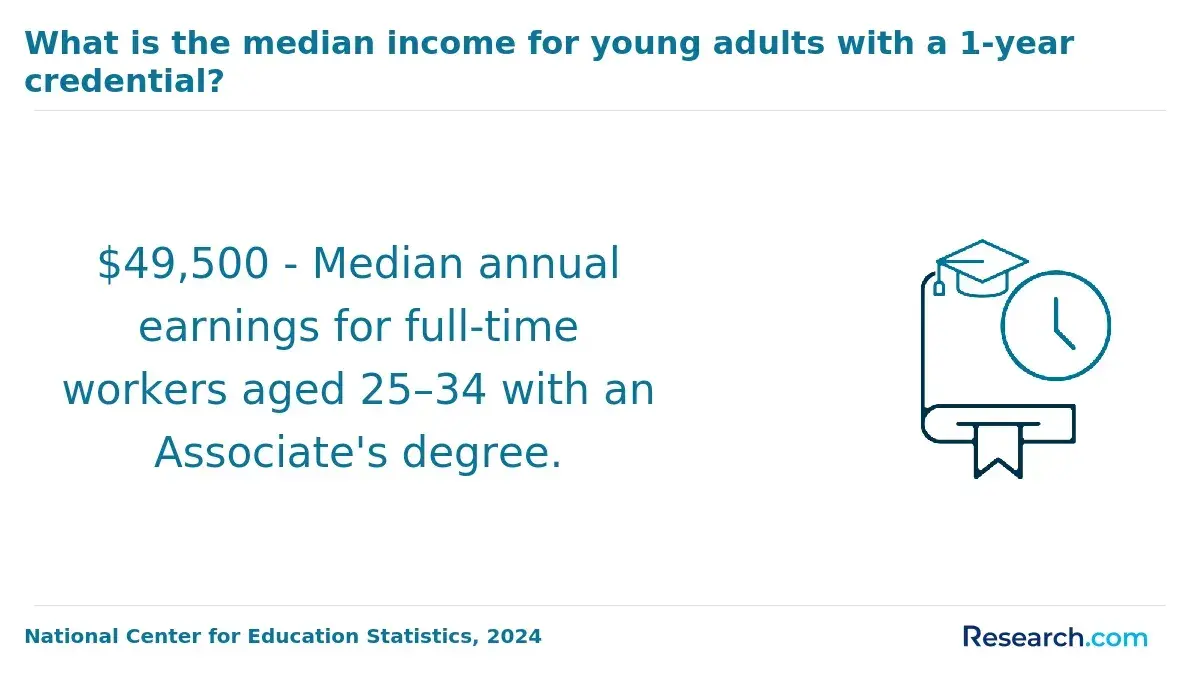
Graduate-level jobs in biological science usually offer median wages above $49,500 and account for a significant share of projected openings. Prioritizing programs that deliver hands-on lab rotations or fieldwork and strong research components improves employability prospects in a competitive labor market.
What typical coursework and lab experiences support future graduate study in biology?
Graduate programs in biological sciences expect candidates to possess a solid core in molecular biology, genetics, biochemistry, and cell biology, coupled with substantial hands-on lab experience. Relying solely on theoretical coursework without significant supervised laboratory hours-ideally 400 or more-can limit employability and research productivity.
Practical competence shortens onboarding time in graduate research and aligns with NSF labor-force data linking extensive lab experience to workforce readiness. A notable labor market trend is the 13.4% increase in biology graduates entering education, training, and library roles within nonprofit science organizations, confirming demand for professionals who translate complex biological findings into accessible knowledge.
This shift requires deliberate curriculum planning balancing breadth with focused lab rotations tailored to specific research interests like molecular biology or ecology. Integrating quantitative skills such as statistics and programming with laboratory training is increasingly essential, reflecting the field's growing reliance on large datasets and computational modeling.
Overemphasis on coursework breadth at the expense of specialized lab experience risks producing graduates less competitive for research-intensive positions. Prospective students should prioritize experiential learning aligned with targeted graduate study and employer expectations to navigate tradeoffs between academic depth and applied skills effectively.
What are the salary ranges and benefits for pre-graduate-school roles in the biological sciences?
Entry-level roles in biological sciences present a clear tradeoff between hands-on laboratory experience and integrating computational skills that boost earning potential. Salaries generally range from $40,000 to $65,000, with laboratory technicians and research assistants at government or public institutions starting near $42,000. Private biotech firms pay at the higher end, often $55,000 to $65,000 for candidates with technical capabilities such as DNA sequencing or bioinformatics.
Adding proficiency in programming or statistical software typically increases wages by $5,000 to $10,000, reflecting workforce shifts driven by a 17.4% growth in computer-related fields as noted by the NSF between 2021 and 2023. This premium rewards those blending traditional biological expertise with computational methods, a skill set increasingly demanded in private-sector startups.
Consider a candidate who prioritizes wet lab work in a government role: they gain specialized knowledge but encounter slower salary growth and limited pay differentials. Conversely, those developing hybrid skills can leverage certifications or portfolios during hiring to command higher salaries and better roles.
Negotiating benefits like tuition reimbursement and flexible scheduling is crucial given education's cost and impact on career advancement. Employers' offerings vary widely across sectors, so assessing total compensation beyond base salary ensures better long-term positioning in biological sciences.
What is the job outlook for early-career biological science roles that feed into graduate study?
Early-career roles in biological sciences that serve as pathways to graduate study present clear tradeoffs between specialization and breadth. Demand is growing, with an 8.7% increase in college-educated health-related workers from 2021 to 2023, now totaling 8.9 million graduates in the U.S., per NSF's 2025 report. Positions such as laboratory technicians and clinical trial coordinators provide essential hands-on experience, but candidates must weigh whether to pursue highly technical roles that sharpen specific research skills or broader roles offering more generalist exposure.
For example, a laboratory technician supporting drug development acquires detailed protocol knowledge that can accelerate productivity in graduate research, whereas working in healthcare data analysis can deepen insights into patient outcomes and public health trends, potentially shaping thesis topics. However, more specialized roles may limit the range of possible graduate programs. Applicants should prioritize roles aligned with their intended field of graduate study.
Practical skill sets increasingly blend biological sciences with data science and bioinformatics competencies, including programming and statistical software. Securing positions with robust mentorship and access to research publications remains challenging but critical for graduate readiness. Targeted internships or apprenticeships at research-active institutions offer environments that better prepare candidates for competitive graduate applications.
How can you strategically choose schools, internships, and certifications to reach biology graduate programs?
Prioritizing biology graduate programs requires aligning your choices tightly with specific research priorities and realistic career outcomes rather than generic credentials. For instance, candidates focused on molecular ecology should select universities with demonstrated, funded expertise in that niche to access meaningful mentorship and lab roles. Generic biology degrees risk diluting such focused opportunities and delay progress toward defined research goals.
Internships matter most when they yield measurable research output-publications, conference posters, or patent contributions-since admissions committees and employers weigh concrete evidence of laboratory and analytical skills over vague industry exposure. Positions linked to federal or prominent nonprofit research bodies typically carry more credibility than short-term jobs in proprietary settings where project scope and depth are limited.
Certifications are best leveraged when they validate hands-on technical mastery in methods directly relevant to anticipated graduate study or workforce demands, such as CRISPR gene editing or advanced bioinformatics. Nationally recognized credentials from respected academic or research organizations outmatch generic online badges, signaling practical lab proficiency instead of theoretical knowledge alone.
Nearly 11.4% of UK biology postgraduates shift to self-employment or entrepreneurial paths, reflecting challenges faced by those whose training lacks direct applicability or whose academic transitions falter. Anticipating such outcomes in the US requires strategic pre-graduate planning that accentuates reproducible research experience, validated skills, and institutions known to closely match student specialization with faculty expertise and network strength.
Other Things You Should Know About Biological Sciences
Interdisciplinary skills are increasingly valued as biological sciences intersect with data science, chemistry, and engineering. Candidates who develop competence beyond core biology gain a competitive advantage, especially in research-heavy roles. Focus on gaining practical experience combining biological sciences with computational or quantitative skills to meet employer expectations and expand career options.
Internships tend to offer broader exposure, often including networking and applied experience in real-world settings, while part-time research roles provide deeper focus on experimental techniques and data analysis. For graduate school preparation, prioritize research roles that result in tangible outcomes like publications or presentations, as these demonstrate your ability to contribute actively to scientific inquiry.
Employer reputation matters significantly when graduate programs review applications, as labs linked to well-known institutions or projects signal rigorous training and mentoring quality. However, small or lesser-known organizations with strong research outputs can also be valuable if they provide leadership roles or unique technical skills. Give priority to positions offering meaningful responsibilities over name recognition alone for the best long-term benefit.
References
- Biology Degree Careers and Salary in Europe - StudyinEurope.eu https://www.studyineurope.eu/biology/biology-degree-careers-salary-europe/
- Guidelines for the Evaluation https://nabt.org/Guidelines-for-the-Evaluation
- Biomedical Science vs Other Degrees Comparison https://pathologylabtraining.co.uk/biomedical-sciences/degree-comparison
- Online Biology Course: Complete Guide to Flexible Science Education [2025] - Prereqcourses https://www.prereqcourses.com/online-biology-course/
- Bls https://www.bls.gov/ooh/life-physical-and-social-science/biological-scientists.htm
- Accreditation and the University Quality Management System https://www.biologie.uni-wuerzburg.de/en/about-the-faculty/quality-management/accreditation-and-the-university-quality-management-system/
- Quick List of Job Search Tips for Graduate Students https://www.collegexpress.com/articles-and-advice/grad-school/articles/life-grad-student/job-search-tips-grad-students/
- Internships, Careers and Graduate School https://www.davidson.edu/academic-departments/biology/internships-careers-and-graduate-school
- Careers Guidance https://www.rsb.org.uk/career-guidance.html
- How To Become A Biologist | Biology Degrees And Careers https://www.learnhowtobecome.org/science-technology-careers/biology/