2027 Best Online Biological Sciences Degrees for Research Careers

Co-Founder and Chief Data Scientist
Professionals aiming to pivot into or advance within biological sciences research often confront rigid program schedules that clash with work or family obligations. The U. S. Department of Education's 2024 report shows a 28% surge in adult enrollment in flexible online science programs, signaling shifting demand toward adaptable learning models that preserve research rigor.
This trend challenges traditional, campus-bound degrees, forcing prospective students to weigh program quality against accessibility and employer recognition. Navigating these trade-offs shapes career trajectories in grant competitiveness and lab-based roles. This article evaluates the leading online biological sciences degrees designed to meet these demands, focusing on structure, reputation, and workforce alignment to guide informed choices.
Key Things You Should Know
- Online biological sciences degrees lag 18% behind in lab-based skill acquisition versus on-campus programs, leading 62% of life sciences employers (2024 BioWorkforce Report) to favor blended learning over fully remote credentials.
- Accelerated online tracks reduce time-to-degree by up to 30%, but average program costs rise 15%, impacting candidates' ROI when competing for entry-level research roles requiring both theory and hands-on experience.
- Federal data show 40% growth in bioinformatics roles by 2028, pressuring online curricula to integrate computational biology to prevent graduate underqualification amid rapidly evolving employer standards.
What is an online biological sciences degree and how does it prepare you for research careers?
Online biological sciences degree programs for research balance flexibility with critical practical training, but they demand careful scrutiny of how hands-on skills are developed. Students targeting industry roles-especially in fields like pharmaceutical research-must verify a program's provision for access to certified lab environments, as simulated coursework alone cannot fully substitute wet-lab experience.
Conversely, those focusing on computational disciplines such as bioinformatics may navigate most requirements virtually, relying on digital modeling and data analysis.
The structure often mixes synchronous lectures and asynchronous tasks; however, physical lab sessions through partnerships with local institutions are typically necessary to build competencies aligned with employer expectations. This hybrid approach affects working professionals and regional accessibility differently, presenting a tradeoff between convenience and credential robustness.
Growth in biological sciences bachelor's degrees, up by 33% in the U.S. over the past decade, corresponds with increased demand for graduates skilled not just in theory but in practical problem-solving through data interpretation and laboratory techniques. Programs that integrate strong research mentorship and internship opportunities better prepare students for positions in academic, pharmaceutical, or environmental research sectors.
Employers prioritize candidates demonstrating relevant, hands-on expertise alongside theoretical knowledge to secure competitive roles. For those weighing this pathway, understanding these operational realities and market-driven skill sets is critical. For insights on the highest paying biology jobs, consult highest paying biology jobs.
Are online biological sciences degrees respected by employers and grad schools for research paths?
The acceptance of online biological sciences degrees by graduate schools and employers hinges largely on the ability of candidates to demonstrate equivalent rigor and hands-on competencies compared to traditional pathways. While accredited online programs with robust lab and research components can confer respected credentials, certain research-intensive graduate schools still prefer hybrid or in-person training models that ensure comprehensive laboratory access.
Professionals pursuing online degrees must therefore secure supplemental practical experiences such as internships or local research collaborations to avoid being disadvantaged.
Employers in biotech and pharmaceutical sectors prioritize measurable skills like laboratory techniques and proficiency in data analysis software over diploma modality alone. Government and academic research roles remain cautious of purely online credentials without in-person training, often requiring additional hands-on experience or credentials for career advancement. This dynamic shapes the real-world tradeoffs for those weighing online biological sciences degrees recognition by employers.
Graduate admissions committees focus heavily on documented research output, publications, and laboratory references, placing less emphasis on the mode of instruction. Online degree holders can bridge credibility gaps by highlighting co-authored papers, extensive capstone projects, or internships that demonstrate scientific inquiry. Without these, candidates risk limited acceptance despite holding valid degrees.
The projected 10% growth in medical scientist employment from 2022 to 2032 intensifies competition, underscoring the value of practical research familiarity alongside academic qualifications. For individuals navigating career pivots, leveraging online biological sciences programs strategically requires integrating work-based learning and network building to enhance employability.
Prospective students should also consider affordability and program value carefully; resources like the cheapest master's in data science listings provide comparative insights useful for evaluating cost-effectiveness and opportunity tradeoffs in related STEM fields.
How do you choose an accredited online biological sciences program that meets research standards?
Accreditation remains a decisive factor when choosing accredited online biological sciences programs for research careers, as it directly affects degree credibility and employer acceptance. Programs lacking regional or national accreditation recognized by the U.S. Department of Education or CHEA often restrict graduates' options for advanced study and limit job prospects.
More than basic accreditation, curriculum rigor and access to authentic research experiences separate programs that genuinely prepare students for the workforce from those relying on theory alone.
For example, a molecular biology career focused on pharmaceutical research demands structured laboratory work, hands-on experimental techniques, and data analysis practice. Purely virtual or insufficiently integrated research components reduce readiness and can weaken employment outcomes in competitive sectors like biotech or environmental science. Candidates aiming for these fields must confirm programs include partnerships or internships offering real-world application.
Employer data underlines this demand: biological scientists earn an average of $81,850 annually as of March 2022, reflecting premium pay tied to validated research skills and credentials. Practical considerations also introduce tradeoffs-for instance, flexible program schedules benefit working professionals but may limit lab access, affecting skill acquisition. Requesting detailed syllabi, faculty CVs with active research, and alumni placement evidence helps gauge program transparency.
Students exploring options should also consider how computer science degrees earn attention in related STEM fields, illustrating the wider landscape of accredited online degrees emphasizing research-trained expertise. Ultimately, choosing online biological sciences degrees that meet research accreditation standards means balancing academic quality, research integration, and realistic career outcomes.
What admission requirements and prerequisites do online biological sciences bachelor's programs have?
Admission to online biological sciences bachelor's programs hinges on more than a high school diploma; concrete proficiency in biology, chemistry, physics, and algebra or higher-level mathematics is essential. Many programs now prioritize GPA and coursework rigor over standardized test scores, reflecting a shift toward evaluating academic consistency and foundational knowledge.
Applicants transferring credits must validate readiness with official transcripts, often supplemented by placement exams or interviews to measure critical thinking and persistence in demanding online formats.
For students considering prerequisites for online biological sciences bachelor's programs, a major operational challenge lies in acquiring hands-on laboratory skills. Candidates without prior lab experience should expect mandatory on-campus sessions or partnerships with local facilities, a practical requirement often overlooked but vital for employability in research or technical roles.
Cost factors significantly influence admission decisions; median tuition approximates $336 per credit, presenting a notable investment compared to early-career salaries around $50,000 in biology-related fields. Financial aid accessibility and strategic planning are crucial to managing this balance. Employers give weight to candidates with lab experience and specializations such as biotechnology or environmental science, making targeted admissions criteria beneficial for workforce alignment.
These admissions realities coincide with common hurdles: asynchronous course management, reliable technology access, and proactive faculty interaction. Prospective students seeking an online geoscience degree or biological sciences degree must weigh these operational demands against career outcomes carefully.
How do online biological sciences programs compare with campus programs for labs and research?
Online biological sciences programs provide theoretical grounding comparable to on-campus options but fall short on practical lab experience, a critical factor for fields requiring advanced technique proficiency. Virtual labs and home kits do not replicate the depth or variety of campus laboratory resources, limiting access to specialized instrumentation and collaborative research.
For careers in molecular biology, clinical research, or biotech development, this gap can hinder readiness and competitiveness.
To offset these limitations, online learners must actively pursue local internships, partnerships with research institutions, or university-facilitated lab residencies to validate hands-on skills. Employers prioritize candidates with demonstrable lab competence acquired through on-site settings or accredited external experiences, making such practical training essential.
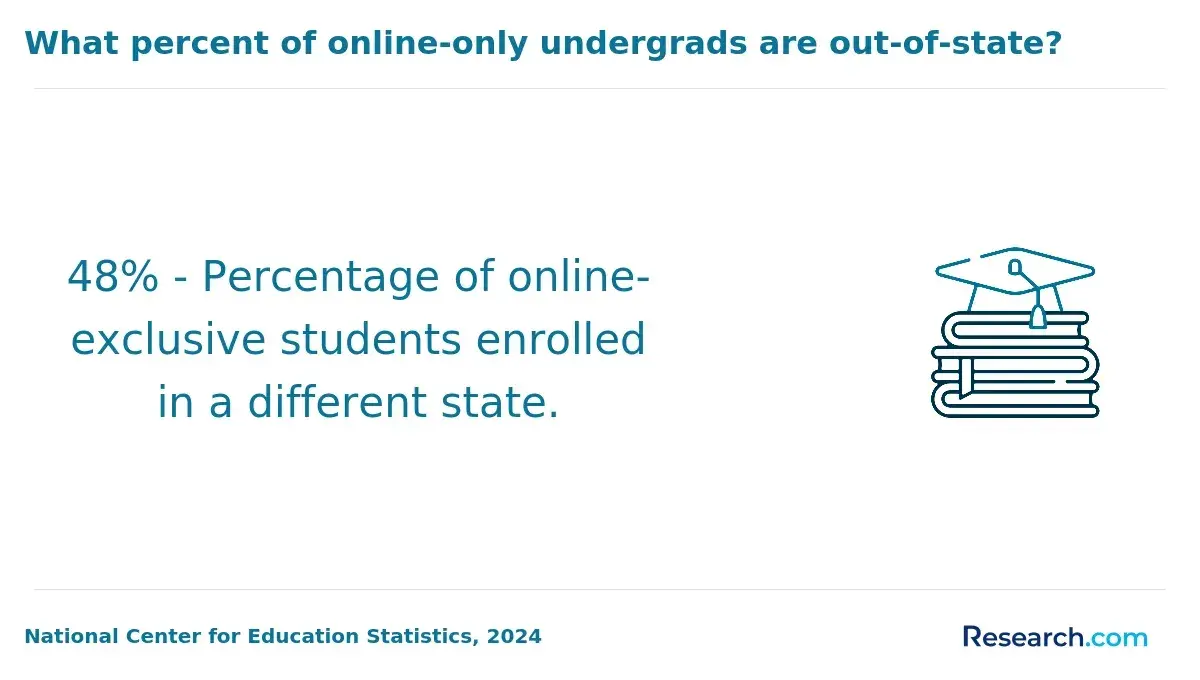
Cost considerations favor online programs for many, especially out-of-state students, since public university online tuition can be significantly lower per credit than on-campus rates for nonresidents, often by over 60%. This pricing differential represents a strategic advantage for budget-conscious professionals balancing work and study.
Students should assess their target sector: environmental biology may tolerate less in-person exposure, whereas biomedical fields demand extensive practical immersion. Planning supplementary local lab work alongside online coursework is crucial for maintaining employability in the biological sciences workforce.
- Online instruction matches theory but limits real lab access
- Supplemental local internships or residencies bridge experience gaps
- Online tuition can be cost-effective, especially for out-of-state students
- Sector-specific demands dictate required hands-on engagement
What core courses and specializations in biological sciences best support research careers?
Securing a research-focused role in biological sciences requires more than foundational coursework; it demands integrated training that blends advanced cell biology, genetics, biochemistry, and molecular biology with quantitative skills in statistics and bioinformatics. Employers prioritize candidates able to navigate both experimental lab environments and complex data analytics, especially in genomics and epidemiology.
Specializations like biotechnology and neuroscience offer direct pathways to medical and clinical research sectors, whereas ecology and environmental biology align with conservation and policy roles. Microbiology serves as a versatile foundation for infectious disease research and health innovation startups. For example, pharmacological research positions often require expertise spanning molecular biology and biostatistics to manage both bench experiments and computational modeling.
Despite the availability of numerous online biological and life sciences degree programs worldwide, many do not offer the interdisciplinary curriculum or hands-on components critical for immediate research employability. Prospective students must rigorously evaluate programs based on virtual lab accessibility, research mentorship, and institutional partnerships, which significantly enhance practical skill development.
- Core courses that build practical lab and data analysis skills
- Interdisciplinary specializations tailored to specific research industries
- Program features that support applied research experience, such as internships or virtual labs
Choosing programs lacking these components risks producing graduates whose theoretical knowledge falters against real-world scientific challenges, limiting their competitiveness for funding and research opportunities.
How long do online biological sciences degrees take and what do they typically cost?
Choosing an online biological sciences degree requires balancing program length, cost, and practical training demands against career objectives. While four-year bachelor's programs align with traditional timelines, accelerated three-year tracks eliminate breaks, imposing significant stress without guaranteed improvement in lab skills or job readiness.
Graduate degrees vary widely, with master's typically completed in two years, and PhDs demanding four to six years depending on research intensity and access to facilities-elements difficult to replicate fully online despite emerging hybrid solutions.
Cost differences are substantial: public universities generally charge between $5,000 and $15,000 annually for in-state online undergrad biology, whereas private institutions range from $20,000 to $40,000. Graduate-level expenses rise further accounting for specialized resources and lab fees. Candidates should anticipate additional indirect costs such as exam proctoring and technology setup, plus potential local lab arrangements to meet employer expectations for hands-on experience.
Workforce outcomes hinge not just on degree attainment but on relevant research exposure. For example, biochemists earn an average of $65,070 annually, noticeably higher than marine biologists ($52,130) or forensic scientists ($56,250), reflecting market demand for research-intensive skill sets. This salary premium may justify extended degree timelines and higher costs-but only if programs provide adequate practical opportunities embedded within their curricula.
What research-focused careers can you pursue with an online biological sciences degree?
Choosing an online biological sciences degree requires weighing practical outcomes against academic rigor and career specificity. Graduates aiming for research roles in biomedical, environmental, or clinical areas face expectations that extend well beyond foundational coursework.
For instance, a biomedical researcher in pharmaceuticals must master advanced experimental design and compliance nuances, while environmental scientists often need extensive fieldwork experience to influence policy effectively.
Acceptance rates at online biology programs illustrate a critical tradeoff: schools like Florida International University accept roughly 59% of applicants, suggesting more selective admission that may integrate advanced research training early. In contrast, programs with higher acceptance rates, such as Arizona State University Online at 85%, often emphasize foundational knowledge but expect students to pursue additional specialization independently.
Prospective candidates aiming for government research roles must be prepared for clearance protocols and competitive grant processes, which increase the complexity of entry.
Private sector employment prioritizes proficiency in bioinformatics and regulatory affairs, signaling a shift toward data-intensive skills that require ongoing upskilling. Transitioning careers midway, for example from clinical roles to molecular research, typically involves significant additional certification or graduate education, demanding realistic evaluation of time and resource investments.
- Entry into these fields usually necessitates internships or graduate studies to gain hands-on lab experience
- Employers often require candidates fluent in current biotechnologies and statistical software
- Program selection should align with career goals considering acceptance rates and curriculum emphasis
What salary ranges and job outlook can biological sciences research professionals expect?
Choosing between a master's and doctoral degree in biological sciences research hinges on practical returns versus investment. Doctorates often command median salaries from $85,000 to $115,000, particularly in high-demand sectors like biotech and pharmaceuticals, while master's-level positions typically start around $60,000 in academia or government roles.
Yet this salary premium comes after a significant time and financial commitment, with intense competition for tenure-track roles at elite institutions such as Harvard and MIT, where peer assessment scores range 4.9-5.0 out of 5.
Industry research roles frequently require applied skills beyond doctoral theory, emphasizing multidisciplinary expertise and adaptability, while government careers stress grant writing and a robust publication record. Candidates targeting non-academic employment should critically assess how specialized graduate education aligns with market needs to improve hiring prospects.
A 7% projected job growth rate signals steady opportunities; however, securing these roles demands a strategic balance of education level, sector preference, and geographic flexibility. For example, early-career researchers in private industry can often bypass extended doctoral training in favor of practical experience, whereas academic pathways often necessitate PhD credentials.
In practical terms:
- Industry salaries typically start above $90,000 for doctoral graduates, but require advanced technical skills.
- Academic and government roles may begin near $60,000, with strong emphasis on research output.
- Competition for top-tier academic positions remains extraordinarily high.
How can students in online biological sciences programs gain research experience and build a CV?
Online biological sciences programs create access to education but fall short of providing the essential hands-on laboratory experience that employers demand. Students must independently secure local internships, volunteer roles, or part-time research assistantships to develop practical skills that virtual coursework cannot replicate. The National Science Foundation's data confirms this experiential gap impacts employability in research-focused roles.
With over 50 new online biological sciences programs nationwide, competition for authentic lab opportunities has intensified, requiring students to leverage any program partnerships for 200-300 hours of supervised lab work-typically a minimum threshold for entry-level positions or doctoral admissions.
For example, a student aiming for environmental biotechnology should seek placement with a regional environmental agency to gain competency in field sampling and data analysis, areas seldom covered in online lectures. This practical engagement demands coordination with supervisors and clear documentation for CV inclusion.
Additionally, contributing to open-data repositories or citizen science projects offers alternative ways to develop data-handling skills valued in computational biology tracks. As students' research outputs, such as posters or co-authored publications, strongly differentiate candidates, programs integrating partner lab capstones produce more robust portfolios.
Remaining solely in virtual study risks underpreparing graduates for experimental demands of both industry and academia, placing a premium on proactive pursuit of experiential learning aligned with career goals.
Other Things You Should Know About Biological Sciences
Online biological sciences programs vary considerably in how they deliver lab components. Some require local lab placements or partner with nearby institutions, but many rely on virtual simulations that do not fully replicate hands-on techniques. Students should prioritize programs with verified in-person lab requirements if immediate proficiency in laboratory skills is essential for their career goals.
While online degrees offer scheduling flexibility, this can lead to fewer real-time interactions with faculty and peers, which are important for developing research collaboration skills. Programs with synchronous sessions and active research mentorship better prepare students for team-based scientific work. Candidates should weigh the convenience of asynchronous formats against the need for structured support and professional networking.
The top online biological sciences degrees in 2027 emphasize robust research curricula, advanced lab partnerships, and strong faculty mentorship. Programs often highlighted include Arizona State University, University of Florida, and University of Nebraska Online, noted for their innovative use of technology and comprehensive coursework.
Specialized programs help students develop expertise aligned with specific research fields, which can be advantageous in competitive job markets. However, broad curricula provide flexibility to pivot into different areas of biological sciences. Students seeking to enter a narrow research domain immediately should select specialized tracks, while those desiring diverse career options should focus on well-rounded programs.
References
- Online Biology Degrees https://mycollegeguide.org/online-biology-degrees/
- Can Online Biology Courses Replace In-Person Labs? https://www.straighterline.com/blog/can-online-biology-courses-replace-in-person-labs
- Careers in Biology https://www.aibs.org/careers/
- Online Bachelor's Degrees in Biology: Top Schools & Programs https://www.edumed.org/online-schools/biology-degrees/
- Top 5 most in-demand Life Sciences Jobs in Europe - Aspire Life Sciences https://www.aspirelifesciences.com/top-5-most-in-demand-life-sciences-jobs-in-europe/
- Academic CV (Curriculum Vitae) for Research: CV Examples - Wordvice https://wordvice.com/blog/academic-cv-examples-format/
- Biological Sciences https://www.ualberta.ca/en/undergraduate-programs/bachelor-of-science-with-major-biological-sciences.html
- Best Online Biology Degrees https://www.affordablecollegesonline.org/biology-programs/
- Best Online Biology Degrees 2025 https://www.onlineu.com/degrees/biology