2027 Online Biological Sciences Degrees for Conservation Roles

Co-Founder and Chief Data Scientist
Many professionals aiming to switch into conservation roles confront inflexible degree programs that cannot accommodate full-time employment or geographic constraints. This challenge is especially acute given the biological sciences sector's increasing demand for specialized skills combined with diverse workforce entry points.
According to the National Center for Education Statistics, over 40% of postbaccalaureate students in STEM fields are now adult learners seeking flexible online options, signaling significant shifts in enrollment patterns. These trends reveal a necessity for degree programs that align academic rigor with real-world accessibility, affecting timing and career mobility profoundly.
This article evaluates online biological sciences degrees tailored for conservation careers, guiding prospective students through program features, practical tradeoffs, and employment implications to optimize their educational investment and workforce entry strategy.
Key Things You Should Know
- Employer surveys from the U.S. Fish and Wildlife Service reveal 62% of conservation roles prefer candidates with in-person lab experience, limiting online degrees to adjunct qualifications without local internships.
- Data from the National Center for Education Statistics shows online biological sciences degrees cost 35% less on average but require significant self-guided research skills, affecting outcomes in field-intensive roles.
- Recent labor forecasts from the Bureau of Labor Statistics indicate a 7% job growth in conservation biology through 2031, heightening competition that online credentials alone may not adequately address amid rising employer selectivity.
What is an online biological sciences degree for conservation roles and who is it best for?
Online biological sciences degree programs for conservation careers deliver foundational expertise in ecology, genetics, and environmental policy via flexible digital platforms tailored to working professionals and geographically isolated students.
These programs balance rigor with accessibility, enabling those pursuing conservation biology to maintain employment or personal responsibilities while building proficiency in habitat restoration, wildlife management, and emerging conservation technologies.
The best conservation biology degrees available online integrate regionally adapted field research and regulatory compliance modules, equipping graduates to meet evolving demands across government, NGOs, and consulting firms. A typical scenario is a mid-career individual in natural resource policy leveraging virtual labs and local practicums to transition into on-the-ground environmental science roles.
Key workforce considerations include:
- Limited access to comprehensive lab facilities, necessitating self-directed or hybrid experiential learning
- The need for programs with formal partnerships to provide hands-on fieldwork opportunities
- Alignment of skills with employer expectations around applied data analysis and regulatory frameworks
Employment outlook remains positive, with environmental scientists projected to grow faster than average and offering median wages near $76,480 annually, underscoring the pathway's demand-driven nature. For students evaluating this route, understanding these structural tradeoffs and operational logistics is essential to aligning education with career objectives without geographic relocation.
Prospective enrollees seeking to clarify what can you do with an environmental science degree will find that program selection significantly impacts readiness for conservation roles demanding both theoretical knowledge and pragmatic skills.
How do online biological sciences degrees compare with campus programs for conservation careers?
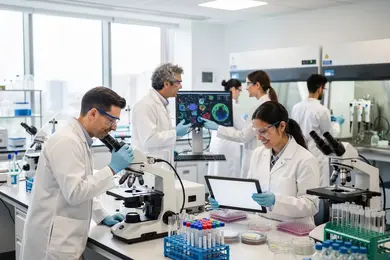
Online biological sciences degree benefits for conservation careers hinge largely on practical readiness, an area where campus versus online biological sciences programs for conservation roles diverge sharply. Employers in conservation prioritize field competencies, ecological monitoring, and data interpretation skills, typically developed through campus-based labs and hands-on projects.
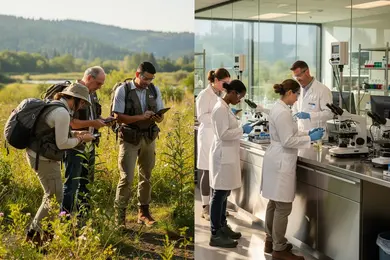
By contrast, online students often need to independently secure local internships or technical mentoring, which introduces logistical and quality variability that can affect job competitiveness.
The U.S. Department of Labor forecasts an 8% growth in conservation biology jobs through 2031, intensifying demand for graduates with demonstrable field experience. Campus programs better facilitate access to research networks, specialized equipment, and supervised environments—advantages that influence hiring decisions at federal and state conservation agencies.
Online biological sciences degree holders may compensate for these gaps by building robust portfolios or leveraging relevant work histories, but this requires proactive relationship-building beyond coursework.
For working professionals, the flexibility of online formats offers scheduling ease but limits experiential learning unless complemented by hybrid elements. Consider a conservation technologist role reliant on GIS and remote sensing software: on-campus students receive guided lab time, whereas online learners must self-arrange software access and mentorship. This tradeoff can delay practical skill acquisition and initial employment opportunities.
Those evaluating education in this field should weigh such operational realities carefully. For actionable insights on affordable and flexible advanced degrees in related areas, reviewing options like MS data science online programs can provide strategic alternatives or complements to biological sciences coursework.
What conservation-focused jobs can you get with an online biological sciences degree?
Choosing an online biological sciences degree requires careful evaluation of how it aligns with employer expectations and practical career entry points, especially in conservation roles. Positions like wildlife biologist or conservation scientist demand more than academic credentials; they require field experience, proficiency with GIS and data analysis tools, and adaptability to work in often remote locations.
Job seekers should prioritize opportunities to gain hands-on skills through internships or volunteering to bridge the common gap between online coursework and real-world demands.
Environmental job prospects for graduates of online biological sciences programs demonstrate competitive salaries but also significant variation tied to experience and specialization. For instance, wildlife biologists earned a median annual wage of $72,860, with top earners surpassing $113,350, while conservation scientists averaged $67,950, reaching over $107,720 for advanced roles, based on U.S. Bureau of Labor Statistics data. This reflects a market that values both technical expertise and proven field competence.
Decisions to pursue this pathway must weigh the convenience of remote study against the necessity of geographic and logistical flexibility, as many conservation roles require relocation to rural or protected areas. Developing evaluation skills for habitat assessment and environmental impacts is critical for long-term employability and career development. Building networks with conservation employers enhances hiring prospects beyond degree completion.
Prospective students should also explore adjacent online credentials that complement biological sciences degrees, like an exercise science degree online, to diversify career options and adapt to evolving environmental health perspectives.
Which concentrations in biological sciences best support conservation and environmental roles?
Concentrations in biological sciences aligned with conservation must extend beyond classical ecology to include interdisciplinary expertise in geospatial technology, genetics, and data analytics. Over 70% of conservation biology research integrates multiple scientific disciplines, reflecting employer demand for multifaceted professionals capable of addressing ecosystem complexity amid climate stress and habitat fragmentation. Programs narrowly centered on ecology risk underpreparing graduates for practical roles where cross-domain skills are essential.
Ecology combined with geospatial methods enables mapping species distribution and habitat connectivity—core to planning by government and NGO conservation projects. Genetics provides tools for biodiversity assessment and population management through DNA marker analysis, critical for agencies designing captive breeding or genetic rescue initiatives.
Data science and modeling prepare graduates to process the large datasets increasingly required for environmental impact assessments and regulatory compliance.
Applicants weighing online options for the best environmental science degrees supporting conservation roles should consider curricula incorporating hands-on cross-disciplinary projects, lab work, field surveys, and computational methods. For example, positions at the U.S. Fish and Wildlife Service demand proficiency in GIS software alongside ecological fieldwork and statistical analysis, necessitating programs that offer practical and flexible training.
Students should verify availability of current tools and collaborative opportunities reflective of conservation's real-world challenges. Those seeking a strategic pivot in biological sciences might also examine degree pathways outside this domain, such as a library sciences degree, to identify the best fit for their skill expansion and career goals.
What courses and lab or fieldwork requirements are typical in conservation-oriented online programs?
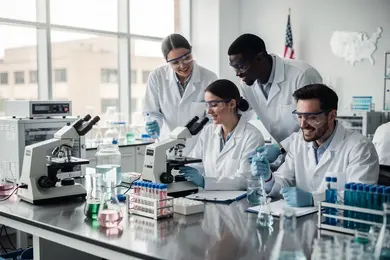
Online conservation-oriented biological sciences programs must integrate hands-on fieldwork with rigorous core coursework to align with employer expectations. Graduates without substantial field experience risk falling short of the practical skills demanded across roles in government, nonprofits, and consulting firms.
Those programs that effectively combine foundational topics such as ecology, wildlife management, biostatistics, GIS, and conservation policy with supervised practicum hours (typically 100 to 200) better prepare students for operational realities.
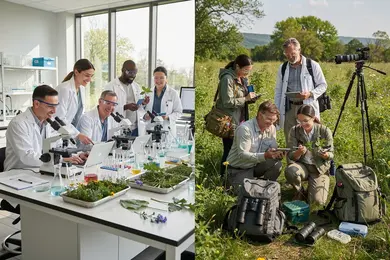
Students often complete local or regional field assignments—such as species population surveys or habitat restoration—in partnership with conservation organizations. For instance, a student in the Pacific Northwest might monitor salmon populations through collaboration with a regional wildlife trust. These applied experiences differentiate candidates in hiring pools and meet employers' unambiguous preference for demonstrated competency.
Balancing online coursework and timed field residencies presents challenges for working professionals, yet the wage differential—$65,000 median for biology bachelor's holders versus $46,000 for high school graduates (U.S. Bureau of Labor Statistics)—emphasizes the economic value of completing such programs.
Prospective students should scrutinize program transparency and geographic flexibility of practicum arrangements, as inadequate real-world integration undermines skill acquisition and labor market readiness.
Prioritizing programs with robust, verifiable field experience is essential for replicating on-campus competency development in remote settings and securing employer credibility in biological sciences careers.
How do you verify accreditation and program quality for online biological sciences degrees?
Employers and licensing boards require online biological sciences degrees to come from institutions accredited by regional accreditors like the Higher Learning Commission or SACS, or specialized bodies tied to biology or environmental sciences. Accreditation signals minimum quality, but program rigor and relevance hinge on faculty expertise, curriculum aligned with current industry needs, and hands-on training components.
For example, a conservation agency seeking candidates expects training in ecological statistics, virtual or local fieldwork, and data analysis skills. Programs lacking these elements may limit job eligibility despite flexible online delivery.
Pragmatic evaluation involves analyzing published learning outcomes, examining faculty credentials, and verifying graduate outcomes linked to employment in biological scientist roles. According to Arizona State University's 2024 data, graduates in conservation-focused tracks tend to earn median salaries between $73,000 and $84,600, with projected job growth between 3.4% and 7.3% by 2032.
This suggests strong demand but also highlights the necessity of choosing programs demonstrating verified post-graduation employment aligned with labor market realities.
Tradeoffs include balancing flexibility with sufficient practical experience. Not all online programs offer robust fieldwork, which is critical for conservation positions. Alumni feedback often reveals whether programs provide adequate preparation in real-world skills and career navigation.
Additionally, effective advising and career services are key indicators of an institution's support in transitioning graduates into relevant roles.
What are the typical admission requirements for online biological sciences conservation programs?
Admission into online biological sciences conservation programs requires more than basic academic credentials; the real differentiator lies in relevant field experience and demonstrated quantitative competence. Institutions typically expect a minimum undergraduate GPA around 2.5 to 3.0, with foundational coursework in biology, chemistry, and environmental science.
However, standardized tests like the GRE are increasingly optional, reflecting a shift toward holistic evaluation.
Employment and internship records in conservation environments-such as wildlife rehabilitation centers or ecological research projects-are often pivotal. These roles not only reinforce practical skills valued by employers but also correlate with better earning potential, as zoologists and wildlife biologists earn approximately 10% above the national median wage, according to the U.S. Bureau of Labor Statistics.
Letters of recommendation should come from professionals familiar with the candidate's practical and academic aptitude, confirming readiness for demanding research and digital collaboration. Prospective students must also meet technical requirements for online learning, including consistent internet access and software fluency, which, if neglected, can delay enrollment and hinder participation in interactive field components.
Some programs mandate prerequisite courses in statistics and ecological modeling, highlighting the growing importance of quantitative skills. The application process varies in timing and documentation rigor, emphasizing the need for early preparation and clear articulation of career objectives linked to conservation subfields.
How long do online biological sciences degrees take and what do they cost?
Completing a bachelor's degree in biological sciences usually demands four years, while a master's adds roughly 1.5 to 2 years. The bachelor's level prepares candidates for entry-level conservation roles, but employers place a significant premium on master's degrees when hiring for environmental scientist positions.
According to U.S. Bureau of Labor Statistics data, median annual salaries for environmental scientists average $76,530, with noticeable salary growth for professionals holding advanced degrees due to greater specialization requirements in conservation science and environmental analysis.
Cost structures vary widely. Public online bachelor's programs typically fall between $15,000 and $40,000, while master's programs can reach $20,000 to $50,000. Private institutions often exceed these ranges. Balancing tuition against factors such as program reputation, research access, and employer networks is essential when evaluating return on investment.
Working professionals should anticipate scheduling complications from balancing coursework and employment. Part-time enrollment extends time-to-degree and may increase overall costs. Additionally, online labs or fieldwork components can necessitate local arrangements or campus visits, adding logistical and financial complexity.
Effective planning involves coordinating financial aid, employer tuition assistance, and expected income gains linked to advanced credentials. For those aiming to pivot or advance in biology-related fields, understanding these tradeoffs helps align educational choices with realistic workforce outcomes.
What is the salary outlook for conservation scientists and related biological science roles?
Salary projections for conservation scientists and related roles indicate median annual earnings generally between $60,000 and $80,000 by 2026, subject to experience, geographic location, and employer type. The U.S. Bureau of Labor Statistics forecasts employment growth of 6% to 8% through 2032, outpacing the average for all occupations. This signals persistent demand but also a moderate level of competition for available positions.
Federal and state agencies typically offer higher starting salaries—often near $75,000—alongside more stable benefits packages when compared to environmental NGOs or private sector roles, which may start closer to $50,000 but sometimes provide greater flexibility or mission-driven work environments. For candidates weighing educational investments, specialized skills such as GIS, ecology, or conservation policy certifications tend to improve both salary prospects and promotion potential.
Regional differences matter: metropolitan areas active in conservation efforts generally offer better compensation but come with higher living expenses. Job seekers must balance these factors with funding volatility in conservation programs and credential requirements, which can restrict opportunities. Practical career planning often involves targeting government roles or large consultancies to optimize long-term earnings and job stability in this market.
How can you choose the right online biological sciences program for your conservation career goals?
Meeting federal standards for entry-level conservation roles requires more than a general biological sciences degree; it demands targeted coursework and relevant field experience. For example, the U.S. Forest Service mandates a bachelor's degree in biological science that includes ecology, animal biology, conservation principles, and field methods to qualify for GS-05 wildlife biology positions. Students lacking these specifics risk additional certification burdens or limited employability in federal or state agencies.
Evaluating programs by curriculum depth and relevance is paramount, especially for career changers. A science graduate pivoting into conservation must confirm the availability of specialized modules such as conservation biology or GIS applications in wildlife management—skills directly transferable to agency tasks.
Flexibility in program format should not compromise essential lab or field components; alternatives like remote labs or partnerships with conservation organizations can mitigate these challenges for working professionals.
Prospective students should also scrutinize graduate placement statistics and faculty expertise to gauge market alignment and program credibility. Accreditation remains a baseline quality indicator but does not guarantee that experiential learning or employment outcomes meet sector demands.
In practice, choosing an online biological sciences program aligned with federal qualifications and practical job requirements involves balancing rigorous coursework, hands-on experience, and verifiable career outcomes to support a sustainable transition into conservation roles.
Other Things You Should Know About Biological Sciences
Online programs often have limited hands-on lab and field components, which are essential for many conservation positions. Prospective students should prioritize programs that either incorporate regional fieldwork partnerships or hybrid lab sessions to ensure practical skills development. Without these structured experiences, graduates may face challenges meeting employer expectations for technical proficiency in field methods and lab analysis.
Most programs do not require a separate residency, but conservation employers usually expect at least one supervised field or lab placement. Many accredited programs ask for a 120- to 300-hour internship, plus documentation of species surveys, habitat monitoring, or GIS work tied to conservation practice.
Research experience is crucial in conservation careers, as it demonstrates your ability to conduct scientific investigations and apply findings in real-world settings. Many online biological sciences degrees offer virtual labs or partnerships with local institutions to provide such experiences, enhancing the degree's value for aspiring conservationists in 2027.
While flexibility supports working professionals, academic reputation significantly impacts employability in conservation fields, where degree credibility shapes opportunities. Students who can manage time effectively should prioritize programs with strong faculty expertise and verified outcomes over purely flexible formats. This ensures better preparation and recognition by employers, outweighing the convenience of less rigorous scheduling.
References
- Key Conservation Roles | Conservation Careers https://www.conservation-careers.com/key-conservation-roles/
- Wildlife Biology and Conservation https://www.uoguelph.ca/programs/wildlife-biology-and-conservation/
- Fieldwork or Lab Work? Exploring Environmental Career Paths https://unity.edu/distance-education-blogs/fieldwork-vs-lab-work/
- Conservation Biology https://www.ualberta.ca/en/undergraduate-programs/bachelor-of-science-in-environmental-and-conservation-sciences-conservation-biology.html
- Ecology and Conservation https://www.keele.ac.uk/study/undergraduate/undergraduatecourses/ecologyandconservation/
- Conservation Biology : Fleming College https://flemingcollege.ca/programs/conservation-biology
- Are Online Degrees Accredited? How to Identify Quality Distance Learning Programs https://www.umassglobal.edu/blog-news/online-degrees-accredited-identify-quality-distance-learning-programs
- Is Your Online Degree Legitimate? How to Verify Private University Approval https://matchtocollege.com/blog/verify-private-university-online-degree-approval
- Home https://www.husson.edu/online/online-degrees/bachelor-of-science-in-wildlife-biology-and-conservation
- The 12 Types Of Conservation Career (and how to choose which one is for you?) http://www.jamesborrell.com/the-12-types-of-conservation-career-and-how-to-choose-which-one-is-for-you/