2027 Biological Sciences Skills Most Commonly Mentioned in Job Postings

Co-Founder and Chief Data Scientist
Securing a position in biological sciences increasingly depends on pinpointing the exact technical and analytical skills that employers prioritize, yet job postings often vary widely in their requirements. As workforce data from the U. S. Bureau of Labor Statistics reveals a 12% growth in life sciences roles over the next decade, candidates must navigate shifting demands shaped by automation, cross-disciplinary research, and evolving labs. At the same time, nearly 30% of adult learners now prefer flexible, competency-based education models, forcing prospective biologists to evaluate how their training matches emergent skill sets critical to hiring decisions. This article identifies the most commonly cited biological sciences skills in recent job postings to guide targeted skill development and strategic credentialing.
Key Things You Should Know
- Advanced computational biology skills top postings, yet students face a tradeoff as 45% of programs with this focus exceed typical degree durations, inflating costs and delaying workforce entry per National Center for Education Statistics.
- Employers prioritize experimental design and data interpretation over broader technical skills, with 68% of hiring managers in a 2024 BIO workforce survey emphasizing reproducibility expertise, reshaping the value of lab experience.
- The rise of integrated omics knowledge demands cross-disciplinary fluency, but access disparities persist: under-resourced institutions produce 30% fewer graduates with multi-omics training, affecting regional workforce readiness, according to NSF analytics.
What core biological sciences skills do employers most frequently seek in entry-level job postings?
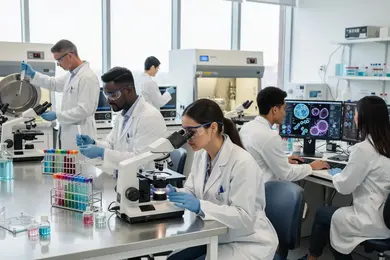
Employers in the biological sciences sector weigh entry-level hires heavily on their command of essential biological sciences laboratory skills in entry-level jobs, particularly proficiency with experimental protocols and analytical instrumentation. Data from NC State's analysis of U.S. job postings reveals that biologists with solid lab experience commanded an average advertised salary of $102,733, underscoring the tangible value of hands-on laboratory expertise over purely theoretical knowledge.
The prevalent demand focuses on capabilities such as complex biochemical assays, chromatography, and spectrometry usage, which directly impact a candidate's operational readiness and salary potential.
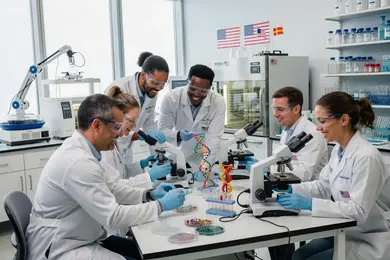
Beyond laboratory procedures, integrating data analysis software like R or Python is increasingly critical. Candidates able to combine wet lab techniques with computational data interpretation are positioned for roles in sectors like pharmaceutical development, where validating drug efficacy with both lab testing and statistical modeling can trim costly delays. This dual skill set often differentiates applicants in competitive hiring scenarios.
Strict adherence to regulatory safety protocols and documentation is another key expectation that affects onboarding efficiency and long-term career mobility. Insufficient compliance knowledge risks bottlenecks in maintaining laboratory accreditation and research reproducibility.
Students evaluating programs should prioritize those offering extensive hands-on rotations and practical exposure to modern analytical tools rather than predominantly theoretical coursework. This practical emphasis directly correlates with employer preferences and affects initial job placement within biotech firms, government agencies, and research institutions.
For additional information on cost and curriculum considerations, exploring an online animal science bachelor degree program can offer parallel insights into structuring a practical biological sciences education pathway.
Which lab and technical skills in biological sciences are most in demand across industries?
Data analysis and computational proficiency have become fundamental in biological sciences laboratory techniques in high demand, shaping recruitment across sectors from pharmaceuticals to environmental science. The U.S. Bureau of Labor Statistics projects that 18 of the 20 fastest-growing science occupations through 2032 will involve data-centric roles, reflecting employers' clear prioritization of candidates adept in programming languages like Python and R alongside statistical tools such as SAS or SPSS.
For example, environmental agencies increasingly depend on bioinformatics to interpret ecosystem sequencing data, while pharmaceutical companies require managing large genomics datasets and applying machine learning to accelerate drug discovery.
These practical applications highlight the necessity of integrating computational skills with traditional biological sciences laboratory techniques in high demand rather than relying solely on bench competencies such as PCR or microscopy.
However, acquiring both wet lab expertise and advanced computational skills extends education timelines and presents a significant obstacle for many students. Those neglecting programming risk exclusion from data-driven projects and well-funded roles. Graduates must strategically pursue coursework or certifications in bioinformatics and applied statistics to meet evolving employer expectations.
Technical skills required for biological sciences jobs now include complex data handling alongside experimental techniques, demanding flexible, outcome-focused learning pathways. For candidates considering a shift, exploring online data science programs offers a practical route to bridge this competency gap.
What data analysis and bioinformatics skills are employers expecting from biology graduates?
Data analysis skills in biological sciences job postings increasingly favor candidates proficient in coding languages such as Python and R, essential for managing and modeling large datasets generated in molecular biology and epidemiology. Employers prioritize fluency with bioinformatics software proficiency for biology graduates, including tools like Bioconductor, Galaxy, and Geneious, which streamline automated data processing and ensure reproducibility. Such technical capabilities differentiate candidates amid growing competition.
More than 70% of emerging roles now demand AI literacy, integrating machine learning models to detect patterns in multi-omics datasets and predict biological outcomes.
This trend creates a clear divide: pharmaceutical R&D roles emphasize combining AI-driven compound screening with traditional bioinformatics, accelerating drug discovery, while ecological research jobs require geospatial data analysis alongside genomic interpretation for biodiversity monitoring. These sector-specific expectations illustrate practical tradeoffs in skill emphasis that graduates must navigate.
Practical challenges remain significant, including data cleaning, version control, and thorough documentation to enable effective collaboration across interdisciplinary teams. Graduates who engage in training programs featuring iterative coding and statistical validation with real-world datasets gain a tangible advantage. Long-term career sustainability hinges on evolving alongside biological data technologies and cloud-based AI tools, especially as employers expect nuanced understanding of algorithmic biases and dataset limitations.
Those evaluating pathways to make a strategic transition or advancement in biological sciences should consider flexible options to acquire these competencies, including opportunities to study exercise science online that may offer overlapping data analysis training relevant to this evolving landscape.
How can a biological sciences degree help you build the top employer-requested skills?
The value of a biological sciences degree increasingly hinges on the integration of technical, regulatory, and data competencies that align with top employer demands. Hiring trends show a 35% increase in job postings emphasizing regulatory or GxP skills since 2020, reflecting the critical nature of compliance knowledge tied to FDA regulations and international standards such as ICH-GCP. Graduates lacking hands-on experience in audit preparation and documentation risk falling behind peers with specialized certifications or practical exposure.
Top employer-requested skills for biological sciences graduates extend beyond regulatory fluency to data literacy, including mastery of statistical tools, experimental design, and bioinformatics. Biotechnology firms, for example, prioritize candidates who can manage and interpret complex datasets to accelerate product development and environmental assessments.
However, not all programs address these competencies equally, creating notable disparities in graduate readiness. Prospective students should scrutinize curricula for compliance and quality systems training and consider internships or certification programs to bridge gaps. Without this strategic alignment, entering roles in clinical research or quality assurance can prove difficult.
For those exploring cross-disciplinary options, examining related fields such as engineering may provide alternative pathways; resources like the best online electrical engineering degree programs for veterans offer tailored insight. Ultimately, a biological sciences degree's practical value depends on its responsiveness to evolving workforce demands and individual career aims.
What biological sciences courses best develop in-demand skills for today's job market?
Courses that narrowly focus on technical proficiency in biological sciences risk leaving graduates unprepared for workforce demands that increasingly reward communication and collaboration. Royal Society of Biology's 2024 survey reveals over 60% of biology-sector employers identify deficits in interpersonal skills among new hires, signaling a priority gap that programs must address alongside rigorous laboratory or data analysis training.
Practical skill modules like molecular biology or ecology labs offer natural contexts for hypothesis-driven teamwork, replicating the interdisciplinary environments common in research and industry. Integrating scientific communication-grant writing or presentations-ensures students can convert complex data into accessible information for diverse audiences, a necessity in roles such as environmental consulting, where conveying findings to non-expert stakeholders is routine.
Key considerations for evaluating biological sciences programs include:
- Balance between technical and soft skills development, particularly through collaborative projects
- Opportunities for iterative feedback in team settings to build communication fluency
- Inclusion of quantitative coursework paired with exercises demanding cross-functional collaboration
Ignoring these dimensions risks producing technically capable graduates lacking the interpersonal agility essential in biotech startups, clinical research, or consulting. Prospective students should interpret curriculum design through an outcomes lens that prioritizes employability and adaptability over isolated technical depth.
How do online biological sciences programs teach hands-on skills compared with campus programs?
Online biological sciences programs inherently limit direct hands-on skill development critical for many lab-based roles. While virtual labs and simulations allow manipulation of DNA sequences or data analysis, they cannot replicate tactile skills like manual pipetting or microscope handling. Employers in biotechnology and pharmaceutical sectors commonly prioritize candidates with verified wet lab experience, which is most reliably gained through campus-based practical training.
Students pursuing online pathways face logistical challenges in securing local internships or collaborations to compensate for hands-on deficits, potentially delaying skill acquisition compared to peers in campus programs. On the contrary, campus curricula typically embed supervised lab rotations that cultivate proficiency through repeated practice, directly correlating with employer readiness.
Job market analyses, such as Randstad's 2026 life sciences outlook, emphasize that project management and leadership skills combined with scientific expertise now command a significant salary premium-around $97,800 median. This indicates that while technical lab competence remains foundational, advancing in biological sciences often requires demonstrating coordination and team leadership abilities in addition to scientific knowledge.
Prospective students should evaluate the tradeoffs between the flexibility of online courses and the tangible skill gaps in wet lab experience. Supplementing online studies with local research engagements can be critical to meeting workforce expectations for integrated laboratory and leadership competencies.
What admission requirements and prior skills are needed for strong biological sciences programs?
Admission to biological sciences programs demands a solid foundation in core sciences-biology, chemistry, physics, and mathematics-paired with practical lab skills and quantitative reasoning. Applicants who lack prior experimental design experience and statistical analysis often struggle in rigorous programs designed around active fieldwork and research.
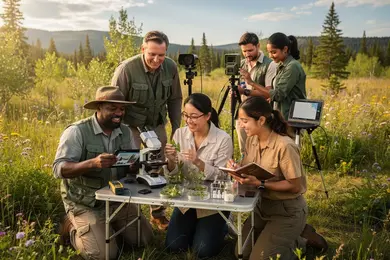
Competitive tracks, such as wildlife ecology or marine biology, require demonstrable technical skills like Geographic Information Systems (GIS), molecular methods, or ecological modeling. These competencies correlate directly with employability and earning potential; UK salary data from NextGen Learning's 2025-2026 report indicates wildlife ecologists and marine biologists earn up to £70,000 and £80,000 annually, respectively, validating the market premium for applied ecological expertise.
Students should assess programs based on logistical demands, including intensive seasonal fieldwork or lab rotations, which test physical stamina and adaptability beyond academic aptitude. Interdisciplinary options-such as environmental policy or bioinformatics-can widen career pathways but may require balancing between breadth and depth.
For those pivoting or advancing careers, proficiency in data analytics, biological data coding, and grant writing is increasingly necessary. Without these applied skills, graduates face restricted job prospects since employers prioritize versatile candidates able to integrate theoretical knowledge into practical outcomes.
How do biological sciences skills translate into specific careers, roles, and job titles?
The rising demand for professionals blending biology expertise with business and strategic skills has reshaped career opportunities in biological sciences. Job postings for roles requiring fluency in both areas have increased almost 40% over five years, signaling a shift toward hybrid positions such as biotech product managers and life sciences strategic consultants. This trend emphasizes employer preference for candidates who navigate technical challenges while contributing to project direction and commercialization.
For example, in pharmaceutical industries, clinical trial coordinators must combine rigorous understanding of experimental protocols with compliance to complex regulatory standards. In agricultural biotech, field application scientists translate laboratory data into practical, scalable solutions, necessitating strong interdisciplinary communication and project management abilities.
Choosing educational pathways requires weighing deep specialization against versatility. Pure research tracks cultivate detailed technical skills but may limit upward mobility without business acumen or leadership training. Conversely, integrating entrepreneurship, data analytics, or intellectual property coursework opens avenues in technology transfer, business development, or innovation management where biology forms a foundation for commercial impact.
Employers expect candidates to demonstrate practical skills such as regulatory documentation, data interpretation, and multidisciplinary teamwork, often through internships or cross-functional projects. Neglecting these areas can cap career growth despite academic strengths. Early incorporation of business fundamentals enhances alignment with market demands and strengthens employability within evolving life sciences sectors.
What salaries and job outlook can you expect with high-demand biological sciences skills?
Salary potential within biological sciences heavily depends on combining technical expertise with complementary skills such as communication, teaching, and project management. Entry salaries for laboratory research or bioinformatics roles often range from $75,000 to $90,000, whereas teaching or outreach-focused positions generally offer $55,000 to $70,000. This split reflects employer preferences for interdisciplinary professionals able to bridge scientific analysis with effective knowledge transfer.
Growth in biological sciences jobs is projected at 9% through 2030, fueled by synthetic biology, environmental consulting, and pharmaceutical sectors. However, the practical reality is that scientists who specialize narrowly in bench work face limited salary growth and fewer advancement paths without developing skills beyond the lab, like grant writing or stakeholder communication.
Consider a biologist transitioning into environmental consulting: success demands not just scientific assessment but also client interaction, regulatory reporting, and clear presentations. This dual focus markedly improves employability and earning power compared to purely technical roles.
Employers currently list teaching and mentoring in 60% of biosciences job postings, signaling strong market demand for outreach competencies. Key considerations for candidates are whether to build interdisciplinary skill sets for broader opportunities or remain in specialized research roles with potentially constrained career mobility.
How can students verify accredited programs that effectively build biological sciences job skills?
Accreditation alone does not guarantee that a biological sciences program will equip students with the multidisciplinary skills increasingly demanded by employers. Over half of life-science job postings expect proficiency across domains like data science, bioinformatics, and policy integration rather than isolated biological knowledge. For example, graduates who understand molecular biology but lack applied statistics may struggle in pharmaceutical data analysis roles.
Students should verify programs through trusted sources such as the Council for Higher Education Accreditation (CHEA) or the U.S. Department of Education database, confirming that curricula embed cross-sector skills as core elements instead of optional electives. Practical evaluation involves analyzing course catalogs for measurable outcomes and highlighting experiential opportunities like internships or industry collaborations that foster real-world competencies.
Employment outcomes and employer feedback serve as critical indicators of program effectiveness; if programs fail to offer transparent post-graduation data, their ability to develop relevant job skills is questionable. This gap is particularly consequential in specialized fields like synthetic biology or environmental biotech, where integration across disciplines directly impacts workforce readiness and strategic positioning.
Prospective students and professionals must consider not just accreditation status but verified skill development and tangible career alignment metrics to navigate the biological sciences education-to-employment transition effectively.
Other Things You Should Know About Biological Sciences
In 2027, job postings emphasize the need for both specialized knowledge and a broad skill set. Employers often seek candidates with expertise in specific fields, such as genomics, alongside cross-disciplinary skills in data analysis and digital tools.
Practical experiences like internships typically outweigh purely academic achievements in entry-level hiring decisions. Employers in biological sciences prioritize candidates who demonstrate hands-on competence with real lab techniques, workflows, and problem-solving under workplace conditions. Securing internships within relevant industries enhances networking and increases access to career pathways that purely academic programs do not guarantee. When choosing programs, prioritize those with structured, credit-bearing internships or cooperative education components.
Research-intensive programs emphasize deep theoretical knowledge and experimental design, preparing graduates for academia or R&D roles but may lack direct workforce skill training. Professionally oriented programs focus on technical proficiency, regulatory knowledge, and industry-standard practices, which align better with applied positions in biotech, healthcare, or environmental sectors. Candidates aiming for non-research roles should prioritize programs with clear industry partnerships and applied skill development to avoid gaps in employer expectations.
Automation and digital competencies increasingly dominate biological sciences workflows, improving efficiency and data reproducibility. However, fundamental manual laboratory skills remain essential for troubleshooting, method development, and work in smaller labs without access to advanced equipment. Students should gain both but prioritize digital literacy and automation skills to align with employer demands for scalable, technology-driven operations. Neglecting traditional fundamentals risks limited problem-solving ability, while ignoring automation limits employability in modern lab environments.
References
- Most in-demand Synthetic Biology skills today - ADLIB Recruitment https://www.adlib-recruitment.co.uk/most-in-demand-synthetic-biology-skills-today
- Which six skill areas are most in demand in Life Sciences? https://www.bcfcareer.nl/blogs/3/jlbifl-which-six-skill-areas-are-most-in-demand-in-life-sciences%3F
- Which Skills Are Relevant To Your Life Science Job Search? https://www.panda-int.com/insights/which-skills-are-most-relevant-to-your-life-sciences-job-search-/
- How to Get Into a Biology Program in Europe: The Realistic Guide - StudyinEurope.eu https://www.studyineurope.eu/biology/admission-guide/
- Can Online Biology Courses Replace In-Person Labs? https://www.straighterline.com/blog/can-online-biology-courses-replace-in-person-labs
- Careers Guidance https://www.rsb.org.uk/career-guidance.html
- Skills Gap: What Are The Most Sought-After Skills In Life Sciences & How Is The UK Bridging The Gap https://www.meetlifesciences.com/media-hub/blog/skills-gap--what-are-the-most-sought-after-skills-in-life-sciences---how-is-the-uk-bridging-the-gap/
- The Key Skills Life Sciences Employers Are Looking For | Agenda Life Sciences https://agendalifesciences.com/the-key-skills-life-sciences-employers-are-looking-for/
- Careers in Biological Sciences: Opportunities, Skills, and the Future of Work https://www.hyperec.com/blog/careers-in-biological-sciences-opportunities-skills-and-the-future-of-work/
- Top 5 most in-demand Life Sciences Jobs in Europe - Aspire Life Sciences https://www.aspirelifesciences.com/top-5-most-in-demand-life-sciences-jobs-in-europe/