2027 Online Biological Sciences Degrees With Research-Ready Life Science Curricula

Co-Founder and Chief Data Scientist
Facing increasingly complex specialization demands and constrained schedules, aspiring biological scientists must identify online degree programs that combine rigorous, research-ready life science curricula with flexible enrollment structures.
Federal data reveal that over 40% of STEM graduate students in recent years are enrolled part-time or balance education with employment, reflecting a growing need for adaptable, career-compatible learning paths. This indicates that program design must not only maintain scientific depth but also accommodate adult learners' time and mobility constraints without compromising workforce relevance.
This article examines top online biological sciences degrees that align specialized curriculum with practical accessibility to support informed, effective enrollment decisions.
Key Things You Should Know
- Research-ready life science curricula in 2026 prioritize molecular techniques but widen skill gaps in ecological and fieldwork domains, complicating career decisions for roles requiring broad practical competencies.
- Employers report 27% higher retention rates for graduates with integrated lab and data analysis coursework, emphasizing demand for hybrid technical literacy over purely theoretical backgrounds.
- While accelerated online biology degrees reduce time-to-completion by 20%, average tuition remains 15% above non-specialized programs, pressuring candidates balancing cost with urgent workforce entry.
What is an online biological sciences degree and who is it best suited for?
Online biological sciences degree programs for working professionals must be evaluated with a clear sense of their inherent tradeoffs. While these programs deliver foundational and advanced biological sciences knowledge remotely—through virtual labs, simulations, and research-oriented projects—candidates should assess the practical limits caused by restricted hands-on lab access.
This is particularly relevant for recent high school graduates or military personnel seeking educational flexibility but requiring physical laboratory experience for research-intensive roles.
Employers in sectors such as biotechnology, environmental consulting, and healthcare increasingly prioritize candidates who show independent learning capability and proficiency with digital lab technologies. However, students should proactively pursue local internships or hybrid program modules if they intend to enter roles involving extensive bench work or field studies.
In contrast, those focused on computational biology, bioinformatics, or regulatory affairs may gain distinct advantages from the convenience of a fully online curriculum aligned with workforce trends.
The best candidates for online biological sciences degree studies understand the importance of accreditation, rigorous research content, and employer networks to maintain credential value over time. Graduates must also develop strong time management and virtual communication skills to navigate the program effectively.
Understanding career trajectories is critical: those weighing this educational path should consider positions with realistic hands-on opportunities. For insight into outcomes linked with this degree, consider reviewing jobs with biology degree.
How do online biological sciences degrees compare to on-campus programs in quality and outcomes?
Online biological sciences degrees increasingly offer parity with traditional on-campus programs, but this heavily depends on program design, particularly the integration of hybrid or fully online lab components. Over 70% of U.S. institutions with high research activity provide upper-division biology labs or research-methods courses in formats that combine remote instruction with hands-on experiences.
This addresses long-standing gaps in student outcomes in online biological sciences degree programs, moving beyond theoretical coursework to applied skills that employers prioritize.
In practice, pharmaceutical and biotech employers focus on lab proficiency demonstrated through hybrid or local experiential learning rather than mere online credentialing. Students must carefully assess whether programs include partnerships with local labs or research centers, as fully asynchronous curricula without in-person elements risk leaving graduates ill-prepared for experimental roles requiring advanced technical competencies.
From an employment perspective, degree holders from programs that balance remote instruction with practical components report comparable job placement rates in research assistantships and biotech fields to on-campus graduates. Key decision points for prospective students include verifying hybrid-format lab coursework and planning for local internship opportunities to replicate on-campus exposure. Without these, career viability in laboratory-intensive positions diminishes.
Those considering a strategic educational pivot should weigh these factors carefully and may also explore complementary fields. For insights on interdisciplinary advancement, consult resources like the best data science masters programs, which can augment biological sciences expertise.
Which accreditation and quality standards should online biological sciences programs meet?
Programs offering online biological sciences degrees in the United States face rigorous accreditation standards essential for degree credibility and workforce relevance.
Graduates targeting roles in competitive research or regulated industries must ensure their program holds regional accreditation recognized by the U.S. Department of Education and meets specialized criteria from bodies such as the Council for Accreditation of Educator Preparation (CAEP) or the Accrediting Bureau of Health Education Schools (ABHES). Without this alignment, credit transfers and recognition by employers or graduate programs can be significantly impaired.
Quality assurance criteria for online biological sciences degrees increasingly emphasize measurable skills tied to employer needs, including data analysis, molecular techniques, and experimental design. Evidence from a 2024 Journal of Microbiology & Biology Education study found students in online lab courses perform within 2% of their on-campus peers, with notably higher confidence in core lab competencies—a key factor for sectors like clinical research and biotech, where practical proficiency is non-negotiable.
Some programs integrate project-based learning and remote lab simulations, yet these remain insufficient without supervised, in-person lab experiences or established partnerships with local facilities. Prospective students aiming to enter environments such as pharmaceutical R&D or environmental monitoring must weigh whether online offerings deliver authentic hands-on training verified by industry advisory input, as lacking this component can limit employability.
Aligning curricula with frameworks from leading scientific organizations, including the American Association for the Advancement of Science (AAAS), ensures graduates meet competency benchmarks vital for data-driven roles.
For those comparing biology pathways, examining options like an exercise science online degree may also provide insight into modality differences and workforce integration approaches.
What core courses and life science lab experiences do online biological sciences curricula include?
Proficiency in experimental design, data analysis, and lab safety remains a decisive factor in biological sciences employability, particularly when balancing online study with practical skill acquisition. Core curriculum courses in online biological sciences typically integrate molecular biology, genetics, cell biology, and ecology with quantitative methods like biostatistics and bioinformatics. However, these programs must address the complex challenge of life science lab training in online biological sciences programs by simulating hands-on techniques via virtual labs or at-home kits.
While these adaptations help, certain roles—such as pharmaceutical research or environmental biology—demand demonstrated competency in molecular techniques or field data collection that cannot be fully replicated virtually.
Graduate readiness increasingly depends on hybrid formats or local lab partnerships, which require students to navigate technology access and logistical constraints. For example, employers expect proficiency validated through authentic lab submissions, making curriculum choices with robust lab components critical for career mobility.
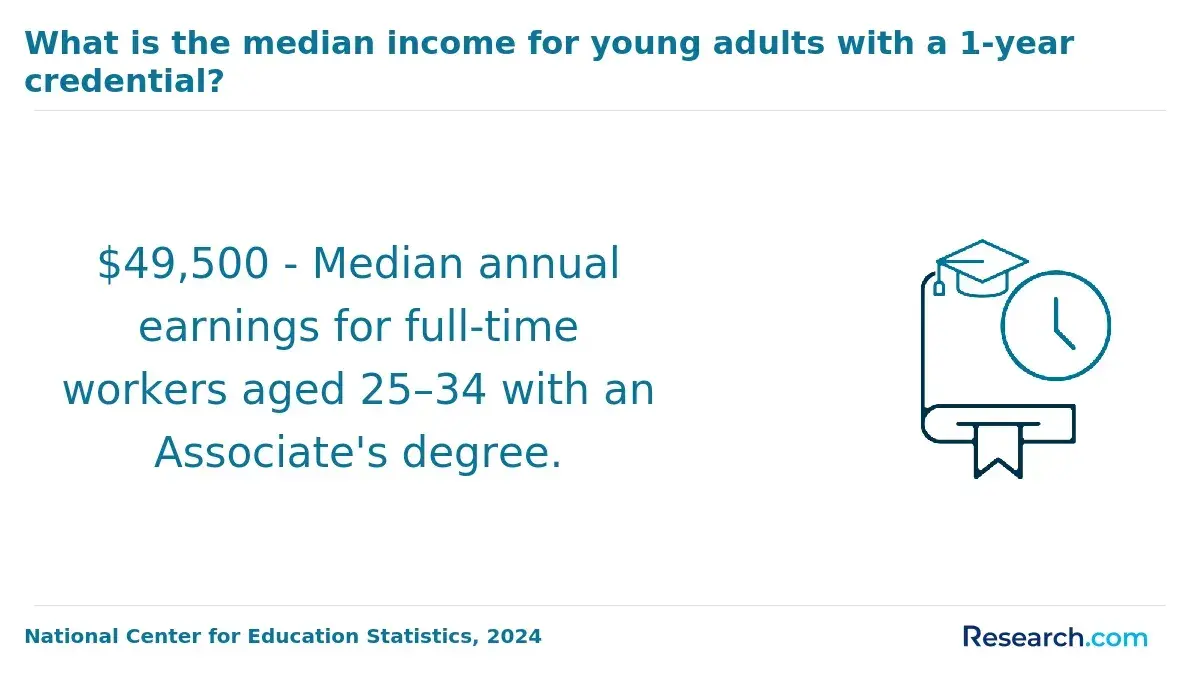
The U.S. Bureau of Labor Statistics notes biological scientists with bachelor's degrees have a median wage 63% higher than those with associate degrees in science support roles, underscoring the payoff of rigorous lab training.
Projected 4% employment growth for 2024-2034 points to steady demand, though practical tradeoffs remain between accessibility and depth of hands-on experience. Prospective students seeking affordable options may consider programs identified as the cheapest online environmental science degree pathways.
How do online biological sciences programs handle labs, research, and fieldwork requirements?
Fully online biological sciences degrees introduce a significant tradeoff between flexibility and hands-on proficiency. Programs that omit in-person labs rely on virtual simulations to mimic experiments, offering data analysis practice but falling short on tactile skills essential for many lab technician and research roles.
Conversely, hybrid formats requiring one- to two-week campus intensives or regional fieldwork placements better satisfy employer expectations for practical competence, though they impose logistical challenges and may prolong degree completion.
Fieldwork often depends on local partnerships, requiring students to navigate placement logistics that can delay timely graduation. Remote research projects foster collaboration through shared databases and virtual meetings, yet success demands robust self-direction and technical savvy. Graduates entering lab-intensive sectors without direct hands-on experience frequently need supplementary certificates or internships to achieve workforce readiness.
Employers acknowledge that fully online public bachelor's programs in biological sciences cost roughly 28% less annually—about $9,600 versus on-campus alternatives—reflecting tuition savings reported by NCES IPEDS data. However, this cost advantage can diminish if practical skill gaps lead to extended training periods or delayed entry into conservation, clinical research, or field biology roles.
Students must weigh access to regional field opportunities and quality of research supervision against their career aims. Those aiming for immediate workforce integration should prioritize programs blending virtual and in-person elements to secure both theoretical knowledge and validated practical skills.
What are the typical admissions requirements for online biological sciences bachelor's and master's degrees?
Online biological sciences programs increasingly require prior lab experience, shaping admissions and employability outcomes. As of a 2024 survey by the American Council on Education, 62% of online undergraduate STEM programs mandate a lab science course—a 15-point increase since 2018. This reflects employer priorities for graduates equipped with hands-on skills despite the virtual format.
Undergraduate applicants typically need completed high school biology and chemistry, often alongside physics or advanced math. Admission criteria include transcripts, test scores (sometimes optional), and recommendations focused on scientific aptitude. Those without lab experience face the tangible challenge of completing prerequisite courses or hybrid components necessary for careers in biotechnology or molecular biology, where practical proficiency is non-negotiable.
Master's applicants must hold a relevant bachelor's degree with around a 3.0 GPA, validated expertise in genetics, microbiology, and biochemistry, and often must submit subject-specific GRE scores. Practical research or internships significantly enhance employability by demonstrating immediate readiness for applied research roles.
Career changers must weigh logistic and financial burdens of fulfilling in-person lab prerequisites, especially when programs are hybrid. Remote theory options paired with local lab partnerships create geographic and scheduling tradeoffs critical for working professionals.
How long do online biological sciences degrees take and what do they typically cost?
Selecting an online biological sciences degree requires balancing duration, cost, and job-market relevance. Bachelor's programs typically span 3 to 4 years, while master's degrees range from 1.5 to 3 years depending on full- or part-time study. Working professionals often take longer than four years to accommodate work commitments, which increases overall expenses.
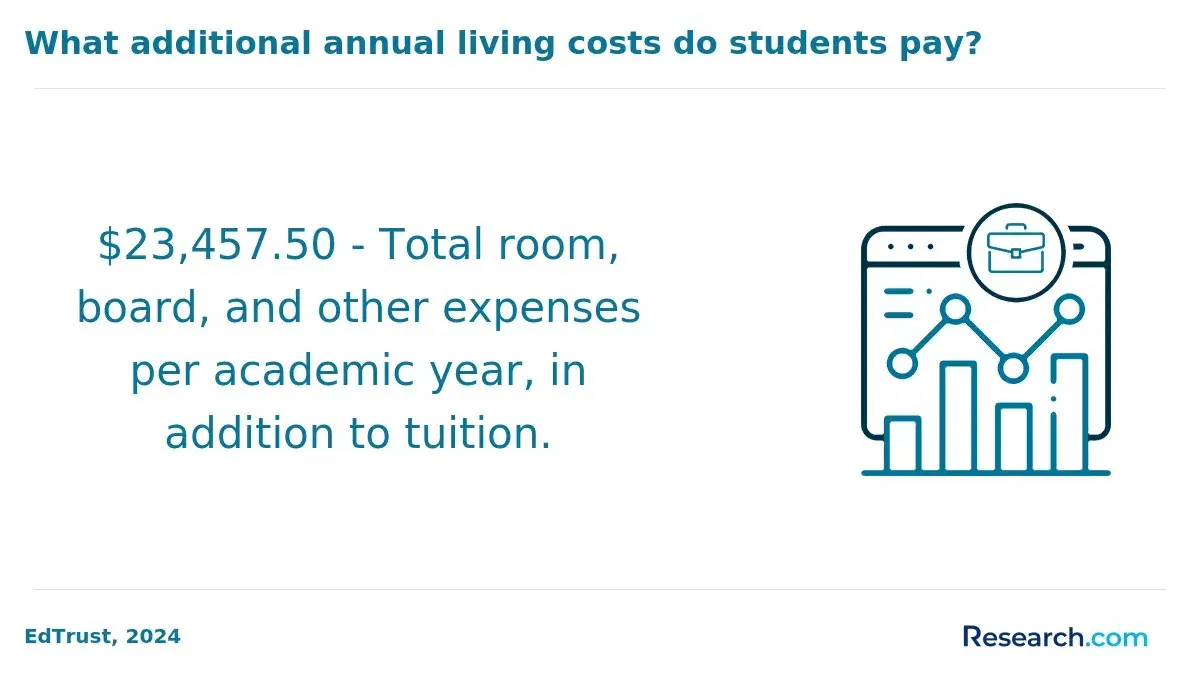
Tuition varies substantially, generally falling between $15,000 and $40,000 annually, with public institutions being more affordable than private ones. Additional fees for lab access, technology, or specialized materials can tack on $1,000 to $3,000 yearly, impacting true cost considerations.
Employers prioritize skills in molecular biology and biotechnology, with job postings rising 28% from 2020 to 2023, according to the Burning Glass Institute. This demands curricula focused on practical, research-ready competencies, particularly for those targeting biotech R&D roles.
For students aiming at industry lab technician positions, accelerated tracks or embedded certificates within bachelor's programs can reduce time and expense while delivering relevant skills. However, those seeking advanced research roles must factor in extended study periods and higher tuition against the higher salary multipliers a master's credential offers.
Access to physical lab facilities or affiliated research centers remains a logistical hurdle, especially for online learners, affecting scheduling and geographic flexibility. Clinical placements and internships often delay graduation, further influencing financial and timeline projections.
What careers can an online biological sciences degree lead to in research and industry?
Employers in pharmaceutical, biotech, and research sectors prioritize candidates with tangible research experience gained through undergraduate programs. Practical work such as capstone projects or lab-based studies serves as a proxy for skills employers expect in roles requiring data analysis, experimental design, and scientific communication.
For instance, professionals entering drug development must be proficient in molecular biology techniques and regulatory compliance, while research assistant positions demand adherence to complex protocols and contributions to publications.
Online biological sciences degrees that omit substantial research components can place graduates at a disadvantage in competitive job markets. Those lacking relevant project experience often face obstacles securing positions that involve managing grant-funded studies or performing rigorous data analyses. Working professionals shifting into biological sciences should critically evaluate program requirements to ensure curriculum rigor aligns with employer expectations.
Key proficiencies sought in the workforce include:
- Experimental design and lab techniques
- Data management and statistical analysis
- Scientific writing and presentation
- Use of bioinformatics and laboratory software
- Regulatory frameworks and compliance knowledge
Given the market trend toward emphasizing applied research skills, prospective students and career changers must weigh program structure and outcomes to avoid gaps between education and employment readiness. This approach enables informed decisions that target roles offering practical growth rather than abstract credentials.
What salary ranges and job outlook can biological sciences graduates expect in the U.S.?
Starting salaries for biological sciences graduates in the U.S. typically range from $45,000 to $65,000, but these figures mask significant variation based on role and sector. Entry-level positions such as research assistant or lab technician in pharmaceuticals or environmental consulting tend to cluster near $45,000.
In contrast, roles in regulatory affairs or bioinformatics often command starting pay closer to $60,000. This divergence reflects practical employer preferences for specialized skills and industry alignment over generic degree attainment.
The job outlook for life, physical, and social science occupations projects a 6% growth rate over the next decade, influenced by demand in healthcare, environmental sciences, and biotech. Yet geographical factors and experience gaps affect salary trajectories: graduates in rural areas or those lacking hands-on lab work often face slower growth and earnings capped near $50,000 without additional certifications or internships.
More than 85% of online bachelor's programs in biological and biomedical sciences maintain regional accreditation, ensuring degree validity. However, employers consistently factor experiential learning and intern history heavily into hiring decisions. Those aiming for higher-paying roles—such as biostatistician or clinical research coordinator—need graduate degrees and continuous skill development to realistically access salaries from $80,000 to $110,000.
Flexibility in location, readiness to pursue specialization, and active networking within scientific circles mitigate common underemployment risks, pointing to strategic choices that influence both immediate job placement and long-term career mobility.
How can students choose a reputable online biological sciences program aligned with their goals?
Accredited programs with curricula tightly aligned to targeted biological sciences roles significantly improve job prospects, especially in specialized sectors such as medical technology or biotechnology. Employers prioritize candidates with practical lab experience integrated with current molecular biology training over those with purely theoretical backgrounds.
For instance, students aiming for hospital lab technician positions should seek out degrees offering supervised clinical practica rather than classroom-only content.
The U.S. Bureau of Labor Statistics projects a 5% growth in employment for medical and clinical laboratory technologists from 2024 to 2034, with median wages above the national average. Yet, graduates lacking lab skills or exposure to courses in biochemistry, genetics, or bioinformatics may find their hiring options severely limited. Programs omitting these subjects risk producing candidates ill-prepared for research-intensive or diagnostic roles.
Working professionals must weigh program flexibility carefully. Part-time and asynchronous models allow those balancing family or employment to complete degrees without excessive disruption. However, in-person requirements can create geographic and scheduling conflicts, undermining completion chances.
Key evaluation metrics include:
- Accreditation by regionally recognized bodies to ensure academic quality and employer acceptance
- Opportunities for clinical or research practicums, even through remote arrangements
- Comprehensive curricula covering essential courses like biochemistry and bioinformatics
- Career services and employer connections supporting job placement in competitive markets
Graduates' employment outcomes and institution-provided job placement support ultimately reflect a program's real-world value, impacting return on investment and long-term career trajectory within biological sciences.
Other Things You Should Know About Biological Sciences
Yes. Many research-ready online biological sciences degrees require 1 to 3 short in-person lab residencies or campus intensives, plus a capstone or upper-division laboratory sequence. Programs may also require synchronous proctored exams and verified lab kits for at-home experimentation.
In 2027, online biological sciences degrees offer flexible schedules tailored for working professionals. These programs allow students to balance their careers with their education, often featuring asynchronous classes and part-time options, making it feasible to manage both responsibilities effectively.
Employers increasingly recognize accredited online biological sciences degrees, especially from established universities with research-oriented curricula. However, degrees without clear lab components or from lesser-known institutions may face skepticism in competitive job markets. Candidates should highlight any completed research projects or internships within their program to strengthen employer confidence.
Specialized programs offer focused expertise in areas like molecular biology or environmental science but often have fewer elective options and narrower career flexibility. Broad biological sciences degrees provide versatility and foundational knowledge useful for diverse roles but may lack depth for highly technical positions. Students should choose based on career goals: prioritize specialization if targeting specific fields or research roles; opt for breadth if planning adaptable paths or interdisciplinary work.
References
- Online Bachelor's Degrees in Biology: Top Schools & Programs https://www.edumed.org/online-schools/biology-degrees/
- The Need of Accreditation in Online Degree Programs https://www.onlinecu.in/blog/cu/the-importance-of-accreditation-in-online-degree-programs.php
- Online Biology Degrees https://mycollegeguide.org/online-biology-degrees/
- Accreditation https://www.rsb.org.uk/accreditation.html
- How Online College Degree Programs Can Transform Your Life https://www.tuw.edu/school-news/online-degree-programs-transform-your-life/
- Best Online Life Sciences Courses and Programs | edX https://www.edx.org/learn/life-sciences
- Careers in Biology https://www.aibs.org/careers/
- Top 15 Highest‑Paying Pharmacy Jobs in the UK 2025 (Including Salaries) https://apexlearning.org.uk/highest-paying-biology-degree-jobs-2025-2026/
- Online Biology Course: Complete Guide to Flexible Science Education [2025] - Prereqcourses https://www.prereqcourses.com/online-biology-course/
- Acenet https://www.acenet.edu