2027 Best Online Bachelor's in Biological Sciences for Biotechnology Career Paths

Co-Founder and Chief Data Scientist
Professionals aiming to enter biotechnology often confront a pivotal dilemma: balancing rigorous scientific training with full-time employment and personal commitments. The National Center for Education Statistics reported a 14% surge in adult enrollment in online bachelor's programs since 2022, signaling growing demand for flexible, career-aligned education. This trend reflects the escalating need for accessible programs offering deep biological sciences knowledge without sacrificing work experience or income. Employers now increasingly seek candidates who combine practical biotech skills with formal credentials achieved under real-world constraints. This article evaluates the best online bachelor's in biological sciences tailored for biotechnology career paths, guiding students through critical program features that optimize career mobility, timing, and employer alignment.
Key Things You Should Know
- Online bachelor's in biological sciences programs often lack hands-on laboratory components critical for biotech roles, forcing graduates to pursue costly certifications or in-person internships to meet employer skill thresholds, per NIH workforce data.
- Employers in biotech prioritize candidates with demonstrated competencies in bioinformatics and regulatory knowledge; programs without integrated interdisciplinary curricula risk limiting graduate placement in top-tier firms, according to 2024 industry hiring analyses.
- Delays in graduation caused by remote lab access restrictions increase total educational costs by 12% on average, impacting working professionals' return on investment timelines, as reported in recent National Center for Education Statistics findings.
What is an online bachelor's in biological sciences for biotechnology careers and who is it for?
An online bachelor's degree in biological sciences for biotechnology careers must deliver more than foundational knowledge; it requires integrating lab proficiency with applied biotech skills to meet employer expectations. Students balancing work and study, such as those in pharmaceutical manufacturing, benefit from flexible schedules that allow immediate application of coursework to quality control and production roles. However, graduates lacking verified local lab access or practical internships face hurdles in demonstrating hands-on competence, a critical factor in biotech job performance.
Growth projections for biological technicians outpace general occupational averages, but entry-level roles demand genuine expertise in lab equipment handling and data analysis. Programs best suited to aspiring biotech professionals emphasize wet lab techniques and biochemistry over theoretical biology alone. Without this focus, candidates risk limited employability in research-driven firms that prioritize experiential learning and technical fluency.
Tradeoffs to consider include reduced in-person networking inherent in online formats. Proactive engagement through remote internships, virtual labs, or local biotech meetups can partially offset this deficit. Those targeting product development, clinical research, or regulatory affairs must select curricula aligned with these sectors' specific competencies and expectations.
The best online biological sciences programs for biotechnology professionals are those that integrate internship opportunities and prioritize applied skills to maximize readiness. For insights on job outcomes linked to such degrees, see biology degree jobs.
How do online biological sciences degrees prepare you specifically for biotechnology career paths?
Online biological sciences degree benefits for biotechnology careers depend heavily on a program's ability to impart relevant technical and regulatory proficiencies alongside theoretical knowledge. While these degrees often integrate molecular biology, genetics, and bioinformatics, the real value for students lies in gaining practical skills demanded by employers, such as experimental design, data analysis, and compliance with quality control standards. For example, proficiency in interpreting complex biological data through software tools ensures bioinformatics readiness critical to many biotech roles.
However, the limited physical lab component in online formats necessitates deliberate pursuit of internships or research collaborations to bridge experiential gaps. The ability to balance coursework with part-time industry internships can significantly determine job placement success in biotechnology. Programs that simulate laboratory techniques in virtual or hybrid environments partially offset this limitation but cannot fully replace hands-on industry exposure.
The U.S. Bureau of Labor Statistics projects an 11% employment growth for biomedical and bioengineers from 2023 to 2033, reflecting sustained demand with a 2024 median wage of $107,190. Such labor market data underscores the potential return on investment of an online biological sciences degree when combined with real-world experience and network support.
Beyond bachelor's and master's tracks, those seeking to expand data-centric career options should consider exploring a doctorate in data analytics online, which complements the biological sciences skills for biotechnology job readiness with advanced quantitative expertise.
Which types of accredited colleges offer the best online biological sciences programs for biotechnology?
Public regional and research universities hold a distinct advantage for students seeking accredited online colleges for biological sciences programs in the United States, especially when targeting biotechnology careers. These institutions blend rigorous STEM curriculum with technology integration and often include virtual labs and research partnerships that simulate critical hands-on experience. This alignment with industry expectations ensures graduates develop proficiency in bioinformatics, genetic engineering fundamentals, and specialized lab management software.
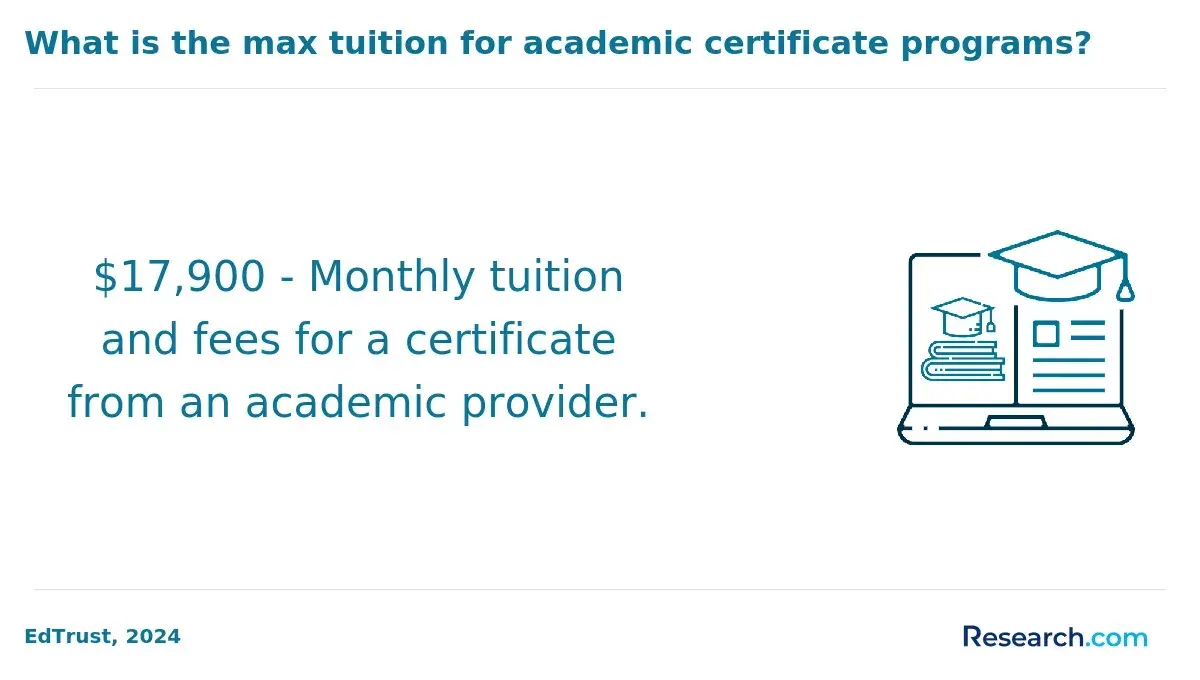
Cost efficiency represents a significant practical benefit: a 2024 National Center for Education Statistics report indicates that undergraduates attending public institutions primarily via distance education pay roughly 21% less in tuition and fees than those enrolled solely in-person. For professionals making a strategic mid-career pivot, this cost differential can be decisive.
In contrast, private nonprofit universities may offer greater scheduling flexibility but tend to deliver fewer biotech-specific electives and less integrated research exposure. For-profit colleges often prioritize accelerated degree completion, risking gaps in laboratory expertise and critical thinking skills employers demand.
Hiring managers explicitly prefer candidates from accredited programs embedding applied biotechnology skills and those offering internships or partnerships with biotech firms. Prospective students should scrutinize these elements when evaluating top accredited universities offering online Biological Sciences degrees for biotechnology careers.
Those exploring pathways in this field may also consider options that integrate cross-disciplinary training, including related areas highlighted in library science degrees online, which complement data management skills increasingly important in biotech sectors.
What accreditation and program quality standards should online biological sciences majors look for?
Choosing an online biological sciences program requires scrutiny beyond advertised curricula to avoid gaps that impair employability. Regional accreditation from bodies accepted by the U.S. Department of Education is foundational; without it, graduates may struggle with employer recognition or admission to graduate schools. For students targeting biotechnology careers, extra validation through specialized accreditations such as ABET or endorsements from professional organizations enhances alignment with industry standards.
The quality criteria for online biological sciences degrees in the US extend into hands-on learning modalities. Programs relying solely on theory risk leaving graduates unprepared for technical roles demanding proficiency in molecular lab techniques or bioinformatics tools. Effective programs incorporate virtual labs or partnerships enabling real-world skill acquisition, a non-negotiable for competitiveness.
Employment data reflect this need for practical experience. The U.S. Bureau of Labor Statistics expects a growth of over 20,000 jobs for medical and biological scientists between 2023 and 2033, predominantly driven by biotech innovation. Candidates without direct exposure to internships or updated biotech courses often face delays entering the workforce due to additional training requirements.
Prospective students should also evaluate how programs facilitate career placement through established employer networks and industry collaborations, which are decisive for navigating the evolving science and regulatory landscape. These factors combined shape the long-term market value of an online biological sciences program.
For those weighing options in graduate education, comparing pathways like a masters in library science can reveal important differences in accreditation standards and career support models applicable to biological sciences.
How does an online biological sciences degree compare with campus programs for biotech careers?
Online biological sciences degrees provide solid theoretical grounding but frequently lack the hands-on laboratory experience essential for many biotech roles. The U.S. biotech sector is on track to reach about $3 trillion in output by 2030, according to the Biotechnology Innovation Organization's 2024 report, yet most employers expect entry-level candidates to demonstrate practical skills in lab techniques, manufacturing processes, or quality assurance. Campus-based programs typically offer direct access to laboratories, industry-grade equipment, and mentorship, which critically shape these competencies.
Virtual labs and simulations used in online programs fall short of replicating real-world conditions and the immediate problem-solving encountered in physical labs. Students focused on research or production roles must arrange supplemental internships or local lab partnerships-a process that can introduce logistical and financial challenges.
For example, manufacturing technician positions demand hands-on familiarity with equipment and compliance protocols. While campus graduates often ease into employment through university-affiliated internships, online students usually must proactively secure these experiences independently. Employers frequently prioritize documented practical exposure over degrees alone.
Those with current lab access through jobs can integrate online theoretical updates effectively, but newcomers may face barriers without campus resources. Selecting online programs with strong experiential components and employer networks can help, yet prospective students must carefully evaluate their capacity to meet practical demands outside the classroom.
What courses and lab experiences are included in an online biological sciences curriculum for biotechnology?
Online biological sciences programs targeting biotechnology careers require navigating significant tradeoffs between theoretical rigor and hands-on lab experience. Though extensive coursework in molecular biology, genetics, and bioinformatics builds essential knowledge, limited physical lab access often challenges workforce readiness for positions emphasizing compliance and quality control. For instance, a candidate pursuing pharmaceutical roles must prioritize programs with hybrid or on-site residencies that validate wet-lab competencies critical for meeting industry standards.
Employers expect graduates to combine strong analytical skills with practical proficiency in techniques like PCR, gel electrophoresis, and protein purification. Programs integrating case studies on regulatory affairs, biomanufacturing, and ethics enhance preparedness but cannot replace authentic lab exposure. Supplementing online instruction with third-party internships or research collaborations is often necessary to meet these applied skill demands.
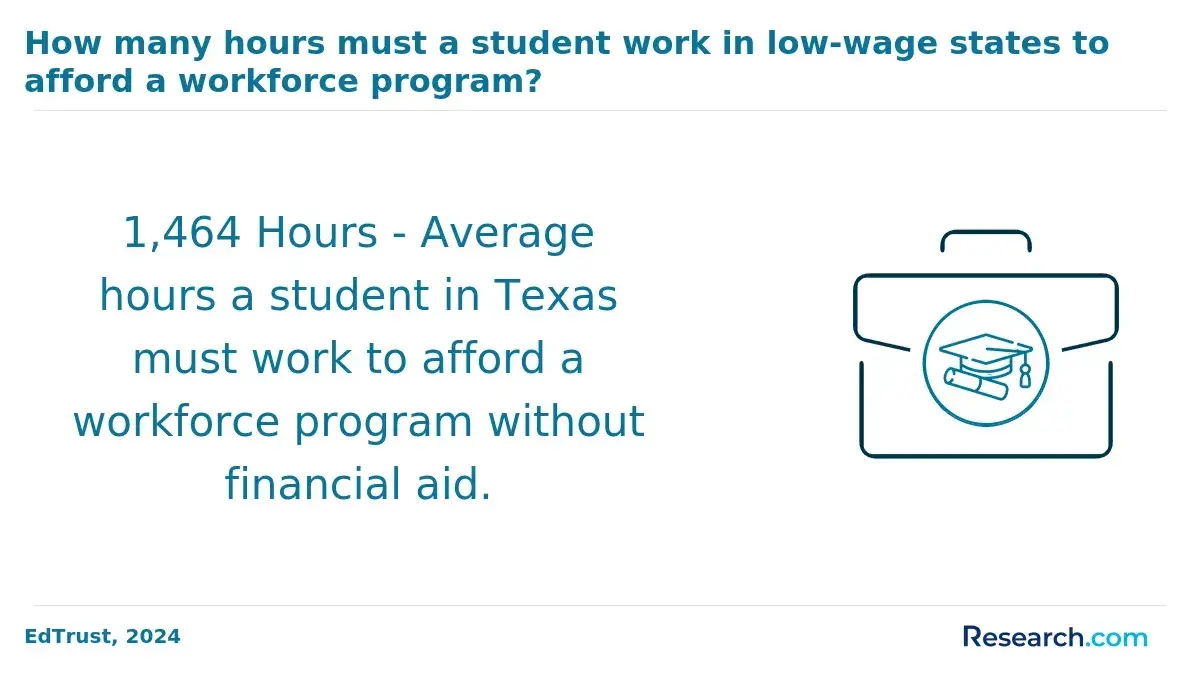
Cost considerations also influence decisions, with median annual tuition for accredited online bachelor's in biology programs around $9,500, lower than many private campus options. However, prospective students must weigh these savings against potential constraints on developing comprehensive lab skills, especially those aiming to enter competitive biotech sectors requiring proven experimental dexterity alongside bioinformatics capabilities.
- Robust coursework supports knowledge foundations but may not substitute hands-on proficiency.
- Hybrid or in-person lab components enhance employability in regulated biotech fields.
- Internships and partnerships often fill gaps left by limited online lab access.
What are the typical admission requirements and application materials for these online bachelor's programs?
Online bachelor's programs in biological sciences designed for biotechnology careers require more than academic readiness; they act as a filter for candidates' ability to manage a predominantly virtual, self-directed learning environment. Admissions typically demand official high school transcripts showing proficiency in core sciences and math, with many programs still valuing standardized test scores, though test-optional policies have become somewhat common. A personal statement or essay assessing motivation and career goals is essential to distinguish applicants beyond academic metrics.
For applicants bridging a career pivot or lacking recent STEM engagement, submitting a resume that highlights relevant lab experience, internships, or research can strengthen applications. Letters of recommendation from science-related mentors remain important to verify practical skills and analytical capacity.
Tradeoffs exist: online delivery limits spontaneous lab collaboration, so programs with clear prerequisite coursework help ensure students are technically prepared. Early dialogue with admissions staff about transfer credits and experiential requirements reduces logistical barriers for working adults. Employers in biotechnology expect graduates to demonstrate both rigor and applicable lab proficiency, making a curriculum's balance between theory and hands-on skills vital.
Applicants should weigh how well an online program's structure supports self-discipline and practical skill acquisition, as these factors directly affect post-graduation employability in a competitive field largely shaped by evolving industry standards and technology demands.
How long do online biological sciences programs take, and what do they cost for biotech students?
The decision to pursue an online biological sciences program for a biotechnology career requires balancing time, cost, and workforce relevance. Standard full-time tracks span four years, yet accelerated formats-often demanding heavier course loads-can shorten this to two or three years, mostly suitable for students with prior college credits. However, these compressed schedules may reduce hands-on lab experience, a critical component for many employers in biotechnology.
Tuition varies significantly: public universities typically charge $40,000-$60,000 for out-of-state students, while private institutions often exceed $60,000 and can surpass $100,000. Many programs exclude additional fees for labs or specialized materials, which are essential in biotech training. These hidden costs can impact overall affordability and practical readiness.
Labor market data reveals that approximately 55% of biotech and pharmaceutical lab technician positions require a bachelor's degree as the highest credential, making the completion of a full undergraduate program strategically important for direct entry into these roles.
Cost-conscious students should consider:
- Extended timelines from part-time study increase total expenses and delay workforce entry.
- Programs with integrated lab work or industry partnerships often require on-site commitments, affecting both budget and scheduling.
- Employer preferences emphasize verified lab skills alongside academic credentials, so program choice must align with practical skill development demands.
What biotechnology jobs, salaries, and advancement opportunities can graduates pursue with this degree?
Graduates with a bachelor's degree in biological sciences aiming for biotechnology roles face a significant skills gap that affects employability and initial salary potential. While typical entry-level salaries range from $50,000 to $70,000, mastering practical bioprocessing and data-analysis skills is essential; over 70% of biotech employers report difficulty finding bachelor's graduates with these competencies. Without hands-on experience in automation and statistical quality control, many remain confined to junior technician roles or must pursue additional credentials.
Advancing within 3 to 5 years often depends on quickly adapting to evolving biomanufacturing technologies, such as automation software and regulatory compliance tools. For instance, a bioprocess technician proficient in these areas may move up to process development scientist or production supervisor positions, while others risk stagnation.
Continuous skill updating is necessary due to rapid innovation in genetic engineering and biopharmaceutical manufacturing. Employers favor candidates with integrated training in bioinformatics alongside core biological sciences knowledge. Therefore, students should prioritize programs that incorporate internships or cooperative education to build relevant competencies aligned with workforce expectations.
These realities impact career resilience across sectors like drug development, agricultural biotech, and environmental bioengineering, which collectively employ over 300,000 workers nationwide. Graduates who navigate these requirements strategically better position themselves for salary growth and long-term employability.
Are there licenses, certifications, or exams biotechnology graduates should consider after this degree?
Pursuing certifications aligned with specific biotechnology sectors sharply enhances employability and trust among employers. While entry-level roles rarely mandate licensing, regulated areas such as pharmaceuticals or clinical labs require credentials like the American Society for Clinical Pathology (ASCP) certification to access clinical research or diagnostic testing positions.
Handling biohazardous materials frequently demands the Certified Biological Safety Professional (CBSP) certification, reflecting compliance with stringent federal biosafety standards, critical for roles in government or tightly regulated industries.
Professionals targeting regulatory or quality assurance roles benefit from the Regulatory Affairs Certification (RAC), which demonstrates expertise in FDA protocols and international regulations-a must for biotech firms navigating product approvals.
Real compensation data from Georgetown University's Center on Education and the Workforce shows that individuals with biological and biomedical sciences degrees earn approximately $1.2 million more in median lifetime earnings than diploma-only holders, underscoring the tangible value of combining credentials with academic qualifications.
- Cost, study time, and industry alignment heavily influence certification choices.
- Bioinformatics roles prioritize data analysis credentials.
- Manufacturing-focused professionals often seek Six Sigma or Lean method certifications.
Additionally, competencies tied to laboratory standards, like Good Laboratory Practice (GLP) certifications, can be decisive for senior technical roles, where documented practical ability is as valued as theoretical knowledge.
Other Things You Should Know About Biological Sciences
While online degrees in biological sciences offer rich coursework, they often cannot fully replace the hands-on experience gained through in-person labs crucial for biotech careers. Many programs incorporate virtual simulations and may partner with local labs to provide students with essential hands-on experience.
Prioritizing research opportunities usually leads to stronger post-graduate employability, especially in biotech roles that require experimental design and data analysis skills. While program flexibility suits working professionals, too much emphasis on asynchronous formats can limit access to live research collaborations, mentorship, and peer learning. Prospective students should weigh immediate convenience against the long-term value of hands-on research exposure.
Some online programs reduce course difficulty or workload to accommodate remote delivery, which may cause gaps in foundational STEM knowledge critical for biotechnology careers. Students must verify whether labs, math prerequisites, and science courses maintain the same rigor as traditional formats. Programs that integrate synchronous sessions, proctored exams, and strict grading policies better preserve academic standards that employers value.
Online biological sciences degrees demand substantial time for lectures, readings, lab simulations, and assignments, often rivaling on-campus intensity. Working professionals must realistically assess their availability, as underestimating workload leads to delays or burnout. Programs with structured schedules and clear deadlines tend to support better time management and student completion rates, whereas fully self-paced formats require higher personal discipline and risk extended graduation timelines.
References
- How To Become A Biotechnologist | Biotechnology Degrees And Careers https://www.learnhowtobecome.org/science-technology-careers/biotechnology/
- Careers - Vault https://vault.com/professions/biotechnology-production-workers/requirements
- Admissions for international candidates - SWPS University https://english.swps.pl/programs/apply/application-for-international-candidates
- How to get a biotech certification: steps, benefits & top programs | edX https://www.edx.org/resources/how-to-get-a-biotech-certification
- Online Bachelor's Degree: Biotechnology https://www.umgc.edu/online-degrees/bachelors/biotechnology
- Accreditation https://www.rsb.org.uk/accreditation.html
- Required application documents https://www.vu.lt/en/required-attachments
- Admissions | Webster Vienna https://www.webster.ac.at/admissions/index.php
- Become a Biotechnologist - Degrees, Certifications & Salary https://www.healthcaredegree.com/lab/biotechnologist
- Online Bachelor's Degrees in Biology: Top Schools & Programs https://www.edumed.org/online-schools/biology-degrees/