2027 Biological Sciences Career Paths With the Strongest Momentum

Co-Founder and Chief Data Scientist
Biological sciences students frequently encounter a striking paradox: while job openings in biotechnology and environmental science sectors are expanding at a rate 1.7 times faster than the overall labor market, conventional degree timelines and rigid campus schedules limit the ability of many candidates-especially working adults-to pivot effectively. The U. S. Department of Education reports that online enrollment in life science programs surged by over 40% between 2022 and 2024, indicating a clear demand for flexible pathways that align with workforce realities. This shift challenges aspiring professionals to identify career tracks that balance accessibility with employer expectations for applied skills.
The article maps the fastest-growing biological sciences career paths, evaluating entry points, required credentials, and strategic approaches to maximize both educational investment and career mobility.
Key Things You Should Know
- Biological sciences PhD holders face a 15% employment plateau post-2024 as industry prioritizes master's-level bioinformatics experts, requiring strategic reconsideration of doctoral time investment versus market saturation.
- Employers increasingly demand combined wet-lab and data science skills, with 72% of biotech firms in a 2025 survey listing integrative computational expertise as non-negotiable, reshaping hiring criteria away from traditional specialization.
- Certificate programs offering niche training in gene editing cost 40% less on average and cut entry time by one year compared to formal degrees, pressuring candidates balancing opportunity costs against credential depth.
Which biological sciences careers are growing fastest and offer the strongest long-term momentum?
Among the fastest growing biological sciences careers in the US, biochemists and biophysicists demonstrate clear long-term momentum with employment projected to grow 6% from 2024 to 2034, outpacing average occupational growth. This growth aligns closely with sectors emphasizing molecular biology, pharmaceuticals, and biotechnology. For example, a professional focused on drug development or biophysical data analysis will likely find sustained demand but must balance this against extended education timelines and competitive research funding.
Employers prioritize candidates with advanced degrees paired with expertise in experimental design, advanced spectroscopy, and computational modeling. Practical tradeoffs include longer degree programs and the need for specialization; entry-level technician roles in biology, by contrast, typically offer slower growth and limited salary advancement.
Specializing in bioinformatics or genetic engineering within these fields further increases employability amid expanding genomic databases and synthetic biology markets.
Location also matters: biotech hubs such as Boston, San Francisco, and Research Triangle Park concentrate opportunities and higher salaries but may bring increased living costs. Combining biological sciences skills with quantitative and computational methods, especially machine learning applications, distinguishes candidates managing complex datasets in healthcare or environmental roles.
Those weighing this path would benefit from detailed outcome data and sector-specific placement insights, such as those found in 20 careers in biology, to carefully match educational investment with realistic career expectations.
What degree levels in biological sciences lead to the best-paying, in-demand roles?
Graduate degrees in biological sciences provide clear salary and employability differentiation that entry-level bachelor's degrees cannot match. While bachelor's graduates primarily qualify for technician or assistant roles with median salaries near $40,000-$60,000, advanced degrees unlock access to specialized, higher-paying positions. The highest demand biological sciences education requirements increasingly favor master's-level training combined with applied certifications in bioinformatics or clinical data science.
Clinical data scientist roles, prioritized in global R&D hiring for 2026, exemplify this trend. These positions require interdisciplinary expertise in biological sciences and data analytics, commanding salaries above $90,000.
Professionals with a master's degree plus internships or hands-on experience can achieve a $30,000-$40,000 salary increase within three years versus technician-level work. This dynamic illustrates that strategic degree-level choices paired with relevant skills have immediate financial and career trajectory impacts.
Doctoral degrees remain crucial for research-intensive or leadership roles with salaries often exceeding $120,000, but candidates face long training periods and typically limited income during study. For those needing a quicker return on investment, a master's plus targeted certifications typically balances advanced capability and time-to-workforce efficiency better.
Prospective students evaluating biological sciences degree levels for top-paying jobs should weigh the practical trade-offs between degree duration, specialization, and industry demand. Employer screening intensifies around applied experience rather than credentials alone.
For working professionals considering a strategic pivot, programs like a computer science degree online can supplement biological sciences expertise to meet evolving workforce expectations.
How do different biological sciences specialties compare in daily work, employers, and career paths?
Biological sciences specialties differ widely in daily activities, employer types, and career demands, influencing career paths based on work environment preferences and educational commitments. For instance, environmental science roles emphasize fieldwork, regulatory compliance, and data collection, typically employed by government entities, consulting firms, or nonprofits. Employment in this area is projected to grow 6% from 2022 to 2032, reflecting steady needs for regulatory expertise and sustainability initiatives.
Conversely, molecular biology and biomedical research careers are lab-intensive and require advanced degrees such as PhDs, with employers valuing research output and cutting-edge lab competencies. This restricts entry to highly educated candidates and often entails a focus on publishing and innovation. Clinical laboratory careers prioritize precision and board certifications, leading to supervisory or specialist diagnostics roles predominantly in hospital settings.
Bioinformatics blends biological sciences career paths and top employers overview with computing, demanding programming and statistical skills and offering roles across startups and research institutions. Those weighing these pathways must consider tradeoffs like field-heavy versus office-based work and differing credential expectations. Practical regulatory knowledge matters more in environmental sciences, while biotech favors technical lab skillsets.
Students exploring a strategic shift or advancement may benefit from flexible educational options such as an accelerated exercise science degree online that reduce time to credential while aligning with workforce demands and real-world job stability.
Employer Confidence Share in Online vs. In-Person Degree Skills, Global 2024

What coursework and skills do strong biological sciences programs emphasize for today's job market?
Biological sciences degree programs in North America that emphasize regulatory knowledge and data analysis address a significant workforce gap, particularly in regulatory affairs roles where experienced specialists are in acute demand through 2026. Graduates equipped with expertise in compliance frameworks, quality assurance, and practical regulatory protocols secure strong positioning for sectors like pharmaceuticals, biotech, and medical devices, reflecting essential coursework for biological sciences careers in the United States.
Program designs balancing molecular biology, biochemistry, and hands-on training in Good Laboratory Practices (GLP) and Good Manufacturing Practices (GMP) build versatile scientific skill sets. Increasingly, proficiency in data science tools such as statistical software and bioinformatics platforms is a prerequisite, enabling students to interpret complex FDA submission data and collaborate across interdisciplinary teams.
For example, a regulatory affairs professional at a biotech firm must integrate bioinformatics insights when preparing submissions, illustrating a practical tradeoff between technical depth and regulatory application.
Soft skills like communication tailored to regulatory reporting and interdisciplinary collaboration are vital. Internships or co-op placements within regulated industries offer real-world compliance experience that traditional classroom methods cannot replicate. Decision-makers face tradeoffs between dedicating academic credits to laboratory techniques versus compliance-oriented coursework, impacting readiness for immediate workforce integration.
Those pursuing a strategic career pivot or advancement should consider certifications and direct industry exposure as differentiators amid the competitive biological sciences labor market.
For professionals exploring degree options aligned with veteran status or engineering pathways, it may be useful to compare alternatives such as online electrical engineering degree programs for veterans, which also emphasize job-ready skills.
How can you choose an accredited biological sciences program that employers and graduate schools respect?
Choosing an accredited biological sciences program hinges on verifiable recognition by a U.S. Department of Education-approved regional or national accreditor, as this validation directly affects employability and graduate school acceptance. For example, genetic counseling positions typically require completion of programs accredited by the Accreditation Council for Genetic Counseling to ensure immediate workforce eligibility.
Programs with embedded, measurable experiential components-such as internships or partnerships with agencies like the CDC or NIH-offer tangible advantages in job placement by providing real-world skills aligned with employer demands. This is critical given median salaries of $93,920 for genetic counselors and $81,390 for epidemiologists, according to 2024 data in Extern's biology career guide (2026).
Prospective students should weigh graduate employment rates, targeting programs with documented placement above 80%, ideally verified by third-party sources to avoid costly educational detours. Tradeoffs between program prestige, affordability, and location also play a central role, as high-caliber programs often concentrate geographically, complicating accessibility.
Furthermore, aligning undergraduate curricula with required graduate school prerequisites avoids delays caused by supplemental coursework. Finally, the depth of institutional research output and faculty specialization often determines access to contemporary knowledge and networking opportunities critical for securing competitive roles in biological sciences.
What are the pros and cons of online, hybrid, and campus biological sciences degrees?
Online biological sciences degrees offer flexibility for those balancing work or remote living but fall short in providing essential hands-on lab experience, especially in ecology and organismal biology, which account for over half of tenure-track openings per Frontiers in Research Metrics and Analytics. Employers often doubt the practical readiness of candidates from purely online tracks for lab-intensive roles.
Hybrid programs attempt to bridge this gap by combining virtual coursework with scheduled in-person labs, but coordinating across time zones and personal obligations can be a significant hurdle. Campus-based degrees deliver consistent access to advanced lab equipment and fieldwork, critical assets when aiming for ecology-focused careers, yet they demand substantial financial and time investments, which may exclude nontraditional students or those with economic constraints.
Students targeting ecology or organismal biology niches must prioritize programs offering strong in-person research and field components. Conversely, tracks in biotechnology or computational biology can often rely on online or hybrid formats without sacrificing competitiveness. Employers increasingly expect candidates to demonstrate applied lab skills and a track record of published research, increasing the stakes for degree format choice.
Budget-conscious students should consider that cost savings from online study may be offset by expenses such as local lab internships or prolonged degree timelines due to external commitments. Ultimately, aligning degree format with specific subfield demands and career objectives remains essential to successful entry into specialized biological sciences roles.
How long do biological sciences degrees take, and what total costs should students expect?
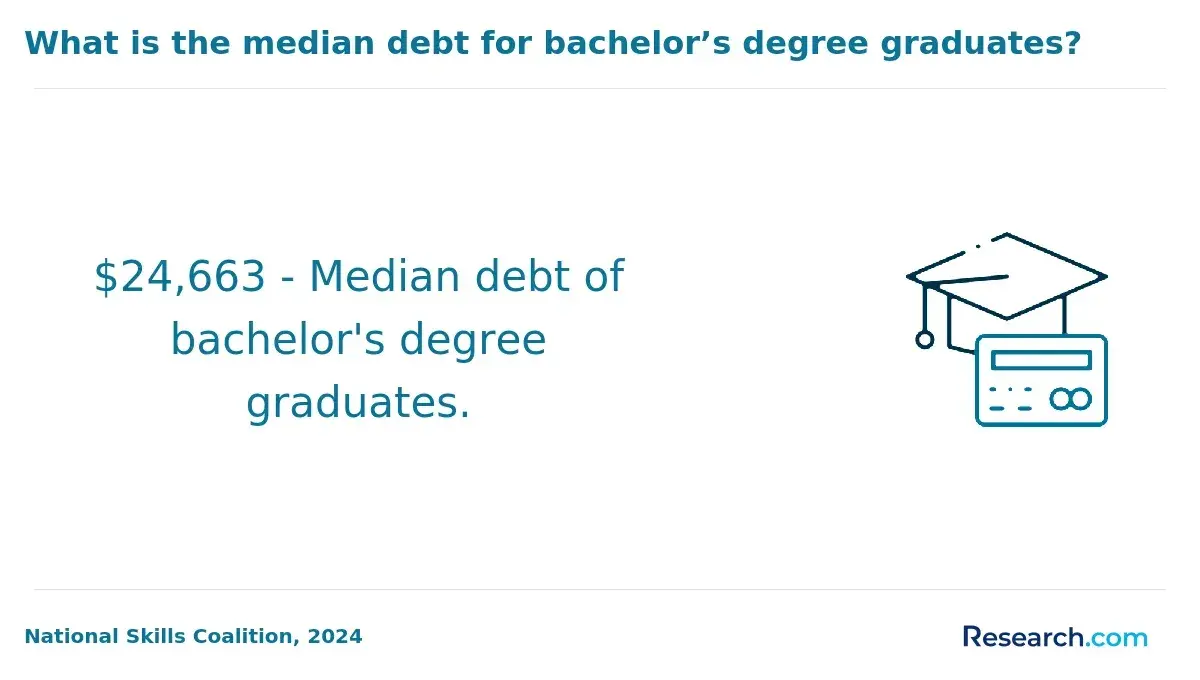
Choosing an educational path in biological sciences involves balancing time, cost, and career trajectory with realistic workforce outcomes. A bachelor's degree typically requires four years and costs between $40,000 at public in-state universities and $100,000 or more at private institutions. While community colleges offer more affordable two-year associate degrees ($6,000-$15,000), they often limit direct access to high-tier industry roles without later transfer and further study.
Graduate education extends this timeline significantly: master's programs usually require two years and cost $20,000-$50,000, while PhD programs span four to six years, often partially funded but still incurring living expenses.
These advanced degrees are essential for specialized roles such as bioprocess and automation engineering, where employers expect expert knowledge but candidates face a combined investment that can surpass $100,000 and six years before entering the workforce.
- Prioritizing programs with industry ties in biotech hubs accelerates employment.
- Entry-level lab technician roles offer quicker workforce entry but limit advancement.
- Opportunity costs of extended education remain a key factor in decision-making.
Students should integrate living costs, certification fees, and potential gaps between education stages into their financial planning. Tradeoffs include delayed earnings and slower initial career progression for bachelor's degree holders relative to graduate degree holders. Employer tuition assistance or cooperative education can mitigate expenses but is not consistently available.
What admission requirements and prerequisites do competitive biological sciences programs typically have?
Admission to competitive biological sciences programs hinges on more than academic metrics; the interplay between rigorous foundational coursework and demonstrated lab experience often determines candidacy viability. Applicants must excel in core sciences-biology, chemistry, physics-and integrate advanced math such as precalculus or calculus, maintaining GPAs frequently above 3.5 alongside SAT or ACT scores competitive within STEM cohorts.
Equally critical is practical exposure: internships or research projects tangibly supply lab proficiency institutions increasingly expect before or immediately after matriculation.
Specialized tracks focusing on molecular biology or biotechnology elevate prerequisites, often requiring college-level organic chemistry and biochemistry. This creates a pivotal tradeoff: early immersion in niche skills versus cultivating broad scientific adaptability.
For example, biology graduates who pivot to roles outside the lab, such as pharmaceutical sales, can surpass $75,000 annually, sometimes topping $120,000 with commissions, reflecting the tangible advantage of combining science expertise with communication and business acumen.
Failure to fulfill these academic and experiential prerequisites can extend time-to-degree significantly and impose financial strain through remedial coursework. Programs integrating practical skill-building aligned with workforce realities enhance graduate employability beyond the bench.
Which biological sciences careers require licensure or professional certification, and how do you qualify?
Licensure and certification in biological sciences can decisively influence career trajectories, often determining eligibility for clinical, environmental, and biotechnology roles. For instance, clinical laboratory scientists must not only complete rigorous academic programs but also accumulate substantial supervised practicum hours-commonly 1,200 or more-before passing state-recognized certification exams. This multi-stage process delays workforce entry but provides essential validation of competency.
Environmental health roles such as industrial hygienists demand credentials like the Certified Industrial Hygienist (CIH), which requires several years of work experience and a demanding examination, reflecting the high-stakes nature of occupational safety oversight in biotech facilities.
While biotechnology research positions may list certifications such as Certified Biological Safety Professional (CBSP) as optional, these credentials nevertheless enhance employability and signal adherence to safety and regulatory standards.
- Licensure processes include academic qualifications, practical experience, and state or national exams.
- Clinical roles have definitive, time-consuming certification pathways with strict regulatory oversight.
- Environmental health certifications emphasize work experience and regulatory compliance.
- Voluntary biotech certifications boost competitiveness but do not replace formal licensure.
Given the extended timeline and documented experience requirements, prospective candidates must assess how licensure impacts career timing and opportunity costs. Employers consistently prioritize individuals holding current, recognized credentials due to the precision and risk management demanded by biological sciences work.
Without these formal recognitions, advancement and employment options may be substantially limited in regulated or clinical environments.
How can internships, research, and networking help you break into high-momentum biological sciences roles?
Breaking into biological sciences roles requires more than academic credentials; hands-on internships remain a decisive factor in meeting employer expectations. For example, clinical research organizations prioritize candidates who demonstrate laboratory skills and regulatory knowledge-competencies rarely proven through coursework alone. Consequently, students lacking internship experience often encounter higher entry barriers despite comparable academic achievements.
Active engagement in research enhances critical thinking and technical problem-solving under practical constraints, cultivating capabilities essential in biotechnology and pharmaceutical sectors. However, access to research opportunities depends on early academic focus, faculty support, and institutional resources, which are unevenly distributed and present logistical challenges for many.
Effective networking sharply influences job prospects through targeted connections with mentors and industry professionals. Strategic involvement includes attending specialized conferences, joining professional societies, and leveraging alumni networks, all of which hold greater value than unfocused social media outreach.
These components interlock strategically to improve competitiveness amid approximately 136,000 annual openings across life, physical, and social science fields (U.S. Bureau of Labor Statistics). Yet this advantage carries the tradeoff of significant early investment in time and effort, often delaying income or leisure but enhancing long-term stability and upward mobility in biological sciences careers.
Other Things You Should Know About Biological Sciences
Choosing between research experience and industry internships depends on your career focus. Research apprenticeships strengthen skills crucial for graduate studies or roles in biotechnology development, but typically involve lower pay and longer commitment. Industry internships offer practical exposure, often with better pay and networking opportunities, but may lack depth in experimental design or hypothesis testing. Prioritize research experience if aiming for advanced degrees or R&D positions; prioritize internships if targeting entry or mid-level roles in applied contexts like pharmaceuticals or environmental consulting.
In 2027, bioinformatics and computational biology show strong momentum due to advancements in AI and big data applications. Environmental biotechnology is also gaining traction, driven by increasing global sustainability efforts and demand for eco-friendly technologies.
Early specialization narrows expertise and may accelerate entry into niche roles within research, healthcare, or industry, but can reduce adaptability if sector demands shift. Maintaining a broad foundational knowledge provides flexibility across multiple subfields and employers, which can be advantageous given the biological sciences' evolving landscape. For career stability and broader job market access, prioritize a balanced curriculum with room for specialization in later years or graduate study.
Biological sciences degrees demand intensive lab work, data analysis, and memorization, often resulting in longer hours than some engineering or computer science programs. Expect a consistent weekly workload including time in labs outside of standard lectures. The combination of theory and hands-on experiments requires rigorous time management, making the degree less suitable for students who cannot commit to frequent, scheduled practical sessions alongside substantial reading and writing.
References
- Careers in Biological Sciences: Opportunities, Skills, and the Future of Work https://www.hyperec.com/blog/careers-in-biological-sciences-opportunities-skills-and-the-future-of-work/
- Life Sciences Careers 2026: Top Hiring Trends & Roles to Advance Your Career | EPM Scientific https://www.epmscientific.com/en-us/industry-insights/career-advice/life-sciences-careers-2026-top-hiring-trends
- Careers - Vault https://vault.com/professions/biologists/requirements
- Biology Courses After 12th: High-Demand, Scope, High-Pay 2026 https://www.upes.ac.in/blog/health-sciences-technology/biology-courses-after-12th-high-demand
- Trainees and interns https://www.embl.org/careers/internships/
- How to Get Work Experience as a Life Science Student | Evolve Scientific Recruitment https://www.evolvescientific.com.au/news/how-to-get-work-experience-as-a-life-science-student/
- Top 10 careers in life sciences https://www.aberdeen-isc.ac.uk/blog/careers-in-life-sciences
- 22 Biology Major Jobs: What to Do with a Biology Degree | USAHS https://www.usa.edu/blog/careers-for-biology-majors/
- How To Become A Biologist | Biology Degrees And Careers https://www.learnhowtobecome.org/science-technology-careers/biology/
- Highest Paying Biology Degree Jobs in the UK | Royal Open College https://royalopencollege.org/blog/biology/highest-paying-biology-degree-jobs-uk/