2027 Biological Sciences Roles That Often Lead to Leadership Positions

Co-Founder and Chief Data Scientist
Securing leadership roles within biological sciences requires navigating a complex career landscape. Hands-on research experience must align with strategic management and interdisciplinary collaboration skills.
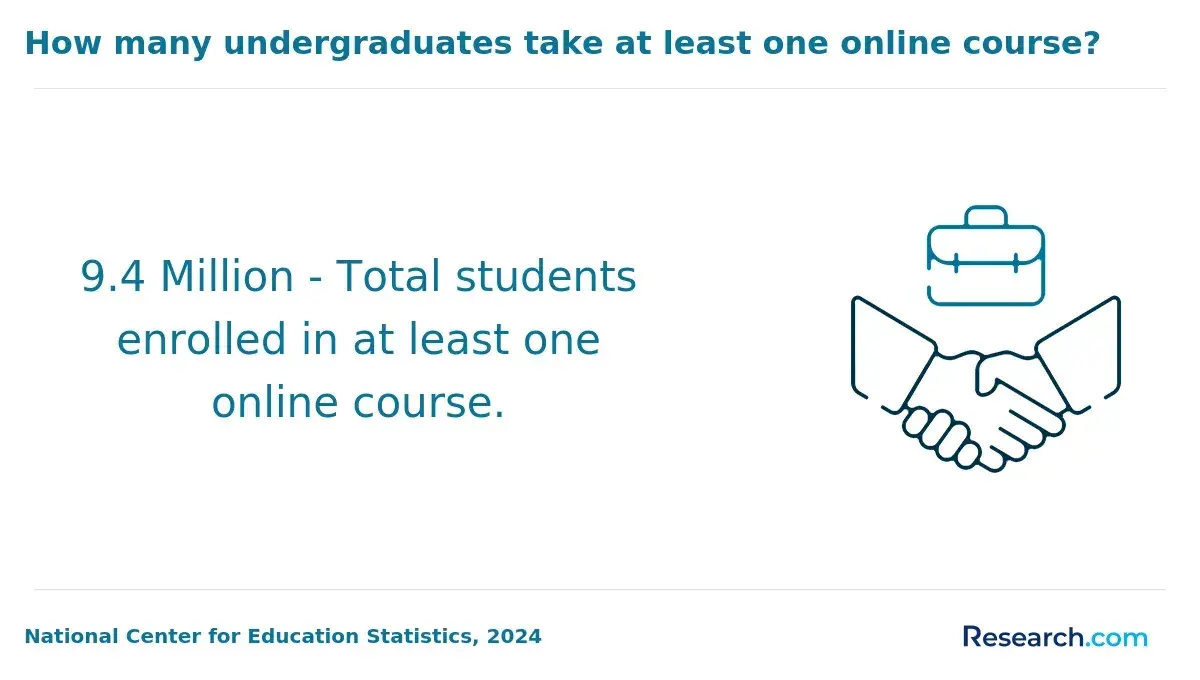
As institutions increasingly adopt flexible admissions and expand online learning, enrollment in accredited biology-related programs rose by over 18% between 2022 and 2024 according to the National Center for Education Statistics. This growth brings new pathways but also new competition from nontraditional and adult learners challenging conventional timelines.
Prospective professionals must weigh credentials, timing, and skill acquisition pragmatically against evolving employer expectations. This article identifies specific biological sciences roles that most frequently serve as gateways to leadership, offering actionable insight to optimize career advancement choices.
Key Things You Should Know
- Doctoral degrees in biological sciences yield 45% higher odds of leadership roles compared to master's, but entail 6+ years and $150K+ in opportunity costs, challenging mid-career pivots (National Science Foundation, 2024).
- Employers value interdisciplinary lab management and data analytics skills increasingly, with 60% of leadership postings listing bioinformatics expertise as mandatory, reshaping traditional promotion pathways (LinkedIn Workforce Report, 2025).
- Post-baccalaureate certificates accelerate access to supervisory roles within 2 years but limit advancement ceiling without graduate education, creating a tension between speed and long-term leadership potential (BLS Occupational Outlook, 2024).
Which biological science roles most often grow into leadership and management positions?
Leadership roles in biological sciences careers leading to leadership roles United States frequently center on principal investigators (PIs), lab heads, and natural sciences managers who combine scientific expertise with management responsibilities. The median wage for natural sciences managers in the U.S. was $161,180 as of May 2024, reflecting the premium for hybrid skills that include budgeting and personnel oversight.
However, advancement demands a shift from focused research toward grant writing, regulatory compliance, and interdisciplinary coordination, a transition that presents notable challenges in skill acquisition.
A molecular biology postdoctoral researcher seeking a PI position must develop competencies in securing funding while managing teams, often requiring targeted mentoring or formal training.
This complexity is heightened by institutional differences: academic PIs balance publishing and competitive grant portfolios, whereas biotech leaders prioritize product timelines and regulatory adherence.
These contrasts shape the leadership skills needed across high-growth biological sciences management positions in North America.
Early-career professionals who build expertise in project management, budgeting, and collaboration improve their prospects of breaking into senior management, where technical excellence alone is insufficient. Practical pathways also include evolving roles in industrial biotech from lab supervision to departmental leadership, emphasizing business acumen alongside scientific grounding.
Those exploring these trajectories should carefully assess available programs such as the best online animal science degree, gauging how they address these multifaceted skills without overlooking real-world employability constraints.
What education and degrees in biological sciences best support future leadership careers?
Leadership roles in biological sciences demand more than traditional degrees; they require a blend of advanced biological knowledge with quantitative and managerial expertise. Candidates holding master's or doctoral degrees augmented by biostatistics or quantitative biology training are better positioned for roles in research-intensive, healthcare, and biotech sectors.
For instance, biostatisticians earn a median annual salary of $104,350 in the U.S., with an occupational growth forecast of 8% from 2024 to 2034, reflecting strong demand for professionals fluent in both biology and data analytics.
Programs integrating molecular biology, genomics, computational biology, and statistics respond directly to employer expectations for leadership readiness. Those emphasizing applied data science and project management prepare students for supervising complex experimental teams or managing multi-institutional collaborations.
Students evaluating advanced education pathways in biological sciences careers must weigh these interdisciplinary skill sets against longer educational timelines and tuition costs.
Traditional biology degrees without quantitative or managerial supplements often confine graduates to technical roles, limiting advancement. Practicing professionals may find immediate returns by pairing graduate degrees with certifications or training in biostatistics and leadership analytics, signaling the ability to translate biological data into strategic decisions.
Real-world tradeoffs include balancing extended study periods against accelerated career progression, especially in pharmaceuticals, public health, and environmental science sectors. Those seeking flexible options may explore an online data science PhD to deepen quantitative expertise while working.
How do early-career lab and research positions set you up for leadership paths?
Early-career research roles in biological sciences leadership development hinge on demonstrating tangible project coordination alongside technical expertise. Rising bioscience employment-up nearly 15% in the U.S. from 2019 to 2023 with over 2.1 million jobs by early 2025-creates demand for early-career professionals who can navigate regulatory compliance and experimental design while managing cross-team communications.
Laboratory positions leading to leadership opportunities in biological sciences often require more than bench skills. For example, a research associate in a biotech firm might balance experimental workflow with budgeting and compliance adherence, effectively mirroring managerial duties and accelerating promotability.
The choice between academic depth and industry's expedited leadership tracks involves clear trade-offs. Industry emphasizes operational oversight and translational projects tied to commercial goals, fostering quicker supervisory roles. Without early exposure to administrative responsibilities, moving into leadership can be prolonged and more challenging.
Decision-making should prioritize roles with explicit leadership components, such as rotational lab management, to develop skills in team motivation and data-driven problem-solving. These competencies align closely with employer expectations amid the biological sciences' rapid growth and complexity.
Those interested in pivoting through educational advancement often consider practical options like exercise science degrees online that can complement hands-on experience while meeting evolving workforce demands.
Which biological sciences careers commonly lead to director, VP, or C-suite jobs?
Advancing to director, VP, or C-suite roles within biological sciences careers typically demands more than technical expertise-it requires navigating complex leadership responsibilities across regulatory, clinical, and product domains.
Regulatory affairs specialists, for instance, progress through managerial tiers by mastering compliance and market approval, with earnings in major U.S. pharmaceutical companies ranging from $130,000 to $150,000 in base pay before reaching senior director levels where compensation and accountability increase substantially.
These biological sciences careers leading to executive roles illustrate the premium placed on cross-functional oversight that blends legal, scientific, and commercial perspectives.
Clinical research scientists who oversee expansive trial phases or multi-site initiatives align their project management and regulatory skills with biotech firms' innovation goals, often stepping into VP or chief scientific officer roles. Similarly, product development managers translate biological research into revenue-generating products, blending scientific insight with business strategy-a combination that creates more direct pathways to senior leadership than purely research-focused roles.
Key tradeoffs for professionals targeting top biological sciences positions that advance to director or VP involve balancing technical depth against broad managerial capabilities. Pursuing an MBA or regulatory certification can expedite progression but entails additional time and financial investment. Those considering this trajectory should also recognize that industries like pharma and biotech offer clearer routes to executive ranks compared to academia.
Prospective students evaluating such pathways should gauge program practicalities and outcomes carefully; for example, an online geoscience degree might share logistical advantages worth comparing when weighing educational format and career applicability.
How do online vs. on-campus biological science programs compare for leadership preparation?
The tangible leadership advantages of on-campus biological science programs stem largely from direct engagement with laboratory settings, real-time faculty interaction, and immediate collaborative networks. These elements are vital for developing the hands-on management competence that high-level roles in clinical operations demand.
Conversely, online programs frequently face structural limitations, such as the absence of physical research access, which can hinder timely mastery of essential technical skills for overseeing clinical trial portfolios.
Hiring managers recruiting for senior positions like clinical directors-with reported annual salaries exceeding $285,000 per the BioSpace 2025 Life Sciences Salary Report-favor candidates whose leadership experience reflects authentic, in-situ project management.
This reality grants on-campus graduates a competitive edge when aiming for promotions into trial oversight. Online learners, meanwhile, must often compensate by securing local lab internships or structured remote partnerships within life sciences firms to gain credible leadership exposure.
- On-campus students engage in immersive team projects replicating interdisciplinary clinical trial leadership challenges, enhancing decision-making and coordination abilities.
- Online students encounter logistical hurdles balancing employment with attempts to obtain practical lab experience critical for leadership roles.
- Employers prioritize demonstrable leadership performance over formal credentials alone, particularly in biotech industry hubs.
- Programs offering integrated leadership labs or guaranteed placements better position graduates for clinical operations management roles aligned with current salary expectations.
What skills and competencies do biological science leaders need beyond technical expertise?
Effective leadership in biological sciences demands a blend of precise technical knowledge and advanced managerial skills, especially when navigating the complex interface between scientific teams and organizational objectives. For instance, a biomanufacturing manager translates detailed process optimization data into strategic production plans, ensuring alignment with corporate priorities and FDA regulations.
Failure to reconcile these demands can directly affect product quality and operational throughput.
Project management competence and financial acumen become essential under typical constraints such as tight deadlines and limited budgets. Leaders in this sector must proactively address supply chain risks to avoid costly delays or regulatory setbacks, emphasizing the need for a risk-aware decision-making style.
Team leadership varies significantly between R&D environments, which prioritize innovation and flexibility, and manufacturing settings, which stress standardization and scalability. Cultivating continuous improvement through mentorship and conflict management also plays a pivotal role in sustaining workforce engagement while meeting aggressive innovation benchmarks.
Employment data from BIO/TEConomy, as summarized by IntuitionLabs, reveals the U.S. bioscience industry's 2.3 million-strong workforce, with biomanufacturing roles often commanding wages 50-100% above regional averages. This premium correlates with employer expectations that leaders possess not just technical expertise, but also strategic business insight, regulatory knowledge, and interpersonal effectiveness.
Prospective leaders should weigh these multidimensional competencies against educational and experiential investments to align career trajectories with market realities and high-value roles.
How do salaries and advancement timelines differ for leadership-track biological science roles?
Leadership roles in biological sciences reveal distinct salary trajectories heavily influenced by specialization and skill sets. Clinical data scientists in bioinformatics and computational biology command median starting salaries near $110,000 and typically advance to mid-management within 4 to 6 years.
This contrasts sharply with traditional wet-lab leadership, such as principal investigators at academic or government labs, where leadership wages peak around $90,000 to $100,000 and advancement can require 7 to 10 years post-PhD.
The disparity reflects differing workforce dynamics: clinical and pharma roles prioritize expertise in managing complex datasets and actionable insights, accelerating progression to director positions.
Wet-lab leadership demands sustained publication records and successful grant applications, a process prone to funding cycle uncertainties and extended timelines. Professionals transitioning from bench science to data-driven leadership must navigate the tradeoff of acquiring quantitative skills and possible advanced certifications, often resulting in shorter pathways to managerial roles.
Key operational considerations include:
- Aligning salary expectations with market-specific averages that favor clinical data science roles by up to 15% higher starting pay
- Developing proficiency with AI-enabled tools and project management to match hiring demands
- Balancing scientific expertise with operational leadership responsibilities early in career progression
This hiring landscape, detailed in the EPM Scientific "Life Sciences Careers 2026" report, signals competitive advantages for those integrating interdisciplinary skills, particularly in AI-driven R&D and real-world evidence analytics.
What certifications, licenses, or professional memberships help biologists move into leadership?
Leadership roles in biological sciences increasingly require specific credentials that go beyond general academic qualifications. For professionals targeting Medical Affairs or Medical Science Liaison (MSL) positions-sectors projected for strong growth through 2026-holding a Certified Medical Science Liaison (CMSL) credential markedly improves competitiveness.
Employers expect these candidates to manage complex field medical teams, especially with the surge in oncology and GLP-1 drug launches, as noted by EPM Scientific's Life Sciences Careers 2026.
Licenses remain niche, essential primarily in regulated areas like clinical research and toxicology. Credentials such as Certified Clinical Research Professional (CCRP) or American Board of Toxicology (DABT) confer credibility necessary for overseeing regulatory compliance and quality assurance leadership.
Professional memberships-like those with the American Society for Cell Biology (ASCB) or the Regulatory Affairs Professionals Society (RAPS)-extend networking, leadership training, and mentorship opportunities. However, passive membership rarely translates into career movement without active committee involvement or leadership roles within these organizations.
Choosing sector-specific credentials can yield strategic advantages: a drug development leader benefits more from Regulatory Affairs Certification and RAPS affiliation, while biotech R&D managers may find greater value in grant writing or project management certifications aligned with scientific leadership demands.
How can you choose an accredited biological sciences program aligned with leadership goals?
Programs that lead to academic leadership roles in biological sciences should be evaluated less on brand recognition and more on tangible pathways to positions like tenure-track assistant professor or department chair. For example, starting salaries at research universities such as UBC typically range from $105,000 to $130,000, signaling employer valuation of doctoral and postdoctoral training aligned with leadership potential.
Prospective students must weigh whether a program's graduates consistently secure leadership or administrative posts, as these outcomes directly influence job market competitiveness and timeline acceleration for career advancement.
Key evaluation points include:
- Accreditation from recognized bodies (e.g., ABET) to confirm program rigor and external validation.
- Integration of leadership, project management, or administrative coursework alongside core biological sciences content.
- Opportunities to engage in governance or committee work with faculty actively shaping departmental priorities.
- Strong evidence of alumni placement in academic or industry positions that require leadership skills.
For those targeting program director roles, access to leadership internships or fellowship networks within the program is pivotal. Programs lacking these elements often necessitate additional years of professional experience post-graduation to bridge leadership skill gaps.
Mid-tier programs with specific leadership curricula may offer faster administrative entry compared to top-tier research-heavy programs emphasizing competitive faculty hiring but limited direct leadership preparation. Ultimately, careful analysis of placement statistics and leadership development infrastructure is essential before committing to a biological sciences program focused on academic leadership outcomes.
What are the long-term job outlook and industry trends for leadership in biological sciences?
Leadership roles in biological sciences increasingly reward professionals who integrate scientific expertise with business and regulatory knowledge. Senior life sciences researchers earn over $150,000 base salary plus about $30,000 in bonuses, yet commercial and executive roles-spanning regulatory affairs, manufacturing, and market strategy-command significantly higher total compensation. This disparity reflects the premium on hybrid skills that bridge science and commerce.
For example, an R&D scientist intending to manage clinical operations must develop fluency in regulatory compliance, cross-functional leadership, and global supply chain dynamics to secure executive positions. Without this broader skillset, opportunities for advancement beyond technical roles remain limited.
Several practical considerations shape this career pivot:
- Companies prioritize leaders able to scale biological innovations into market-ready products and secure regulatory approvals.
- Globalized markets require expertise in international regulations and intellectual property management.
- Networking and deliberate skill acquisition in negotiation and team management often trump mere laboratory tenure.
Transitioning away from purely technical roles entails tradeoffs: a narrower scientific focus may limit earning potential and leadership prospects, while refocusing efforts toward business integration can introduce initial learning curves and role ambiguity. Educational pathways that embed business knowledge into biological sciences curricula show better alignment with these employer demands, but advancing requires ongoing operational responsibility and strategic positioning.
Other Things You Should Know About Biological Sciences
While a PhD can open doors to research leadership and higher-level academic positions, it is not universally required for leadership roles in biological sciences.
Many industry leadership positions, especially in biotech or environmental firms, often prioritize managerial experience, project oversight, and cross-functional skills over terminal degrees. Candidates should weigh the time and resource investment of earning a PhD against acquiring practical leadership experience that aligns with employer needs.
Both networking and continuing education are critical, but their relative importance depends on career stage and sector. Early-to-mid career professionals benefit more from targeted education that develops leadership and business acumen specific to biological sciences. In contrast, those approaching leadership roles should prioritize building robust industry connections and internal alliances, as decision-makers heavily rely on trusted networks to identify leadership talent.
Specializing can build deep expertise valued for technical leadership roles but may limit flexibility in leading cross-disciplinary teams or broader organizational units. Leaders with narrower focuses risk being sidelined when companies seek generalist managers who understand diverse aspects of product development, regulatory environments, or operational challenges.
For those targeting upper management, cultivating broader knowledge and interpersonal skills often delivers better long-term advancement opportunities.
References
- Careers Guidance https://www.rsb.org.uk/career-guidance.html
- How To Become A Biologist | Biology Degrees And Careers https://www.learnhowtobecome.org/science-technology-careers/biology/
- Leader Compensation in Life Sciences: A Practical Framework for Founders and Executives https://incertbio.com/leader-compensation-in-life-sciences-a-practical-framework-for-founders-and-executives/
- Online Classes or On Campus: Which is Right for You? - Graduate Programs for Educators https://www.graduateprogram.org/blog/online-classes-or-on-campus-which-is-right-for-you/
- Top 5 most in-demand Life Sciences Jobs in Europe - Aspire Life Sciences https://aspirelifesciences.com/aspire-insights/top-5-most-in-demand-life-sciences-jobs-in-europe/
- Top 15 Highest‑Paying Pharmacy Jobs in the UK 2025 (Including Salaries) https://apexlearning.org.uk/highest-paying-biology-degree-jobs-2025-2026/
- Vice President jobs in Life Sciences | Page Executive https://www.pageexecutive.com/jobs/vice-president/life-sciences
- How scientists can chart their industry career trajectory... https://www.bellpeople.com.au/promotion-pathways-how-scientists-can-chart-their-industry-career-trajectory/
- Careers in Biology https://www.aibs.org/careers/
- Biomedical Science Career Progression: Strategic Advancement https://pathologylabtraining.co.uk/biomedical-sciences/career-progression