2027 Online Biological Sciences Degrees With Microbiology Coursework

Co-Founder and Chief Data Scientist
Professionals aiming to specialize in microbiology within biological sciences increasingly face tension between full-time work and accessing rigorous education. The Department of Education reports that online enrollment grew by over 10% in 2024, fueled largely by adult learners requiring flexible scheduling. This shift reveals a growing demand for programs integrating microbiology coursework that balance practical lab exposure and asynchronous study.
Employers now prioritize candidates who demonstrate both deep scientific expertise and adaptable educational backgrounds, complicating enrollment decisions. This article guides prospective students through current online biological sciences degrees featuring microbiology, clarifying program structures, career alignment, and accessibility factors to optimize educational investment.
Key Things You Should Know
- Microbiology coursework in 2026 online biological sciences degrees boosts employability in biotech labs by 15%, yet often extends time-to-degree by an average of 6 months, influencing cost-to-completion considerations (NCES, 2024).
- Employers increasingly demand hands-on microbiology skills; programs lacking synchronous lab components face 25% lower hiring rates, pressuring students to select hybrid or in-person adjuncts (BLS labor data, 2024).
- Economic data reveals a 12% wage premium for graduates with combined biological sciences and microbiology certificates within 2 years post-graduation, challenging candidates to prioritize dual-focus programs despite higher credit loads (PayScale, 2024).
What is an online biological sciences degree with microbiology coursework, and who is it best for?
Online biological sciences degree programs with microbiology coursework demand a pragmatic evaluation of how effectively they integrate applied laboratory experience with theoretical study. For instance, a working laboratory technician pursuing this pathway to transition into a microbiologist role must weigh program flexibility against requisite hands-on components, such as local lab partnerships or summer residencies that can complicate scheduling and logistics.
The adoption of online formats is increasing, with 31% of U.S. undergraduates enrolling in at least one distance course, signaling growing employer recognition when curriculum rigor includes authentic lab simulations or on-site practica. However, candidates targeting biotech or clinical sectors should anticipate employer preferences for demonstrable wet-lab experience beyond virtual environments, affecting their competitive positioning.
Choosing the best online biological sciences programs with microbiology coursework involves critical trade-offs:
- Balancing flexible remote learning with mandatory in-person skill assessments
- Confirming alignment with career-specific certification or licensing criteria
- Assessing employer acceptance of online credentials in high-stakes fields
Prospective students should also explore what jobs can you get with an environmental science degree to understand crossover opportunities in related disciplines, which can influence strategic career moves and educational investments.
How do online biological sciences programs compare with campus-based options for microbiology study?
Choosing between online biological sciences degrees with microbiology coursework and campus-based programs hinges primarily on practical skill development and employability in microbiology roles. Online formats deliver robust theoretical knowledge but often lack comprehensive hands-on lab experiences essential for employers who prioritize tactile competencies in pharmaceutical and public health sectors.
This gap forces online students to arrange local internships or clinical rotations independently-a complex but necessary step to remain competitive, especially for career transitions like clinical microbiology.
Campus programs typically offer direct access to specialized instrumentation and mentorship critical for research-intensive careers or graduate study. Conversely, online degrees may suffice for microbiology-related positions emphasizing data analysis, regulatory affairs, or bioinformatics, where physical lab work is less pivotal.
The tradeoff between flexibility and practical exposure requires prospective students to assess their immediate workforce goals and access to in-person lab resources with precision.
Projected employment growth for microbiologists stands at 5% through 2032, sustaining steady demand for candidates with validated lab skills. Ignoring hands-on components restricts opportunities in contamination control and compliance-heavy environments, underscoring the importance of integrated experiences.
Prospective learners seeking affordable yet strategically valuable options might explore the cheapest master's in data science programs, which sometimes intersect with biological sciences in bioinformatics applications.
Which types of accredited degrees offer microbiology-focused coursework online (associate, bachelor's, master's)?
Choosing among associate, bachelor's, and master's degrees in biological sciences with microbiology coursework requires weighing realistic labor market outcomes against educational depth and hands-on experience. Associate programs offer foundational knowledge but are limited for specialized microbiology roles without extensive on-the-job training due to constrained practical lab access in online formats.
These degrees serve best those seeking initial entry-level technician roles or pathway transfers.
Online bachelor's degrees with targeted microbiology tracks provide a more robust grounding in microbial physiology, genetics, and applied techniques, aligning with employer expectations for positions such as research assistants and quality control technicians.
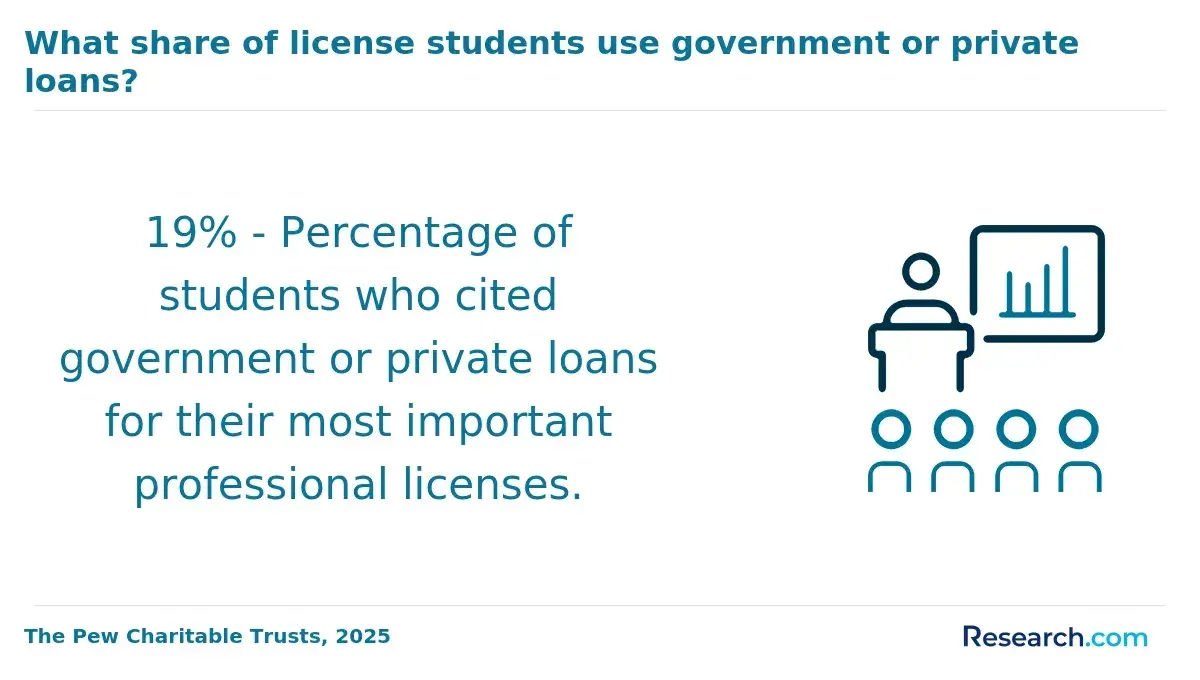
The median wage for microbiologists at the bachelor level significantly exceeds the average across occupations, which validates the added training and theoretical rigor. For example, a lab technician eyeing supervisory roles must consider bachelor's programs for substantive microbiology content and practical experience.
Master's degrees emphasize specialized research skills such as bioinformatics and experimental design and often include synchronous lab simulations or local fieldwork partnerships. These programs cater to clinical research and pharmaceutical sectors where independent project management is paramount. However, balancing online learning with employer demands for hands-on competence requires critical evaluation.
Pragmatically, those prioritizing rapid workforce entry might consider online accredited degrees with microbiology coursework at the associate level, while aspiring professionals must carefully assess career goals and employer requirements before committing to advanced degrees. For cross-disciplinary comparisons or planning a strategic pivot, exploring options like an online computer science degree may also complement biological sciences competencies in growing technical roles.
What microbiology and lab-related courses can you expect in an online biological sciences curriculum?
Online biological sciences microbiology courses are structured to balance foundational theory with essential hands-on skills, yet remote delivery imposes practical restrictions that impact readiness in applied roles. Core microbiology topics include microbial physiology, genetics, and pathogenesis, but the execution of lab-related coursework in biological sciences degrees relies heavily on virtual simulations, remote lab kits, or partnerships with local facilities.
This arrangement suits theory-heavy learning but creates variable outcomes for proficiency in aseptic technique, microscopy, and microbial culturing-skills employers expect to be demonstrably acquired.
For students targeting fields like public health or environmental biology, this hybrid approach demands critical scrutiny. Public health roles require sterile procedure and pathogen identification developed through actual lab experience, while environmental career paths may need microbial ecology and bioremediation assays often tied to local field sample processing. Access to accredited local labs or standardized kits directly influences employability and the validity of skill competencies.
Consider Louisiana State University Online's Biology BS: tuition totals $42,360, but transferring the maximum allowed credits (75%) lowers the cost to $10,590, illustrating how transfer pathways mitigate financial barriers. Such tradeoffs between affordability, transfer credit policies, and lab access matter significantly for working professionals evaluating program fit for real-world application.
Prospective students with complex schedules, such as veterans exploring a veteran-friendly online electrical engineering degree or biological sciences route, should weigh lab modality transparency and practical skill validation alongside curriculum rigor to align education with career demands.
How do online programs handle microbiology labs, research, and hands-on learning requirements?
Online biological sciences programs rely heavily on hybrid lab models that combine virtual simulations with brief on-site residencies or local partnerships to meet practical requirements. While advanced virtual platforms enable students to conduct microbiological procedures digitally-offering procedural feedback and data analysis-these methods cannot fully replicate hands-on skills like aseptic technique or specimen handling critical for certain lab roles.
For example, clinical microbiology positions usually require in-person lab certification or demonstrable physical competency beyond simulation experience. In contrast, roles focused on industrial quality control often value data interpretation and remote monitoring skills more highly. Employers increasingly scrutinize whether candidates have completed verified, supervised in-person training when assessing online biological sciences graduates.
The growing adoption of distance education in STEM fields, including a 38% rise in bachelor's degrees earned remotely from 2018-19 to 2022-23, shows scalability but amplifies competition. Prospective students must carefully evaluate how programs facilitate meaningful local lab experiences to avoid gaps in practical readiness that could impede workforce entry.
What accreditation and program quality standards matter for online biological sciences degrees?
Accreditation tied to recognized agencies such as those approved by the U.S. Department of Education fundamentally influences the credibility of online biological sciences degrees. Employers in biotech and pharmaceutical industries-where 54% of microbiology professionals are employed-prefer graduates from accredited programs with verified laboratory experience.
Without this, candidates face hurdles entering quality-driven industrial roles or advancing in federal and state laboratories, which employ 29% and 10% of microbiologists respectively.
Degrees relying heavily on theoretical online coursework or lacking hands-on components often limit practical job placement and professional licensure opportunities, especially in clinical microbiology. Prospective students should prioritize programs offering transparent learning outcomes, including detailed syllabi, lab simulation tools, or secure in-person practicums, aligning with actual industry skill demands.
For working professionals switching to biological sciences, programs that measure competency gains through applied training facilitate smoother transitions into diagnostics or regulatory roles. State authorization additionally impacts access to federal financial aid and eligibility for clinical licensure, factors critical for affordability and licensure compliance.
- Regional accreditation remains the baseline for program legitimacy and employer acceptance.
- Programmatic accreditation in biological sciences or microbiology, though uncommon, indicates curriculum rigor and industry relevance.
- Students should assess whether online programs balance lecture hours with meaningful lab or practicum experience.
Careful evaluation of these elements is essential to select programs that enable tangible career pivoting rather than purely theoretical credentials that risk market devaluation.
What are the typical admission requirements for online biological sciences programs with microbiology?
Admission into online biological sciences programs with a microbiology focus demands more than a diploma; it requires concrete evidence of foundational science preparation. Most programs expect applicants to hold at least a high school diploma with a GPA near or above 2.5, paired with completed courses in biology and chemistry that include lab experience.
This baseline is critical because microbiology coursework builds on chemistry and biology lab skills, which are difficult to bypass through theoretical learning alone.
Programs increasingly favor candidates who bring prior college coursework in biology, organic chemistry, and sometimes calculus, as employers prioritize measurable quantitative and laboratory competencies. Submission of official transcripts is standard, while standardized testing may be waived under test-optional policies designed to broaden access without sacrificing rigor.
Competitive tracks occasionally require letters of recommendation and personal statements, especially for working professionals seeking degree completion.
Virtual lab simulations substitute on-campus labs in many accredited programs; however, this affects geographic eligibility since local partnerships or access to hands-on environments remain necessary.
Working adults should verify if experiential learning or certifications can substitute course prerequisites to avoid redundancy and shorten time to credential. The biopharma sector's recent surge in infectious disease trial activity signals sustained demand for candidates with firm microbiology and immunology foundations, making admissions selectivity a primary filter for workforce readiness.
- Minimum high school diploma with ~2.5-3.0 GPA
- Introductory biology and chemistry with labs required
- College-level science coursework enhances candidacy
- Test-optional policies increasingly common
- Virtual labs supplement but don't fully replace hands-on experience
How long do online biological sciences degrees take, and what do they typically cost?
Completing an online biological sciences degree with microbiology coursework demands careful consideration of pacing and cost, which directly affect workforce entry and career trajectory. Traditional full-time students will typically finish in four years, while accelerated tracks, often unsuitable for working professionals, reduce this to three years but require undivided commitment.
Part-time options extend to five or more years, creating delays in skill acquisition and income growth, which professionals must weigh against employer tuition assistance and advancement timelines. Employers in biotech and clinical sectors expect candidates to have hands-on competencies verified through internships or certifications beyond the degree itself, making program structure and practical components decisive factors.
Tuition varies substantially. Public universities charge roughly $300 to $500 per credit for in-state students, amounting to $36,000-$60,000 total. Private programs may exceed $1,200 per credit, pushing expenses beyond $100,000. Additional costs for lab kits and proctoring can add thousands more.
A U.S. Department of Education meta-analysis found that well-supported online and hybrid STEM courses produce slightly better outcomes than in-person formats, but this advantage relies on robust virtual labs or accessible practicums-key elements when assessing program value for laboratory readiness.
- Longer program durations delay salary growth, impacting mid-career pivots.
- Institutional support for practical training often determines employability.
- Financial aid and employer reimbursement policies critically influence net educational cost.
What careers can an online biological sciences degree with microbiology coursework prepare you for?
Graduates of online biological sciences degrees featuring microbiology coursework face distinct workforce realities shaped by practical skill demands and sector-specific expectations. For instance, clinical laboratory technologists apply microbiology knowledge to diagnose infectious diseases, requiring strict adherence to lab safety and diagnostic protocols-a nuance often underemphasized in remote learning without access to local internships.
Employers emphasize candidates who blend robust theoretical foundation with hands-on competence. Programs compensating for remote constraints through virtual labs still require students to secure real-world internships or practical partnerships to navigate industry-standard procedures effectively.
The financial landscape is favorable: about 86% of undergraduates at U.S. public four-year institutions receive financial aid, with 65% getting grants that do not require repayment. This makes STEM fields accessible even with the higher costs sometimes associated with specialized scientific training.
Professional opportunities vary within biotechnology, environmental science, healthcare, and pharmaceuticals. Graduates with microbial genetics and bioinformatics expertise align well with biotech's growth trajectory, whereas those focusing on microbial ecology find environmental agencies interested in pollution control.
- Practical internships and certifications remain critical for standing out in epidemiology and pharmaceutical roles.
- Online flexibility reduces geographic barriers but adds the challenge of securing local hands-on experience.
- Specialized skills in microbial data interpretation and regulatory compliance boost employability across sectors.
What are the salary expectations and job outlook for microbiology-related careers in the United States?
Microbiology job prospects in the U.S. reflect a nuanced balance of education, practical experience, and regional industry demands, with median salaries from $55,000 for entry-level lab technicians up to $94,000 for advanced-degree holders. Positions within pharmaceuticals, biotech, and environmental sectors often exceed this, sometimes surpassing $110,000.
Employers prioritize candidates with not only online biological sciences degrees including microbiology coursework but also documented hands-on competencies-such as aseptic technique and molecular diagnostics-often verified through certifications or cooperative education.
Prospective students should weigh accessibility of accredited online programs that offer virtual labs or local partnerships for practical training, as theoretical knowledge alone rarely meets hiring standards. For example, clinical microbiology labs typically demand direct lab experience alongside degree credentials. This creates a practical barrier for many online learners seeking to pivot careers without traditional in-person lab work.
Job growth is forecast at 8% through 2032, driven by infectious disease research and biomanufacturing, but graduates face competition from both conventional and online applicants. Investment in internships or cooperative education enhances employment outcomes and salary potential, particularly in biotech hubs or governmental research centers.
Market dynamics also suggest that aligning program choice and geographic preference with sector-specific demand is a critical factor in optimizing return on time and financial commitment amid rising online STEM education.
Other Things You Should Know About Biological Sciences
Online biological sciences programs demand greater self-motivation and time management than on-campus alternatives, especially with microbiology coursework that involves complex concepts and lab components. Students must plan for synchronous and asynchronous learning while independently handling challenging subjects. Prioritizing programs with structured support services and clear lab arrangements improves completion rates and academic success.
Programs offering integrated internships provide a significant advantage in practical skill development and employer recognition, outweighing the convenience of purely online coursework. Internships bridge the gap between theory and practice, directly impacting employability in biological sciences roles. For career advancement, prioritize programs that include or facilitate accredited, hands-on microbiology experience alongside virtual courses.
Some online degrees meet prerequisites for graduate biology or microbiology programs and certifications, but requirements vary widely. Prospective students should confirm articulation agreements and certification prerequisites before enrollment. Prioritize programs with clear pathways to advanced study or licensure, as lacking these can delay or hinder professional advancement in specialized microbiology careers.
References
- Online or Face-to-Face Microbiology Laboratory Sessions First Year Higher Education Student Perspectives and Preferences https://www.scirp.org/journal/paperinformation
- Online Biology Course: Complete Guide to Flexible Science Education [2025] - Prereqcourses https://www.prereqcourses.com/online-biology-course/
- Microbiology Lab https://www.straighterline.com/online-college-courses/microbiology-lab/
- Online Microbiology Course Guide: Accredited Programs & Lab Options https://acceleratedsciences.scuhs.edu/online-microbiology-course-guide-accredited-programs-lab-options/
- Biological Sciences BSc https://www.imperial.ac.uk/study/courses/undergraduate/2027/biological-sciences/
- Biological Sciences https://www.ualberta.ca/en/undergraduate-programs/bachelor-of-science-with-major-biological-sciences.html
- Virtual Microbiology Lab simulations for students https://praxilabs.com/en/blog/2025/02/19/microbiology-lab-simulations/
- The Need of Accreditation in Online Degree Programs https://www.onlinecu.in/blog/cu/the-importance-of-accreditation-in-online-degree-programs.php