2027 Online Biological Sciences Degrees With Strong Practical Research Execution Training

Co-Founder and Chief Data Scientist
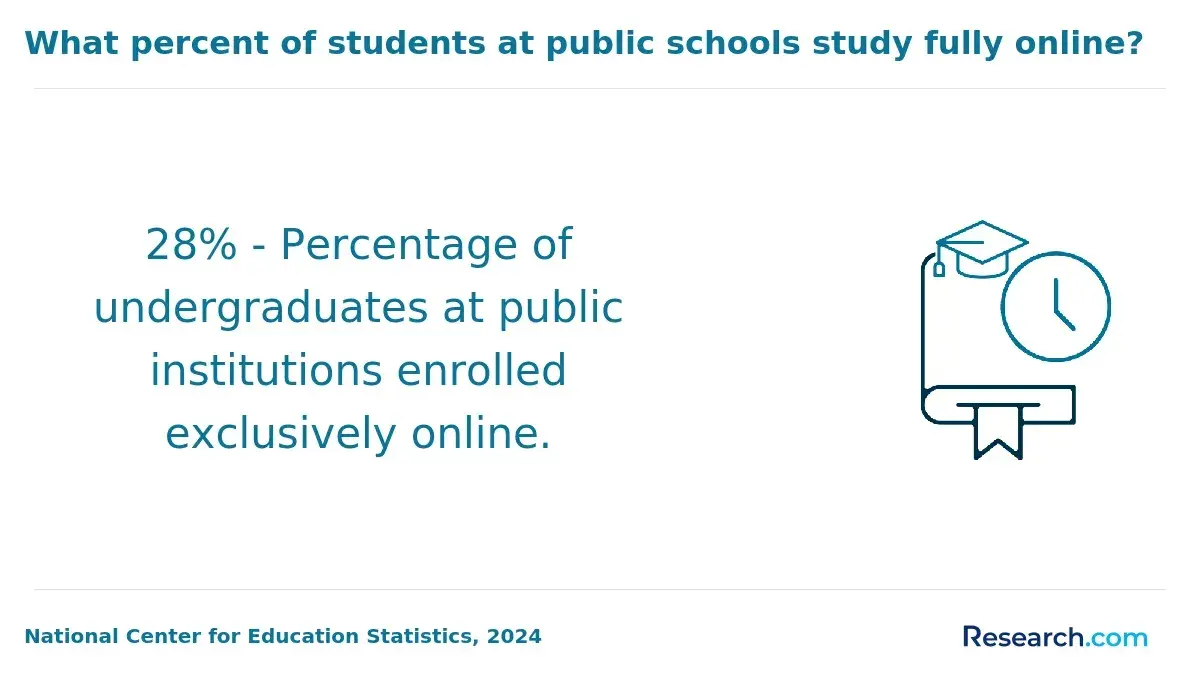
Professionals aiming to advance in biological sciences frequently confront a critical bottleneck: securing rigorous hands-on research experience while managing full-time commitments. This tension directly affects employability in research-intensive roles, where demonstrated practical skills outweigh theoretical knowledge. Recent data from the National Center for Education Statistics reveals a 38% surge in enrollment for online science degrees among adult learners since 2023, signaling a growing demand for flexible yet comprehensive programs. Yet, not all online degrees deliver sufficient lab-based training, a gap that complicates strategic career pivots or advancement. This article assesses online biological sciences degrees that effectively integrate practical research execution, guiding readers to informed choices aligned with real job market expectations.
Key Things You Should Know
- Online biological sciences degrees with embedded research lab partnerships reduce fieldwork gaps but increase program costs by 15%-25%, creating access barriers for lower-income students as reported by the National Center for Education Statistics in 2024.
- Employers increasingly prioritize candidates demonstrating documented hands-on research outputs alongside degree credentials, with 68% of biotech firms in 2024 citing practical project experience as a decisive hiring factor in Glassdoor surveys.
- Accelerated online programs compress practical research modules into fewer months, improving time-to-hire metrics but risking depth of experimentation mastery, per recent workforce outcome data from the U.S. Department of Labor.
What is an online biological sciences degree with a focus on practical research training?
Practical research skills in an online biological sciences degree are a decisive factor for employability in research-intensive roles like medical scientists. Employers prioritize candidates who demonstrate ability to conduct experiments, analyze data, and manage advanced instrumentation, reducing training costs and accelerating project contributions. The biological sciences practical research skills program effectively merges virtual labs, remote data collection, and collaborations with physical research institutions to overcome the typical absence of hands-on experience in online education.
For instance, a student specializing in molecular biology may complete gene sequencing tasks through remote kits or partner with local labs to validate computational results. These experiential elements help bridge theory with actionable lab competencies essential for pivoting into rigorous research careers.
According to the U.S. Bureau of Labor Statistics' 2024-2034 projections, employment of medical scientists will grow 9%, almost twice the average for all professions, reinforcing the market's need for graduates with verified research backgrounds. Prospective students must scrutinize programs for accredited research components and mentorship opportunities to avoid superficial training that hinders readiness for real-world biomedical challenges.
This pathway demands critical evaluation of program features to ensure substantial fieldwork integration. For further insight into viable career pathways, explore 20 careers in biology.
How do online biological sciences programs deliver hands-on labs and real-world research experience?
Hands-on lab experiences in online biological sciences programs remain a pivotal factor differentiating graduates' readiness for laboratory roles. Many programs mandate in-person residencies or internships at approved labs to ensure student competence in essential techniques like microscopy and molecular assays, which virtual simulations alone cannot adequately reproduce. These practical requirements mitigate the risk of graduates facing employability challenges in settings demanding wet-lab proficiency.
Virtual research opportunities with real-world application in biological sciences tend to emphasize procedural fluency through interactive modules simulating DNA sequencing or enzyme kinetics. While valuable for foundational knowledge, these virtual labs often prioritize theoretical understanding over tactile skills, a distinction that hiring managers for technician roles recognize and weigh heavily.
Programs increasingly integrate authentic research projects using open-access datasets to cultivate applied skills in biostatistics and bioinformatics, areas tied closely to workforce demand. The U.S. Bureau of Labor Statistics projects 8% growth for statisticians and data scientists through 2034, with a median salary surpassing $100,000, underscoring the relevance of data-driven expertise embedded in online curricula.
Prospective students should consider logistical hurdles such as securing reliable local lab access and balancing remote study with required onsite components. For professionals aiming to pivot strategically into research or data science roles, examining program structures alongside career objectives is critical.
Those seeking advanced specialization might explore options like a PhD in data science online to build expertise in computational biology and large-scale data analysis.
How do online biological sciences degrees compare with on-campus programs for lab and fieldwork?
Online biological sciences degrees with lab and fieldwork integration face inherent limitations in replicating the hands-on skills delivered by on-campus programs. Practical competencies like microscopy and ecological surveying require physical access, which many virtual formats cannot consistently provide. Accredited online programs that incorporate local partnerships or short residencies offer partial remedies but introduce logistical challenges, particularly for working professionals who must coordinate travel and time away from jobs.
Comparing practical research training in online and on-campus biological sciences programs reveals real-world workforce implications. Employers prioritize candidates with immediate lab proficiency; graduates lacking sufficient hands-on experience often struggle in roles such as biological technicians or research assistants.
Advanced careers in health-related management or clinical practice-where median salaries exceed $120,000 and growth rates surpass 20%-depend on rigorous, applied training often beyond typical biological sciences degrees.
Prospective students evaluating online options should emphasize programs that verify genuine lab access and flexible fieldwork components. Integrating internships or research aligned with career goals improves employability and offsets online delivery drawbacks. For those interested in adjacent fields, reviewing resources like the best online exercise science degree programs can offer guidance on balancing theoretical knowledge with applied practice.
Which types of accreditation should online biological sciences programs have to be recognized?
Regional accreditation is the baseline requirement for any online biological sciences program seeking recognition, as it directly affects credit transferability, federal aid eligibility, and employer acceptance. Without this, graduates face notable limitations in both job markets and graduate training programs. Specialized accreditation from organizations such as ABET or CAAHEP further delineates programs that embed rigorous research, quantitative analysis, and applied lab skills-capabilities increasingly demanded by employers in biotech and healthcare sectors.
Employers conducting candidate evaluations distinguish between degrees offering practical, accredited hands-on research elements and those limited to theory. For example, pharmaceutical companies prioritize applicants with ABET-accredited coursework tied to computational biology or experimental techniques. Conversely, degrees lacking recognized accreditation may impede hiring prospects or obstruct admission to research-heavy graduate studies.
Key practical factors prospective students should assess include the presence of synchronous lab simulations, partnerships with research institutions, and supervised projects or capstones endorsed by accrediting bodies to confirm experiential training quality. Programs claiming recognized accreditation for online biological sciences degrees must substantiate these aspects to ensure real-world skill development.
Given the rising demand for quantitative life sciences training-evident from over 100,000 Harvard learners in data analysis courses-accreditation that integrates data-centric methods strengthens employment relevance. Those exploring interdisciplinary science credentials might consider also reviewing options via a masters in library science online program, which sometimes complements bioinformatics and research data management skillsets.
What core courses and research methods are typically included in online biological sciences curricula?
Biological sciences programs emphasizing foundational theory without integrated, supervised research hours often leave graduates underprepared for workforce demands. Employers seek candidates who can execute experiments and analyze complex datasets independently, a skill set rarely attained through coursework alone. For instance, Boston University's MS in Applied Biostatistics requires 500 hours of direct research experience, blending mentorship with hands-on application-this distinction equips students to handle real-world biological data challenges common in biotech and public health sectors.
Core curricula cover essential topics like molecular biology, genetics, and ecology, but without embedded training in laboratory techniques, bioinformatics, and quantitative data analysis, students face delays mastering applied skills post-graduation. Programs that mandate practicum projects or capstone experiences simulate professional research environments, bridging theory and practice effectively.
Key operational factors for prospective students include:
- Amount of structured mentorship and supervised research hours.
- Opportunities to engage with statistical software such as R or Python for bioinformatics workflows.
- Depth of practical components beyond theoretical instruction.
Choosing programs lacking these elements may compromise employability and slow the development of critical analytical competencies needed to pivot strategically into research-intensive roles or industry positions.
What admission requirements and prior preparation are needed for online biological sciences degrees?
Admission to online biological sciences degrees hinges on more than just prior coursework; it demands alignment of foundational knowledge with program rigor to prevent costly delays or remedial work. For professionals transitioning from related fields like pharmaceuticals or environmental science, undocumented gaps in lab experience or quantitative skills can limit meaningful engagement in research-driven curricula.
Applicants typically must hold a bachelor's degree with completed credits in biology, chemistry, and mathematics, supported by official transcripts. Some programs may also require standardized test scores such as the GRE to verify readiness. Experience with data analysis or bioinformatics tools substantially improves candidacy for programs emphasizing applied research.
Short, skills-focused credentials are emerging as efficient alternatives for those lacking full traditional degrees. For instance, UC San Diego Extended Studies offers an online Biostatistics Certificate costing approximately $3,370, providing targeted statistical and research methodology skills. These credentials serve as practical bridges rather than replacements for comprehensive scientific training.
Prospective students should scrutinize the extent of virtual lab experiences available, as insufficient hands-on practice can impede future employability in research-intensive roles. Early dialogue with admissions to clarify prior preparation and identify appropriate bridging courses reduces misalignment risks between applicant background and program demands.
How long do online biological sciences degrees take and what tuition, fees, and lab costs should you expect?
Online biological sciences master's programs typically span 18 to 36 months full-time, with part-time tracks extending up to four years. Accelerated formats prioritize essential skills and practical lab integration but often require prior lab experience or coursework, a significant consideration for career switchers without scientific backgrounds. Tuition ranges from $15,000 to $40,000, influenced by institutional type and residency status, while additional fees and lab kit costs can push expenses higher-sometimes adding $300 to $1,000 per semester for remote labs or $1,500+ for mandatory in-person residencies.
The labor market increasingly demands coding proficiency, particularly in R or Python, as foundational for research roles. Programs like Brown University's Online Master of Science in Biostatistics favor applicants with this skill set, reflecting a broader trend where programming knowledge affects both admission and progression. Students lacking these skills often face extended program timelines and increased costs due to prerequisite courses.
Choosing longer, research-intensive degrees can shorten onboarding time for pharmaceutical or environmental biotech roles but requires weighing time-to-degree against immediate employment needs. Those lacking computational skills encounter a double barrier: slower completion and diminished job prospects.
Prospective candidates must assess these tradeoffs with clear priorities-whether rapid credentialing or comprehensive skill acquisition aligns best with their targeted research or biotech career path.
What entry-level and advanced careers can an online biological sciences degree prepare you for?
Graduates of online biological sciences programs enter a workforce where practical research proficiency and methodological rigor determine career viability. Entry-level roles such as laboratory technicians and research assistants demand hands-on capabilities in experimental design and analytical instrumentation, providing essential experience to handle advanced biotechnological challenges.
More specialized positions-including clinical trial management and biostatistics-require blending scientific expertise with operational knowledge. For instance, clinical trial managers earn an average salary of $167,220, reflecting market premiums for candidates adept at navigating protocol compliance and interdisciplinary collaboration. This illustrates the need for candidates to acquire not only technical knowledge but also project management skills to remain competitive.
The practical demands of biological sciences careers extend beyond academic attainment, pressing graduates to develop competencies in data integrity, reproducibility, and clear communication across functions.
Employers in biotech sectors focusing on drug development and regulatory affairs expect real-world experience, often necessitating proactive pursuits of internships or cooperative agreements, particularly given the mentorship limitations common in online formats.
- Entry roles: Laboratory technician, environmental analyst
- Advanced roles: Clinical trial management, biostatistics
- Essential skills: Experimental design, data integrity, regulatory compliance
- Strategic focus: Virtual labs, internships, certification
Key decision points for prospective students include evaluating program access to virtual lab platforms, partnerships enabling applied research, and training in industry-standard data analysis software.
Pursuing certifications in clinical research and aligning skills with documented market trends sharpens employability and earning potential, helping students navigate tradeoffs between convenience of online delivery and depth of practical engagement.
What salary ranges and job outlook can graduates with online biological sciences degrees expect?
Salary and job growth in biological sciences diverge sharply by specialization, influencing whether an online degree serves as a strategic pivot or a limiting credential. Environmental protection specialists earn around $82,220 with a solid 4.4% projected growth, reflecting demand for applied regulatory skills and practical research experience in government and private sectors. This role demonstrates how hands-on training directly connects to employability in settings requiring compliance and impact assessment.
In contrast, biologists typically see higher median salaries near $98,920 but face minimal job growth at 1.2%, signaling saturated traditional lab and research positions.
Graduates relying solely on theory risk limited mobility unless they supplement their credentials with versatile skills like data analytics, molecular assays, or ecological modeling. Such competencies translate well into biotech or conservation fields where adaptability is valued over conventional academic focus.
Fields like public health, agriculture, and pharmaceuticals reward flexible research skills, but salary ranges fluctuate based on geography, industry demand, and experience, underscoring the importance of targeted practical training opportunities.
- Environmental protection specialists: $82,220 median, 4.4% growth
- Biologists: $98,920 median, 1.2% growth
An essential consideration for professionals is choosing online programs offering internships or collaborations with research entities to mitigate the disconnect between theoretical coursework and workforce expectations. Without this, career pivots may stall due to insufficient hands-on experience critical for complex, evolving biological sciences roles.
How can you evaluate and choose a reputable online biological sciences program with strong research training?
Effective evaluation of online biological sciences programs depends largely on discerning those with embedded practical research training rather than relying on general reputation. Employers prioritize graduates who demonstrate applied skills such as lab simulations, remote data interpretation, and collaboration with research institutions, as these translate directly to roles in pharmaceuticals, environmental science, or public health.
For example, the ability to complete a focused certificate in areas like biostatistics within a year allows working professionals to upskill without the time burden of traditional multi-year degrees.
Quantitative expertise, including training in bioinformatics or biostatistics, often distinguishes candidates in research roles. Programs offering micro-credentials from recognized bodies can signal targeted competencies valued in industry.
Prospective students should assess not only curriculum content but also alumni employment outcomes drawn from credible education or labor data sources. Being tied to accelerated pathways or structured continuing education with verifiable job placement enhances a program's practical value.
Critical consideration must be given to the presence of hands-on research elements and mentorship opportunities in virtual settings. Programs lacking these risk producing graduates who, despite theoretical knowledge, face barriers obtaining technician or lab coordinator positions.
Balancing flexible online structures with rigorous quantitative coursework and transparent assessment tools increases the likelihood of attaining measurable, career-relevant research competence in timelines compatible with workforce demands.
Other Things You Should Know About Biological Sciences
Employers in research-intensive fields prioritize demonstrable technical skills and hands-on experience over the mode of education. Online degrees with integrated, supervised research projects carry legitimacy when they include verifiable lab work, data analysis, and experimental design components. Candidates should verify that their program offers robust research practicum or capstone experiences documented through portfolios or publications to meet employer expectations. Programs lacking substantial research integration risk producing graduates who struggle to prove practical competencies in competitive job markets.
Online programs often demand a higher degree of self-discipline since the practical research elements generally require independent coordination with local labs or virtual simulations. The asynchronous nature can increase overall time spent managing schedules and sourcing materials, which adds to academic labor beyond typical lecture hours. Students without prior lab experience should expect more upfront effort to master equipment use and protocols remotely. Choosing programs with structured mentorship and flexible timing can mitigate burnout and optimize balance with work or family commitments.
Students targeting immediate research roles should prioritize curricula with strong methodological emphasis, including data analysis tools, experimental design, and scientific communication. Broad biological sciences knowledge can be supplemented post-degree or on the job but may dilute the depth of practical training within limited program durations. Specializing enhances marketability for technical research positions and graduate school admissions, whereas generalized programs may better suit those planning diverse career pathways. Evaluating career goals critically informs whether specialization or breadth delivers more strategic value.
References
- Top 15 Highest‑Paying Pharmacy Jobs in the UK 2025 (Including Salaries) https://apexlearning.org.uk/highest-paying-biology-degree-jobs-2025-2026/
- How To Become A Biologist | Biology Degrees And Careers https://www.learnhowtobecome.org/science-technology-careers/biology/
- Postgraduate Biological Science: Q&A | Postgraduate Search https://www.postgraduatesearch.com/advice/subject-guides/biological-science-subject-guide/ap-122320/
- The Need of Accreditation in Online Degree Programs https://www.onlinecu.in/blog/cu/the-importance-of-accreditation-in-online-degree-programs.php
- Online Biology Course: Complete Guide to Flexible Science Education [2025] - Prereqcourses https://www.prereqcourses.com/online-biology-course/
- How to Deliver High-Quality Biology Labs Online and On Campus https://www.scienceinteractive.com/blog/2026/how-to-deliver-high-quality-biology-labs-online-or-on-campus/
- Online Bachelor's Degrees in Biology: Top Schools & Programs https://www.edumed.org/online-schools/biology-degrees/
- Biology Bachelor's Degree | Salem University Career Paths & Flexible Programs https://www.salemu.edu/biology-bachelor-degree-career-paths-salem-university/
- Can Online Biology Courses Replace In-Person Labs? https://www.straighterline.com/blog/can-online-biology-courses-replace-in-person-labs
- Biomedical Science vs Other Degrees Comparison https://pathologylabtraining.co.uk/biomedical-sciences/degree-comparison