2027 Wildlife Support Roles You Can Target With a Biological Sciences Degree

Co-Founder and Chief Data Scientist
Facing the challenge of breaking into wildlife support roles with a biological sciences degree, many students encounter the difficulty of aligning academic credentials with evolving employer expectations amid stiff competition. According to the National Center for Education Statistics, the rise in flexible online STEM program enrollment by over 25% since 2023 reveals shifting student strategies favoring adaptable learning modes to accelerate workforce entry or career change.
This shift reflects a broader demand for skills integration and practical experience over traditional timelines, complicating decisions about the optimal educational route. This article identifies specific wildlife support positions suited for biological sciences graduates and explores pathways that maximize employability within these evolving constraints.
Key Things You Should Know
- Federal projections show wildlife biology roles growing 5% through 2030, below the 8% average for life sciences, indicating a tradeoff: specialized degree holders face limited job expansion and must target niche employers.
- Employers prioritize interdisciplinary experience combining biological sciences with GIS or data analytics, shifting demand toward candidates with hybrid technical skillsets rather than pure biology knowledge.
- Completion times for biological sciences degrees average 5.1 years nationally, extending workforce entry and increasing opportunity costs compared to related environmental tech credentials requiring under 2 years.
What wildlife support roles can you pursue with a biological sciences degree?
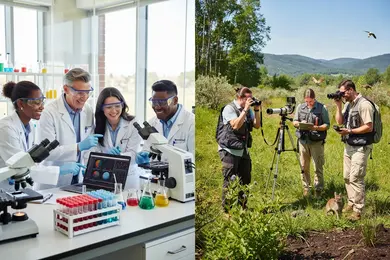
Biological sciences graduates pursuing wildlife conservation careers face a spectrum of field support roles that differ sharply in daily demands and skill requirements from traditional research biologist positions. Entry-level wildlife support jobs with a biological sciences degree often include roles such as wildlife technicians, conservation field assistants, environmental educators, and habitat restoration specialists. These positions prioritize applied skills over research credentials and have distinct operational scopes.
Wildlife technicians focus on executing field research protocols, including GPS tracking, population surveys, and data management, requiring technical proficiency and safety training typically gained through internships or specialized field courses. Conservation field assistants, by contrast, engage in physical tasks like invasive species removal and habitat maintenance, favoring practical ecosystem knowledge and physical stamina over advanced scientific training.
Environmental educators translate biological data into accessible content for community programs or nature centers, emphasizing communication skills more than research expertise. The choice between these roles influences additional skill development, such as GIS software proficiency for technicians or science communication for educators.
The U.S. Bureau of Labor Statistics projects a modest 4% growth in zoologist and wildlife biologist employment with about 1,500 openings annually, reflecting steady demand for graduates who integrate field experience with analytical capability. Entry-level wages in these wildlife support jobs remain modest compared to biologist roles, but they deliver practical exposure essential for progression in wildlife science.
Prospective students should evaluate their interest in hands-on versus communication-focused tasks and may consider flexible pathways such as an online bachelors in animal science to balance work and education.
What education and skills do you need to qualify for wildlife support positions?
Hiring managers for wildlife support roles in 2026 require candidates to hold at least a bachelor's degree in biological sciences with focused coursework in ecology, zoology, wildlife biology, or environmental science. Employers expect hands-on competence in field methods, habitat assessment, GIS, and population monitoring, reflecting the practical demands of regional ecosystems.
Candidates demonstrating experience with GPS and statistical software-often gained through internships or coordinated research-fare better in competitive labor markets. This emphasis on applicable expertise underscores the critical nature of tradeoffs between entering the job market immediately post-bachelor's or pursuing graduate education.
A master's degree may enhance prospects for advanced positions and align with median wages around $68,910 (U.S. Bureau of Labor Statistics, 2023), but it also delays workforce entry and can increase financial burden. Students should therefore assess regional job availability and weigh these delayed returns against immediate employability. Soft skills such as regulatory knowledge on state and federal wildlife rules, communication, and project management also significantly influence hiring decisions.
For those considering academic pathways, evaluating programs not just on prestige but affordability is essential. Resources like the cheapest data science degree rankings provide insight into cost-effective options that incorporate data analysis-a growing demand in wildlife support roles. Ultimately, aligning program selection with specific wildlife support job qualifications and skills ensures a balance between scientific rigor and practical competency favored by employers.
Which entry-level wildlife support jobs are open to new biological sciences graduates?
Entry-level wildlife support jobs for recent biological sciences graduates often involve hands-on roles such as wildlife technician, environmental field assistant, and biological science technician. These positions demand proficiency in species monitoring, habitat assessment, and data collection, providing essential field experience that underpins advancement into specialized roles. For instance, wildlife technician positions available to biological sciences degree holders often require supporting wildlife surveys, utilizing GIS tracking, and assisting conservation initiatives under supervision.
Candidates pursuing fish and game warden or wildlife law enforcement positions must navigate additional state certifications or law enforcement training beyond their biological sciences degree. A practical workforce implication is reflected in wage data: fish and game wardens earned a median $62,800 annually in 2023, with top earners surpassing $85,850, illustrating lucrative opportunities when meeting credential requirements.
Employers prioritize candidates with demonstrated technical field skills, scientific reporting abilities, and physical endurance for varied outdoor conditions. Internships or volunteer engagements significantly improve competitiveness in the staffing market for these roles. Graduates should expect tradeoffs such as lower initial salaries and frequent seasonal or contract employment, particularly within nonprofits or local agencies.
Strategically, these entry roles function as stepping stones to federal or state wildlife agencies and pave a pathway toward advanced positions requiring extensive field experience or graduate education. Graduates balancing this trajectory might also explore an online exercise science degree to diversify skill sets complementary to wildlife support work.
How do wildlife technician, rehabilitation, and conservation assistant roles differ day to day?
Daily responsibilities in wildlife technician vs conservation assistant roles reveal significant operational contrasts that influence skill development and workplace adaptability. Wildlife technicians prioritize technical field data collection, including population surveys and habitat assessments, requiring proficient use of GPS and data tools in remote areas. For example, forestry technicians face shifting seasonal field conditions that directly affect tracking schedules and data reliability, which demands flexibility and precise scientific methods.
In comparison, rehabilitation assistant responsibilities in biological sciences careers center on clinical animal care within rescue environments. This work emphasizes animal handling expertise, veterinary basics, and strict compliance with wildlife care regulations. Rehabilitation assistants encounter unpredictable workflows driven by emergency intakes, contrasting with the scheduled, methodical field tasks of technicians.
Conservation assistants combine administrative support and habitat restoration, balancing office work with outdoor invasive species removal or native planting. Their growing role necessitates strong organizational skills essential for managing volunteer coordination and regulatory documentation. These varied daily tasks translate into distinct competency profiles-technicians sharpen scientific data proficiency, rehabilitation workers develop clinical specializations, and assistants build project coordination capabilities relevant to environmental policy or consulting.
Choosing among these paths should consider practical employability. The expanding environmental consulting market encourages gaining experience aligned with career goals, whether in conservation science or broader ecosystem management. Prospective students evaluating the best library schools and programs can also enhance credentials applicable across interdisciplinary biological sciences careers through targeted technical and rehabilitative skillsets. For further strategic guidance, see best library schools.
What salaries and benefits can you expect in wildlife support careers?
Salaries in wildlife support roles vary widely, reflecting differences in specialization, location, and employer type. Entry-level positions such as wildlife rehabilitators or animal care technicians typically earn between $30,000 and $45,000 annually, while more advanced roles like wildlife biologists or conservation program managers command $50,000 to $75,000 or higher. Federal and state agencies often offer comprehensive benefits including health insurance, retirement plans, and professional development funds, significantly enhancing total compensation. Nonprofit and smaller organizations usually provide lower wages and limited benefits, often requiring workers to supplement income externally.
The wildlife rehabilitation sector processes approximately 1.8 to 2.1 million wild animals yearly, driven by rising urban wildlife interactions. This volume creates niche opportunities that reward species-specific certifications or skills, such as an avian specialist in an urban area earning more than a generalist in rural regions. However, competition for these roles is intense and regionally dependent.
Workers must balance passion with financial sustainability. Federal or state jobs offer structured advancement and retirement security but demand rigorous hiring standards. Conversely, entry-level rehabilitation roles without benefits often necessitate multiple part-time jobs or unpaid volunteering, increasing financial and physical strain. A degree in biological sciences improves hiring prospects and access to benefits but rarely guarantees salary growth without additional certifications, practical experience, or strategic relocation to higher-paying markets.
What is the job outlook and demand for wildlife support professionals in the U.S.?
Employment growth for animal care and service workers, including zoo and aquarium staff, is projected at 16% from 2022 to 2032, which outpaces the average for all occupations and signals sustained demand driven by enhanced conservation efforts and facility improvements. However, this opportunity requires more than a biological sciences degree; employers expect demonstrated expertise in live animal handling, precise documentation of health data, and flexibility in managing both routine and emergency scenarios.
Job conditions and stability vary widely by location and sector. For instance, wildlife rehabilitators in rural zones may encounter seasonal workload spikes tied to migration patterns, while aquarium welfare officers in coastal cities benefit from steadier demand linked to research funding and tourism. Entry-level roles typically mandate animal handling certifications to complement academic credentials and improve marketability.
Consider these practical tradeoffs before committing to this path:
- Physical demands and exposure to unpredictable schedules and outdoor environments.
- Need for internships or volunteer work to overcome employer emphasis on hands-on skills.
- Regional and sector-based variability influencing job availability and stability.
Prospective candidates should weigh the necessity of applied experience against academic preparation, as a biological sciences background alone may not suffice in navigating the operational realities of wildlife support roles.
Do wildlife support roles require specific certifications, licenses, or lab and field clearances?
Credentials in wildlife support roles involve navigating a complex mix of permits, certifications, and clearances that vary by job function and jurisdiction. Field technicians conducting habitat surveys, for example, must secure state permits for handling protected species-often contingent on documented training in wildlife handling or field research safety. These requirements introduce practical delays in job readiness but are non-negotiable for legal compliance.
Lab positions emphasize certifications related to biohazard protocols and laboratory techniques aligned with OSHA and federal regulations, demanding both technical proficiency and regulatory adherence. Meanwhile, ecotourism professionals must hold certifications in first aid, environmental education, and region-specific wildlife interpretation to meet evolving industry standards, especially as the wildlife tourism sector projects growth to $219.9 billion by 2032 with a 7.3% CAGR.
Employers also commonly mandate licenses such as Commercial Driver's Licenses (CDL) for off-road vehicles or boat handling qualifications. Background checks and vaccination clearances add layers of complexity for roles involving vulnerable wildlife or sensitive habitats. This regulatory landscape forces candidates to weigh the upfront time and financial investments against the variable availability of positions and salary potential in the sector.
Strategic pursuit of broadly recognized certifications - those valued across federal, state, and private employers - can mitigate risk and improve mobility within the industry. Early verification of state-specific wildlife agency demands is essential for practical workforce entry and advancement.
How can a biological sciences degree specialization focus your wildlife support career path?
Choosing a specialization within a biological sciences degree directly impacts your employability and the type of wildlife support roles accessible to you. For example, a focus on GIS and spatial analysis positions you well for managing complex environmental datasets-a skill increasingly demanded as the geographic information system market expands rapidly. In practice, this can mean working as a GIS & Spatial Analyst, where you map animal movements and evaluate habitat health, blending technology with field biology.
Alternatively, concentrating on wildlife ecology or conservation biology prepares you for hands-on roles such as conducting population surveys, species monitoring, and habitat restoration projects. These positions require rigorous quantitative skills and adaptability in variable field environments, alongside effective communication with stakeholders.
A specialization in molecular biology or genetics steers you toward lab-intensive work involving genetic population analysis and disease surveillance, often interfacing with policy development for conservation. However, the practical payoff depends on integrating technical proficiencies-software like ArcGIS or R-with biological expertise to remain competitive beyond entry-level positions.
Employers in government agencies, consulting firms, and nonprofits prioritize candidates who combine biological sciences knowledge with specific, actionable technical skills linked to measurable conservation outcomes.
How do online and on-campus biological sciences programs compare for wildlife-focused students?
Employers in the environmental nonprofit sector increasingly emphasize practical field skills in wildlife-focused roles, a demand better met by on-campus biological sciences programs than fully online offerings. Hands-on access to labs, local ecosystems, and internships directly correlates with employer preferences, especially given the sector's $21 billion revenue scale reported by the National Center for Charitable Statistics. These experiences enable students to demonstrate species identification, habitat sampling, and ecological survey capabilities essential for project management and conservation work.
Online programs offer flexibility for remote or working students but often restrict access to critical tactile learning. Consequently, students relying on virtual formats must supplement coursework with external field internships or volunteering to remain competitive. Hybrid models that integrate local field components partially address these gaps, but their geographic and logistical constraints require careful evaluation.
Students aiming for environmental nonprofit program management roles should scrutinize schools based on:
- The extent and location of mandatory field components.
- Partnerships facilitating internships with environmental organizations.
- Faculty research linked to wildlife conservation.
The tradeoffs extend beyond experience to timeline and cost. On-campus attendance incurs commuting and housing expenses but accelerates networking and research access. Online pathways reduce relocation costs but demand greater self-directed effort to secure practical credentials. Graduates with comprehensive hands-on training report stronger initial placement and career mobility in wildlife-related nonprofit roles compared to those with primarily theoretical online degrees.
What should you look for in an accredited biological sciences program preparing for wildlife work?
Selecting a biological sciences program for wildlife careers demands scrutiny beyond coursework-focus on how well it equips you for employer needs and real-world conditions. Employers require demonstrated skill in data collection, species identification, and navigating environmental regulations, making applied training in laboratory techniques and sampling essential. Programs lacking direct links to internships with government bodies, NGOs, or private firms may hinder transition from education to employment.
Specialized coursework should combine ecology, animal behavior, conservation biology, and GIS mapping to provide interpretive tools for managing wildlife populations and habitats. However, the value of these courses depends heavily on faculty expertise and research relevance to local or national ecosystems that match your target job market. Additionally, practical exposure to quantitative analysis and statistics is increasingly indispensable for environmental impact assessments, a detail often underemphasized in many curricula.
Tradeoffs emerge when weighing program cost against tangible graduate outcomes: affordable programs with minimal placement data risk extending time to stable wildlife positions. Meanwhile, recognizing workforce trends, such as the projected growth in wildlife-focused environmental education from $18.9 billion to $32.1 billion by 2030 at a 9.1% CAGR, suggests emerging roles in science communication and public engagement that may benefit from programs featuring community outreach training.
Other Things You Should Know About Biological Sciences
In 2027, a master's degree can enhance career prospects in wildlife support roles by providing specialized knowledge and research experience. However, entry-level positions may only require a bachelor's degree, with practical experience and skills often being equally valuable for career advancement.
Employers expect biological sciences graduates in wildlife roles to be adaptable, with skills spanning data collection, field observation, and reporting. Workload often includes a mix of repetitive monitoring tasks and unpredictable field conditions, requiring physical endurance and problem-solving under pressure. Graduates without hands-on experience or internships may struggle to meet these practical demands early on, slowing career progress. Prioritizing programs or opportunities emphasizing fieldwork and technical competencies accelerates skill development aligned with workplace expectations.
Internships provide essential field experience, networking, and direct insight into daily responsibilities, which employers value more than additional classroom credits. Certifications can supplement skills, particularly in wildlife handling or safety protocols, but they rarely replace the credibility gained through sustained internships. Students should prioritize internships aligned with their desired wildlife support roles first, then pursue certifications to complement gaps in practical abilities or regulatory requirements.
A broad curriculum offers flexibility across biological subfields but may dilute time spent on ecology, animal behavior, or conservation skills crucial for wildlife jobs. Graduates from specialized programs focusing on wildlife biology or ecology tend to be better prepared for the technical and regulatory aspects of support roles. However, a narrow focus can limit adaptability if career goals shift away from wildlife. Prioritize specialization only if you have a clear commitment to wildlife support roles and verify the program's alignment with employer demand for those skills.
References
- Key Conservation Roles | Conservation Careers https://www.conservation-careers.com/key-conservation-roles/
- How to Become a Wildlife Biologist: Career Preparation Tips https://www.peru.edu/blogs-room/all-blogs/2024/how-to-become-a-wildlife-biologist-career-preparation-tips.php
- TWS Certifications https://wildlife.org/tws-certifications/
- Work with Us | U.S. Fish & Wildlife Service https://www.fws.gov/about-us/work-us
- Recent Jobs - The Wildlife Society https://careers.wildlife.org/jobs/
- Animal Courses Direct https://animalcoursesdirect.co.uk/blog/what-are-the-career-options-for-people-who-love-nature/
- Careers & training | Surrey Wildlife Trust https://www.surreywildlifetrust.org/get-involved/careers-training
- So You Want to Be a Wildlife Biologist https://outdoor.wildlifeillinois.org/articles/so-you-want-to-be-a-wildlife-biologist
- Becoming a Wildlife Biologist https://www.gamewarden.org/career/wildlife-biologist
- How to Start a Career in Wildlife Conservation? https://www.stonebridge.uk.com/blog/animal-care/how-to-start-a-career-in-wildlife-conservation/