2027 Best Online Biological Sciences Programs for Professionals Seeking Quality Control Careers

Co-Founder and Chief Data Scientist
Mid-career professionals aiming to transition into quality control roles within biological sciences often encounter a critical barrier: balancing rigorous work schedules with the need for specialized education tailored to industry standards. The National Center for Education Statistics reports a 14% increase in adult enrollment in online science programs since 2023, revealing a growing demand for flexible yet credible pathways that align with advancing regulatory and technical requirements.
This shift reflects not only learners' time constraints but also employers' expectations for verifiable skills gained without sacrificing job performance. This article examines the best online biological sciences programs designed specifically for professionals targeting quality control careers, providing data-driven guidance to navigate program quality, admission flexibility, and career impact effectively.
Key Things You Should Know
- Online biological sciences programs with specialized quality control tracks often reduce hands-on laboratory hours by up to 40%, potentially limiting immediate practical readiness despite accelerating degree completion according to the National Center for Education Statistics.
- Employers in pharmaceutical quality control increasingly prioritize candidates from programs with integrated regulatory affairs curricula; 62% of hiring managers surveyed by BioPharma Dive in 2024 prefer candidates versed in both biological sciences and FDA compliance.
- The median cost of accredited online biological sciences degrees geared toward quality control roles ranges from $18,000 to $35,000, shaping access for mid-career professionals balancing budget constraints against timely re-skilling demands reported by the Bureau of Labor Statistics.
What are the best online biological sciences degrees for advancing into quality control careers?
Quality control roles in biological sciences demand more than general knowledge; they require applied expertise in microbiology, biochemistry, and molecular biology, underscored by proficiency in laboratory practices and data analysis tailored to compliance standards. Professionals advancing in these roles must be fluent in documenting deviations, conducting root cause analyses, and meeting FDA and ISO regulatory requirements. Choosing the best online biological sciences degrees for quality control careers involves prioritizing programs with integrated GMP instruction, quality assurance protocols, and hands-on analytical instrumentation training.
Programs targeting pharmaceutical quality control, where median wages hover around $59,300, emphasize pharmacology, toxicology, and industrial microbiology, offering clearer pathways to employment in medicine manufacturing environments. In contrast, candidates aiming at environmental or food quality control should focus on curricula rich in biostatistics, environmental microbiology, and regulatory affairs. Fully online degrees that incorporate virtual labs or collaborate with local facilities mitigate experience barriers for working adults, especially as remote or hybrid work structures dominate quality control domains.
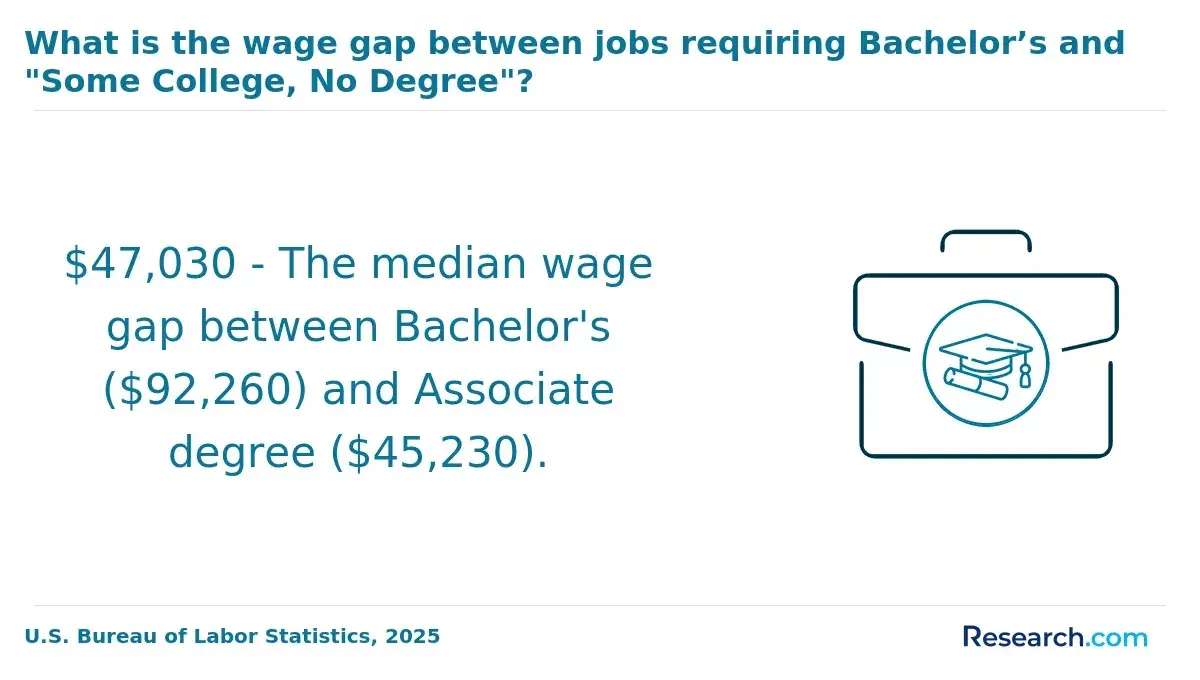
Entry into most quality control inspector roles still begins with a bachelor's degree, but associate degree holders must seek flexible programs that credit prior learning to limit workforce disruption. Transparent curriculum details tied to employer standards help avoid costly retraining after graduation. For those evaluating options, consulting detailed analyses-for example, through an online biology degree resource-ensures alignment with real-world expectations and career outcomes.
How does an online biological sciences degree prepare you for quality control roles?
Online biological sciences degree programs targeting quality control careers provide vital analytical and laboratory training that aligns with employer expectations in regulated industries. Graduates gain the capacity to execute stringent quality assurance protocols, interpret assay results, and adhere to FDA and ISO regulatory standards-skills essential in pharmaceutical, biotechnology, and food production environments. For example, a quality control inspector in a manufacturing plant must ensure product consistency by accurately managing root cause analyses and statistical quality control methods.
Programs often integrate hands-on virtual simulations and remote labs, enabling flexible yet comprehensive development of operational fluency with advanced instrumentation and data management software. This approach is crucial for professionals balancing work with continuing education without sacrificing practical competencies. The skills gained from biological sciences programs in quality control extend to roles such as clinical laboratory technologists, with a projected 5% job growth through 2032 according to the U.S. Bureau of Labor Statistics.
Bridging gaps in industry-specific processes remains a critical challenge; degree seekers should prioritize curricula that emphasize biostatistics, molecular biology, and specialized instrumentation. Partnerships with industries or internship opportunities provide measurable advantages for market readiness in quality-focused laboratories.
Considering related educational pathways, some students explore interdisciplinary options; those interested might assess the value of an online data science masters to complement biological sciences expertise by expanding their data analytic skill sets.
What types of biological sciences degrees support quality control career paths?
Biological sciences degrees that best support quality control (QC) careers emphasize practical expertise in molecular biology, microbiology, biochemistry, and biotechnology, aligning with employer demands for regulatory compliance and precise product validation. Entry to QC roles in pharmaceutical, food safety, or environmental testing environments typically requires at least a bachelor's degree, but progressing to supervisory or specialist positions almost invariably requires a master's degree with focused training in analytical methods and Good Manufacturing Practices (GMP). Students pursuing online biological sciences programs supporting quality assurance roles should prioritize those integrating hands-on lab training with regulatory documentation and quality system management to reduce onboarding friction and meet industry expectations.
For example, graduates with a master's degree in molecular biology often excel in pharmaceutical QC roles involving complex assay development under tight regulatory scrutiny, whereas microbiology degrees tend to align more closely with clinical or food safety testing environments focused on microbial contamination control. Essential across all paths is strong fluency in biostatistics and quality systems, facilitating data-driven decisions that comply with FDA and EPA standards. Practical curriculum design profoundly impacts workforce readiness; those lacking applied regulatory components require supplementary certifications or on-the-job training to bridge gaps.
Medical scientists in pharmaceutical manufacturing reflect a prominent advancement route, earning median annual wages around $123,000, above the general biological sciences median. This premium corresponds to their combined responsibilities in research and quality oversight within regulated productions. Students and professionals considering this path should assess programs that balance technical skills with regulatory rigor-such as those found in the well-curated online degree for library science offerings linked to quality assurance roles-because real-world employer expectations demand both scientific expertise and practical compliance understanding.
How do online biological sciences programs compare with campus options for quality control training?
Quality control roles in biological sciences demand hands-on expertise that online biological sciences programs for quality control careers often struggle to fully deliver. While there are 44 online biology degrees available globally for 2025-2026, employers in regulated sectors like pharmaceuticals or food safety commonly require direct lab experience that campus programs provide through specialized laboratories and real-time mentorship.
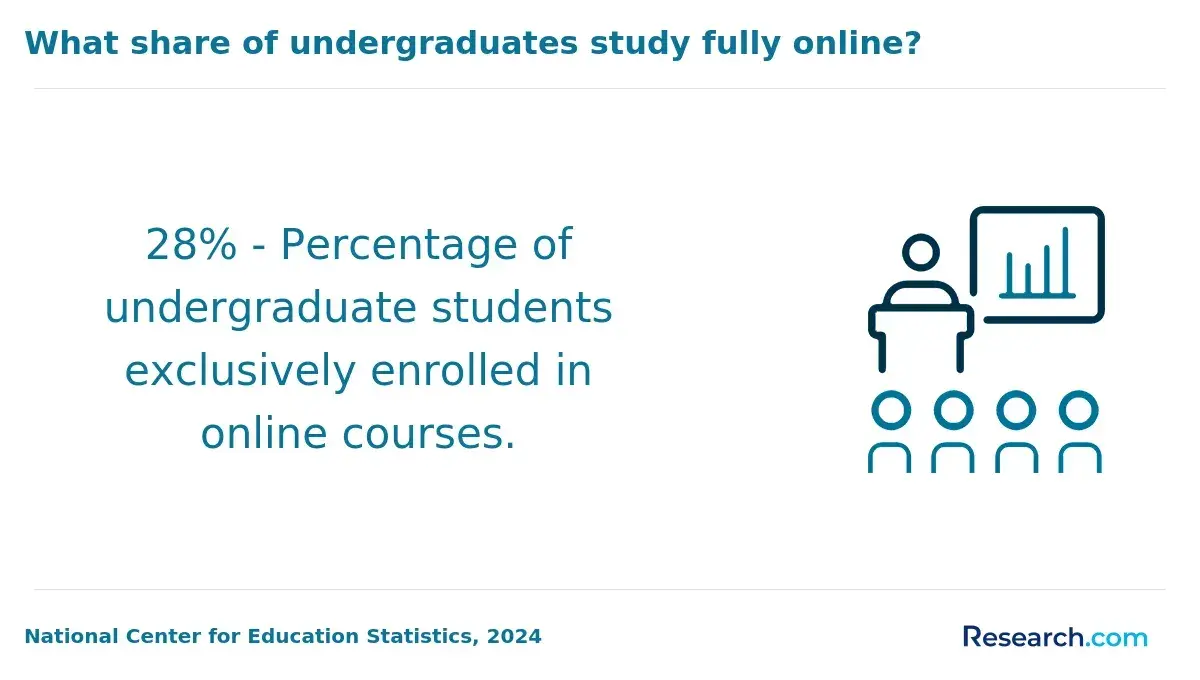
Online degrees expand access and support theoretical mastery of essential subjects such as molecular biology, biostatistics, and regulatory compliance. However, to meet employer expectations, these programs must integrate verifiable practicum or internships. Unlike campus options, online learning frequently relies on simulations and at-home lab kits, which may limit practical skill depth critical for tasks like performing validated assays in biomanufacturing.
A comparison of campus and online biological sciences quality control training underscores key candidate considerations:
- Verify partnerships with quality control laboratories offering practical, supervised experience.
- Seek hybrid programs combining remote coursework with mandatory on-site lab residencies.
- Ensure curriculum alignment with current Good Manufacturing Practices (cGMP) and ISO standards.
- Evaluate employer networks and graduate placement rates reflecting readiness.
Prospective students balancing flexibility and rigorous skill acquisition should weigh these tradeoffs carefully, as immediate employability depends heavily on documented practical competency. For broader options in flexible learning, one may examine a library degree program to understand different remote education models within related fields.
Which accreditation and program quality standards matter for online biological sciences degrees?
Regional accreditation remains the most critical factor affecting the value of online biological sciences degrees, as it impacts credit transfer, employer acceptance, and eligibility for federal aid. Employers in quality control sectors specifically seek degrees from regionally accredited institutions to ensure graduates meet rigorous academic and regulatory standards. Programmatic recognitions, such as approval by the Council for Higher Education Accreditation (CHEA), also matter because they confirm curricula address relevant industry competencies and lab training requirements.
Online programs without authentic lab simulations or industry collaboration risk graduating students unprepared for the analytical precision and regulatory knowledge demanded by agencies like the FDA or EPA. For example, professionals shifting into pharmaceutical quality control must verify their program's alignment with current regulatory science and lab practices to remain competitive.
Cost-efficient program selection is nuanced: tuition for online biological sciences bachelor's degrees typically runs $300 to $600 per credit, totaling $36,000 to $72,000. This investment must be weighed against program quality since lower-cost options lacking proper accreditation can impede access to advanced roles and certifications.
- Employers prioritize accredited degrees to validate both academic rigor and practical readiness.
- Programs with integrated virtual labs better prepare students for regulatory compliance and quality assurance tasks.
- Financial and career outcomes improve when students balance tuition cost with accreditation and curriculum relevance.
A working professional pursuing quality control in pharmaceutical manufacturing gains measurable advantages through an accredited online biological sciences degree that includes regulatory content and lab-based learning-factors directly tied to employability and credential validity.
What core courses and lab experiences are included in quality control-focused online programs?
Quality control-focused biological sciences programs must go beyond theoretical knowledge, embedding rigorous, validated practical training that aligns with stringent industry standards to ensure workforce readiness. Programs lacking authentic hands-on components-whether virtual or in-person-risk underpreparing students in key areas such as sampling, instrument calibration, and deviation management, which are critical in biopharmaceutical production environments.
Employers in this ~$2.4 billion market increasingly demand fluency with FDA and ISO protocols alongside applied skills in chromatography, microbiology, and biostatistics. Without verified internship options or lab residencies, graduates face delayed career progression due to unfamiliarity with quality control workflows and troubleshooting under operational pressure.
Effective programs typically balance core coursework-covering good manufacturing practices, analytical chemistry, and data integrity-with experiential learning in molecular biology and contamination control. This hybrid approach mitigates remote lab limitations and enhances comprehension of biologics' quality attributes, directly impacting product safety and regulatory compliance.
Prospective students should evaluate programs on criteria including the scope of hands-on training, partnership networks for real-world lab access, and integration of validation protocols. These factors contribute decisively to employability, onboarding time reduction, and the ability to pivot swiftly within the industry's evolving demands.
- Core curriculum: GMP, microbiology, analytical chemistry, quality assurance methodologies
- Practical skills: instrument calibration, sampling techniques, contamination control
- Lab formats: virtual simulations supplemented by onsite residencies or partnerships
- Market growth: global biopharmaceutical quality control expansion at ~8% CAGR through 2029
- Employer focus: documented hands-on experience aligned with FDA and ISO standards
What are typical admission requirements and prerequisites for online biological sciences programs?
Admission standards for online biological sciences programs reflect the distinct demands of quality control roles, requiring more than a generic science background. Candidates typically need a high school diploma with preparatory coursework in biology, chemistry, and mathematics. Those applying at advanced levels or as transfers commonly must demonstrate prior college-level work in biology and statistics or hold a related bachelor's degree. Maintaining a GPA between 2.5 and 3.0 is often obligatory, signaling an ability to tackle technically rigorous content.
Prerequisites tend to focus on laboratory competence and regulatory familiarity, including introductory biology and general chemistry with labs, often extending to organic chemistry. This foundation supports specialized functions such as microbial testing and chemical analysis within quality control. For career shifters lacking a science background, bridge courses targeting essential lab techniques and data analysis can be pivotal. Employers in pharmaceutical or food sectors increasingly prioritize candidates from programs integrating compliance standards like FDA or ISO, heightening the value of targeted curriculum.
Test scores may still be considered but have lessened in importance, pushing transcripts and relevant experience to the forefront. This is critical for those pursuing roles where precision and documentation in controlled environments are non-negotiable. With online STEM programs experiencing year-over-year enrollment increases in the high single digits, applicants face intensified competition. Verifying alignment of program prerequisites with employer expectations and demonstrating quantitative aptitude throughout training are practical steps to mitigate this risk.
How long do online biological sciences degrees take and what do they cost?
Quality control roles in biological sciences demand a nuanced balance between educational timeframe, cost, and compliance training to meet employer expectations. Associate degrees generally require about 2 years, targeting entry-level technician jobs, while bachelor's degrees-often the minimum for analyst positions-take 3 to 4 years full-time. Part-time or accelerated options extend this timeline, potentially increasing expenses and delaying professional entry.
Average tuition for bachelor's programs ranges from $15,000 to $40,000, influenced by institution type and residency status. Additional fees for lab access and specialized coursework in Good Manufacturing Practice (GMP) and regulatory compliance can add thousands, but skipping such integrated training often results in post-graduation costs and job market handicaps.
Employers increasingly prioritize candidates with formal GMP and compliance credentials embedded in their education. For example, a scientist shifting into biopharma quality control will likely benefit more from a three-year bachelor's program with built-in GMP training priced between $20,000 and $30,000 than a cheaper, shorter degree lacking these competencies. This investment shortens time to productivity and avoids external certification hurdles.
When selecting programs, consider:
- The tradeoff between accelerated schedules and comprehensive compliance education.
- How regulatory training embedded in the curriculum impacts employability and long-term career growth.
- The total cost including hidden fees beyond tuition.
These factors directly shape readiness to generate revenue and the ability to meet stringent biopharma quality standards.
What quality control job titles, industries, and advancement paths can these degrees lead to?
Degrees in biological sciences tailored for quality control roles require alignment with industry-specific regulatory and laboratory standards, reflecting varying employer demands across pharmaceuticals, biotechnology, food safety, environmental testing, and medical device manufacturing. A single entry-point as a quality control technician can evolve through demonstrated competency, certifications like Six Sigma or ISO, and supervisory experience toward roles in compliance or quality assurance management. This progression underlines that upward mobility hinges on both technical mastery and credentials beyond the bachelor's level for many professionals.
Key workforce considerations include the necessity of hands-on lab skills combined with data analytics proficiency, as many employers integrate rigorously tested laboratory workflows with digital quality management systems. Prospective students should prioritize programs emphasizing practical training components such as internships or lab simulations, as these markedly impact employability in sectors with stringent hiring criteria.
Cost remains a pragmatic factor: online biological sciences degree options under $10,000 annually for in-state tuition present viable routes for working adults balancing financial constraints with skill acquisition. However, prospective candidates must weigh this against the depth of experiential learning provided, as superficial coursework limits career flexibility and salary growth potential.
- Quality control specialization spans drug purity, contamination control, and regulatory adherence.
- Career advancement is nonlinear and typically requires certifications and managerial experience.
- Program selection should focus on comprehensive lab and data analytics training.
- Affordable tuition options exist but vary widely in practical training quality.
What are the salary ranges and job outlook for biological sciences quality control professionals?
Quality control (QC) roles in biological sciences vary significantly depending on industry focus and expertise, with compensation aligning closely with regulatory complexity and technical demands. Professionals working in biomedical or biopharmaceutical sectors typically earn salaries above $100,000, driven by the necessity for combined laboratory proficiency and compliance knowledge. For instance, an entry-level QC analyst in pharma manufacturing might earn between $60,000 and $80,000, whereas those managing process validation or method development at mid-levels command $90,000 to $120,000.
In contrast, QC positions in environmental or agricultural biological sciences often offer lower salary ranges-roughly $55,000 to $85,000-due to fewer regulatory pressures and smaller operational budgets. This tradeoff illustrates a key decision point: targeting industries with stringent quality standards usually requires specialized certifications such as GMP, GLP, or Six Sigma, which are essential to reduce costly production errors and regulatory risks.
Employment growth projections for biological sciences QC professionals remain solid at 5% to 7%, reflecting expanding biotech and pharmaceutical R&D sectors. Candidates who integrate practical quality control competencies with biological sciences knowledge better position themselves for sustained demand in this competitive labor market.
Other Things You Should Know About Biological Sciences
Employers in quality control prioritize demonstrated competency over delivery mode, but reputable online biological sciences degrees with regional accreditation are widely accepted. Programs that integrate hands-on lab components or require local lab partnerships improve credibility and practical readiness. Candidates should verify if their chosen online program offers validated lab work or internships, as purely theory-based courses may limit employer confidence in technical skills.
The self-directed nature of online biological sciences programs requires strong time management skills, especially when balancing coursework with professional responsibilities. Online formats often condense lecture material into asynchronous modules, increasing intensity during exam periods or project deadlines. Employers look favorably on candidates who can demonstrate completion of a rigorous online program without compromising job performance, so prospective students should prioritize programs with clear pacing, well-defined milestones, and available academic support.
Formal laboratory training is essential for quality control roles that require precise protocol adherence and equipment handling. Online degrees lacking direct lab components risk graduates being underprepared for hands-on quality assurance tasks. Prospective students should prioritize programs offering hybrid lab experiences, virtual simulations validated by faculty, or partnerships with local facilities to ensure graduates meet employer expectations for lab proficiency and regulatory compliance.
References
- Careers in Biology https://www.aibs.org/careers/
- Biology Major Jobs: Careers in the Biological Sciences | Houston Christian University https://hc.edu/articles/biology-major-jobs-careers-in-the-biological-sciences/
- Careers in Biological Sciences: Opportunities, Skills, and the Future of Work https://www.hyperec.com/blog/careers-in-biological-sciences-opportunities-skills-and-the-future-of-work/
- Top 15 Highest‑Paying Pharmacy Jobs in the UK 2025 (Including Salaries) https://apexlearning.org.uk/highest-paying-biology-degree-jobs-2025-2026/
- Can Online Biology Courses Replace In-Person Labs? https://www.straighterline.com/blog/can-online-biology-courses-replace-in-person-labs
- Best Online Quality Control Courses and Programs | edX https://www.edx.org/learn/quality-control
- What is a Quality Specialist? - Career Insights | Teal https://www.tealhq.com/career-paths/quality-specialist
- FULL-TIME | WINNIPEG LOCATIONS SCQAF-DP Science Laboratory Technology-Quality Assurance https://catalogue.rrc.ca/Programs/WPG/Fulltime/SCQAF-DP/CoursesandDescriptions
- Exploring Careers in Quality Management - Hardcore QMS https://hardcoreqms.com/blog/quality-careers/
- Training Courses on Quality Assurance and Quality Control Activities | US EPA https://19january2021snapshot.epa.gov/quality/training-courses-quality-assurance-and-quality-control-activities_.html