2027 Online Biological Sciences Degrees for Research Assistant Roles

Co-Founder and Chief Data Scientist
Facing a saturated job market and evolving lab technology, aspiring research assistants in biological sciences struggle to find programs that balance flexibility with rigorous training. A 2024 Department of Education report notes that online enrollments grew 12% among adult learners pursuing STEM fields, signaling a shift toward digital pathways that accommodate working professionals without sacrificing credential quality.
This trend reflects employers' rising acceptance of online degrees when paired with hands-on experience, yet the challenge remains to select programs aligning with practical skill demands and accreditation standards. This article evaluates current online biological sciences degrees tailored for research assistant roles, clarifying which pathways best address accessibility, curriculum relevance, and career readiness.
Key Things You Should Know
- Online biological sciences degrees in 2026 average 40% lower tuition costs than in-person, but extended lab requirement delays credential completion by 6-12 months, affecting timely entry into research roles per NCES data.
- Employers prioritize candidates with hybrid program experience; 65% of surveyed U.S. research labs report higher confidence in graduates exposed to both virtual and in-person practical training (BioWorkforce Report 2025).
- The weakest online programs show 30% lower job placement rates at 12 months post-graduation, underscoring critical program selection's impact on bridging academic theory with applied research skills (National Science Board 2024).
What is an online biological sciences degree and how does it prepare research assistants?
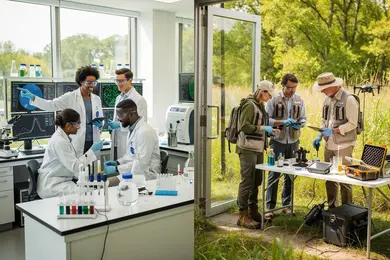
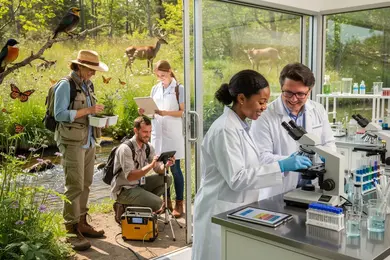
Online biological sciences degree benefits for research assistants extend beyond foundational knowledge to include applied skill sets crucial for today's research roles. Graduates gain proficiency in molecular biology, genetics, ecology, and biostatistics, paired with technology-driven lab simulations and data analysis tools. This combination prepares candidates to manage complex biological datasets and operate advanced equipment, often within hybrid or remote work settings.
Employers in academic, pharmaceutical, and environmental sectors increasingly expect candidates to demonstrate competence in genomic data analysis and laboratory protocols. For instance, a biotech firm applicant must show these capabilities to stand out, contributing to a documented 14% salary increase over five years.
Students should recognize that how an online biological sciences degree prepares research assistant careers involves mandatory practical experience through synchronous labs or internships. Proactively securing partnerships with local research centers is essential since failing to complete this experiential work frequently limits employability.
Success in such programs also hinges on self-discipline and digital literacy, as remote learning demands robust time management. This reality aligns with workforce data where the average research assistant salary reached $50,800 in 2025. Those weighing this degree path should consult resources like 20 careers in biology salary for precise market insights, balancing educational investment with realistic job market expectations.
Which biological sciences degree level is best for becoming a research assistant?
Employers hiring for research assistant jobs consistently prioritize candidates with a bachelor's degree in biological sciences or a closely related field due to its balance of theoretical knowledge and practical laboratory skills. The best biological sciences degree level for research assistant jobs typically reflects programs that integrate experimental design, data analysis, and essential techniques like PCR and microscopy.
For instance, a university lab seeking entry-level assistants expects firsthand experience managing experiments independently and collaborating on research teams, which bachelor's curricula often provide. An associate degree may qualify individuals for some entry-level lab technician roles but generally lacks the depth in research methodology needed for biological research assistant careers.
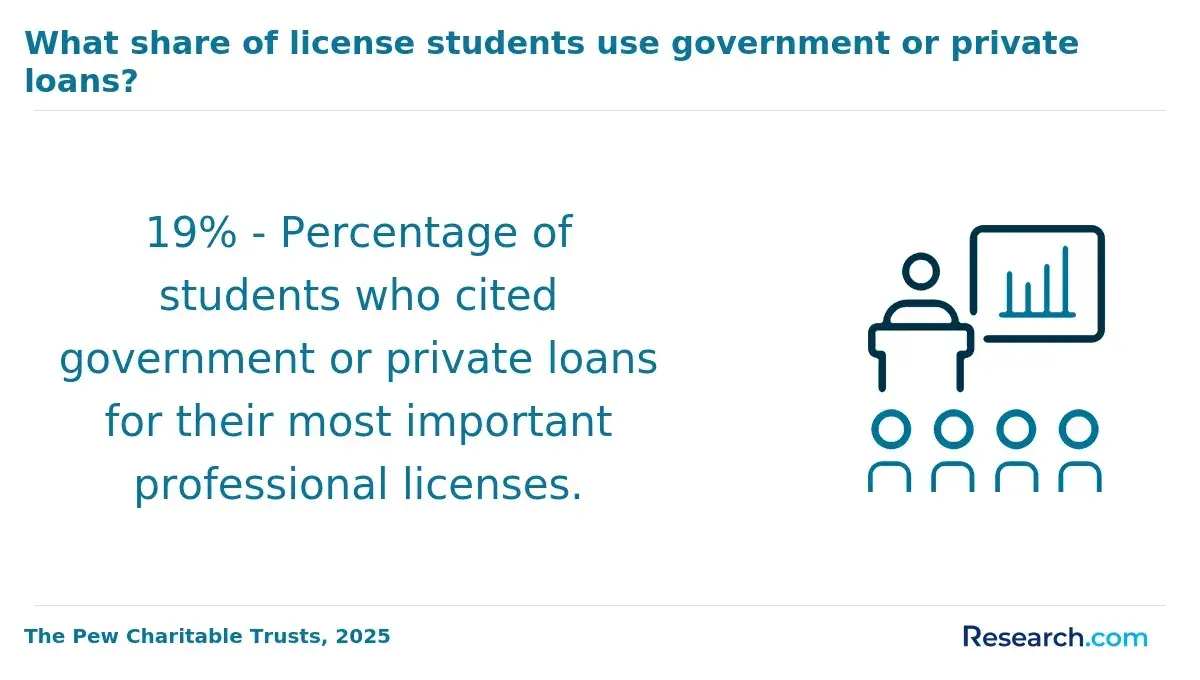
Graduate degrees offer specialization and leadership prospects but come with extended study periods and costs, making them less relevant for immediate employability. The job outlook reinforces the value of a bachelor's degree; biological research assistant positions are projected to grow by 19% from 2018 to 2028, adding roughly 150,300 roles.
This growth favors candidates who can quickly integrate into ongoing research without extensive retraining. Students aiming to maximize practical readiness should seek degree programs offering internships or cooperative placements to gain competitive advantages in this market. For those considering further education options, it's prudent to explore affordable and flexible pathways such as a data science masters online to complement biological sciences expertise with quantitative skills.
How do online biological sciences programs compare to campus programs for lab and research training?
Online biological sciences programs deliver substantially less hands-on laboratory training than campus-based options, directly affecting students' practical skill development. The core challenge comes from reduced access to supervised lab environments where techniques such as microscopy, sterile procedures, and instrumentation calibration are taught through real-time troubleshooting and peer collaboration.
This discrepancy in lab exposure significantly impacts readiness for research assistant roles, which demand demonstrated fluency in physical lab work rarely matched by virtual simulations or at-home experiment kits. Programs attempting to bridge this gap often rely on hybrid models with mandatory residencies or local research partnerships, though these remain uncommon. Employers favor candidates with in-lab competencies gained under direct supervision, particularly for roles in molecular biology and environmental science where sterile technique and data validation are essential.
As a result, online graduates frequently require extra on-site training or internships to reach equivalent employability and salary levels. North Carolina State University's career data shows U.S. research assistants earn an average of $59,025, reflecting market value tied to practical experience quality. Prospective students should critically assess online biological sciences lab training effectiveness, balancing flexibility against the likelihood of a skills gap without supplemental hands-on practice.
Key considerations include curriculum transparency on lab components and recognition by hiring entities. Those targeting bench research positions must prioritize physical lab hours through internships or partnerships to avoid employability obstacles inherent in fully remote learning. For those evaluating science pathway options, the online sports science degree programs may offer a useful comparison in terms of balancing online delivery with practical field demands.
What accreditation and quality standards should online biological sciences degrees meet?
Meeting accreditation standards recognized by the U.S. Department of Education and the Council for Higher Education Accreditation is a baseline requirement for online biological sciences degree accreditation standards that affect credibility with employers and academic rigor. Accreditation from regional bodies like the Higher Learning Commission ensures that coursework aligns with national quality benchmarks, while additional validation from specialized organizations supports program relevance to research assistant roles.
However, accreditation alone does not guarantee graduates will have the practical lab skills employers demand. Employers routinely expect comprehensive scientific literacy and hands-on lab competencies that reflect federal STEM guidelines. Programs that integrate synchronous or asynchronous lab simulations or virtual practical modules demonstrate stronger alignment with workforce needs.
Transparency in curricula about applied learning components and partnerships with local research centers is critical for distinguishing programs that deliver true skill acquisition from those that do not. Choosing an accredited online biological sciences degree program should involve assessing measurable outcomes such as retention rates, timely credential completion, and placement in biology research roles.
Data indicates that biology research assistants with a master's degree earn a median salary of $60,123 compared to $51,436 for bachelor's holders, showing a clear economic tradeoff linked to educational level. For working professionals seeking flexible, quality degrees, programs with verified accreditation and virtual labs can bridge gaps when in-person access is not feasible.
Prospective students should also explore affordable options like the online library science degree listings to understand cost factors and credit transfer policies that often influence final ROI. Ultimately, quality criteria for accredited online biological sciences programs must balance academic standards with practical readiness and market relevance to mitigate risks of credential rejection in research-intensive environments.
What core courses and specializations support research assistant career paths in biology?
Online biological sciences degrees aimed at research assistant roles must balance foundational theory with practical skill acquisition, as employers expect proficiency in laboratory techniques alongside analytical capabilities. Core courses such as molecular biology, genetics, biochemistry, and cell biology provide essential laboratory and experimental design knowledge, while statistics and data analysis prepare candidates for handling intricate biological datasets-a common requirement in medical, environmental, and agricultural research.
Specializing in fields like bioinformatics, ecology, pharmacology, or microbiology often correlates with higher wages and improved placement rates. For instance, bioinformatics specialization equips graduates to engage with computational biology tasks critical in genomics projects, whereas ecology targets roles in environmental monitoring.
According to Zippia's 2025 data, biology research assistants earn an average of $24.42 per hour, demonstrating measurable wage growth tied to specialization and market demand. Decision-making must weigh program emphasis on hands-on experience versus theoretical instruction. Degrees offering virtual labs or partnerships for fieldwork better align with employer expectations for technical competence, equipment handling, and safety compliance.
The absence of in-person mentoring in many online formats can limit access to internships-an essential step for transitioning from training to professional research work. Prospective students should prioritize programs with structured internship opportunities or local institutional collaborations, as these real-world experiences significantly impact preparedness and employability in research environments.
What are typical admission requirements for online biological sciences degrees in the U.S.?
Admission standards for online biological sciences degrees in the U.S. reflect the discipline's technical rigor and workforce entry expectations. Most programs require applicants to hold a high school diploma or equivalent with a minimum GPA typically between 2.5 and 3.0. While SAT or ACT scores often are optional, selective programs may still request them. Foundational coursework in biology, chemistry, and math remains a consistent prerequisite, acknowledging the quantitative and lab-intensive nature of biological sciences training.
Applicants should anticipate providing official transcripts, recommendation letters, and personal statements that clarify their commitment and fit within the biological sciences domain. For professionals pivoting careers, prior college credits or relevant work history can sometimes reduce coursework or accelerate admission. However, remote study necessitates self-discipline and access to lab simulations; some programs impose brief on-campus residencies or partnerships with local labs that may complicate schedules for employed or family-supported students.
Workforce data from NC State shows over 40% of research roles specify a bachelor's degree as the minimum requirement, highlighting the degree's alignment with entry-level qualification demands. Prospective students need to evaluate admissions policies carefully, with an eye on lab delivery modalities and technology requirements, to align institutional offerings with their career and life constraints.
How long do online biological sciences degrees take and what do they typically cost?
Choosing an online biological sciences degree requires weighing the practical balance between time, cost, and career outcomes. Associate degrees-typically around 60 credits completed in two years full-time-offer a faster, lower-cost credential, averaging $7,000 to $15,000 tuition. They suit those targeting entry-level or research assistant roles, where earnings of approximately $53,947 per year can outpace those holding only a high school diploma. However, such degrees generally cap advancement potential in specialized research or supervisory positions without further study.
Bachelor's degrees, spanning about 120 credits and often taking up to four years, involve significantly higher investment, with tuition ranging from $20,000 to over $60,000 depending on the institution type and residency status. While costlier and lengthier, bachelor's programs provide access to advanced roles, greater professional mobility, and more employer-preferred credentials.
Additional, often underappreciated costs-lab fees, specialized software, and occasional travel for practica-can extend both time and expense. Employers typically expect proven competencies through internships or research projects, adding layers beyond coursework. To optimize outcomes, prospective students should prioritize programs with flexible schedules, pathways recognizing prior learning, and clear certification options to mitigate time and financial burdens.
What research assistant roles can you qualify for with an online biological sciences degree?
An online biological sciences degree supports entry into diverse research assistant roles, but its practical value depends heavily on the alignment of academic knowledge with hands-on experience. About 78% of biology research assistants hold bachelor's degrees, which highlights the relevance of undergraduate programs in meeting baseline qualifications, yet securing laboratory or fieldwork experience remains a critical gating factor.
Employers rigorously assess candidates' proficiency through internships or practical projects, often necessitating supplementary real-world exposure beyond virtual coursework. For instance, roles in medical research demand clinical lab experience to satisfy strict safety and regulatory requirements, whereas environmental or agricultural research assistants must demonstrate skills in field data collection and statistics, often gained through targeted certifications.
Advanced industries such as pharmaceuticals or biotechnology expect familiarity with compliance protocols and sophisticated techniques, making a master's degree beneficial though not uniformly required. Online graduates seeking these fields should proactively secure internships since many employers prioritize verified experience over academic credentials alone.
Key considerations include:
- Balancing online theoretical training with hands-on lab or field work to remain competitive.
- Understanding that certain sectors mandate institutional clearances or background checks for clinical or human-subject research.
- Strategically augmenting online study with professional networking and skill certification to navigate competitive hiring pools.
This practical framework clarifies how an online biological sciences degree functions within the complex ecosystems of research employment, underlining that academic completion is only one element in a multifaceted qualification landscape.
What is the salary range and job outlook for biological sciences research assistants?
Salary potential for biological sciences research assistants is strongly influenced by employer type, location, and work arrangement, creating tangible tradeoffs for candidates weighing academic versus private sector roles. Entry-level pay often starts near $40,000 in academic or smaller institutions, while government and industry positions typically exceed $60,000. Notably, remote or hybrid roles, becoming increasingly viable, can offer salaries approaching $85,000, reflecting premium pay for candidates who meet flexible work demands without sacrificing skill requirements.
Hiring trends indicate roughly 6% job growth through 2034, concentrated in biotech, pharmaceuticals, and environmental research sectors where technical expertise and bioinformatics competence drive demand. Candidates holding online degrees face a competitive barrier if their programs lack hands-on lab experience or accessible internships, underscoring that theoretical credentials alone are insufficient for many employers.
Practical career advancement hinges on demonstrating both specialized technical proficiency and the ability to function autonomously within multidisciplinary teams. Maintaining current certifications and building professional networks are strategic necessities amid shifting market dynamics. Pursuing hybrid or remote roles aligned with one's skill set optimizes earnings and job stability, but these arrangements demand adaptability and verification of practical laboratory competencies expected in complex research environments.
How can you evaluate and choose a reputable online biological sciences program for research careers?
Choosing an online biological sciences program demands scrutiny beyond accreditation-employers prioritize graduates with tangible, hands-on skills demonstrated through authentic lab experiences. Online programs vary widely in how effectively they simulate laboratory techniques, data analysis, and statistical methods essential for contemporary research roles. For example, someone targeting pharmaceutical research should seek curricula emphasizing molecular biology techniques and biostatistics rather than purely theoretical courses.
Zippia reports over 68,000 biology research assistants employed nationwide with more than 50,000 active openings, signaling strong demand. Candidates should prioritize programs with transparent placement rates that meet or exceed this pace. Programs lacking employment transparency or strong alumni networks risk disconnect from real job markets, where geographic and internship factors heavily influence success.
Cost and program length matter but are secondary to quality lab training and career support. Flexible pacing is valuable for working adults but alone doesn't guarantee skill mastery or employer recognition. Prospective students should verify how online labs translate to in-person skills and confirm access to career services embedded in biological sciences research. Without these, even accredited programs may leave graduates underprepared for competitive research roles.
Other Things You Should Know About Biological Sciences
Most online programs limit in-person lab work, which is essential for many research assistant roles. Graduates often need to supplement with internships or local lab experiences to meet employer expectations for technical skills. When selecting a program, prioritizing those with hybrid options or strong partnerships for practical training improves readiness for hands-on tasks.
While online formats offer scheduling flexibility, they require strong self-management due to intensive coursework and tight deadlines. Without structured lab sessions, students must proactively seek external experiences to gain practical competence. Choosing programs with balanced pacing and robust academic support enhances the likelihood of maintaining quality learning outcomes despite the flexible setup.
Employer acceptance depends on program reputation, accreditation, and evidence of practical skills. Online degrees from well-established institutions with verified lab experience carry similar weight, but generic or poorly articulated online programs raise red flags. Candidates should focus on demonstrating tangible research competencies alongside their degree to overcome skepticism.
Students should check program accreditation, curriculum relevance, faculty expertise, and research opportunities offered. Assess if the program includes practical lab work through affiliated local institutions. Networking opportunities, alumni success, and career placement support are also vital for advancement as a research assistant.
References
- Careers Guidance https://www.rsb.org.uk/career-guidance.html
- What roles can I do with a biological sciences | STEM Graduates https://stemrecruitment.com/content-hub/what-roles-can-i-do-with-a-biological-sciences-degree/
- How To Become A Biologist | Biology Degrees And Careers https://www.learnhowtobecome.org/science-technology-careers/biology/
- how important is accreditation on biology degrees? https://www.thestudentroom.co.uk/showthread.php
- Are Online Degrees Accredited? How to Identify Quality Distance Learning Programs https://www.umassglobal.edu/blog-news/online-degrees-accredited-identify-quality-distance-learning-programs
- Skills: "biological sciences" | UNjobs https://unjobs.org/skills/biological-sciences
- Resources for Undergraduates https://www.sebiology.org/careers/resources-for-undergraduates.html
- The Need of Accreditation in Online Degree Programs https://www.onlinecu.in/blog/cu/the-importance-of-accreditation-in-online-degree-programs.php
- News from Biology Open | Biology Open | The Company of Biologists | Biology Open | The Company of Biologists https://journals.biologists.com/bio/pages/reviews
- Careers in Biology https://www.aibs.org/careers/