2027 Biological Sciences Specializations for Research Careers

Co-Founder and Chief Data Scientist
For individuals seeking to specialize within biological sciences, the challenge lies in selecting a pathway that balances rigorous scientific training with adaptability to evolving workforce demands. Recent data from the National Center for Education Statistics shows a 37% increase in enrollment in flexible online biological sciences programs since 2022, signaling growing demand for accessible yet comprehensive education among working adults and career changers.
This reflects a shift toward modular learning structures that support continuous career advancement without sacrificing industry relevance. Navigating this landscape requires a clear grasp of each specialization's practical outcomes, employer expectations, and long-term mobility prospects.
This article explores key biological sciences specializations and their alignment with current research careers to aid strategic decision-making.
Key Things You Should Know
- Data from the National Science Foundation in 2024 shows computational biology fields attract 25% higher median research salaries but require cross-disciplinary training that may delay traditional biological sciences degree completion by 1-2 years, impacting early career earnings.
- Employers prioritize candidates with molecular biology specializations paired with practical biotech experience, with 68% of surveyed life science firms citing hands-on skill gaps as a primary hiring constraint, underscoring a premium on applied competencies over theoretical knowledge.
- Graduate-level specialization costs average 40% above general biological sciences programs, according to the Department of Education, creating a tradeoff between niche expertise valued by top-tier research institutions and financial burden limiting access for mid-career professionals seeking advancement.
What are the main biological sciences specializations for research-focused careers in the United States?
Choosing a specialization within biological sciences research in the United States requires balancing strong labor market signals against educational prerequisites and localized demand. Molecular and cellular biology, for example, offers a median annual wage of $103,650 for biochemists and biophysicists and a 6% projected employment growth from 2024 to 2034, positioning it as a favorable path for those equipped with rigorous laboratory and advanced degree credentials.
Fields such as ecology and environmental biology, while offering broader entry points often oriented around fieldwork and conservation roles, tend to have slower wage growth but remain essential in resource management and environmental policy sectors.
Specializations in genetics and genomics increasingly intersect with precision medicine and agritech, requiring advanced bioinformatics expertise and compliance with regulatory frameworks, which can limit swift entry but offer substantial long-term growth.
Microbiology holds steady relevance in public health and pharmaceutical industries, driven by ongoing infectious disease challenges and antibiotic development needs. Neuroscience research demands a hybrid of experimental design and interdisciplinary collaboration skills, addressing complex neurodegenerative and neurotechnology advances.
Deciding among these options depends heavily on how prospective students align their skills and career goals with employer expectations and industry needs in their region. Resourceful candidates often consider flexible pathways such as online biology degrees to expedite credentials while managing practical constraints. This approach reflects a strategic balance for those navigating the top biological sciences fields for research careers in the US.
How do different biological sciences specializations align with major research career paths?
Biological sciences specializations diverge significantly in their alignment with research career paths, driven by employer demand, technological emphasis, and sector growth. Genetics and genomics offer a gateway to fast-expanding fields such as precision medicine and agricultural biotechnology, where data-driven approaches in pharmaceutical research contribute to a projected 5% job growth rate by 2032 in regions like the U.S.
This specialization suits candidates targeting innovation-focused roles requiring advanced bioinformatics and large-scale project experience.
In contrast, ecology and environmental biology respond to different employer needs, primarily government agencies and NGOs invested in conservation and climate-related initiatives. These positions emphasize field skills and quantitative modeling but often involve more contractual work and slower growth, which prospective students must weigh against their preference for stability within major research career paths in biological sciences fields.
Microbiology and immunology specialization aligns closely with medical research institutes and biotech companies, areas that saw increased funding after the pandemic.
However, candidates must combine pathogen expertise with interdisciplinary training in cell and computational biology to stay competitive. Tradeoffs also apply between molecular biology's technical laboratory mastery and systems biology's demand for integrative data analysis, affecting research career trajectories.
For those exploring educational pathways in biological sciences or considering a pivot, options like a computer science degree online can complement specializations by enhancing computational skill sets essential for many growth areas in research.
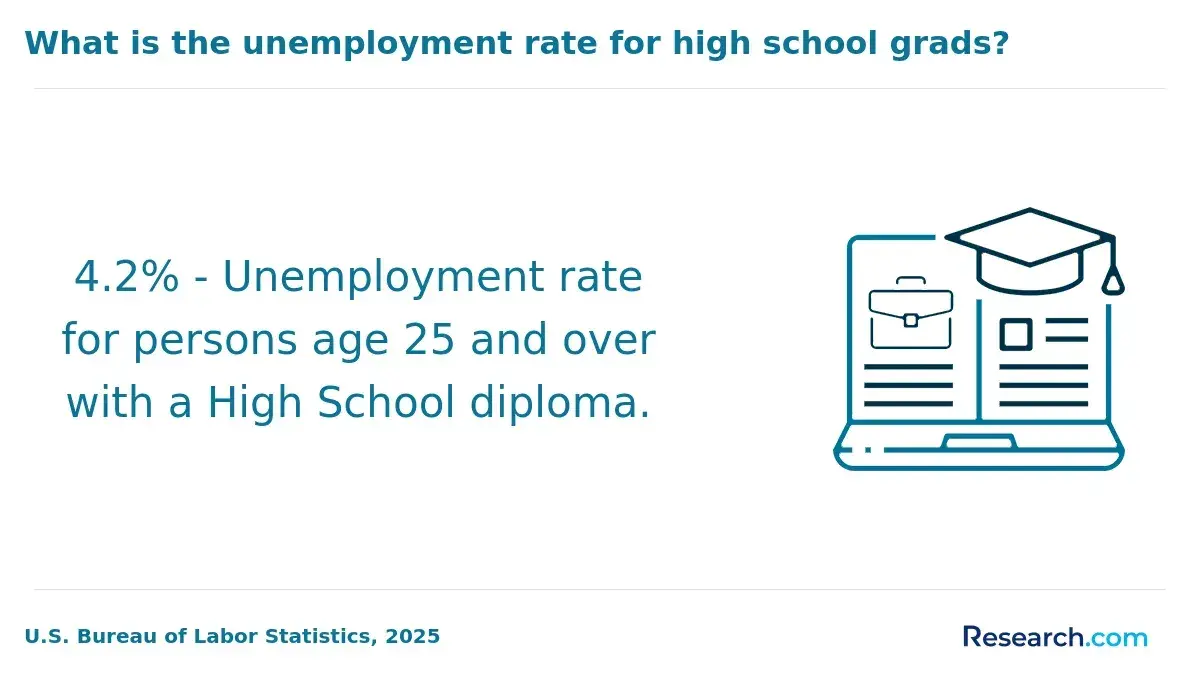
What degree levels are needed for biological sciences research roles, from bachelor's to PhD?
Bachelor's and master's degrees for biological sciences research careers often serve distinct workforce needs rather than overlapping gateways. Bachelor's programs typically prepare students for technician roles supporting laboratory operations, wildlife research, or public health initiatives. Employers hiring for these positions expect expertise in standard lab protocols but rarely require advanced analytical skills.
Master's degrees act as a practical pivot to independence in applied or interdisciplinary research projects. For instance, managing experimental design and data collection in environmental biology or clinical trials often necessitates master's-level proficiency. Yet, breakthrough roles requiring leadership or independent funding still hinge on meeting PhD requirements for advanced biological sciences research roles.
PhD credentials remain indispensable for high-impact fields such as computational biology or AI-driven bioinformatics, where salaries exceed $100,000 due to demand for algorithm development and advanced data interpretation. This reality creates a tradeoff: committing to a multi-year doctoral program versus pursuing faster entry points.
Prospective students balancing cost and time constraints may also explore specialized tracks that integrate quantitative skills earlier.
Practical decision-making includes considering emerging formats that align with workforce needs. For example, individuals interested in related health and biological applications might choose to study exercise science online to leverage expedited pathways while retaining scientific rigor. This option illustrates how interdisciplinary flexibility can influence career trajectories beyond traditional degree routes.
How do online biological sciences programs compare with campus programs for research training?
Online biological sciences research training programs reveal a fundamental distinction: virtual programs can deliver rigorous theoretical and quantitative instruction but often lack the immersive, hands-on lab opportunities integral to experimental biology careers.
Employers prioritize demonstrated laboratory proficiency, which campus-based programs naturally cultivate through mandatory lab rotations and direct faculty supervision, a dynamic difficult to replicate authentically in online formats.
Students pursuing roles centered on wet-lab techniques or fieldwork face the practical challenge of independently securing in-person internships or collaborations to supplement online coursework. This logistical hurdle directly affects employability in traditional biological sciences research positions.
Conversely, online biological sciences research education serves well for computational or data analytics tracks—such as biostatistics—where virtual labs and simulation tools align with real-world employer needs and market data, citing median salaries near $104,350 and steady job growth.
Consider a professional transitioning into biostatistics: an online master's program with integrated modules in programming and epidemiological research can suffice if complemented by substantial project portfolios emphasizing applied analytical skills. Aspirants of molecular biology or experimental research, however, benefit from campus experiences that foster personalized mentorship and tangible lab competencies.
Understanding these tradeoffs supports strategic education decisions. For working professionals weighing the benefits of an online degree, comparative insights can help tailor pathways aligned with targeted roles.
For instance, those evaluating STEM options might also review electrical engineering programs online for veterans to understand market-driven program structures balancing practical exposure and theory.
What core courses and lab experiences are included in research-oriented biological sciences degrees?
A research-focused biological sciences degree presents a distinct advantage by integrating advanced coursework with extensive laboratory practice that aligns directly with workforce demands. Students benefit from foundational courses like molecular biology, genetics, and biochemistry paired with essential skills in statistics and bioinformatics, which are increasingly necessary for rigorous data analysis in experimental research.
Lab work is a non-negotiable component, encompassing techniques such as microscopy, DNA sequencing, and protein assays, critical for developing practical competencies in experimental design and troubleshooting. For instance, those targeting roles in neuroscience research must engage in neuroanatomy and electrophysiology labs to attain proficiency relevant to industry standards.
Programs that embed semester-long or summer research projects requiring independent hypothesis formation and iterative testing address a common hiring gap: graduates' lack of hands-on bench skills and project management experience.
This correlates strongly with employability, with neuroscience and neurobiology roles earning a median annual wage of $78,980, about 60% above the national median, reflecting industry valuation of these competencies.
Prospective students should critically assess programs' balances of lab versus theory components and availability of research mentorship, as these factors greatly impact employability in technical, research-intensive settings. Degrees lacking embedded lab rigor can leave graduates underprepared for the scientific independence and critical reasoning expected by employers.
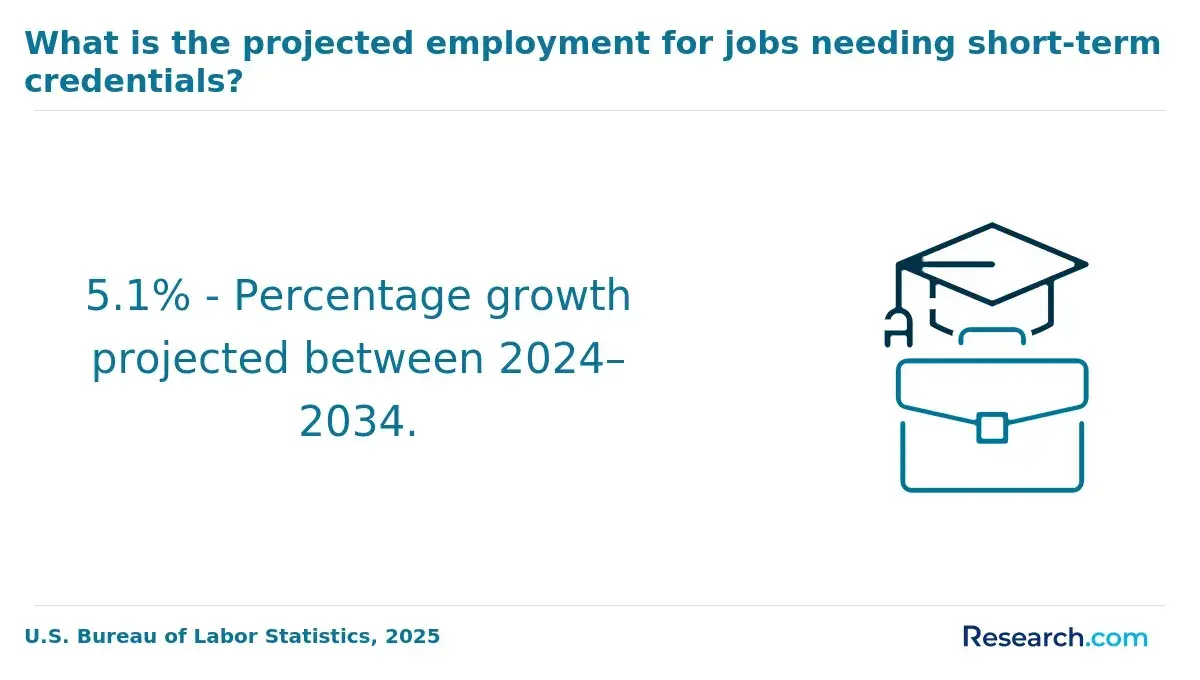
What admission requirements and prerequisites do biological sciences research programs typically have?
Applicants to biological sciences research programs must navigate a complex balance between academic prerequisites and market realities. Beyond a baseline undergraduate GPA of approximately 3.0, specialized fields such as microbiology and immunology demand documented laboratory skills—microbial culturing, molecular biology, or immunoassays—that directly address employer expectations in a cooling job market.
A 0.3% employment dip contrasts sharply with prior growth rates, highlighting the importance of practical research experience acquired through internships or lab assistant roles.
Letters of recommendation remain a critical quality filter, emphasizing independent project management and technical proficiency essential for research success. International candidates face additional challenges connecting educational backgrounds through TOEFL, IELTS, or prerequisite courses, often extending timelines or complicating scheduling for working professionals.
One tradeoff is clear: programs with diverse lab rotations broaden exposure but may reduce focus, risking less targeted employability in specialized tracks.
Applicants must also consider logistical constraints—aligning course completion with degree timelines without sacrificing necessary competencies. Given current labor market nuances, aligning educational choices with tangible skill development mitigates risks tied to sector-specific slowdowns documented by the SCbio life sciences job report, based on TEConomy/BIO data.
How long do biological sciences degrees take, and what do they cost at U.S. institutions?
Pursuing a bachelor's degree in biological sciences typically demands four years of full-time study, with master's and PhD programs extending education by two and up to six years, respectively.
The financial commitment varies widely: in-state public undergraduate tuition averages $10,500 annually, summing to about $42,000 for four years, while out-of-state or private universities range from $30,000 to $50,000 per year, potentially exceeding $200,000 total. Graduate tuition costs fluctuate between $20,000 and $60,000 yearly, hinging on the program's prestige and research funding.
For example, a student aiming to enter biotechnology quickly might prioritize an accelerated bachelor's or an associate degree focused on applied biology to balance cost and timing but should recognize these paths often restrict access to advanced lab roles and research positions.
Employers increasingly value candidates who combine interdisciplinary knowledge with practical internship experience, making the duration and expense of a degree a strategic factor in career outcomes.
Choosing a biological sciences program requires an evaluation of both educational investment and labor market alignment, especially given evolving employer expectations and sector-specific skill demands.
How can students evaluate accreditation and program quality in biological sciences research degrees?
Accreditation is a decisive factor for biological sciences research degrees, directly influencing federal funding access, graduate admissions, and employer credibility. Beyond institutional legitimacy, program-specific accreditation—such as from ABET or the Biological Sciences Curriculum Study—provides insight into curriculum rigor and alignment with evolving scientific standards.
For instance, a student targeting bioinformatics roles in pharmaceutical R&D must select programs emphasizing data science integration instead of traditional field biology, illustrating how curriculum flexibility shapes career outcomes.
Key indicators of program quality include graduation rates, employment statistics in biotech or research sectors, and faculty or student contributions via publications or patents. Hands-on training through labs, internships, and cross-disciplinary projects often distinguishes programs that prepare students for competitive fields like synthetic biology and systems-level research.
Prospective students should critically evaluate employer partnerships and alumni placement data, particularly in fast-growing areas demanding specialized technical skills.
Tradeoffs between research flexibility and fixed curricula also affect long-term adaptability. Programs with deeper elective options in computational biology may better support mid-career pivots than those with rigid course structures.
Validating reputations through National Science Foundation or Council of Graduate Schools datasets adds an additional practical layer beyond accreditation, offering a richer understanding of program relevance amid projected 5% job growth in biological science fields through 2032.
What are the salary ranges and job outlook for biological sciences research careers?
Salary trajectories in biological sciences research reveal critical distinctions based on sector and skill set. Entry-level roles start near $84,000, with seasoned experts reaching around $111,000, indicating considerable variation influenced by employer type and technical proficiency.
For instance, biotech startups offer accelerated wage growth for professionals versed in gene-editing techniques, contrasting with academic settings where salary increases often depend on fluctuating grant funds. This disparity impacts long-term career planning, especially when weighing immediate earnings against the stability of academic research.
Demand remains strong due to ongoing R&D investments and regulatory pressures, but success depends heavily on acquiring multidisciplinary skills, particularly in data analytics and bioinformatics. Employers prioritize candidates who demonstrate adaptability along with deep technical expertise, which alters the traditional trajectory favoring pure specialization.
Prospective biological sciences students or mid-career switchers should consider several practical steps to improve employability:
- Enroll in focused programs providing practical experience with contemporary biotech tools
- Engage in internships or partnerships to validate applied skills beyond theoretical knowledge
- Develop portfolios showcasing tangible contributions to project outcomes as leverage in salary negotiations
- Consider relocating to biotech hubs such as Boston or San Diego to access stronger demand and compensation
These considerations reflect how wage pressures and talent shortages drive the need for strategic skill-building and location choices in this competitive field.
How should students choose a biological sciences specialization to match their research goals?
Specializing in biological sciences demands aligning coursework and skills with targeted employment sectors, as the choice directly influences labor market viability and adaptability. For instance, students focusing on biomedical research should emphasize molecular biology or genetics due to employer preferences, while those aiming for environmental policymaking benefit from ecology or conservation biology expertise.
The U.S. Bureau of Labor Statistics anticipates approximately 144,700 openings annually in integrative biology fields between 2024 and 2034, but the value hinges on selecting specializations that meld practical application with market demand.
Interdisciplinary tracks covering bioinformatics or synthetic biology expand opportunities but require navigating additional coursework beyond traditional biology curricula, imposing a time and resource tradeoff. Prioritizing programs with access to modern labs, internships, and industry collaborations is critical, especially for candidates targeting pharmaceutical or clinical research sectors, where practical experience often outweighs theoretical knowledge.
Students evaluating specialties should consider flexibility; narrowly focused areas risk obsolescence if labor market needs shift, whereas broader interdisciplinary options offer resilience. Analyzing alumni outcomes and current industry trends reveals which specializations translate into sustainable employment pathways. Ultimately, the choice should balance specific career ambitions against program demands and evolving employer expectations.
Other Things You Should Know About Biological Sciences
Biological sciences programs often require significant time commitment to both rigorous coursework and hands-on research. Students must prioritize time management to avoid falling behind in either area, as research workloads can unpredictably increase near project deadlines. Programs with integrated research components demand early and consistent engagement, so choosing a program with structured research support and clear milestone expectations will reduce stress and improve outcomes.
Employers in biological sciences research prioritize candidates with specialized skills that match job requirements, often valuing practical lab techniques over broad theoretical knowledge. Selecting a specialization should align with targeted employment sectors, such as molecular biology for biotech or ecology for environmental agencies. Candidates targeting competitive fields must also consider program prestige and internship opportunities, as these factors significantly impact hiring decisions.
While multiple specializations can broaden a candidate's knowledge base, spreading focus too thin may lead to weaker depth in critical research skills employers seek. It is advisable to concentrate on one specialization closely aligned with career goals to develop advanced expertise and a coherent research portfolio. Secondary competencies can be built through electives or targeted certifications to complement the primary specialization without compromising core competence.
References
- Admission to Science https://www.ualberta.ca/en/science/programs/bachelor-of-science/admission-to-science/index.html
- Biomedical Science vs Other Degrees Comparison https://pathologylabtraining.co.uk/biomedical-sciences/degree-comparison
- How To Become A Biologist | Biology Degrees And Careers https://www.learnhowtobecome.org/science-technology-careers/biology/
- Irell & Manella Graduate School Admission Requirements https://www.imgs-coh.edu/phd-in-biological-sciences-program/admission-requirements
- Top 15 Highest‑Paying Pharmacy Jobs in the UK 2025 (Including Salaries) https://apexlearning.org.uk/highest-paying-biology-degree-jobs-2025-2026/
- Top 5 most in-demand Life Sciences Jobs in Europe - Aspire Life Sciences https://www.aspirelifesciences.com/top-5-most-in-demand-life-sciences-jobs-in-europe/
- Careers in Biology https://www.aibs.org/careers/
- Can Online Biology Courses Replace In-Person Labs? https://www.straighterline.com/blog/can-online-biology-courses-replace-in-person-labs
- Top Jobs for Biology Majors: Exploring Career Opportunities https://aligncareer.in/top-jobs-for-biology-majors-exploring-career-opportunities/
- Careers in Biological Sciences: Opportunities, Skills, and the Future of Work https://www.hyperec.com/blog/careers-in-biological-sciences-opportunities-skills-and-the-future-of-work/