2027 Online Biological Sciences Degrees With Wildlife and Conservation Career Alignment

Co-Founder and Chief Data Scientist
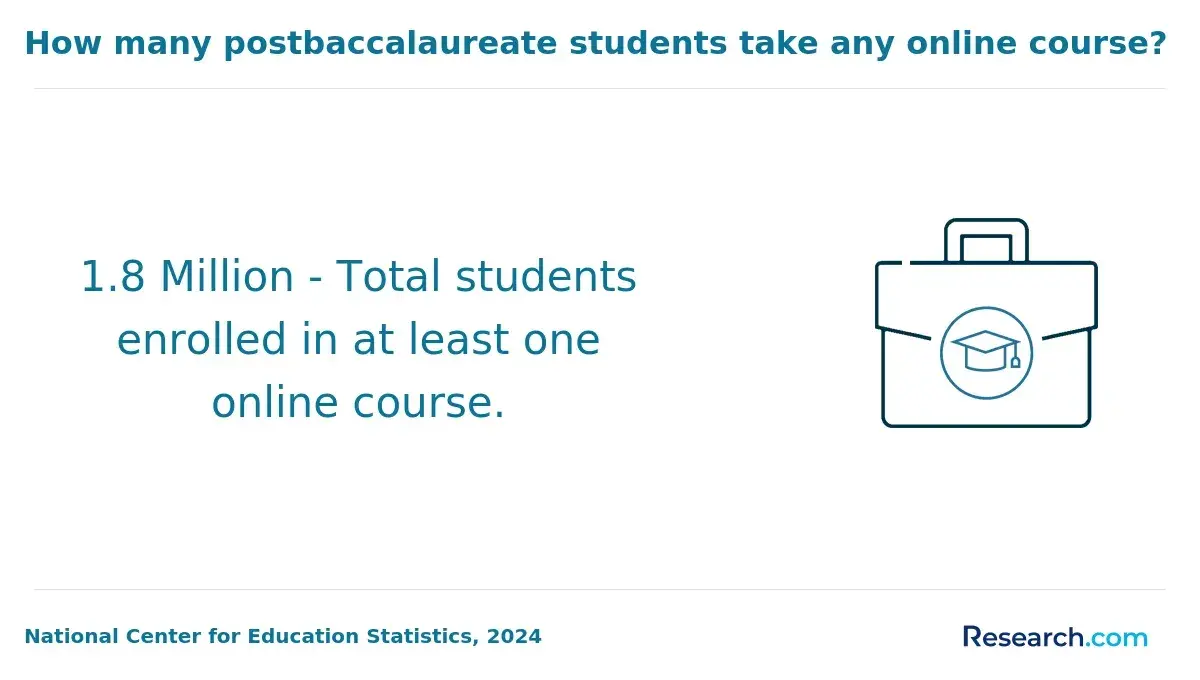
Professionals aiming to pivot into wildlife and conservation careers frequently confront the challenge of balancing ongoing employment with advanced education that genuinely aligns with emergent ecological priorities. This tension compounds as employers increasingly expect candidates to demonstrate both academic rigor and practical skills within remote work or field contexts. According to the National Center for Education Statistics, over 40% of adult learners enrolled in at least one online course in recent years, revealing a shift toward flexible degree delivery that must be matched by programs' relevance to workforce demands.
Navigating these educational choices requires critical assessment of online biological sciences degrees' curricula, accreditation, and career integration potential. This article evaluates current online biological sciences programs focused on wildlife and conservation, providing data-driven guidance to optimize enrollment decisions and career trajectory outcomes in this specialized field.
Key Things You Should Know
- Online biological sciences degrees aligned with wildlife and conservation careers average 30% lower tuition compared to in-person programs, but extended fieldwork requirements can delay graduation by 6-12 months, impacting overall time-to-employment.
- Employers in conservation prioritize candidates with practical GIS and ecological modeling skills, which many online curriculums underdeliver, creating a pipeline mismatch affecting entry-level job placement rates reported near 60% nationally.
- Federal employment growth for wildlife biologists projects a 5% increase through 2032, emphasizing strategic enrollment in programs with embedded agency internships to offset limited online field experience and enhance federal hiring eligibility.
What is an online biological sciences degree with a wildlife and conservation focus?
Choosing an online biological sciences degree with wildlife conservation specialization requires careful consideration of how virtual coursework aligns with essential hands-on field experience, a critical factor often overlooked by candidates. The value of these programs to employers in government, non-profits, and consulting agencies hinges on demonstrated practical skills alongside theoretical knowledge.
Students must navigate securing relevant internships or practicums locally to supplement their studies, or risk gaps in employability despite academic credentials. Programs focused on wildlife and conservation career centered biological sciences must be assessed for curriculum relevance and faculty expertise, especially regarding supervised fieldwork opportunities. Additionally, state-specific licensing or certification requirements can create further complexity, underscoring the need for proactive planning beyond the degree itself.
Flexibility for working professionals is a notable advantage but demands rigorous self-management and networking to translate education into tangible employment. Financial prospects in this sector, with a median annual wage of $72,860 for zoologists and wildlife biologists reported by the U.S. Bureau of Labor Statistics in May 2024, reflect a stable but modest job growth projection of 2% through 2034.
This slower growth rate means competition intensifies, favoring candidates with advanced credentials or specialized practical experience. For those evaluating an online biological sciences degree with wildlife conservation emphasis, including the realistic challenges and potential of this pathway is vital for sustaining a long-term career in the field. For more detailed insights, see what can you do with an environmental science major.
How do online biological sciences programs compare to campus-based options for wildlife careers?
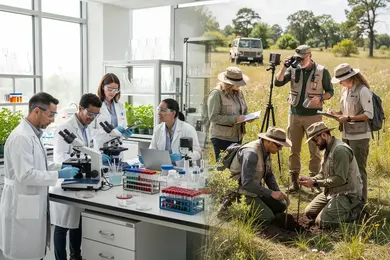
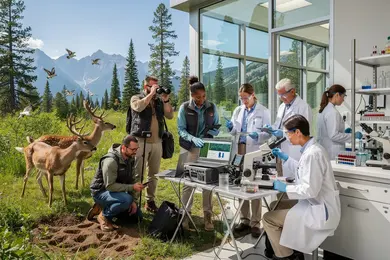
Online biological sciences degrees for wildlife conservation careers present a clear tradeoff: academic parity with campus-based programs but reduced access to coordinated fieldwork integral to employer expectations. Campus-based vs online biological sciences programs for wildlife jobs differ primarily in the immersive hands-on experience essential for roles requiring habitat assessment, species identification, and ecological data collection.
Employers consistently prioritize candidates with practical exposure measured by logged hours or project results, which online learners must independently arrange through internships or volunteer work, often incurring additional time and logistical challenges. For example, an online student living far from ecological hotspots may face greater difficulty and cost securing quality field placements compared to peers embedded in campus programs with direct agency partnerships.
This disparity influences workforce outcomes: wildlife biologists with robust applied experience earn a median wage of $72,860, while those lacking field skills often receive below $48,240 annually, limiting employability and growth. Prospective students should weigh the flexible pacing of online degrees against the necessity for deliberate, self-directed practical engagement to meet employer standards.
Understanding these real-world constraints aligns with pursuing a rigorous data science learning path or other supplementary skills that can offset some experiential gaps. Ultimately, integrating practical exposure into online biological sciences education is non-negotiable for meaningful entry and progression in wildlife-focused careers.
Which accreditation and program quality standards matter for online wildlife biology degrees?
Accreditation is a non-negotiable baseline when assessing online wildlife biology programs, directly influencing employment prospects in a field demanding applied skills such as fieldwork, data analysis, and regulatory compliance. Regional or national accreditation ensures foundational quality, but deeper quality assurance for wildlife conservation degrees also hinges on faculty expertise, aligned curricula, and rigorous lab or field practicums-even if conducted virtually or locally.
These factors determine whether graduates can meet the expectations of roughly 1,400 annual U.S. Bureau of Labor Statistics job openings projected from 2024 to 2034.Practical skill acquisition must include current technologies like GIS mapping, statistical tools, and remote sensing, which are integral to data-driven management decisions in conservation roles.
Lacking such components often forces graduates into additional, costly training and limits workforce readiness. For instance, candidates missing these abilities may struggle to transition into environmental consultancy or state agency roles without significant upskilling.An online wildlife biology program's true value is revealed in documented graduate outcomes, including strong job placement rates linked to internships and active professional networks. These indicators provide meaningful evidence of employment alignment beyond institutional accreditation alone.
Prospective students comparing pathways in Biological Sciences should critically examine these layers of accreditation standards and program quality assurance for wildlife conservation degrees. This disciplined approach reduces costly missteps and optimizes alignment with market realities. Those considering interdisciplinary options may benefit from exploring related fields such as exercise science through resources like best exercise science degree online.
What concentrations and courses are common in online wildlife and conservation biology programs?
Choosing wildlife conservation biology online concentrations demands careful evaluation beyond course titles, emphasizing the depth of technical and regulatory training that employers expect. Graduates routinely work on projects requiring proficiency in statistical software and GIS for spatial habitat analysis-skills integrated into advanced coursework but unevenly covered across programs.
Common courses in online wildlife and conservation biology programs include Wildlife Ecology, Conservation Genetics, and Population Dynamics, which build a foundation for managing endangered species or controlling invasive populations. Coursework in Conservation Law is especially important for roles in state agencies or NGOs, where compliance with complex regulations is mandatory.
Practical experience remains a pivotal hurdle; internships or field practicums, though often available, require significant coordination that can strain professionals balancing jobs. Graduates lacking these field components may face challenges demonstrating applied competence to employers prioritizing hands-on expertise.
Salary benchmarks for conservation scientists indicate median earnings near $67,950, with top professionals surpassing $107,720, reflecting the premium on quantitative methods and policy fluency. Students targeting strategic career shifts in Biological Sciences should scrutinize programs for these real-world demands to avoid limiting future advancement.
Prospective students also weigh different online pathways, occasionally comparing these to fields such as library science shown in the online library science masters program cost data for affordability metrics, though skills and market demand widely diverge.
What are the typical admission requirements for online biological sciences degrees in this field?
Admission criteria for online biological sciences degrees focusing on wildlife and conservation typically emphasize a firm STEM background, with institutions demanding proof of strong foundational knowledge in biology, chemistry, and mathematics. Official transcripts confirming at least a high school diploma are standard, and a minimum GPA threshold between 2.5 and 3.0 is common to demonstrate academic readiness. While some programs still request SAT or ACT scores, many have dropped these requirements, reducing barriers for applicants with non-traditional academic paths.
Applicants who align their personal statements with specific regional job markets-such as Sacramento, where the median wildlife biologist salary stands at $91,830-enhance their chances by linking education goals directly to local workforce needs. This strategic framing helps admissions committees evaluate candidates' practical career focus rather than generic interest.
Letters of recommendation and documented conservation experience remain important differentiators. Internship or volunteer experience in wildlife contexts can compensate for gaps in formal coursework, signaling employer-relevant skills. Technological readiness and reliable internet access are frequently mandated given the online format's reliance on virtual labs and data analysis software.
Transfer applicants face the challenge of rigorous course equivalency evaluations, often slowing degree progress if prior credits do not align closely. Understanding this can prevent costly delays and inform decisions about where to transfer or enroll initially.
How long do online biological sciences degrees take and what do they typically cost?
Choosing an online biological sciences degree requires weighing the tension between program duration, cost, and market readiness. Accelerated bachelor's programs that accept up to 60 transfer credits can shorten completion to about two years, fitting those needing rapid workforce entry. However, most full-time students face the traditional four-year timeline, while part-time learners balancing jobs often extend to three to five years. This extension, though necessary for many working adults, can delay income gains.
In-state public universities typically charge $8,000-$15,000 annually, while private and out-of-state institutions can exceed $25,000 per year. Total expenses including technology, lab access, and textbooks push some programs beyond $100,000. Prospective students must assess affordability alongside timeline, especially given labor market demand for applied skills and internships that boost employability in sectors like conservation.
Job growth forecasts for natural-resources roles suggest up to 20% expansion, favoring graduates equipped with practical experience. Online programs that incorporate virtual labs or facilitate local fieldwork offer valuable, though uneven, opportunities to meet this expectation. Decision-making thus hinges on aligning educational delivery with both career timing and the depth of skill acquisition required for long-term positioning in biological sciences fields.
What entry-level and advanced wildlife and conservation careers can these degrees support?
Biological sciences degrees with a focus on wildlife and conservation position graduates primarily for hands-on, entry-level roles such as wildlife technician or environmental field assistant. These jobs demand strong competencies in field data collection, GIS mapping, and species identification. For example, a technician engaged in federally funded habitat restoration must master compliance documentation and ecological impact assessments-areas not typically covered in generic biology curricula but essential in aligned programs.
Progression beyond these roles often requires specialized skills or graduate education, shifting toward careers like fish and wildlife biologist, conservation scientist, or natural resource manager. Labor-market data from ASU Online highlights that fish and wildlife biologist positions are growing modestly (1.6%) with a median salary of $76,780, underscoring steady demand but significant competition.
Success in this pathway depends heavily on supplementary certifications, internships, and understanding region-specific hiring patterns. Many state agencies, for instance, mandate wildlife technician licenses not universally addressed in online programs, creating a barrier for some candidates.
Advanced positions in environmental consulting and endangered species recovery require applied experience with environmental laws like the Endangered Species Act, ecosystem modeling, and stakeholder collaboration. Candidates enhancing their profiles with remote sensing or data analytics skills gain a competitive edge, especially in government and large conservation NGOs.
What are the salary ranges and job outlook for wildlife and conservation biology roles?
Salary ranges in wildlife and conservation biology roles typically fall between $45,000 and $80,000 annually, with environmental analysts earning an average of about $73,010 according to labor-market data reported by ASU Online. Job growth of 3.4% for these analysts indicates steady demand influenced by shifting environmental policies, funding, and private sector sustainability initiatives. Compensation and job stability vary notably across employer types.
Government and nonprofits generally provide lower starting salaries but greater security, whereas private environmental consulting firms offer higher immediate pay paired with less stability. Practical tradeoffs affect career choices in this field:
- Field biologists often work in remote settings with irregular hours, balancing $50,000 to $70,000 salaries against lifestyle challenges.
- Environmental consultants earn $65,000 to $85,000 but must continuously adapt to regulatory changes that affect project scopes.
- Specialized management or technical roles such as GIS analysts or habitat restoration specialists demand additional certifications and typically pay over $80,000.
Professionals considering a pivot should prioritize programs emphasizing applied data analysis, regulatory expertise, and GIS competency. Without these skills, entry-level opportunities may be limited due to employer preference for candidates who can contribute immediately to complex, multidisciplinary projects. Realistic expectations about salary and stability hinge on understanding how targeted education aligns with sector demands and evolving environmental agendas.
Do wildlife and conservation biology careers require licenses, certifications, or fieldwork hours?
Licensing and certifications in wildlife and conservation biology signal specific employer expectations but rarely guarantee job security or abundance. For example, fish and game wardens must navigate mandatory state certifications and law enforcement training to enforce regulations. Yet, labor-market data from ASU Online projects a 6.0% decline in these roles despite a median salary near $74,000, reflecting a tightening, competitive job market and shrinking opportunities.
In contrast, wildlife biologists and conservation specialists typically rely on extensive supervised fieldwork-often several hundred hours embedded in academic internships or degree programs-to demonstrate competence. Candidates with verifiable field experience in data collection, species identification, and habitat evaluation hold a distinct practical advantage, as employers carefully scrutinize the quality and authenticity of logged hours.
Certifications such as the Certified Wildlife Biologist (CWB) credential or specialized GIS and environmental compliance certifications can improve candidacy but are not universally mandatory. Prospective students should weigh the cumulative time and financial costs of obtaining these credentials alongside logistical challenges like seasonal fieldwork availability and travel requirements.
A mid-career pivot toward wildlife enforcement demands realistic consideration of rigorous certification hurdles and limited job growth. Redirecting toward scientific research or sustainability roles may offer a more pragmatic path emphasizing analytical expertise over regulatory licensing. Assessing these tradeoffs is essential to align education with sustainable employment outcomes.
How can students choose a reputable online wildlife and conservation biology program?
Federal wildlife agencies emphasize technical skills like GIS mapping, population ecology, and policy analysis when hiring, directly influencing advancement opportunities for professionals with online degrees in wildlife and conservation biology. About 35% of U.S. Forest Service wildlife biologists hold the GS-11 grade, with 23% in higher grades, reflecting strong demand for expertise combined with managerial capabilities.
Students choosing online programs should verify regional accreditation and alignment with federal standards, as these factors affect employability and eligibility for advanced certifications. Programs lacking integrated fieldwork typically require supplemental in-person practicums, posing logistical challenges for working adults balancing job and study. Those aiming for federal employment benefit from programs with advisory boards connected to wildlife agencies and conservation NGOs that offer internships or practicums on public lands.
Evaluating graduate employment outcomes, specifically placements within government wildlife services or research institutions, helps identify programs aligned with workforce realities. Specializations in endangered species management or habitat restoration can position graduates for niche roles responding to current labor market needs.
Working professionals pivoting into biological sciences should prioritize flexible asynchronous coursework paired with hands-on learning that supports federal GS-level career progression, weighing tuition costs against the trajectory of salary growth tied to advancement in government roles.
Other Things You Should Know About Biological Sciences
Online biological sciences programs generally require consistent weekly time commitments ranging from 10 to 20 hours, depending on course load and lab requirements. Working professionals must balance asynchronous lectures with synchronous activities, which can limit flexibility. Prioritizing programs offering flexible pacing and part-time options is critical to avoid burnout and ensure steady progress toward career transition goals.
Employer skepticism exists primarily when online degrees lack evidence of rigorous field experience or relevant internships. Degrees from accredited institutions with clear practical components carry more weight. Candidates should emphasize verified hands-on experience and technical skills gained alongside the online degree to overcome any employer bias against the online format.
Programs integrating interdisciplinary skills such as GIS mapping, data analysis, and environmental policy enhance employability in wildlife and conservation fields. Purely biological sciences curricula may limit career options and adaptability to diverse roles. For strategic career advancement, students should select degrees that balance deep biological knowledge with applicable technical and analytical competencies.
References
- Wildlife Conservation Jobs 2025: Salaries, Requirements & Careers - CurlewCall.org https://www.curlewcall.org/wildlife-conservation-jobs-2025-salaries-requirements-careers/
- Habitat and Wildlife Career Outlook - NWF EcoLeaders https://www.nwfecoleaders.org/careercenter/habitat-and-wildlife
- TWS Certifications https://wildlife.org/tws-certifications/
- Zoologist & Wildlife Biologist Careers | Salary, Outlook & Free MAPP Fit https://www.assessment.com/life-physical-and-social-science-careers/zoologists-and-wildlife-biologists
- Home https://www.husson.edu/online/online-degrees/bachelor-of-science-in-wildlife-biology-and-conservation
- Entry-level conservation jobs in the UK https://environmentjob.co.uk/jobs/q-entry-level-conservation-jobs
- Wildlife and Conservation Science (BS) Agriculture Track https://www.etamu.edu/programs/wildlife-conservation-science-bs-agriculture/
- Wildlife Biology https://www.lmc.edu/academics/programs/wildlife-biology/index.htm
- Greener Careers https://greenercareers.co.uk/blog/start-your-journey-in-conservation-entry-level-positions
- Wildlife Biology and Conservation https://www.uoguelph.ca/programs/wildlife-biology-and-conservation/