2027 Best Online Bachelor's in Biological Sciences With Microbiology Coursework

Co-Founder and Chief Data Scientist
Professionals aiming to specialize in microbiology within biological sciences often encounter a critical hurdle: aligning rigorous coursework with demanding work schedules or personal commitments. Traditional campus-based programs rarely accommodate the unpredictable hours many face, especially given the 26% surge in enrollment for accredited online science degrees reported by the National Center for Education Statistics in 2024. This shift signals a growing demand for flexible, comprehensive online options that preserve academic rigor while enabling career advancement. Balancing practical laboratory skills and theoretical knowledge in an online format remains a key challenge for aspiring microbiologists. This article evaluates the best online bachelor's programs that integrate microbiology coursework, guiding readers to choose paths that optimize flexibility without compromising outcomes.
Key Things You Should Know
- Microbiology coursework in online biological sciences degrees enhances employability in biotech sectors where 8% annual job growth outpaces general biology roles, but limits customization toward emerging fields like bioinformatics.
- Employers increasingly require hands-on lab experience; programs lacking integrated virtual or regional lab access see 12% lower graduate hiring rates, intensifying the need for hybrid or local practical options.
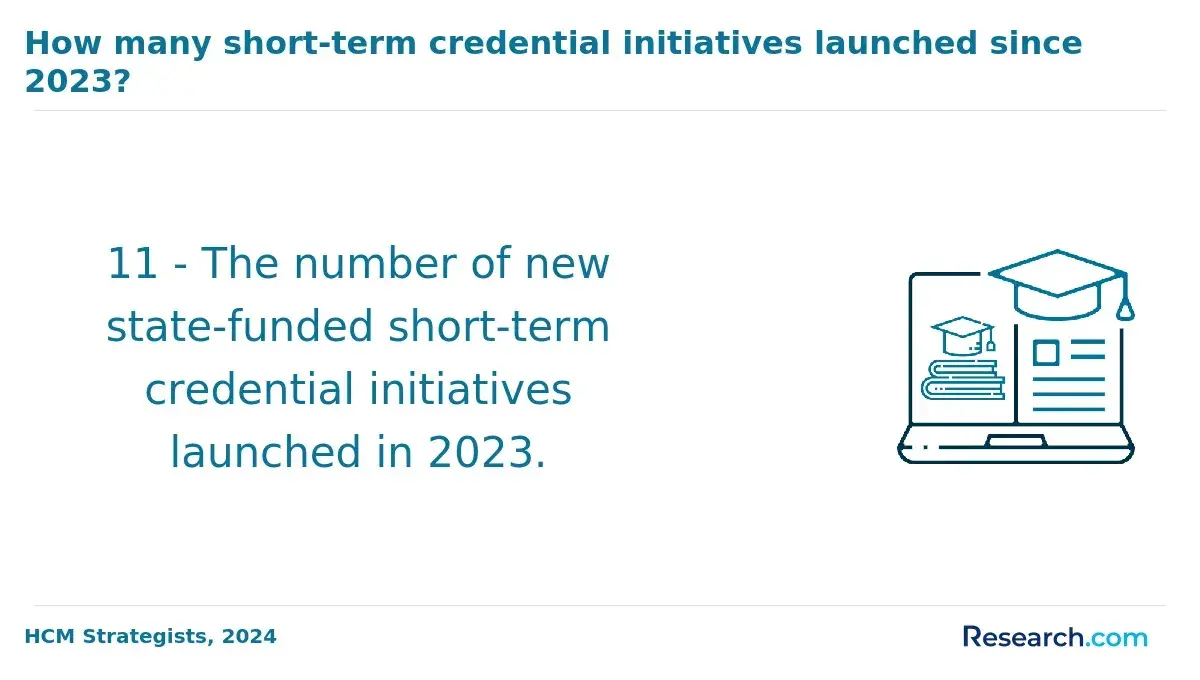
- Online bachelor's programs average 20-25% lower tuition than on-campus counterparts per National Center for Education Statistics data, accelerating return on investment but potentially extending time-to-degree due to course sequencing constraints.
What is an online bachelor's in biological sciences with microbiology coursework, and who is it best for?
An online bachelor's degree in biological sciences with microbiology courses offers flexibility but entails important tradeoffs, especially concerning lab experience crucial for microbiology roles. While such programs efficiently blend cellular biology, genetics, immunology, and microbial physiology, relying solely on remote coursework can limit hands-on competencies valued by employers in clinical labs, pharmaceutical research, or environmental biotechnology sectors. This creates a practical challenge: graduates often need supplemental in-person practica or hybrid formats to meet industry standards and licensure requirements.
The best online biological sciences program with microbiology specialization balances asynchronous learning with virtual labs and requires access to local lab partnerships or facilities. Students must consider state authorization and accreditation since recognized credentials, such as ASCP certification or environmental testing compliance, hinge on completing approved practical components. Those without prior science backgrounds face additional hurdles, often needing extra foundational courses to catch up.
Projected job growth of 7% over a decade signals expanding opportunities in microbial research and industrial innovation, but actual employability depends heavily on demonstrable lab skills and regulatory knowledge. Working professionals pursuing advancement should align studies with employer expectations and certification standards. For a clearer view of realistic career paths, analyze jobs with a biology degree to understand roles aligning with this educational pathway.
How do online biological sciences degrees with microbiology compare to on-campus programs?
Online biological sciences degrees with microbiology coursework offer a strong theoretical foundation comparable to traditional on-campus programs yet fall short on essential hands-on laboratory experience. For roles demanding advanced lab skills-especially in clinical research or pharmaceutical development-graduates without direct wet lab practice risk diminished employability. Employers expect candidates to demonstrate practical competencies often absent in purely online curricula.
Prospective students comparing online biological sciences degrees with microbiology coursework versus traditional on-campus programs must consider this gap carefully. Without institutional access to labs, students usually must secure local partnerships or internships. This hybrid strategy introduces logistical challenges and potential added costs, such as travel and scheduling coordination.
Industries like environmental microbiology or biotechnology further emphasize proof of practical expertise. Those pursuing online degrees often mitigate shortfalls through certifications or part-time lab roles, aligning better with workforce expectations. Educational providers offering flexible hybrid models or summer-intensive lab options improve alignment with employer demands.
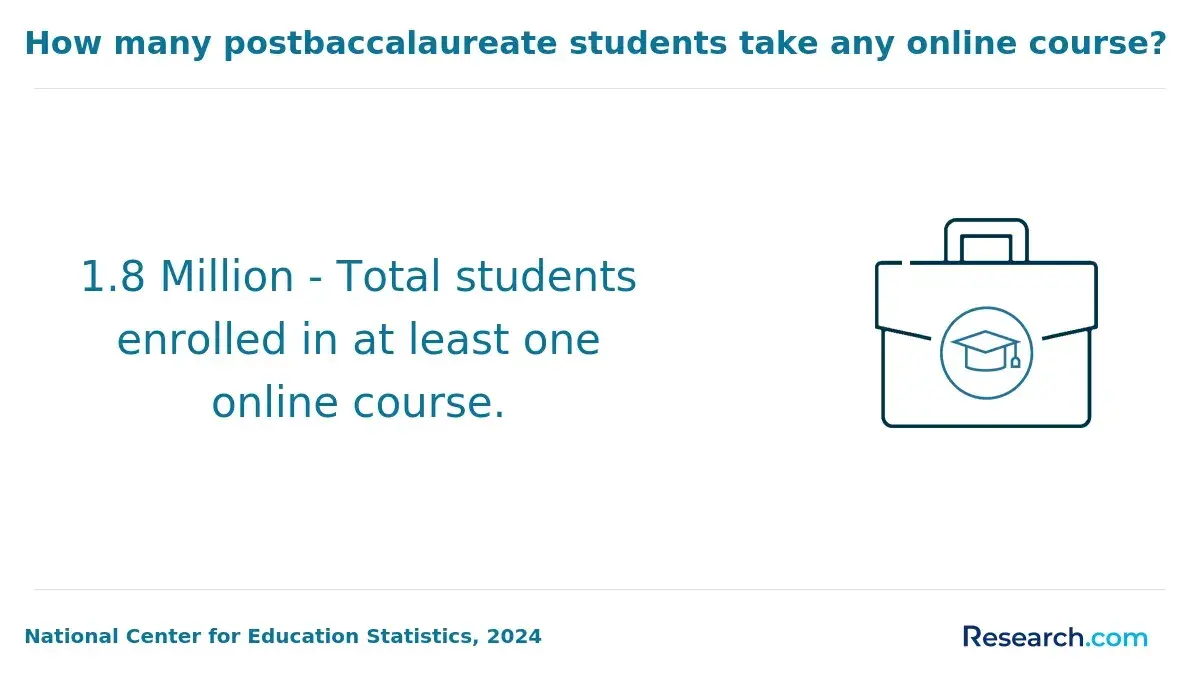
A 2024 report from the National Center for Education Statistics notes about 60% of undergraduates took at least one distance-education course in 2023, with nearly a third fully online. These numbers confirm growing interest but also underline the necessity for experiential learning to validate theoretical knowledge. Students aiming for such credentials should critically assess how programs integrate labs to avoid limiting career trajectories in microbiology-focused biological sciences fields.
Those seeking STEM degrees can also explore relevant options like a computer science degree online to broaden interdisciplinary skills and opportunities.
Which accredited schools offer the best online biological sciences bachelor's with microbiology courses?
Successfully navigating a biological sciences bachelor's degree with microbiology coursework demands balancing rigorous practical training with the realities of employed students. The best accredited online biological sciences programs with microbiology courses tailor lab components to reduce campus visits through virtual simulations and periodic on-site intensives, addressing the high percentage of online students working part-time or full-time. This hybrid approach directly affects employability, as biotech and clinical research employers increasingly require verified hands-on skills alongside theoretical knowledge.
Students pursuing top online biological sciences bachelor's degrees offering microbiology coursework encounter tradeoffs between fully online convenience and essential experiential learning. Programs that synchronize asynchronous lectures with scheduled lab sessions improve workforce readiness but require disciplined time management and coordination. Choosing programs with current molecular techniques and pathogen analysis ensures graduates meet employer expectations for technical expertise relevant to evolving industry demands.
The need for practical education amid work and family obligations highlights the value of dedicated career services and employer partnerships within these programs. Candidates should evaluate accreditation, lab availability, and support specifically designed for adult learners aiming to minimize job market friction after graduation. For those considering a strategic shift, maintaining employability often hinges on these nuanced program features.
Some students exploring interdisciplinary options might also compare costs and outcomes with other paths such as an online computer science degree, weighing sector-specific demands and workload feasibility.
What microbiology and biological sciences courses can you expect in these online programs?
Choosing an online bachelor's program in biological sciences with microbiology courses online involves balancing technical skill acquisition with market-relevant competencies. These programs emphasize microbial physiology, pathogenesis, immunology, and environmental microbiology to build a foundational understanding of microbial functions in health and ecosystems. However, students aiming for lab-intensive roles must proactively secure hands-on experiences beyond virtual labs, as many online curricula prioritize simulations over in-person practicums.
Over 70% of undergraduate microbiology tracks now include genomics, bioinformatics, or computational microbiology based on updated standards, acknowledging employers' rising demand for data literacy alongside traditional skills. Coursework frequently covers sequence analysis, genome annotation, and computational tool applications, equipping graduates for roles in biotechnology and public health sectors where rapid genetic data interpretation is critical.
Supporting courses typically cover cell biology, genetics, biochemistry, and molecular biology. Yet, those targeting careers in pharmaceuticals or agriculture should confirm availability of electives like microbial biotechnology or fermentation science to strengthen product development expertise in those industries.
Key challenges for biological sciences degree programs with microbiology coursework in online bachelor's degrees include achieving an effective blend of virtual instruction and accessible lab practicums or internships. Prospective students must assess not only curriculum breadth but also the extent of hands-on training to ensure alignment with employers' expectations for demonstrable technical proficiencies.
For working professionals considering education pivots, it is worth contrasting the technical focus of these programs with options such as a library science degree online, which suits distinctly different career trajectories and skill sets.
What are the admission requirements for online biological sciences bachelor's programs with microbiology?
Online biological sciences bachelor's programs with microbiology coursework are best approached with a clear understanding of the preparatory and economic tradeoffs involved. Applicants typically need a solid foundation in biology, chemistry, and algebra or higher-level math, evidenced by transcripts and a minimum GPA around 2.5 to 3.0. Many programs no longer require standardized tests like the SAT or ACT, though submitting these scores may strengthen applications, especially to competitive programs or specialized tracks. Missing prerequisite courses in biology or chemistry usually necessitates additional preparatory classes, potentially extending time and cost.
The admissions process often emphasizes a personal statement outlining career objectives or relevant experience. While letters of recommendation are less common for fully online options, they can be a strategic advantage for limited-enrollment or combined degree pathways. For working professionals, prior college credits or relevant job experience may accelerate progress, but verifying transfer policies upfront is critical to avoid unexpected delays.
International applicants face distinct hurdles such as English proficiency proof and credential evaluations that add complexity and time to enrollment. Financially, online tuition can reduce costs by 25-30% compared to traditional in-state rates, an important consideration for students balancing work and study or seeking more affordable degree options.
- Applicants should assess prerequisite gaps to mitigate delays.
- Experience and credits can streamline degree completion if programs allow.
- Realistic budgeting must factor in preparatory courses and potential credential evaluations.
How long do these online degrees take, and what do they typically cost?
Completing an online bachelor's degree in biological sciences with microbiology coursework demands balancing time efficiency against financial and career objectives. While traditional full-time tracks span four years, accelerated pathways compress this to about three by maximizing course loads and summer terms-a critical factor for working adults or those with family responsibilities. Part-time enrollment often extends to five or six years, reducing immediate costs but delaying entry into the workforce and potential earnings growth.
Tuition rates differ considerably: public institutions charge roughly $8,000-$15,000 annually for in-state students, with out-of-state fees reaching $30,000. Private schools typically exceed $30,000 per year. On top of tuition, expect additional semester fees between $500 and $1,500 for lab supplies and specialized resources. Early planning for financial aid or employer tuition assistance can change the affordability calculus.
Those targeting competitive sectors like medical research or industrial microbiology should anticipate graduate study to access median salaries above $90,000 for microbiologists and over $103,000 for medical scientists (U.S. Bureau of Labor Statistics 2024). The bachelor's degree alone enables entry-level roles but rarely suffices for upward mobility without advanced credentials.
Prospective students must weigh program flexibility, transfer policies, and cost alongside employer network strength and internship availability. Choosing programs aligned with specific career goals can mitigate costs by improving job placement outcomes and shortening time to meaningful employment.
How can you verify accreditation and program quality for online biological sciences degrees?
Degrees lacking accreditation from a recognized U.S. Department of Education-approved body such as the Higher Learning Commission or the Southern Association of Colleges and Schools Commission on Colleges often hinder graduates from accessing research roles or competitive graduate programs. This credentialing marks adherence to academic rigor aligned with workforce standards, a baseline expectation for employers in biological sciences sectors.
Beyond accreditation, programs certified through established quality frameworks like Quality Matters demonstrate measurable advantages: recent surveys indicate a 10-15 percentage-point gap in student satisfaction and learning outcomes favoring these programs. This translates into better retention of technical skills and more effective readiness for applied laboratory or clinical environments.
Evaluating curriculum relevance requires scrutiny of faculty expertise and availability of hands-on or simulated experiences, such as virtual labs or internships. For instance, microbiology courses led by professionals active in biotech research expand career applicability, while curricula misaligned with evolving industry standards risk producing graduates deficient in essential practical skills, reducing mobility within biotech and pharmaceutical fields.
Transparency in student outcomes-graduation, employment, and certification pass rates-provides insight into program effectiveness. Likewise, logistical support structures like remote advising and career services address common barriers for online learners, directly impacting persistence and career placement.
What careers can you pursue with a biological sciences bachelor's focused on microbiology?
A bachelor's degree in biological sciences with a microbiology focus situates graduates primarily in technical roles requiring meticulous lab skills and data analysis, such as microbiologists, quality control analysts, and laboratory technicians. These professionals operate across sectors like pharmaceutical development, hospital labs, government agencies, and environmental monitoring, where hands-on microbial testing is standard.
Practical workforce dynamics favor candidates adept with remote lab platforms and online learning technologies, now integral to microbiology training-over half of institutions use virtual labs, improving course completion rates significantly. However, advancing beyond technician or research assistant roles typically necessitates graduate study, particularly for leadership or specialized research positions.
Several tradeoffs shape career trajectories:
- Broad biological sciences knowledge supports regulatory consulting and environmental roles but may dilute microbiology-specific expertise.
- Conversely, tighter microbiology specialization aligns with bench science and pharmaceutical industry positions emphasizing microbial resistance and fermentation processes.
- Geographic job availability varies, with metropolitan pharmaceutical hubs offering more entry-level openings, while rural public health roles prioritize epidemiological experience.
Certification requirements, such as Clinical Laboratory Scientist licensure, represent an ongoing commitment for clinical lab work. Employers increasingly invest in digital training resources, reflecting the field's shift toward integrating remote and virtual laboratory competencies.
What salary ranges and job outlook can graduates with microbiology-focused biology degrees expect?
Microbiology-focused biology degrees translate into variable salary trajectories heavily influenced by employer type and skills demonstration. Entry-level industry salaries range from $50,000 to $65,000 annually but escalate to $80,000-$95,000 within five to seven years for professionals who advance technical expertise or earn master's credentials. Clinical microbiologists working in hospitals typically start lower yet experience steady wage growth, contrasting with biotech roles where advanced data analysis skills command premium salaries.
The U.S. Bureau of Labor Statistics reports a median wage near $76,000, with specialized sectors such as pharmaceuticals and biotechnology exceeding $120,000 for top-tier talent. Demand for microbiologists is projected to grow 10% through 2032, driven by research in health, agriculture, and environmental applications. However, graduates lacking lab experience or certifications often encounter slower progression and fewer openings.
Online biology programs that integrate data analytics and ensure alignment with workplace competencies improve employability outcomes. Prospective students should assess whether programs offer internships or industry partnerships, as practical exposure significantly enhances salary potential and career readiness. Additionally, familiarity with regulatory frameworks like FDA or EPA compliance remains a critical differentiator frequently overlooked by entry-level candidates.
- Entry salaries vary by role and experience, typically $50,000-$65,000.
- Mid-career wages climb to $80,000-$95,000 in industry.
- Specialized sectors can pay above $120,000 for advanced skills.
- Demand for microbiologists is expected to grow 10% through 2032.
- Practical lab experience and certifications improve job prospects.
- Regulatory knowledge and networking are key for advancement.
How can this bachelor's degree prepare you for graduate study or professional school in microbiology-related fields?
Graduates with a bachelor's degree in biological sciences emphasizing microbiology face critical decisions about program design that affect eligibility for advanced research or clinical roles. Programs offering robust hands-on laboratory experience and training in microbial physiology and molecular diagnostics position students for competitive entry into graduate or professional schools. Without access to in-person labs or internships, candidates risk falling short of practical requirements many graduate programs mandate, particularly in fields like infectious disease research and pharmaceutical development.
Employers and academic programs expect demonstrated competence in skills such as sterile technique, microscopy, and bioinformatics tools alongside strong analytical abilities. For working professionals or students considering online programs, structured advising and tutoring substantially improve retention and content mastery versus unsupported formats, indicating that support infrastructure directly impacts preparedness for rigorous graduate-level study.
Students intending to pursue medical school gain particular advantage from microbiology's detailed study of pathogens and immune responses, which underpin courses in immunology and pathology. Those targeting biotech firms or public health agencies benefit from a bachelor's curriculum that combines theory with experimental skills and clear research ethics compliance.
- Verify availability of hybrid or in-person lab components before committing to a program
- Prioritize programs with academic mentorship and resources supporting complex data interpretation
- Understand that practical lab experience is not optional but often a gatekeeper for advanced studies
This pragmatic approach informs decision-making, balancing academic rigor with workforce demands and the realities of graduate admissions standards.
Other Things You Should Know About Biological Sciences
Synchronous courses require scheduled attendance, which can improve real-time interaction and immediate feedback but limit flexibility. Asynchronous courses offer more autonomy but demand strong self-discipline to keep pace. For working professionals or those balancing multiple commitments, prioritizing programs with primarily asynchronous microbiology coursework can better support steady progress without added scheduling stress.
Employers seeking candidates for microbiology-specific roles usually value degrees that demonstrate focused microbiology coursework and related lab skills over broad biology degrees. However, some entry-level positions prioritize general lab competencies and adaptability, making a specialized degree less critical early on. Candidates should weigh the benefit of a microbiology focus against the flexibility a broader biological sciences education provides when career paths are not yet fixed.
Online programs with microbiology coursework often include intensive lab components that can be completed through virtual simulations or arranged local partnerships. These labs require significant time and hands-on commitment, sometimes conflicting with the perceived convenience of online learning. Prospective students should verify how the program balances lab demands with online flexibility and be prepared for a demanding workload that mirrors in-person rigor.
References
- Are Online Degrees Accredited? How to Identify Quality Distance Learning Programs https://www.umassglobal.edu/blog-news/online-degrees-accredited-identify-quality-distance-learning-programs
- Best Online Biology Degrees https://www.affordablecollegesonline.org/biology-programs/
- Is Your Online Degree Legitimate? How to Verify Private University Approval https://matchtocollege.com/blog/verify-private-university-online-degree-approval
- Explore UM | University of Manitoba - Biological Sciences (BSc) https://umanitoba.ca/explore/programs-of-study/biological-sciences-bsc
- Online Biology Degree Programs - Biological Sciences (Bio) https://www.medicaltechnologyschools.com/biological-sciences/online-degree-in-biology
- Best Accredited Online Universities in 2025 https://www.study.eu/article/best-accredited-online-universities
- Online Biology Degrees https://mycollegeguide.org/online-biology-degrees/
- How to Become a Medical Microbiologist - San Diego Squared https://sd2.org/how-to-become-a-medical-microbiologist/
- Biological Sciences https://www.ualberta.ca/en/undergraduate-programs/bachelor-of-science-with-major-biological-sciences.html
- Microbiology Courses Online: Discover 3 Great Options - Prereqcourses https://www.prereqcourses.com/microbiology-courses-online/