2027 Online Biological Sciences Degrees With Strong Ecology Training

Co-Founder and Chief Data Scientist
Professionals aiming to pivot into ecology-focused roles within biological sciences frequently confront barriers in program flexibility and depth. Balancing full-time careers with rigorous fieldwork training remains a persistent hurdle, amplified by traditional on-campus degree structures. A 2024 National Center for Education Statistics report notes a 30% surge in online biology-related degree enrollments by adult learners, signaling a growing preference for accessible yet robust curricula. This shift reflects increasing demand for adaptable learning modes without sacrificing specialized ecology competencies vital for environmental impact assessments and conservation work. This article evaluates current online biological sciences degrees that integrate substantive ecology training to guide students toward effective career advancement decisions.
Key Things You Should Know
- Online biological sciences degrees with strong ecology training often lack the extensive fieldwork preferred by employers, creating a tradeoff between cost-effective access and practical experience crucial for many ecological research roles, per recent NSF workforce data.
- Employers increasingly prioritize candidates with integrated GIS and data analysis skills in ecological sciences, but only 42% of 2024 online programs embed these competencies, restricting graduate employability in data-intensive environmental sectors.
- The average total cost for credible online ecological biology degrees rose 7.5% from 2023 to 2024, outpacing related STEM fields, delaying return on investment for mid-career pivots amid tightening federal education aid.
What is an online biological sciences degree with a focus on ecology?
Online biological sciences degrees with strong ecology emphasis demand a precise balance between theoretical expertise and applied skills, tailored for students needing flexible schedules without sacrificing rigor. These programs typically integrate coursework in ecosystem dynamics, biodiversity, habitat restoration, and environmental policy within a remote learning environment, complemented by virtual labs, field simulations, and local practicums to bridge practical experience gaps.
Graduates are expected to analyze ecological data, utilize GIS technologies, and conduct environmental impact assessments that meet regulatory standards. For instance, environmental consulting firms typically seek candidates who can independently evaluate soil and water quality or guide habitat preservation efforts, reflecting a workforce preference for self-directed technical proficiency.
Employment projections for environmental scientists show a 6% growth from 2022 to 2032, with a median annual wage near $78,980 as of May 2023, affirming demand in fields like natural resource management and compliance. However, students should critically assess program accreditation, access to hands-on opportunities, and technical training quality to ensure alignment with employer expectations.
Choosing ecology-focused online biological sciences programs involves weighing tradeoffs such as balancing remote instruction with the necessity for internships or community research experience. Prospective students can better understand occupational outcomes by consulting resources on careers for biology majors.
How do online biological sciences programs compare with campus programs for ecology training?
Online biological sciences programs with hands-on ecology training face inherent limitations that affect employability and skill verification. While theoretical ecology content in these programs matches campus offerings, the absence of structured field-based learning-critical for ecological roles-creates significant gaps.
Campus versus online biological sciences degree ecological coursework comparison reveals campus programs uniquely integrate direct access to ecosystems and lab facilities, enabling practical mastery of habitat analysis, species monitoring, and ecological assessment methods valued by employers.
For students pursuing environmental consulting, government, or conservation careers, verified experiential learning is indispensable. The expanding U.S. environmental consulting services market reflects growing demand for professionals whose credentials couple theory with rigorous fieldwork.
Online learners must therefore assess whether their programs offer hybrid models or guaranteed practicums; otherwise, they may need to coordinate local internships independently, adding time, cost, and complexity. This can extend credential completion and complicate employer validation of skills compared to campus-trained peers.
Students targeting research or policy roles might find online formats adequate if they proactively secure field experience outside coursework. Practical tradeoffs include:
- Increased logistical challenges and expenses for arranging local fieldwork
- Potential delays in degree progress due to separate training
- Employer preference for integrated, verified hands-on training
Evaluating these factors is essential for strategic decisions about pursuing an online biological sciences program. Candidates should balance program format with career intent and the realistic prospects of acquiring verified practical skills.
For those seeking a data scientist degree with robust employability outcomes, exploring credible program rankings such as data scientist degree options can guide planning beyond ecological specializations.
Which types of online biological sciences degrees offer strong ecology specializations?
Online biological sciences degrees with strong ecology focus, often housed within environmental science or wildlife biology tracks, demand deliberate choices to optimize employability. Employers in environmental agencies and conservation sectors prioritize candidates with demonstrable field experience, which many online ecology specialization programs struggle to fully deliver due to limited in-person labs and hands-on training.
For professionals pivoting to roles like environmental compliance or ecological consulting, programs integrating ecosystem monitoring and GIS with virtual labs offer vital applied knowledge but must be paired with internships or field placements to gain competitive edge.
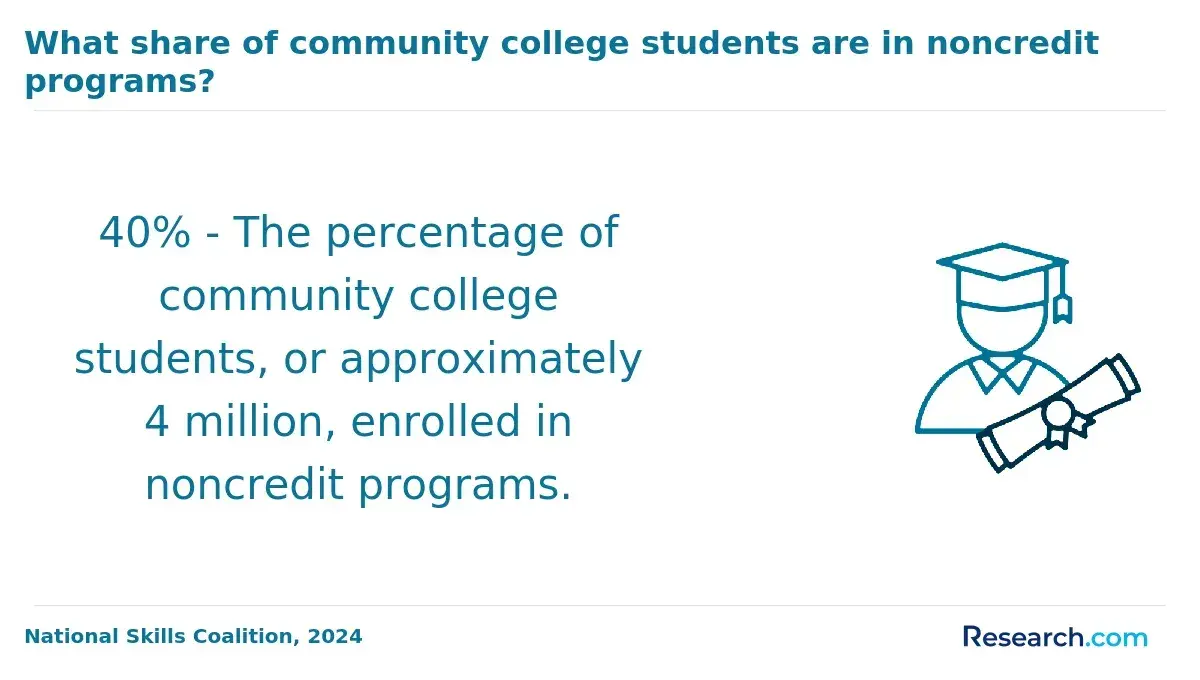
The expansion of online degree options now covers approximately 18% of U.S. undergraduates, reflecting a clear response to STEM labor market needs. Still, ecological data analysis and natural resource management roles frequently require validated fieldwork, making it crucial for students to evaluate whether a program's experiential learning modules or partnerships with research institutions are sufficiently robust.
Balancing theoretical coursework with practical skill acquisition is essential given the tradeoff between the flexibility of online study and hands-on experience.
Students evaluating types of online biological sciences degrees with strong ecology focus should scrutinize curriculum design and real-world applicability. This ensures alignment with workforce expectations and mitigates hiring challenges tied to restricted field exposure. For a thorough review on program quality, consider resources like the best exercise science degree online.
Graduates planning applied ecology careers must weigh these factors strategically, selecting programs that explicitly address experiential learning gaps through articulation agreements or local field opportunities.
What core ecology and biology courses can you expect in these online programs?
Online biological sciences degrees with ecology concentrations demand focused foundational coursework, reflecting employer expectations for practical environmental competencies. Core classes emphasize ecosystem dynamics, population biology, and conservation biology, which equip students with skills critical for roles in environmental consulting or wildlife management.
These fundamental ecology classes in online biological sciences degrees provide a baseline for evaluating habitat health and species trends, a necessity for fieldwork and regulatory compliance jobs.
Programs integrate extensive training in genetics and physiology to deepen understanding of organismal functions, supporting biotech and environmental health sectors. Rigorous biostatistics and ecological modeling coursework also prepare graduates for data-centric roles in government or nonprofit research environments.
Key biology coursework for ecology training in online programs typically combines molecular science with applied quantitative analysis.
Online formats rely heavily on virtual simulations and independent projects to simulate lab and field methods, demanding strong self-discipline from students. Practical modules addressing environmental policy and sustainability enhance interdisciplinary knowledge valuable in natural resource management and environmental advocacy.
Tuition varies widely: public institutions charge about $10,500 annually for in-state students and $28,000 for out-of-state, offering a more affordable alternative to private colleges averaging $41,500 without comparable online flexibility.
Prospective students evaluating a geologist degree online or related paths should weigh these financial aspects against hands-on experience opportunities and employer networks, which strongly influence career outcomes in biological sciences fields.
How do you verify accreditation and program quality for online ecology-focused degrees?
Accreditation verification for online ecology degrees directly affects employability and credential recognition, particularly in government and consulting roles where regulatory compliance matters. Without regional accreditation by agencies like the Higher Learning Commission or program-specific endorsements through bodies such as the Council for Higher Education Accreditation, graduates risk their qualifications being discounted by employers or ineligible for federal aid.
For example, a candidate targeting conservation policy may find their degree insufficient for licensure if hands-on components or professional accreditation are missing.
Beyond accreditation, curriculum alignment with labor market demands-such as skills in GIS mapping, ecological data analysis, and environmental policy-is essential given the projected addition of approximately 63,000 U.S. environmental sector jobs through 2032.
Programs integrating experiential learning through internships or research partnerships with NGOs offer stronger pathways to workforce readiness.
Key evaluative criteria include:
- Regional and programmatic accreditation status verified through official regulatory databases
- Faculty expertise tied to current field challenges
- Transparent graduate employment statistics reflecting career outcomes
- Alignment of learning outcomes with target job roles and licensure requirements
Choosing programs without these quality markers can impede career pivots within biological sciences or related ecological fields, as employer expectations increasingly demand verifiable credentials and demonstrable skills rather than solely academic completion.
What are typical admission requirements for online biological sciences degrees in ecology?
Admission to online biological sciences programs with a focus on ecology typically requires a solid foundation in core sciences and math, often demonstrated through transcripts reflecting coursework in biology, chemistry, mathematics (generally through pre-calculus), and sometimes physics. A minimum cumulative GPA of around 2.5 to 3.0 is commonly expected, signaling readiness for advanced scientific study.
While standardized tests like the SAT or ACT may still be required in select cases, many programs increasingly waive these for applicants who show relevant prerequisite coursework completion.
Practical constraints influence program completion, particularly because ecology and lab components demand hands-on experience. Online students must often secure access to local laboratories or partner institutions to fulfill these requirements. Prior exposure to ecological fieldwork or related study is a significant factor that improves retention and successful degree completion.
Transfer credits from prior college work or associate degrees can streamline the pathway, an important consideration for professionals seeking a career pivot who may also qualify for competency-based assessments to bypass foundational science requirements.
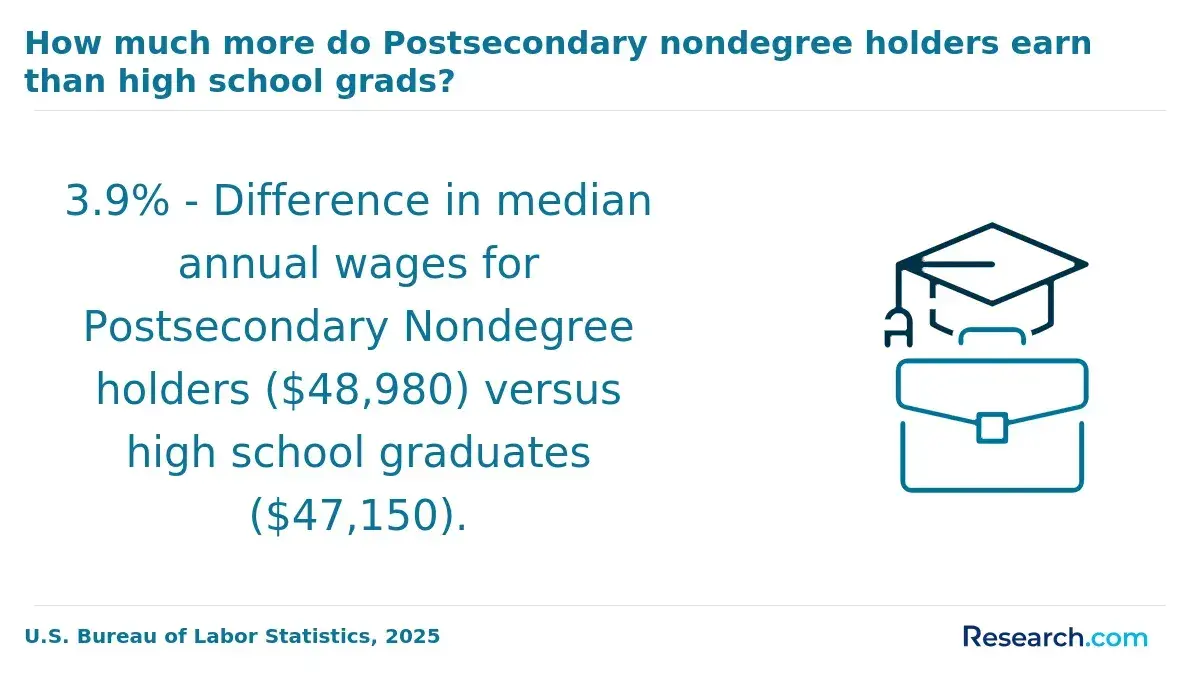
The economic advantage of earning a bachelor's in biological and physical sciences reflects tangible labor market returns. Median weekly earnings show roughly a 67% premium over high school diploma holders, equating to an additional $28,000 annually according to U.S. Bureau of Labor Statistics data. This wage differential highlights the value of targeted, accredited training that aligns with employer expectations and practical skills needs.
How long do online ecology-focused biological sciences degrees take and what do they cost?
Choosing an online ecology-focused biological sciences degree requires weighing time, cost, and workforce implications against practical training outcomes. Full-time bachelor's programs generally span four years but can be shortened with transfer credits, while working professionals often face extended part-time study of five years or more, balancing education with employment. This tradeoff affects not only time to credential but also immersion in applied skills crucial for environmental roles.
Annual tuition varies considerably: in-state public institutions charge roughly $5,000 to $10,000, while out-of-state or private programs range from $15,000 to $30,000. Total degree costs from $15,000 to $120,000 hinge on program duration, residency, and additional fees. Individuals relying on employer tuition assistance or financial aid must plan ahead to mitigate budget impact.
More than half of U.S. colleges integrate virtual labs and ecological field simulations, preserving hands-on competencies essential to employment readiness despite the online format. Employers increasingly expect graduates to demonstrate project-based proficiencies validated through these verified labs and assessments rather than solely coursework.
Prospective students should triangulate program accreditation, curriculum depth, and lab rigor with their career objectives. For example, environmental managers expanding skill sets benefit from programs emphasizing ecological practice simulations over purely theoretical content. Shorter, cheaper degrees might sacrifice industry recognition or applied skill development, risking employability in competitive job markets.
What careers can an online biological sciences degree with ecology training prepare you for?
An online biological sciences degree with an ecology concentration positions graduates for roles requiring applied ecosystem management and environmental compliance skills, but advancing often demands bridging theory with practical experience. For example, environmental consultants assessing infrastructure impacts or natural resource managers balancing sustainability objectives need not only course-based knowledge but also fieldwork or GIS certification.
Without hands-on skills, even strong academic backgrounds may limit hiring opportunities, particularly in regulatory or research roles with strict technical standards.
Enrollment increases of 40% over the past decade in ecology-related graduate programs signal employer demand for advanced expertise beyond bachelor's credentials. However, online students targeting such specialized tracks must navigate challenges like finding internships or field-intensive experiences that complement virtual study.
Professionals aiming for positions in corporate social responsibility or environmental planning benefit from integrating ecological knowledge with capabilities in data interpretation, policy analysis, and stakeholder engagement. Strategic steps include:
- Obtaining GIS or ecological survey certifications
- Engaging actively in professional networks to counter reduced in-person interaction
- Planning for graduate study or field internships where research specialization is required
These career tradeoffs reflect the practical realities and employer expectations facing biological sciences graduates pursuing ecology-focused pathways online.
What salary ranges and job outlook can ecology-focused biology graduates expect?
Entry-level salaries for ecology-focused biology graduates in 2026 will generally fall between $45,000 and $60,000, but mid-career earning potential varies widely based on sector and geography. For instance, federal and state environmental agencies often start new hires near $50,000, offering more stability but slower wage growth.
In contrast, private environmental consulting firms or nonprofits may provide less predictable compensation tied to project cycles, yet specialized roles such as ecological data analysts or GIS mappers in metropolitan areas can command salaries exceeding $75,000.
Job growth is concentrated in regions prioritizing climate resilience and biodiversity restoration, creating a patchwork of opportunities. The United Nations Environment Programme forecasts that nature-based solutions will generate up to 20 million new jobs by 2030, supported by approximately $4.3 trillion in related business ventures.
However, candidates must often supplement core biology training with interdisciplinary skills like environmental policy or data science to remain competitive, especially in urban ecological planning or ecosystem services valuation.
Graduates should also weigh tradeoffs between sectors: a state wildlife agency may provide steady employment with slower advancement, while private-sector ecological impact assessment roles may offer higher salaries coupled with job volatility.
Flexibility and alternative income strategies, such as consulting, become important in navigating funding fluctuations common in conservation nonprofits and government agencies.
How can you choose the best online ecology program for your goals and learning style?
Programs in online ecology that omit immersive, practical experiences risk leaving graduates underprepared for core environmental roles requiring digital data analysis and fieldwork. Employers in consulting and wildlife management increasingly expect familiarity with virtual labs and hands-on project simulations, driven by an EdTech market forecasted to grow annually by 11-12% through 2030 according to the HolonIQ Global EdTech Market Outlook 2024.
Students should scrutinize curriculum specificity: courses focused on GIS mapping, ecosystem modeling, and environmental policy provide skills directly applicable to regulatory agencies and conservation nonprofits. Broader biological sciences pathways often dilute this focus, reducing immediate workforce relevance.
Balancing course delivery formats with professional demands matters: self-paced asynchronous models offer flexibility but can lack the interactive component necessary for mastering practical skills vital during job placement. Live virtual labs and synchronous sessions improve competency demonstrations employers seek.
Accreditation signals baseline program quality but does not guarantee alignment with evolving ecological methods or employer recognition. Verifying graduate outcomes through employment rates and LinkedIn data offers a more reliable measure of workforce relevance.
Financial investment should factor in access to career services and industry partnerships that open internship pipelines and networking essential for entering an increasingly digital and applied ecological job market.
Other Things You Should Know About Biological Sciences
Many online programs compensate for the lack of campus labs and field sites by requiring local fieldwork or internships, which can pose scheduling and location challenges. Students should prioritize programs with clear arrangements for supervised, applied ecology experiences near their residence to meet employer expectations for practical skills. Without verified hands-on components, graduates may face difficulties demonstrating relevant field competencies to potential employers or graduate schools.
Employer recognition depends heavily on program accreditation and the inclusion of field-based training or research. Employers in ecology-related roles tend to value proven practical experience and reputable institutions more than the mode of delivery. Prioritize programs with strong ties to local ecology organizations or those that require internships, as this enhances job market competitiveness and signals readiness for applied ecological work.
Online degrees can prepare students for graduate research, but those aiming for competitive ecology graduate programs should seek online programs offering substantial research opportunities and faculty mentorship. Without direct lab or field collaboration components, online learners risk weaker research portfolios compared to traditional students. Choosing programs with integrated research projects or partnerships with research institutions is essential for a smooth transition to graduate study.
References
- Home https://www.husson.edu/online/online-degrees/bachelor-of-science-in-wildlife-biology-and-conservation
- 60+ places your environmental and biological science degree could take you. https://juliacooke.net/2016/10/18/60-places-your-environmental-and-biological-science-degree/
- The Best Online Ecology Courses for Beginners - Ecology Training UK https://ecologytraining.co.uk/the-best-online-ecology-courses-for-beginners/
- 10 Online Ecology Courses for Teens https://riseglobaleducation.com/blogs/best-online-ecology-courses-for-teens
- Cutting through the clutter: how to choose the right e-Learning application https://www.flowsparks.com/resources/e-learning-application
- Major in Ecology and Evolutionary Biology https://sse.tulane.edu/eebio/major
- Are Online Degrees Accredited? How to Identify Quality Distance Learning Programs https://www.umassglobal.edu/blog-news/online-degrees-accredited-identify-quality-distance-learning-programs
- Environmental Careers for Biology Majors: Protecting Our Planet https://www.shawnee.edu/blog/what-can-you-do-with-a-biology-degree-biology-major-careers