2027 Online Biological Sciences Degrees With Broad Science Career Mobility

Co-Founder and Chief Data Scientist
Balancing a demanding work schedule while advancing in biological sciences can hinder many professionals' access to conventional degree programs, forcing difficult choices between career stability and academic progress. Public data shows a 12% surge in adult enrollment in online science degrees over the past two years, signaling a shift toward flexible education models that accommodate working students' timelines without sacrificing depth or breadth of study. This trend reflects employers' growing preference for candidates who combine formal credentials with adaptable skill development. This article evaluates online biological sciences degrees that maximize career mobility and accessibility, guiding readers toward programs that align with evolving workforce realities and individual constraints.
Key Things You Should Know
- Online biological sciences degrees average 25% lower tuition than on-campus equivalents, but slower lab-skills acquisition can delay critical hands-on competencies, affecting early-career advancement in biotech firms reliant on practical proficiency.
- Employers in pharmaceutical and environmental sectors increasingly prioritize candidates with hybrid experience; fully online graduates face hiring gaps despite matching theoretical knowledge, per 2024 National Science Foundation workforce data.
- Completion median time for fully online biological sciences programs extends by 15% over traditional formats, imposing opportunity costs on mid-career professionals balancing workforce reentry and skill upgrades amid growing interdisciplinary job requirements.
What is an online biological sciences degree and how does it prepare you for diverse science careers?
An online biological sciences degree programs with versatile science career outcomes hinge on more than foundational knowledge. Graduates must navigate the challenge of acquiring hands-on skills crucial for positions in biotech, environmental consulting, and related fields where practical competencies like genomic data interpretation or ecosystem assessment are essential.
Programs that integrate data analysis, virtual lab techniques, and applied research help bridge gaps commonly seen in remote instruction, yet those lacking local partnerships risk leaving students underprepared for entry-level demands.
Workforce trends indicate a 7% growth in science occupations through 2032, yet hiring tightens around candidates demonstrating industry-relevant experience such as data management, instrument handling, or compliance expertise. The degree's value therefore depends greatly on how well it supports the development of these transferable skills, affecting employability and long-term career flexibility.
Decision-making about program selection must also factor in career pathways supported by supplemental certifications and networking. For example, pharmaceutical research roles often require clinical trial knowledge, while agricultural biotech benefits from GIS training.
Those evaluating how an online biological sciences degree supports diverse science profession pathways should consider alignment with employer expectations to avoid retraining delays and maximize return on investment.
Prospective students exploring options may find it useful to review information about what can you do with an environmental science major to understand related career prospects and practical outcomes within allied scientific fields.
How do online biological sciences degrees compare to campus programs for quality and credibility?
Online biological sciences degrees provide foundational knowledge comparable to traditional campus programs but often fall short in delivering hands-on lab training and direct networking opportunities. This gap influences employer perceptions, especially for research-intensive roles requiring demonstrated laboratory skills and in-person project engagement.
Accredited fully online programs attempt to bridge this through virtual labs and local internships, though the quality and availability of these solutions vary widely. For example, employers filling positions such as lab technician or biological scientist typically favor candidates from campus-based programs that offer direct laboratory experience.
Data from Prospects.ac.uk show only 8% of UK biology graduates work as biological scientists and 6% as laboratory technicians, while the majority move into education, business, environment, or HR fields.
This dispersion illustrates that most graduates rely on core science competencies rather than specialized lab expertise, which aligns with the practical reality that many roles beyond bench science accept online degree holders when supplemented by relevant experience or certifications. This reflects considerations about the quality and credibility of online biological sciences education.
Choosing an online degree suits students requiring flexibility due to work or personal constraints, but this choice necessitates proactive efforts to secure local lab internships or research projects. Campus programs demand relocation and full-time attendance, yet they facilitate access to research labs, faculty mentorship, and career fairs that accelerate network-building essential for core laboratory roles.
Prospective students evaluating biological sciences pathways should weigh these tradeoffs carefully and investigate, "What is the cheapest data science course in the US?" as a potential supplement, given the increasing value of data skills in biology-related careers.
What kinds of science and healthcare careers can you pursue with an online biological sciences degree?
The practicality of careers with an online biological sciences degree hinges on navigating credential requirements alongside foundational knowledge. Graduates often secure initial roles such as laboratory technicians, clinical research coordinators, or quality control analysts, where employers prioritize applied biological skills paired with analytical rigor. However, healthcare job opportunities for biological sciences graduates frequently demand additional licensure or certification-positions like genetic counselor assistants or medical laboratory technologists require state-specific credentials beyond the degree.
Within pharmaceutical and biotechnology sectors, roles such as product development aides or regulatory affairs associates depend on competencies in biological assays and compliance protocols that well-structured online programs aim to deliver through virtual labs and case studies. Environmental science fields provide options like ecological technician or natural resource analyst, but the necessity of fieldwork or in-person internships constrains purely online pathways unless supplemented by local experiential learning.
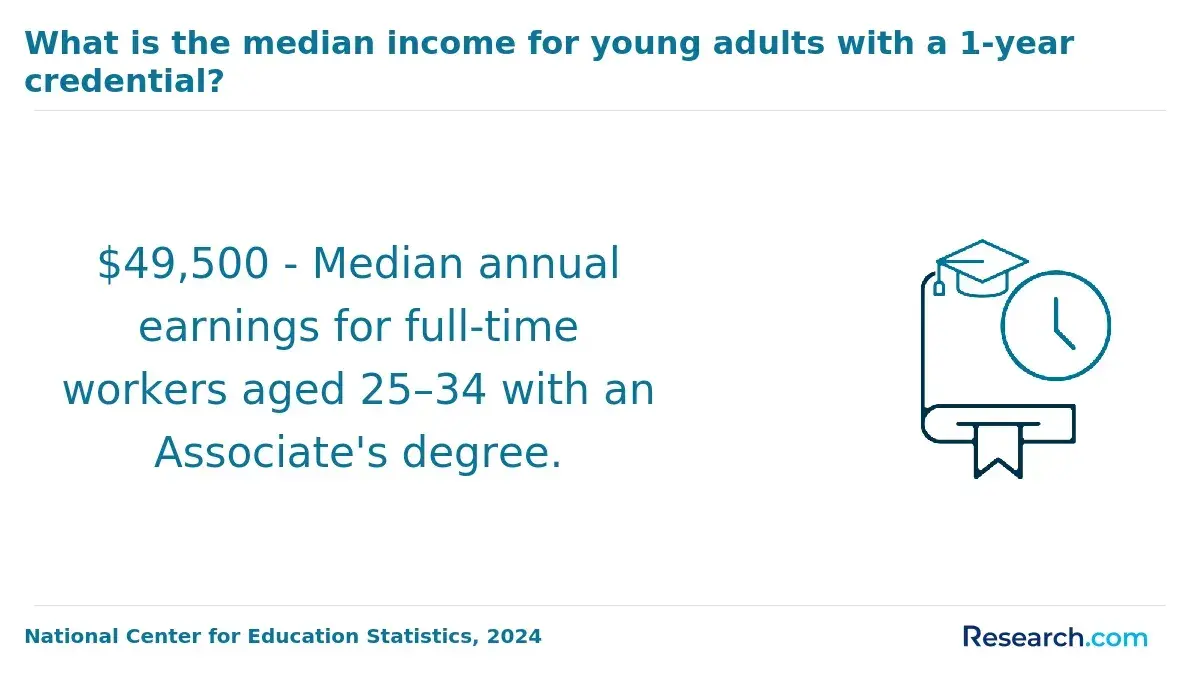
Canadian wage data indicates steady growth for biology graduates, emphasizing the importance of experience and further specialization. Graduates targeting clinical or applied science careers should plan for practical training and certifications, while those seeking research-intensive or healthcare practitioner roles require graduate education or licensing exams. Evaluating these factors critically helps avoid common pitfalls in role qualification and advancement.
Prospective students also should compare cross-disciplinary alternatives to manage opportunity costs. For example, exploring the cheapest online computer science degree may offer a faster route into tech sectors with distinct labor market dynamics.
How can you verify that an online biological sciences program is properly accredited and recognized?
Accreditation directly influences the value of online biological sciences degree programs in the United States, particularly affecting credit transferability and employer acceptance. Many hiring managers in biotech or healthcare sectors reject candidates from non-accredited programs due to concerns over curriculum standards and practical lab experience. Confirming accreditation goes beyond institutional status; some colleges hold program-specific accreditation aligned with professional benchmarks, which can be critical for licensure or industry roles.
To verify accreditation for online biological sciences colleges, consult official databases maintained by the U.S. Department of Education or the Council for Higher Education Accreditation (CHEA). Look specifically for recognition from bodies like the Higher Learning Commission or Middle States Commission on Higher Education, which validate curriculum rigor and faculty credentials focused on workforce readiness.
Students should weigh cost savings from online tuition against the potential tradeoff when programs lack proper accreditation, risking non-transferable credits or unrecognized qualifications. Transparency about experiential learning-such as virtual labs or local partnerships for hands-on work-is essential as these influence skill acquisition and employability.
For those exploring scientific fields with adjacent options, resources like geoscience online degree programs provide comparative frameworks for evaluating online STEM credentials.
What core courses and specializations are typically offered in online biological sciences bachelor's programs?
Choosing an online biological sciences bachelor's degree requires weighing the balance between foundational knowledge and practical skill acquisition, especially given remote learning constraints. Core courses in molecular biology, genetics, cell biology, and ecology establish essential competencies in lab techniques and organismal biology crucial for entry-level jobs and research roles. However, accredited programs must address the challenge of hands-on training by integrating virtual labs or local partnerships to ensure graduates develop applicable experimental skills.
Specialization tracks respond directly to labor market needs, with microbiology, biotechnology, environmental biology, and bioinformatics offering distinct career pathways. For instance, students pursuing biotechnology need proficiency in molecular methods and regulatory frameworks to meet industry compliance in pharmaceuticals or genetic engineering.
Meanwhile, environmental biology graduates often work with government or nonprofits, applying GIS tools and quantitative models to ecosystem management-skills that are not always emphasized equally across programs.
Electives such as biostatistics, epidemiology, and computational biology increasingly define employability by equipping students to handle complex datasets, a requirement amplified by biology's integration with data science in healthcare and public health sectors. Complementary coursework in ethics and scientific communication remains valuable for navigating research protocols and regulatory environments.
Biology graduates earn a wage premium, with a median annual income near $70,000 compared to $48,060 for the average worker. This gap underlines the importance of programs that align tightly with employer priorities and evolving scientific demands rather than purely academic offerings.
What admission requirements and prerequisite sciences do online biological sciences programs usually expect?
Pursuing online biological sciences programs demands more than a high school diploma; most require significant prior coursework, especially for advanced placement. Core prerequisites-including introductory biology, general chemistry, organic chemistry, and physics-align tightly with employer expectations for foundational lab and analytical competency. Without these, students risk delays or conditional admission that impact timely workforce reentry.
Math proficiency, typically in college algebra, statistics, or calculus, is another decisive barrier. For example, professionals seeking to pivot into data-heavy fields like bioinformatics must meet these quantitative prerequisites, or face extending their education timeline to cover essential math skills.
Admission scrutiny extends beyond academics. Official transcripts, increasingly optional standardized test scores, and recommendations addressing scientific rigor and communication are standard. Personal statements clarifying career objectives tied to biological sciences' industry demands differentiate competitive candidates from merely qualified ones.
- Strong science and quantitative backgrounds remain the decisive filter in admissions and employment.
- Conditional acceptance due to missing prerequisites often means longer education timelines.
- Proof of math and lab readiness directly impacts employability in biotech and pharmaceutical roles.
Tradeoffs are clear for mid-career entrants: bridge courses to cover gaps lengthen completion times and delay access to growing sectors. The U.S. Bureau of Labor Statistics projects a 10% job growth for medical scientists through 2032, with median earnings near $100,000, underscoring the advantage of meeting rigorous prerequisites to capitalize on biotech and pharmaceutical innovation.
How long does it take to earn an online biological sciences degree, and can you study part time?
Choosing between full-time and part-time online biological sciences programs requires balancing time, cost, and workforce timing. Full-time students generally finish in four years, which supports quicker entry or re-entry into scientific employment or postgraduate study. Part-time paths, extending to five or six years, suit working professionals but can delay eligibility for financial aid and reduce focus on academic networking.
Hands-on lab work and field experiences remain essential for credibility in applied research or healthcare roles. Even with asynchronous coursework easing weekly time commitments from 30-40 hours to 10-15, practical components often require in-person or virtual simulations. These elements may extend degree duration but strengthen employability by fostering relevant skills.
For instance, an environmental consultant balancing work may accept a six-year part-time trajectory to maintain income while progressing academically. In contrast, those targeting biotech research roles frequently prioritize uninterrupted full-time study to align with employer expectations for continuous skill development.
Employers in fast-evolving biological sciences fields often favor candidates who demonstrate sustained, intensive training rather than prolonged part-time study. However, gaining concurrent practical experience can offset slower academic progress. Graduates' outcomes reflect this tradeoff: about one-third progress to further study within 15 months, and 89% secure employment or advanced enrollment soon after program completion.
What are the typical tuition, fees, and financial aid options for online biological sciences students?
Tuition for online biological sciences degrees varies widely, with public in-state rates ranging from $300 to $600 per credit, while out-of-state and private institutions often charge between $400 and $900 per credit. Total program expenses can reach $12,000 to $45,000, driven by credit requirements and institutional type. These figures exclude fees, which frequently add $500 to $1,500 annually for technology, labs, and materials, increasing financial strain beyond tuition alone.
Federal financial aid through FAFSA can help but rarely covers full costs, especially with Pell Grants and subsidized loans providing partial relief. Employer tuition assistance programs may reimburse up to 100% of tuition for STEM roles but typically exclude fees and materials, leaving gaps in coverage. Scholarships and state grants offer limited support and are often competitive or geographically restricted, complicating out-of-state attendance.
For example, a mid-career professional shifting into biotechnology might receive employer funding for 75% of tuition but still face out-of-pocket spending for mandatory fees and course-specific costs, requiring careful budgeting or additional borrowing. Conversely, a recent high school graduate enrolled in a public in-state online program may leverage combined Pell Grants and state aid to reduce indebtedness.
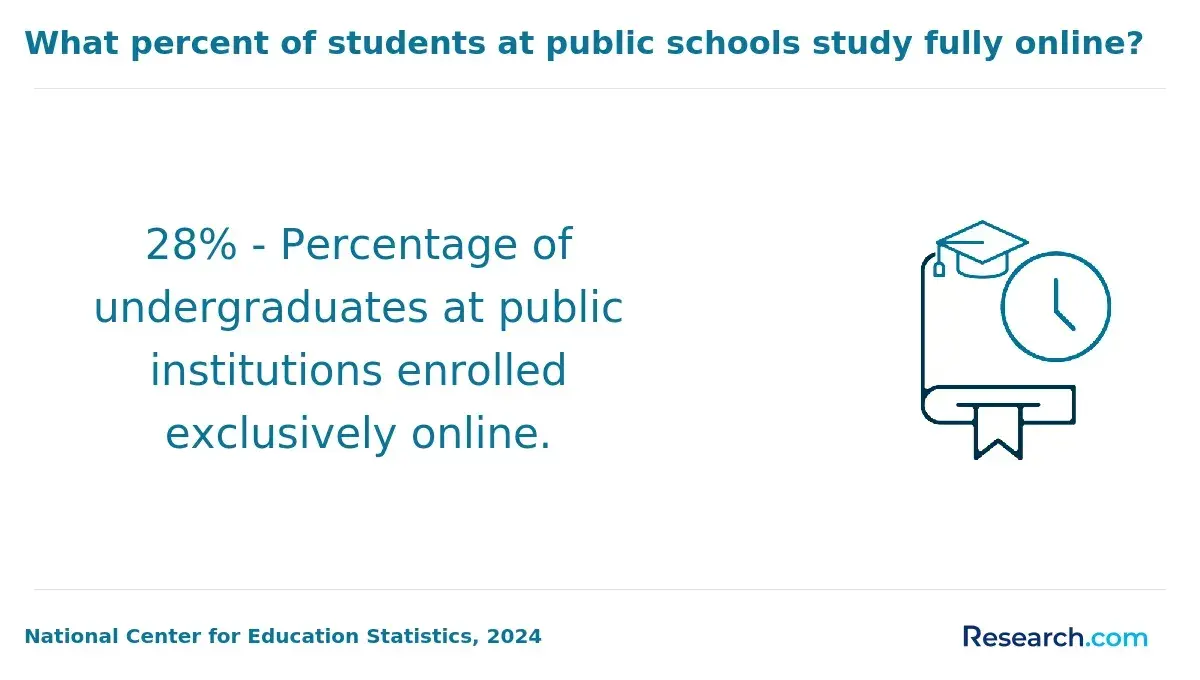
The rising share of undergraduates engaged in distance education signals growing acceptance, but students must anticipate hidden expenses like lab kits and proctoring software that often fall outside aid coverage. Thoughtful financial planning is essential to manage these layered costs and prevent unexpected debt, especially amid diverse funding landscapes affecting biological sciences online pathways.
What salaries, job outlook, and advancement pathways can biological sciences graduates expect across industries?
The decision to pursue a degree in biological sciences involves weighing clear financial and professional tradeoffs shaped by sector-specific demand and credential requirements. Entry-level salaries generally range from $45,000 to $65,000, with government and pharmaceutical roles tending toward the higher end. Growth projections of 5% to 7% through 2032 suggest steady-but not explosive-opportunities across fields like environmental consulting, biotechnology, and health services.
Career trajectories vary widely by industry. For example, pharmaceutical research roles often begin as lab technicians or clinical trial coordinators, advancing into regulatory or project management positions contingent on experience and certification.
Environmental biology work typically starts with field data collection before progressing to conservation management or policy roles. In healthcare, some technician roles are accessible without graduate degrees, but research scientist positions largely demand a master's or doctorate. Data analysis and bioinformatics skills increasingly influence employability across all sectors.
Financial and time investments in advanced degrees yield about a 57% mid-career salary increase compared to bachelor's-only holders, according to the Georgetown University Center on Education and the Workforce. However, mid-career transitions beyond entry technician roles often require returning to school or obtaining specialized certifications, creating a significant hurdle for working professionals.
Employers emphasize research experience and adaptability within interdisciplinary teams as critical factors for promotion and salary growth.
Do biological sciences careers require additional licensing or certifications, and how does an online degree fit in?
Licensure is typically not a requirement for careers in biological sciences, but certifications vary widely based on job function and sector. For instance, clinical laboratory technologists often must obtain certification through the American Society for Clinical Pathology to comply with employer and regulatory standards. Meanwhile, research biologists in biotechnology or environmental science seldom need formal licenses but gain advantage from certifications in project management or laboratory safety.
Business roles in life sciences may benefit from qualifications such as Six Sigma or regulatory affairs credentials, though these are generally optional.
Online biological sciences degrees provide foundational knowledge and flexibility, but their true value depends on alignment with industry-required certifications and hands-on experience opportunities. Programs that offer lab simulation, virtual internships, or local practicums can significantly improve readiness for credentialing demands. For example, a student targeting a regulatory affairs specialist position would require follow-up industry certification beyond the degree to meet usual hiring criteria.
The market's continued expansion, with global biotechnology projected to grow from $1.55 trillion to over $3 trillion by 2030, increases employer preference for candidates who combine biology degrees with certifiable expertise in compliance, quality assurance, or analytics. Graduates who delay certification risk limited access to regulated sectors like clinical research or environmental compliance.
Students should approach online degrees with a clear plan for certification within 12-18 months post-completion to optimize employability. Prioritizing programs that integrate practical experience and direct pathways to recognized industry credentials offers a more pragmatic route to career transitions or advancement in biological sciences.
Other Things You Should Know About Biological Sciences
Employers in research and laboratory settings prioritize hands-on experience and technical skills alongside degree credentials. Online biological sciences degrees often lack in-person lab components, which can limit practical skill development unless institutions provide local lab alternatives or partnerships. Candidates should verify how an online program integrates applied learning opportunities, as gaps here may require supplementary training or internships to meet employer expectations in technical roles.
Yes. Programs that integrate interdisciplinary courses such as chemistry, environmental science, or bioinformatics expand your adaptability in diverse science careers. Employers value graduates who can apply biological principles across various scientific domains, making interdisciplinary training a practical advantage. Prioritize online biological sciences degrees that explicitly include or allow customized electives spanning multiple STEM areas to enhance long-term career flexibility.
Accelerated online programs allow faster degree completion but often require intensive weekly commitments and less time to absorb complex biological content. This pace can limit opportunities for deep learning and development of critical lab skills, impacting readiness for careers requiring technical precision. Traditional pacing offers more time for knowledge retention and practical experiences, which benefits long-term mastery and employability. Choose your pace based on your current work-life balance and ability to engage thoroughly with demanding course material.
References
- Turn Your Passion for Science Into a Rewarding Career With a Biology Degree - UNCF https://uncf.org/the-latest/a-biology-degree-can-open-the-door-to-life-and-living
- Online Biology Course: Complete Guide to Flexible Science Education [2025] - Prereqcourses https://www.prereqcourses.com/online-biology-course/
- Biology Major Jobs: Careers in the Biological Sciences | Houston Christian University https://hc.edu/articles/biology-major-jobs-careers-in-the-biological-sciences/
- The Life Sciences Job Market in 2025: Trends, Opportunities, and Career Paths | IntuitionLabs https://intuitionlabs.ai/articles/life-sciences-job-market-2025
- Careers in Biology https://www.aibs.org/careers/
- Online Degree vs. Traditional: Choosing the Right Path https://beal.edu/online-degree-vs-traditional/
- Is Your Online Degree Legitimate? How to Verify Private University Approval https://matchtocollege.com/blog/verify-private-university-online-degree-approval
- Are Online Degrees Accredited? How to Identify Quality Distance Learning Programs https://www.umassglobal.edu/blog-news/online-degrees-accredited-identify-quality-distance-learning-programs
- How To Become A Biologist | Biology Degrees And Careers https://www.learnhowtobecome.org/science-technology-careers/biology/
- Accreditation https://www.rsb.org.uk/accreditation.html