2027 Online Biological Sciences Degrees With Laboratory Science Career Alignment

Co-Founder and Chief Data Scientist
Professionals aiming to pivot or accelerate in biological sciences often confront the challenge of accessing programs that combine rigorous laboratory training with flexible scheduling. The scarcity of online degrees that integrate authentic lab experiences complicates this pursuit, especially for working adults balancing professional and personal obligations.
Recent data from the National Center for Education Statistics shows a 15% increase in adult enrollment in distance education programs offering science curricula, signaling a demand for accessible yet comprehensive study options. This trend reflects workforce expectations for credentials grounded in practical lab skills alongside theoretical knowledge.
This article evaluates online biological sciences degrees with laboratory alignment to guide informed choices amid these constraints.
Key Things You Should Know
- More than 65% of laboratory science roles report preference for hybrid or in-person experience, forcing online biological sciences degree students to seek costly local lab internships, increasing total program expenses by up to 20%, per 2024 National Science Foundation data.
- Employers in biotech hubs show 45% higher hiring rates for candidates with verified hands-on training over entirely online credentials, complicating remote graduates' entry into advanced research positions according to 2024 Bureau of Labor Statistics workforce surveys.
- The median time-to-completion for fully online biological sciences degrees with integrated lab modules is 25% longer than traditional paths, extending opportunity costs amid wage growth averaging 3.4% annually in the laboratory sciences sector (2024 U.S. Department of Labor metrics).
What are online biological sciences degrees with laboratory science alignment?
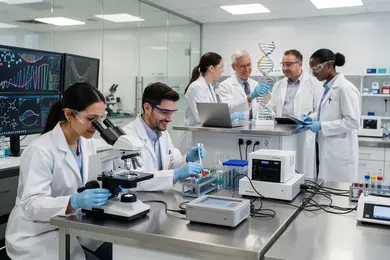
Online biological sciences degrees with laboratory science career alignment address a critical gap by blending theory with practical lab skills that employers require for technical roles. Such alignment ensures students complete competencies like aseptic technique, instrumentation calibration, and molecular assays—skills often validated through in-person residencies or local lab partnerships.
Without these components, graduates face diminished prospects in roles demanding tangible lab proficiency, including pharmaceutical quality control and environmental analysis.
By 2024, only 36 U.S. institutions offered fully online bachelor's degrees in biology that integrate hands-on lab experience, revealing persistent challenges in replicating accredited lab training remotely. Students aiming for lab careers must carefully evaluate program designs and accreditation status, as degrees lacking significant laboratory components often channel graduates toward theory-focused or ancillary bio-related jobs rather than core laboratory positions.
Consider a professional pivoting into pharmaceutical quality assurance: an online biological sciences degree aligned with lab science careers enables accessibility through practical modules and local partnerships. Conversely, research or teaching trajectories may accommodate less intensive lab inclusion but limit employability in laboratory technician or clinical research associate roles.
Given these complexities, prospective learners should weigh how practical skill acquisition aligns with workforce expectations to avoid credential mismatches. For more details on program fees and cost considerations that impact your decision-making, see the typical offerings of online animal science programs.
How do accredited online biology programs compare with campus programs?
Choosing between accredited online biology degree programs vs. traditional campus degrees involves weighing significant tradeoffs in practical training critical for employability. While both formats deliver comparable theoretical foundations, campus degrees provide direct access to on-site laboratories, facilitating essential hands-on competencies required by employers—especially for clinical laboratory technologist roles where the U.S. Bureau of Labor Statistics forecasts a 5% job growth through 2033.
In contrast, online programs must navigate logistical challenges to secure off-site practicums or rely on virtual labs, which may complicate meeting state licensure and certification standards, such as stringent CLIA regulations in certain states.
A key consideration in comparing online and on-campus biological sciences education is the impact on time to degree completion and out-of-pocket costs. Campus students benefit from immediate faculty supervision and streamlined lab access, whereas online learners often face extended timelines or additional expenses to fulfill practical requirements. This difference is not merely academic; employers frequently favor candidates with verifiable in-person lab experience when evaluating resumes.
For professionals pivoting careers in biological sciences, online degrees offer flexibility but demand proactive planning to arrange credible lab training. Prospective students are advised to assess whether online programs include accredited lab components aligned with real-world certification norms.
For those seeking affordability in related STEM fields, examining options such as the cheapest data science masters in USA can provide additional pathways.
What accreditation should an online biological sciences program have?
Regional accreditation remains the essential benchmark for online biological sciences programs in the United States, ensuring that credits transfer smoothly, federal financial aid is accessible, and employers recognize the degree's legitimacy. However, for students targeting laboratory science careers, this baseline accreditation must be supplemented with programmatic recognition from entities like the National Accrediting Agency for Clinical Laboratory Sciences (NAACLS). This distinction is more than bureaucratic; it directly affects eligibility for certification exams that most states and medical employers require.
Given the current U.S. medical laboratory vacancy rate ranging from 7% to 18%, employers prioritize graduates from accredited programs to minimize onboarding delays and training expenses. Without NAACLS or similar accreditation, graduates often face restricted access to certification and longer job searches, effectively limiting career progression within clinical laboratory settings.
For those pursuing roles beyond clinical environments—such as in biotechnology or environmental science—it's critical that the program's accreditation aligns with relevant industry standards and provides practical training pathways, even when delivered online. This setup helps address the challenge of meeting hands-on requirements remotely, a crucial factor in workforce readiness.
Students should also prioritize programs with transparent clinical placement support and published certification exam pass rates to gauge real labor market alignment. Exploring accelerated exercise science degree online offerings may offer insights into structurally efficient pathways that balance speed with accreditation standards in related biological fields.
What coursework is included in an online biological sciences degree?
Online biological sciences degree curriculum often balances theoretical coursework with specialized laboratory science courses in biological sciences programs to equip students with tools for tangible career transitions. Core instruction includes cellular and molecular biology, genetics, ecology, and evolutionary biology, offering a foundation necessary to interpret complex biological systems.
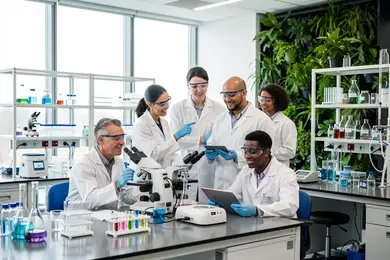
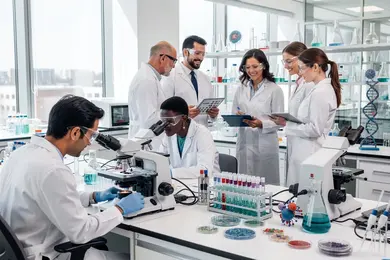
Practical laboratory methods emphasize microscopy, biochemical assays, and statistical software, reflecting employer demands for graduates who demonstrate applied competency rather than just theoretical knowledge.
Because virtual formats restrict direct lab experience, programs mitigate this by integrating virtual simulations alongside mandatory partnerships with local facilities to fulfill hands-on training requirements.
Employers in pharmaceutical, environmental, and research sectors distinctly favor candidates whose credentials verify both knowledge and practical skill sets. This hybrid training approach addresses a common challenge faced by remote learners: meeting credentialing standards that typically require demonstrated laboratory proficiency.
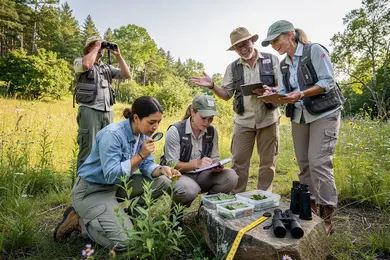
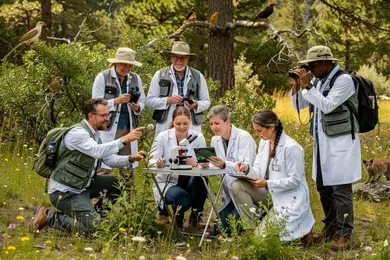
Quantitative skills such as biostatistics are essential for analyzing experimental results and effectively communicating findings to diverse audiences. Specialized coursework designed for career pivots into fields like microbiology, wildlife biology, or environmental biology includes organismal biology and field research methods, emphasizing species identification and habitat evaluation.
Median salaries—$87,990 for microbiologists and $76,780 for zoologists and wildlife biologists—reflect this alignment between curriculum and workforce expectations.
Those evaluating an online biological sciences degree should assess how well the curriculum balances practical laboratory training with core science to meet industry standards. For comparison and complementary pathways, an online library science degree exemplifies a professional pivot leveraging data management skills rather than laboratory proficiency.
How are lab requirements completed in online biology programs?
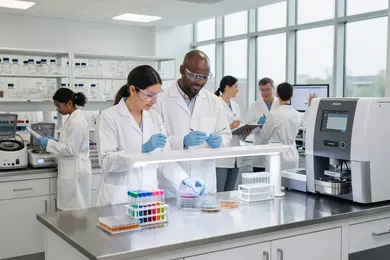
Online biology programs that require laboratory work present a practical challenge: ensuring rigorous hands-on training while accommodating remote learners. Most programs address this through hybrid models, compelling students to complete 40 to 120 supervised contact hours in professional labs associated with medical centers or local institutions. These lab requirements are not mere formalities—they represent employer expectations for verifiable, real-world skills critical to laboratory science roles.
Three main pathways fulfill these requirements: placement in approved local labs performing standardized tasks tied to coursework; condensed residencies delivering intensive onsite lab sessions; and virtual simulations paired with in-person assessments, though simulations serve primarily as supplements rather than replacements. This design balances the need for practical experience with geographic and professional constraints.
For example, a working professional shifting to a medical scientist role must navigate potential travel burdens if local accredited labs are scarce, affecting cost and program timeline. Candidates who disregard this dimension may face delays or inadequate preparation, underscoring the advantage of programs with wide-ranging lab affiliations.
Employment projections for medical scientists show strong growth, driven by demand for candidates with both theoretical grounding and demonstrable lab competencies. Employers prioritize these verified skills, making comprehensive lab experiences an essential and non-negotiable component of credible online biology degrees.
What are the admission requirements for online biology degrees?
Admission to online biology degree programs demands more than baseline academic credentials; it functions as a gatekeeper ensuring candidates possess the scientific foundation necessary for advanced study and employment. Candidates typically must present a high school diploma or equivalent plus transcripts showing competency in core subjects like biology, chemistry, physics, and algebra.
Many programs set a minimum GPA between 2.5 and 3.0 and still require letters of recommendation, emphasizing analytical and collaborative skills valued in lab and research contexts.
Applicants balancing work and education should note the frequent prerequisite of completing foundational science courses before tackling specialized material. This structure directly addresses workforce readiness by regulating entry according to demonstrated laboratory and theoretical skills, which many employers treat as non-negotiable for roles involving experimental techniques or healthcare pathways such as physician assistant roles.
Clinical or lab experience, while not mandatory, can notably strengthen applications by providing tangible evidence of applied skills. Additionally, candidates must demonstrate technological aptitude to navigate online learning environments and digital simulations integral to contemporary biology instruction.
According to the 2025 BLS data cited by ASU Online, physician assistants earn a median salary of $133,260 with a projected 20% job growth from 2024 to 2034; this labor market outlook justifies stringent admission standards that align applicant competencies with evolving industry demands and remunerative opportunities.
How long does an online biological sciences degree take and cost?
Completing an online biological sciences degree often requires a nuanced balance between educational demands and workforce priorities. While traditional pathways usually span four years of full-time study, many students opt for part-time or accelerated tracks extending up to six years due to work or personal commitments. Such flexibility, however, risks prolonging exposure to evolving scientific standards, complicating direct employability in roles that require up-to-date lab proficiency.
Hands-on laboratory skills remain a non-negotiable credential in natural sciences careers. Because online programs must partner with local labs or arrange residencies, students face potential delays and added expenses coordinating access to approved facilities. These factors can drive total costs well beyond typical tuition, especially when accounting for lab kits and rental fees.
Public in-state tuition averages between $40,000 and $60,000 for a four-year course, but costs can exceed $100,000 in private or out-of-state scenarios. Given the Bureau of Labor Statistics projects an 8% growth rate for natural sciences managers by 2033—outpacing average occupational expansion—timely degree completion coupled with verified technical training enhances prospects for leadership positions.
For many working professionals and career changers, selecting programs offering streamlined, accessible lab components alongside manageable costs will substantially impact employability in a competitive job market.
What careers can you pursue with a biological sciences degree?
Biological sciences degrees provide foundational skills essential for entry-level roles such as laboratory technicians, environmental consultants, and biological science technicians. These positions demand practical expertise in laboratory procedures and data analysis, as seen in pharmaceutical development where technicians apply experimental protocols aligned with academic training.
Career growth toward research scientist or clinical laboratory scientist roles generally requires postgraduate qualifications, highlighting a key tradeoff between time and employability in specialized fields.
Job prospects vary notably by specialization: conservation biology and public health roles often necessitate additional certifications or graduate education, increasing overall costs and time investment beyond the initial bachelor's degree.
For instance, fully online biology programs with laboratory components, like Louisiana State University Online's BS in Biology, charge around $353 per credit hour—totaling about $42,360 before transfer credits—which may deter working adults who require flexible study options but face financial strain from tuition combined with living expenses.
Entry-level salaries in biotechnology firms typically range from $45,000 to $60,000 annually, but technical proficiency gained during the degree strongly influences employability. Teaching at the secondary level requires state licensure in addition to the degree, illustrating further barriers beyond academic credentials. Hiring decisions often prioritize practical skills, institutional reputation, and professional networks over the degree title alone.
What is the salary outlook for biology graduates in laboratory careers?
Projected median salaries for biology graduates entering laboratory roles in 2026 range significantly, from $50,000 to $75,000 annually, shaped by specialization, industry, and location. Entry-level technicians often start near $48,000, consistent with the U.S. Bureau of Labor Statistics median of $48,230 for biological technicians. However, those with advanced certifications or roles in biotechnology and pharmaceuticals routinely surpass $70,000 due to heightened technical demand and specialized skills.
Practical workforce implications favor candidates who combine online education options with hands-on experience. While 57 online biological and life sciences degree programs exist nationwide, market saturation pressures graduates to acquire certifications such as ASCP to differentiate themselves. Employers emphasize validated laboratory competencies over generic credentials.
The industry pay disparity is evident: technicians in clinical diagnostics labs within metropolitan areas earn 15-20% more than counterparts in government environmental sectors. Geographic mobility is often necessary to optimize earnings, as public sector roles typically offer lower salary growth and less job security than private industry labs.
Decision-makers must weigh tradeoffs between education modality, geographic flexibility, and employer expectations to navigate a highly competitive labor market effectively, maximizing employability and salary potential in biological sciences careers.
What certifications or licenses may laboratory science careers require?
Certification requirements shape the biological sciences workforce by restricting entry and defining career trajectories. For instance, clinical laboratory roles in U.S. healthcare facilities almost universally demand certification from the American Society for Clinical Pathology (ASCP) or equivalent, with additional state licensure in 15 states imposing exams and continuing education mandates.
Candidates lacking these credentials face constrained job prospects and wage ceilings, demonstrating how credentialing directly controls labor market access.
In environmental science positions, certifications such as Certified Environmental Scientist (CES) or credentials from the National Registry of Environmental Professionals serve not only as proof of technical competence in regulatory compliance and field sampling but also function as gatekeepers for government and private-sector employment.
Agricultural lab technicians must navigate overlapping federal and state pesticide applicator licensing, a legal prerequisite to conducting chemical-related fieldwork and testing, indicating a regulatory complexity that influences educational and licensing strategies for those aiming to work in this niche.
Research-focused careers require compliance with Good Laboratory Practice (GLP) standards to meet FDA and international regulations, adding another layer of certification critical for pharmaceutical or biotech settings. Across these various paths, most certifications mandate a bachelor's degree plus 1-2 years of practical experience with renewal every 2-5 years, requiring ongoing documented education to maintain relevance amid evolving scientific practices.
Other Things You Should Know About Biological Sciences
Online biological sciences degrees can prepare students for lab technician roles if they include robust, supervised in-person lab experiences. Programs that partner with local labs or require residential intensives offer more credible hands-on training, which employers expect for technical proficiency. When choosing a program, prioritize those with explicit lab practicum arrangements rather than purely virtual simulations, as the latter often fall short in developing practical skills necessary for employment.
Employers increasingly accept online degrees but prioritize graduates whose programs demonstrate rigorous lab components verified by accreditation or affiliate labs. Degrees from institutions with limited or no direct lab experience may require supplemental certification or on-the-job training. For those focused on laboratory science jobs, programs with transparent and verifiable lab training credentials deliver a stronger hiring advantage and reduce onboarding time.
Career changers should weigh program structure and lab access carefully before committing to an online biological sciences degree. Prioritizing programs that facilitate local lab partnerships or offer hybrid formats improves skill transition and employability. Purely online programs without practical lab options pose risks of underpreparedness for hands-on lab demands, increasing the need for costly post-degree certification or retraining.
References
- Biology – Clinical Laboratory Science https://www.malone.edu/programs/biology-clinical-laboratory-science/
- Licensure of Medical Laboratory Professionals - ASCLS https://ascls.org/laboratory-personnel-licensure/
- Find a career that's right for you. https://altcareers.csmls.org/
- Master of Biomedical Science https://online.une.edu/master-of-biomedical-science/
- Can Online Biology Courses Replace In-Person Labs? https://www.straighterline.com/blog/can-online-biology-courses-replace-in-person-labs
- Biological Technicians: Salary, career path, job outlook, education and more - RaiseMe https://www.raise.me/careers/life-physical-and-social-science/biological-technicians/
- Online Biology Degrees https://mycollegeguide.org/online-biology-degrees/
- What you need to know about working as a lab professional in a different state https://comphealth.com/resources/lab-professional-career-tips-for-working-in-different-states
- Medical Laboratory Scientist - Explore Healthcare Careers - Mayo Clinic College of Medicine & Science https://college.mayo.edu/academics/explore-health-care-careers/careers-a-z/medical-laboratory-scientist/
- Careers in Biology https://www.aibs.org/careers/