2027 Laboratory Technician Roles You Can Target With a Biological Sciences Degree

Co-Founder and Chief Data Scientist
Securing a laboratory technician position with a biological sciences degree increasingly demands navigating a volatile hiring landscape where employers prioritize specialized skills and flexibility. The U. S. Bureau of Labor Statistics projects a 7% growth in biological technician roles through 2032, yet competition intensifies as more candidates enter the field via diverse educational routes.
Concurrently, the rise of online and hybrid degree programs-now representing over 45% of all STEM enrollments according to the National Center for Education Statistics-reshapes how students acquire practical lab competencies while balancing work or other responsibilities. This article identifies viable laboratory technician roles aligned with biological sciences credentials and clarifies pathways to optimize employability amid evolving workforce expectations.
Key Things You Should Know
- Entry-level laboratory technician roles require proficiency in molecular techniques; a 2024 National Science Foundation report shows 65% of employers prioritize hands-on sequencing skills, limiting short-term gains from purely theoretical biological sciences degrees.
- Employer surveys from 2024 reveal 78% of life sciences firms prefer candidates with internships during degree programs, intensifying competition and signaling that field experience influences hiring more than GPA.
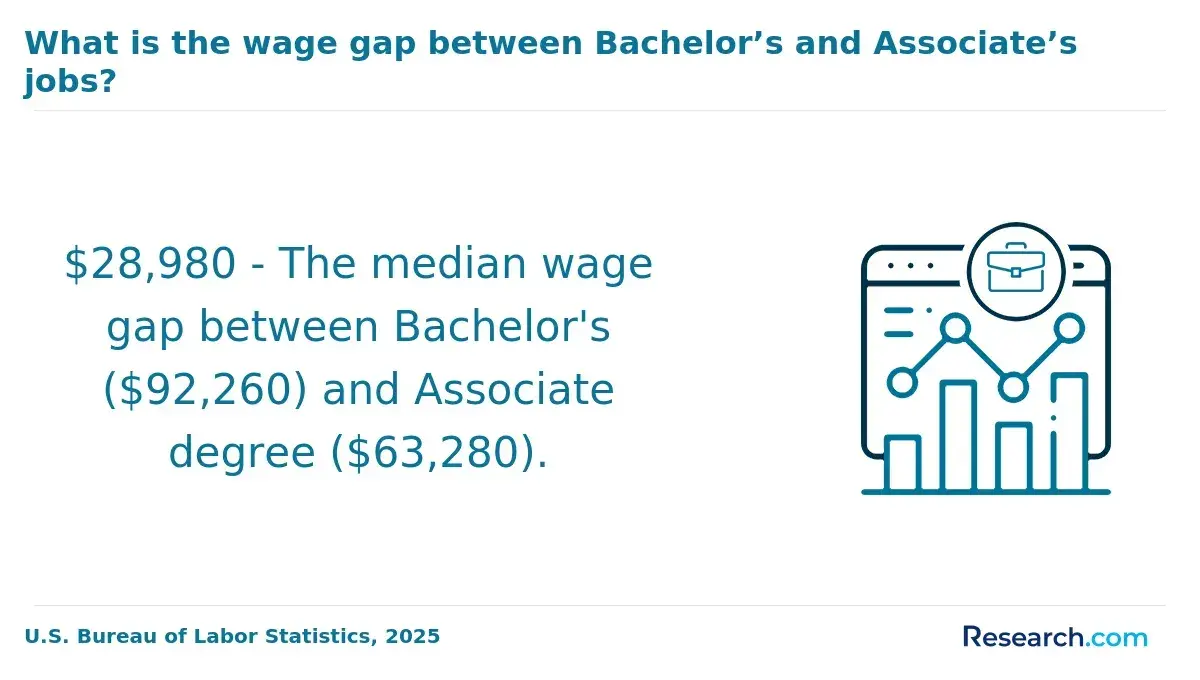
- Median biological sciences bachelor's degree debt at $32,000 delays technician role income gains, making accelerated or associate-degree pathways financially preferable for candidates seeking faster workforce entry, per recent Education Data Initiative findings.
What laboratory technician jobs can you pursue with a biological sciences degree?
Choosing a biological sciences degree with a focus on laboratory technician roles requires balancing the realities of on-site work and specialized skill acquisition. These careers often demand presence in regulated environments with strict safety protocols, limiting remote work options.
Clinical laboratory technologists or technicians represent the most direct employment path, performing diagnostic tests essential to hospitals and medical facilities. Median earnings stood near $63,190 in 2024, with the top 10% approaching $91,880, reflecting distinct employer demand for those prepared for precise laboratory responsibilities.
This wage variation also illustrates how location and sector-urban hospital labs versus smaller environmental testing outfits-affect compensation.
Laboratory technician roles for biological sciences graduates extend to pharmaceutical, biotech, and environmental analysis domains. Technicians manage tasks such as assay development, quality control, and chemical contamination assessment, requiring proficiency in molecular biology methods and data accuracy.
Employers prioritize candidates who combine technical competency with critical thinking to troubleshoot and communicate results effectively. Entry-level positions involve routine tasks and extended training periods, while career growth depends on expertise with complex instrumentation and data interpretation.
Certification such as the ASCP enhances employability but is not uniformly mandatory across roles. Early specialization improves job targeting in clinical, pharmaceutical, or environmental sectors. Prospective students should weigh the practical tradeoffs between workplace flexibility, training duration, and sector-specific demand when assessing biological sciences degree careers in laboratory technology.
For more informed guidance on jobs with biology degree, consult specialized career resources that detail salary potentials and role expectations.
How does a biological sciences degree prepare you for entry-level lab technician roles?
A biological sciences degree directly equips candidates with specific competencies crucial to entry-level laboratory technician roles, emphasizing practical skills like microscopy, molecular assays, and experimental design. This focus aligns closely with employer demands for technicians who can immediately support research protocols, such as sample preparation and accurate result documentation, minimizing the need for prolonged on-the-job training.
Employers within biotechnology and pharmaceutical sectors prioritize applicants who supplement their biological sciences degree career pathways for lab technician positions with hands-on experience gained through internships or capstone projects. For instance, a biotech firm technician routinely applies sterile techniques and maintains quality control logs, a practice that reduces training overhead and accelerates integration into fast-paced experimental workflows.
Additionally, understanding regulatory compliance and safety standards embedded in biological sciences curricula addresses a critical hiring concern: operational integrity under FDA, OSHA, or EPA guidelines. This knowledge lowers the risk of protocol violations and supports laboratories' adherence to rigorous safety frameworks.
The labor market outlook reflects this dynamic: employment for biological technicians in scientific research and development is projected to grow 9% between 2021 and 2031, outpacing average occupational growth. Graduates seeking entry-level laboratory technician skills developed through a biological sciences degree should strategically highlight documented lab experience and regulatory knowledge when targeting competitive positions, acknowledging wage constraints and hiring barriers.
For those considering educational direction in science fields, exploring options such as the best online computer science degree programs may offer complementary or alternative pathways with distinct operational roles and tech-focused skill sets.
What are the typical duties and work environments for biological laboratory technicians?
Technical proficiency in sample preparation, instrumentation, and data recording defines the job responsibilities of a biological laboratory technician in the US. However, the distinct demands of varied work environments test their adaptability.
For example, pharmaceutical laboratories require meticulous adherence to regulatory protocols during drug compound testing, contrasting with environmental testing facilities where field collection of water or soil samples and contamination assays predominate. These differences impact daily routines, documentation standards, and proficiency needs.
Work environments for biological laboratory technicians in the US span clinical labs, research centers, government agencies, and private environmental testing firms. The latter frequently involve travel and handling hazardous samples under changing field conditions, imposing operational and safety challenges.
Given the environmental testing market's forecast growth from $9.7 billion to $13.9 billion by 2029 with a 7.4% CAGR, these technicians face increasing throughput pressures and regulatory scrutiny, emphasizing time management and problem-solving as critical competencies.
Employers expect technicians to maintain equipment calibration and demonstrate command of data management software alongside quality control processes. This reality underscores the value of hands-on experience in laboratory settings and familiarity with regulatory frameworks over purely theoretical biological sciences education.
Those evaluating an online exercise science degree or related programs should consider how well curricula prepare for these operational demands, balancing workload stressors against career objectives.
What education, skills, and GPA do employers look for in lab technician candidates?
Hiring managers for laboratory technician roles prioritize candidates with a strong foundation in biological sciences, typically evidenced by at least a bachelor's degree. They expect proficiency in technical lab skills-such as PCR, chromatography, microscopy, and aseptic techniques-and the ability to analyze data using statistical tools.
Practical experience, whether through internships, co-op programs, or applied research, directly impacts both job performance and compliance with safety protocols, highlighting that theoretical knowledge alone is insufficient. This creates a significant practical tradeoff: candidates without hands-on experience may face longer job searches or need supplemental training on the job.
Employers set a preferred minimum GPA of 3.0, yet those with GPAs as low as 2.7 can offset this with relevant certifications, documented internships, or advanced lab competencies. This GPA and qualifications for lab technician jobs standard emphasizes measurable academic rigor but recognizes practical skill as an alternative pathway.
Specialization in microbiology, biochemistry, or molecular biology enhances prospects, particularly in food safety or pharmaceutical sectors, where adherence to quality standards like GLP and GMP is non-negotiable.
In pathogen detection labs, technicians must verify data quickly and accurately to meet regulatory deadlines, combining scientific precision with efficient communication and reporting. The global food safety testing market is expanding-from $24.7 billion in 2024 to $38.4 billion by 2029-driving demand for adept technicians capable of managing complex testing protocols and high-throughput workflows.
Education pathways that integrate current instrumentation and regulatory knowledge improve readiness for these evolving roles. For students exploring advanced credentials, a library degree may offer transferable research skills, underscoring the value of interdisciplinary study within biological sciences education and skills requirements.
Do you need certifications or licenses to work as a laboratory technician in the U.S.?
Certification is a pivotal factor in securing meaningful laboratory technician roles within the biological sciences sector, particularly in clinical microbiology. While licenses are infrequently mandated at a state level, certifications from recognized bodies such as the American Society for Clinical Pathology (ASCP) or the National Credentialing Agency for Laboratory Personnel (NCA) often serve as de facto requirements.
For example, hospital microbiology labs routinely require ASCP certification for technicians managing infectious agents and antibiotic susceptibility testing, underscoring the distinction between entry-level roles and positions demanding oversight or specialized skill. Without these credentials, technicians generally face limited upward mobility and modest compensation.
State licenses are uncommon but may be necessary for niche areas like forensic or environmental laboratories where regulatory compliance involves hazardous materials or legal evidence handling. Employers consistently prioritize certifications combined with relevant experience, especially for supervisory or advanced roles.
Investing six to twelve months in preparing for certification aligns with labor market trends, given the U.S. Bureau of Labor Statistics projects a 9% growth rate for microbiologists over the next decade with approximately 2,000 job openings annually. Candidates who opt for certification position themselves to capitalize on these opportunities and command competitive salaries within biological sciences.
How do online biological sciences programs compare to campus-based options for lab careers?
For aspiring lab technicians in biological sciences, online degrees offer theoretical knowledge but fall short in replicating the hands-on laboratory experience essential for employer readiness. Practical skill development depends heavily on supervised, in-person lab work where students master equipment calibration, sample handling, and time-sensitive workflows.
For instance, a forensic science technician must demonstrate proficiency with advanced instrumentation in a real crime lab environment-an expectation difficult to meet through virtual simulations alone.
This gap between online coursework and applied practice affects employability, particularly in high-demand areas like forensic science, where the U.S. Bureau of Labor Statistics estimates a 13% employment growth over the next decade, creating approximately 2,300 new annual jobs. Candidates with documented, practical lab experience maintain a clear advantage in this competitive market.
Students pursuing online biological sciences programs should plan for internships or local lab volunteering to bridge the experiential divide. However, securing these placements can delay credential completion and increase out-of-pocket costs. Conversely, campus-based programs typically embed extensive lab hours and internships within their curriculum, facilitating smoother transitions to employment through established industry connections.
Ultimately, online programs serve best as foundational or continuing education paths rather than immediate preparation for lab roles. Prospective students must critically assess programs based on verified lab time, internship opportunities, and employer recognition rather than convenience to align their education with the practical demands of the market.
What core courses and lab experiences best support a laboratory technician career path?
For those targeting a laboratory technician role, core coursework must prioritize practical mastery over theoretical breadth. Integral subjects include microbiology, molecular biology, biochemistry, and cell biology, which collectively build understanding of cellular and biochemical processes essential to routine lab operations.
Complementary training in analytical chemistry and instrumentation equips students to handle standard tools such as spectrophotometers, chromatographs, and microscopes commonly found in research and educational settings.
Hands-on lab experience is mandatory, not optional. Proficiency in aseptic technique, sample preparation, sterile handling, and adherence to safety standards directly correlates with employability-especially in environments like infectious disease research, where containment protocols are non-negotiable. Moreover, competency in data management and basic statistics aligns with employer expectations for accuracy in documenting and interpreting experimental results.
Specialized electives, including genetic engineering or pharmacology labs, should be selected deliberately. These offer niche skill sets but reduce exposure to core laboratory practices, influencing access to broad versus sector-specific roles.
Employers emphasize dual expertise in manual laboratory methods and digital lab management systems to expedite integration and reliability in data-centric workflows. This requirement coincides with a significant job market presence, with over 80,000 UK laboratory technician vacancies reported in 2024, predominantly in education and research sectors, indicating a strong demand for comprehensively trained candidates.
What are the salary ranges and benefits for biological and medical lab technicians?
Salary ranges for biological and medical lab technicians vary widely, influenced by sector, geographic location, and experience level. Entry roles in hospital and public health labs often begin near $40,000, whereas technicians specializing in pharmaceutical quality control or contract research with over five years' experience can exceed $70,000.
This discrepancy highlights a key tradeoff: hospital positions offer greater employment stability but slower wage growth; pharmaceutical roles command higher pay but are subject to market fluctuations linked to contract availability and industry demand.
Advancement typically depends on gaining certifications such as ASCP or CLS, which can enhance earnings by 10-15%. Without specialized skills, technicians face limited promotion prospects and salary caps. Practical laboratory competencies combined with data accuracy and regulatory compliance remain non-negotiable. Those fluent in automation or informatics tools can differentiate themselves and command premium wages.
Benefits packages commonly include healthcare and retirement plans, with clinical settings sometimes providing shift differentials and hazard pay offset by irregular hours or on-call duties. Contract labs generally offer predictable weekday schedules but fewer premium pay options and enhanced workplace safety.
The rapid expansion of the pharmaceutical analytical testing outsourcing market-from $8.3 billion in 2023 to $16.1 billion by 2030 at nearly 10% annual growth-directly influences demand and compensation trends for quality control technicians. Navigating these dynamics requires continuous technical skill updates aligned with evolving industry standards, especially for those aiming to pivot or advance within the biological sciences workforce.
What is the job outlook for laboratory technicians with a biology background in the U.S.?
Employment growth for laboratory technicians with a biology background in the U.S. is modest but steady, driven largely by agricultural, food science, and biotech sectors. Agricultural and food science technicians specifically face an estimated 6% job growth from 2022 to 2032, equating to about 5,800 annual openings, per U.S. Bureau of Labor Statistics data.
This demand hinges on the need for skilled professionals to support complex research, product testing, and quality assurance amid evolving industry standards.
Technicians must develop proficiency not only in routine sample analysis but also in advanced techniques-such as genetic testing-as companies adopt cutting-edge molecular tools. This shift requires adaptable skillsets, combining technical precision with problem-solving capabilities to navigate technological and regulatory transitions.
Specializing exclusively in agricultural biology labs can narrow geographic and sector mobility, whereas broader biological sciences credentials open doors in environmental, medical, and industrial labs. Location matters: the Midwest has concentrated agricultural opportunities, while urban centers offer diversity but face stiffer competition.
Focused educational programs that integrate core biological sciences with hands-on experience and data management better prepare candidates for real-world challenges. Networking through internships and joining relevant professional associations also notably enhance employment prospects in this evolving landscape.
How can you evaluate and choose an accredited biological sciences program for lab work?
Choosing an accredited biological sciences program demands close attention to lab training quality and industry alignment, not just institutional prestige. Accreditation by bodies like ABET or CHEA ensures the curriculum matches current professional standards, especially essential in clinical genomics where automated processes and data accuracy dominate daily workflows.
Without lab components constituting at least 30-40% of coursework, students risk underdeveloped practical skills, limiting their readiness for real-world lab environments.
Employment outcomes provide a concrete measure of program value. Programs reporting 70% or higher placement in lab technician roles within a year reflect productive employer engagement, often driven by partnerships with diagnostic labs, hospitals, or biotech firms offering internships and research integration.
Conversely, lack of up-to-date lab equipment and missing certification prep for credentials like Clinical Laboratory Scientist (CLS) or Medical Laboratory Technician (MLT) can reduce marketability upon graduation.
Specialization matters where job functions diverge, such as pharmaceutical manufacturing versus hospital pathology labs. Prospective students should prioritize programs offering targeted electives enabling skill alignment with sector-specific demands. For working professionals, access to evening labs or hybrid models avoids income disruption while maintaining hands-on competency development.
- The expanding clinical genomics market, forecasted to grow significantly over the next decade, increases demand for bioinformatics and sequencing technology training.
- Programs lacking in practical lab exposure or employer-aligned certification preparation often produce graduates facing prolonged job searches or underemployment.
Evaluating programs through outcomes data and operational realities informs strategic decision-making for those pivoting to or advancing within laboratory-based careers in the biological sciences.
Other Things You Should Know About Biological Sciences
Internships and co-ops serve as essential practical experience that significantly influence employability, more so than coursework alone. Employers expect candidates to demonstrate familiarity with real lab protocols, equipment, and safety standards, which internships provide.
Graduates without this experience often face longer job searches or lower starting salaries. Selecting programs with strong industry partnerships and mandatory experiential learning components improves hiring outcomes and reduces the early-career adjustment period.
Applied skill-based tracks align better with laboratory technician job demands because these roles emphasize accuracy, standard operating procedures, and reproducible techniques rather than hypothesis-driven research design.
Research-heavy programs may leave graduates underprepared for routine lab tasks or compliance work typical in technician roles. Prioritize curricula that integrate certification preparation, laboratory technology training, and data management over pure research theory to directly match employer expectations.
While online biological sciences programs offer flexibility, their limited access to in-person labs can hinder skills development critical for lab technician work. Many employers require demonstrable proficiency in operating specialized instruments and performing wet lab protocols that online simulations cannot fully replicate.
Candidates from online programs might need to seek supplemental hands-on training to be competitive. If choosing online, prioritize hybrid models with mandatory in-person lab residencies or partnerships with local institutions for practical experience.
References
- Medical Laboratory Technician Salary Guide - Trusted Health https://www.trustedhealth.com/allied-career-guide/lab-tech/salary-guide
- Personnel Licensure - ASCLS https://ascls.org/licensure/
- 9 Must-Have Skills for Your Lab Technician Resume https://www.lighthouselabservices.com/9-must-have-skills-for-your-lab-technician-resume/
- Medical Lab Technician Career Pathways at Children's Minnesota https://www.childrensmn.org/blog/medical-lab-technician-careers-pathways-advancement/
- Can You Join a Medical Laboratory Technician Program Without Science? https://pharmamedical.ca/can-you-still-become-a-medical-laboratory-technician-without-a-science-degree/
- Top Lab Certifications That Boost Your Career | ASCP, HT, MLS, PA https://nicklasstaffing.com/resources/certifications-that-advance-your-lab-career/
- Technician | Florida Board of Clinical Laboratory Personnel https://floridasclinicallabs.gov/technician/
- Top 10 Bio Lab Careers - University Centre Weston https://www.ucw.ac.uk/top-10-bio-lab-careers/
- Occupation Profile https://nccareers.org/occupation-profile/194021/1284
- Laboratory Technician (biology) https://www.abpi.org.uk/careers/job-case-studies/laboratory-technician-biology/